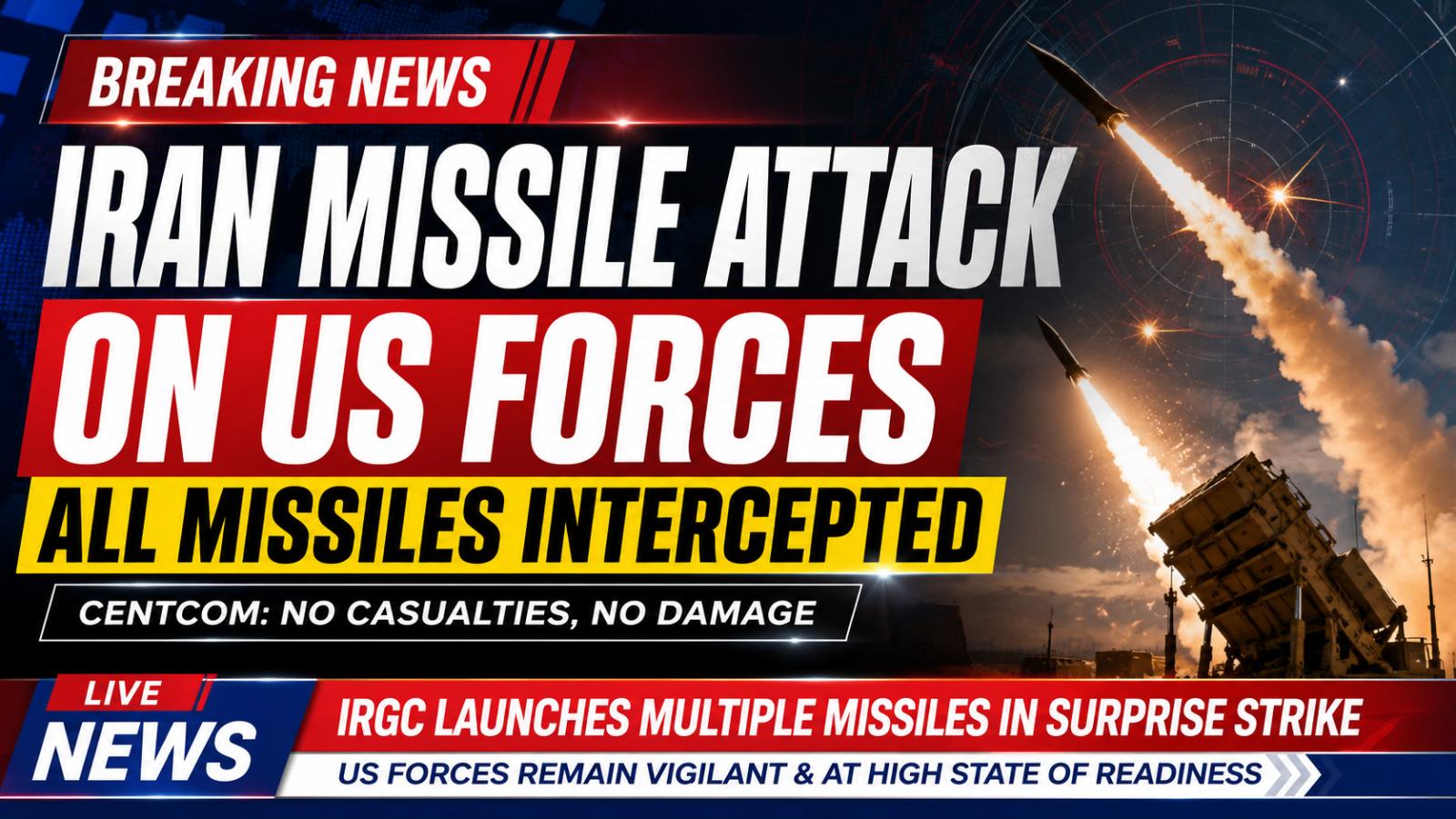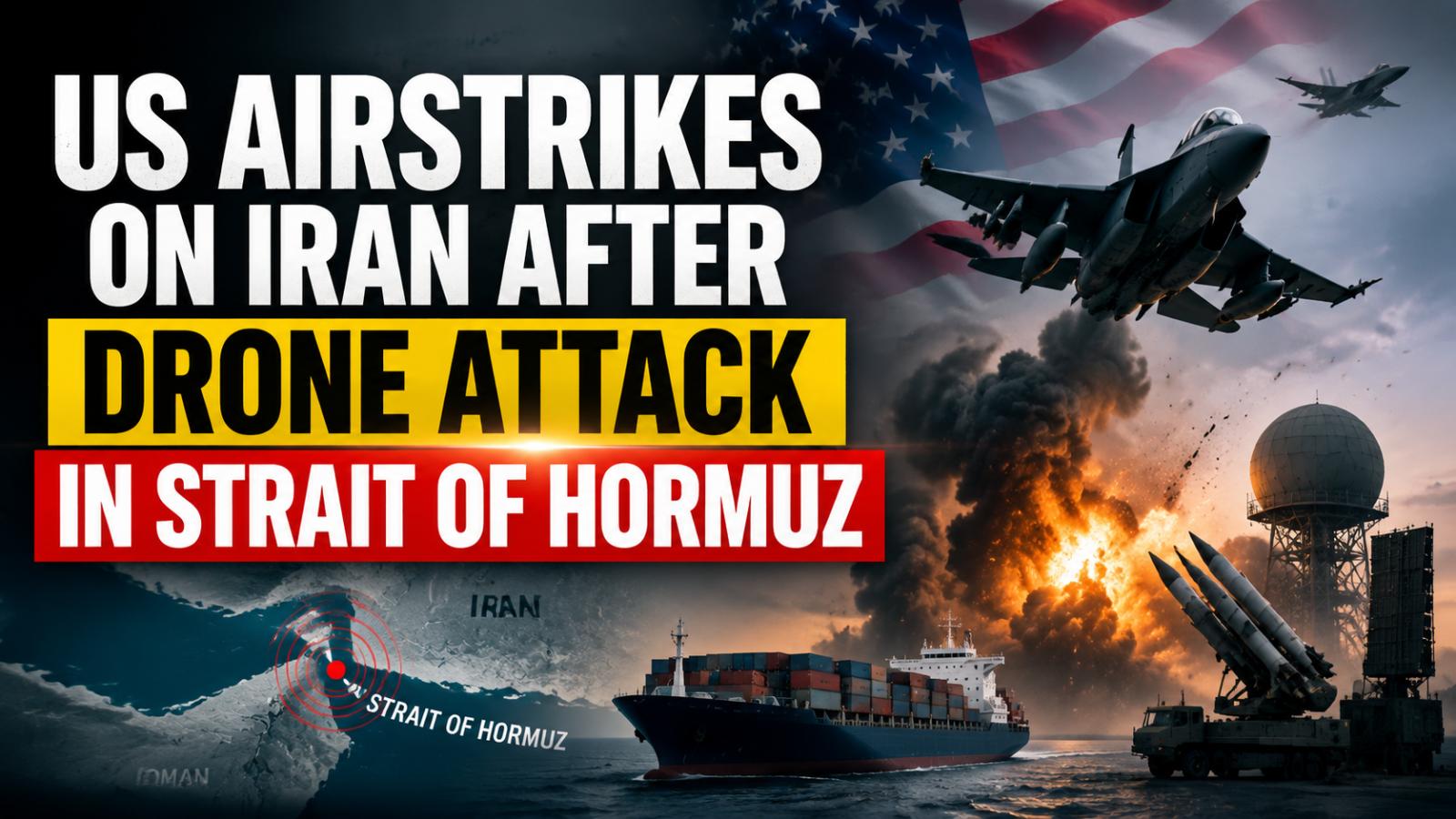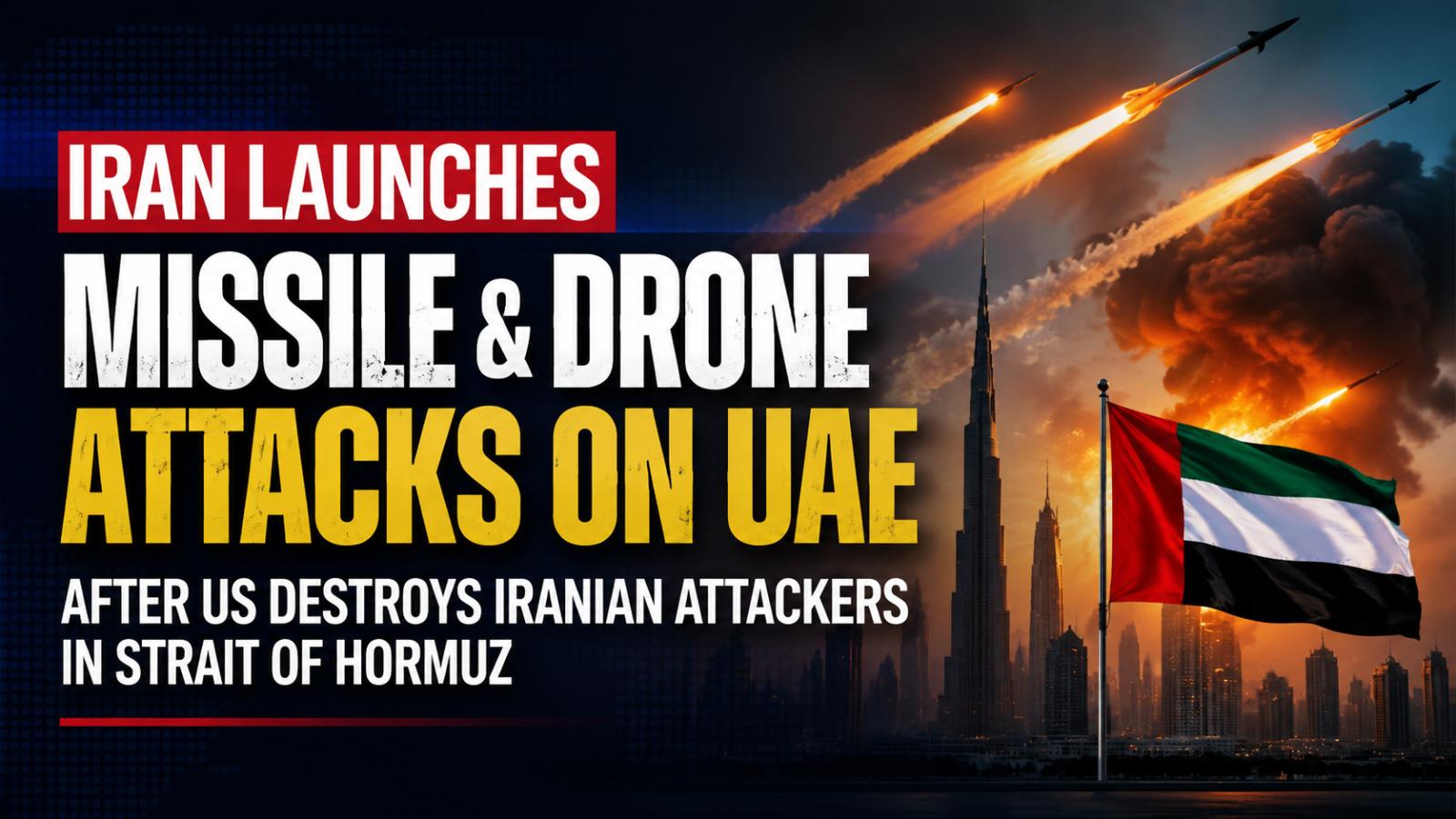
On May 8, Iran launched missile and drone attacks targeting the United Arab Emirates (UAE), hours after American forces destroyed Iranian attackers targeting US Navy destroyers in the Strait of Hormuz. The UAE Ministry of Defense confirmed that the country’s air defense systems were actively engaging the incoming threats. The attack prompted authorities to issue a public advisory, urging the public not to approach, photograph, or touch any debris from the successful interceptions.
UAE air defenses in action
The UAE Ministry of Defense reported that missile and drone attacks originating from Iran were being intercepted by the country’s air defense systems. The Ministry clarified that the sounds heard in various parts of the country were the result of air defense operations intercepting ballistic missiles, cruise missiles, and drones. These interceptions are part of the ongoing efforts to protect the UAE from external threats, specifically those coming from Iran. The Ministry reassured the public that the air defense systems were handling the situation effectively.
US response to Iranian attackers
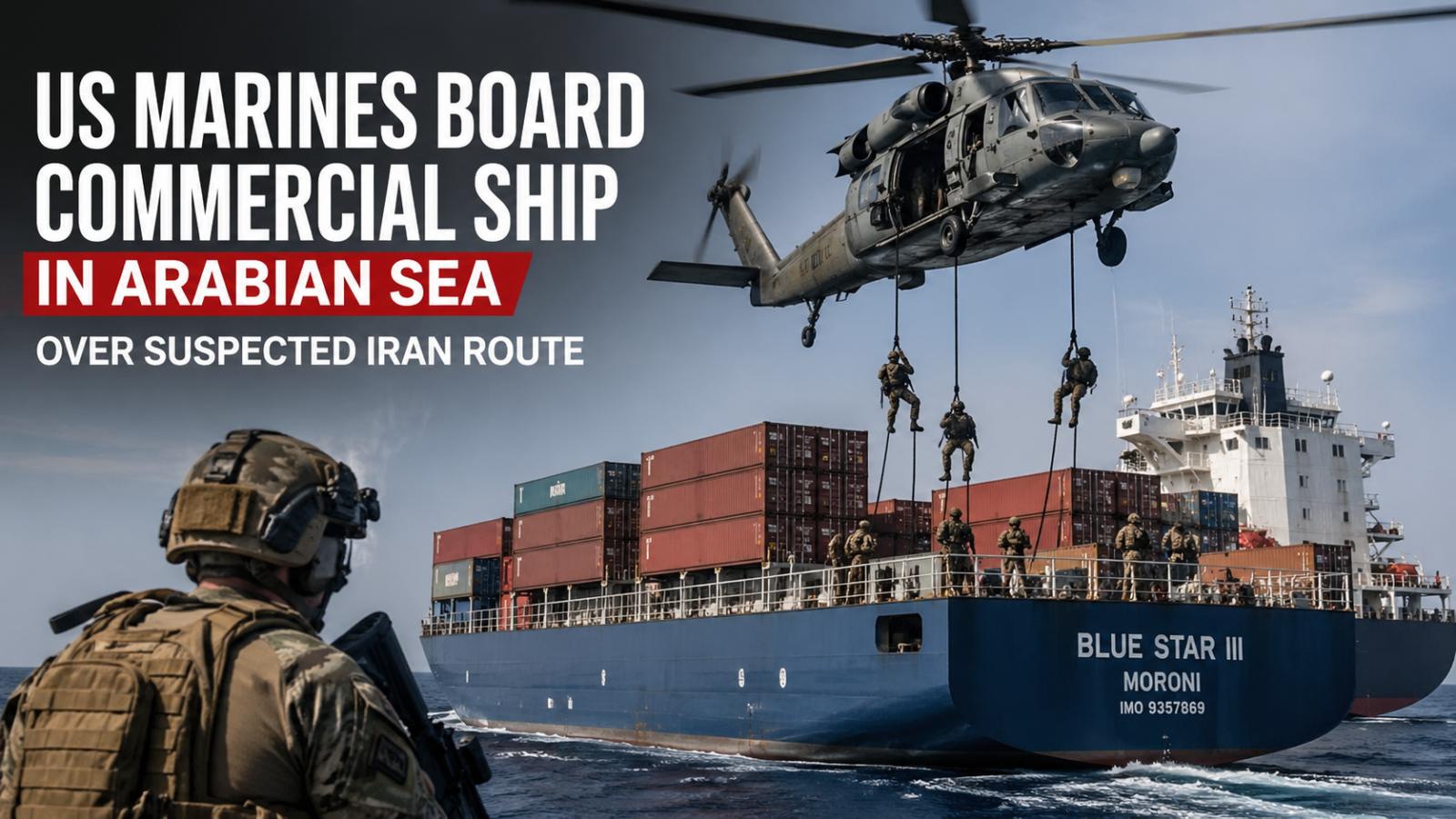
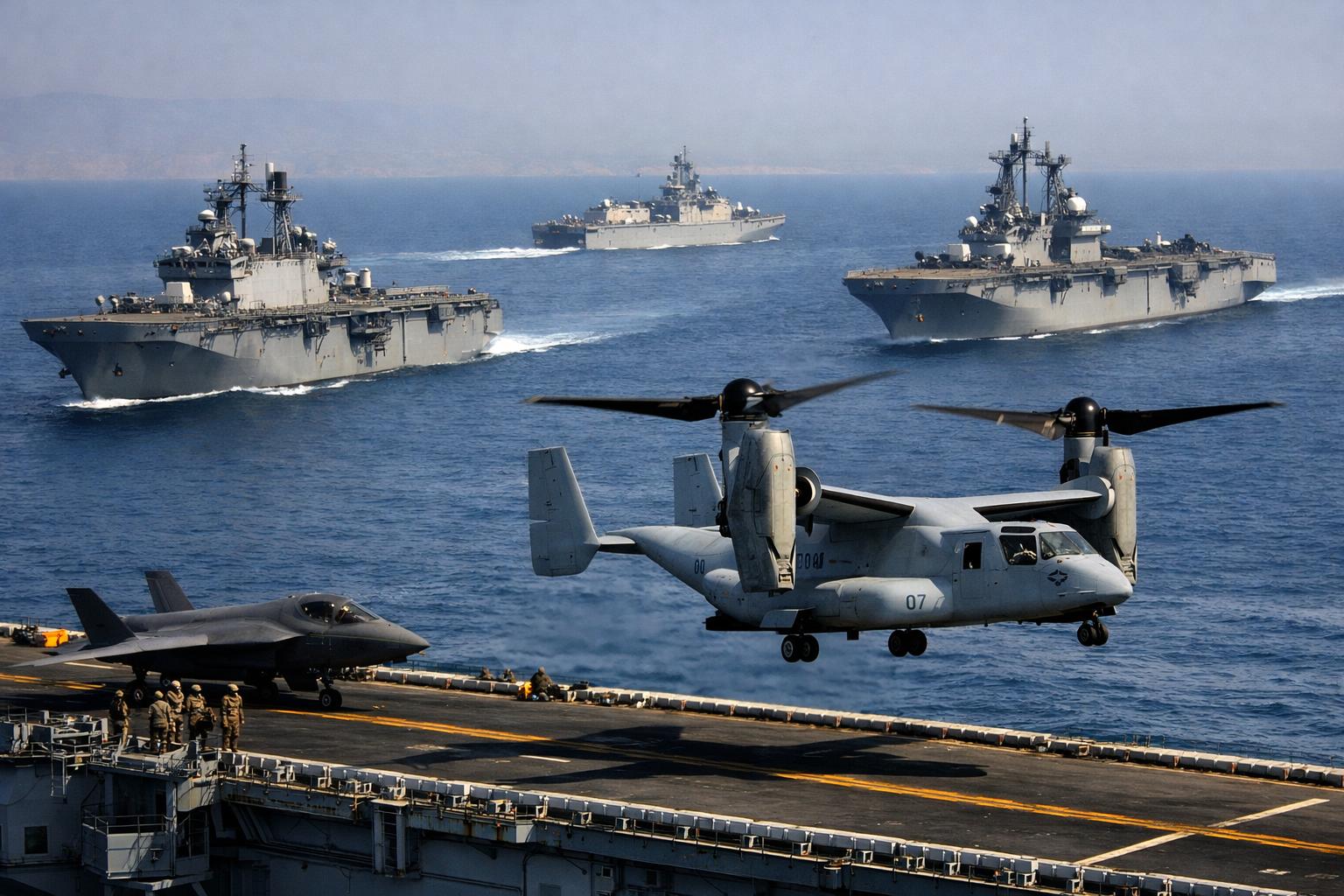
Earlier in the week, former US President Donald Trump claimed that American forces had destroyed Iranian attackers targeting three US Navy destroyers passing through the Strait of Hormuz. Trump took to social media to state that despite being under fire, the destroyers sustained no damage, while the Iranian attackers were significantly harmed. This exchange of fire escalated tensions between the US and Iran, with Trump warning Tehran of further retaliation if the country did not agree to a deal soon. "There was no damage done to the three destroyers, but great damage done to the Iranian attackers," Trump wrote.
Was the exchange of fire the fault of the US or Iran?
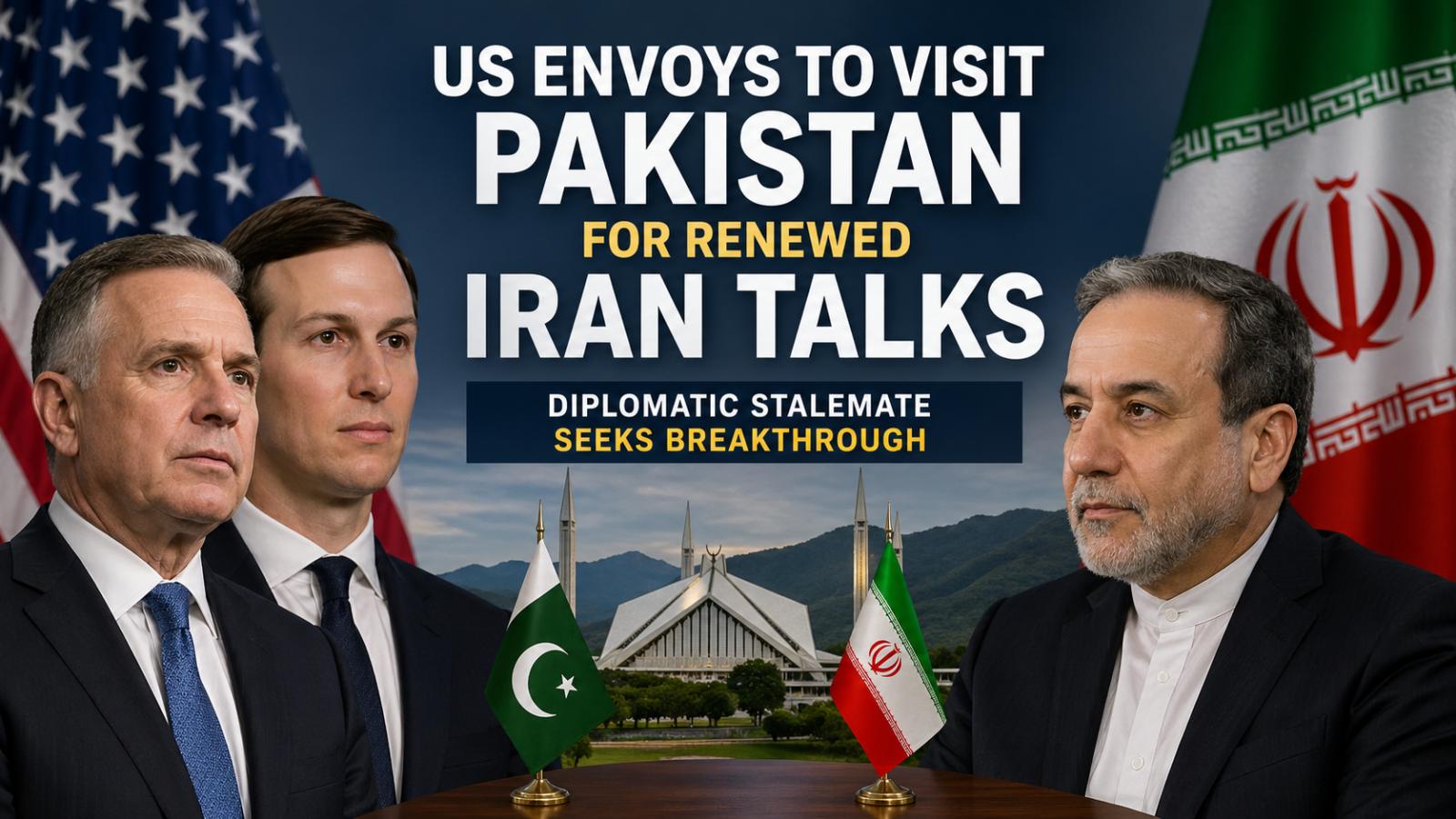
While the United States blamed Iran for initiating the exchange of fire, Tehran offered a different version of the events. Iranian officials accused the US of provoking the attack by targeting an Iranian oil tanker and another ship. Iran’s military command stated that their forces immediately retaliated by attacking American military vessels. Tehran’s foreign ministry spokesperson, Esmaeil Baqaei, announced that Iran would communicate its official position to Pakistan, which was acting as a mediator. Iran emphasized that their forces had acted in defense of their country’s sovereignty.
In conclusion, tensions between the US, Iran, and the UAE remain high, with the ongoing conflict threatening to escalate further. The situation in the Strait of Hormuz continues to be a focal point for international security, with both military and diplomatic actions influencing the outcome of these tense exchanges. The international community awaits further developments as both sides continue to assert their positions.