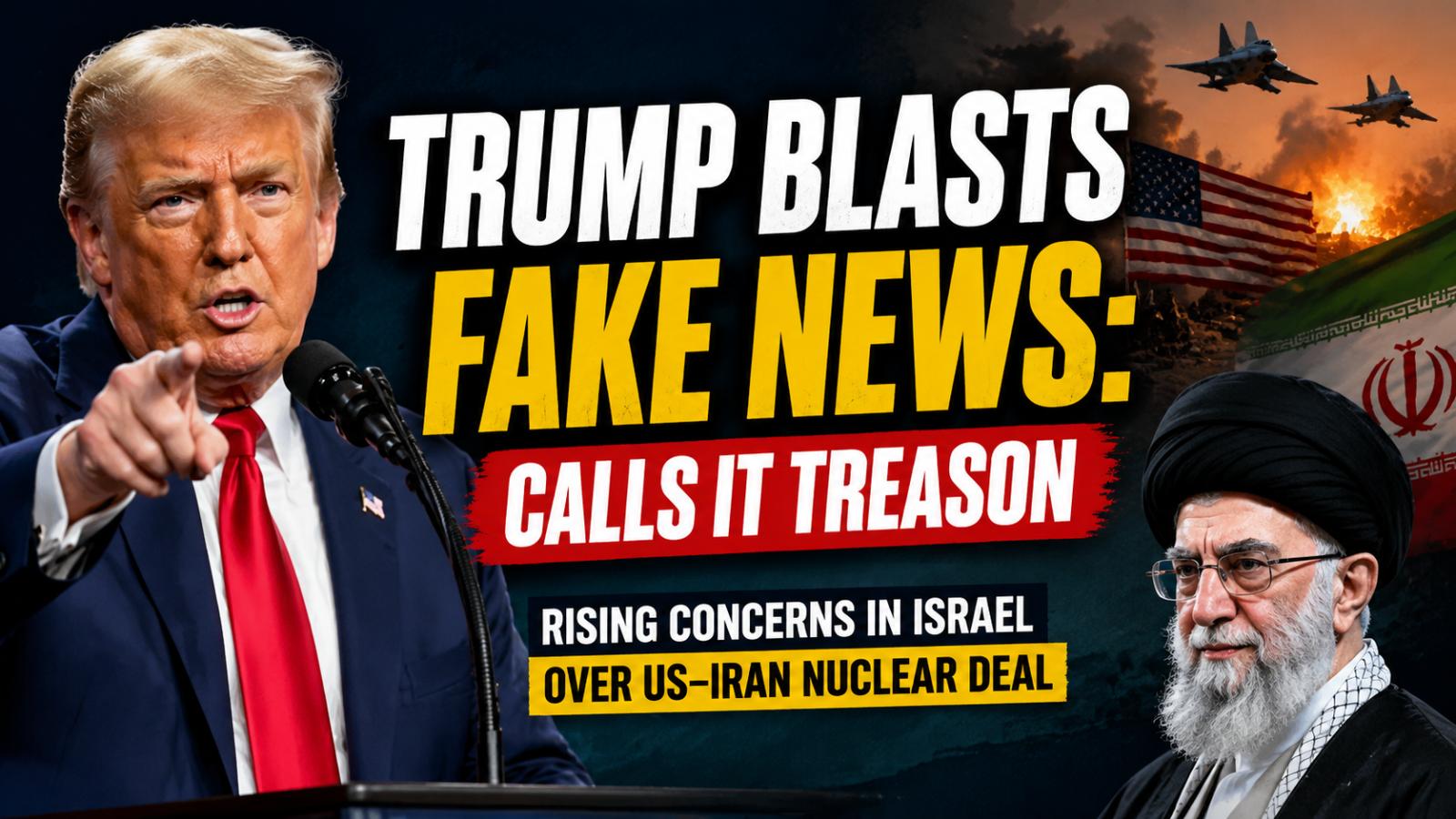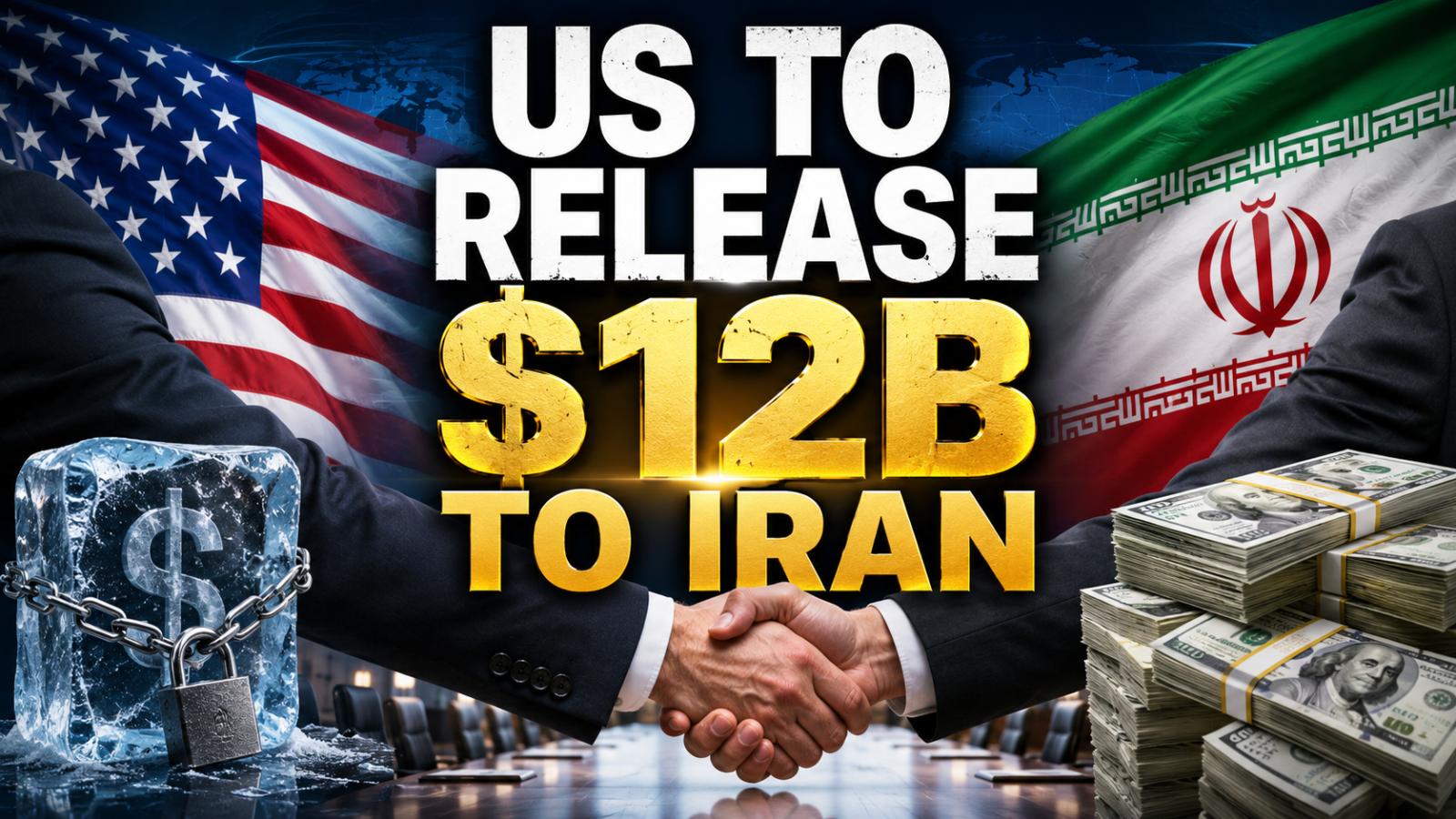
The United States will release $12 billion in frozen Iranian assets before negotiations begin on a final agreement, according to Iranian reports citing details of a proposed memorandum of understanding between Washington and Tehran. Iran said talks with the United States would take place within two months of the immediate halt to hostilities announced on Monday, June 15. The reported asset release is being framed as an early confidence-building step before both sides move toward a broader settlement covering sanctions, security and nuclear-related issues.
Ceasefire Creates Opening
The development follows the announcement of a preliminary US-Iran peace framework intended to end months of conflict and reduce military tensions across the region. The proposed deal includes an immediate ceasefire period, with further negotiations expected during a 60-day window. Those talks are likely to address unresolved issues including Iran’s nuclear programme, sanctions relief, maritime security and implementation guarantees. The release of frozen funds could help maintain momentum, but it also raises questions about verification, sequencing and whether each side will meet its early obligations.
Sanctions And Frozen Funds
Frozen Iranian assets have long been a central point in negotiations between Tehran and Washington. Reports suggest the broader framework could involve $24 billion in frozen assets, with half becoming available before final talks begin. For Iran, access to the funds would signal that sanctions relief is not only a future promise but part of the immediate process. For the United States, the move would likely be tied to compliance with ceasefire terms and further diplomatic engagement. This makes the asset release both a financial issue and a test of trust between the two governments.
Final Agreement Still Unclear
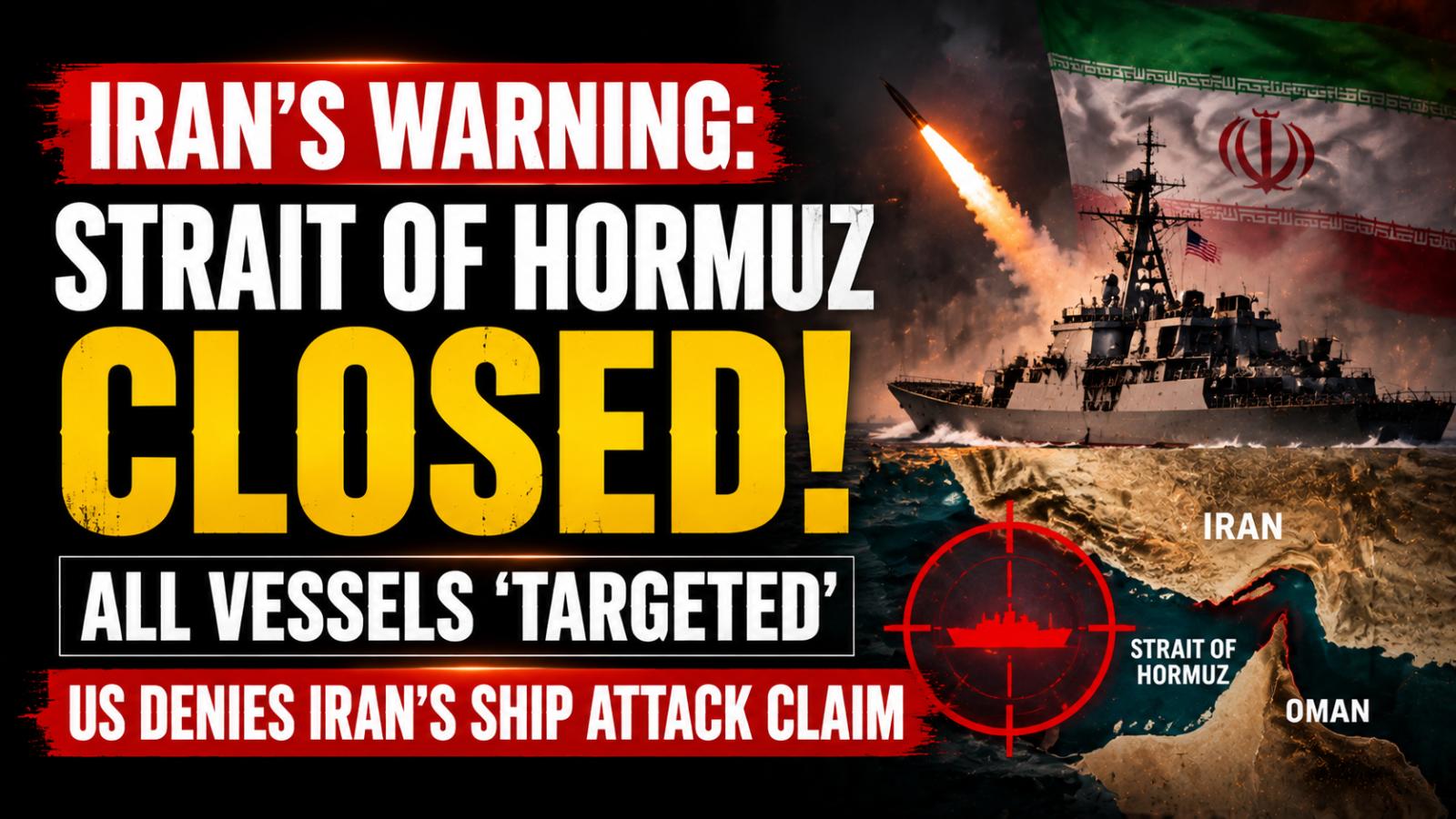
Despite the reported progress, a final agreement has not yet been completed. Major disputes remain over Iran’s nuclear activity, sanctions, regional armed groups and the security of shipping routes linked to the Strait of Hormuz. The ceasefire gives both sides room to negotiate, but the process remains fragile because any renewed military action or disagreement over the funds could delay the next phase. For now, the reported $12 billion release marks one of the clearest early steps in the US-Iran talks, but the long-term outcome will depend on whether the ceasefire holds and whether both sides can convert the memorandum into a binding final deal.