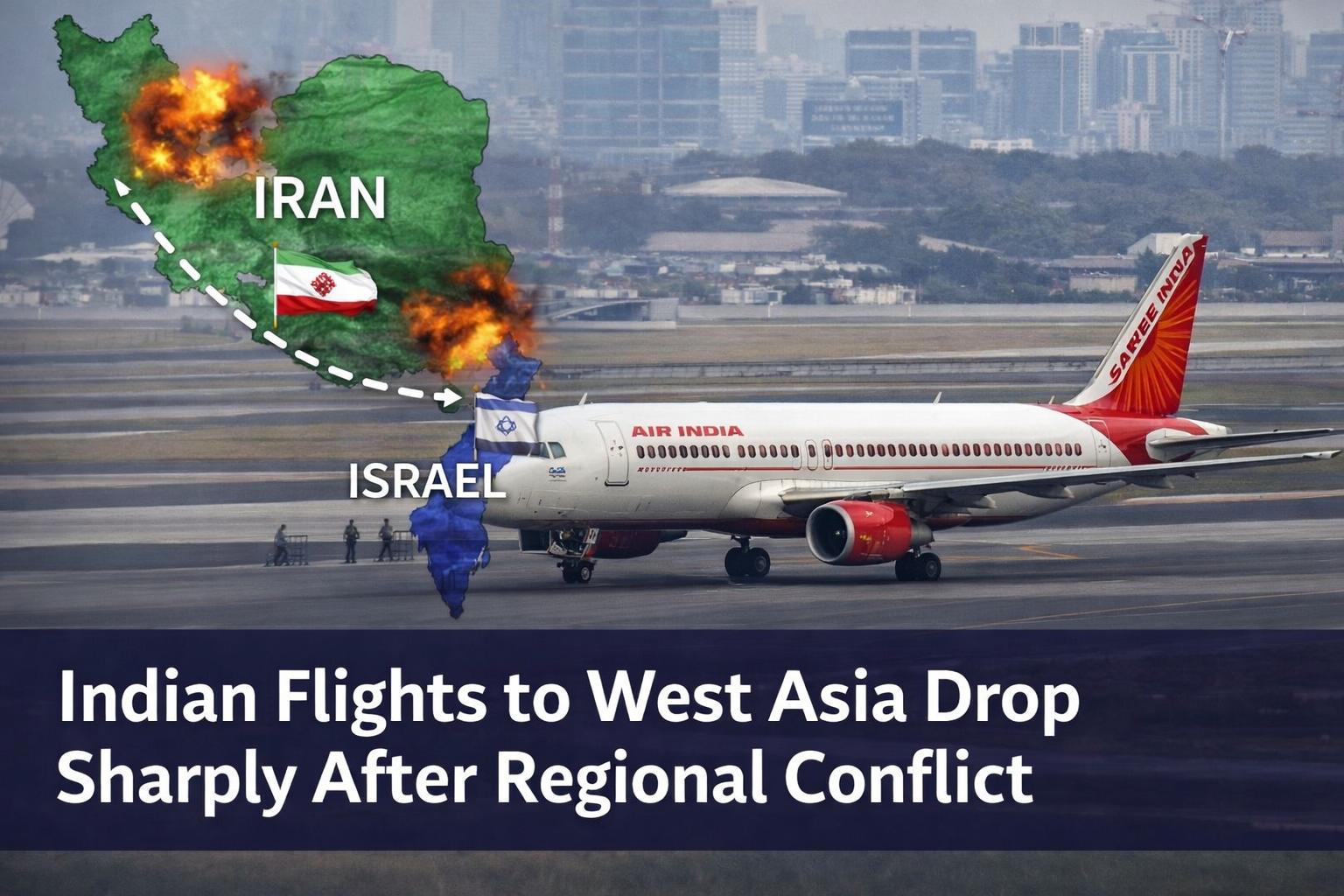
Before the escalation, Indian airlines operated approximately 300 to 350 daily flights to destinations across West Asia. That number has now dropped sharply to between 80 and 90 flights per day, reflecting a steep decline in connectivity driven by safety concerns and operational constraints. The reduction underscores the broader impact of geopolitical instability on commercial aviation, particularly in regions heavily reliant on cross-border travel for business and labor mobility.
The ongoing conflict in West Asia began on February 28, when the United States and Israel carried out strikes on Iran, prompting retaliatory action from Tehran. The escalation has led to heightened security risks in regional airspace, forcing airlines to cancel or reroute flights to ensure passenger and crew safety.
For US-based readers, the disruption highlights how international conflicts can rapidly affect global aviation networks, including routes frequently used by travelers connecting through major Middle Eastern hubs. Airlines continue to monitor the situation closely, adjusting schedules as conditions evolve. Industry analysts note that prolonged instability could further strain airline operations, increase travel costs, and impact global passenger movement in the coming weeks.