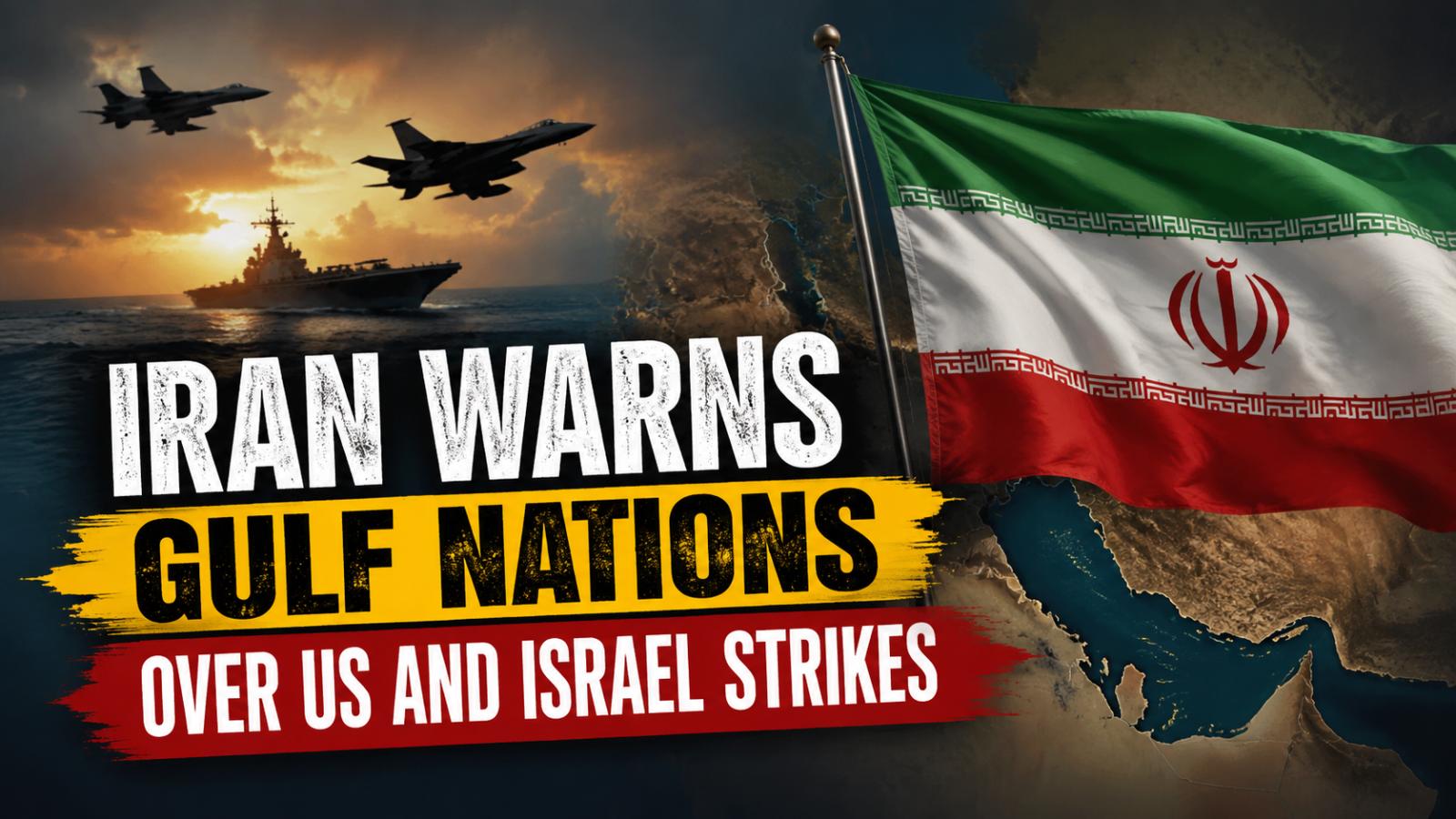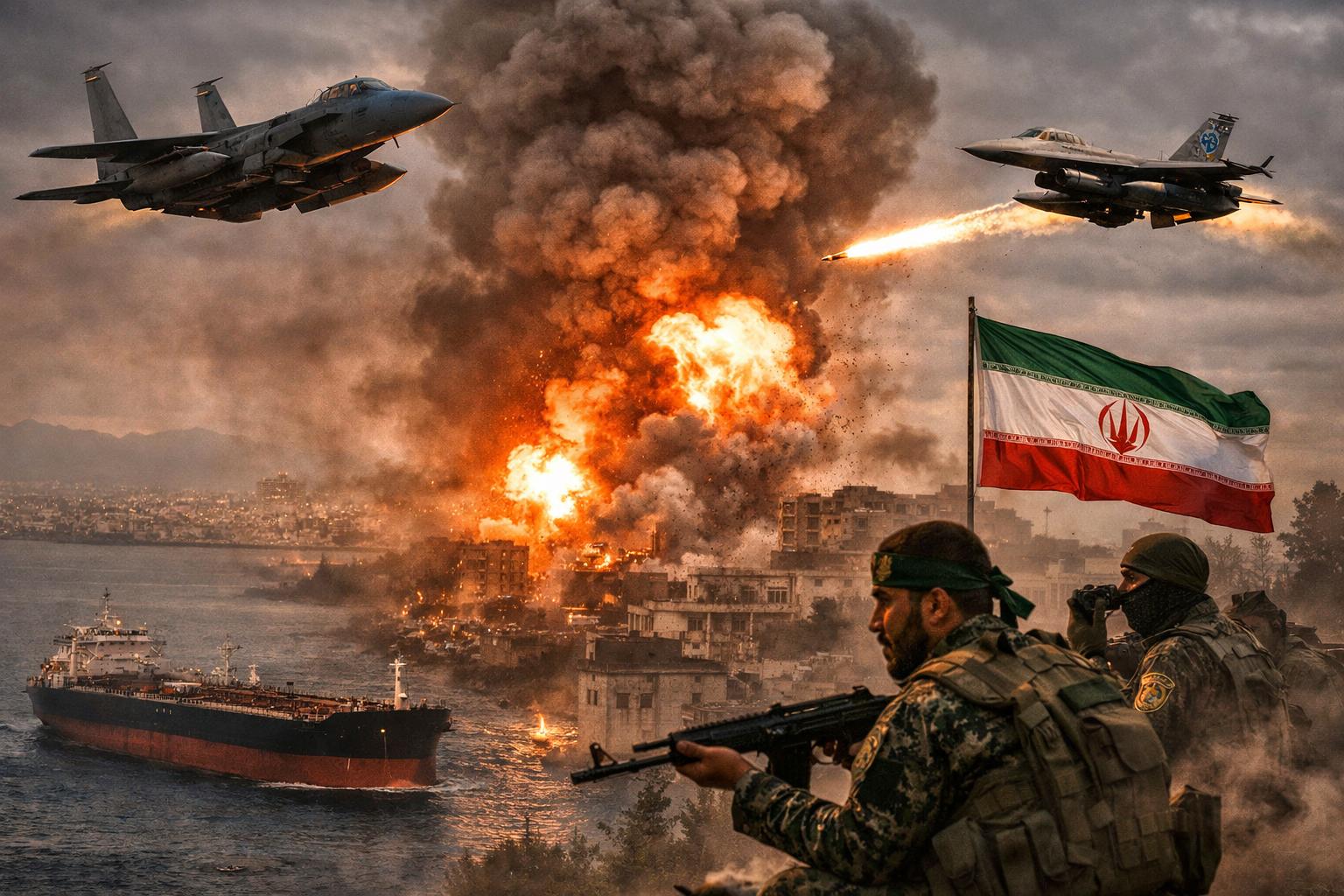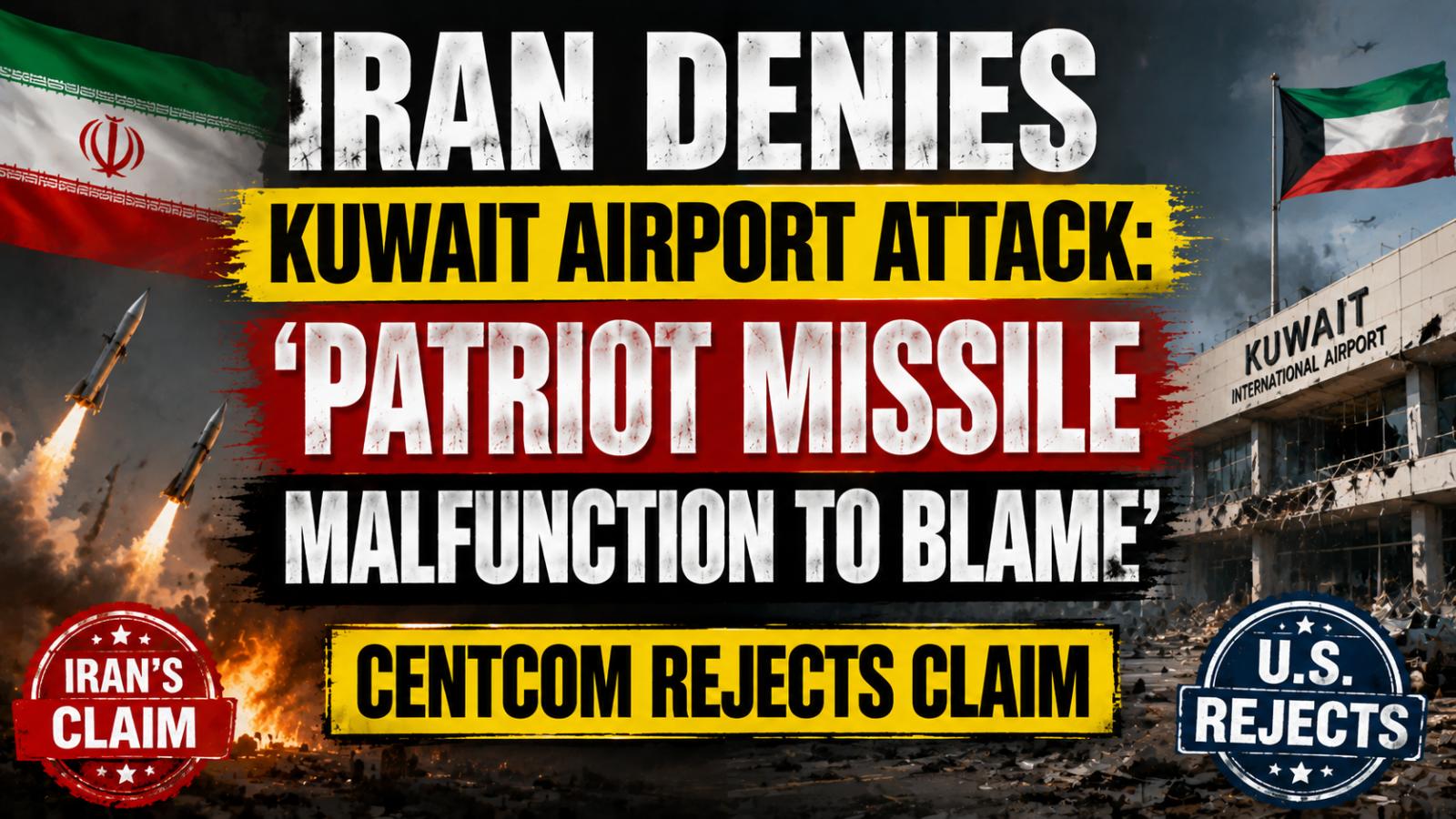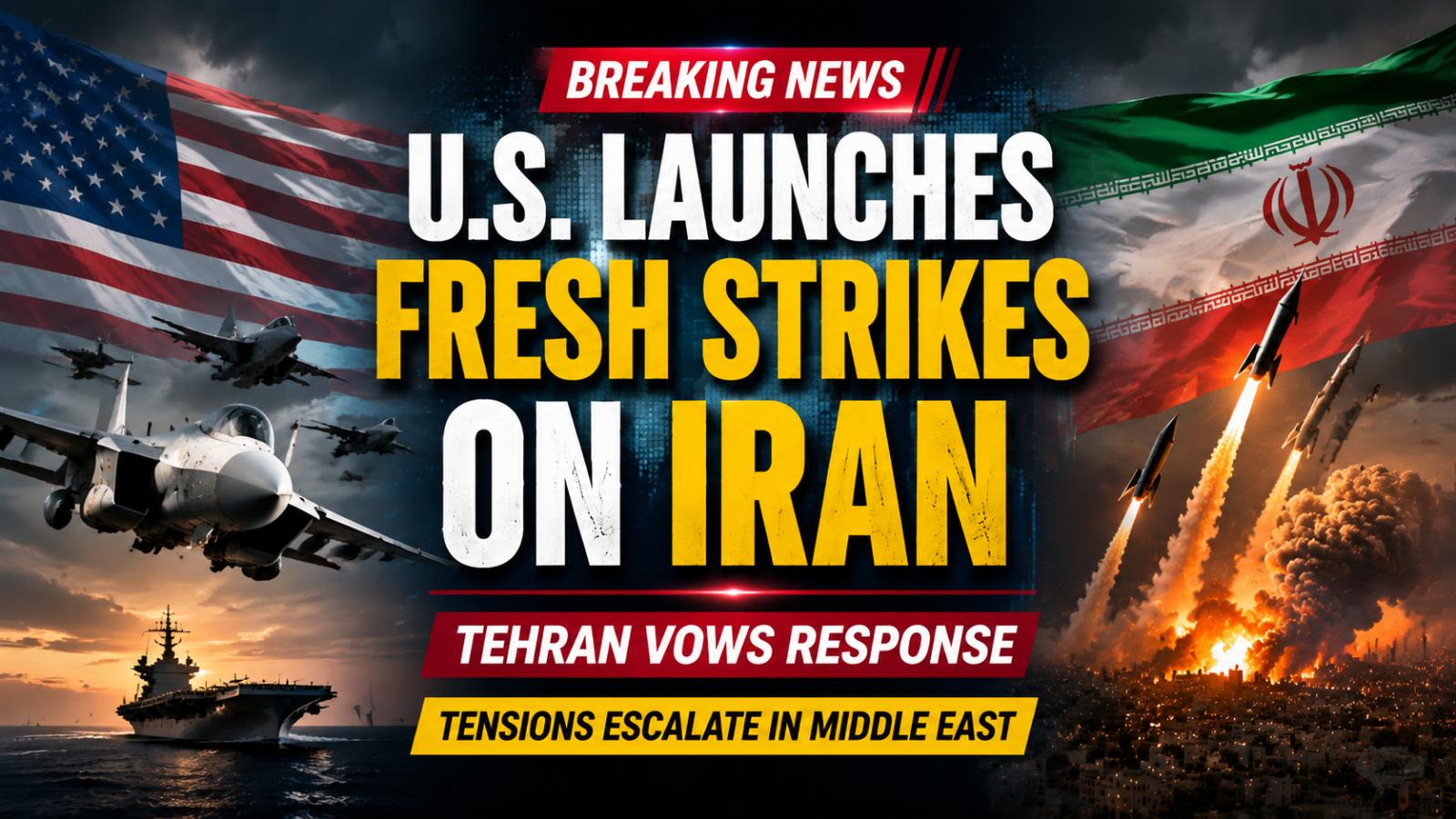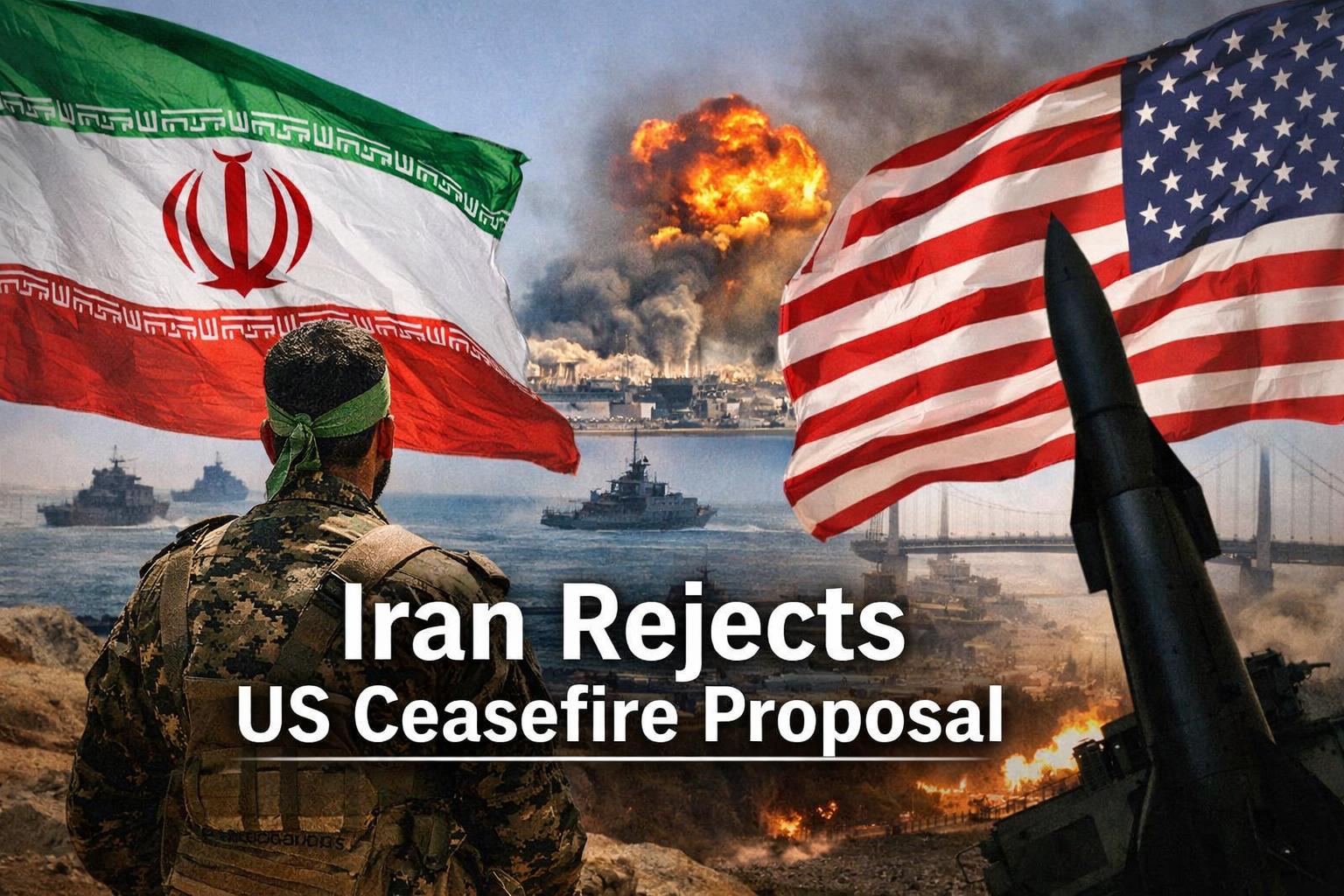
Iran has formally rejected a United States-backed proposal for a temporary ceasefire, instead presenting a structured response that calls for a permanent resolution to the ongoing conflict, according to statements from its state news agency. The move highlights Tehran’s position that a short-term truce would not address the broader geopolitical tensions shaping the crisis.
The response was conveyed to Washington through Pakistan, which has been serving as an intermediary in diplomatic discussions. Iranian officials emphasized that any agreement must move beyond a temporary pause and include long-term guarantees tied to regional stability, economic recovery, and security arrangements.
Iran’s 10-point response
- Iran rejected the US-backed temporary ceasefire proposal.
- Tehran insisted on a permanent and definitive end to the war.
- The response was formally communicated through Pakistan.
- Iran called for an end to all ongoing conflicts across the region.
- A protocol was proposed to ensure safe passage through the Strait of Hormuz.
- Iran demanded the lifting of international economic sanctions.
- The response included a call for reconstruction and recovery commitments.
- The United States described the proposal as significant but insufficient.
- President Donald Trump issued warnings, including potential strikes on infrastructure.
- A deadline was set for reopening the Strait of Hormuz amid ongoing talks.
The developments unfolded on Monday, April 6, 2026, as diplomatic channels remained active despite rising tensions. US President Donald Trump acknowledged reviewing the proposal, describing it as a “significant step” but stating it did not meet US expectations.
Trump also warned of potential consequences if Iran does not reopen the Strait of Hormuz, setting a deadline of 8:00 PM Eastern Time on Tuesday, April 7, 2026. The strategic waterway remains critical for global oil shipments, making it a central point in the ongoing dispute.
Despite the escalation in rhetoric, intermediaries continue efforts to bring both sides toward a negotiated resolution. However, with both Washington and Tehran holding firm positions, uncertainty remains over whether a broader agreement can be reached in the near term.