














Iran World Cup Ticket Allocation Dispute Hits Fans Before New Zealand Match
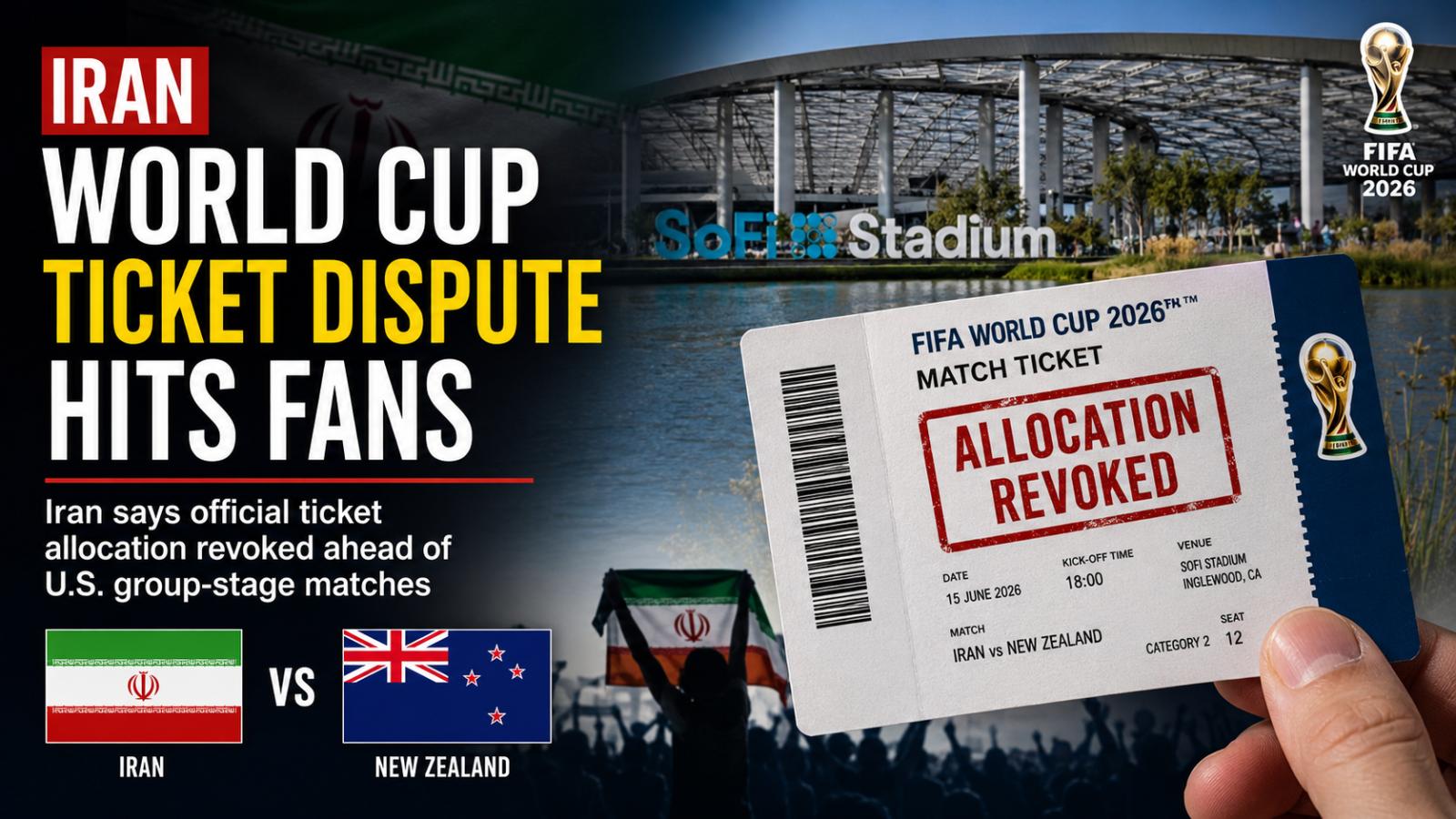
Iran’s World Cup ticket allocation dispute has intensified days before the national team’s opening match against New Zealand, with Iran’s football federation saying its official quota for supporters was revoked before the team’s U.S. group-stage games. The Football Federation Islamic Republic of Iran, known as FFIRI, said on Tuesday, June 9, 2026, that Iranian fans were being denied access to the federation’s official ticket allocation. The federation said FIFA rules provi
Iran World Cup Ticket Allocation Dispute Hits Fans Before New Zealand Match
Iran’s World Cup ticket allocation dispute has intensified days before the national team’s opening match against New Zealand, with Iran’s football federation saying its official quota for supporters was revoked before the team’s U.S. group-stage games. The Football Federation Islamic Republic of Iran, known as FFIRI, said on Tuesday, June 9, 2026, that Iranian fans were being denied access to the federation’s official ticket allocation. The federation said FIFA rules provi
Oil prices surge as US-Iran tensions stir global markets
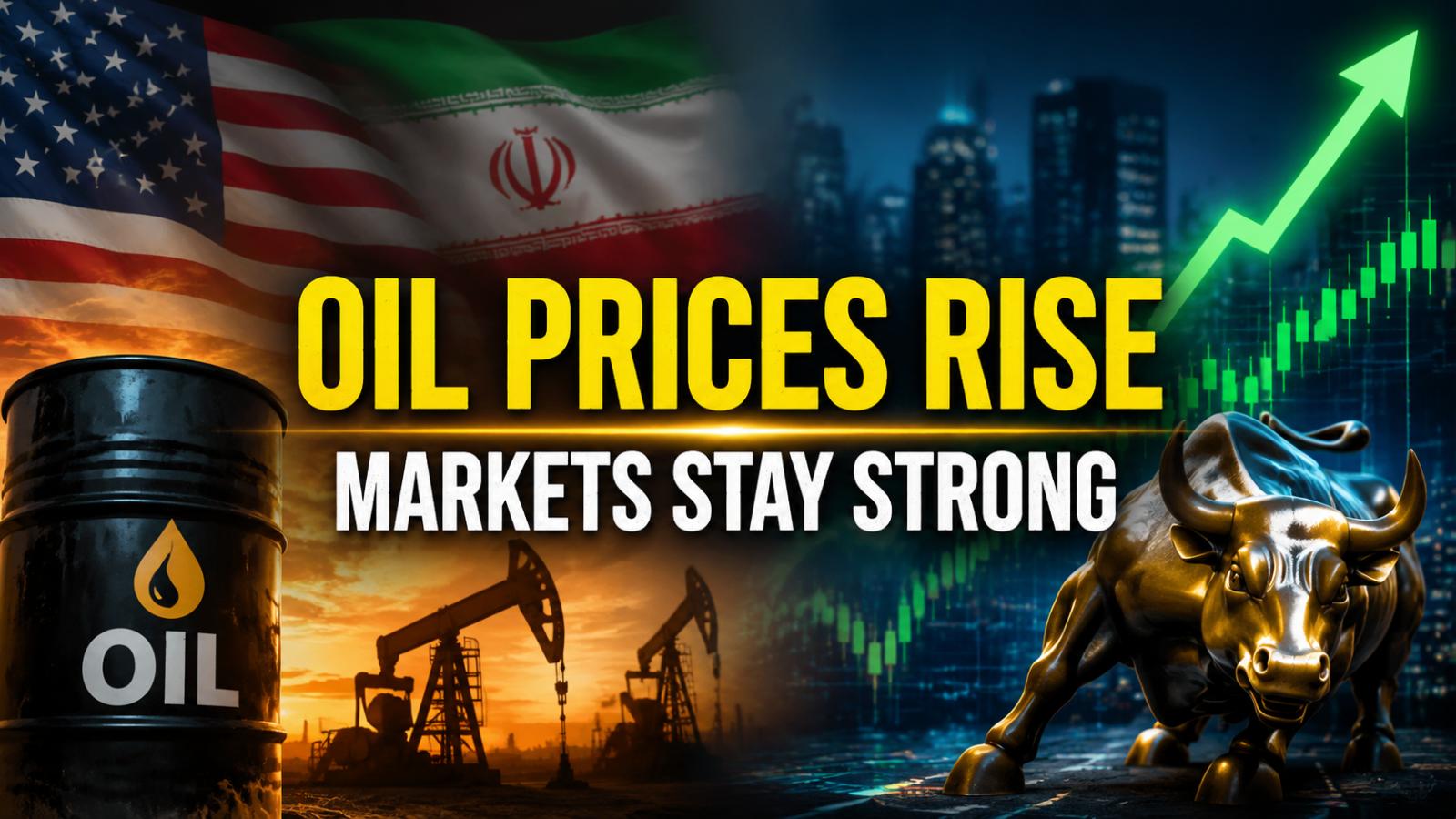
Oil prices rose sharply as Brent crude touched $98.20 per barrel on Wednesday, fueled by rising tensions between the United States and Iran. Recent missile activity in the Gulf region and disrupted shipping routes have intensified concerns about energy supply. Although strategic oil reserves remain untapped for now, the market is reacting to potential risks in the Strait of Hormuz. August contracts have jumped over 2% since early June and more than 5% in just the past week.
Oil prices surge as US-Iran tensions stir global markets
Oil prices rose sharply as Brent crude touched $98.20 per barrel on Wednesday, fueled by rising tensions between the United States and Iran. Recent missile activity in the Gulf region and disrupted shipping routes have intensified concerns about energy supply. Although strategic oil reserves remain untapped for now, the market is reacting to potential risks in the Strait of Hormuz. August contracts have jumped over 2% since early June and more than 5% in just the past week.
Iran Warns US of Missile & Drone Retaliation After Kuwait Airport Attack
Iran has issued a stern warning that any renewed U.S. military action will trigger a swift response using missiles and drones. Senior military adviser Mohsen Rezaei, speaking amid rising Gulf tensions, emphasized that Iran is prepared to defend itself against what it considers aggressive overreach. The statement underlines the fragile state of regional diplomacy and the challenges facing efforts to secure a ceasefire.
Iran Warns US of Missile & Drone Retaliation After Kuwait Airport Attack
Iran has issued a stern warning that any renewed U.S. military action will trigger a swift response using missiles and drones. Senior military adviser Mohsen Rezaei, speaking amid rising Gulf tensions, emphasized that Iran is prepared to defend itself against what it considers aggressive overreach. The statement underlines the fragile state of regional diplomacy and the challenges facing efforts to secure a ceasefire.
Trump Finalizes Iran Peace Deal Terms Amid Rising Tensions
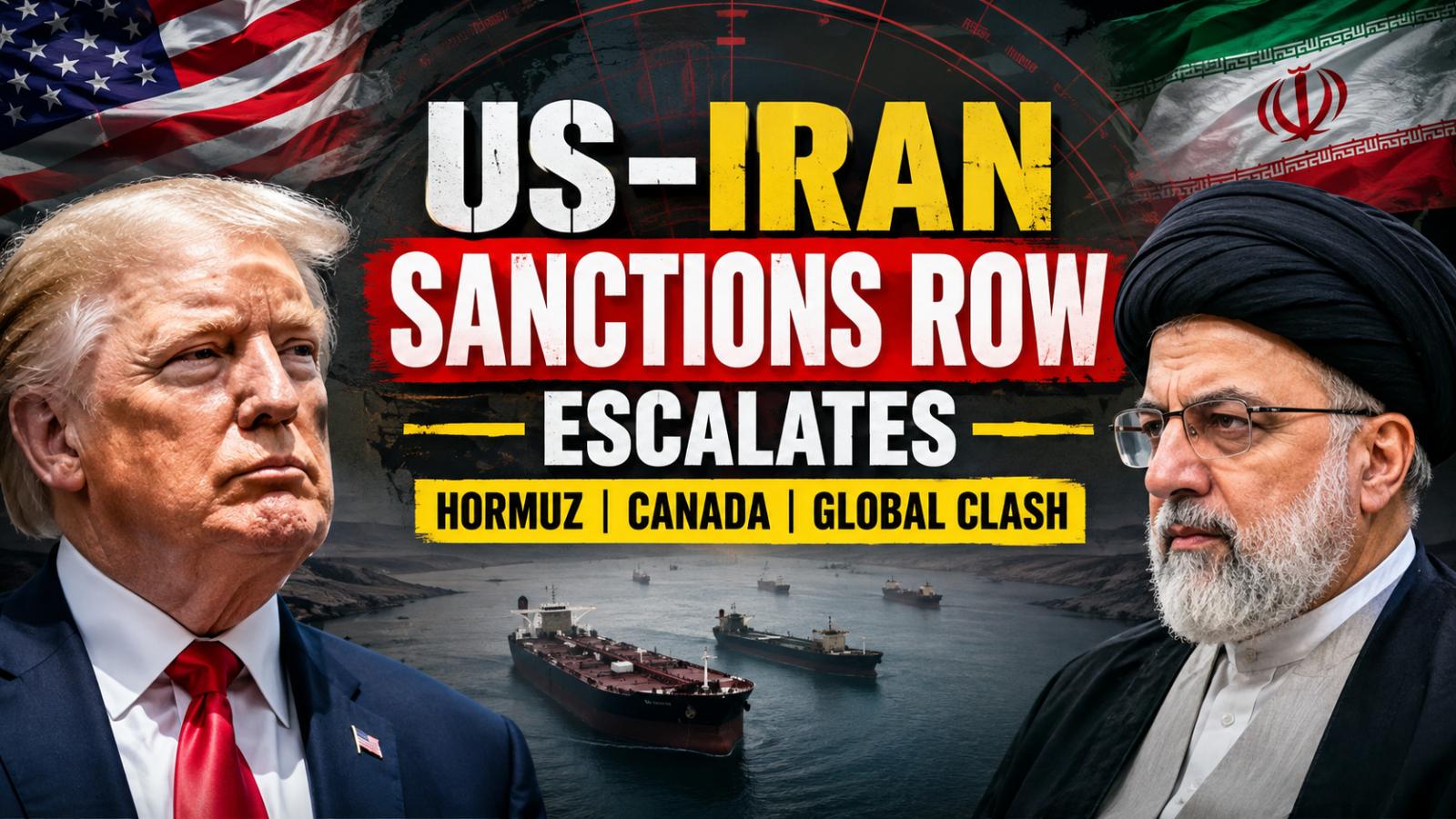
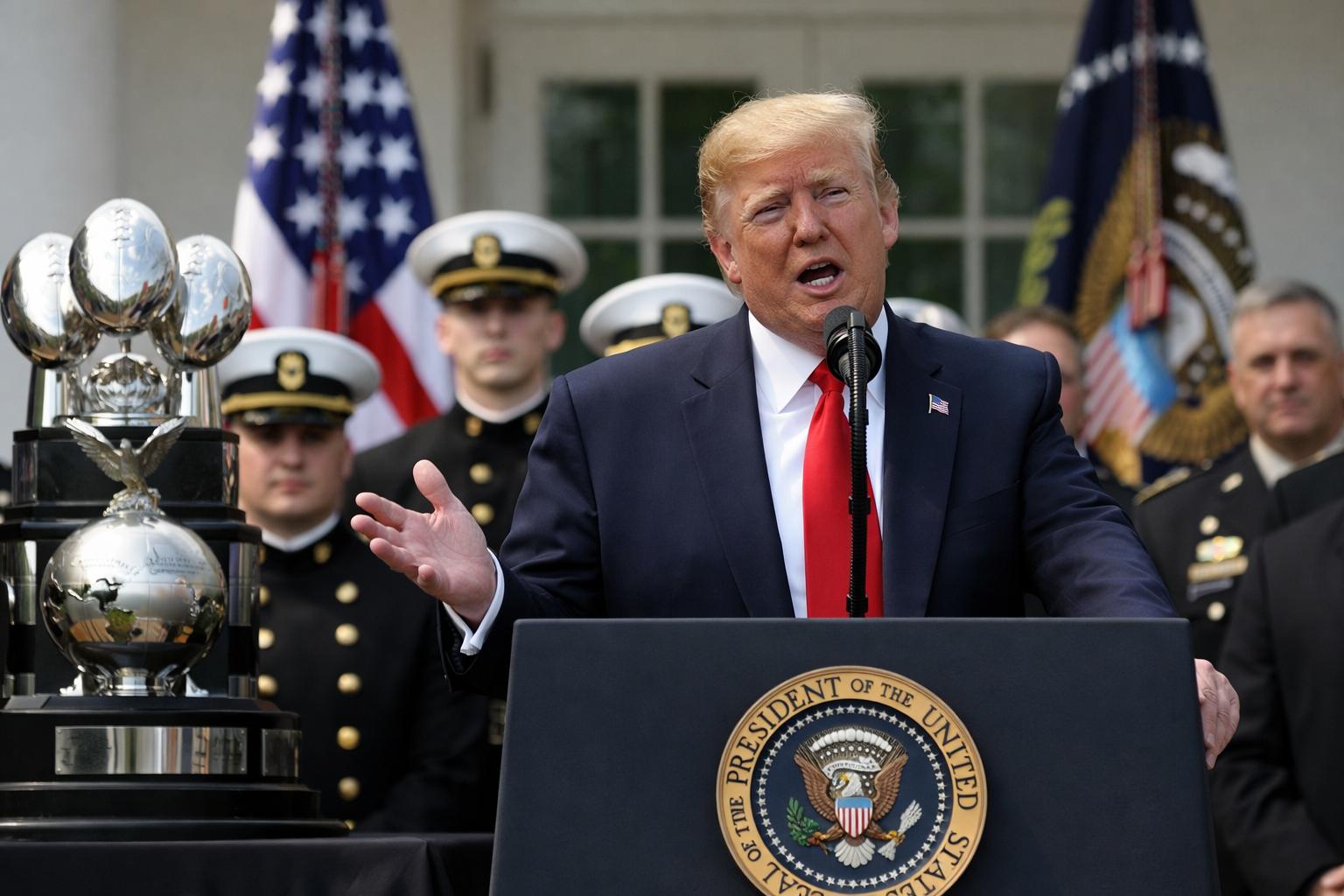
United States President Donald Trump has declared his final terms for a potential peace agreement with Iran. The proposal emphasizes strict nuclear compliance and guarantees for uninterrupted shipping through the strategic Hormuz Strait. This announcement has sparked strong reactions from Iranian officials, signaling potential hurdles in diplomatic negotiations. Iran Responds to US Demands
Trump Finalizes Iran Peace Deal Terms Amid Rising Tensions
United States President Donald Trump has declared his final terms for a potential peace agreement with Iran. The proposal emphasizes strict nuclear compliance and guarantees for uninterrupted shipping through the strategic Hormuz Strait. This announcement has sparked strong reactions from Iranian officials, signaling potential hurdles in diplomatic negotiations. Iran Responds to US Demands
Iran Seeks $24 Billion Asset Release in Qatar Talks
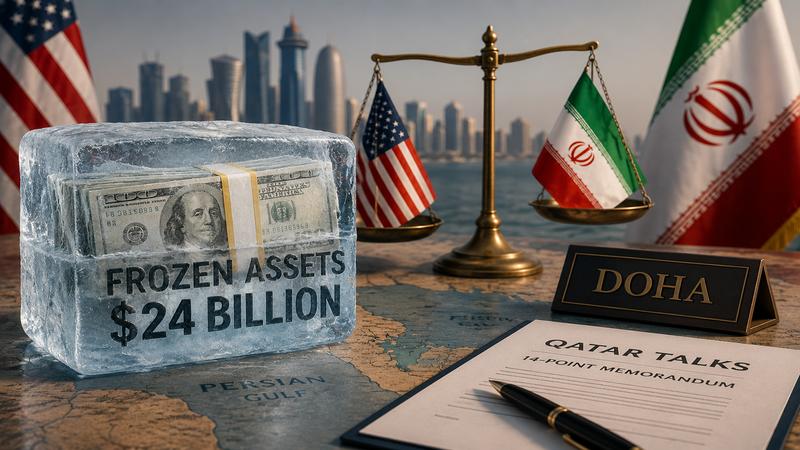
Iran is seeking the release of about $24 billion in frozen assets as part of Qatar-based talks aimed at easing the conflict with the United States, according to Iranian media reports on Tuesday, May 26, 2026. The demand has become a central issue in negotiations taking place in Doha as US-Iran tensions remain high near the Strait of Hormuz. Iran Frozen Assets Qatar Talks Focus on $24 Billion Demand
Iran Seeks $24 Billion Asset Release in Qatar Talks
Iran is seeking the release of about $24 billion in frozen assets as part of Qatar-based talks aimed at easing the conflict with the United States, according to Iranian media reports on Tuesday, May 26, 2026. The demand has become a central issue in negotiations taking place in Doha as US-Iran tensions remain high near the Strait of Hormuz. Iran Frozen Assets Qatar Talks Focus on $24 Billion Demand
Iran Claims US MQ-9 Reaper Drone Shot Down After Gulf Airspace Breach
Iran has claimed that its forces shot down a US MQ-9 Reaper drone after what it described as an airspace violation over the Gulf region. According to Iran’s Islamic Revolutionary Guard Corps, the aircraft entered Iranian airspace before being targeted. The IRGC also claimed that its forces fired at an RQ-4 surveillance drone and an F-35 fighter jet, saying the aircraft were forced away from Iranian airspace. The claim has not yet answered several important questions. The exact time, location, flight path and independent confirmation of the incident remain unclear. Because of that, the event should be treated as a claim from Iran unless the United States or another reliable source confirms more details. Why This Gulf Drone Incident Matters The Gulf region is one of the most sensitive military zones in the world. It includes major shipping routes, energy corridors and heavily monitored airspace. Any military aircraft activity in this area can quickly increase tension, especially when it involves the United States and Iran. Iran says the drone crossed into its airspace. In past Gulf incidents, Washington and Tehran have often disagreed over whether US aircraft were flying in international airspace or inside Iranian territory. That is why the location of this alleged drone incident is important. If the drone was inside Iranian airspace, Iran will present it as a defensive action. If it was outside Iranian airspace, the incident could be seen as a serious escalation. What Is the MQ-9 Reaper Drone? The MQ-9 Reaper is a remotely piloted US military drone used for intelligence, surveillance, reconnaissance and precision strike missions. In simple terms, it is a large unmanned aircraft that can stay in the sky for long hours, monitor wide areas and support military operations from a distance. The MQ-9A Reaper is built by General Atomics Aeronautical Systems. It is known for long endurance, high-altitude operations and flexible mission use. General Atomics says the MQ-9A can fly for more than 27 hours, reach speeds of 240 KTAS, operate up to 50,000 feet and carry a payload of 3,850 pounds. Why the Reaper Drone Is Important for the US Military The MQ-9 Reaper is valuable because it can perform both surveillance and strike roles. It can watch military zones, track movement, support troops, monitor maritime routes and carry guided weapons when required. The drone can be equipped with cameras, infrared sensors, radar systems and weapons such as Hellfire missiles and guided bombs. This makes it useful in conflict zones where long-distance monitoring and quick response are needed. For the United States, losing an MQ-9 Reaper is not just a financial loss. It can also affect intelligence gathering, battlefield awareness and military messaging in a tense region. Why Iran’s Claim Is Getting Attention Iran’s statement is getting attention because it comes during a period of high regional tension. Drone activity, fighter jet movement and air defense operations in the Gulf can easily turn into a larger diplomatic or military dispute. The mention of an RQ-4 drone and an F-35 fighter jet makes the claim even more sensitive. The RQ-4 is associated with high-altitude surveillance, while the F-35 is one of the most advanced fighter jets used by the US and its allies. However, Iran’s statement does not clearly prove that all aircraft were hit or damaged. The clearer claim is about the MQ-9 Reaper drone. What Is Still Not Clear? Several key facts are still missing. There is no fully clear public confirmation about the exact location of the alleged airspace breach. There is also no complete independent verification of whether a US MQ-9 Reaper was actually shot down in the manner Iran described. The United States’ official response is also important. Until more details are confirmed, the safest way to report the incident is to say that Iran claims it shot down the drone, not that the drone was definitely shot down. Bigger Picture: US-Iran Tensions in the Gulf The Gulf has seen repeated military tension between Iran and the United States over the years. Drone surveillance, naval patrols, sanctions, regional alliances and conflict spillovers have all contributed to mistrust. A drone shootdown claim can become more than a military headline. It can affect diplomacy, oil markets, regional security and public messaging from both sides. That is why this incident is being watched closely. Final Takeaway Iran has claimed that it shot down a US MQ-9 Reaper drone after an alleged airspace breach over the Gulf region. The IRGC also said it fired at other US aircraft, including an RQ-4 drone and an F-35 fighter jet. However, important details such as the exact location, timing and independent confirmation are still unclear. For now, the incident should be seen as a major claim from Iran, not a fully confirmed military event. If verified, it could become another serious flashpoint between Iran and the United States in the Gulf.
Iran Claims US MQ-9 Reaper Drone Shot Down After Gulf Airspace Breach
Iran has claimed that its forces shot down a US MQ-9 Reaper drone after what it described as an airspace violation over the Gulf region. According to Iran’s Islamic Revolutionary Guard Corps, the aircraft entered Iranian airspace before being targeted. The IRGC also claimed that its forces fired at an RQ-4 surveillance drone and an F-35 fighter jet, saying the aircraft were forced away from Iranian airspace. The claim has not yet answered several important questions. The exact time, location, flight path and independent confirmation of the incident remain unclear. Because of that, the event should be treated as a claim from Iran unless the United States or another reliable source confirms more details. Why This Gulf Drone Incident Matters The Gulf region is one of the most sensitive military zones in the world. It includes major shipping routes, energy corridors and heavily monitored airspace. Any military aircraft activity in this area can quickly increase tension, especially when it involves the United States and Iran. Iran says the drone crossed into its airspace. In past Gulf incidents, Washington and Tehran have often disagreed over whether US aircraft were flying in international airspace or inside Iranian territory. That is why the location of this alleged drone incident is important. If the drone was inside Iranian airspace, Iran will present it as a defensive action. If it was outside Iranian airspace, the incident could be seen as a serious escalation. What Is the MQ-9 Reaper Drone? The MQ-9 Reaper is a remotely piloted US military drone used for intelligence, surveillance, reconnaissance and precision strike missions. In simple terms, it is a large unmanned aircraft that can stay in the sky for long hours, monitor wide areas and support military operations from a distance. The MQ-9A Reaper is built by General Atomics Aeronautical Systems. It is known for long endurance, high-altitude operations and flexible mission use. General Atomics says the MQ-9A can fly for more than 27 hours, reach speeds of 240 KTAS, operate up to 50,000 feet and carry a payload of 3,850 pounds. Why the Reaper Drone Is Important for the US Military The MQ-9 Reaper is valuable because it can perform both surveillance and strike roles. It can watch military zones, track movement, support troops, monitor maritime routes and carry guided weapons when required. The drone can be equipped with cameras, infrared sensors, radar systems and weapons such as Hellfire missiles and guided bombs. This makes it useful in conflict zones where long-distance monitoring and quick response are needed. For the United States, losing an MQ-9 Reaper is not just a financial loss. It can also affect intelligence gathering, battlefield awareness and military messaging in a tense region. Why Iran’s Claim Is Getting Attention Iran’s statement is getting attention because it comes during a period of high regional tension. Drone activity, fighter jet movement and air defense operations in the Gulf can easily turn into a larger diplomatic or military dispute. The mention of an RQ-4 drone and an F-35 fighter jet makes the claim even more sensitive. The RQ-4 is associated with high-altitude surveillance, while the F-35 is one of the most advanced fighter jets used by the US and its allies. However, Iran’s statement does not clearly prove that all aircraft were hit or damaged. The clearer claim is about the MQ-9 Reaper drone. What Is Still Not Clear? Several key facts are still missing. There is no fully clear public confirmation about the exact location of the alleged airspace breach. There is also no complete independent verification of whether a US MQ-9 Reaper was actually shot down in the manner Iran described. The United States’ official response is also important. Until more details are confirmed, the safest way to report the incident is to say that Iran claims it shot down the drone, not that the drone was definitely shot down. Bigger Picture: US-Iran Tensions in the Gulf The Gulf has seen repeated military tension between Iran and the United States over the years. Drone surveillance, naval patrols, sanctions, regional alliances and conflict spillovers have all contributed to mistrust. A drone shootdown claim can become more than a military headline. It can affect diplomacy, oil markets, regional security and public messaging from both sides. That is why this incident is being watched closely. Final Takeaway Iran has claimed that it shot down a US MQ-9 Reaper drone after an alleged airspace breach over the Gulf region. The IRGC also said it fired at other US aircraft, including an RQ-4 drone and an F-35 fighter jet. However, important details such as the exact location, timing and independent confirmation are still unclear. For now, the incident should be seen as a major claim from Iran, not a fully confirmed military event. If verified, it could become another serious flashpoint between Iran and the United States in the Gulf.
Trump Iran Flag Post Raises Tensions as US Weighs Strike Options
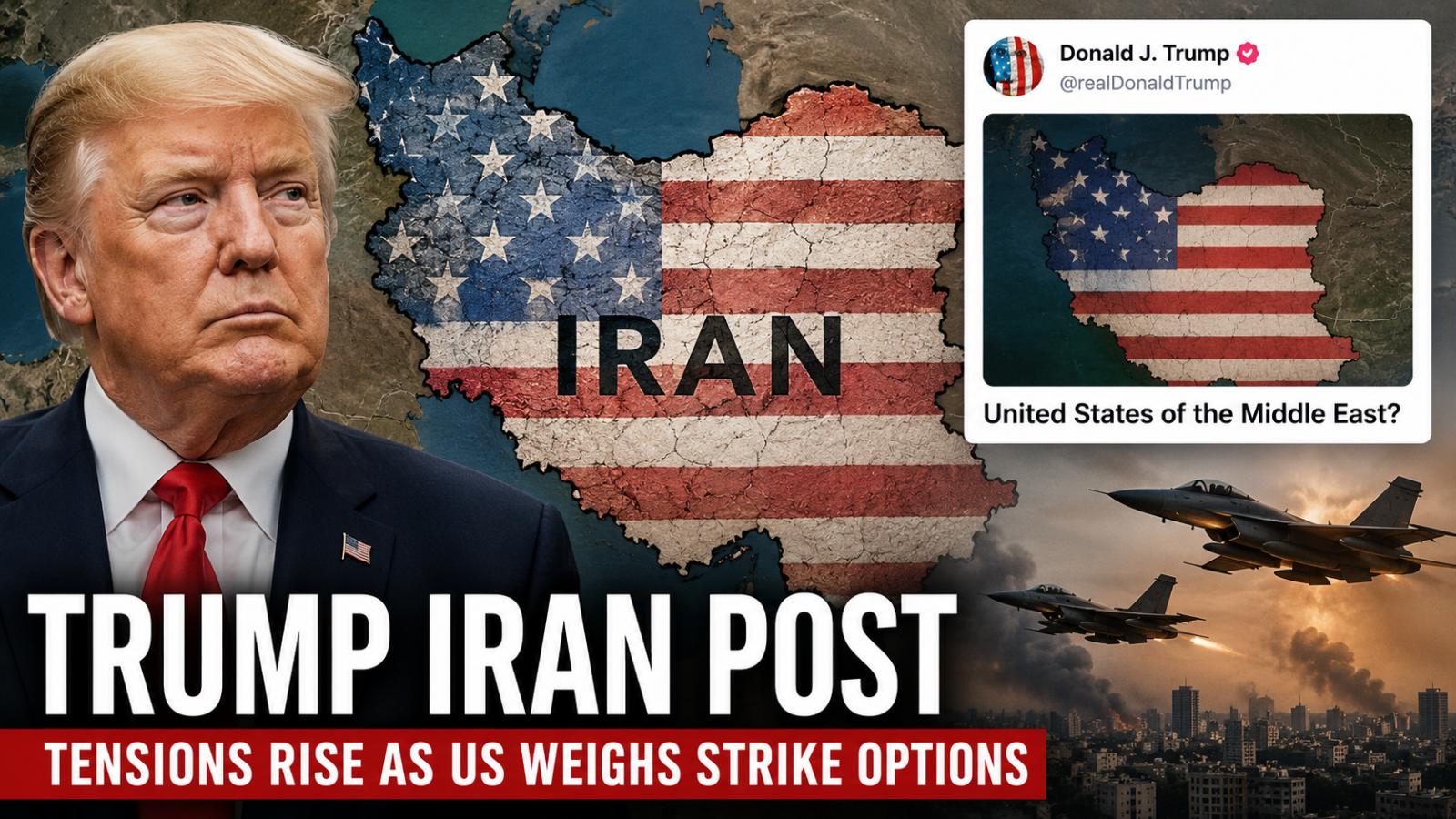
President Donald Trump’s Iran flag post has added new pressure to the widening U.S.-Iran standoff, as Washington reviews military options while regional mediators continue efforts to prevent a broader conflict. Trump shared an edited image on his social media platform showing Iran covered in the colors of the American flag with the caption, “United States of the Middle East?” The post appeared to signal political pressure on Tehran as U.S. officials discussed possible military
Trump Iran Flag Post Raises Tensions as US Weighs Strike Options
President Donald Trump’s Iran flag post has added new pressure to the widening U.S.-Iran standoff, as Washington reviews military options while regional mediators continue efforts to prevent a broader conflict. Trump shared an edited image on his social media platform showing Iran covered in the colors of the American flag with the caption, “United States of the Middle East?” The post appeared to signal political pressure on Tehran as U.S. officials discussed possible military
Iran says US demands hinder progress on 14-point peace plan
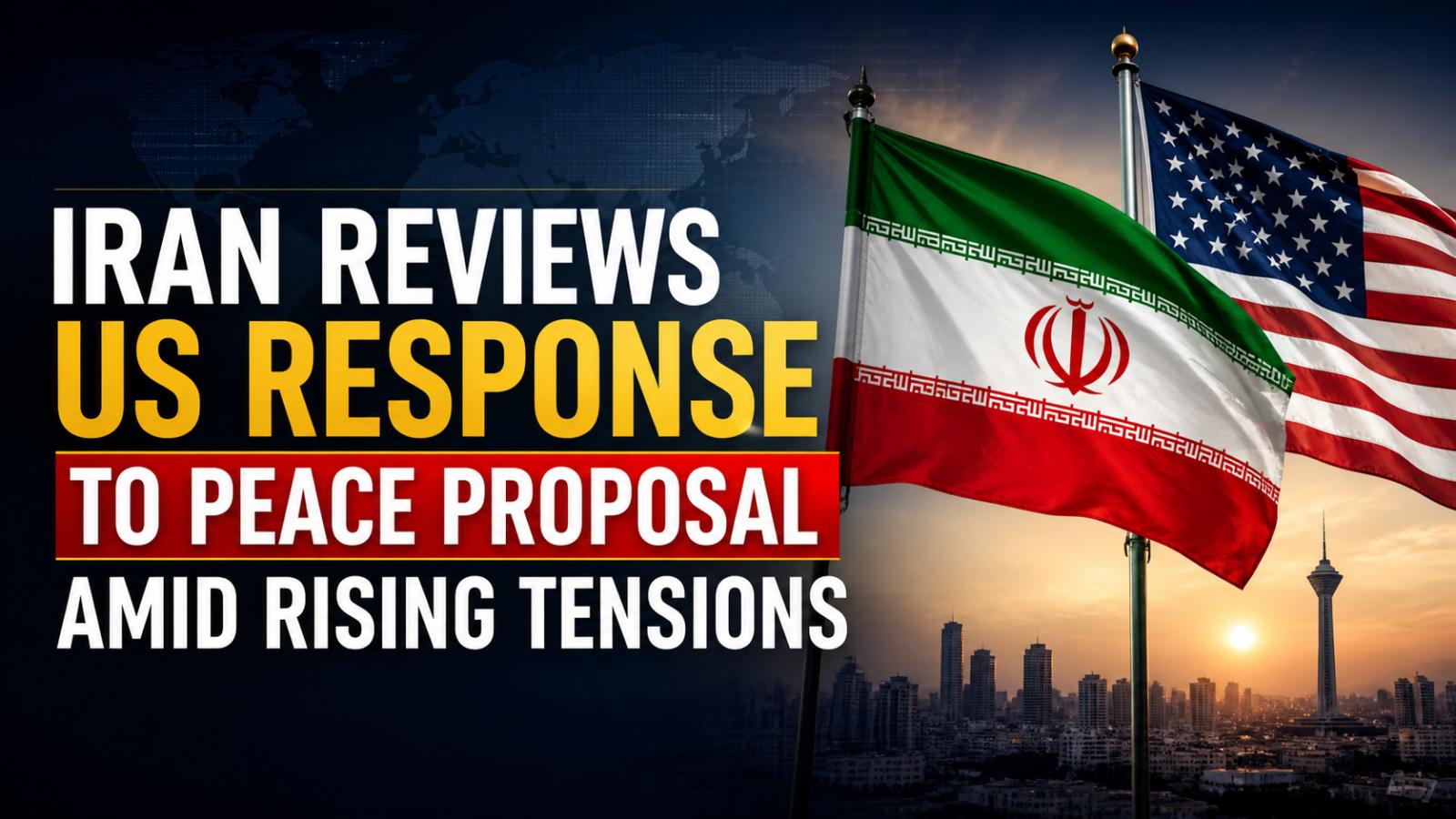
Iran reviews US response to peace proposal as tensions with Washington continue to shape the future of diplomacy and conflict in the region. In a recent press briefing, Iran’s Foreign Ministry confirmed that it has received Washington’s reply to a 14-point peace proposal, but officials say the response includes demands that could complicate progress. The development highlights key areas such as peace negotiations, diplomatic efforts, and the ongoing conflict resolution process.
Iran says US demands hinder progress on 14-point peace plan
Iran reviews US response to peace proposal as tensions with Washington continue to shape the future of diplomacy and conflict in the region. In a recent press briefing, Iran’s Foreign Ministry confirmed that it has received Washington’s reply to a 14-point peace proposal, but officials say the response includes demands that could complicate progress. The development highlights key areas such as peace negotiations, diplomatic efforts, and the ongoing conflict resolution process.
Iran confirmed for FIFA World Cup 2026 despite geopolitical tensions
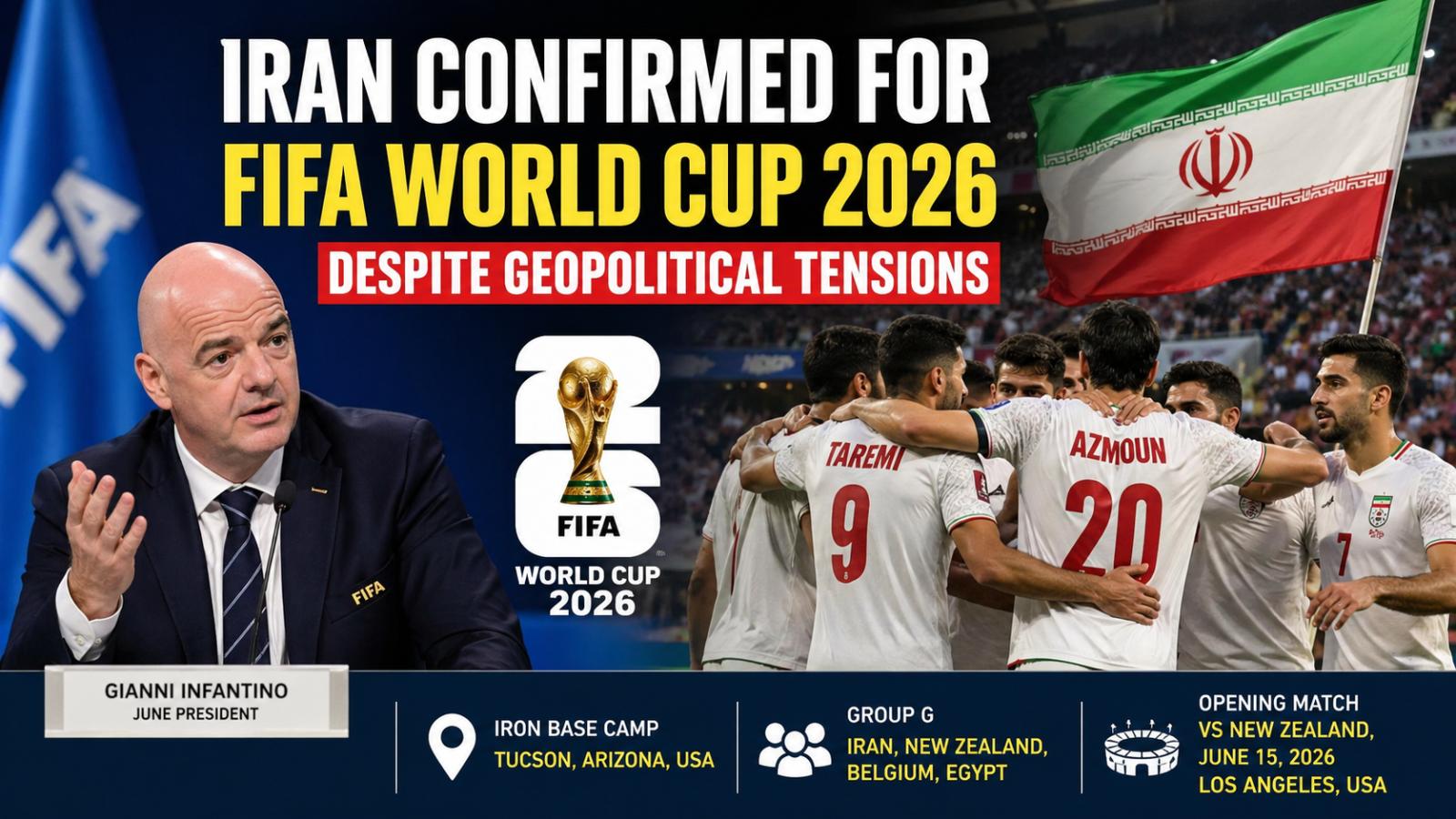
FIFA confirmed Iran will play in the 2026 World Cup despite tensions with the U.S. Officials rejected relocation or replacement ideas. Iran missed the FIFA Congress after a Canada entry issue but remains set to compete in Group G. FIFA President Gianni Infantino has reaffirmed that Iran will participate in the
Iran confirmed for FIFA World Cup 2026 despite geopolitical tensions
FIFA confirmed Iran will play in the 2026 World Cup despite tensions with the U.S. Officials rejected relocation or replacement ideas. Iran missed the FIFA Congress after a Canada entry issue but remains set to compete in Group G. FIFA President Gianni Infantino has reaffirmed that Iran will participate in the
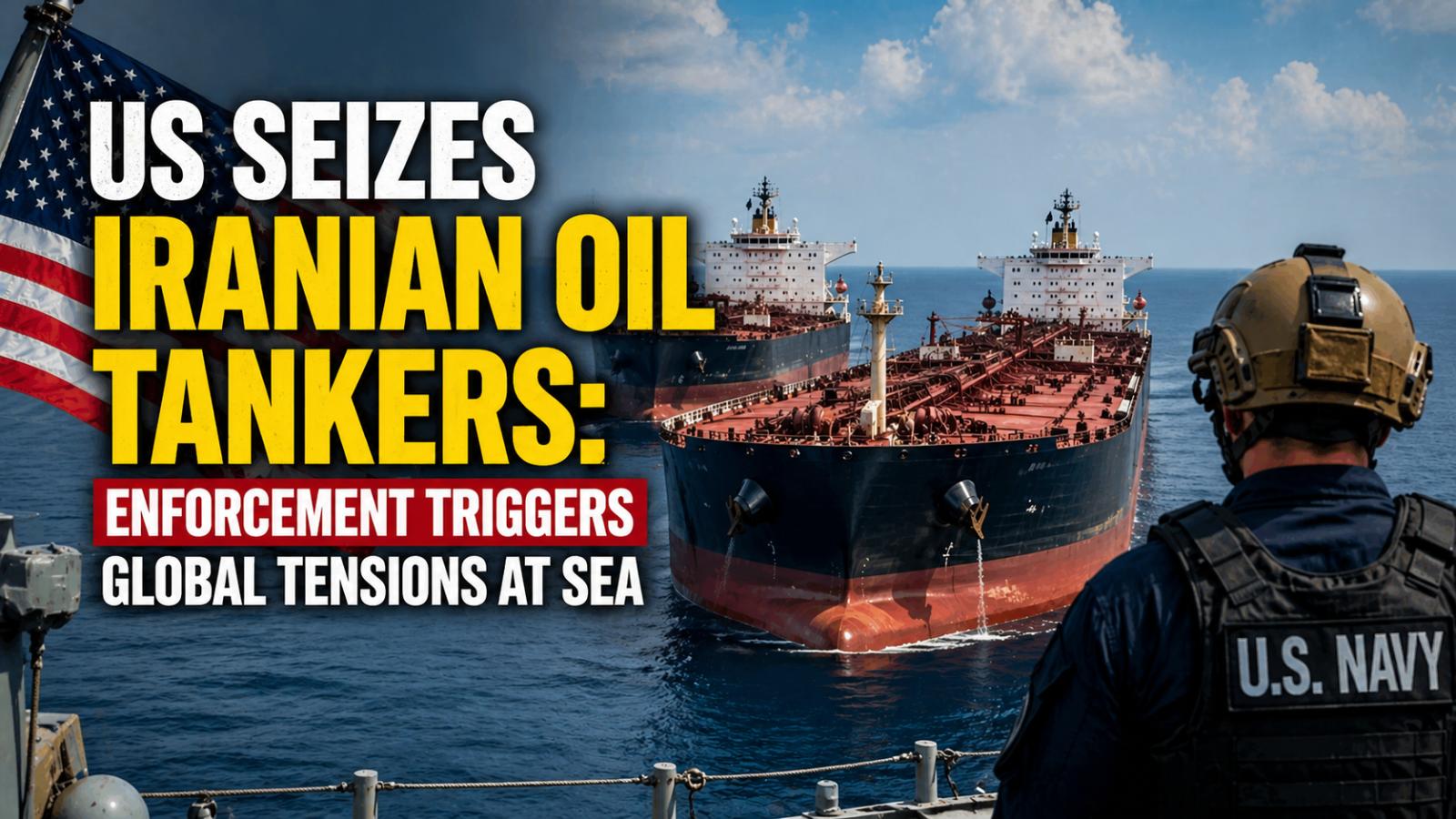
Why did the US seize Iranian oil tankers? Enforcement targets sanctions violations
Enforcement targets sanctions violations The United States has seized two tankers allegedly transporting Iranian oil, intensifying tensions with Iran and drawing sharp condemnation from Tehran. Iranian officials described the operation as “armed robbery on the high seas,” accusing
Why did the US seize Iranian oil tankers? Enforcement targets sanctions violations
Enforcement targets sanctions violations The United States has seized two tankers allegedly transporting Iranian oil, intensifying tensions with Iran and drawing sharp condemnation from Tehran. Iranian officials described the operation as “armed robbery on the high seas,” accusing
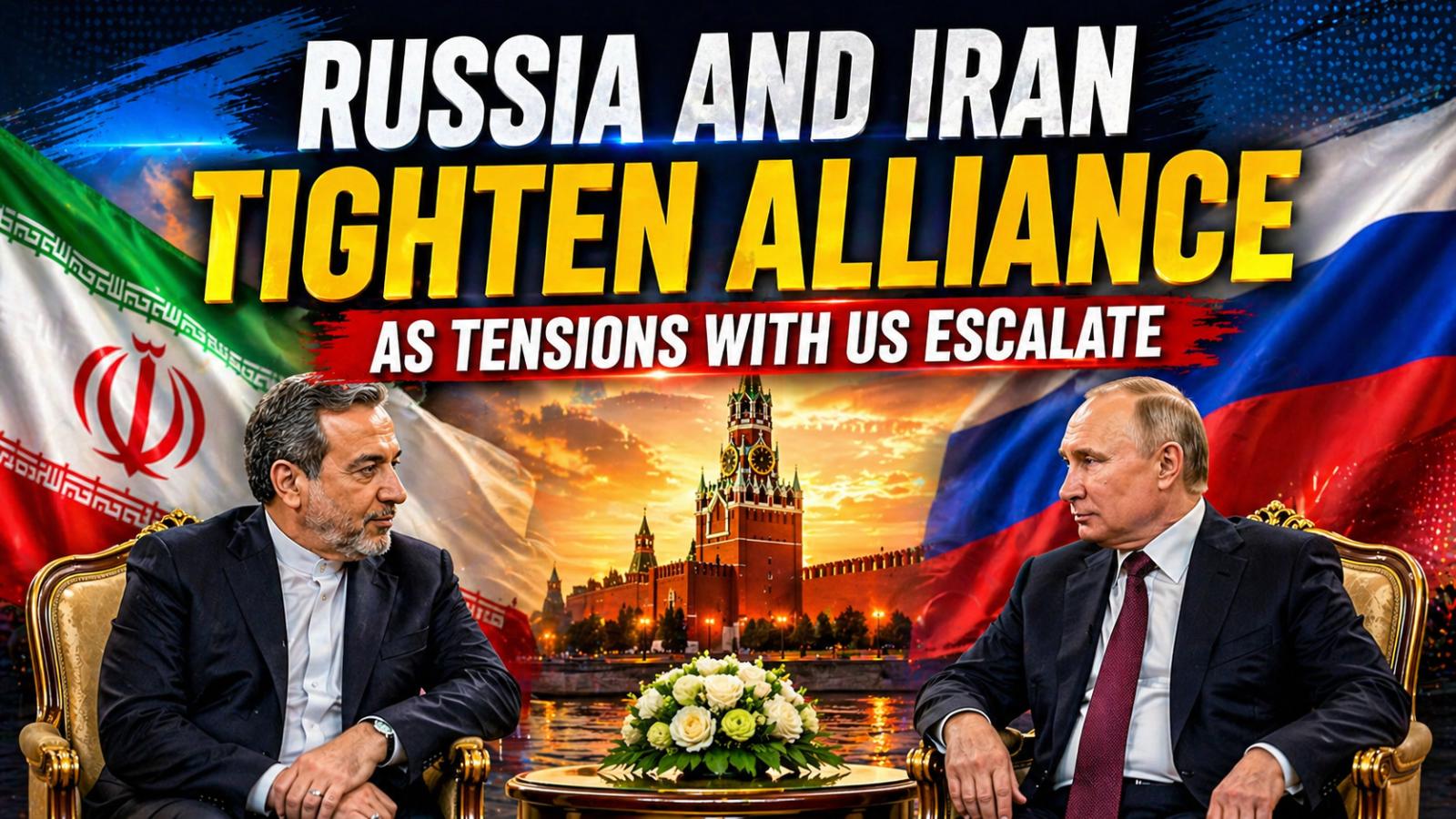
How are Russia and Iran responding to regional tensions? Leaders reaffirm alliance
Vladimir Putin met Abbas Araghchi in Moscow on Monday, reaffirming Russia’s commitment to maintaining strong strategic relations with Iran amid escalating tensions in West Asia. During the meeting, Putin emphasized that Russia would continue to act in ways that serve the interests of Iran and the broader
How are Russia and Iran responding to regional tensions? Leaders reaffirm alliance
Vladimir Putin met Abbas Araghchi in Moscow on Monday, reaffirming Russia’s commitment to maintaining strong strategic relations with Iran amid escalating tensions in West Asia. During the meeting, Putin emphasized that Russia would continue to act in ways that serve the interests of Iran and the broader
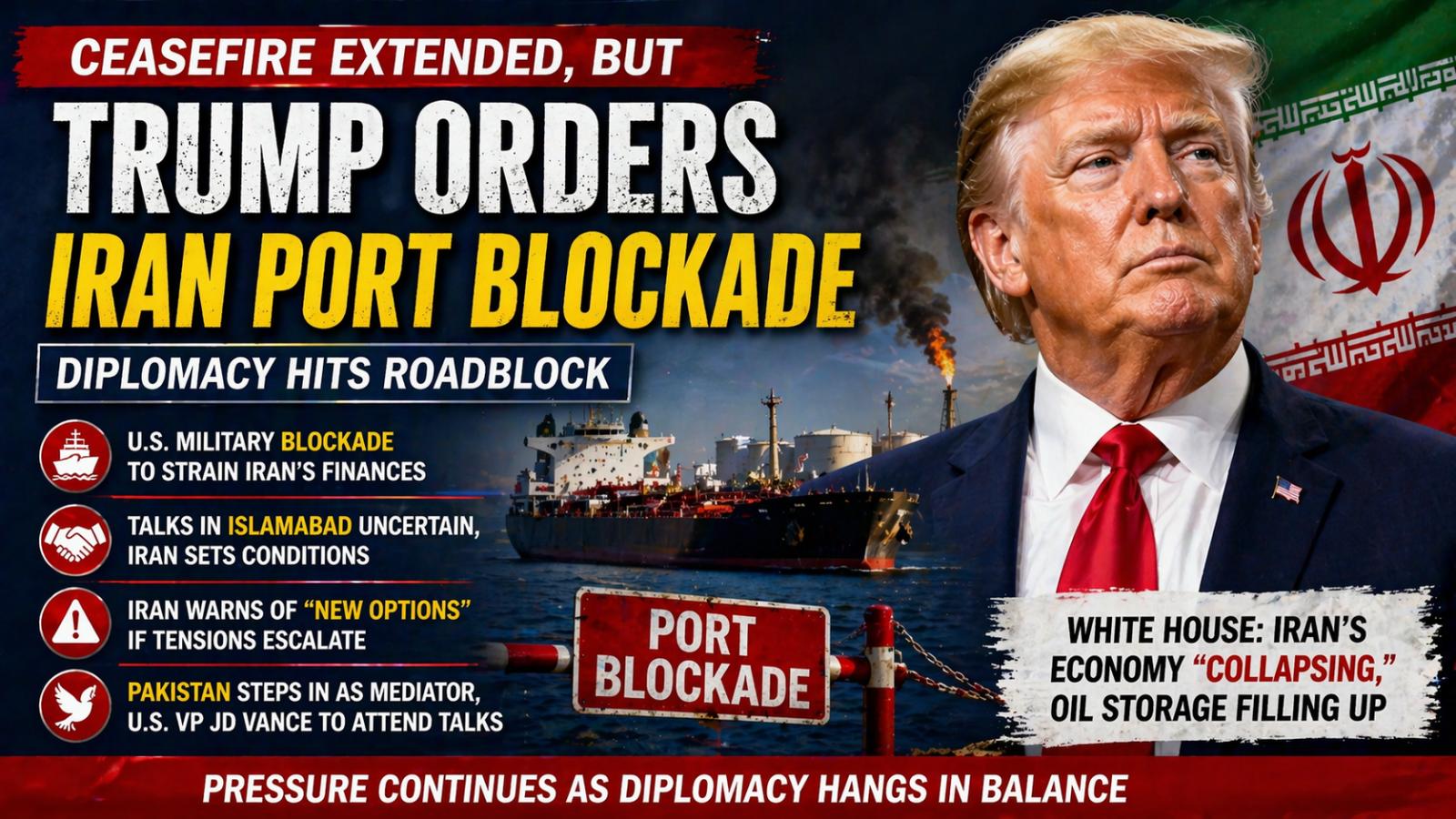
US Maintains Pressure on Iran as Talks Remain Uncertain Amid Ceasefire
The United States has maintained pressure on Iran despite a formal agreement to extend a ceasefire aimed at creating space for diplomacy. President Donald Trump has ordered the continuation of a military blockade targeting Iranian ports, a move designed to restrict Tehran’s financial resources. The administration has indicated that Iran’s economy is under significant strain, citing limited cash reserves and increasing pressure on oil storage facilities, particularly at Kharg Island. While the ceasefire extension was initially viewed as an opportunity to advance negotiations, diplomatic progress remains uncertain. Reports of a possible summit in Islamabad have been challenged by Iranian officials, who state that no delegation has departed for Pakistan. Iranian state authorities have dismissed claims of imminent talks, emphasizing that key preconditions have not been met. Tehran has maintained that any formal negotiations would require a complete halt to Israeli military actions in Lebanon. Without such assurances, Iranian leaders have expressed reluctance to engage in further discussions. Officials have also accused the United States of pursuing a strategy focused on coercion rather than constructive dialogue, raising concerns about the credibility of ongoing diplomatic efforts. Senior Iranian figures have issued strong warnings about the potential consequences of continued pressure. Parliamentary speaker Mohammad Baqer Ghalibaf suggested that Iran could explore alternative responses if tensions escalate further. Foreign Minister Abbas Araghchi criticized what he described as repeated violations of the ceasefire, while President Masoud Pezeshkian underscored the importance of trust and consistency in any negotiation process. Pakistan has emerged as a potential mediator, preparing to host talks in Islamabad in an effort to bridge differences between the two sides. The United States is expected to send Vice President JD Vance to participate in discussions, although Iran has yet to confirm its involvement. As both diplomatic and military dynamics continue to unfold, the path toward resolution remains uncertain.
US Maintains Pressure on Iran as Talks Remain Uncertain Amid Ceasefire
The United States has maintained pressure on Iran despite a formal agreement to extend a ceasefire aimed at creating space for diplomacy. President Donald Trump has ordered the continuation of a military blockade targeting Iranian ports, a move designed to restrict Tehran’s financial resources. The administration has indicated that Iran’s economy is under significant strain, citing limited cash reserves and increasing pressure on oil storage facilities, particularly at Kharg Island. While the ceasefire extension was initially viewed as an opportunity to advance negotiations, diplomatic progress remains uncertain. Reports of a possible summit in Islamabad have been challenged by Iranian officials, who state that no delegation has departed for Pakistan. Iranian state authorities have dismissed claims of imminent talks, emphasizing that key preconditions have not been met. Tehran has maintained that any formal negotiations would require a complete halt to Israeli military actions in Lebanon. Without such assurances, Iranian leaders have expressed reluctance to engage in further discussions. Officials have also accused the United States of pursuing a strategy focused on coercion rather than constructive dialogue, raising concerns about the credibility of ongoing diplomatic efforts. Senior Iranian figures have issued strong warnings about the potential consequences of continued pressure. Parliamentary speaker Mohammad Baqer Ghalibaf suggested that Iran could explore alternative responses if tensions escalate further. Foreign Minister Abbas Araghchi criticized what he described as repeated violations of the ceasefire, while President Masoud Pezeshkian underscored the importance of trust and consistency in any negotiation process. Pakistan has emerged as a potential mediator, preparing to host talks in Islamabad in an effort to bridge differences between the two sides. The United States is expected to send Vice President JD Vance to participate in discussions, although Iran has yet to confirm its involvement. As both diplomatic and military dynamics continue to unfold, the path toward resolution remains uncertain.
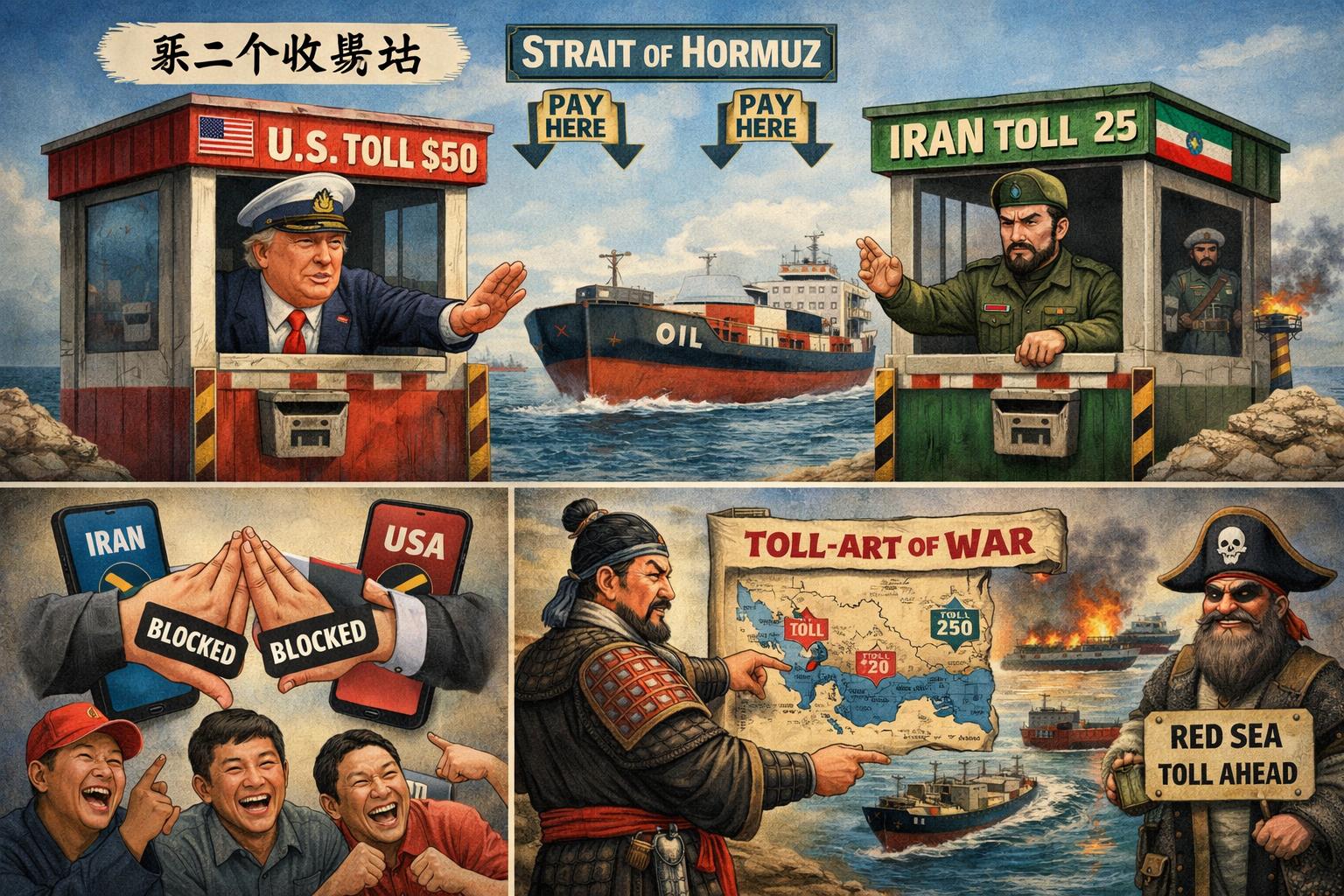
Chinese social media mocks US blockade of Iran as “second toll booth”
Chinese social media platforms have erupted with criticism and satire following the United States’ decision to impose a blockade on Iran, with many users describing the move as a “second toll booth” controlled by Washington. The reactions come amid escalating geopolitical tensions after the United States and Israel launched strikes on Iran on Friday, February 28, 2026, prompting Tehran to leverage its geographic position to restrict access through the strategically vital Strait of Hormuz.
Chinese social media mocks US blockade of Iran as “second toll booth”
Chinese social media platforms have erupted with criticism and satire following the United States’ decision to impose a blockade on Iran, with many users describing the move as a “second toll booth” controlled by Washington. The reactions come amid escalating geopolitical tensions after the United States and Israel launched strikes on Iran on Friday, February 28, 2026, prompting Tehran to leverage its geographic position to restrict access through the strategically vital Strait of Hormuz.
US announces Iran port blockade as Tehran asserts control over maritime borders
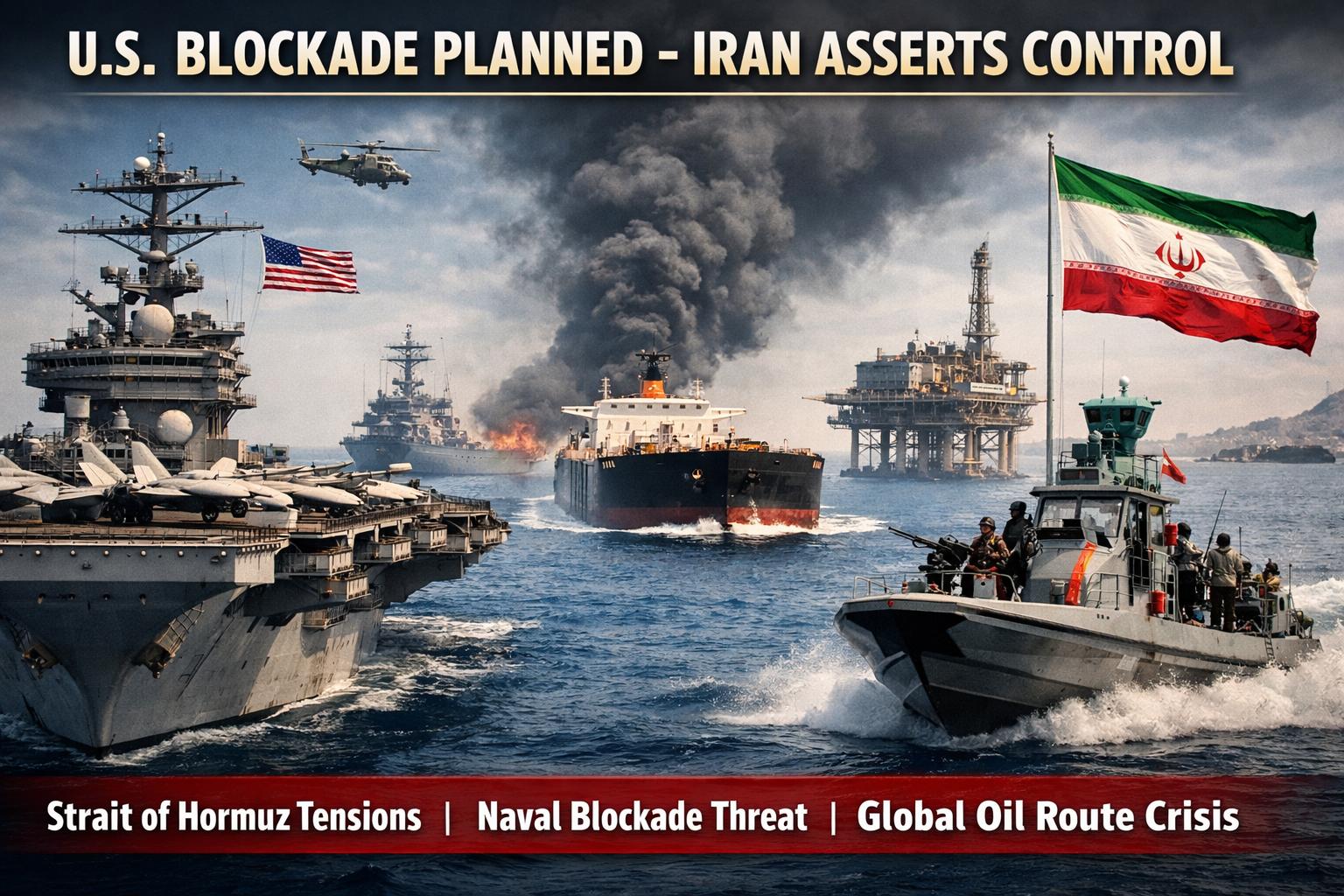
Washington, April 13 — Tensions between the United States and Iran intensified Monday as Washington moved forward with plans to impose a naval blockade targeting Iranian ports, prompting a swift response from Tehran asserting firm control over its maritime borders. Iran’s deputy interior minister said the country faces no significant security threats along its frontiers, emphasizing what he described as comprehensive oversight of both land and sea boundaries. He stated that Irania
US announces Iran port blockade as Tehran asserts control over maritime borders
Washington, April 13 — Tensions between the United States and Iran intensified Monday as Washington moved forward with plans to impose a naval blockade targeting Iranian ports, prompting a swift response from Tehran asserting firm control over its maritime borders. Iran’s deputy interior minister said the country faces no significant security threats along its frontiers, emphasizing what he described as comprehensive oversight of both land and sea boundaries. He stated that Irania
Nizar Amidi wins Iraq presidency after delayed parliamentary vote
Lawmakers in Iraq elected Nizar Mohammed Saeed Amidi as the country’s new president during a parliamentary session held on Saturday, April 11, 2026, according to official results announced by the Iraqi Parliament. The vote marked the conclusion of a delayed presidential election process that had extended be
Nizar Amidi wins Iraq presidency after delayed parliamentary vote
Lawmakers in Iraq elected Nizar Mohammed Saeed Amidi as the country’s new president during a parliamentary session held on Saturday, April 11, 2026, according to official results announced by the Iraqi Parliament. The vote marked the conclusion of a delayed presidential election process that had extended be
US and Iran Agree to Two-Week Ceasefire, Tehran to Reopen Strait of Hormuz
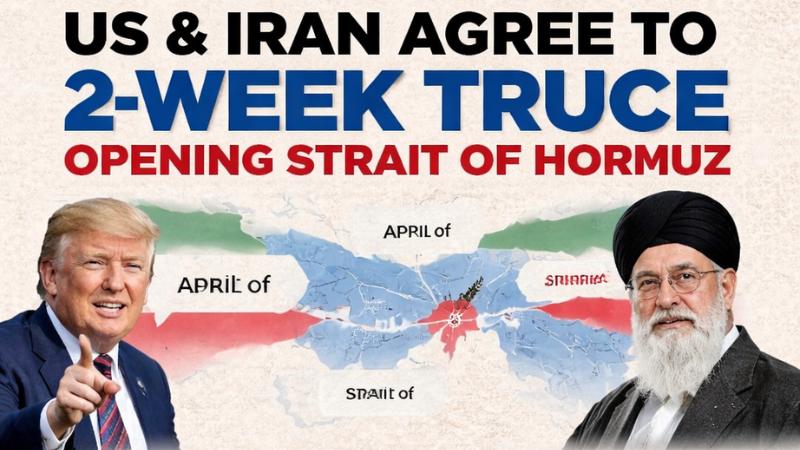
In a dramatic turn of events, US President Donald Trump has agreed to a two-week ceasefire with Iran, pulling back from the brink of escalating military conflict. The decision was made just hours before a self-imposed deadline for Tehran to reopen the vital Strait of Hormuz, a strategic waterway for global oil shipments, or face devastating US military strikes on Iranian civilian infrastructure. The truce, which is aimed at providing a diplomatic window to de-escalate the ongoing 40
US and Iran Agree to Two-Week Ceasefire, Tehran to Reopen Strait of Hormuz
In a dramatic turn of events, US President Donald Trump has agreed to a two-week ceasefire with Iran, pulling back from the brink of escalating military conflict. The decision was made just hours before a self-imposed deadline for Tehran to reopen the vital Strait of Hormuz, a strategic waterway for global oil shipments, or face devastating US military strikes on Iranian civilian infrastructure. The truce, which is aimed at providing a diplomatic window to de-escalate the ongoing 40
Iranians form human chains to protect infrastructure amid US threats
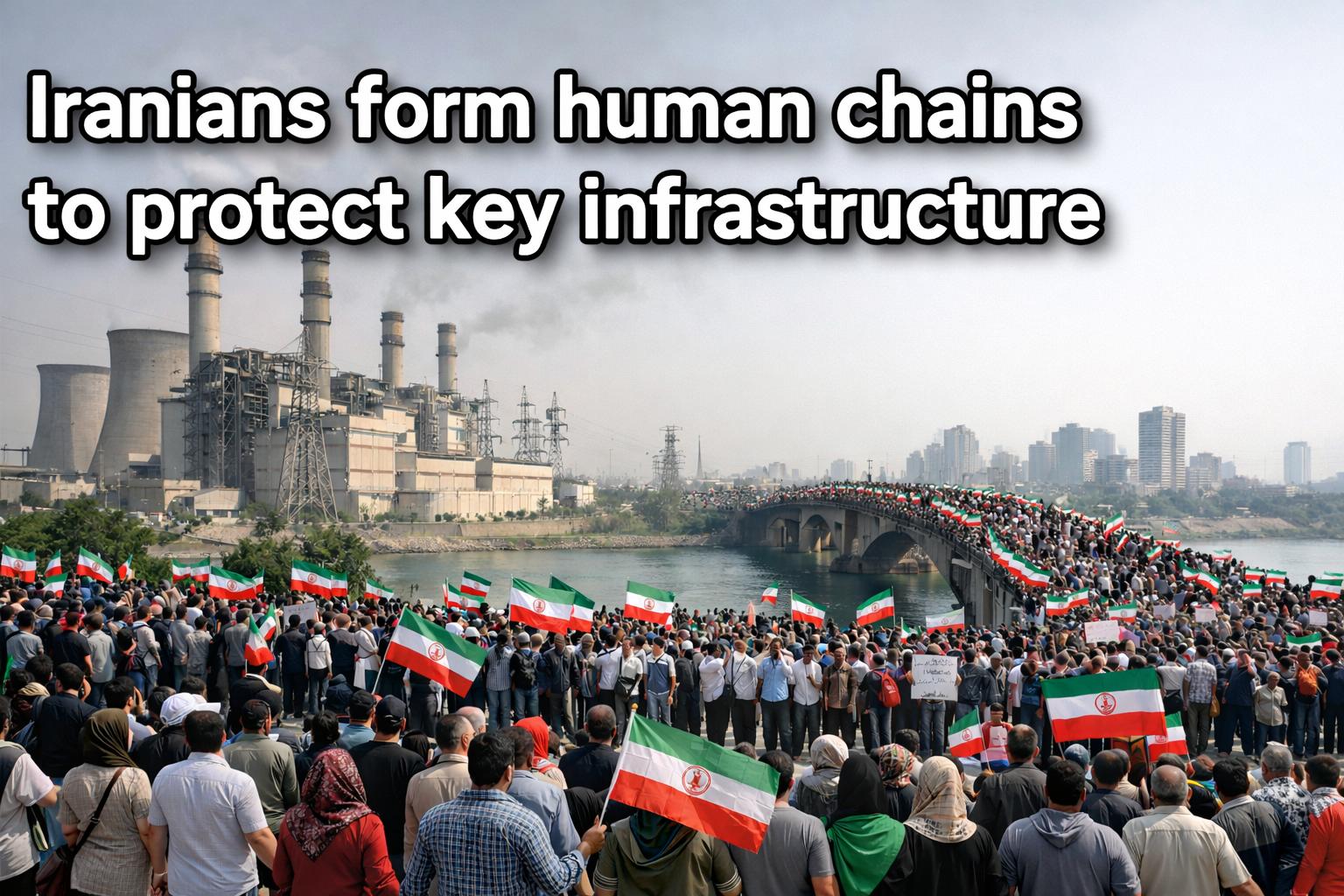
Thousands of Iranians gathered across the country on Tuesday, April 7, 2026, forming human chains around bridges and power generation facilities in what state media described as a coordinated effort to safeguard critical infrastructure. The demonstrations followed warnings from Donald Trump, who threatened potential strikes on Iranian bridges and power plants if Tehran fails to comply with US demands related to the ongoing conflict. Video footage broadcast by Iran’s state-run Press TV showed extensive lines of civilians holding national flags while standing outside key infrastructure sites. Large crowds appeared to position themselves as protective barriers, effectively acting as human shields around locations reportedly identified as potential targets. The Iranian government had earlier encouraged broad public participation, calling on young people, artists, and athletes to join the initiative. Officials framed the effort as a grassroots movement driven largely by youth organizations. Alireza Rahimi, Secretary of the Supreme Council of Youth and Adolescents, stated that the idea originated among university students and young activists who proposed forming human chains around strategic facilities. Rahimi described the campaign, titled “Human Chain of Iran’s Youth for a Bright Future,” as a demonstration of national unity and resilience. He emphasized that the initiative reflects a collective determination to defend the country’s infrastructure amid escalating external threats. Meanwhile, President Trump reiterated his warnings, suggesting that failure to meet US conditions—including reopening the Strait of Hormuz—could lead to severe consequences. In a post on Truth Social, he warned of potentially catastrophic outcomes while also referencing the possibility of significant political change in Iran. The developments highlight intensifying geopolitical tensions between the United States and Iran, with civilian mobilization underscoring the broader societal response within Iran as the situation continues to evolve.
Iranians form human chains to protect infrastructure amid US threats
Thousands of Iranians gathered across the country on Tuesday, April 7, 2026, forming human chains around bridges and power generation facilities in what state media described as a coordinated effort to safeguard critical infrastructure. The demonstrations followed warnings from Donald Trump, who threatened potential strikes on Iranian bridges and power plants if Tehran fails to comply with US demands related to the ongoing conflict. Video footage broadcast by Iran’s state-run Press TV showed extensive lines of civilians holding national flags while standing outside key infrastructure sites. Large crowds appeared to position themselves as protective barriers, effectively acting as human shields around locations reportedly identified as potential targets. The Iranian government had earlier encouraged broad public participation, calling on young people, artists, and athletes to join the initiative. Officials framed the effort as a grassroots movement driven largely by youth organizations. Alireza Rahimi, Secretary of the Supreme Council of Youth and Adolescents, stated that the idea originated among university students and young activists who proposed forming human chains around strategic facilities. Rahimi described the campaign, titled “Human Chain of Iran’s Youth for a Bright Future,” as a demonstration of national unity and resilience. He emphasized that the initiative reflects a collective determination to defend the country’s infrastructure amid escalating external threats. Meanwhile, President Trump reiterated his warnings, suggesting that failure to meet US conditions—including reopening the Strait of Hormuz—could lead to severe consequences. In a post on Truth Social, he warned of potentially catastrophic outcomes while also referencing the possibility of significant political change in Iran. The developments highlight intensifying geopolitical tensions between the United States and Iran, with civilian mobilization underscoring the broader societal response within Iran as the situation continues to evolve.
Indian embassy issues 48-hour advisory in Iran as Trump deadline nears
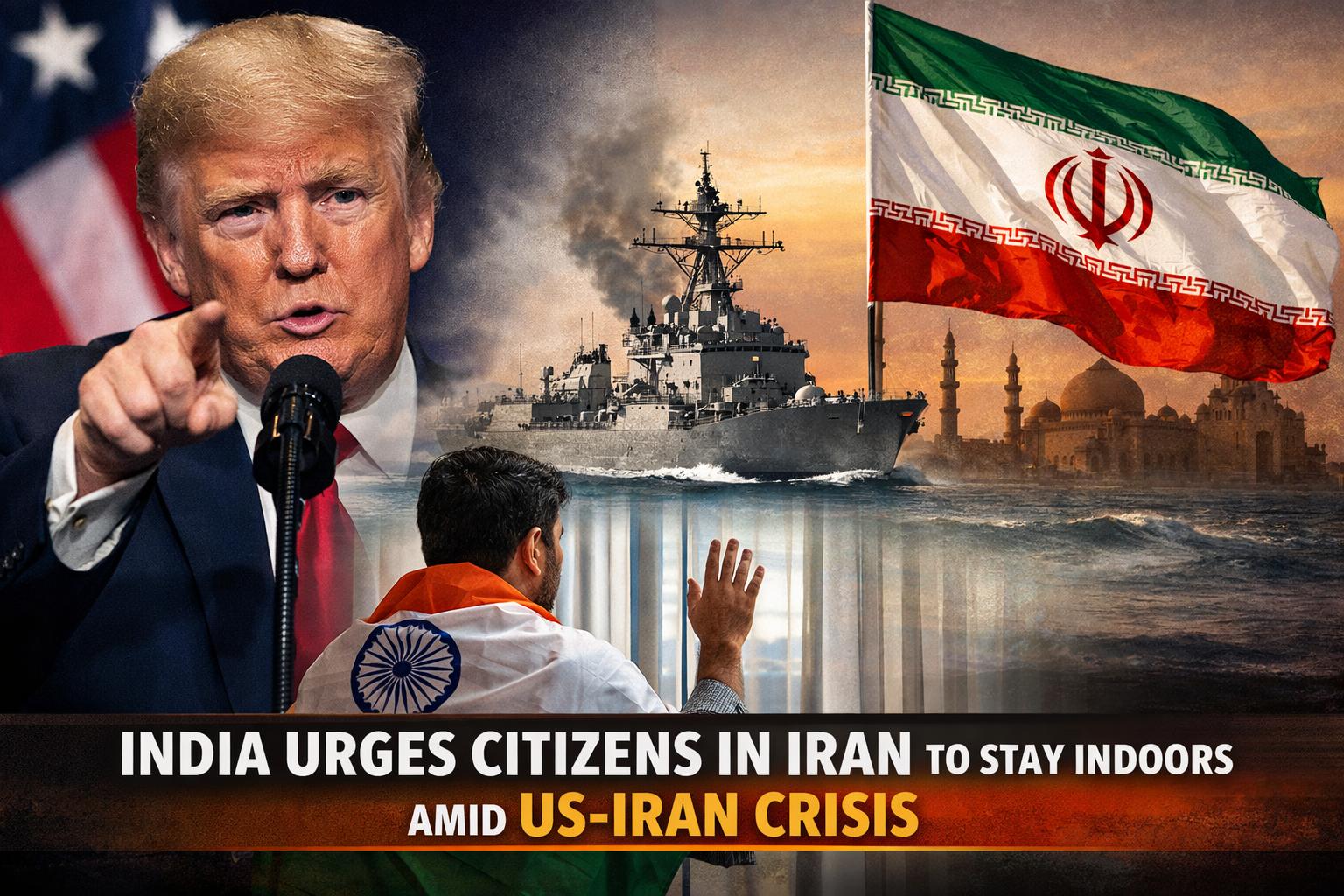
The Indian embassy in Iran issued a security advisory on Tuesday, April 7, 2026, urging Indian nationals across the country to remain indoors for the next 48 hours as geopolitical tensions intensify between the United States and Iran. The advisory comes amid heightened uncertainty surrounding a deadline set by US President Donald Trump related to reopening the Strait of Hormuz, a critical global shipping route. In its official statement released from Tehran, the embassy instructed
Indian embassy issues 48-hour advisory in Iran as Trump deadline nears
The Indian embassy in Iran issued a security advisory on Tuesday, April 7, 2026, urging Indian nationals across the country to remain indoors for the next 48 hours as geopolitical tensions intensify between the United States and Iran. The advisory comes amid heightened uncertainty surrounding a deadline set by US President Donald Trump related to reopening the Strait of Hormuz, a critical global shipping route. In its official statement released from Tehran, the embassy instructed
Iran sends 10-point response, rejects temporary ceasefire proposal
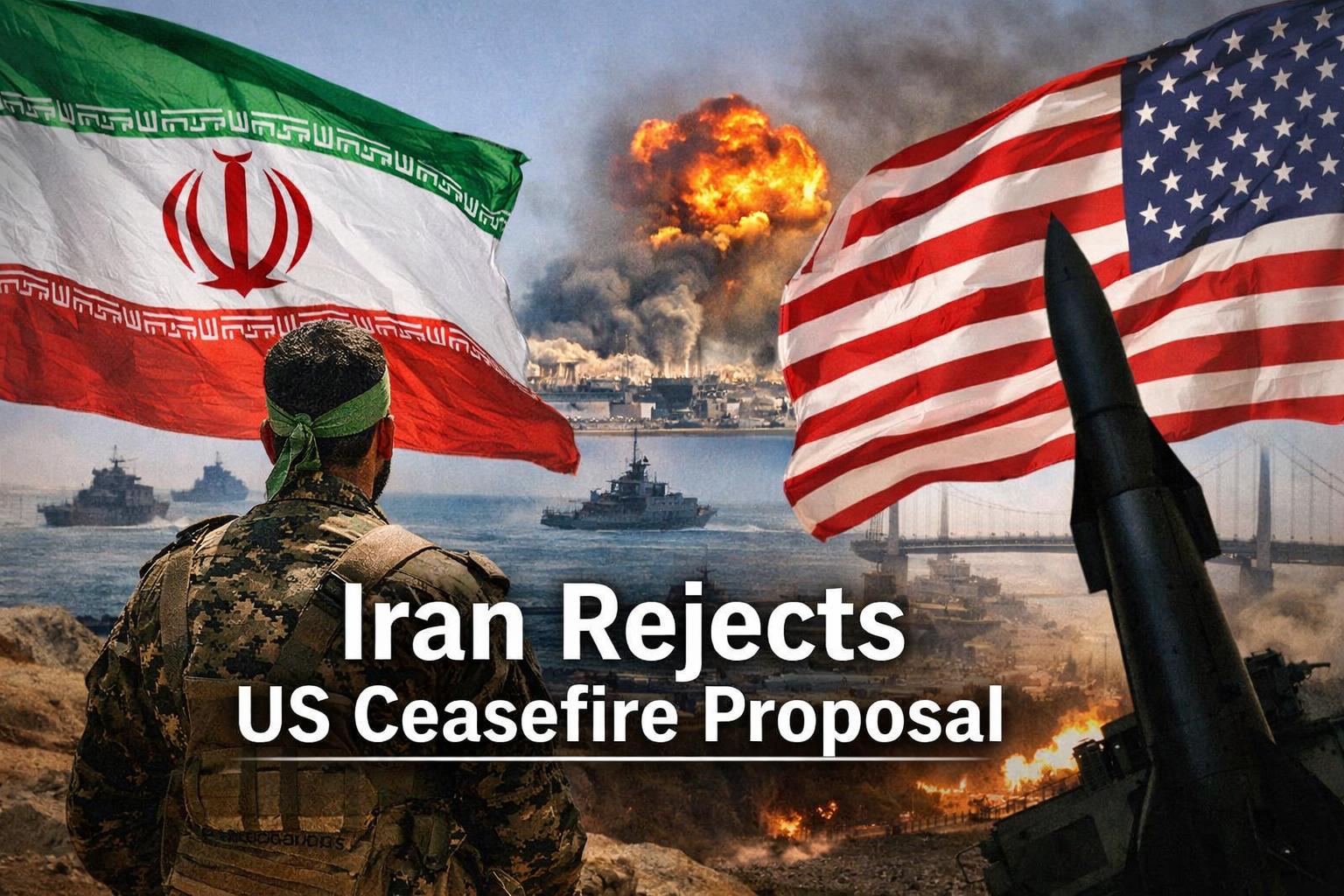
Iran has formally rejected a United States-backed proposal for a temporary ceasefire, instead presenting a structured response that calls for a permanent resolution to the ongoing conflict, according to statements from its state news agency. The move highlights Tehran’s position that a short-term truce would not address the broader geopolitical tensions shaping the crisis. The response was conveyed to Washington through Pakistan, which has been serving as an intermediary in diplom
Iran sends 10-point response, rejects temporary ceasefire proposal
Iran has formally rejected a United States-backed proposal for a temporary ceasefire, instead presenting a structured response that calls for a permanent resolution to the ongoing conflict, according to statements from its state news agency. The move highlights Tehran’s position that a short-term truce would not address the broader geopolitical tensions shaping the crisis. The response was conveyed to Washington through Pakistan, which has been serving as an intermediary in diplom
US–Israel–Iran War | Iran rejects US ceasefire plan, outlines conditions amid escalating Middle East conflict
Iran has rejected a United States-backed proposal to pause the ongoing conflict in the Middle East, instead presenting its own set of conditions for ending hostilities, according to statements broadcast by the country’s state-run English-language network. The development comes amid continued military escalation, with Tehran reportedly launching further attacks targeting Israel and parts of the Gulf region. An unnamed Iranian official was quoted as confirming that Tehran had formally declin
US–Israel–Iran War | Iran rejects US ceasefire plan, outlines conditions amid escalating Middle East conflict
Iran has rejected a United States-backed proposal to pause the ongoing conflict in the Middle East, instead presenting its own set of conditions for ending hostilities, according to statements broadcast by the country’s state-run English-language network. The development comes amid continued military escalation, with Tehran reportedly launching further attacks targeting Israel and parts of the Gulf region. An unnamed Iranian official was quoted as confirming that Tehran had formally declin


