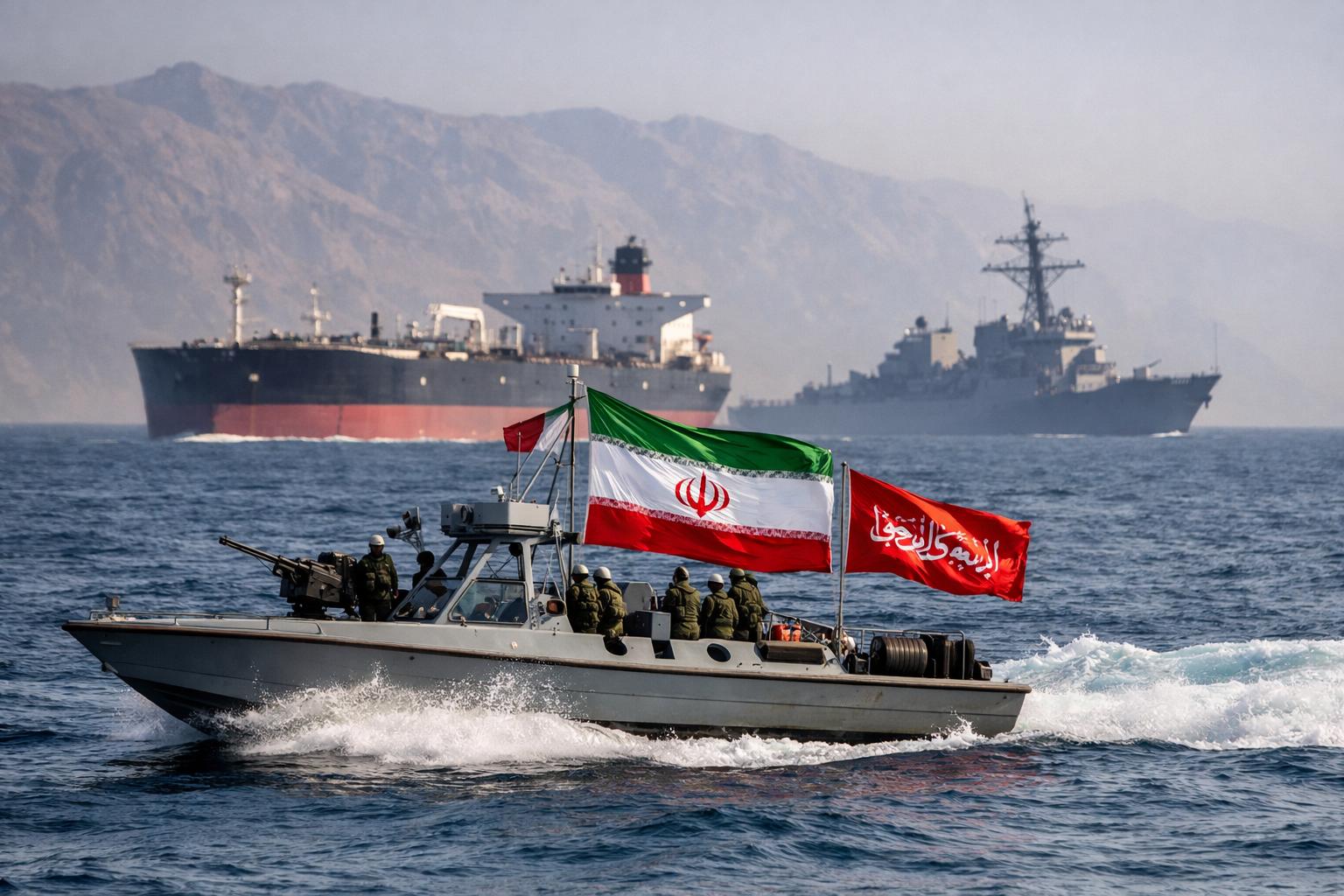
Iran’s Deputy Foreign Minister Majid Takht-Ravanchi on Thursday rejected allegations that Iranian forces were laying mines in the Strait of Hormuz, a crucial global shipping route, stating that the claims were inaccurate and misleading. His remarks came days after the United States said it had carried out strikes against Iranian vessels allegedly involved in placing mines in the strategic waterway.
Responding to questions about the accusations, Takht-Ravanchi said Iran had not engaged in s
Iran’s Deputy Foreign Minister Majid Takht-Ravanchi on Thursday rejected allegations that Iranian forces were laying mines in the Strait of Hormuz, a crucial global shipping route, stating that the claims were inaccurate and misleading. His remarks came days after the United States said it had carried out strikes against Iranian vessels allegedly involved in placing mines in the strategic waterway.
Responding to questions about the accusations, Takht-Ravanchi said Iran had not engaged in s
The ongoing conflict between Iran and the joint front of Israel and the United States entered its 12th day on Wednesday, with renewed missile strikes and escalating regional tensions across the Middle East. Iranian forces launched fresh missile attacks targeting central Israel before dawn, triggering air raid sirens in several cities. Israeli air defence systems responded swiftly and intercepted incoming rockets, preventing major damage and casualties, according to preliminary reports.
At th
The ongoing conflict between Iran and the joint front of Israel and the United States entered its 12th day on Wednesday, with renewed missile strikes and escalating regional tensions across the Middle East. Iranian forces launched fresh missile attacks targeting central Israel before dawn, triggering air raid sirens in several cities. Israeli air defence systems responded swiftly and intercepted incoming rockets, preventing major damage and casualties, according to preliminary reports.
At th
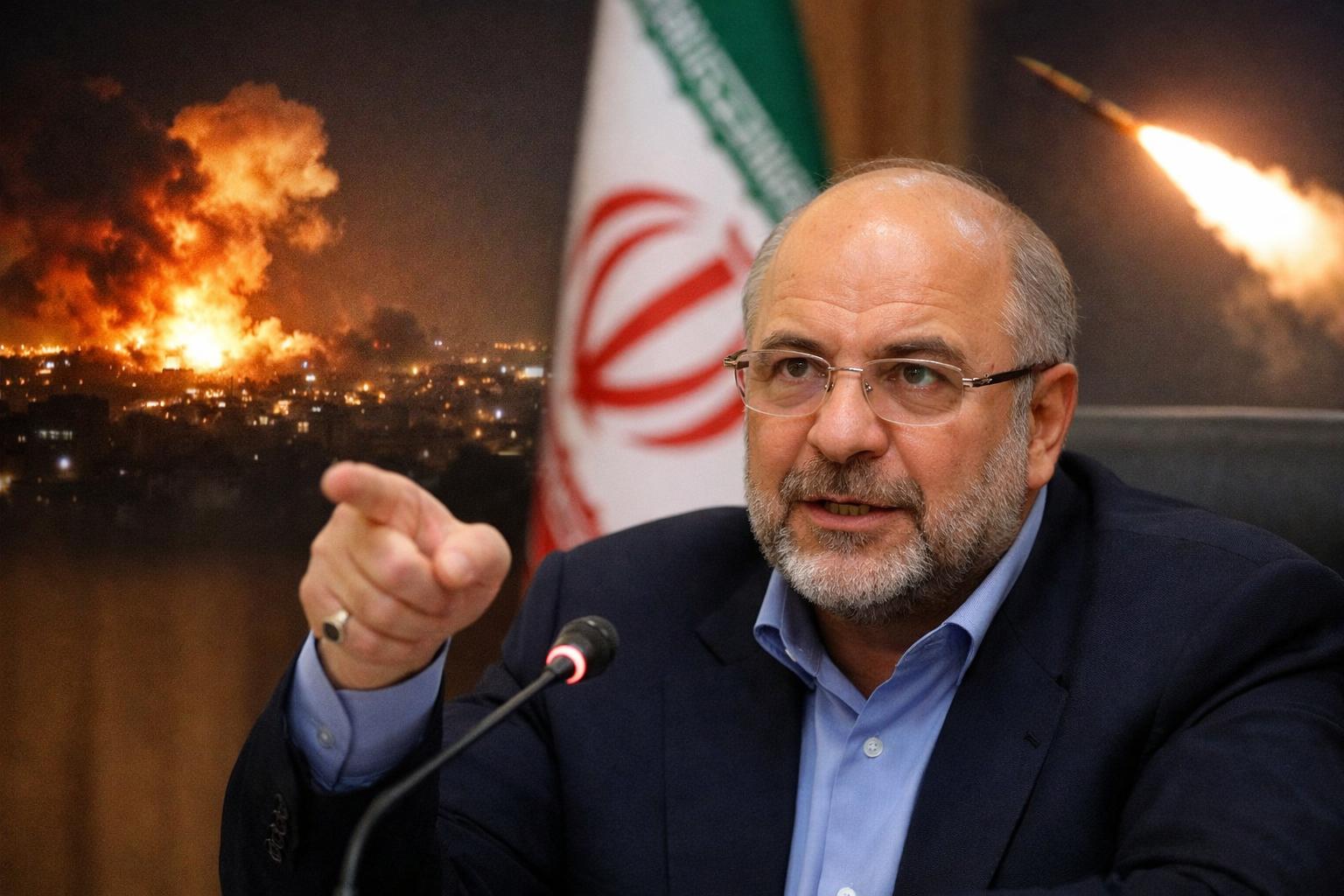
Iran’s parliament speaker Mohammad Bagher Ghalibaf warned on Tuesday that any attack targeting the country’s infrastructure would provoke an immediate and proportional response, as tensions continue to rise following recent US-Israel strikes that have escalated the Middle East conflict. In a message posted on the social media platform X, Ghalibaf said Iran would not hesitate to retaliate if its critical facilities were attacked, emphasizing that the country would respond according to what he
Iran’s parliament speaker Mohammad Bagher Ghalibaf warned on Tuesday that any attack targeting the country’s infrastructure would provoke an immediate and proportional response, as tensions continue to rise following recent US-Israel strikes that have escalated the Middle East conflict. In a message posted on the social media platform X, Ghalibaf said Iran would not hesitate to retaliate if its critical facilities were attacked, emphasizing that the country would respond according to what he
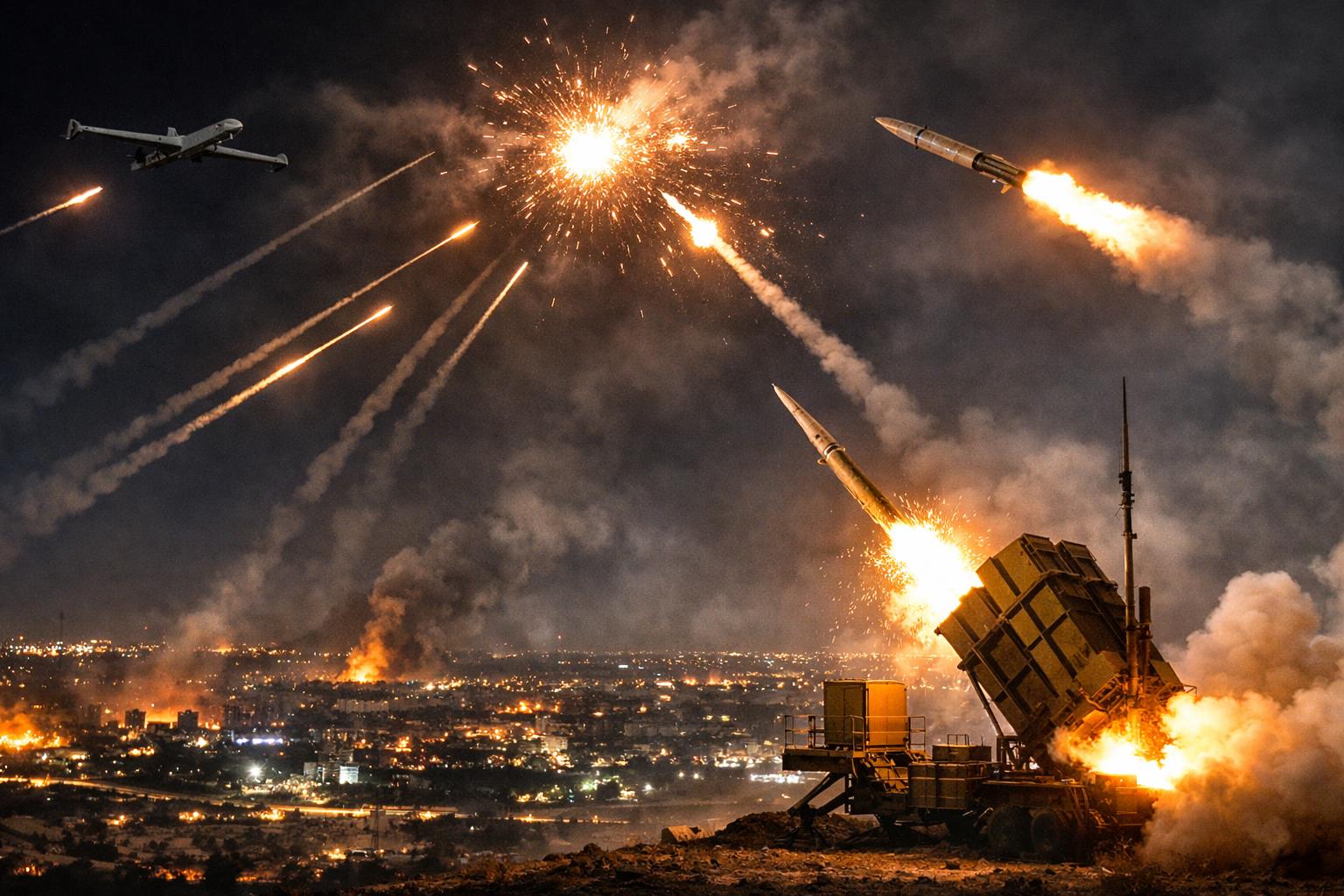
The skies over West Asia have become the center of a rapidly intensifying aerial confrontation as waves of Iranian drones and missiles streak across the region. Air defense systems operated by the United States and Israel are working almost continuously to intercept incoming threats, creating a dramatic display of explosions, interceptor launches, and fire trails across the night sky. The escalating conflict has transformed the region’s airspace into a high-stakes battlefield, where defensive
The skies over West Asia have become the center of a rapidly intensifying aerial confrontation as waves of Iranian drones and missiles streak across the region. Air defense systems operated by the United States and Israel are working almost continuously to intercept incoming threats, creating a dramatic display of explosions, interceptor launches, and fire trails across the night sky. The escalating conflict has transformed the region’s airspace into a high-stakes battlefield, where defensive
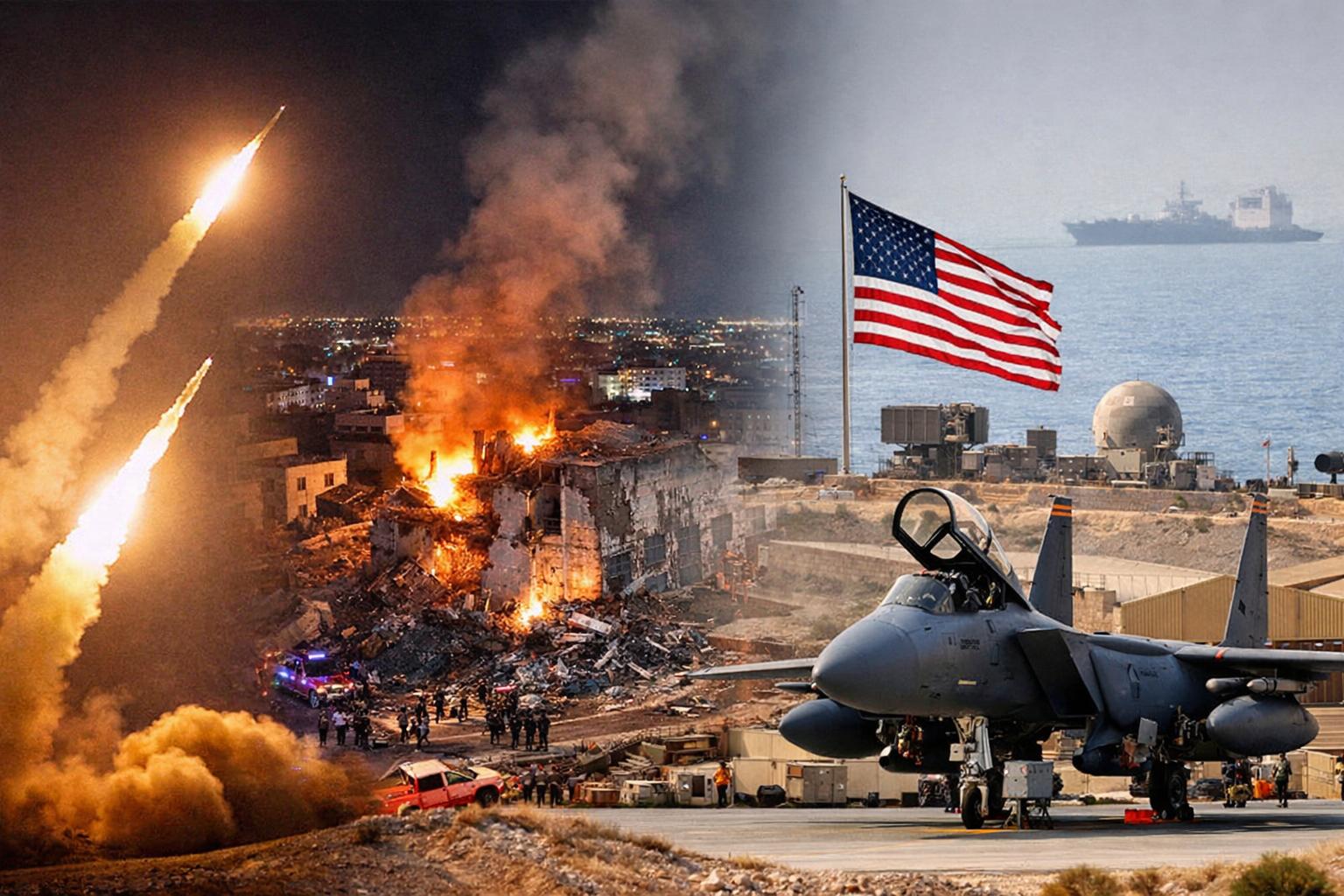
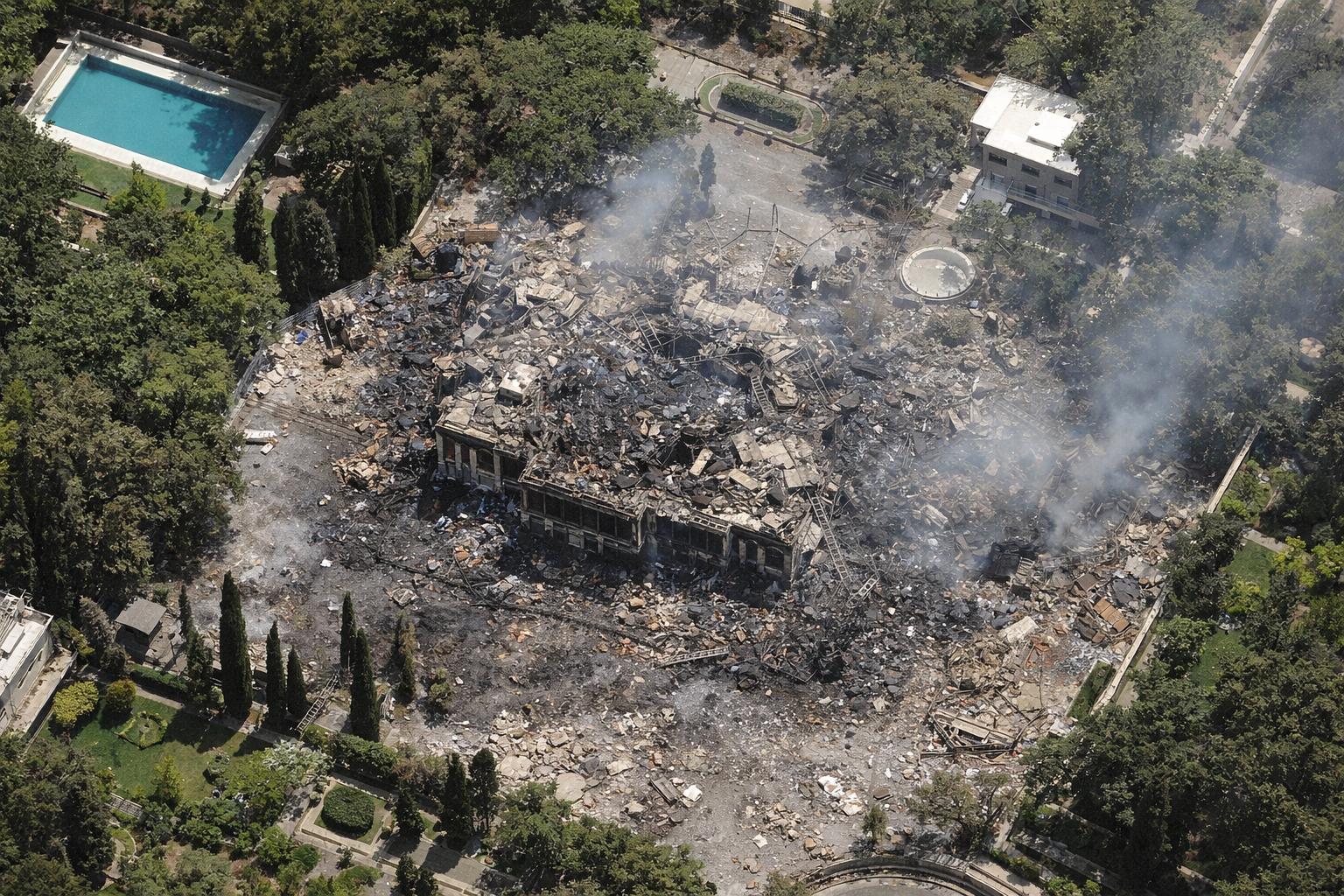
The United States and Israel have launched large-scale military strikes on Iran, triggering a rapid escalation that has pushed West Asia toward a wider conflict. US President Donald Trump announced the start of major combat operations, while calling on the Iranian public to oppose their leadership. Within hours, Iran responded with missile attacks targeting Israeli positions and US military facilities across the region, raising fears of a prolonged confrontation.
Explosions were reported in
The United States and Israel have launched large-scale military strikes on Iran, triggering a rapid escalation that has pushed West Asia toward a wider conflict. US President Donald Trump announced the start of major combat operations, while calling on the Iranian public to oppose their leadership. Within hours, Iran responded with missile attacks targeting Israeli positions and US military facilities across the region, raising fears of a prolonged confrontation.
Explosions were reported in
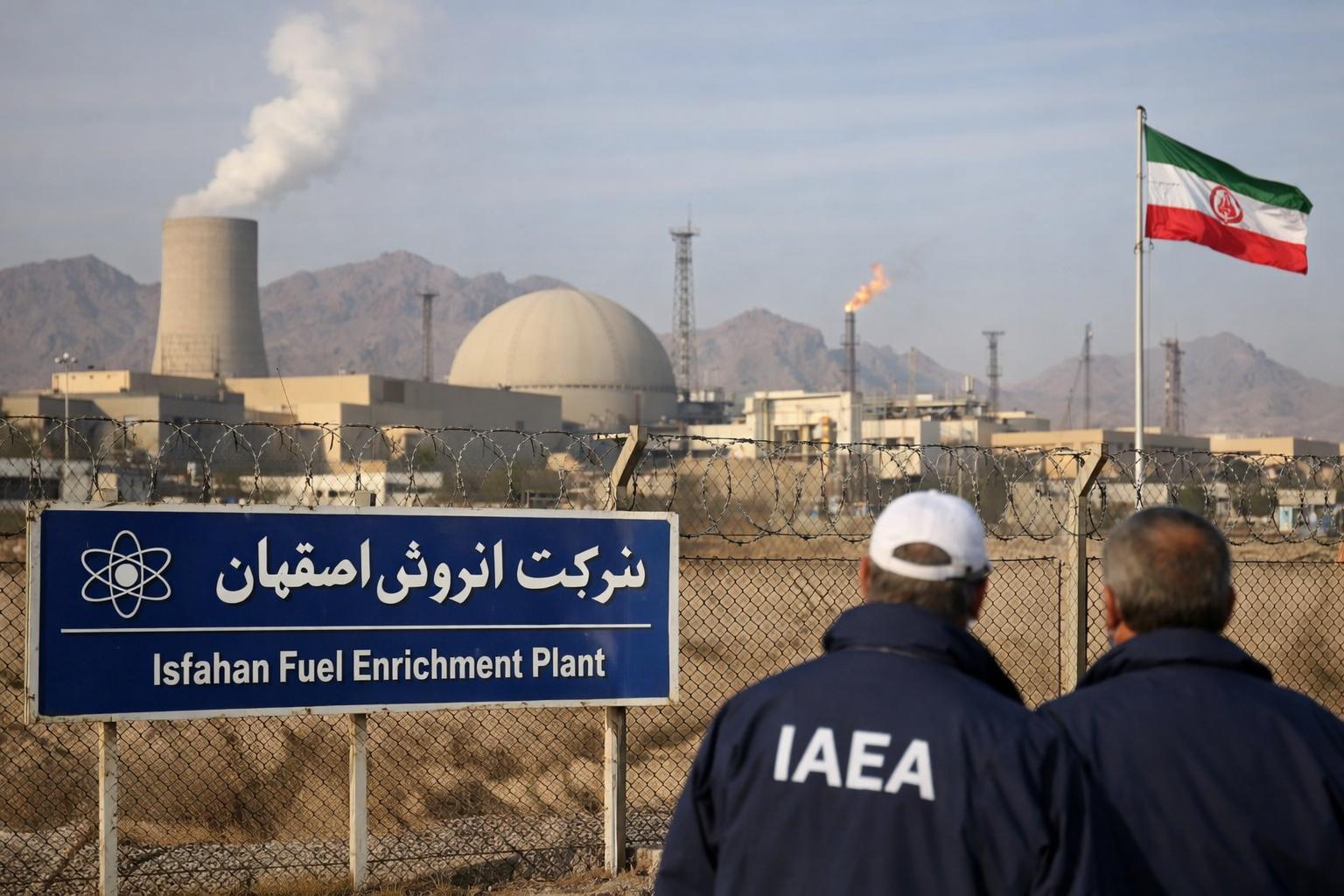
Iran has denied inspectors from the International Atomic Energy Agency access to several nuclear sites struck during a 12-day conflict involving Israel and the United States in June, according to a confidential report circulated among member states. The development has left the UN watchdog unable to verify the status of Tehran’s uranium enrichment activities or confirm the size and location of its enriched uranium stockpile.
In its latest assessment, the Vienna-based nuclear monit
Iran has denied inspectors from the International Atomic Energy Agency access to several nuclear sites struck during a 12-day conflict involving Israel and the United States in June, according to a confidential report circulated among member states. The development has left the UN watchdog unable to verify the status of Tehran’s uranium enrichment activities or confirm the size and location of its enriched uranium stockpile.
In its latest assessment, the Vienna-based nuclear monit
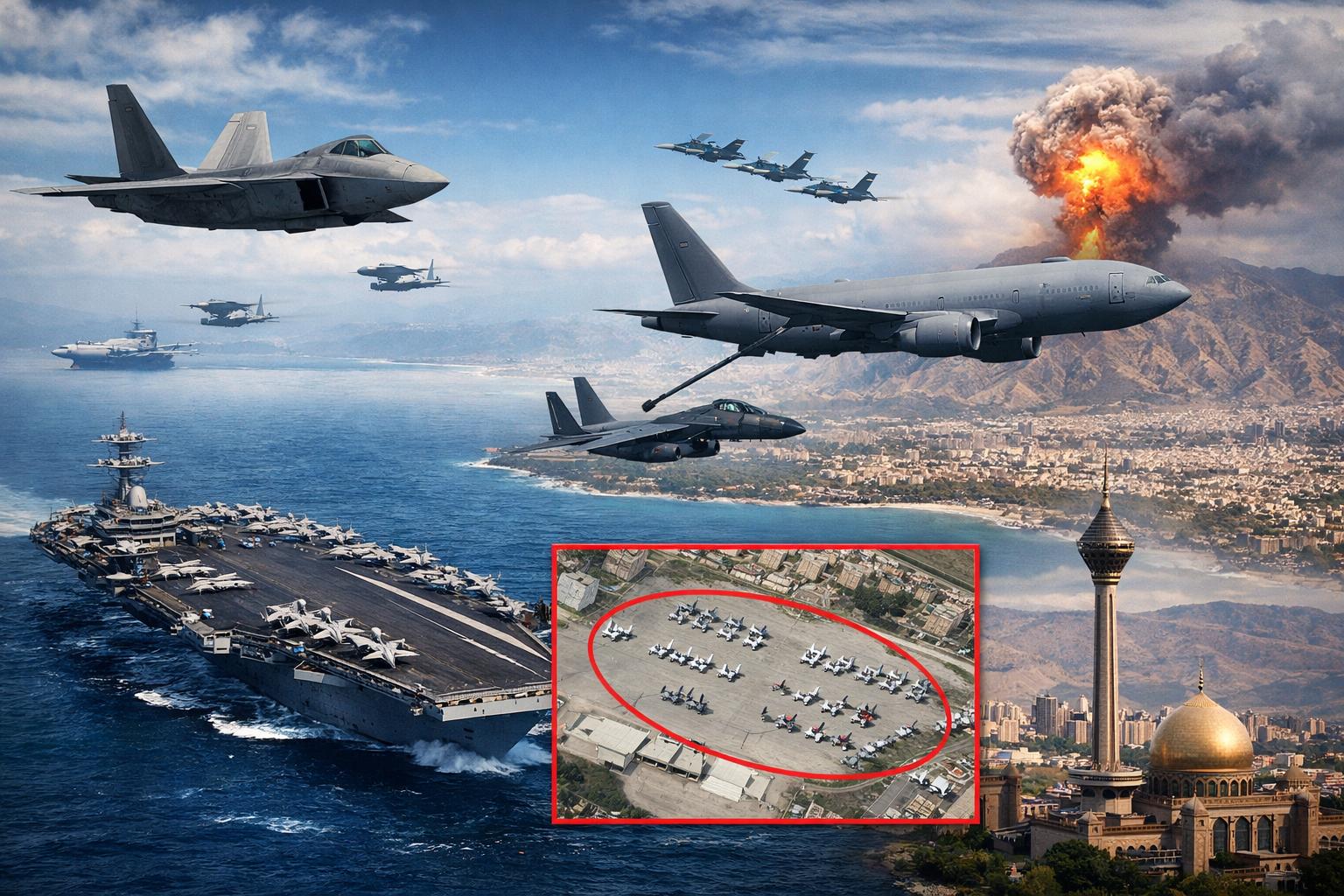
Satellite imagery and open-source flight tracking data indicate that the United States has significantly expanded its military presence across Europe and the Middle East as tensions with Iran intensify over Tehran’s nuclear programme. More than 150 American military aircraft have reportedly been repositioned to forward operating bases in what analysts describe as one of the largest regional force deployments in over two decades. The aircraft include heavy cargo planes, aerial refuelling tanker
Satellite imagery and open-source flight tracking data indicate that the United States has significantly expanded its military presence across Europe and the Middle East as tensions with Iran intensify over Tehran’s nuclear programme. More than 150 American military aircraft have reportedly been repositioned to forward operating bases in what analysts describe as one of the largest regional force deployments in over two decades. The aircraft include heavy cargo planes, aerial refuelling tanker
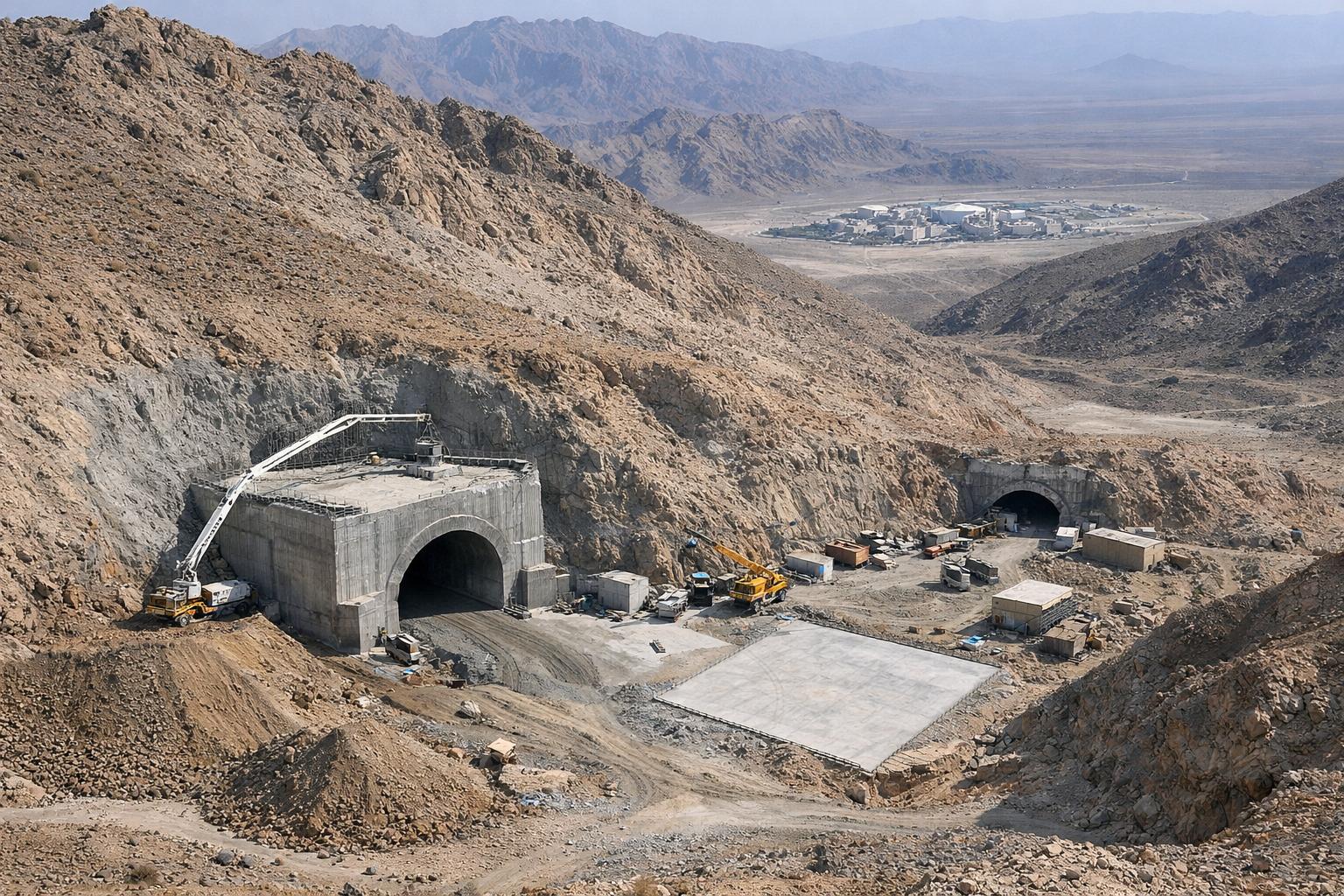
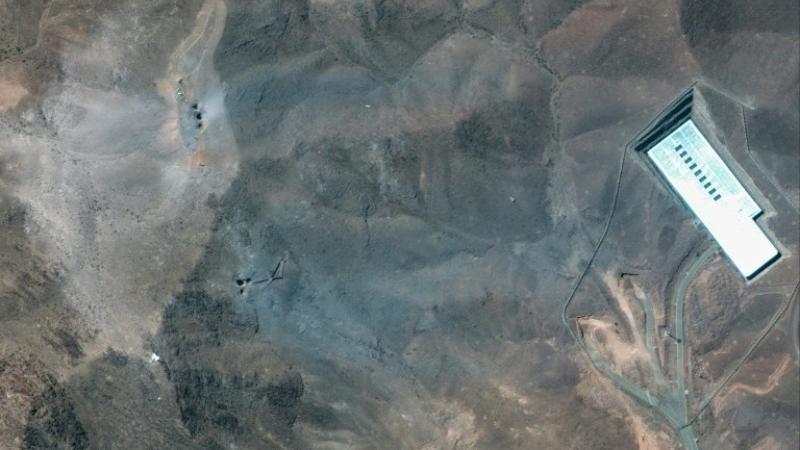
Fresh satellite imagery indicates that Iran is strengthening an underground complex near its main nuclear installation at Natanz, a development that analysts say could complicate diplomatic efforts and heighten regional security concerns. The activity has been observed at a mountainous site known as Pickaxe Mountain, located roughly 1.6 kilometres south of the uranium enrichment facility in central Iran, and appears to involve new concrete structures and expanded tunnel protections.
The construction comes at a time of renewed friction between Tehran and Washington. Former US president Donald Trump has repeatedly warned of possible military action if Iran does not reach an agreement over its nuclear programme, while Iranian officials have vowed to respond to any strike. The exchange of threats has added to fears of escalation across West Asia, where US forces have increased their presence and longstanding rivalries continue to shape the strategic landscape.
Images reviewed by analysts from the Institute for Science and International Security, a Washington-based think tank that tracks nuclear proliferation risks, show what appears to be fresh concrete poured over at least one tunnel entrance. Equipment consistent with a boom pump used for concrete delivery is visible at the site, suggesting active reinforcement work. Nearby, rock and soil appear to have been cleared and levelled, and additional concrete-reinforced structures have been erected close to the entrances.
Researchers who have monitored the area for several years say the scale of excavation and the amount of construction material suggest the site could support more than routine maintenance. The depth of the tunnels, estimated to be between 79 and 100 metres underground, may offer significant protection from aerial attacks and surveillance, potentially making the facility more resilient than other known installations. Such characteristics have drawn scrutiny from non-proliferation experts, who view hardened underground sites as capable of hosting sensitive operations such as centrifuge assembly or uranium enrichment.
Iran has previously said that Pickaxe Mountain could be used for manufacturing and assembling centrifuges, devices required for nuclear fuel production. Tehran maintains that its nuclear activities are intended solely for peaceful purposes, including energy generation and medical research, and has repeatedly denied pursuing a nuclear weapon. However, the limited access granted to international inspectors has raised questions among watchdog groups and foreign governments about transparency and compliance.
The site was not among those reportedly targeted during earlier US strikes on Iranian nuclear infrastructure, which officials described at the time as severely damaging key facilities. Analysts now suggest that any reconstruction of centrifuge capacity in protected locations like Pickaxe Mountain could allow Iran to restore or expand operations more quickly if other sites are disrupted.
International observers emphasize that the situation underscores the importance of oversight by the International Atomic Energy Agency. Experts argue that greater disclosure and inspections are essential to clarify the purpose of the new construction and to reduce the risk of miscalculation. Without verifiable information, they warn, suspicion could deepen and diplomatic efforts may face additional obstacles.
As tensions persist, the developments at Pickaxe Mountain have become another focal point in the broader debate over Iran’s nuclear ambitions, regional stability, and the fragile balance between deterrence and diplomacy.
Fresh satellite imagery indicates that Iran is strengthening an underground complex near its main nuclear installation at Natanz, a development that analysts say could complicate diplomatic efforts and heighten regional security concerns. The activity has been observed at a mountainous site known as Pickaxe Mountain, located roughly 1.6 kilometres south of the uranium enrichment facility in central Iran, and appears to involve new concrete structures and expanded tunnel protections.
The construction comes at a time of renewed friction between Tehran and Washington. Former US president Donald Trump has repeatedly warned of possible military action if Iran does not reach an agreement over its nuclear programme, while Iranian officials have vowed to respond to any strike. The exchange of threats has added to fears of escalation across West Asia, where US forces have increased their presence and longstanding rivalries continue to shape the strategic landscape.
Images reviewed by analysts from the Institute for Science and International Security, a Washington-based think tank that tracks nuclear proliferation risks, show what appears to be fresh concrete poured over at least one tunnel entrance. Equipment consistent with a boom pump used for concrete delivery is visible at the site, suggesting active reinforcement work. Nearby, rock and soil appear to have been cleared and levelled, and additional concrete-reinforced structures have been erected close to the entrances.
Researchers who have monitored the area for several years say the scale of excavation and the amount of construction material suggest the site could support more than routine maintenance. The depth of the tunnels, estimated to be between 79 and 100 metres underground, may offer significant protection from aerial attacks and surveillance, potentially making the facility more resilient than other known installations. Such characteristics have drawn scrutiny from non-proliferation experts, who view hardened underground sites as capable of hosting sensitive operations such as centrifuge assembly or uranium enrichment.
Iran has previously said that Pickaxe Mountain could be used for manufacturing and assembling centrifuges, devices required for nuclear fuel production. Tehran maintains that its nuclear activities are intended solely for peaceful purposes, including energy generation and medical research, and has repeatedly denied pursuing a nuclear weapon. However, the limited access granted to international inspectors has raised questions among watchdog groups and foreign governments about transparency and compliance.
The site was not among those reportedly targeted during earlier US strikes on Iranian nuclear infrastructure, which officials described at the time as severely damaging key facilities. Analysts now suggest that any reconstruction of centrifuge capacity in protected locations like Pickaxe Mountain could allow Iran to restore or expand operations more quickly if other sites are disrupted.
International observers emphasize that the situation underscores the importance of oversight by the International Atomic Energy Agency. Experts argue that greater disclosure and inspections are essential to clarify the purpose of the new construction and to reduce the risk of miscalculation. Without verifiable information, they warn, suspicion could deepen and diplomatic efforts may face additional obstacles.
As tensions persist, the developments at Pickaxe Mountain have become another focal point in the broader debate over Iran’s nuclear ambitions, regional stability, and the fragile balance between deterrence and diplomacy.
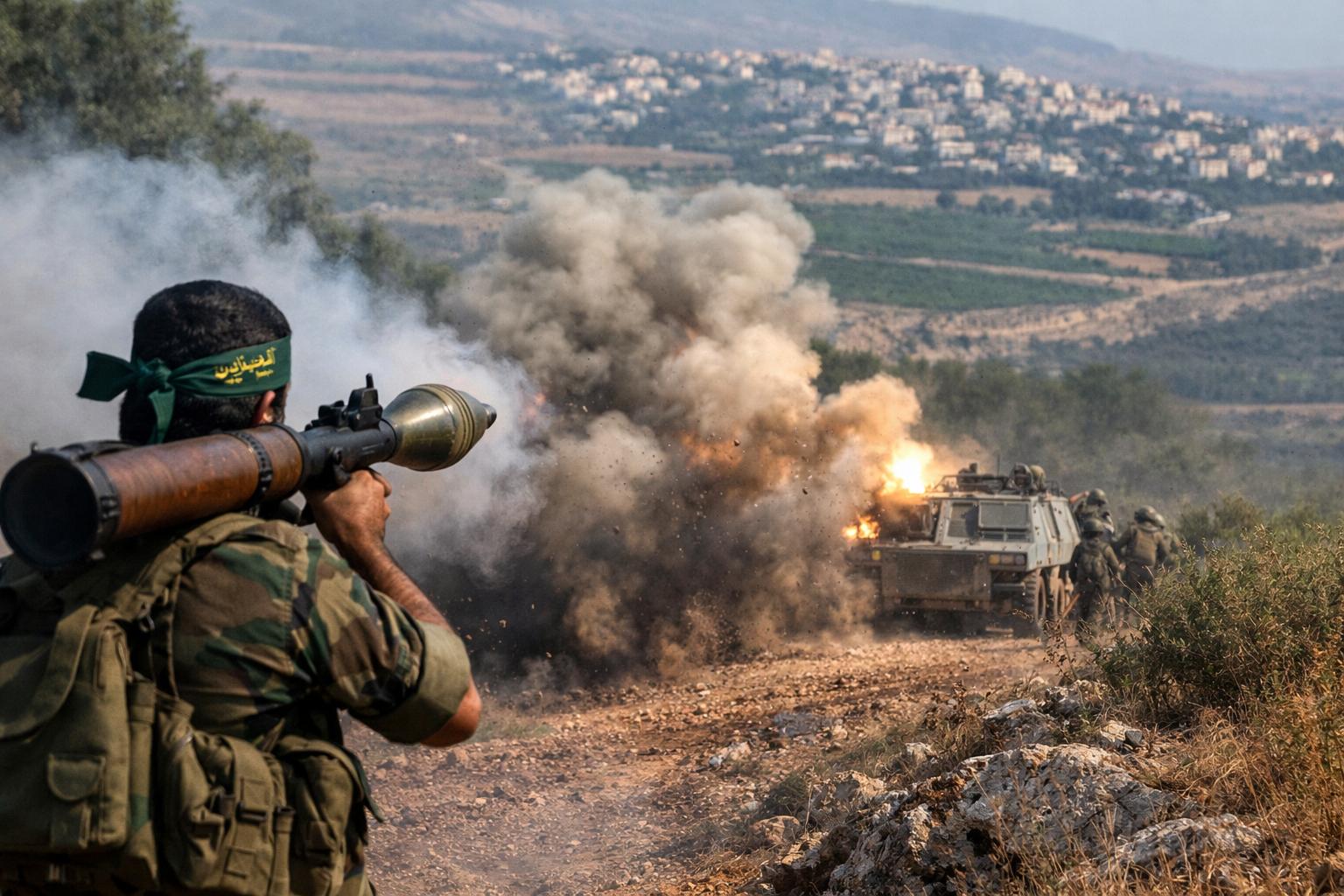
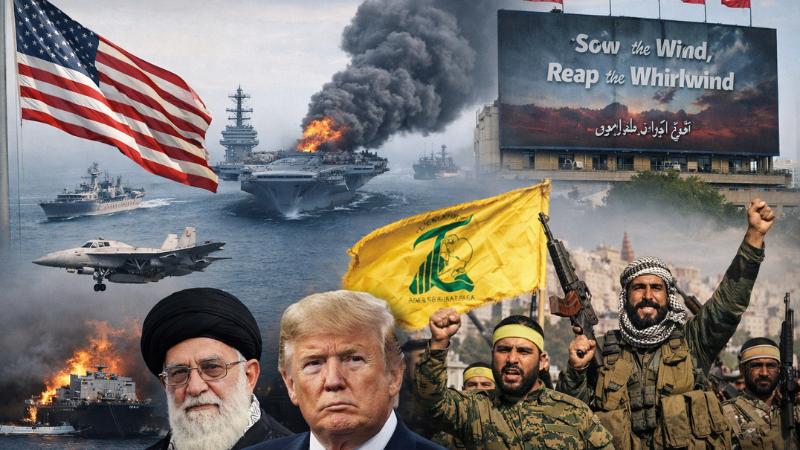
Tensions across West Asia intensified after allied militant groups aligned with Iran issued sharp warnings to the United States following the deployment of American warships to the region. Lebanon-based Hezbollah, Yemen’s Houthi movement, and Iraqi militias signaled that any military action against Iran would trigger a wider regional confrontation, underscoring the growing volatility as Washington weighs its next steps amid unrest inside Iran.
Hezbollah leader Naim Qassem cautione
Tensions across West Asia intensified after allied militant groups aligned with Iran issued sharp warnings to the United States following the deployment of American warships to the region. Lebanon-based Hezbollah, Yemen’s Houthi movement, and Iraqi militias signaled that any military action against Iran would trigger a wider regional confrontation, underscoring the growing volatility as Washington weighs its next steps amid unrest inside Iran.
Hezbollah leader Naim Qassem cautione
The International Atomic Energy Agency (IAEA) has confirmed that there has been no radiation leak following recent US-led airstrikes on three of Iran’s major nuclear facilities Fordow, Natanz, and Esfahan. These attacks, carried out overnight on Sunday as part of escalating US and Israeli military actions, prompted international concerns over potential nuclear fallout. However, IAEA Director General Rafael Mariano Grossi reassured that radiation levels r
The International Atomic Energy Agency (IAEA) has confirmed that there has been no radiation leak following recent US-led airstrikes on three of Iran’s major nuclear facilities Fordow, Natanz, and Esfahan. These attacks, carried out overnight on Sunday as part of escalating US and Israeli military actions, prompted international concerns over potential nuclear fallout. However, IAEA Director General Rafael Mariano Grossi reassured that radiation levels r