US–Israel–Iran War | Iran rejects US ceasefire plan, outlines conditions amid escalating Middle East conflict
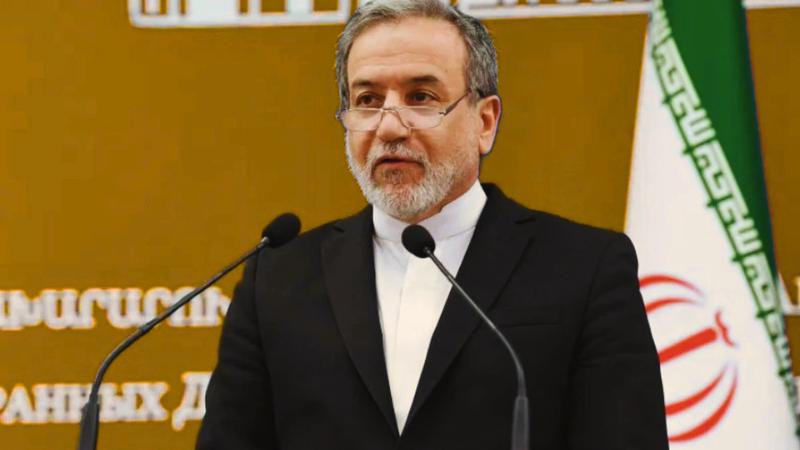
An unnamed Iranian official was quoted as confirming that Tehran had formally declined a 15-point ceasefire plan conveyed through diplomatic channels. The official stated that Iran would not accept externally imposed timelines or conditions and insisted that any decision to end the war would be made solely on its own terms. The response underscores growing tensions between Iran and Washington, particularly as diplomatic efforts to de-escalate the situation appear to be faltering.
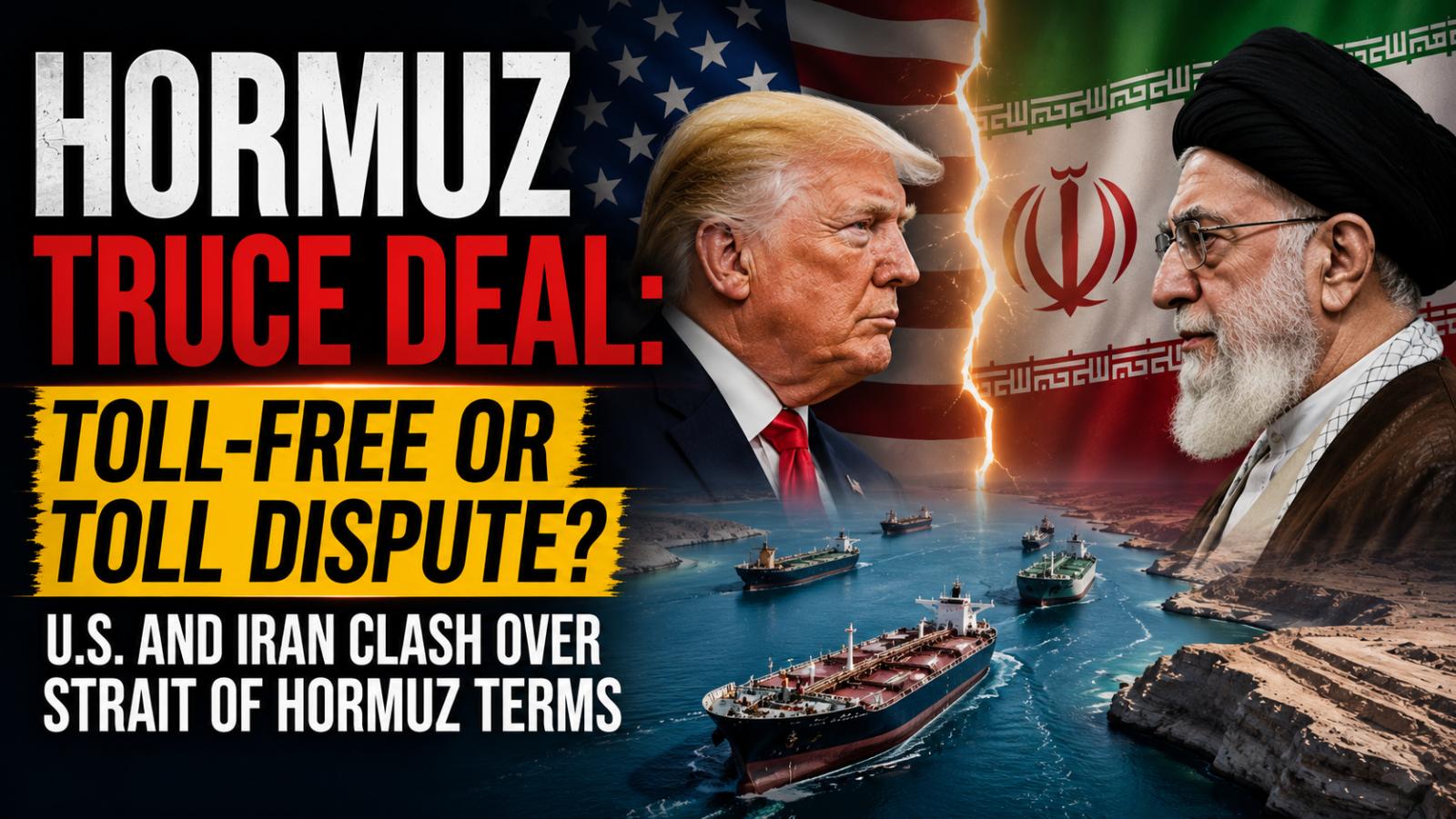
According to the report, Iran’s counterproposal outlines five key demands, including an immediate halt to targeted killings of its officials, guarantees against future military aggression, and financial reparations for damages incurred during the conflict. The proposal also calls for a complete cessation of hostilities and recognition of Iran’s sovereignty over the strategically significant Strait of Hormuz.
The inclusion of reparations and control over the Strait of Hormuz is expected to complicate negotiations, given the waterway’s critical role in global energy supply chains. Any assertion of exclusive control by Tehran is likely to raise concerns among international stakeholders, particularly those dependent on stable oil transit through the region.
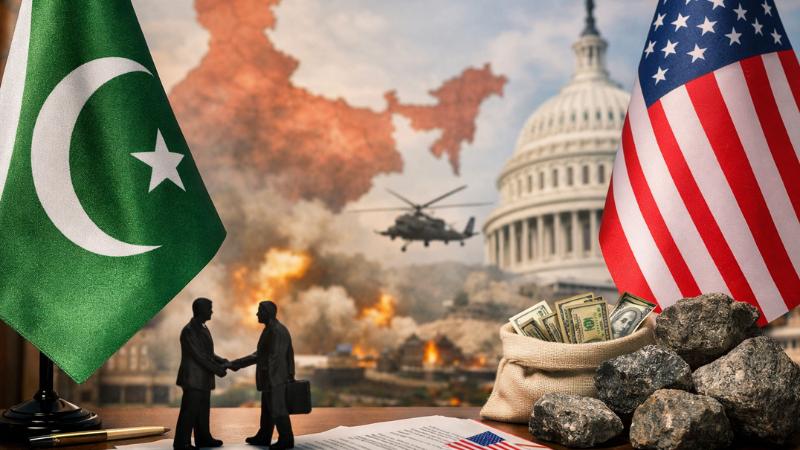
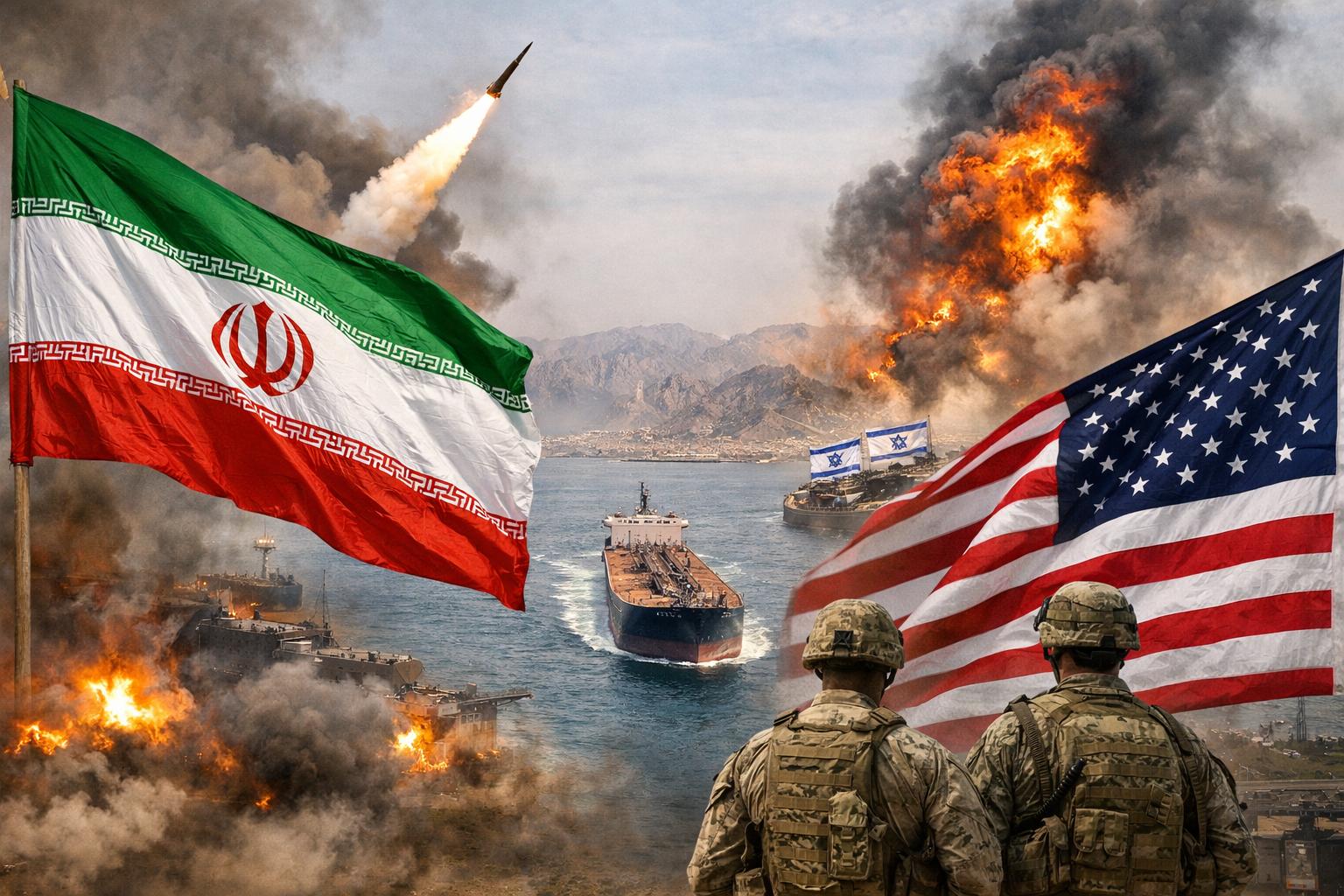
The report indicated that the US proposal had been communicated to Iran through Pakistan, highlighting ongoing indirect diplomatic efforts. However, Iran’s rejection suggests limited progress toward a negotiated settlement. Meanwhile, the United States has reportedly increased its military presence in the region, deploying additional troops and resources as a precaution amid rising hostilities.
Iranian officials have emphasized the need for concrete guarantees to prevent future conflicts, along with mechanisms to ensure compensation for war-related losses. They have also reiterated their position that sovereignty over the Strait of Hormuz is a non-negotiable right, framing it as both a legal and strategic necessity.
The situation remains fluid, with diplomatic channels under strain and military tensions continuing to escalate, raising concerns about broader regional stability and the potential global economic impact.