Iran Criticises Contradictory US Statements on MoU
Iran’s Foreign Ministry has raised concerns over what it described as inconsistent statements from US officials regarding a memorandum of understanding aimed at ending recent conflict-related tensions. According to Foreign Ministry spokesperson Esmaeil Baghaei, the differing positions from Washington are reinforcing long-standing mistrust between the two countries and undermining diplomatic stability.
Baghaei stated that the principle of reciprocal commitment remains central to the agreement and emphasized that obligations under the memorandum must be followed strictly as written. He noted that interpretations that diverge from the agreed text weaken confidence in the diplomatic process and damage prospects for sustained cooperation.
Claims of Diplomatic Good Faith and Historical Distrust
Iran reiterated that it entered negotiations in good faith despite what it described as a history of skepticism toward US commitments. The ministry stated that the agreement was signed with the intention of ending what it referred to as the imposed conflict, but added that previous experiences have shaped Iran’s cautious approach to Washington.
According to Baghaei, Iran’s participation in the diplomatic process was driven by the objective of stabilizing tensions, even though distrust toward US policy remains deeply rooted in its foreign relations framework.
Diverging Positions on Nuclear Oversight and Shipping
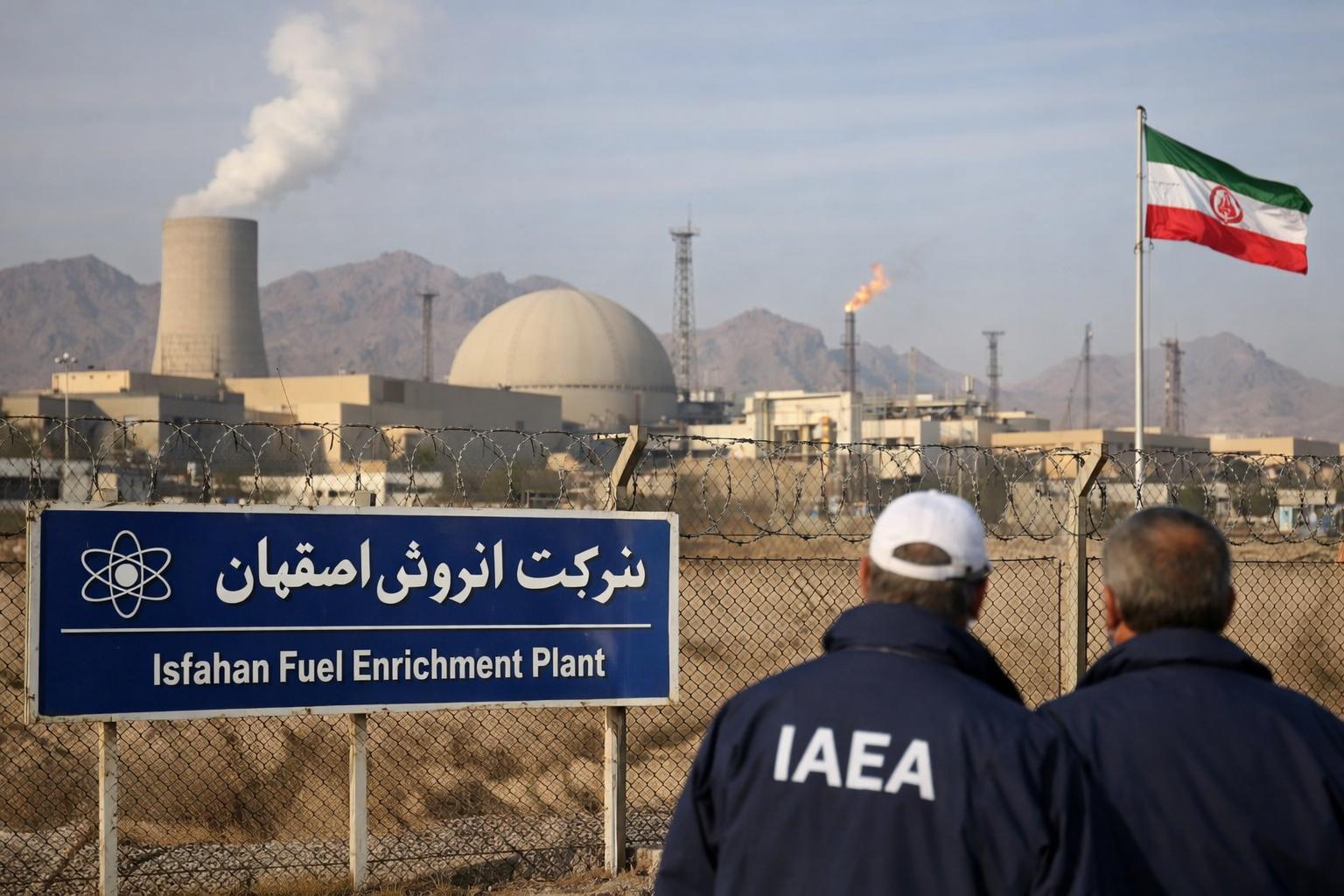
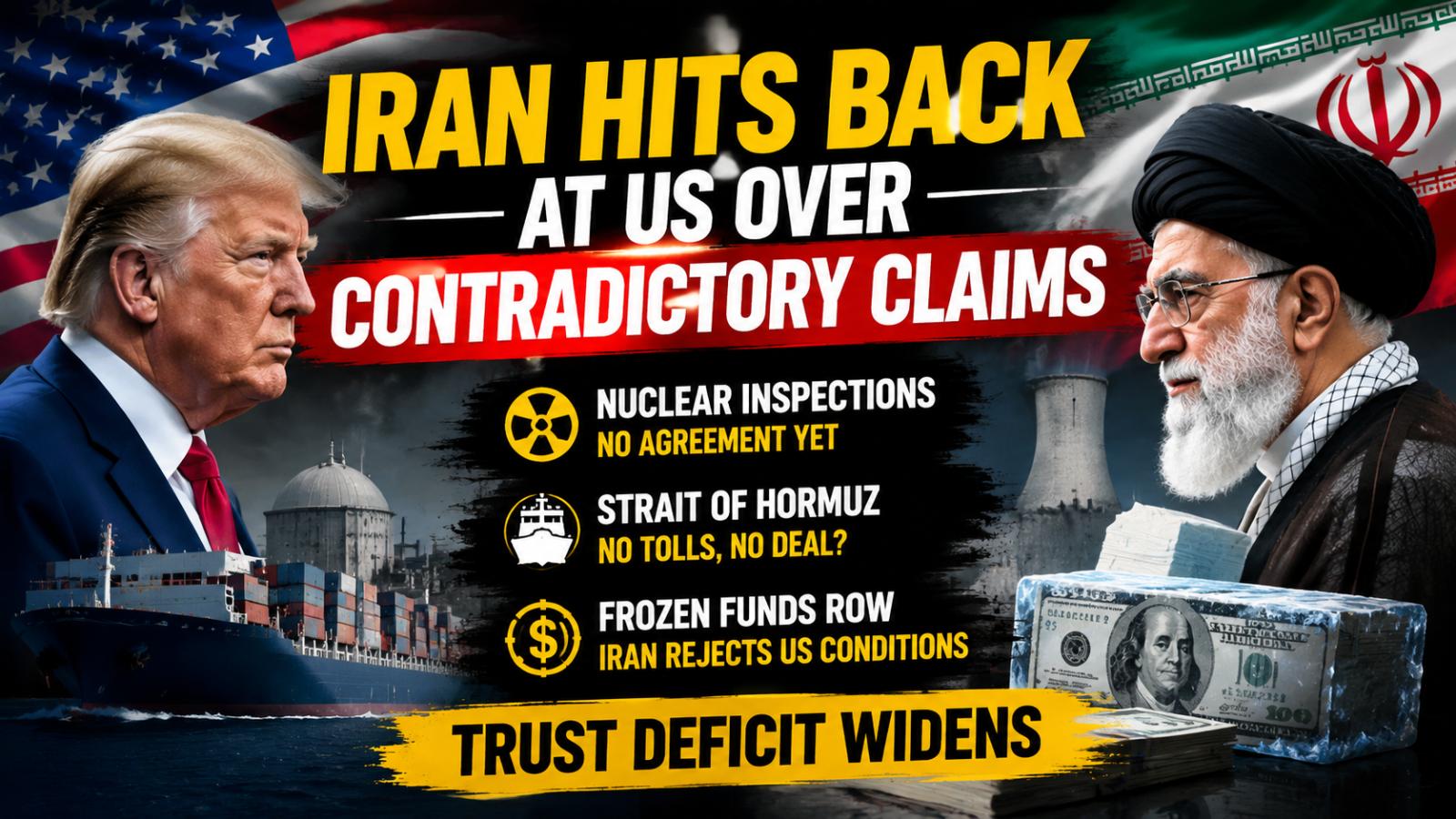
Recent disagreements between Washington and Tehran have surfaced over multiple issues, including nuclear inspection arrangements under the International Atomic Energy Agency and maritime operations in the Strait of Hormuz. US officials have suggested that international inspectors may return to Iranian facilities, while Tehran has stated that no immediate plans exist for such access.
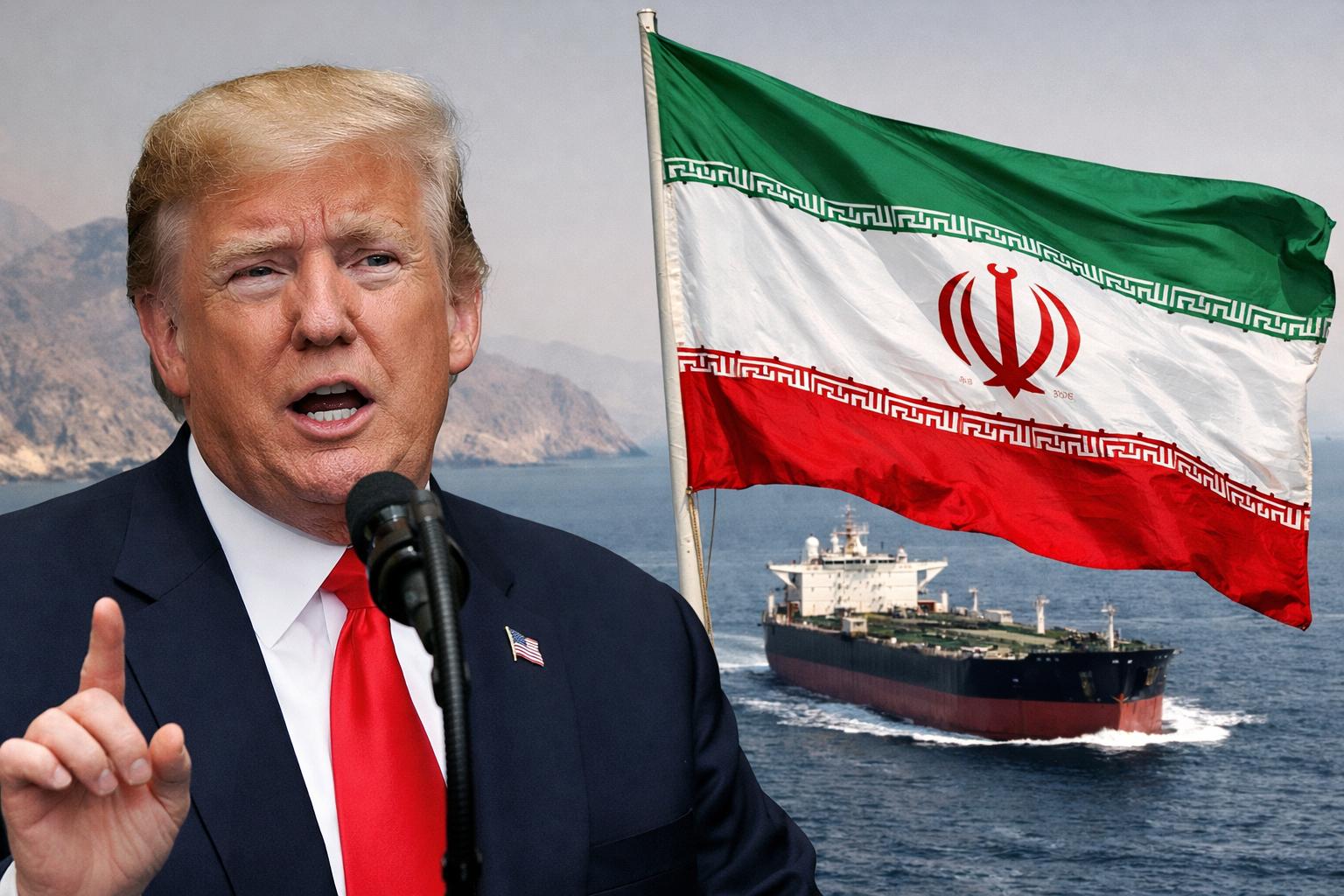
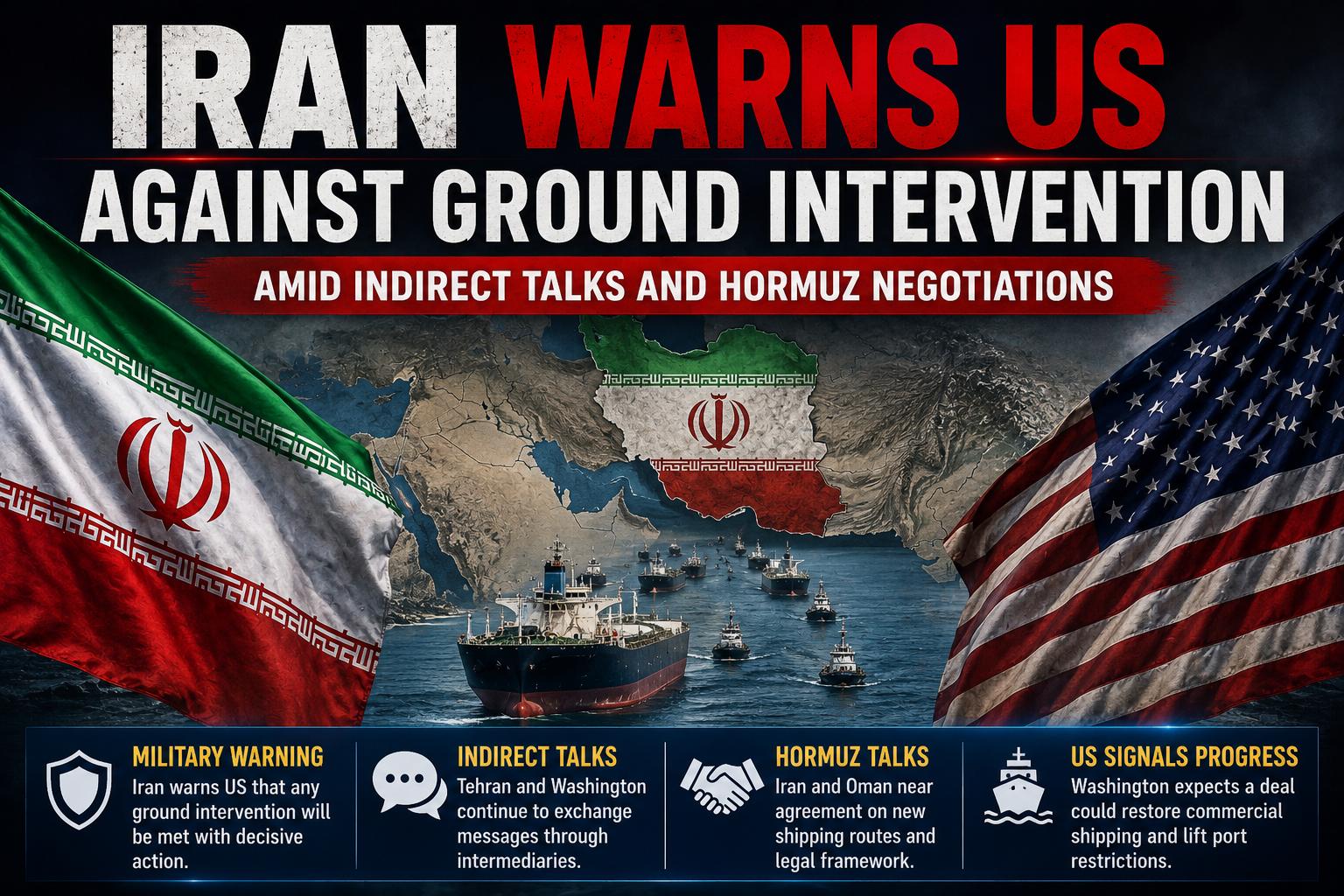
In addition, differences remain over maritime governance in the Strait of Hormuz, a key global energy corridor. Iran has indicated its intention to regulate shipping activity in coordination with regional stakeholders, while US statements have suggested alternative interpretations regarding charges and navigation terms.
Frozen Assets and Economic Interpretations
Another point of contention involves Iran’s frozen financial assets. US officials have suggested limitations on how the funds may be used, including potential restrictions tied to specific purchases. Iran, however, has rejected these claims and maintains that it should retain full discretion over the use of its assets.
The ongoing divergence in messaging between both sides continues to highlight unresolved tensions across nuclear policy, maritime trade routes and financial agreements, underscoring the fragile nature of current diplomatic engagement.