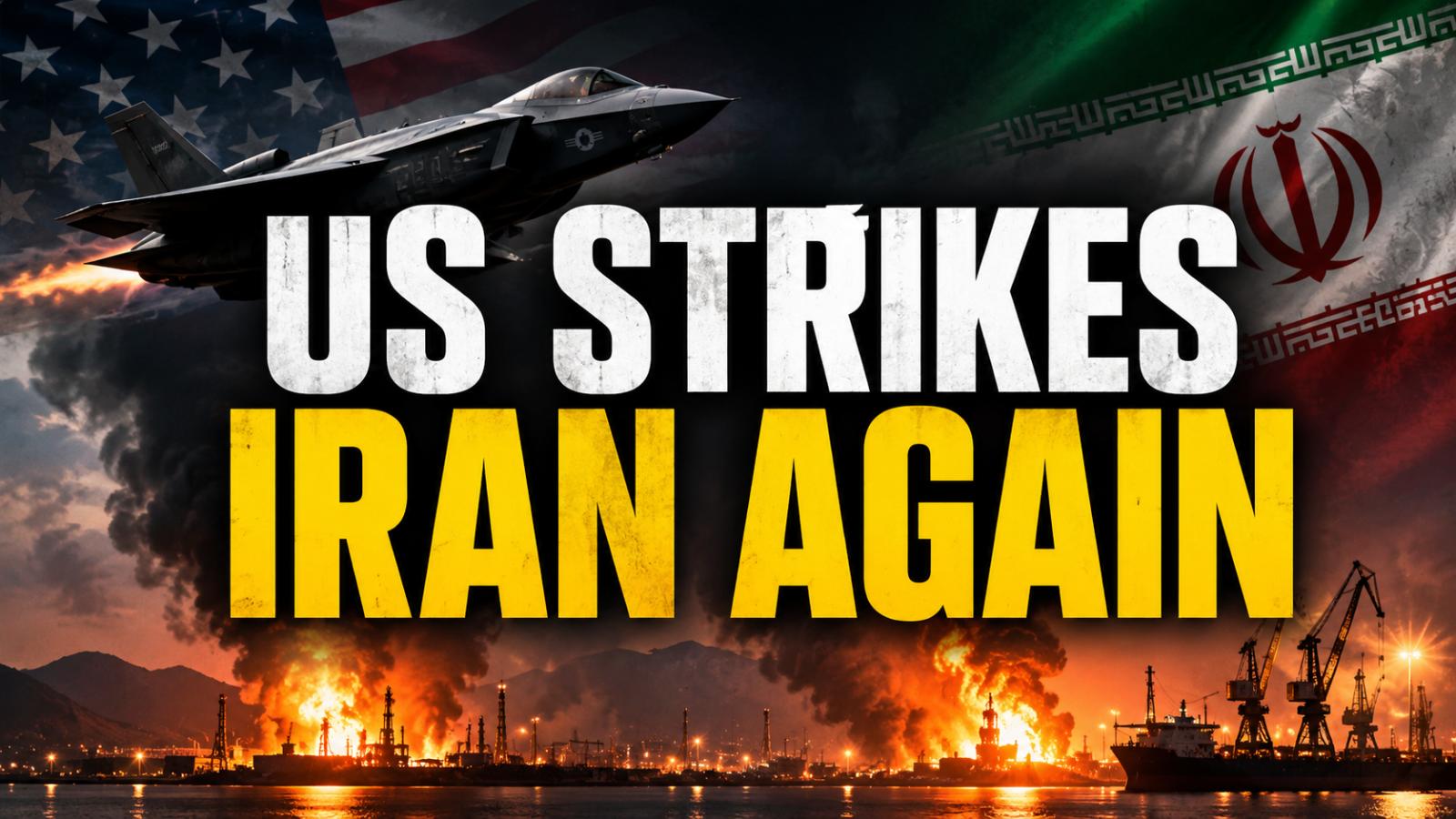
WASHINGTON — The United States signaled a heightened military posture toward Iran on Thursday, April 16, 2026, as senior defense officials warned that U.S. forces are prepared to strike Iran’s energy infrastructure if directed by the president.
Speaking in Washington, Defense Secretary Pete Hegseth said current U.S. actions, including a naval blockade, reflect what he described as restrained measures during an ongoing ceasefire period. He emphasized that Iran faces critical decisions as it approaches renewed negotiations with U.S. officials, warning that more aggressive military options remain available.
The comments come as the Trump administration balances diplomatic outreach with escalating economic and military pressure. Officials expressed cautious optimism on Wednesday, April 15, 2026, about the prospects for a negotiated end to the conflict, while underscoring that additional consequences could follow if Iran resists proposed terms.
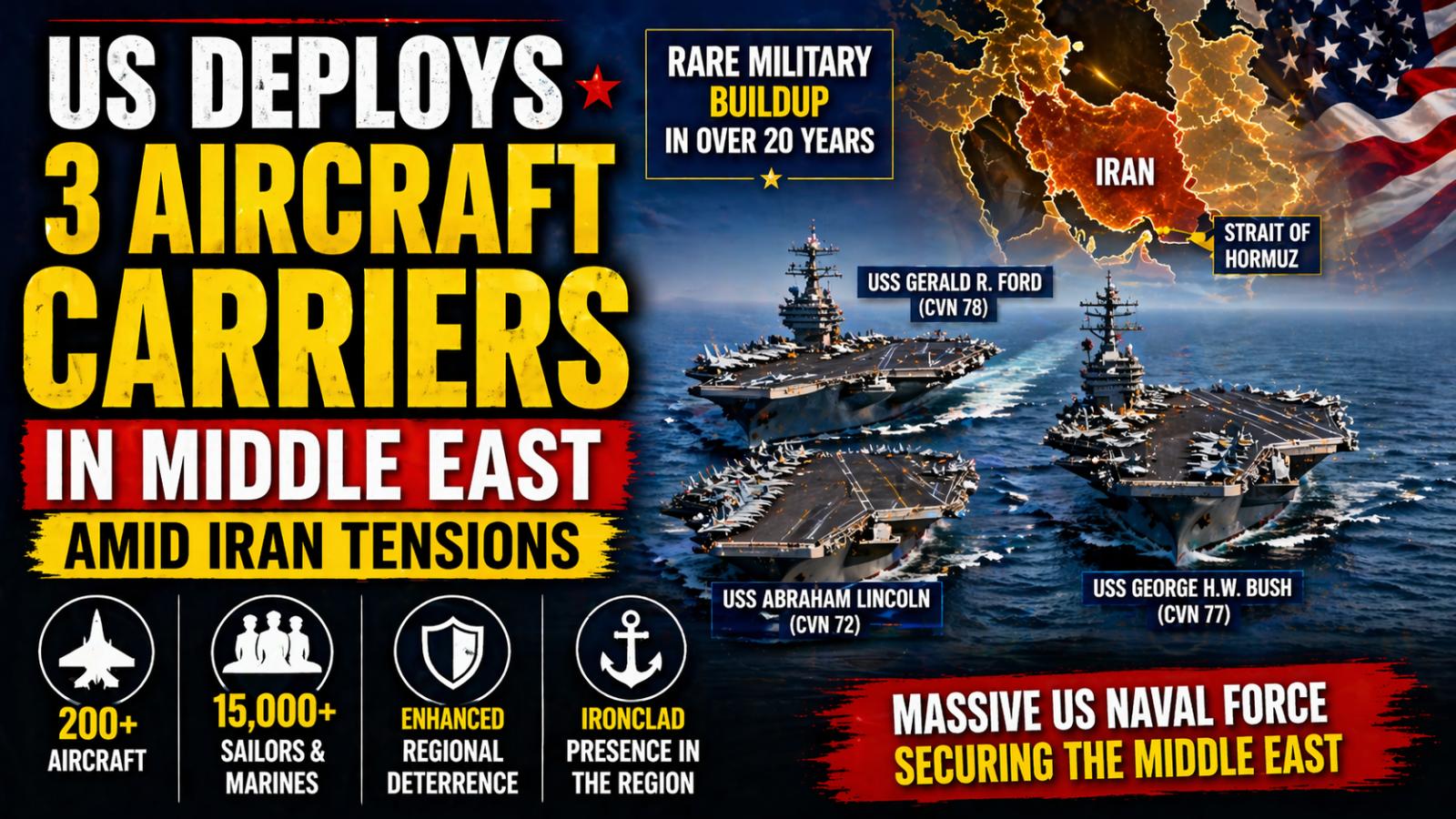
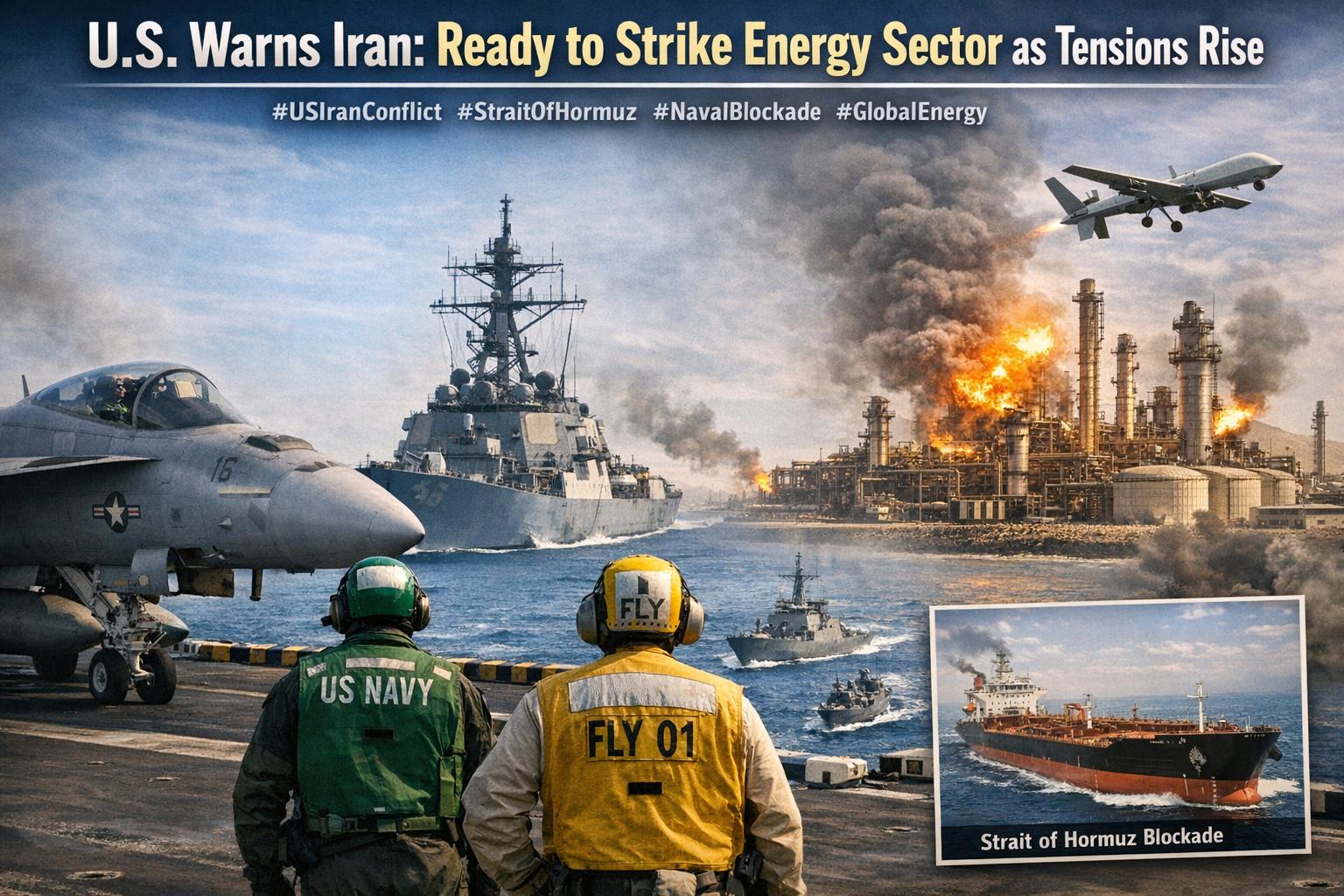
The naval blockade, which began on Monday, April 13, 2026, has already disrupted maritime traffic. U.S. forces reportedly turned back 14 vessels and are maintaining a significant presence in the region, including dozens of warships, aircraft, and approximately 10,000 personnel.
At the center of U.S. demands is the reopening of the Strait of Hormuz, a critical maritime corridor that typically carries about one-fifth of the world’s oil and gas supplies. The administration has identified access to the strait as a key condition tied to the current ceasefire, which is set to expire in the coming days.
The conflict, which began on February 28, 2026, has triggered one of the most significant disruptions to global energy markets in recent history. Analysts note that while Iran may be able to withstand a temporary halt in oil exports, prolonged restrictions could force a reduction in production levels.
Admiral Brad Cooper, head of U.S. Central Command, said military planners are actively refining operational approaches in the region, though he declined to provide specific details. The evolving strategy reflects a broader effort to maintain pressure while preserving readiness for rapid escalation if negotiations fail.
Speaking in Washington, Defense Secretary Pete Hegseth said current U.S. actions, including a naval blockade, reflect what he described as restrained measures during an ongoing ceasefire period. He emphasized that Iran faces critical decisions as it approaches renewed negotiations with U.S. officials, warning that more aggressive military options remain available.
The comments come as the Trump administration balances diplomatic outreach with escalating economic and military pressure. Officials expressed cautious optimism on Wednesday, April 15, 2026, about the prospects for a negotiated end to the conflict, while underscoring that additional consequences could follow if Iran resists proposed terms.
The naval blockade, which began on Monday, April 13, 2026, has already disrupted maritime traffic. U.S. forces reportedly turned back 14 vessels and are maintaining a significant presence in the region, including dozens of warships, aircraft, and approximately 10,000 personnel.
At the center of U.S. demands is the reopening of the Strait of Hormuz, a critical maritime corridor that typically carries about one-fifth of the world’s oil and gas supplies. The administration has identified access to the strait as a key condition tied to the current ceasefire, which is set to expire in the coming days.
The conflict, which began on February 28, 2026, has triggered one of the most significant disruptions to global energy markets in recent history. Analysts note that while Iran may be able to withstand a temporary halt in oil exports, prolonged restrictions could force a reduction in production levels.
Admiral Brad Cooper, head of U.S. Central Command, said military planners are actively refining operational approaches in the region, though he declined to provide specific details. The evolving strategy reflects a broader effort to maintain pressure while preserving readiness for rapid escalation if negotiations fail.