#irannews
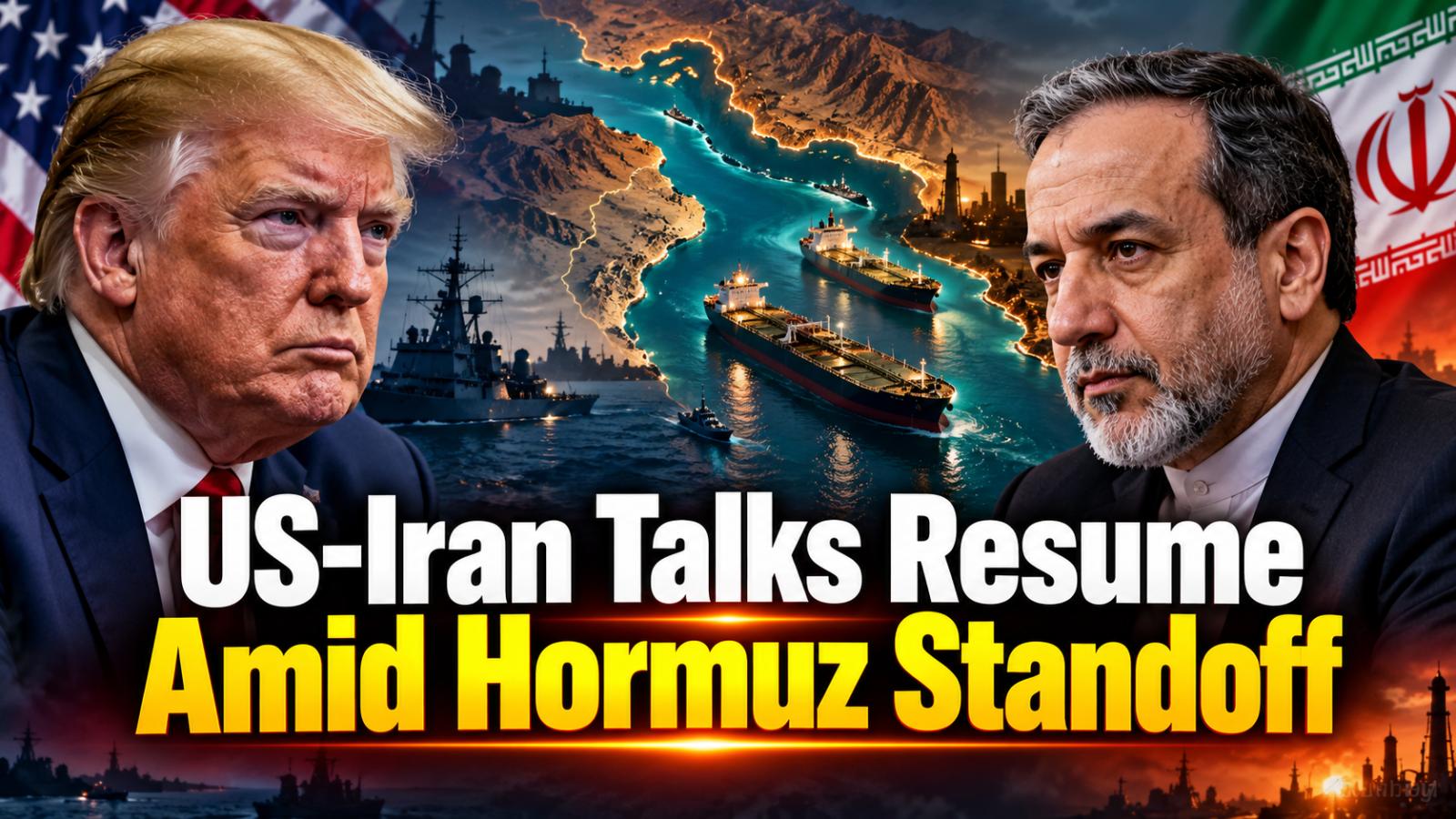
Strait Of Hormuz Tensions Rise Amid US-Iran Talks
US Says Iranian Drones Were Intercepted Near Hormuz Tensions in West Asia escalated after the US military said it intercepted four Iranian one-way attack drones launched toward the Strait of Hormuz and later struck Iranian coastal surveillance radar sites. US Central Command said the drones posed an immediate threat to regional maritime traffic, a key concern because the Strait of Hormuz remains one of the w
Strait Of Hormuz Tensions Rise Amid US-Iran Talks
US Says Iranian Drones Were Intercepted Near Hormuz Tensions in West Asia escalated after the US military said it intercepted four Iranian one-way attack drones launched toward the Strait of Hormuz and later struck Iranian coastal surveillance radar sites. US Central Command said the drones posed an immediate threat to regional maritime traffic, a key concern because the Strait of Hormuz remains one of the w
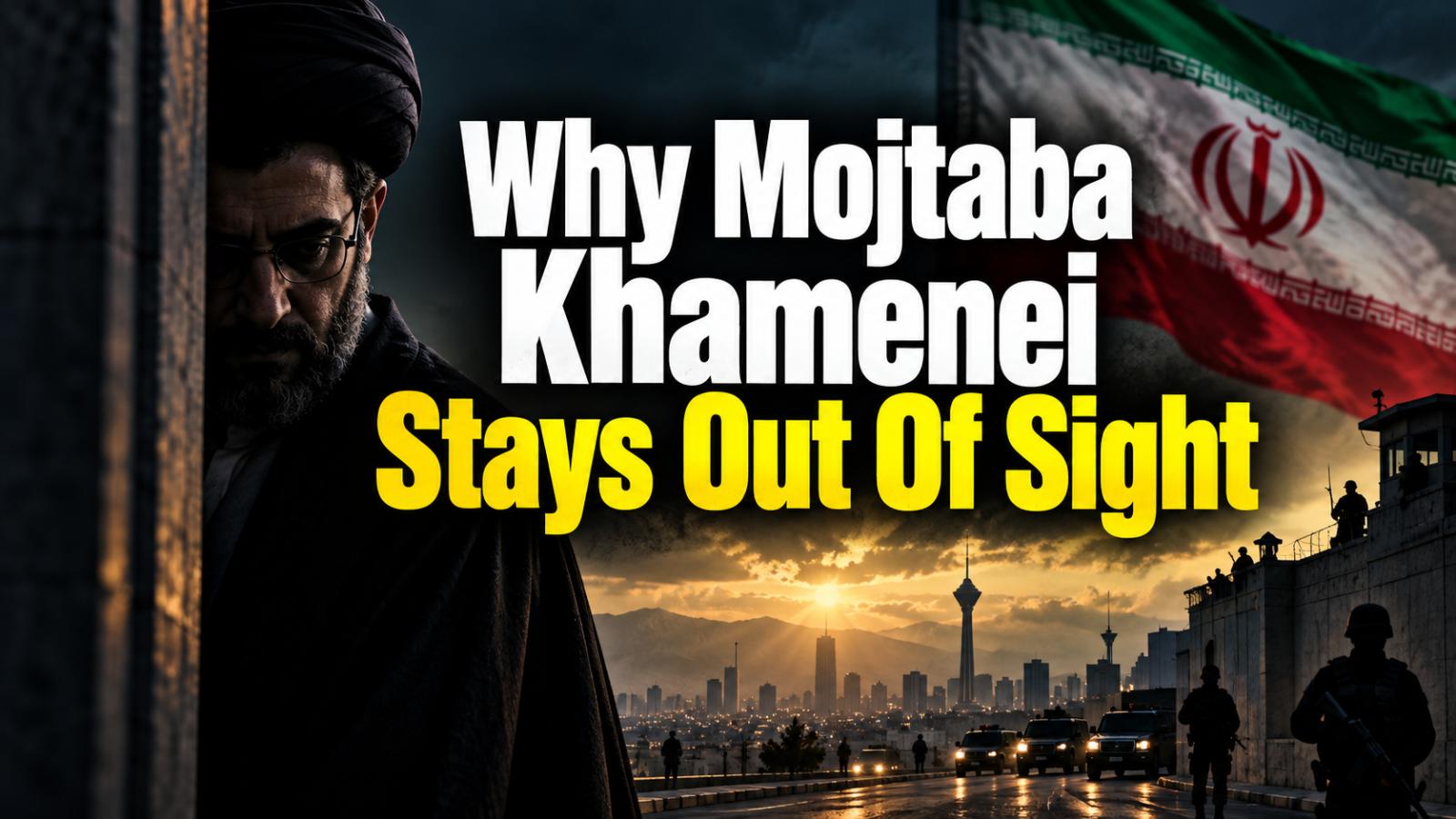
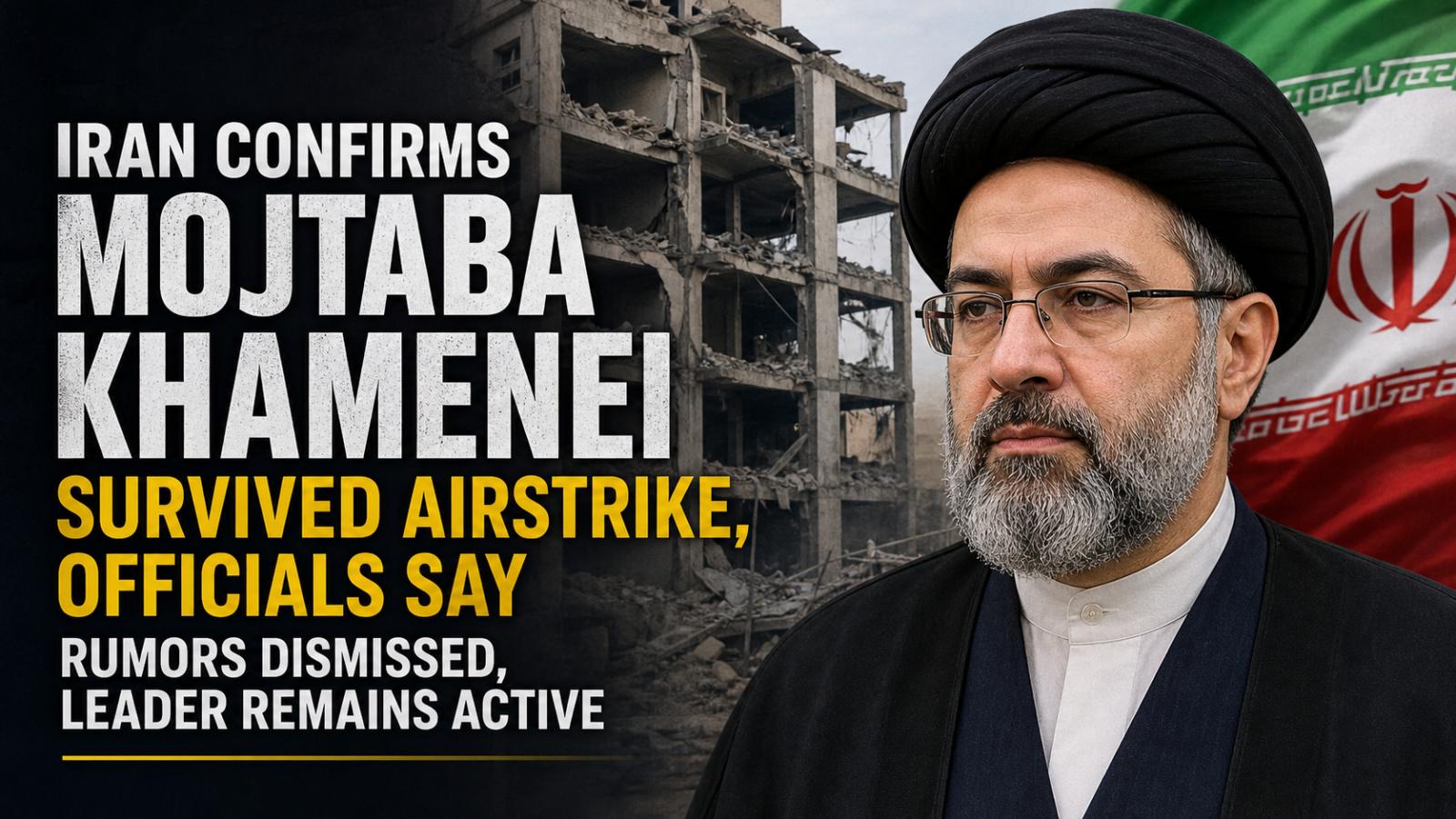
What happened to Mojtaba Khamenei during the Iran conflict? He survived an airstrike, officials say
Iranian authorities on Friday, May 1, confirmed that Mojtaba Khamenei was present in a building that was later destroyed in an airstrike during the ongoing Iran conflict, which began on February 28. Officials stated that he survived the attack and remains in active control of key state matters, while also dismissing widespread speculation about his health and absence from public appearances. Senior official details narrow escape during bombing Ayatollah Mohsen Qomi, a senior member of Iran’s Assembly of Experts and Deputy for International Affairs in the Supreme Leader’s office, said that Mojtaba Khamenei had been inside the targeted building shortly before it was struck. According to Qomi, Khamenei moved into the courtyard just minutes before the explosion, avoiding the fatal impact that reportedly killed others inside. Qomi described the survival as a matter of timing, emphasizing that the leader’s presence in the building had been confirmed but that his movement moments before the strike ultimately ensured his safety. The airstrike was part of ongoing hostilities that have escalated since late February. Officials assert leader remains in control of national affairs Despite rumors circulating internationally, Iranian officials maintained that Mojtaba Khamenei is in good health and continues to oversee both diplomatic and operational matters. Qomi stated that Khamenei is directly supervising negotiations and military-related decisions, including providing guidance to negotiating teams under varying conditions. The comments appear aimed at reinforcing internal stability and projecting continuity in leadership during a period of heightened geopolitical tension. Iranian officials emphasized that decision-making authority remains firmly centralized under Khamenei’s direction. Iran dismisses Western speculation as strategic pressure Qomi also addressed claims from Western sources regarding the leader’s health, characterizing them as deliberate attempts to provoke a response from Tehran. He suggested that questions about Khamenei’s public absence are part of a broader strategy to create uncertainty and apply psychological pressure. According to Qomi, such narratives are intended to push Iranian officials into reactive communication, which could be leveraged for strategic advantage by adversaries. Acknowledgment of injuries and focus on protection While firmly denying claims of serious health concerns, Qomi indicated that Mojtaba Khamenei may have sustained injuries during the incident. He stated that ensuring the leader’s safety has become a top priority for Iranian authorities, underscoring the importance of preserving leadership continuity amid the conflict. Officials reiterated that despite any injuries, Khamenei remains active and engaged in directing national policy, reinforcing the government’s position that leadership stability has not been compromised.
What happened to Mojtaba Khamenei during the Iran conflict? He survived an airstrike, officials say
Iranian authorities on Friday, May 1, confirmed that Mojtaba Khamenei was present in a building that was later destroyed in an airstrike during the ongoing Iran conflict, which began on February 28. Officials stated that he survived the attack and remains in active control of key state matters, while also dismissing widespread speculation about his health and absence from public appearances. Senior official details narrow escape during bombing Ayatollah Mohsen Qomi, a senior member of Iran’s Assembly of Experts and Deputy for International Affairs in the Supreme Leader’s office, said that Mojtaba Khamenei had been inside the targeted building shortly before it was struck. According to Qomi, Khamenei moved into the courtyard just minutes before the explosion, avoiding the fatal impact that reportedly killed others inside. Qomi described the survival as a matter of timing, emphasizing that the leader’s presence in the building had been confirmed but that his movement moments before the strike ultimately ensured his safety. The airstrike was part of ongoing hostilities that have escalated since late February. Officials assert leader remains in control of national affairs Despite rumors circulating internationally, Iranian officials maintained that Mojtaba Khamenei is in good health and continues to oversee both diplomatic and operational matters. Qomi stated that Khamenei is directly supervising negotiations and military-related decisions, including providing guidance to negotiating teams under varying conditions. The comments appear aimed at reinforcing internal stability and projecting continuity in leadership during a period of heightened geopolitical tension. Iranian officials emphasized that decision-making authority remains firmly centralized under Khamenei’s direction. Iran dismisses Western speculation as strategic pressure Qomi also addressed claims from Western sources regarding the leader’s health, characterizing them as deliberate attempts to provoke a response from Tehran. He suggested that questions about Khamenei’s public absence are part of a broader strategy to create uncertainty and apply psychological pressure. According to Qomi, such narratives are intended to push Iranian officials into reactive communication, which could be leveraged for strategic advantage by adversaries. Acknowledgment of injuries and focus on protection While firmly denying claims of serious health concerns, Qomi indicated that Mojtaba Khamenei may have sustained injuries during the incident. He stated that ensuring the leader’s safety has become a top priority for Iranian authorities, underscoring the importance of preserving leadership continuity amid the conflict. Officials reiterated that despite any injuries, Khamenei remains active and engaged in directing national policy, reinforcing the government’s position that leadership stability has not been compromised.
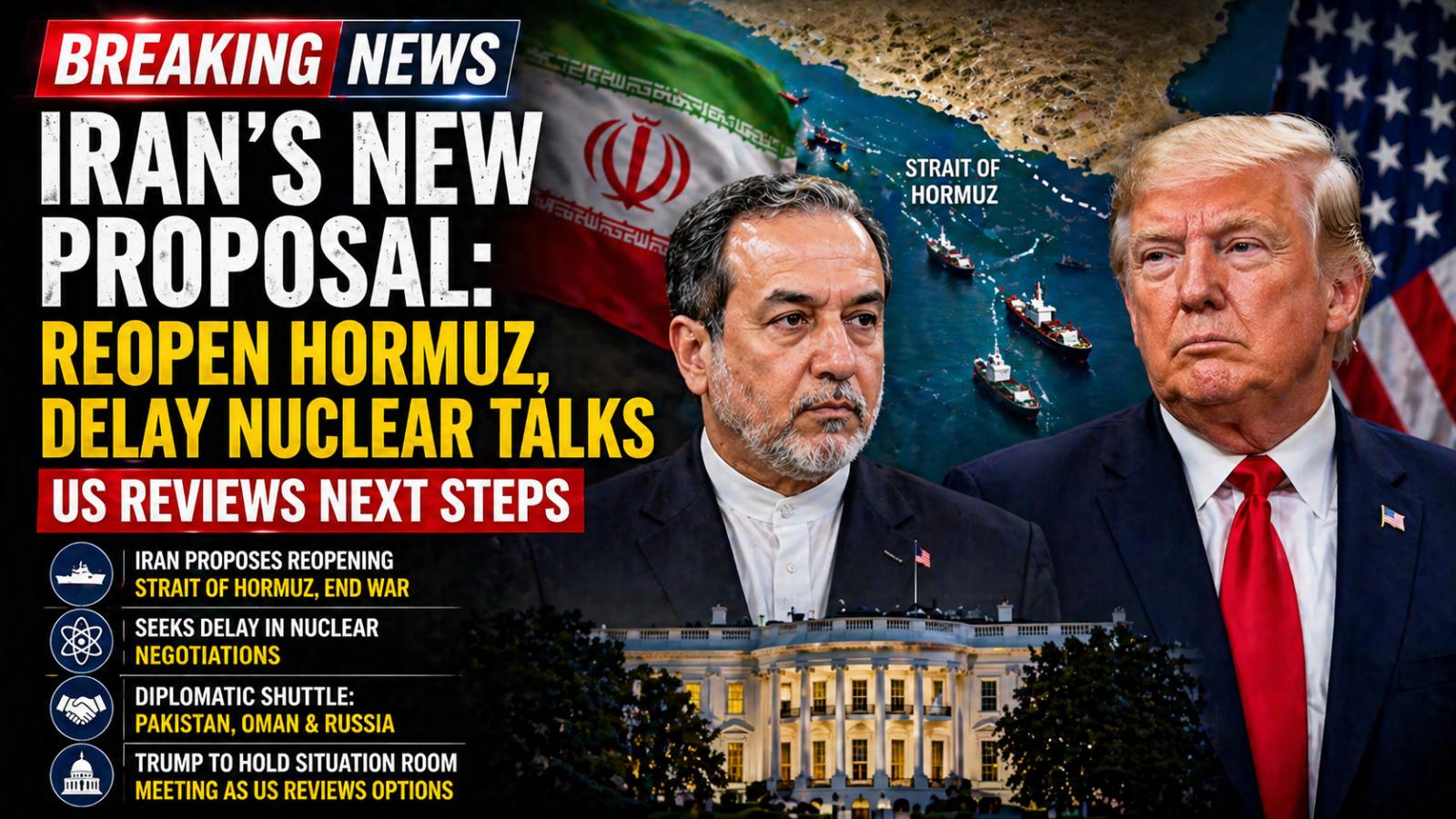
Iran Proposes Strait of Hormuz Deal While Delaying Nuclear Talks
Iran has reportedly put forward a new proposal aimed at reopening the Strait of Hormuz and easing ongoing tensions, while suggesting that nuclear negotiations be postponed. The development comes as US officials review the offer, with President Donald Trump expected to meet with senior national security advisers to assess the situation and determine next steps. According to sources familiar with the discussions, the proposal was conveyed through intermediaries and focuses on de-escalation measures tied to maritime security and regional stability. However, Iranian officials have indicated that broader nuclear negotiations should be deferred until key issues, including economic restrictions and security concerns, are addressed. There has been no official confirmation from either side regarding the specifics of the proposal. The latest diplomatic activity follows a series of engagements by Abbas Araghchi, who recently traveled between Pakistan and Oman in an effort to facilitate dialogue. Iranian authorities emphasized that no direct meetings with US representatives were scheduled during his visit to Islamabad. Earlier, planned discussions involving US envoys were canceled, adding to the uncertainty surrounding the negotiation process. Tensions have been further complicated by differing expectations between Washington and Tehran. US officials have reiterated that any agreement must include strict limitations on Iran’s nuclear capabilities, including restrictions on enrichment activities. Iranian leaders, meanwhile, have maintained that negotiations cannot proceed under pressure, citing concerns over ongoing restrictions and security measures affecting the country. The situation remains fluid as diplomatic channels continue to operate through regional mediators. Iran’s leadership has also engaged with international partners, including Russia, as part of broader efforts to manage the crisis. While the proposal to reopen the Strait of Hormuz signals a potential pathway toward de-escalation, the delay in nuclear talks underscores the challenges that remain in reaching a comprehensive agreement.

Iran Proposes Strait of Hormuz Deal While Delaying Nuclear Talks
Iran has reportedly put forward a new proposal aimed at reopening the Strait of Hormuz and easing ongoing tensions, while suggesting that nuclear negotiations be postponed. The development comes as US officials review the offer, with President Donald Trump expected to meet with senior national security advisers to assess the situation and determine next steps. According to sources familiar with the discussions, the proposal was conveyed through intermediaries and focuses on de-escalation measures tied to maritime security and regional stability. However, Iranian officials have indicated that broader nuclear negotiations should be deferred until key issues, including economic restrictions and security concerns, are addressed. There has been no official confirmation from either side regarding the specifics of the proposal. The latest diplomatic activity follows a series of engagements by Abbas Araghchi, who recently traveled between Pakistan and Oman in an effort to facilitate dialogue. Iranian authorities emphasized that no direct meetings with US representatives were scheduled during his visit to Islamabad. Earlier, planned discussions involving US envoys were canceled, adding to the uncertainty surrounding the negotiation process. Tensions have been further complicated by differing expectations between Washington and Tehran. US officials have reiterated that any agreement must include strict limitations on Iran’s nuclear capabilities, including restrictions on enrichment activities. Iranian leaders, meanwhile, have maintained that negotiations cannot proceed under pressure, citing concerns over ongoing restrictions and security measures affecting the country. The situation remains fluid as diplomatic channels continue to operate through regional mediators. Iran’s leadership has also engaged with international partners, including Russia, as part of broader efforts to manage the crisis. While the proposal to reopen the Strait of Hormuz signals a potential pathway toward de-escalation, the delay in nuclear talks underscores the challenges that remain in reaching a comprehensive agreement.



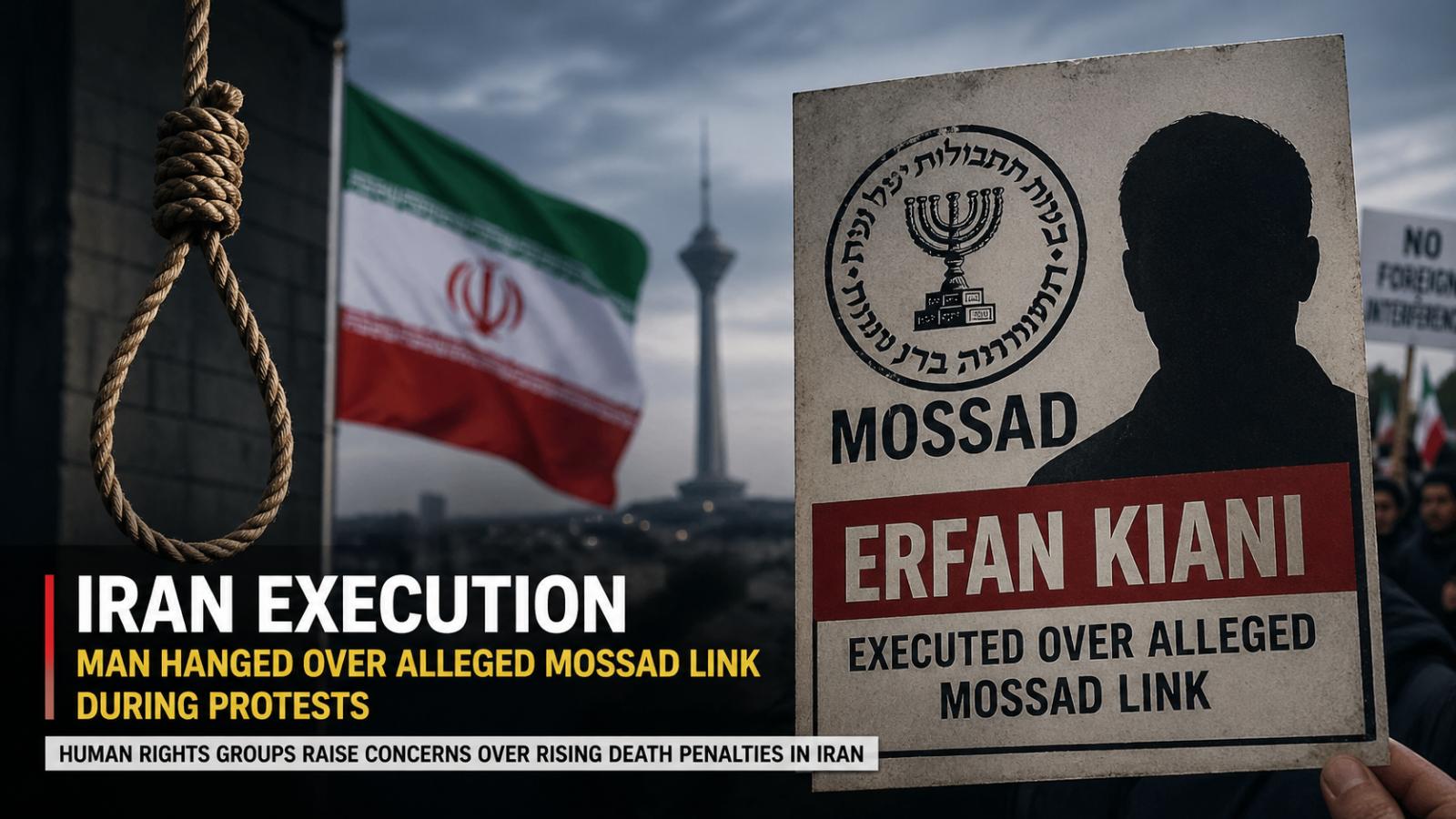
Iran executes man over alleged Mossad link during protests
Iran execution of a protest-linked man accused of working with Mossad has drawn global attention, as authorities continue to enforce strict measures following unrest earlier this year. Officials confirmed on Saturday that Erfan Kiani was executed after being convicted of carrying out activities linked to Israeli intelligence during January protests, highlighting the country’s ongoing crackdown amid rising regional tensions. According to Iran’s j
Iran executes man over alleged Mossad link during protests
Iran execution of a protest-linked man accused of working with Mossad has drawn global attention, as authorities continue to enforce strict measures following unrest earlier this year. Officials confirmed on Saturday that Erfan Kiani was executed after being convicted of carrying out activities linked to Israeli intelligence during January protests, highlighting the country’s ongoing crackdown amid rising regional tensions. According to Iran’s j
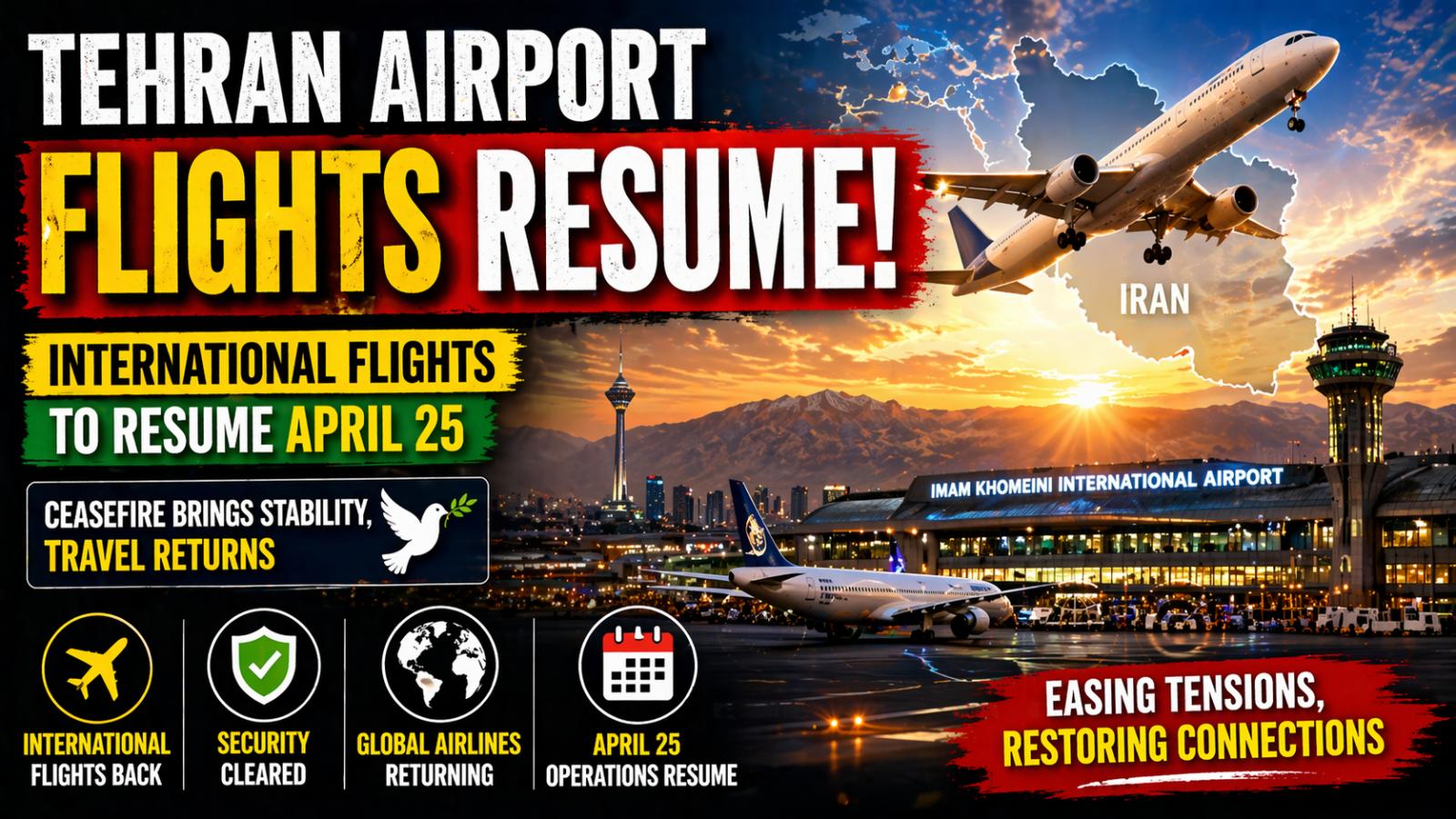
What does Tehran airport reopening signal? It marks easing regional tensions
What does Tehran airport reopening signal? It marks easing regional tensions, Tehran’s primary international gateway is preparing to resume global flight operations on Saturday, April 25, 2026, according to Iranian aviation authorities, marking a significant step toward restoring stability after a week-long suspension tied to heightened regional tensions. Airport reopening follows week-long aviation shutdown Imam Khomeini International
What does Tehran airport reopening signal? It marks easing regional tensions
What does Tehran airport reopening signal? It marks easing regional tensions, Tehran’s primary international gateway is preparing to resume global flight operations on Saturday, April 25, 2026, according to Iranian aviation authorities, marking a significant step toward restoring stability after a week-long suspension tied to heightened regional tensions. Airport reopening follows week-long aviation shutdown Imam Khomeini International
US-Iran war talks delayed: JD Vance Pakistan visit on hold as ceasefire deadline nears
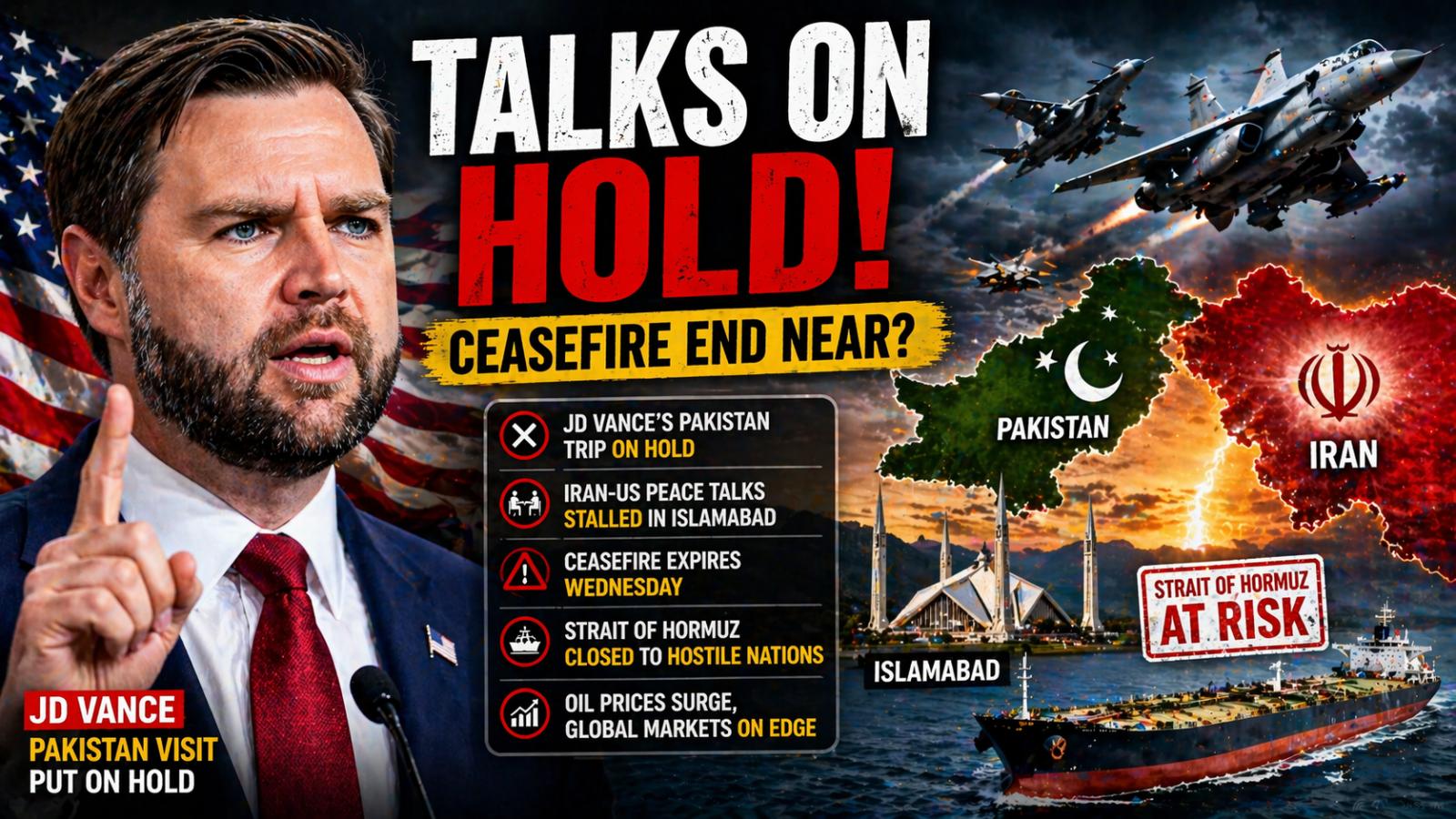
The US Iran war talks delay has added fresh uncertainty to an already volatile situation, as US Vice President JD Vance’s planned visit to Pakistan for peace negotiations has been put on hold. With the ceasefire deadline fast approaching, tensions are rising across the region. What happened and why it matters A planned diplomatic trip by JD Vance to Isl
US-Iran war talks delayed: JD Vance Pakistan visit on hold as ceasefire deadline nears
The US Iran war talks delay has added fresh uncertainty to an already volatile situation, as US Vice President JD Vance’s planned visit to Pakistan for peace negotiations has been put on hold. With the ceasefire deadline fast approaching, tensions are rising across the region. What happened and why it matters A planned diplomatic trip by JD Vance to Isl
YouTube bans AI Lego videos linked to Trump amid Iran narrative claims
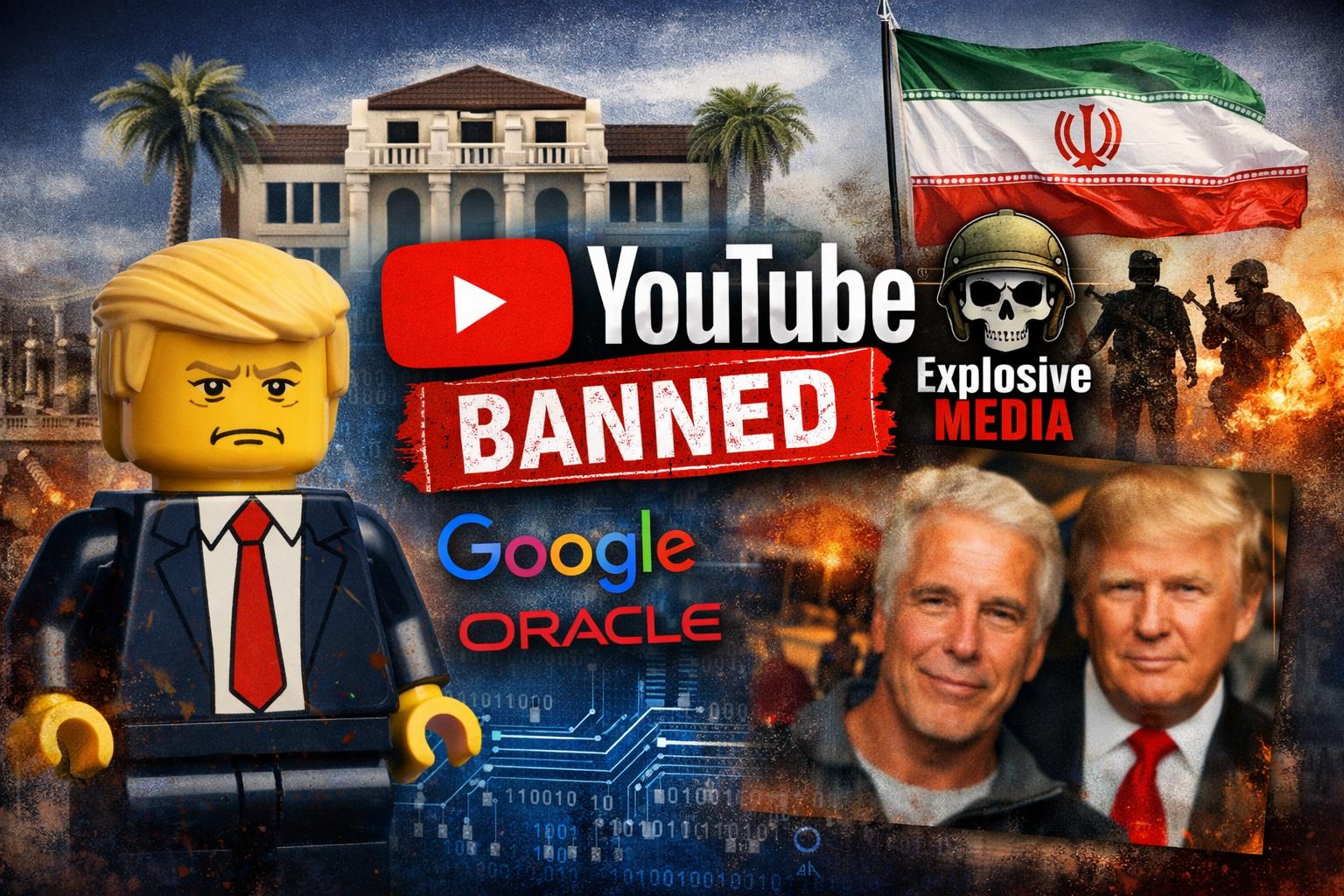
A YouTube channel operated by Explosive Media has been removed from the platform following the rapid spread of an AI-generated video that referenced Donald Trump and alleged connections to the Epstein case. The video, presented in a stylized Lego animation format, gained millions of views across social media
YouTube bans AI Lego videos linked to Trump amid Iran narrative claims
A YouTube channel operated by Explosive Media has been removed from the platform following the rapid spread of an AI-generated video that referenced Donald Trump and alleged connections to the Epstein case. The video, presented in a stylized Lego animation format, gained millions of views across social media
Indian embassy issues 48-hour advisory in Iran as Trump deadline nears
The Indian embassy in Iran issued a security advisory on Tuesday, April 7, 2026, urging Indian nationals across the country to remain indoors for the next 48 hours as geopolitical tensions intensify between the United States and Iran. The advisory comes amid heightened uncertainty surrounding a deadline set by US President Donald Trump related to reopening the Strait of Hormuz, a critical global shipping route. In its official statement released from Tehran, the embassy instructed
Indian embassy issues 48-hour advisory in Iran as Trump deadline nears
The Indian embassy in Iran issued a security advisory on Tuesday, April 7, 2026, urging Indian nationals across the country to remain indoors for the next 48 hours as geopolitical tensions intensify between the United States and Iran. The advisory comes amid heightened uncertainty surrounding a deadline set by US President Donald Trump related to reopening the Strait of Hormuz, a critical global shipping route. In its official statement released from Tehran, the embassy instructed
Iran’s Leadership Crisis Deepens as Mojtaba Khamenei Remains Unconscious
Mojtaba Khamenei, the newly-appointed Supreme Leader of Iran, is currently unconscious and receiving medical treatment in Qom, Iran. The report, based on intelligence sources from the US and Israel, revealed that Khamenei sustained severe injuries in the same airstrike that killed his father, Ayatollah Ali Khamenei, on February 28, 2026. Due to his current condition, Mojtaba Khamenei is unable to be involved in the decision-making process of the country, which has raised concerns regardi
Iran’s Leadership Crisis Deepens as Mojtaba Khamenei Remains Unconscious
Mojtaba Khamenei, the newly-appointed Supreme Leader of Iran, is currently unconscious and receiving medical treatment in Qom, Iran. The report, based on intelligence sources from the US and Israel, revealed that Khamenei sustained severe injuries in the same airstrike that killed his father, Ayatollah Ali Khamenei, on February 28, 2026. Due to his current condition, Mojtaba Khamenei is unable to be involved in the decision-making process of the country, which has raised concerns regardi
Iran denies ceasefire request claim made by Donald Trump
Iran has firmly rejected claims that it sought a ceasefire with the United States, calling recent remarks by U.S. President Donald Trump “false and baseless.” The statement was issued by Iran’s foreign ministry spokesman Esmaeil Baqaei and broadcast on Iranian state television, amid heightened geopolitical tensions in the Middle East. Trump had earlier stated on his social media platform that Iran had requested a ceasefire, referring to what he described as the country’s “new regime president,” though he did not provide a name. He added that any consideration of a ceasefire would depend on the Strait of Hormuz being “open, free, and clear,” highlighting the strategic importance of the waterway. Iran’s foreign ministry swiftly denied the claim, emphasizing that no such request had been made to Washington. Officials described the statement as misleading and reiterated that there are currently no ceasefire negotiations underway between the two nations. The response underscores the strained relationship between Iran and the United States, particularly at a time when tensions surrounding the Strait of Hormuz remain elevated. The Strait of Hormuz is a critical global shipping route through which a significant portion of the world’s oil supply passes. Any disruption in this region can have immediate and far-reaching effects on global energy markets and international trade. Recent developments have already contributed to concerns about oil supply stability and rising fuel costs. The conflicting statements from both sides reflect the broader uncertainty surrounding the current geopolitical climate. While Trump’s comments suggested the possibility of diplomatic engagement, Iran’s denial indicates that no formal communication regarding a ceasefire has taken place. As tensions continue to unfold, the situation remains closely monitored by governments and analysts worldwide. The absence of confirmed negotiations highlights the fragile nature of U.S.-Iran relations and the ongoing challenges in achieving stability in the region.
Iran denies ceasefire request claim made by Donald Trump
Iran has firmly rejected claims that it sought a ceasefire with the United States, calling recent remarks by U.S. President Donald Trump “false and baseless.” The statement was issued by Iran’s foreign ministry spokesman Esmaeil Baqaei and broadcast on Iranian state television, amid heightened geopolitical tensions in the Middle East. Trump had earlier stated on his social media platform that Iran had requested a ceasefire, referring to what he described as the country’s “new regime president,” though he did not provide a name. He added that any consideration of a ceasefire would depend on the Strait of Hormuz being “open, free, and clear,” highlighting the strategic importance of the waterway. Iran’s foreign ministry swiftly denied the claim, emphasizing that no such request had been made to Washington. Officials described the statement as misleading and reiterated that there are currently no ceasefire negotiations underway between the two nations. The response underscores the strained relationship between Iran and the United States, particularly at a time when tensions surrounding the Strait of Hormuz remain elevated. The Strait of Hormuz is a critical global shipping route through which a significant portion of the world’s oil supply passes. Any disruption in this region can have immediate and far-reaching effects on global energy markets and international trade. Recent developments have already contributed to concerns about oil supply stability and rising fuel costs. The conflicting statements from both sides reflect the broader uncertainty surrounding the current geopolitical climate. While Trump’s comments suggested the possibility of diplomatic engagement, Iran’s denial indicates that no formal communication regarding a ceasefire has taken place. As tensions continue to unfold, the situation remains closely monitored by governments and analysts worldwide. The absence of confirmed negotiations highlights the fragile nature of U.S.-Iran relations and the ongoing challenges in achieving stability in the region.
US–Israel–Iran War | Iran rejects US ceasefire plan, outlines conditions amid escalating Middle East conflict
Iran has rejected a United States-backed proposal to pause the ongoing conflict in the Middle East, instead presenting its own set of conditions for ending hostilities, according to statements broadcast by the country’s state-run English-language network. The development comes amid continued military escalation, with Tehran reportedly launching further attacks targeting Israel and parts of the Gulf region. An unnamed Iranian official was quoted as confirming that Tehran had formally declin
US–Israel–Iran War | Iran rejects US ceasefire plan, outlines conditions amid escalating Middle East conflict
Iran has rejected a United States-backed proposal to pause the ongoing conflict in the Middle East, instead presenting its own set of conditions for ending hostilities, according to statements broadcast by the country’s state-run English-language network. The development comes amid continued military escalation, with Tehran reportedly launching further attacks targeting Israel and parts of the Gulf region. An unnamed Iranian official was quoted as confirming that Tehran had formally declin
US–Israel–Iran War |Trump says Iran agrees to never develop nuclear weapons amid ongoing conflict
US President Donald Trump has stated that Iran has agreed to never develop nuclear weapons, describing the development as a sign of progress in ongoing diplomatic engagement between the two countries. His remarks come at a time when tensions in the Middle East remain high, with regional conflict continuing to shape the broader geopolitical landscape. Speaking to reporters at the Oval Office, Trump adopted an optimistic tone, indicating that backchannel communicati
US–Israel–Iran War |Trump says Iran agrees to never develop nuclear weapons amid ongoing conflict
US President Donald Trump has stated that Iran has agreed to never develop nuclear weapons, describing the development as a sign of progress in ongoing diplomatic engagement between the two countries. His remarks come at a time when tensions in the Middle East remain high, with regional conflict continuing to shape the broader geopolitical landscape. Speaking to reporters at the Oval Office, Trump adopted an optimistic tone, indicating that backchannel communicati
US–Israel–Iran War | Iran denies talks with US as Gulf tensions escalate and Strait deadline expires
As the conflict in the Middle East enters its fourth week, Iran has firmly denied engaging in any negotiations or discussions with the United States since the hostilities began, contradicting recent remarks by US President Donald Trump. The Iranian government’s statement comes after Trump publicly claimed that Washington and Tehran had held “very good and productive conversations” aimed at achieving a comprehensive resolution to the ongoing crisis. Iranian officials dismissed the assertion
US–Israel–Iran War | Iran denies talks with US as Gulf tensions escalate and Strait deadline expires
As the conflict in the Middle East enters its fourth week, Iran has firmly denied engaging in any negotiations or discussions with the United States since the hostilities began, contradicting recent remarks by US President Donald Trump. The Iranian government’s statement comes after Trump publicly claimed that Washington and Tehran had held “very good and productive conversations” aimed at achieving a comprehensive resolution to the ongoing crisis. Iranian officials dismissed the assertion
US–Israel–Iran War | Airstrike kills PMF commander in Iraq as Iran gas facilities suffer damage
An airstrike targeting a military installation used by the Popular Mobilisation Forces (PMF) in Iraq’s Anbar province has resulted in multiple fatalities, including a senior commander, amid rising regional tensions. The Iran-aligned group confirmed that Saad Duwai al-Baiji, its Anbar commander, was among those killed in the strike. Initial reports indicated that at least seven PMF fighters were killed and 13 others injured when the strike hit the base during what sources described
US–Israel–Iran War | Airstrike kills PMF commander in Iraq as Iran gas facilities suffer damage
An airstrike targeting a military installation used by the Popular Mobilisation Forces (PMF) in Iraq’s Anbar province has resulted in multiple fatalities, including a senior commander, amid rising regional tensions. The Iran-aligned group confirmed that Saad Duwai al-Baiji, its Anbar commander, was among those killed in the strike. Initial reports indicated that at least seven PMF fighters were killed and 13 others injured when the strike hit the base during what sources described
US–Israel–Iran War | Iran Claims Strategic Victory as Conflict with Israel and US Intensifies
Iran’s Supreme Leader Mojtaba Khamenei has asserted that the country has delivered a significant strategic setback to its adversaries amid the ongoing conflict involving Israel and the United States. In a written message released on Friday to mark the Persian New Year, Khamenei emphasized that national unity and resilience among Iranians had played a decisive role in shifting the balance in the confrontation. The statement comes at a time when the conflict has entered its fourth week, casting a shadow over Nowruz celebrations across the country. Despite the subdued atmosphere, Khamenei highlighted what he described as unprecedented solidarity among citizens from diverse religious, cultural, and political backgrounds. He stated that this unity had left Iran’s opponents disoriented, leading them to issue what he characterized as inconsistent and contradictory statements. Tensions escalated further following a blast in Jerusalem’s Old City, which created a crater near several significant religious landmarks, including the Al-Aqsa Mosque, the Western Wall, and the Church of the Holy Sepulchre. Israeli authorities accused Tehran of being linked to what they described as an attack on sacred sites, intensifying already strained relations in the region. Khamenei rejected these allegations, firmly denying any involvement by Iran or its regional allies in reported incidents in Oman and Turkey during the conflict. He attributed such claims to what he called deliberate misinformation by Israel, referring to it as a “Zionist enemy” engaged in deceptive tactics. The current situation marks a period of heightened geopolitical tension, with both rhetoric and military developments continuing to evolve. Adding to the symbolic shift within Iran, large banners marking Nowruz have replaced images of former leader Ali Khamenei, who was reportedly killed at the outset of the conflict on February 28. As the crisis unfolds, Iran’s leadership continues to project confidence and defiance, framing the ongoing developments as a demonstration of national strength and unity in the face of external pressure.
US–Israel–Iran War | Iran Claims Strategic Victory as Conflict with Israel and US Intensifies
Iran’s Supreme Leader Mojtaba Khamenei has asserted that the country has delivered a significant strategic setback to its adversaries amid the ongoing conflict involving Israel and the United States. In a written message released on Friday to mark the Persian New Year, Khamenei emphasized that national unity and resilience among Iranians had played a decisive role in shifting the balance in the confrontation. The statement comes at a time when the conflict has entered its fourth week, casting a shadow over Nowruz celebrations across the country. Despite the subdued atmosphere, Khamenei highlighted what he described as unprecedented solidarity among citizens from diverse religious, cultural, and political backgrounds. He stated that this unity had left Iran’s opponents disoriented, leading them to issue what he characterized as inconsistent and contradictory statements. Tensions escalated further following a blast in Jerusalem’s Old City, which created a crater near several significant religious landmarks, including the Al-Aqsa Mosque, the Western Wall, and the Church of the Holy Sepulchre. Israeli authorities accused Tehran of being linked to what they described as an attack on sacred sites, intensifying already strained relations in the region. Khamenei rejected these allegations, firmly denying any involvement by Iran or its regional allies in reported incidents in Oman and Turkey during the conflict. He attributed such claims to what he called deliberate misinformation by Israel, referring to it as a “Zionist enemy” engaged in deceptive tactics. The current situation marks a period of heightened geopolitical tension, with both rhetoric and military developments continuing to evolve. Adding to the symbolic shift within Iran, large banners marking Nowruz have replaced images of former leader Ali Khamenei, who was reportedly killed at the outset of the conflict on February 28. As the crisis unfolds, Iran’s leadership continues to project confidence and defiance, framing the ongoing developments as a demonstration of national strength and unity in the face of external pressure.
US–Israel–Iran War | Iran claims missile strike near Netanyahu office amid rising Israel tensions
Iran on Tuesday claimed responsibility for a missile strike that it said landed near the office of Israeli Prime Minister Benjamin Netanyahu in Jerusalem, marking a sharp escalation in tensions between the two regional rivals. The claim, reported by state-affiliated media, comes amid heightened hostilities and conflicting narratives surrounding recent military developments between Israel and Iran. Israeli authorities reported that missile fragments fell across parts of Jerusalem, including areas within the Old City, prompting air raid sirens in the capital and several central regions. While debris was said to have landed near prominent religious landmarks, officials confirmed that the Prime Minister’s office did not sustain any damage. Emergency response teams were deployed to assess the impact and ensure public safety in affected zones. According to multiple reports, shrapnel from the strike caused minor damage near significant religious sites, including the Church of the Holy Sepulchre and areas close to the Temple Mount. These locations, revered by multiple faiths, heightened concerns over the broader implications of the incident and the risk of further escalation in a sensitive region. The developments follow Israeli claims that Ali Larijani, described as Iran’s national security chief, was killed in a targeted operation. Tehran has not confirmed his death, adding uncertainty to the situation. In a televised statement, Netanyahu asserted that the operation was part of a broader effort to weaken Iran’s leadership structure and encourage internal change. He stated that sustained pressure could create conditions for citizens to determine their own political future. Earlier in the day, the Israeli Prime Minister’s Office released images showing Netanyahu inside a military command centre, appearing to oversee ongoing operations. The move was seen as a response to widespread speculation circulating on social media regarding his status, as authorities sought to reinforce confidence and counter misinformation during a period of heightened tension. The exchange of claims and counterclaims underscores the fragile security environment in the region, with both sides maintaining assertive positions as the situation continues to evolve.
US–Israel–Iran War | Iran claims missile strike near Netanyahu office amid rising Israel tensions
Iran on Tuesday claimed responsibility for a missile strike that it said landed near the office of Israeli Prime Minister Benjamin Netanyahu in Jerusalem, marking a sharp escalation in tensions between the two regional rivals. The claim, reported by state-affiliated media, comes amid heightened hostilities and conflicting narratives surrounding recent military developments between Israel and Iran. Israeli authorities reported that missile fragments fell across parts of Jerusalem, including areas within the Old City, prompting air raid sirens in the capital and several central regions. While debris was said to have landed near prominent religious landmarks, officials confirmed that the Prime Minister’s office did not sustain any damage. Emergency response teams were deployed to assess the impact and ensure public safety in affected zones. According to multiple reports, shrapnel from the strike caused minor damage near significant religious sites, including the Church of the Holy Sepulchre and areas close to the Temple Mount. These locations, revered by multiple faiths, heightened concerns over the broader implications of the incident and the risk of further escalation in a sensitive region. The developments follow Israeli claims that Ali Larijani, described as Iran’s national security chief, was killed in a targeted operation. Tehran has not confirmed his death, adding uncertainty to the situation. In a televised statement, Netanyahu asserted that the operation was part of a broader effort to weaken Iran’s leadership structure and encourage internal change. He stated that sustained pressure could create conditions for citizens to determine their own political future. Earlier in the day, the Israeli Prime Minister’s Office released images showing Netanyahu inside a military command centre, appearing to oversee ongoing operations. The move was seen as a response to widespread speculation circulating on social media regarding his status, as authorities sought to reinforce confidence and counter misinformation during a period of heightened tension. The exchange of claims and counterclaims underscores the fragile security environment in the region, with both sides maintaining assertive positions as the situation continues to evolve.
Iran remains largely offline as internet blackout stretches into tenth day amid unrest
Iran remained largely cut off from the global internet on Sunday, January 18, as a nationwide communications blackout extended into a tenth consecutive day following a brief and tightly controlled restoration of access. Internet monitoring organizations reported that limited connectivity, which had been temporarily allowed for select online services, was once again curtailed, leaving much of the country isolated amid continuing nationwide unrest. According to NetBlocks, a group that
Iran remains largely offline as internet blackout stretches into tenth day amid unrest
Iran remained largely cut off from the global internet on Sunday, January 18, as a nationwide communications blackout extended into a tenth consecutive day following a brief and tightly controlled restoration of access. Internet monitoring organizations reported that limited connectivity, which had been temporarily allowed for select online services, was once again curtailed, leaving much of the country isolated amid continuing nationwide unrest. According to NetBlocks, a group that