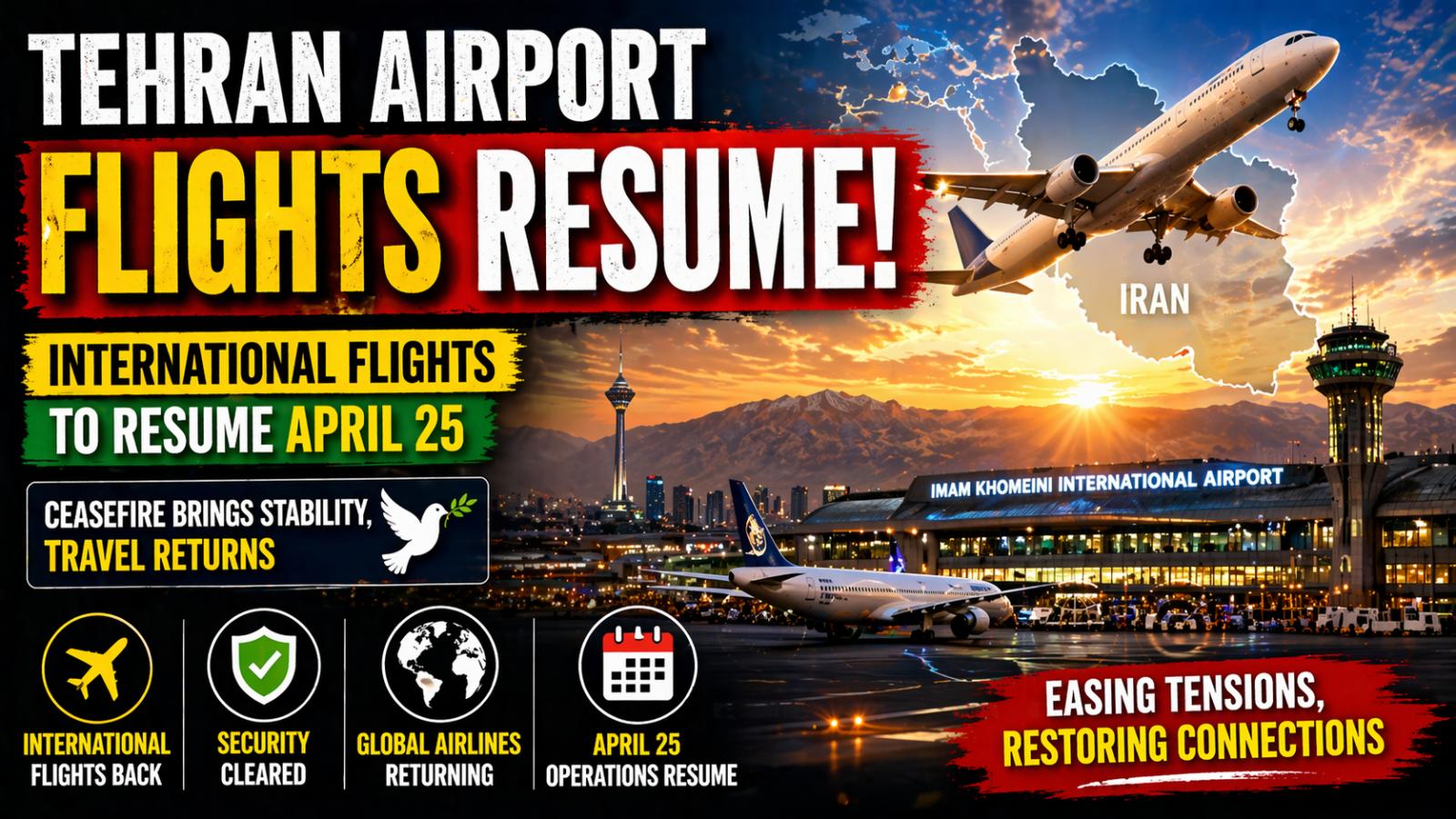
What does Tehran airport reopening signal? It marks easing regional tensions, Tehran’s primary international gateway is preparing to resume global flight operations on Saturday, April 25, 2026, according to Iranian aviation authorities, marking a significant step toward restoring stability after a week-long suspension tied to heightened regional tensions.
Airport reopening follows week-long aviation shutdown
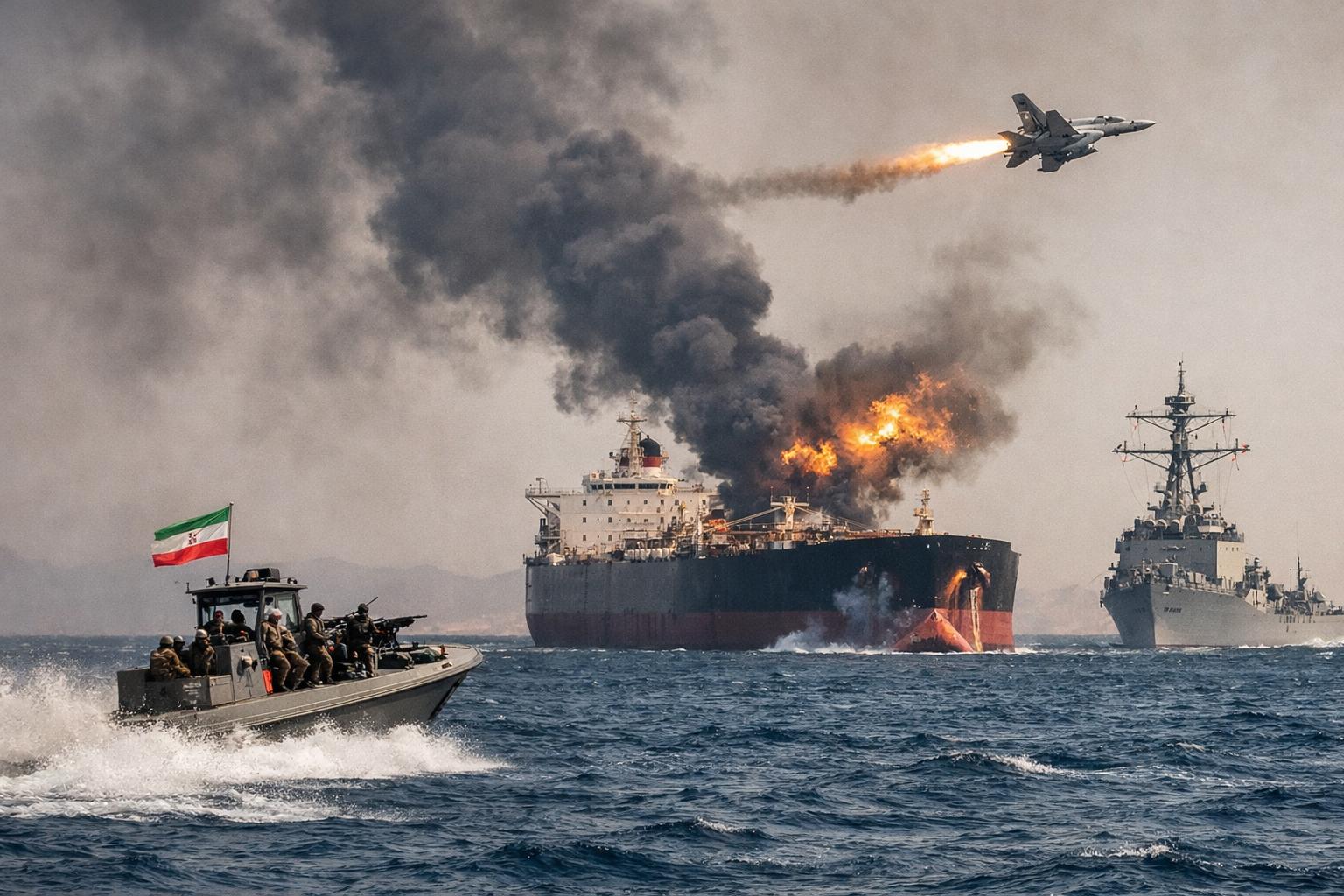
Imam Khomeini International Airport had halted international traffic amid security concerns during escalating hostilities across parts of the Middle East. The suspension disrupted both inbound and outbound Iran flights, affecting passengers, cargo shipments, and airline schedules. Officials confirmed that the pause was lifted after completing technical and safety inspections, along with the removal of temporary no-fly zones over western and central Iran.
Ceasefire developments support aviation recovery
Authorities linked the decision to reopen to improving security conditions following a recently brokered ceasefire. While tensions have not fully disappeared, aviation regulators stated that conditions now meet safety thresholds required for commercial operations. Analysts view the restart of international flights as an early indicator that the ceasefire is holding, even as monitoring continues across the region.
Airlines begin phased return to Tehran routes
Initial flight activity will be led by domestic carriers, including Iran Air and Mahan Air, with services to key regional hubs such as Istanbul, Dubai, and Islamabad. These routes are critical for maintaining travel and trade links across the Middle East and South Asia. International airlines are also gradually restoring operations, with several regional carriers updating schedules for late April service resumptions.
Broader impact on travel and regional connectivity
The reopening of Tehran airport is expected to improve connectivity and stabilize disrupted travel networks. Industry observers note that airline confidence will depend on sustained calm and the absence of renewed disruptions. The resumption of flights is also likely to support economic activity, as Tehran serves as an important hub for both passenger travel and cargo movement.
As aviation Iran returns to normal operations, the development underscores the close relationship between geopolitical stability and global travel systems, with airlines and passengers closely watching for continued improvements in regional conditions.