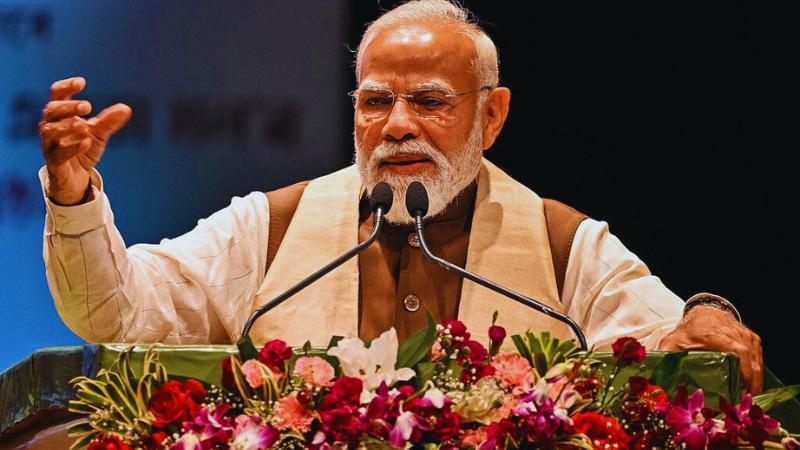
India has moved to strengthen its energy security as global tensions rise in West Asia, with Prime Minister Narendra Modi confirming that the country currently holds a strategic petroleum reserve of 53 lakh metric tonnes. Addressing the Lok Sabha, he also revealed plans to expand this reserve to 65 lakh metric tonnes in the near future.
Prime Minister Modi highlighted that India has taken major steps over the past decade to prepare for such global uncertainties. By increasing crude oil storage capacity and expanding refining infrastructure, the country aims to reduce its vulnerability to sudden supply shocks. A key part of this strategy is diversification. India now imports energy from 41 countries, compared to just 27 earlier. This shift reduces dependence on any single region and ensures more stable supply chains even during crises.
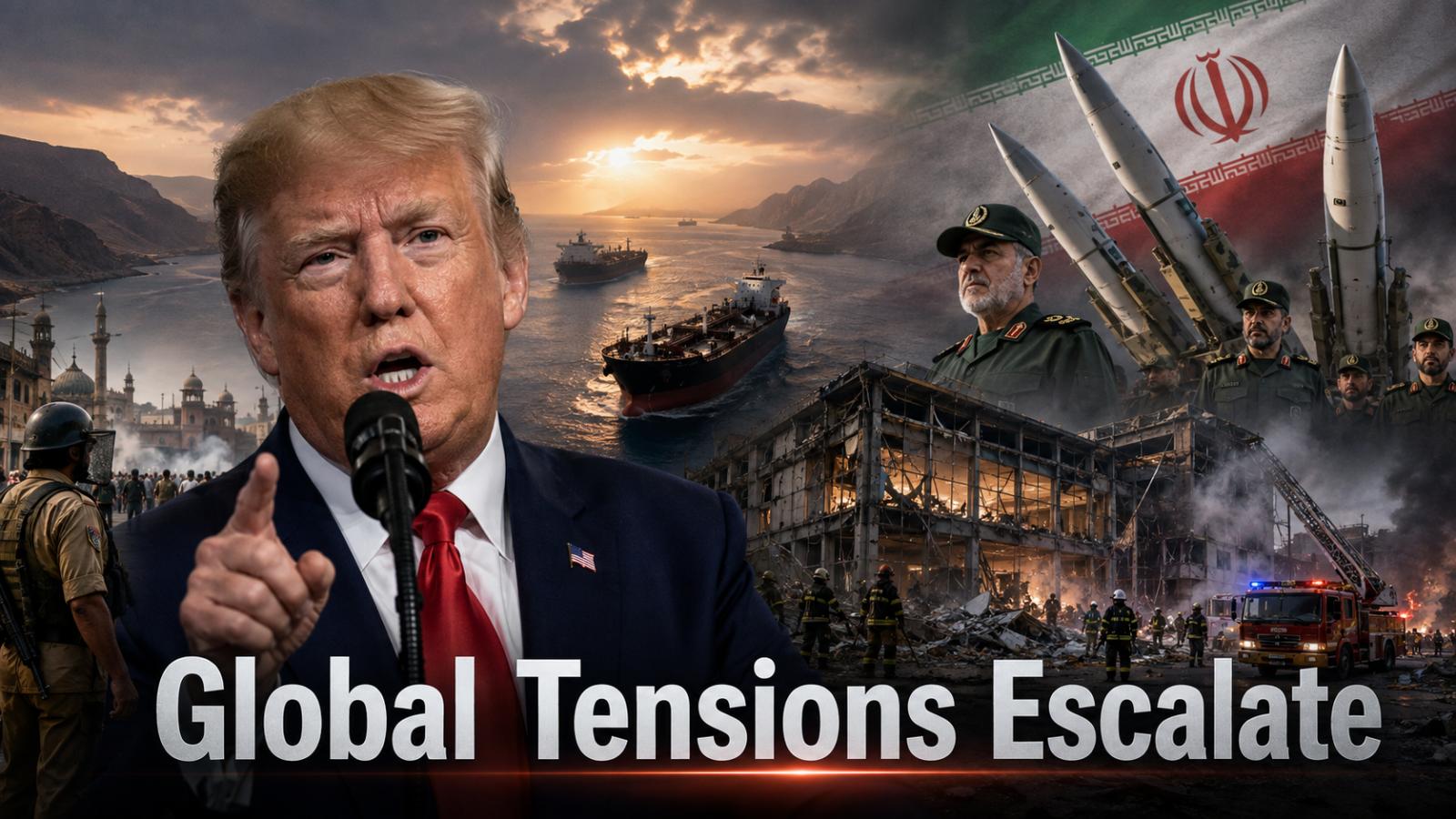
The government has also focused on improving refining capacity and maintaining steady communication with global suppliers to avoid disruptions. These measures are critical as India continues to rely heavily on imports to meet its growing energy demand. The ongoing conflict in West Asia has created multiple challenges, including economic pressure and supply chain risks. Reports suggest that Iran has effectively restricted movement through the Strait of Hormuz, causing a sharp drop in tanker traffic and raising global concerns.
Oil prices have already surged beyond 100 dollars per barrel, with warnings that they could rise even further. Such increases directly impact countries like India, which depend on imports for crude oil, gas, and fertilisers. Despite these challenges, the government has assured that there will be no disruption in essential supplies. With nearly 60 percent of LPG needs being imported, maintaining uninterrupted access remains a top priority. India’s proactive approach, including building reserves, diversifying imports, and strengthening diplomatic ties, is aimed at cushioning the impact of global instability. However, the real test will be how effectively these measures hold up if the crisis continues or worsens in the coming months.