





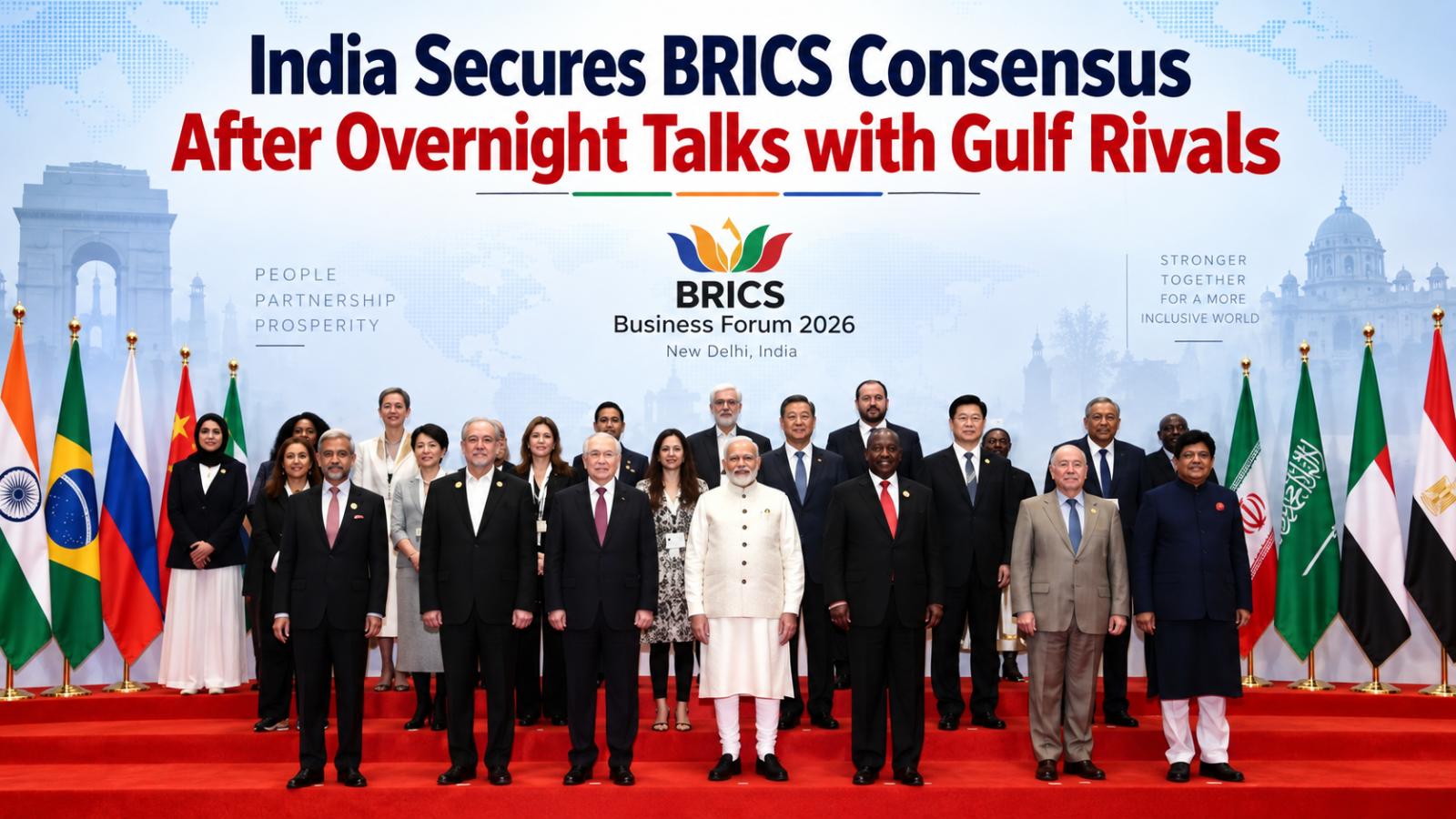
India secures BRICS joint statement consensus after overnight talks
India BRICS joint statement consensus was achieved after intense negotiations involving Iran, Saudi Arabia and the UAE. The breakthrough highlights India BRICS diplomacy as New Delhi hosts the BRICS Summit 2026 amid West Asia tensions. Iran Saudi Arabia UAE talks pave way for consensus India managed to secure agreement on the BRICS joint statement after negotiations continued into the early hours, rep
India secures BRICS joint statement consensus after overnight talks
India BRICS joint statement consensus was achieved after intense negotiations involving Iran, Saudi Arabia and the UAE. The breakthrough highlights India BRICS diplomacy as New Delhi hosts the BRICS Summit 2026 amid West Asia tensions. Iran Saudi Arabia UAE talks pave way for consensus India managed to secure agreement on the BRICS joint statement after negotiations continued into the early hours, rep
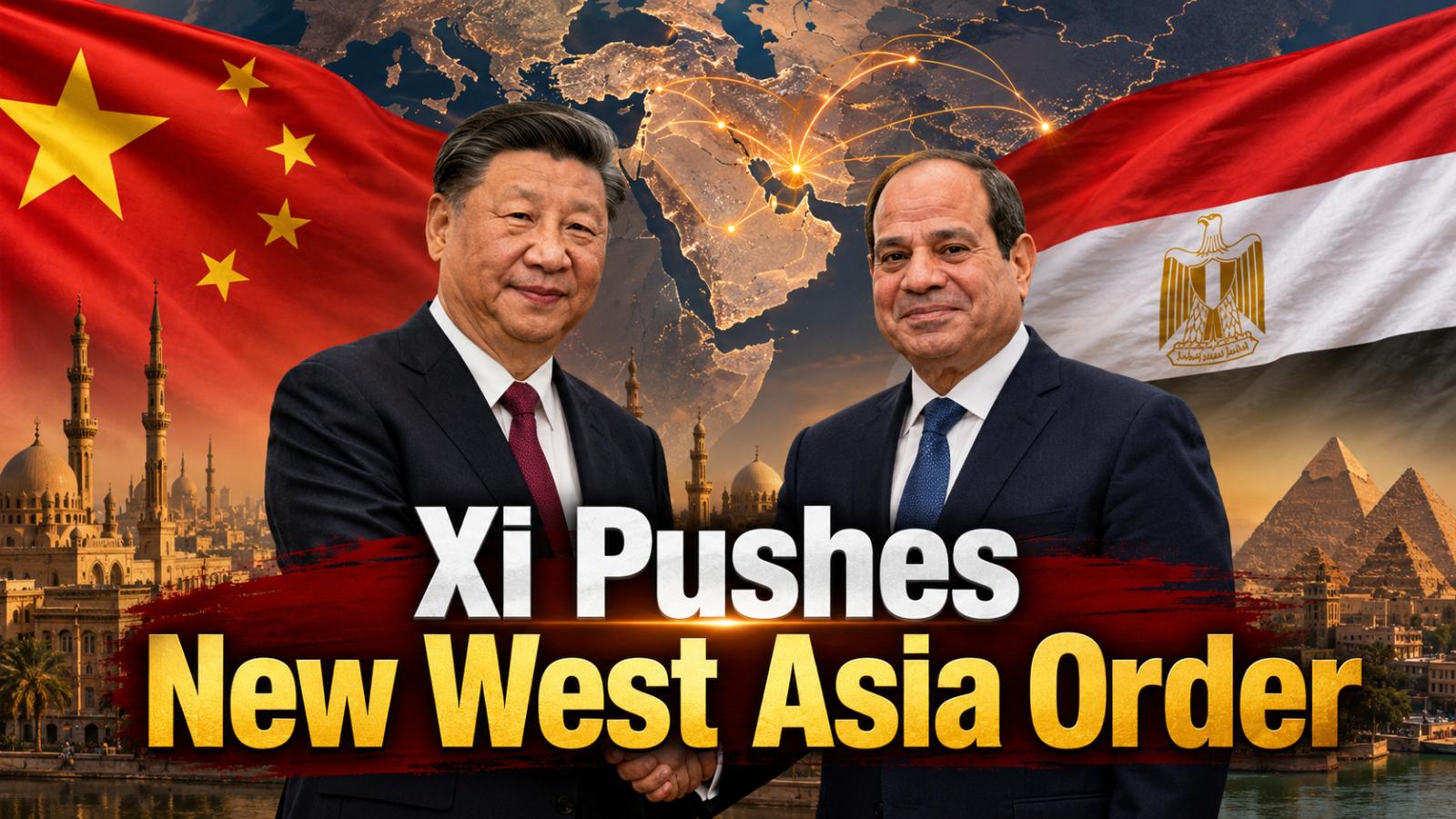
Xi Jinping Egypt visit signals China’s bigger West Asia push
Chinese President Xi Jinping’s visit to Egypt has placed China’s expanding role in West Asia under the spotlight as regional governments reassess security partnerships amid the continuing US-Iran conflict. In Cairo, Xi called for regional countries to resist external interference and explore a new security architecture while deepening economic and strategic cooperation with Egypt. Xi Jinping Egypt visit sends regional security mess
Xi Jinping Egypt visit signals China’s bigger West Asia push
Chinese President Xi Jinping’s visit to Egypt has placed China’s expanding role in West Asia under the spotlight as regional governments reassess security partnerships amid the continuing US-Iran conflict. In Cairo, Xi called for regional countries to resist external interference and explore a new security architecture while deepening economic and strategic cooperation with Egypt. Xi Jinping Egypt visit sends regional security mess
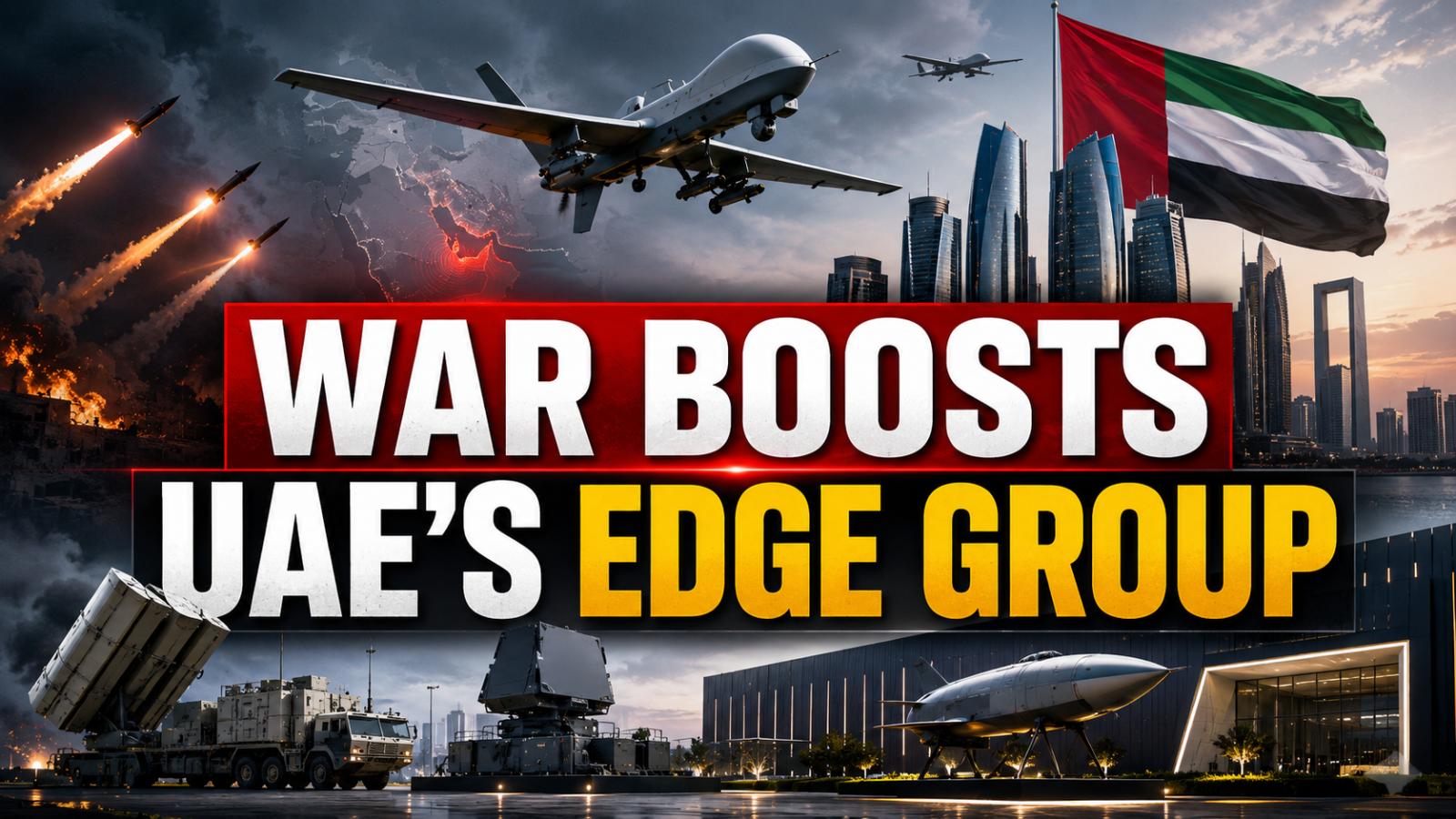
UAE EDGE Defence Growth Surges After US-Iran War Tests Systems
The six-month US-Iran conflict has unexpectedly strengthened the commercial position of the UAE’s EDGE Group, giving domestically developed defence systems real combat exposure. Company executives say the “battle-proven” status of drones, jammers and other equipment is now helping UAE EDGE defence growth and attracting greater international interest. Battle-Proven EDGE Weapons During the conflict, nearly 3,000 missiles and drones reportedly targeted the UAE, putting the country’s air-defence network under sustained pressure. EDGE executives cited in the source material said the fighting provided something the company previously lacked at scale: direct battlefield validation. Khaled Al Zaabi, president of EDGE’s Platforms and Systems cluster, said only a limited number of products could be described as battle-proven before the war. He said that number has now increased significantly, giving the company a stronger selling point when competing for international defence contracts. That matters in an industry where buyers often place a premium on systems that have already operated under real combat conditions rather than laboratory or demonstration environments. UAE Drone Defence The war also highlighted the economics of air defence. The UAE has invested billions of dollars in advanced American systems including Patriot and THAAD, but officials are increasingly focusing on cheaper ways to counter low-cost drones. EDGE executives said locally produced electronic warfare and counter-drone technologies played an important role during the conflict. Company chairman Faisal Al Bannai said locally developed jammers achieved an interception rate of about 85% against incoming drones, according to the source material. The broader challenge is cost. Using an expensive interceptor missile against every low-cost attack drone can become financially unsustainable during prolonged conflicts. EDGE is therefore positioning lower-cost drones, jammers and short-range systems as complementary layers of defence. SkyKnight Air Defence One of EDGE’s important locally developed systems is SkyKnight, a short-range air-defence platform designed to counter rockets, artillery, mortars, drones, cruise missiles and other aerial threats. EDGE says the system can protect infrastructure, military bases, ports and urban areas, with missile interception ranges reaching up to 10 kilometres against several categories of aerial targets. Developing more air-defence capability domestically would also reduce reliance on foreign suppliers while allowing the UAE to respond faster to evolving regional threats. EDGE Global Expansion EDGE, founded in 2019, has expanded rapidly across missiles, drones, armoured vehicles, naval systems and advanced technologies. The source material says international sales accounted for about 70% of the group’s roughly $5 billion in revenue last year. Europe has become a major target for further growth. EDGE officially launched EDGE Europe in June 2026 and established its European headquarters in Paris, alongside plans for engineering and manufacturing operations in France. The move places the Emirati group closer to NATO and European buyers at a time when defence budgets across the continent are rising. Defence Export Ambitions EDGE is also investing in production capacity at home, including facilities for components used in autonomous systems, while expanding partnerships and acquisitions abroad. Its long-term ambition is to become one of the world’s top 10 defence contractors. The US-Iran conflict may have accelerated that strategy by giving its systems battlefield credibility that marketing campaigns cannot easily replicate. The opportunity is significant, but so is the scrutiny. EDGE has faced allegations concerning the possible appearance of UAE-linked equipment in other conflicts, claims the company and UAE authorities have denied. For now, the clearest commercial outcome is that prolonged regional warfare has turned operational experience into a valuable export advantage. If EDGE can convert that battlefield validation into sustained contracts, the conflict may prove to be a major turning point in the UAE’s push to become a globally competitive defence manufacturing hub.
UAE EDGE Defence Growth Surges After US-Iran War Tests Systems
The six-month US-Iran conflict has unexpectedly strengthened the commercial position of the UAE’s EDGE Group, giving domestically developed defence systems real combat exposure. Company executives say the “battle-proven” status of drones, jammers and other equipment is now helping UAE EDGE defence growth and attracting greater international interest. Battle-Proven EDGE Weapons During the conflict, nearly 3,000 missiles and drones reportedly targeted the UAE, putting the country’s air-defence network under sustained pressure. EDGE executives cited in the source material said the fighting provided something the company previously lacked at scale: direct battlefield validation. Khaled Al Zaabi, president of EDGE’s Platforms and Systems cluster, said only a limited number of products could be described as battle-proven before the war. He said that number has now increased significantly, giving the company a stronger selling point when competing for international defence contracts. That matters in an industry where buyers often place a premium on systems that have already operated under real combat conditions rather than laboratory or demonstration environments. UAE Drone Defence The war also highlighted the economics of air defence. The UAE has invested billions of dollars in advanced American systems including Patriot and THAAD, but officials are increasingly focusing on cheaper ways to counter low-cost drones. EDGE executives said locally produced electronic warfare and counter-drone technologies played an important role during the conflict. Company chairman Faisal Al Bannai said locally developed jammers achieved an interception rate of about 85% against incoming drones, according to the source material. The broader challenge is cost. Using an expensive interceptor missile against every low-cost attack drone can become financially unsustainable during prolonged conflicts. EDGE is therefore positioning lower-cost drones, jammers and short-range systems as complementary layers of defence. SkyKnight Air Defence One of EDGE’s important locally developed systems is SkyKnight, a short-range air-defence platform designed to counter rockets, artillery, mortars, drones, cruise missiles and other aerial threats. EDGE says the system can protect infrastructure, military bases, ports and urban areas, with missile interception ranges reaching up to 10 kilometres against several categories of aerial targets. Developing more air-defence capability domestically would also reduce reliance on foreign suppliers while allowing the UAE to respond faster to evolving regional threats. EDGE Global Expansion EDGE, founded in 2019, has expanded rapidly across missiles, drones, armoured vehicles, naval systems and advanced technologies. The source material says international sales accounted for about 70% of the group’s roughly $5 billion in revenue last year. Europe has become a major target for further growth. EDGE officially launched EDGE Europe in June 2026 and established its European headquarters in Paris, alongside plans for engineering and manufacturing operations in France. The move places the Emirati group closer to NATO and European buyers at a time when defence budgets across the continent are rising. Defence Export Ambitions EDGE is also investing in production capacity at home, including facilities for components used in autonomous systems, while expanding partnerships and acquisitions abroad. Its long-term ambition is to become one of the world’s top 10 defence contractors. The US-Iran conflict may have accelerated that strategy by giving its systems battlefield credibility that marketing campaigns cannot easily replicate. The opportunity is significant, but so is the scrutiny. EDGE has faced allegations concerning the possible appearance of UAE-linked equipment in other conflicts, claims the company and UAE authorities have denied. For now, the clearest commercial outcome is that prolonged regional warfare has turned operational experience into a valuable export advantage. If EDGE can convert that battlefield validation into sustained contracts, the conflict may prove to be a major turning point in the UAE’s push to become a globally competitive defence manufacturing hub.
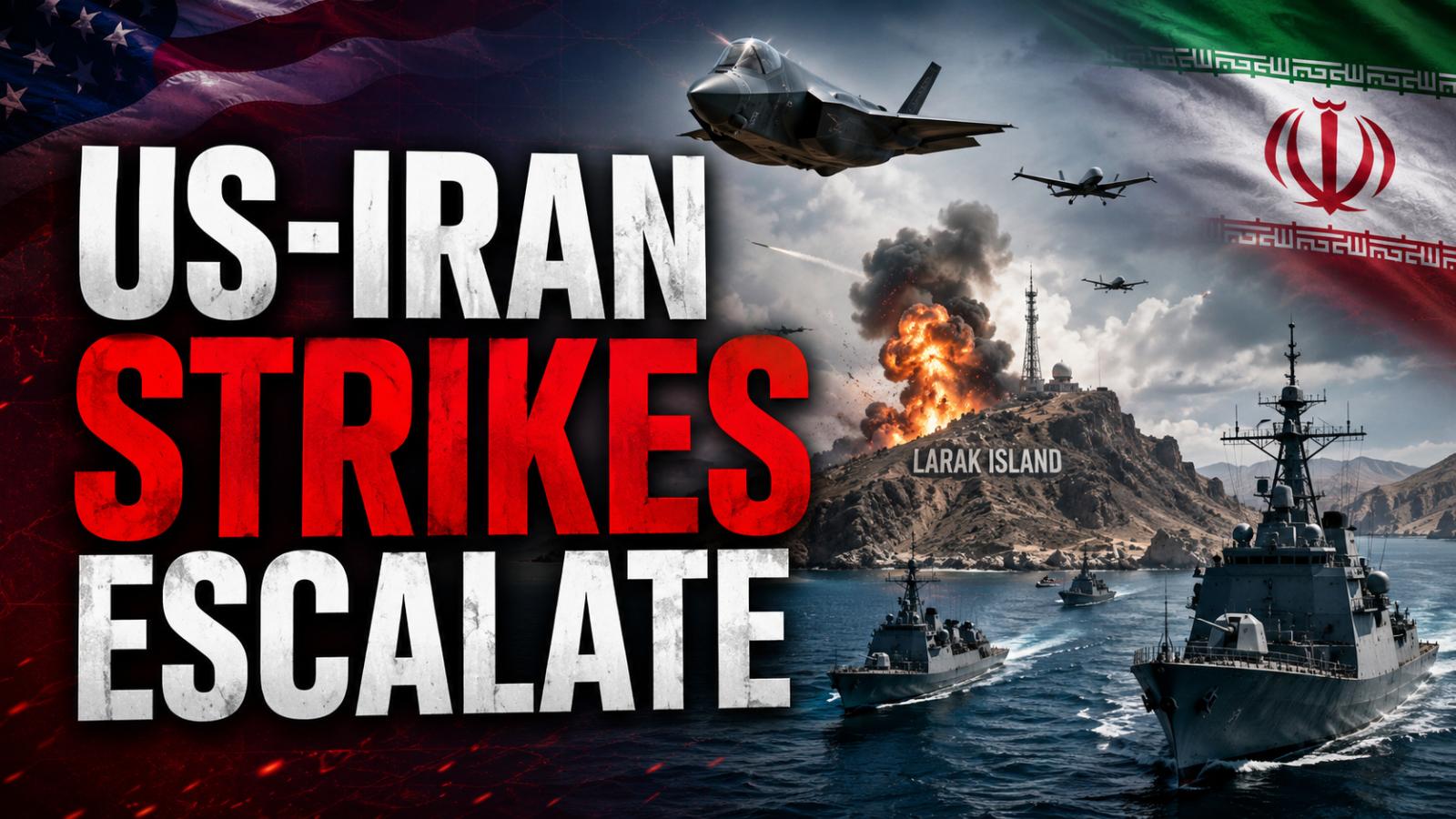
US-Iran Strikes Resume as Larak Attack Triggers Retaliation
The US-Iran confrontation has entered another tense phase after American forces struck Iranian launchers on Larak Island near the Strait of Hormuz. Iran responded with claims of attacks on US-linked bases in the region, while diplomatic efforts continued in Bishkek, where Prime Minister Narendra Modi met Iranian President Masoud Pezeshkian. Larak Island Strike
US-Iran Strikes Resume as Larak Attack Triggers Retaliation
The US-Iran confrontation has entered another tense phase after American forces struck Iranian launchers on Larak Island near the Strait of Hormuz. Iran responded with claims of attacks on US-linked bases in the region, while diplomatic efforts continued in Bishkek, where Prime Minister Narendra Modi met Iranian President Masoud Pezeshkian. Larak Island Strike
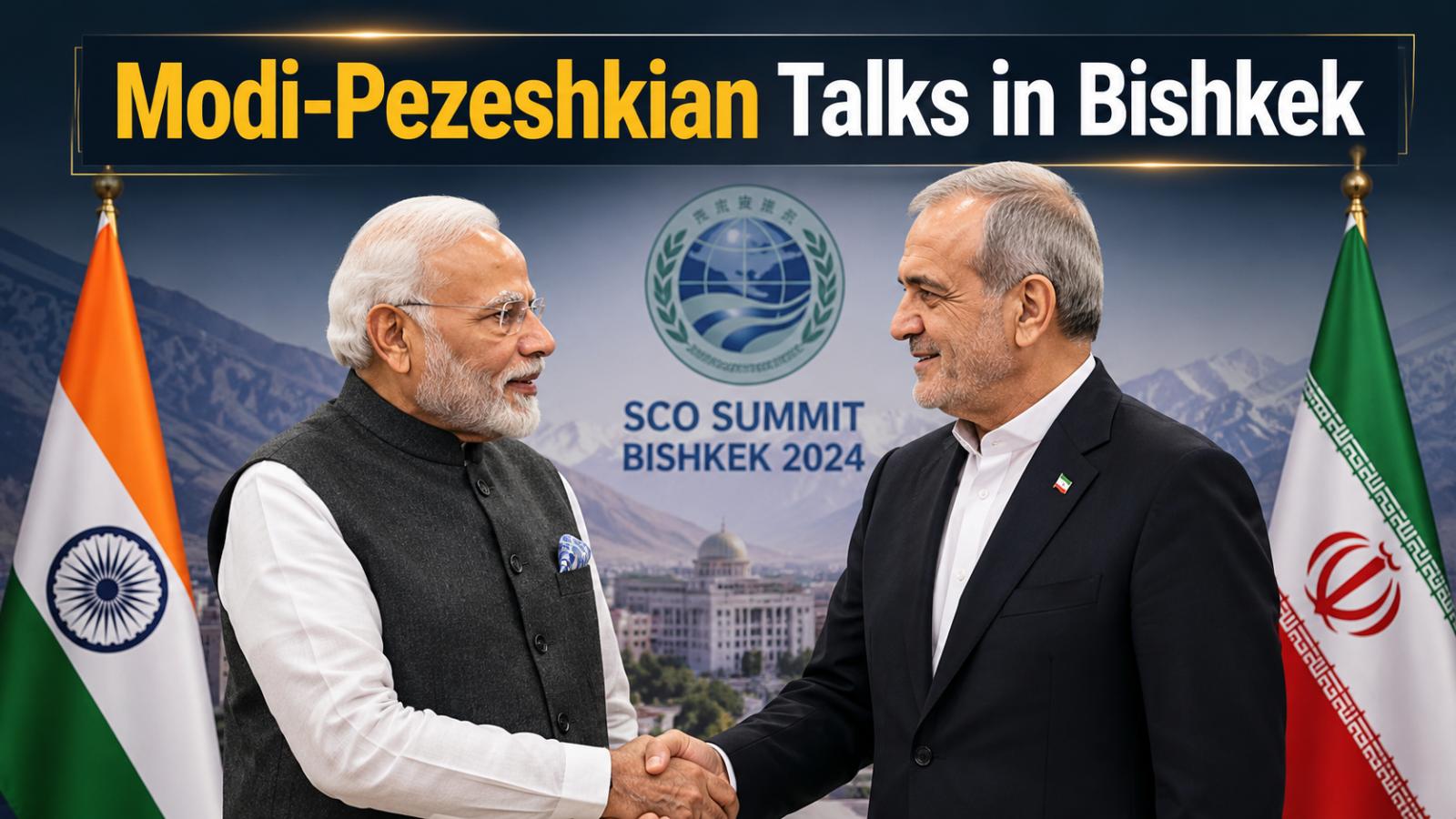
Modi Pezeshkian Meeting Focuses on Iran War and Trade
Prime Minister Narendra Modi met Iranian President Masoud Pezeshkian in Bishkek on August 31 on the sidelines of the Shanghai Cooperation Organisation Summit. The Modi Pezeshkian meeting focused on India-Iran ties, the West Asia conflict, maritime security, trade and the need for lasting regional peace. India Iran Ties The two leaders revi
Modi Pezeshkian Meeting Focuses on Iran War and Trade
Prime Minister Narendra Modi met Iranian President Masoud Pezeshkian in Bishkek on August 31 on the sidelines of the Shanghai Cooperation Organisation Summit. The Modi Pezeshkian meeting focused on India-Iran ties, the West Asia conflict, maritime security, trade and the need for lasting regional peace. India Iran Ties The two leaders revi
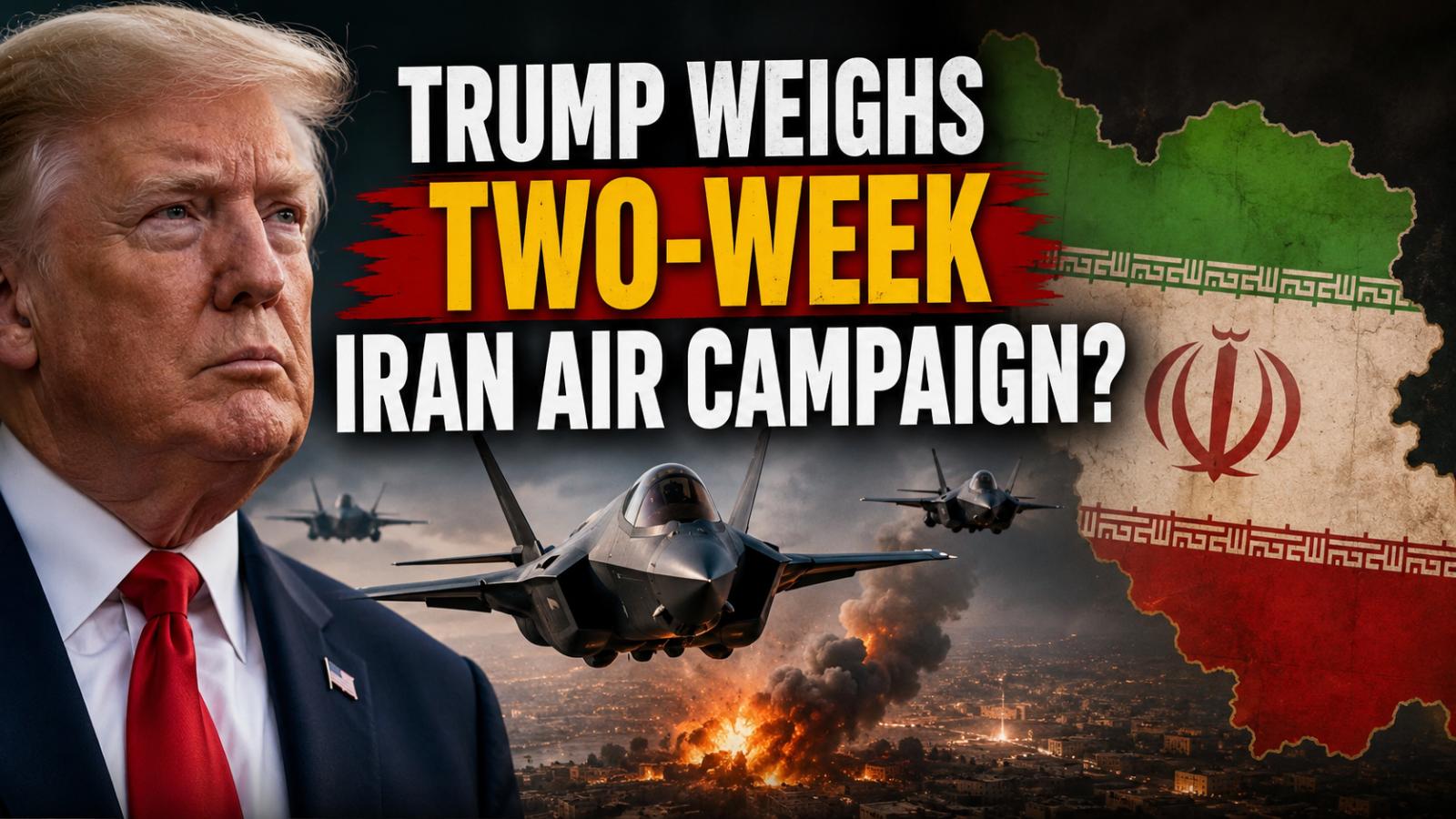
Trump Iran Air War Plan Could Expand Into Two-Week Campaign
US President Donald Trump is considering a renewed Trump Iran air war as military officials prepare options for a potentially intensive two-week operation. The reported US air plan would focus on Iran’s missile capabilities, although Trump has not announced a final decision. US air plan The Wall Street Journal reported that US military planners have developed a two-week air campaign intended to weaken Iran’s ability to produce, store and launch missiles. The proposal would represent a wider and more sustained operation than the limited retaliatory strikes conducted during earlier stages of the confrontation. People familiar with the discussions told the newspaper that Trump is examining several military choices. One option involves a concentrated campaign against a broader range of Iranian missile facilities. Another would limit the scale of US action and leave greater room for negotiations with Tehran. The president has not publicly approved the reported campaign. The absence of a final decision remains important because planning by the Pentagon does not automatically mean that military action will take place. CENTCOM Admiral Brad Cooper, the commander of US Central Command, reportedly developed the more intensive proposal. CENTCOM oversees American military activity across West Asia and has already directed US operations involving Iran, regional missile defence and maritime security. According to the report, Cooper believes sustained strikes could severely reduce Iran’s offensive missile capacity and ease pressure on US defensive systems. However, senior officials are also considering the strain that an expanded campaign could place on American interceptor supplies and military resources needed in other regions. Official CENTCOM material confirms that Cooper currently leads the command and has overseen recent US operations involving Iran. However, CENTCOM has not publicly released the reported two-week proposal. Iran arms Iran’s missile infrastructure remains central to Washington’s calculations. Previous US and allied strikes damaged launchers, storage areas and production facilities, but assessments cited in recent reporting suggest that Tehran still retains missiles and can rebuild parts of its military network. Iran has also continued launching missiles and drones despite months of military pressure. That resilience has raised questions about whether air power alone can permanently remove the threat or merely delay Iran’s ability to restore its arsenal. A wider campaign could target launch systems, underground facilities, command centres and manufacturing sites. Such an operation would also carry substantial risks, including retaliation against US forces, Gulf partners, energy facilities and commercial shipping routes. Trump call The final Trump call will determine whether Washington chooses a major escalation or a narrower response. The president has recently promised strong retaliation following Iranian attacks, but he has also paused military action at different stages to allow diplomatic efforts to continue. The White House and Pentagon had not publicly confirmed the specific two-week plan when the report emerged. Any article describing the proposal should therefore present it as a reported option under consideration, not as an approved military operation. Iran talks Iran talks remain a possible alternative even as military preparations continue. Washington and Tehran remain divided over Iran’s nuclear programme, missile forces, regional activities and support for armed groups. A limited US response could preserve space for intermediaries to pursue negotiations. A prolonged air campaign, however, could trigger another cycle of Iranian retaliation and American strikes, increasing the danger of a wider regional conflict. Trump now faces a difficult choice: attempt to reduce Iran’s missile threat through sustained military force or pursue a more restrained response that keeps diplomacy alive. The Pentagon can prepare options, but the political and strategic consequences will depend on the decision made by the White House.
Trump Iran Air War Plan Could Expand Into Two-Week Campaign
US President Donald Trump is considering a renewed Trump Iran air war as military officials prepare options for a potentially intensive two-week operation. The reported US air plan would focus on Iran’s missile capabilities, although Trump has not announced a final decision. US air plan The Wall Street Journal reported that US military planners have developed a two-week air campaign intended to weaken Iran’s ability to produce, store and launch missiles. The proposal would represent a wider and more sustained operation than the limited retaliatory strikes conducted during earlier stages of the confrontation. People familiar with the discussions told the newspaper that Trump is examining several military choices. One option involves a concentrated campaign against a broader range of Iranian missile facilities. Another would limit the scale of US action and leave greater room for negotiations with Tehran. The president has not publicly approved the reported campaign. The absence of a final decision remains important because planning by the Pentagon does not automatically mean that military action will take place. CENTCOM Admiral Brad Cooper, the commander of US Central Command, reportedly developed the more intensive proposal. CENTCOM oversees American military activity across West Asia and has already directed US operations involving Iran, regional missile defence and maritime security. According to the report, Cooper believes sustained strikes could severely reduce Iran’s offensive missile capacity and ease pressure on US defensive systems. However, senior officials are also considering the strain that an expanded campaign could place on American interceptor supplies and military resources needed in other regions. Official CENTCOM material confirms that Cooper currently leads the command and has overseen recent US operations involving Iran. However, CENTCOM has not publicly released the reported two-week proposal. Iran arms Iran’s missile infrastructure remains central to Washington’s calculations. Previous US and allied strikes damaged launchers, storage areas and production facilities, but assessments cited in recent reporting suggest that Tehran still retains missiles and can rebuild parts of its military network. Iran has also continued launching missiles and drones despite months of military pressure. That resilience has raised questions about whether air power alone can permanently remove the threat or merely delay Iran’s ability to restore its arsenal. A wider campaign could target launch systems, underground facilities, command centres and manufacturing sites. Such an operation would also carry substantial risks, including retaliation against US forces, Gulf partners, energy facilities and commercial shipping routes. Trump call The final Trump call will determine whether Washington chooses a major escalation or a narrower response. The president has recently promised strong retaliation following Iranian attacks, but he has also paused military action at different stages to allow diplomatic efforts to continue. The White House and Pentagon had not publicly confirmed the specific two-week plan when the report emerged. Any article describing the proposal should therefore present it as a reported option under consideration, not as an approved military operation. Iran talks Iran talks remain a possible alternative even as military preparations continue. Washington and Tehran remain divided over Iran’s nuclear programme, missile forces, regional activities and support for armed groups. A limited US response could preserve space for intermediaries to pursue negotiations. A prolonged air campaign, however, could trigger another cycle of Iranian retaliation and American strikes, increasing the danger of a wider regional conflict. Trump now faces a difficult choice: attempt to reduce Iran’s missile threat through sustained military force or pursue a more restrained response that keeps diplomacy alive. The Pentagon can prepare options, but the political and strategic consequences will depend on the decision made by the White House.
West Asia war live: U.S. strikes Iran as Tehran confirms talks
The West Asia war intensified on Monday as the United States carried out another round of strikes on Iran, Tehran acknowledged continuing diplomatic exchanges, and reported tanker explosions raised fresh concerns over the Strait of Hormuz and global energy supplies. U.S. strikes continue for ninth consecutive night The United States conducted a fresh wave of airstrikes against targets in Iran e
West Asia war live: U.S. strikes Iran as Tehran confirms talks
The West Asia war intensified on Monday as the United States carried out another round of strikes on Iran, Tehran acknowledged continuing diplomatic exchanges, and reported tanker explosions raised fresh concerns over the Strait of Hormuz and global energy supplies. U.S. strikes continue for ninth consecutive night The United States conducted a fresh wave of airstrikes against targets in Iran e

India Launches Seafarer First Plan After Hormuz Attacks
India Launches Seafarer First Plan After Hormuz Attacks The Indian government has announced a comprehensive "Seafarer First" strategy to protect Indian sailors working in the conflict-affected waters of West Asia after attacks on two merchant vessels in the Strait of Hormuz killed one Indian seafarer and injured several others. The new measures include real-time monitoring of every Indian seafarer in the region, dedicate
India Launches Seafarer First Plan After Hormuz Attacks
India Launches Seafarer First Plan After Hormuz Attacks The Indian government has announced a comprehensive "Seafarer First" strategy to protect Indian sailors working in the conflict-affected waters of West Asia after attacks on two merchant vessels in the Strait of Hormuz killed one Indian seafarer and injured several others. The new measures include real-time monitoring of every Indian seafarer in the region, dedicate
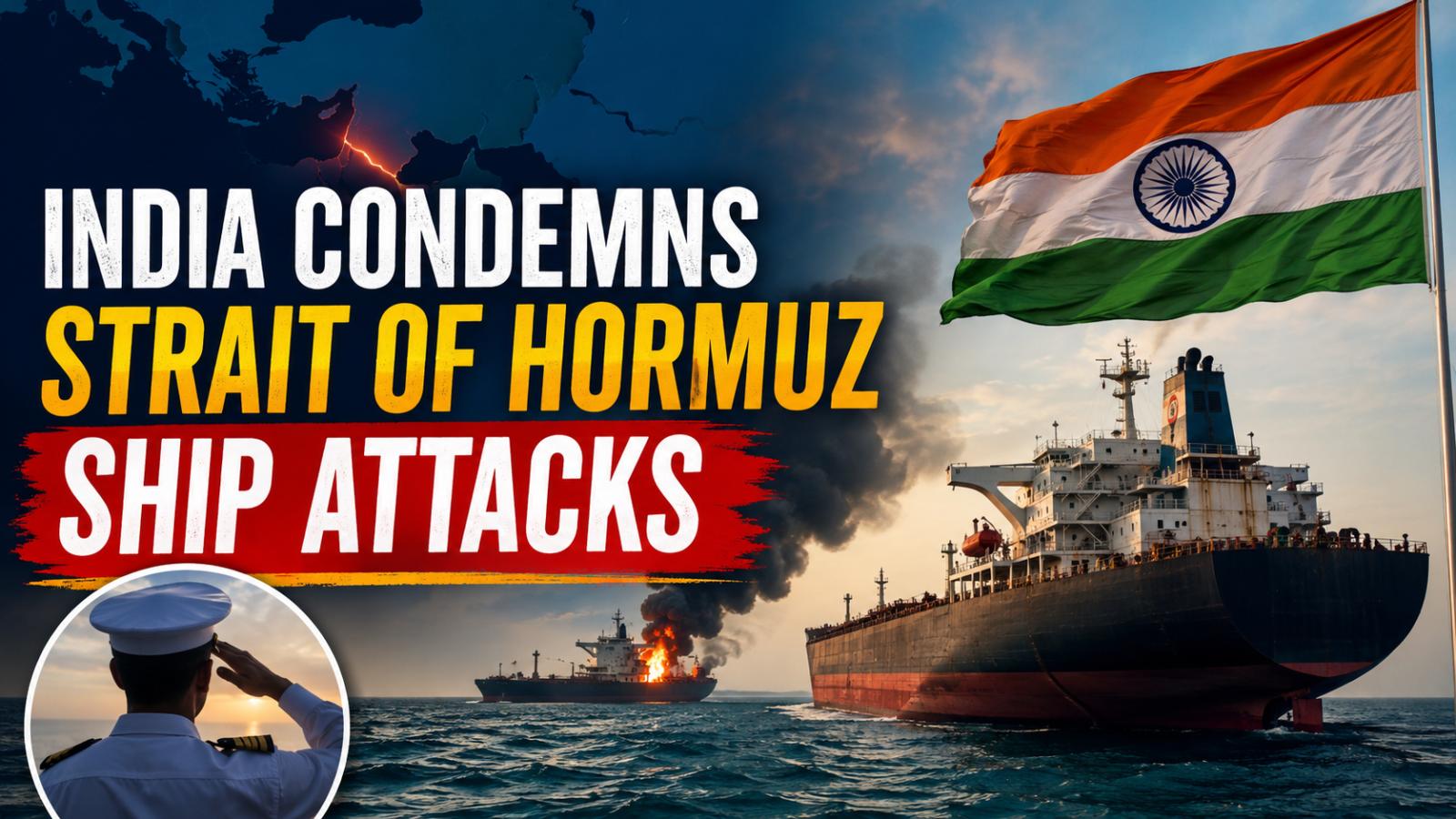
India Condemns Strait of Hormuz Ship Attacks
India has strongly condemned the Strait of Hormuz attacks on two commercial vessels that killed an Indian sailor and injured several crew members. New Delhi lodged a diplomatic protest and demanded an immediate end to attacks threatening shipping safety, maritime trade and stability across West Asia. India condemns Strait of Hormuz attacks The Ministry of External Affairs said on Tuesday, July 14, that violence
India Condemns Strait of Hormuz Ship Attacks
India has strongly condemned the Strait of Hormuz attacks on two commercial vessels that killed an Indian sailor and injured several crew members. New Delhi lodged a diplomatic protest and demanded an immediate end to attacks threatening shipping safety, maritime trade and stability across West Asia. India condemns Strait of Hormuz attacks The Ministry of External Affairs said on Tuesday, July 14, that violence
Trump-Netanyahu call covers Iran strikes and Turkey
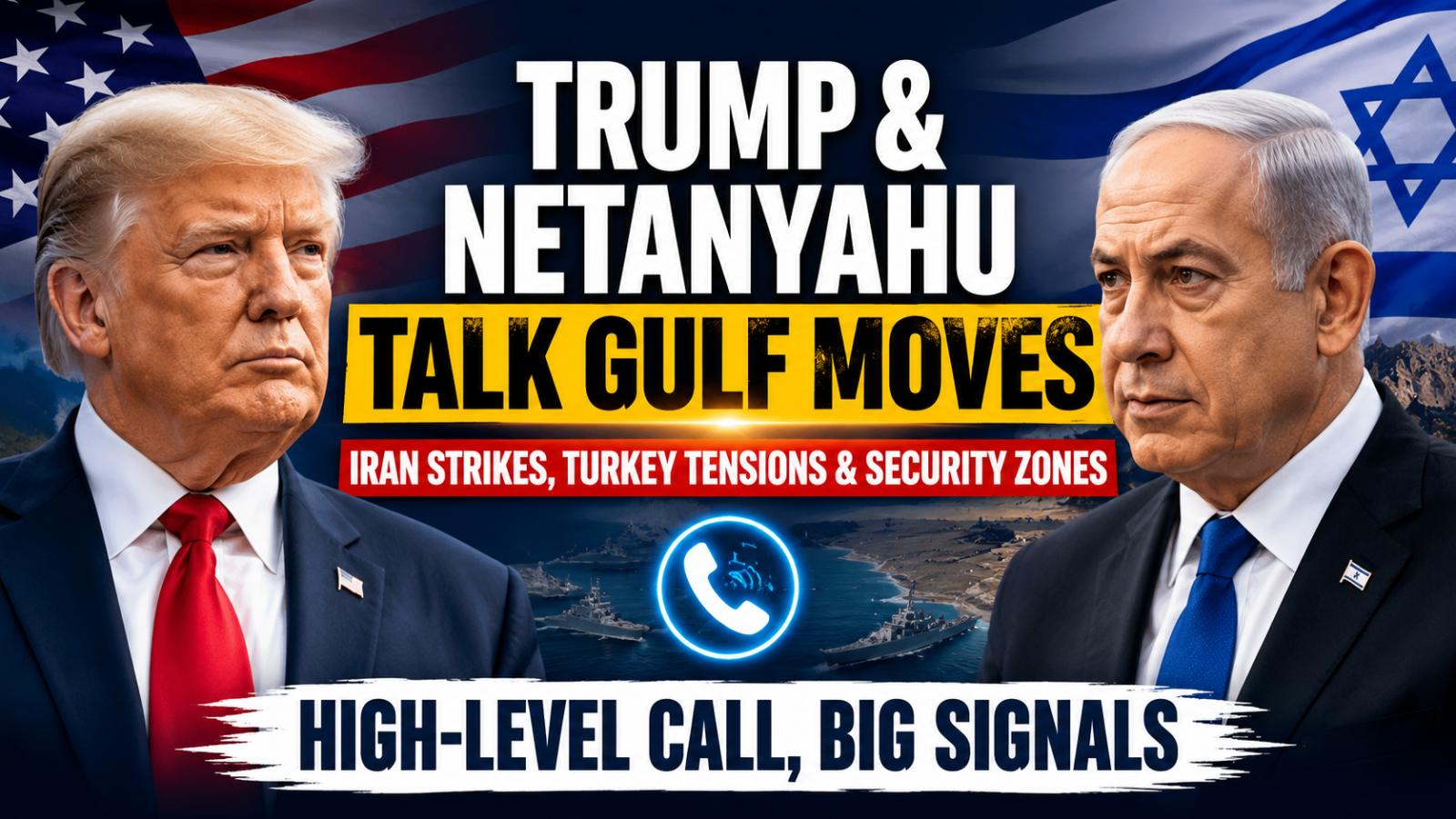
US President Donald Trump and Israeli Prime Minister Benjamin Netanyahu discussed American military activity in the Gulf, tensions involving Turkey and Israel’s border security concerns during a phone call on Thursday, July 9. The leaders agreed to maintain close coordination as instability across West Asia continued. Trump-Netanyahu call covers US Gulf moves
Trump-Netanyahu call covers Iran strikes and Turkey
US President Donald Trump and Israeli Prime Minister Benjamin Netanyahu discussed American military activity in the Gulf, tensions involving Turkey and Israel’s border security concerns during a phone call on Thursday, July 9. The leaders agreed to maintain close coordination as instability across West Asia continued. Trump-Netanyahu call covers US Gulf moves
Egypt opens Octagon strategic command headquarters
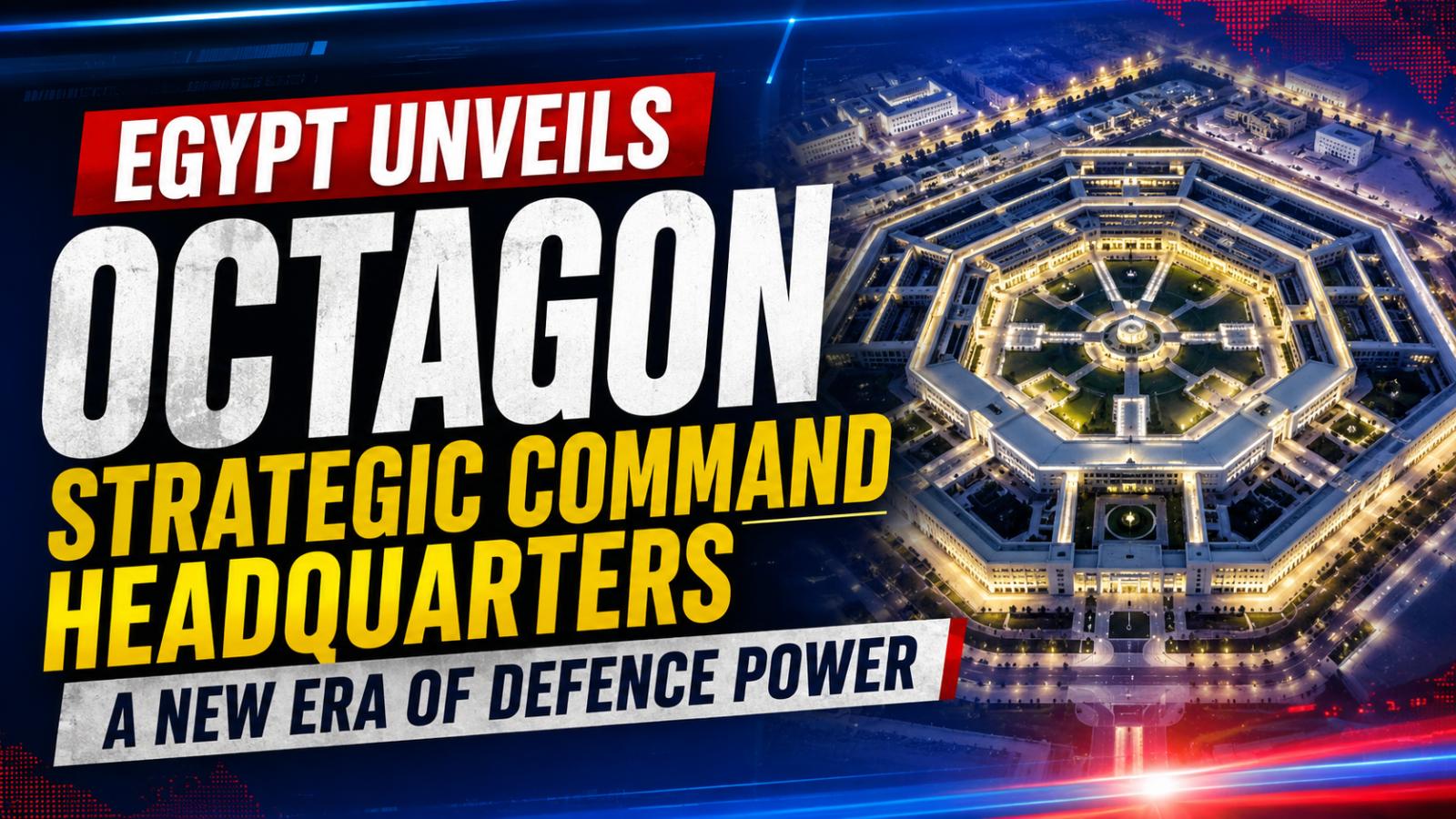
Egypt opens new strategic command headquarters Egypt has officially inaugurated its new State Strategic Command Headquarters, widely known as the Octagon, marking a major step in the country’s defence infrastructure modernization. President Abdel Fattah El-Sisi opened the complex on July 4 in the new administrative capital, presenting it as a central hub for military coordination, operational planning and national crisis response at a time of heightened tension across West Asia. During the inauguration, Sisi said the strategic command headquarters would support integrated planning and coordination among all branches of the armed forces. He added that the facility is designed to strengthen combat readiness, improve response efficiency and support Egypt’s broader strategic goals through advanced technology systems. The project reflects Cairo’s continued focus on building modern defence institutions capable of handling security, logistical and emergency challenges from one unified command structure. Why the Octagon matters The Octagon is being compared with the Pentagon mainly because of its strategic function rather than direct scale. Like the US defence headquarters, Egypt’s new command HQ is intended to bring military leadership, intelligence coordination, operational command and crisis management under one administrative framework. This centralized model is expected to help Egyptian authorities improve decision-making during emergencies and maintain closer coordination across defence branches. The headquarters covers about 22,000 acres and includes eight central buildings designed in an octagonal geometric layout. According to Egypt’s official information authorities, the site contains 13 integrated strategic and logistical zones, making it one of the largest defence and administrative complexes in the Middle East. Officials have described the campus as a miniature administrative and defence city because it brings together command, logistics, training and national emergency management functions. Advanced technology and security focus A key feature of the Octagon is its digital infrastructure, which is dedicated to storing, processing and protecting national data. The complex is equipped with advanced command, control, communications, artificial intelligence and cybersecurity systems. These capabilities are intended to support faster information flow, stronger data protection and more efficient military coordination. For Egypt, the opening of the Octagon is not only a symbolic milestone but also a practical shift in how the country manages defence readiness. By placing command operations, logistics, training and emergency response inside one large strategic headquarters, the government aims to strengthen national security planning while adapting to a more complex regional environment.
Egypt opens Octagon strategic command headquarters
Egypt opens new strategic command headquarters Egypt has officially inaugurated its new State Strategic Command Headquarters, widely known as the Octagon, marking a major step in the country’s defence infrastructure modernization. President Abdel Fattah El-Sisi opened the complex on July 4 in the new administrative capital, presenting it as a central hub for military coordination, operational planning and national crisis response at a time of heightened tension across West Asia. During the inauguration, Sisi said the strategic command headquarters would support integrated planning and coordination among all branches of the armed forces. He added that the facility is designed to strengthen combat readiness, improve response efficiency and support Egypt’s broader strategic goals through advanced technology systems. The project reflects Cairo’s continued focus on building modern defence institutions capable of handling security, logistical and emergency challenges from one unified command structure. Why the Octagon matters The Octagon is being compared with the Pentagon mainly because of its strategic function rather than direct scale. Like the US defence headquarters, Egypt’s new command HQ is intended to bring military leadership, intelligence coordination, operational command and crisis management under one administrative framework. This centralized model is expected to help Egyptian authorities improve decision-making during emergencies and maintain closer coordination across defence branches. The headquarters covers about 22,000 acres and includes eight central buildings designed in an octagonal geometric layout. According to Egypt’s official information authorities, the site contains 13 integrated strategic and logistical zones, making it one of the largest defence and administrative complexes in the Middle East. Officials have described the campus as a miniature administrative and defence city because it brings together command, logistics, training and national emergency management functions. Advanced technology and security focus A key feature of the Octagon is its digital infrastructure, which is dedicated to storing, processing and protecting national data. The complex is equipped with advanced command, control, communications, artificial intelligence and cybersecurity systems. These capabilities are intended to support faster information flow, stronger data protection and more efficient military coordination. For Egypt, the opening of the Octagon is not only a symbolic milestone but also a practical shift in how the country manages defence readiness. By placing command operations, logistics, training and emergency response inside one large strategic headquarters, the government aims to strengthen national security planning while adapting to a more complex regional environment.

Delhi govt ends work from home, restores normal office timings
Delhi govt ends work from home, restores normal office timings The Delhi government has withdrawn its work-from-home arrangement and staggered office timings for employees, citing an improvement in the geopolitical situation in West Asia. The decision brings an end to temporary fuel-saving measures introduced earlier this year amid concerns over global energy supplies and rising uncertainty linked to the conflict involving the United States and Iran. Chief
Delhi govt ends work from home, restores normal office timings
Delhi govt ends work from home, restores normal office timings The Delhi government has withdrawn its work-from-home arrangement and staggered office timings for employees, citing an improvement in the geopolitical situation in West Asia. The decision brings an end to temporary fuel-saving measures introduced earlier this year amid concerns over global energy supplies and rising uncertainty linked to the conflict involving the United States and Iran. Chief

France deploys mine assets to support Hormuz security
France adjusts regional maritime deployment France has deployed mine countermeasures assets to West Asia as part of efforts to support safe navigation through the Strait of Hormuz, one of the world’s most important maritime routes. President Emmanuel Macron said the deployment includes two minehunters, supported by two frigates and a maritime patrol aircraft, with t
France deploys mine assets to support Hormuz security
France adjusts regional maritime deployment France has deployed mine countermeasures assets to West Asia as part of efforts to support safe navigation through the Strait of Hormuz, one of the world’s most important maritime routes. President Emmanuel Macron said the deployment includes two minehunters, supported by two frigates and a maritime patrol aircraft, with t
Iran rejects CENTCOM role after Bahrain security summit
Iran challenges US CENTCOM role in West Asia security framework Iran has criticised the role of the United States Central Command in West Asia after a regional security conference in Bahrain brought together senior military officials from 12 countries to discuss air defence cooperation and maritime security. Iranian Foreign Minister Abbas Araghchi said peace in the region
Iran rejects CENTCOM role after Bahrain security summit
Iran challenges US CENTCOM role in West Asia security framework Iran has criticised the role of the United States Central Command in West Asia after a regional security conference in Bahrain brought together senior military officials from 12 countries to discuss air defence cooperation and maritime security. Iranian Foreign Minister Abbas Araghchi said peace in the region
Israel Hezbollah clashes raise oil and trade risk for India
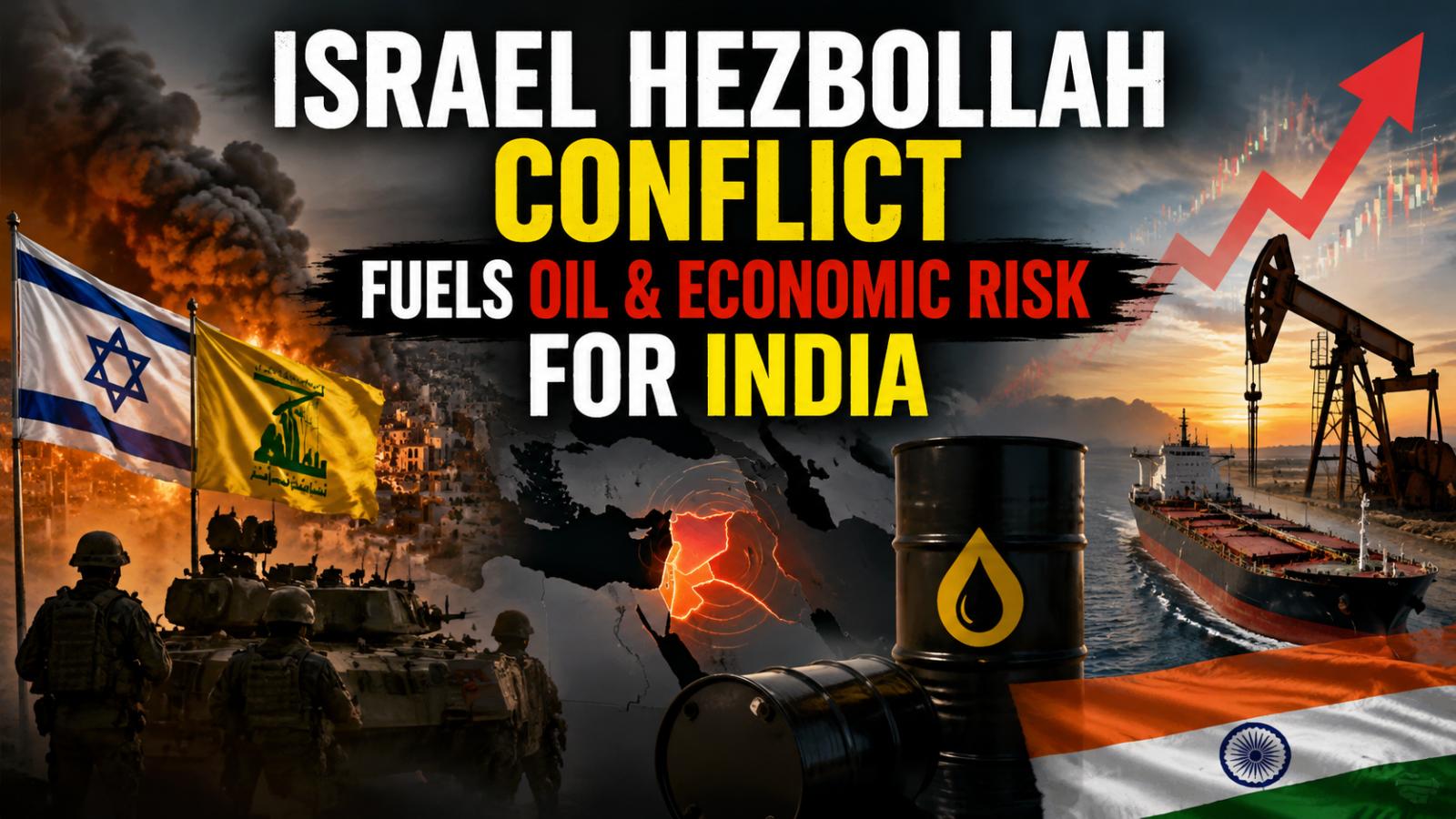
The renewed exchange of fire between Israeli forces and Hezbollah-linked positions in southern Lebanon has again drawn attention to an already fragile regional security environment. While both sides continue to frame their actions as targeted and defensive, the situation is increasingly being viewed through a wider geopolitical lens, especially by energy markets and trade-dependent economies. Even limited escalation in this corridor tends to trigger immediate risk recalibration in global markets, not because of direct supply disruption, but due to fear of spillover into wider West Asian conflict zones. Oil markets react to uncertainty, not only disruption Crude oil prices have remained sensitive to developments in the region, with traders closely tracking any sign of expansion beyond localized strikes. Brent crude has shown intermittent swings, reflecting how quickly sentiment shifts when geopolitical risks rise. For import-heavy economies like India, the concern is not only about supply cuts but also price volatility. Even short-lived spikes increase import bills, widen trade deficits, and add pressure on domestic inflation through fuel and transport costs. India remains heavily dependent on imported crude, leaving it exposed to external shocks that originate far from its own borders but quickly reach its economy through global pricing mechanisms. Maritime chokepoints add another layer of risk Beyond oil production zones, shipping routes remain a critical pressure point. The Strait of Hormuz continues to be one of the most strategically sensitive maritime corridors in the world, handling a large share of global crude movement. Any perception of instability in nearby conflict zones tends to increase insurance premiums for tankers and freight operators. This raises shipping costs even when physical disruption does not occur. For trade-dependent economies, the indirect cost of conflict often arrives faster than any actual supply shortage. India’s broader exposure goes beyond energy India’s stake in West Asian stability is not limited to crude imports. A large Indian workforce in Gulf countries supports billions in annual remittances, which play a steady role in foreign exchange stability. At the same time, India maintains layered relationships across the region—energy partnerships with Gulf producers, strategic cooperation with Israel, and connectivity interests linked to Iran and regional ports. This creates a complex policy environment where instability in one corridor can influence multiple economic and diplomatic channels simultaneously. Long-term infrastructure plans face sensitivity risks Large-scale trade and infrastructure initiatives involving West Asia, including proposed trans-regional connectivity corridors, depend heavily on stable political conditions. Projects linked to ports, energy routes, and logistics networks become vulnerable when security risks rise. Even without direct damage, prolonged uncertainty tends to slow investment decisions, delay contracts, and increase financing costs for regional development projects. Conclusion The current Israel–Hezbollah exchange remains geographically contained, but its economic impact is far wider. Oil markets, shipping costs, remittance flows, and long-term trade planning all react quickly to signals of escalation. For India and other import-dependent economies, the primary challenge is not direct involvement in the conflict but exposure to its ripple effects through energy pricing, logistics costs, and regional stability risks.
Israel Hezbollah clashes raise oil and trade risk for India
The renewed exchange of fire between Israeli forces and Hezbollah-linked positions in southern Lebanon has again drawn attention to an already fragile regional security environment. While both sides continue to frame their actions as targeted and defensive, the situation is increasingly being viewed through a wider geopolitical lens, especially by energy markets and trade-dependent economies. Even limited escalation in this corridor tends to trigger immediate risk recalibration in global markets, not because of direct supply disruption, but due to fear of spillover into wider West Asian conflict zones. Oil markets react to uncertainty, not only disruption Crude oil prices have remained sensitive to developments in the region, with traders closely tracking any sign of expansion beyond localized strikes. Brent crude has shown intermittent swings, reflecting how quickly sentiment shifts when geopolitical risks rise. For import-heavy economies like India, the concern is not only about supply cuts but also price volatility. Even short-lived spikes increase import bills, widen trade deficits, and add pressure on domestic inflation through fuel and transport costs. India remains heavily dependent on imported crude, leaving it exposed to external shocks that originate far from its own borders but quickly reach its economy through global pricing mechanisms. Maritime chokepoints add another layer of risk Beyond oil production zones, shipping routes remain a critical pressure point. The Strait of Hormuz continues to be one of the most strategically sensitive maritime corridors in the world, handling a large share of global crude movement. Any perception of instability in nearby conflict zones tends to increase insurance premiums for tankers and freight operators. This raises shipping costs even when physical disruption does not occur. For trade-dependent economies, the indirect cost of conflict often arrives faster than any actual supply shortage. India’s broader exposure goes beyond energy India’s stake in West Asian stability is not limited to crude imports. A large Indian workforce in Gulf countries supports billions in annual remittances, which play a steady role in foreign exchange stability. At the same time, India maintains layered relationships across the region—energy partnerships with Gulf producers, strategic cooperation with Israel, and connectivity interests linked to Iran and regional ports. This creates a complex policy environment where instability in one corridor can influence multiple economic and diplomatic channels simultaneously. Long-term infrastructure plans face sensitivity risks Large-scale trade and infrastructure initiatives involving West Asia, including proposed trans-regional connectivity corridors, depend heavily on stable political conditions. Projects linked to ports, energy routes, and logistics networks become vulnerable when security risks rise. Even without direct damage, prolonged uncertainty tends to slow investment decisions, delay contracts, and increase financing costs for regional development projects. Conclusion The current Israel–Hezbollah exchange remains geographically contained, but its economic impact is far wider. Oil markets, shipping costs, remittance flows, and long-term trade planning all react quickly to signals of escalation. For India and other import-dependent economies, the primary challenge is not direct involvement in the conflict but exposure to its ripple effects through energy pricing, logistics costs, and regional stability risks.
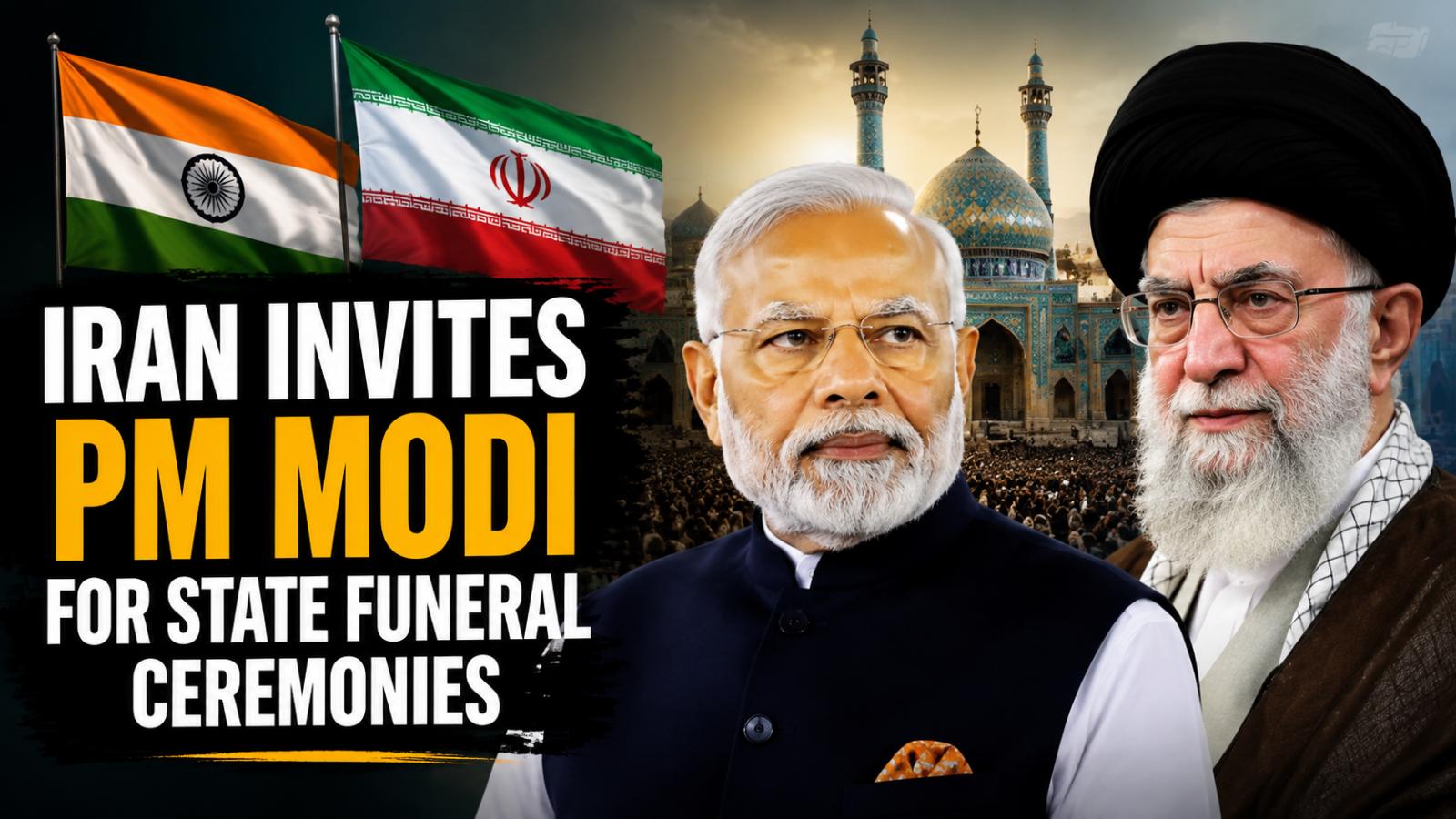
India weighs response to iran funeral invite for khamenei
Reports emerging from diplomatic channels suggest that Iran has extended formal communication to India regarding participation in upcoming state-level funeral and memorial ceremonies linked to its top leadership structure. While official confirmation from either government remains limited, the development is being viewed as part of ongoing West Asia diplomatic engagement. India reviews representation strategy
India weighs response to iran funeral invite for khamenei
Reports emerging from diplomatic channels suggest that Iran has extended formal communication to India regarding participation in upcoming state-level funeral and memorial ceremonies linked to its top leadership structure. While official confirmation from either government remains limited, the development is being viewed as part of ongoing West Asia diplomatic engagement. India reviews representation strategy
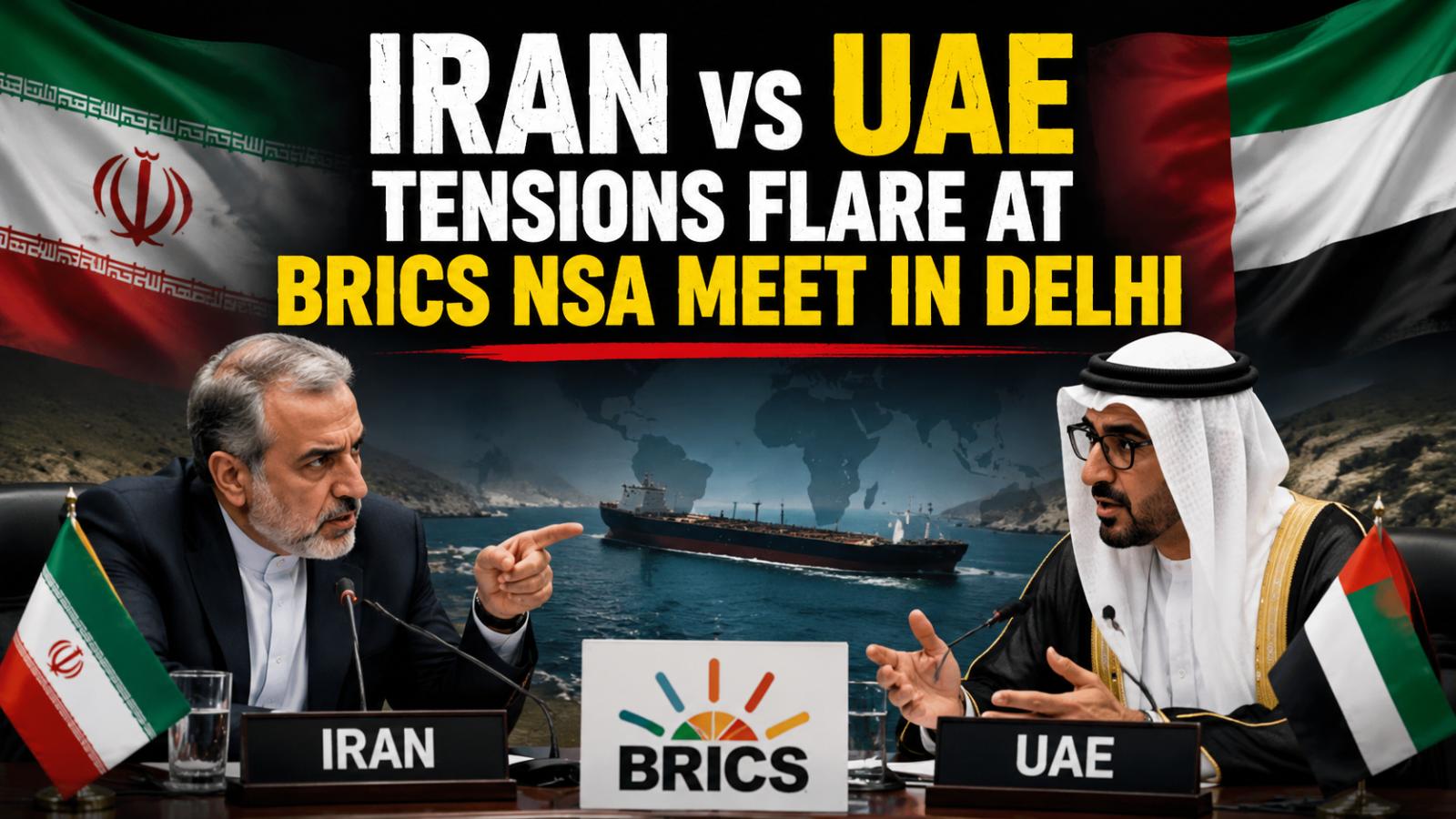
Iran UAE row escalates at BRICS NSA meeting in New Delhi
A BRICS National Security Advisers meeting in New Delhi turned tense after Iran and the United Arab Emirates exchanged strong political accusations over regional security concerns. The discussion, chaired by India’s National Security Advisor Ajit Doval, was intended to focus on cooperation in maritime safety and counterterrorism, but quickly exposed deep disagreements within the group on West Asia dynamics. Iran raises concerns over regional strikes and external involvement Iran’s delegation raised allegations linking recent regional strikes to external military coordination, suggesting that operations affecting Iranian interests were enabled through logistical and strategic support networks in the Gulf region. Tehran argued that such developments have increased risks for civilians and undermined stability across key transit zones. Strait of Hormuz remains central pressure point The Strait of Hormuz once again emerged as the most sensitive flashpoint in the discussion. Iranian representatives warned that continued military escalation near the waterway threatens global energy flows and could destabilize shipping routes that carry a significant share of the world’s oil supply. The issue highlighted how maritime security concerns are increasingly tied to broader geopolitical rivalries in the region. UAE pushes back and defends its position The UAE rejected the allegations and reiterated that it does not support or participate in hostile operations against any state. Emirati officials maintained that the country itself remains exposed to regional security threats and emphasized the need for de-escalation rather than blame-based diplomacy. Past BRICS discussions had already seen similar disagreements without consensus outcomes. BRICS unity tested by West Asia fault lines The confrontation underscored growing strain within BRICS as it expands its membership and geopolitical scope. While India has pushed for the bloc to act as a platform for dialogue and stability, persistent conflicts between member and partner states are limiting progress on unified security statements. The Iran–UAE exchange reflected how regional rivalries are increasingly shaping multilateral forums meant for cooperation rather than confrontation.
Iran UAE row escalates at BRICS NSA meeting in New Delhi
A BRICS National Security Advisers meeting in New Delhi turned tense after Iran and the United Arab Emirates exchanged strong political accusations over regional security concerns. The discussion, chaired by India’s National Security Advisor Ajit Doval, was intended to focus on cooperation in maritime safety and counterterrorism, but quickly exposed deep disagreements within the group on West Asia dynamics. Iran raises concerns over regional strikes and external involvement Iran’s delegation raised allegations linking recent regional strikes to external military coordination, suggesting that operations affecting Iranian interests were enabled through logistical and strategic support networks in the Gulf region. Tehran argued that such developments have increased risks for civilians and undermined stability across key transit zones. Strait of Hormuz remains central pressure point The Strait of Hormuz once again emerged as the most sensitive flashpoint in the discussion. Iranian representatives warned that continued military escalation near the waterway threatens global energy flows and could destabilize shipping routes that carry a significant share of the world’s oil supply. The issue highlighted how maritime security concerns are increasingly tied to broader geopolitical rivalries in the region. UAE pushes back and defends its position The UAE rejected the allegations and reiterated that it does not support or participate in hostile operations against any state. Emirati officials maintained that the country itself remains exposed to regional security threats and emphasized the need for de-escalation rather than blame-based diplomacy. Past BRICS discussions had already seen similar disagreements without consensus outcomes. BRICS unity tested by West Asia fault lines The confrontation underscored growing strain within BRICS as it expands its membership and geopolitical scope. While India has pushed for the bloc to act as a platform for dialogue and stability, persistent conflicts between member and partner states are limiting progress on unified security statements. The Iran–UAE exchange reflected how regional rivalries are increasingly shaping multilateral forums meant for cooperation rather than confrontation.
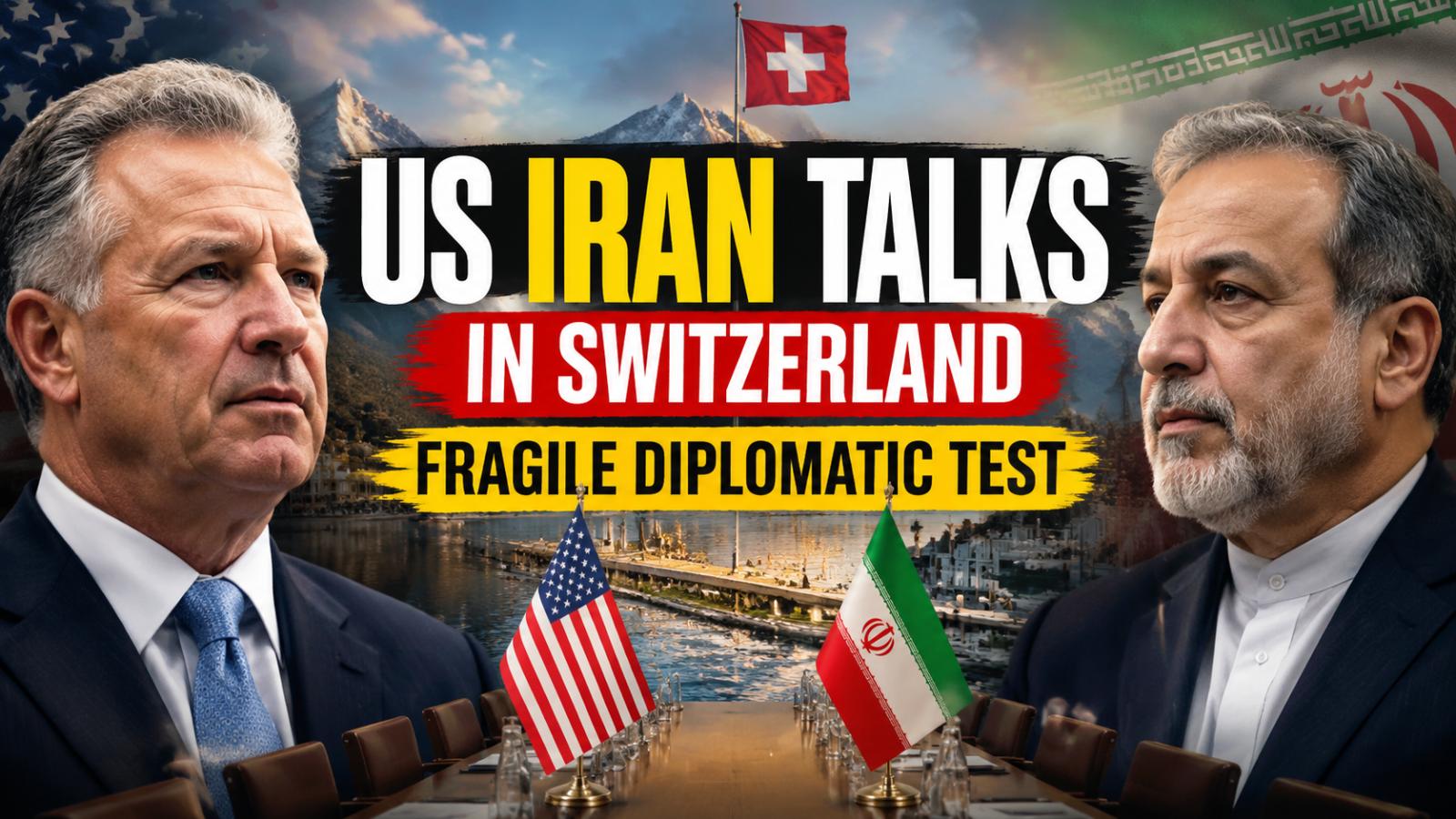
US Iran talks in Switzerland face fragile diplomatic test
US Iran negotiations in Switzerland have entered a renewed phase, but the environment remains unstable as regional conflicts continue to shape the direction of talks. Diplomatic representatives from both sides are attempting to revive stalled communication lines, with mediation support from regional actors working behind the scenes to prevent another breakdown. The discussions are being positioned as an attempt to rebuild trust after repeated interruptions, though expectations remai
US Iran talks in Switzerland face fragile diplomatic test
US Iran negotiations in Switzerland have entered a renewed phase, but the environment remains unstable as regional conflicts continue to shape the direction of talks. Diplomatic representatives from both sides are attempting to revive stalled communication lines, with mediation support from regional actors working behind the scenes to prevent another breakdown. The discussions are being positioned as an attempt to rebuild trust after repeated interruptions, though expectations remai
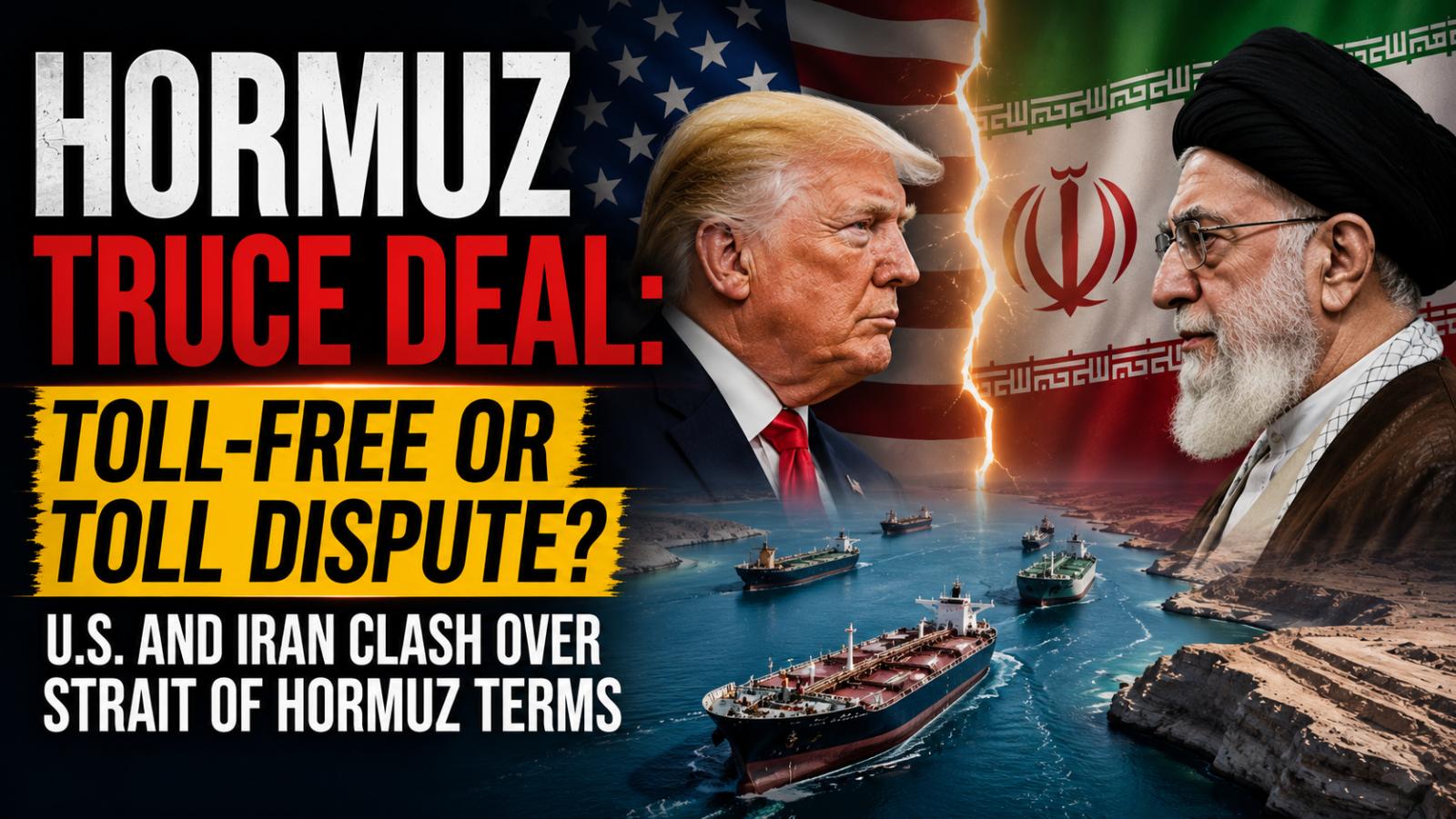
Strait of Hormuz Peace Deal Raises Questions Over Fees
Peace in the Strait of Hormuz Following a peace agreement between the United States and Iran, hostilities that lasted over 100 days have officially paused. The memorandum of understanding, signed electronically on Sunday by US President Donald Trump, Vice President JD Vance, and Iranian Parliament Speaker Mohammad Bagher Ghalibaf, created a temporary framework for reopening negotiations. While Washington maintains that ves
Strait of Hormuz Peace Deal Raises Questions Over Fees
Peace in the Strait of Hormuz Following a peace agreement between the United States and Iran, hostilities that lasted over 100 days have officially paused. The memorandum of understanding, signed electronically on Sunday by US President Donald Trump, Vice President JD Vance, and Iranian Parliament Speaker Mohammad Bagher Ghalibaf, created a temporary framework for reopening negotiations. While Washington maintains that ves
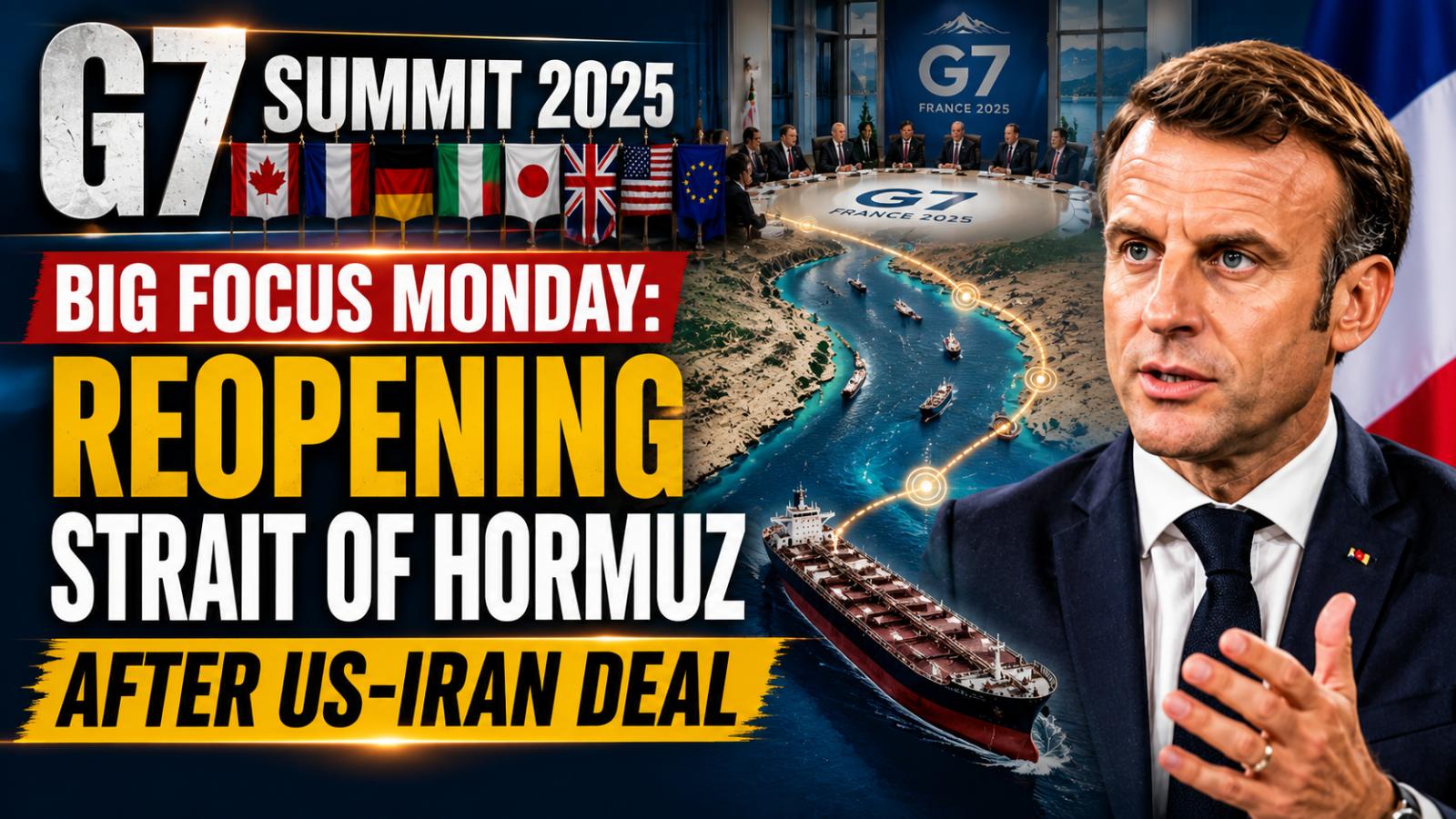
G7 Summit 2026: Macron Leads Talks on Strait of Hormuz Reopening
Strategic Focus at G7 Summit French President Emmanuel Macron announced that the upcoming G7 Summit, taking place from June 15–17 in Evian-les-Bains, will dedicate Monday’s sessions to discussing the long-term reopening of the strategic Strait of Hormuz. This follows a recently brokered framework agreement between the United States and Iran, aimed at ending hostilities in West Asia. Macron emphasized that the summit will examine
G7 Summit 2026: Macron Leads Talks on Strait of Hormuz Reopening
Strategic Focus at G7 Summit French President Emmanuel Macron announced that the upcoming G7 Summit, taking place from June 15–17 in Evian-les-Bains, will dedicate Monday’s sessions to discussing the long-term reopening of the strategic Strait of Hormuz. This follows a recently brokered framework agreement between the United States and Iran, aimed at ending hostilities in West Asia. Macron emphasized that the summit will examine