Trump Declares Total Victory Over Iran
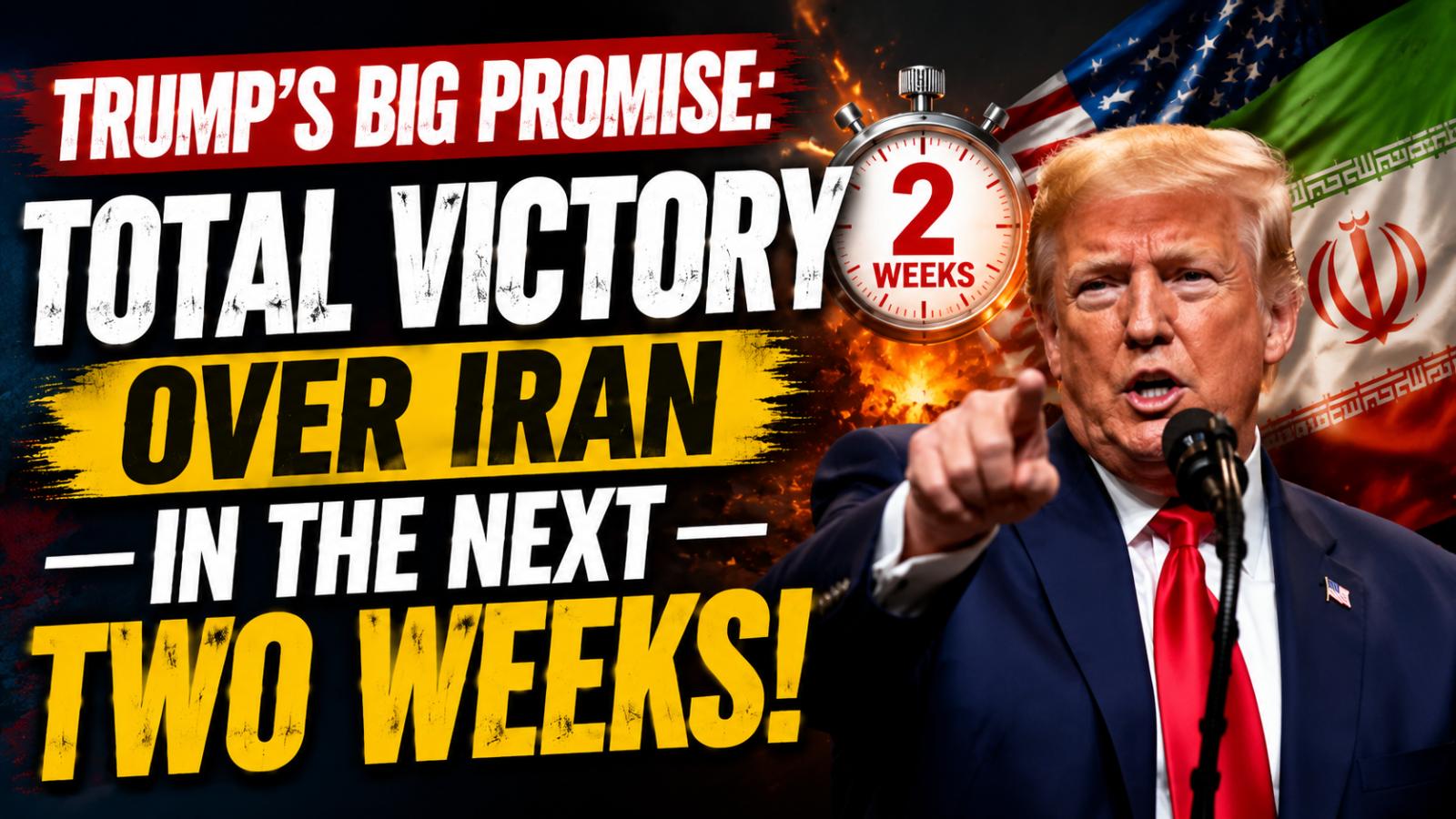
US President Donald Trump announced on Monday, June 8, that he will declare “total victory” over Iran within the next two weeks. Speaking at a tele-rally supporting Senator Lindsey Graham ahead of South Carolina’s primary vote, Trump emphasized that the US continues to negotiate with Iran over its nuclear capabilities. He stated that Tehran is “willing to give u
Trump Declares Total Victory Over Iran
US President Donald Trump announced on Monday, June 8, that he will declare “total victory” over Iran within the next two weeks. Speaking at a tele-rally supporting Senator Lindsey Graham ahead of South Carolina’s primary vote, Trump emphasized that the US continues to negotiate with Iran over its nuclear capabilities. He stated that Tehran is “willing to give u
Explosions Reported Across Iranian Cities
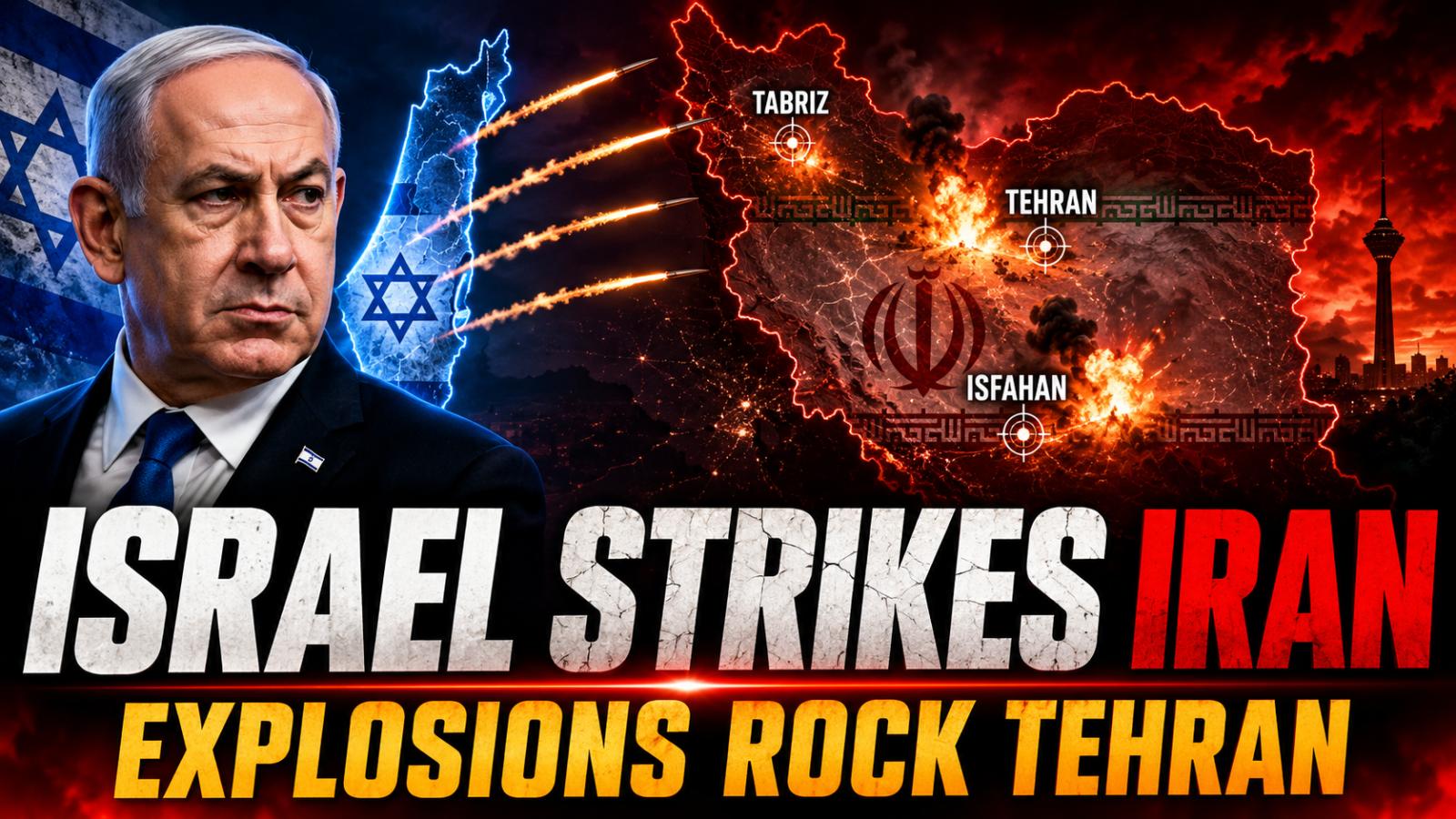
Explosions were reported in Tehran, Tabriz and Isfahan on Monday, June 8, as tensions between Iran and Israel escalated after a new exchange of military attacks. Iranian state-linked reports said blasts were heard in several major cities, while Israel’s military later said it had struck military targets in western and central Iran. Details on damage and casualties were not immediately clear, and early reports from both sides remained limited. The latest strikes came shortly after Iran said it launched ballistic missiles toward Israel’s Ramat David air base in northern Israel.
Israel Says It Hit Military Targets
The Israel Defense Forces said the strikes inside Iran targeted military sites, framing the operation as a response to Iran’s missile attack. Israel said its defenses intercepted the missiles fired from Iran, while Iranian officials described their earlier strike as retaliation for an attack in Beirut. The sequence of claims and counterclaims has heightened fears that the conflict could move beyond limited exchanges and become a broader regional confrontation. The situation remains fluid, and neither side’s full battlefield assessment has been independently confirmed.
Trump Had Urged Israel Not To Retaliate
The escalation took place despite US President Donald Trump urging Israeli Prime Minister Benjamin Netanyahu not to retaliate against Iran. Washington has been trying to limit the risk of a wider West Asia conflict while talks involving Iran remain under pressure. Trump’s appeal showed concern that another round of strikes could complicate diplomacy and pull more actors into the crisis. However, Israel’s reported response suggests its leadership is prioritizing deterrence after Iran’s missile attack, even as the United States pushes for restraint.
Regional Conflict Risk Grows
The latest developments have placed renewed pressure on diplomatic channels and regional security planning. Iran has framed its actions as a response to attacks linked to Beirut, while Israel says it is targeting military infrastructure inside Iran. For US audiences, the central issue is whether this remains a controlled exchange or becomes a wider regional war involving Iran, Israel, Lebanon and US interests in the region. With explosions reported in multiple Iranian cities and Israel confirming strikes, the risk of further retaliation remains high.
Explosions Reported Across Iranian Cities
Explosions were reported in Tehran, Tabriz and Isfahan on Monday, June 8, as tensions between Iran and Israel escalated after a new exchange of military attacks. Iranian state-linked reports said blasts were heard in several major cities, while Israel’s military later said it had struck military targets in western and central Iran. Details on damage and casualties were not immediately clear, and early reports from both sides remained limited. The latest strikes came shortly after Iran said it launched ballistic missiles toward Israel’s Ramat David air base in northern Israel.
Israel Says It Hit Military Targets
The Israel Defense Forces said the strikes inside Iran targeted military sites, framing the operation as a response to Iran’s missile attack. Israel said its defenses intercepted the missiles fired from Iran, while Iranian officials described their earlier strike as retaliation for an attack in Beirut. The sequence of claims and counterclaims has heightened fears that the conflict could move beyond limited exchanges and become a broader regional confrontation. The situation remains fluid, and neither side’s full battlefield assessment has been independently confirmed.
Trump Had Urged Israel Not To Retaliate
The escalation took place despite US President Donald Trump urging Israeli Prime Minister Benjamin Netanyahu not to retaliate against Iran. Washington has been trying to limit the risk of a wider West Asia conflict while talks involving Iran remain under pressure. Trump’s appeal showed concern that another round of strikes could complicate diplomacy and pull more actors into the crisis. However, Israel’s reported response suggests its leadership is prioritizing deterrence after Iran’s missile attack, even as the United States pushes for restraint.
Regional Conflict Risk Grows
The latest developments have placed renewed pressure on diplomatic channels and regional security planning. Iran has framed its actions as a response to attacks linked to Beirut, while Israel says it is targeting military infrastructure inside Iran. For US audiences, the central issue is whether this remains a controlled exchange or becomes a wider regional war involving Iran, Israel, Lebanon and US interests in the region. With explosions reported in multiple Iranian cities and Israel confirming strikes, the risk of further retaliation remains high.
Prime Minister Narendra Modi reviewed India’s economic growth strategy with members of the PM-Economic Advisory Council as global uncertainty, trade pressures and tensions in West Asia continue to create risks for major economies.
The discussion focused on strengthening India’s economic resilience, improving business conditions and ensuring that growth benefits both companies and ordinary citizens. The meeting also looked at how India can maintain momentum while protecting itsel
Prime Minister Narendra Modi reviewed India’s economic growth strategy with members of the PM-Economic Advisory Council as global uncertainty, trade pressures and tensions in West Asia continue to create risks for major economies.
The discussion focused on strengthening India’s economic resilience, improving business conditions and ensuring that growth benefits both companies and ordinary citizens. The meeting also looked at how India can maintain momentum while protecting itsel
US Clears Major Defense Sale To Kuwait
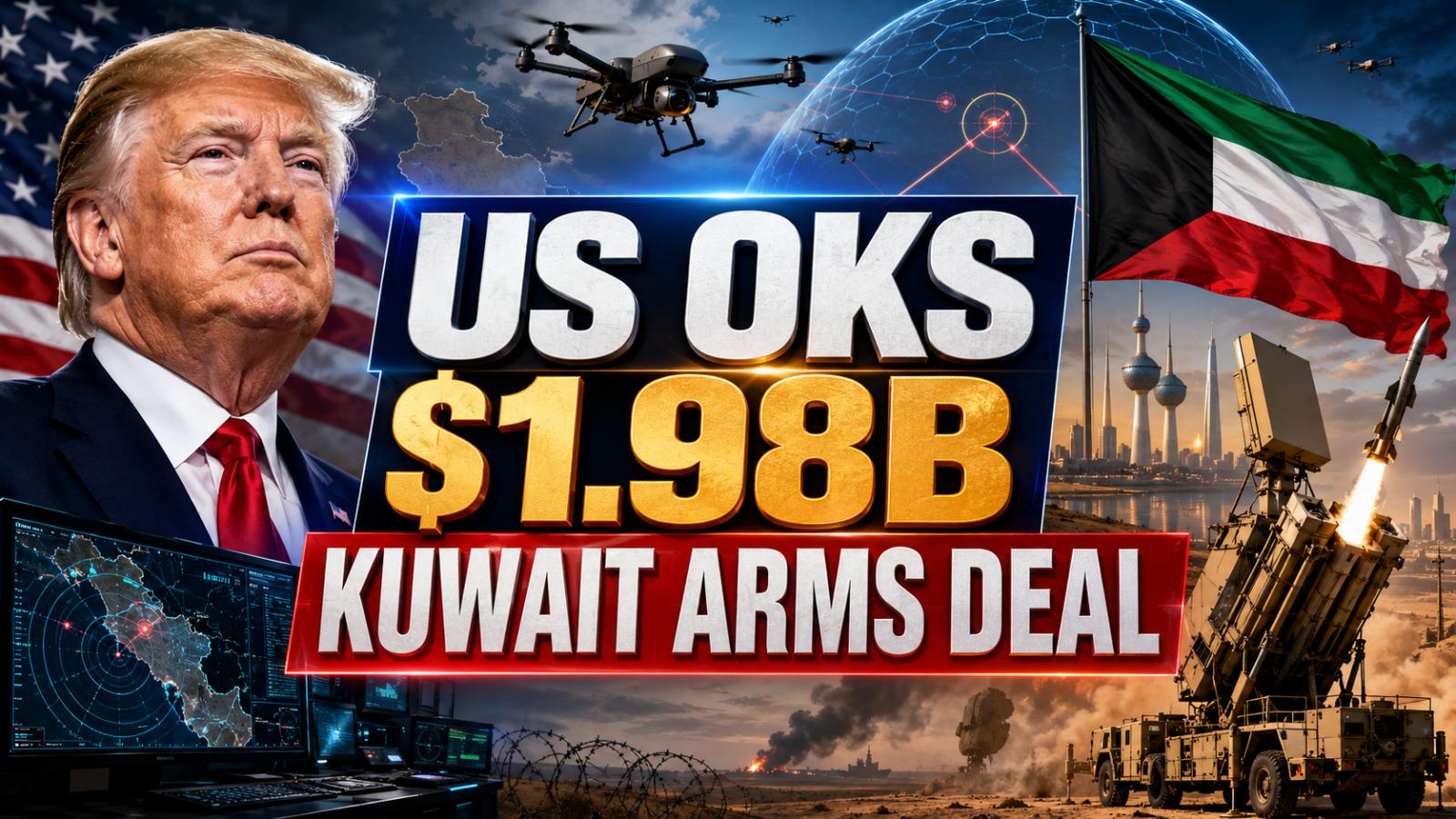
The United States has approved a proposed $1.98 billion arms sale to Kuwait, a package centered on advanced counter-drone systems and related defense equipment. The State Department said the sale is intended to strengthen Kuwait’s ability to respond to current and future threats, particularly unmanned aerial systems that could endanger military sites, civilian infrastr
US Clears Major Defense Sale To Kuwait
The United States has approved a proposed $1.98 billion arms sale to Kuwait, a package centered on advanced counter-drone systems and related defense equipment. The State Department said the sale is intended to strengthen Kuwait’s ability to respond to current and future threats, particularly unmanned aerial systems that could endanger military sites, civilian infrastr
US Says Iranian Drones Were Intercepted Near Hormuz
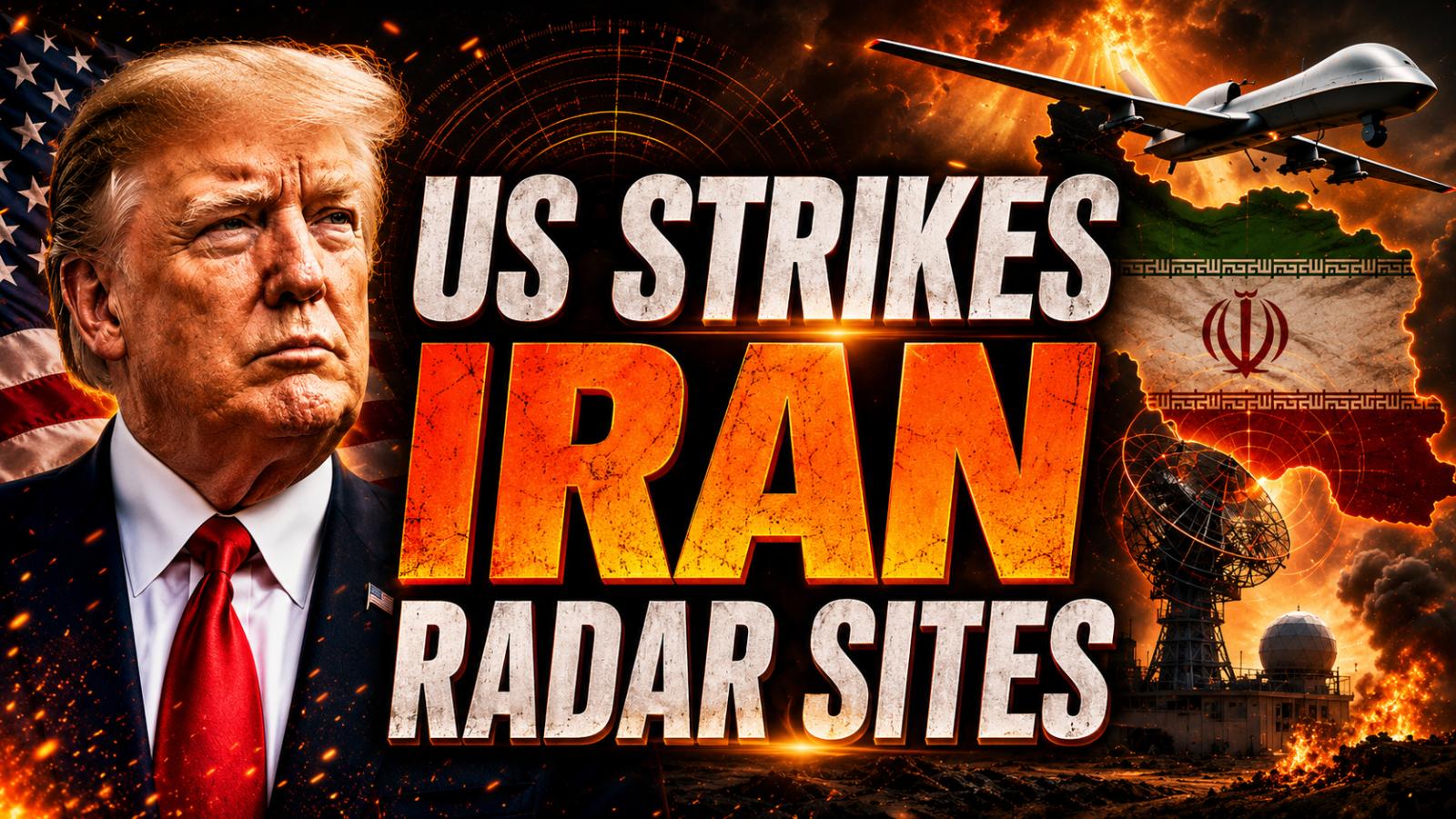
Tensions in West Asia escalated after the US military said it intercepted four Iranian one-way attack drones launched toward the Strait of Hormuz and later struck Iranian coastal surveillance radar sites. US Central Command said the drones posed an immediate threat to regional maritime traffic, a key concern because the Strait of Hormuz remains one of the w
US Says Iranian Drones Were Intercepted Near Hormuz
Tensions in West Asia escalated after the US military said it intercepted four Iranian one-way attack drones launched toward the Strait of Hormuz and later struck Iranian coastal surveillance radar sites. US Central Command said the drones posed an immediate threat to regional maritime traffic, a key concern because the Strait of Hormuz remains one of the w
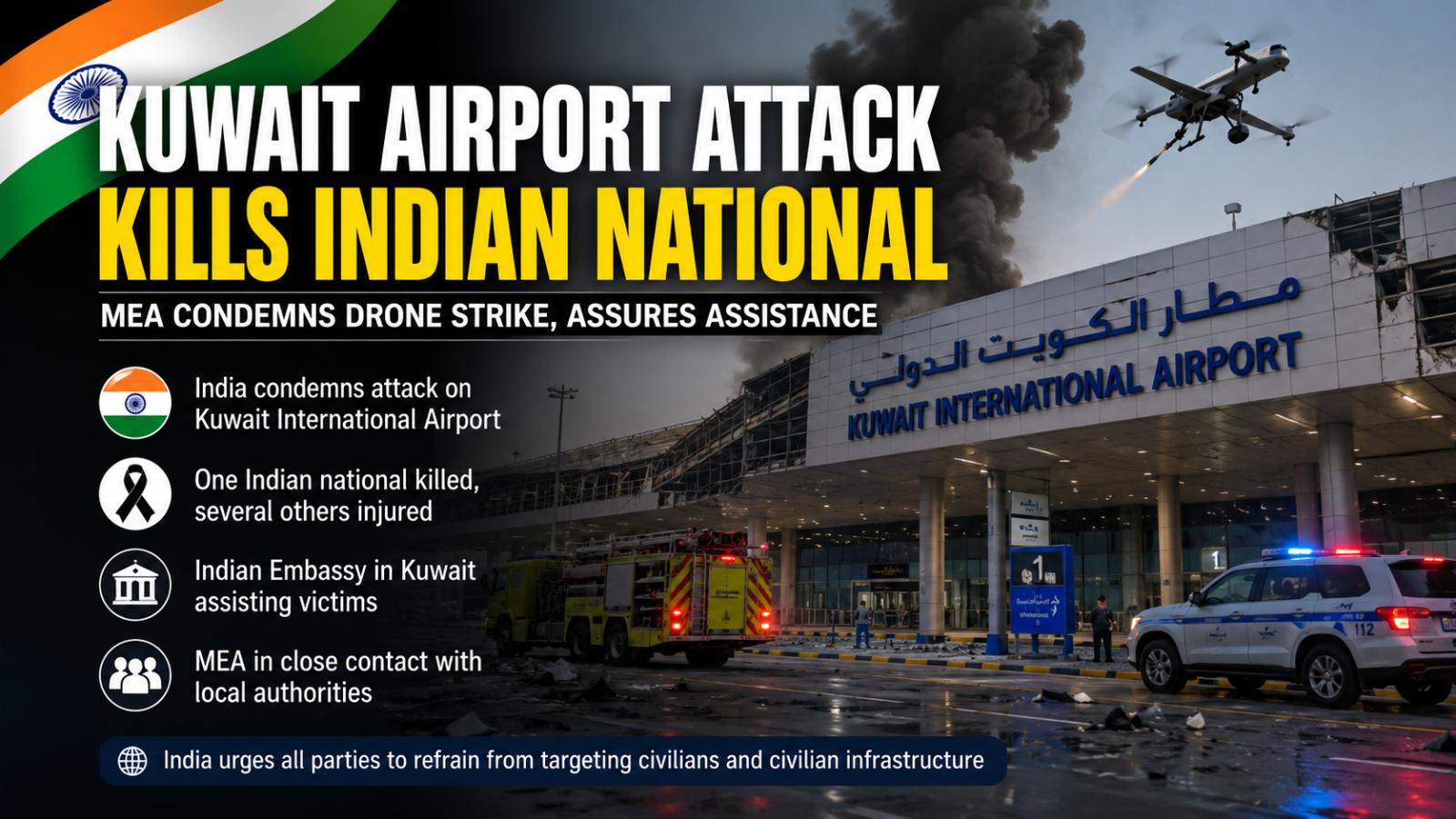
The Kuwait airport attack killed one Indian national and injured several others, India’s Ministry of External Affairs said in a statement dated Wednesday, June 3, 2026.
The incident at Kuwait International Airport was described in the source material as an Iranian drone strike. India condemned the attack and repeated its position that civilian populations and civilian infrastructure must not be targeted during the continuing conflict in West Asia.
Kuwait Airport
The Kuwait airport attack killed one Indian national and injured several others, India’s Ministry of External Affairs said in a statement dated Wednesday, June 3, 2026.
The incident at Kuwait International Airport was described in the source material as an Iranian drone strike. India condemned the attack and repeated its position that civilian populations and civilian infrastructure must not be targeted during the continuing conflict in West Asia.
Kuwait Airport
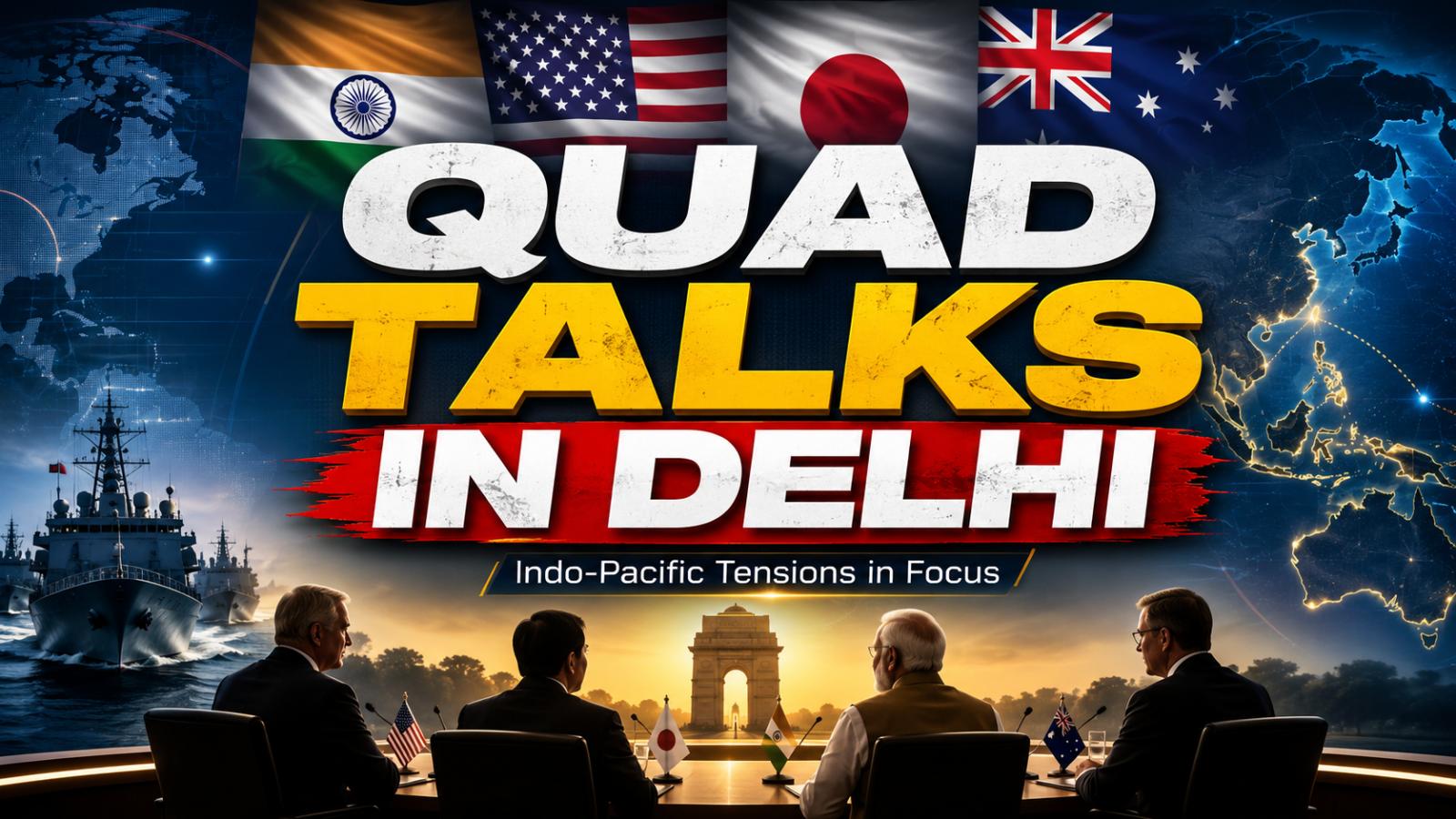
India is hosting the Quad foreign ministers’ meeting in New Delhi on May 26, 2026, bringing together senior leaders from India, the United States, Japan and Australia. External Affairs Minister S. Jaishankar is chairing the meeting, with U.S. Secretary of State Marco Rubio, Australian Foreign Minister Penny Wong and Japanese Foreign Minister Toshimitsu Motegi attending the talks. The participation details are confirmed by India’s Ministry of External Affairs.
The meeting comes a
India is hosting the Quad foreign ministers’ meeting in New Delhi on May 26, 2026, bringing together senior leaders from India, the United States, Japan and Australia. External Affairs Minister S. Jaishankar is chairing the meeting, with U.S. Secretary of State Marco Rubio, Australian Foreign Minister Penny Wong and Japanese Foreign Minister Toshimitsu Motegi attending the talks. The participation details are confirmed by India’s Ministry of External Affairs.
The meeting comes a
Marco Rubio Arrives in India for Strategic Talks
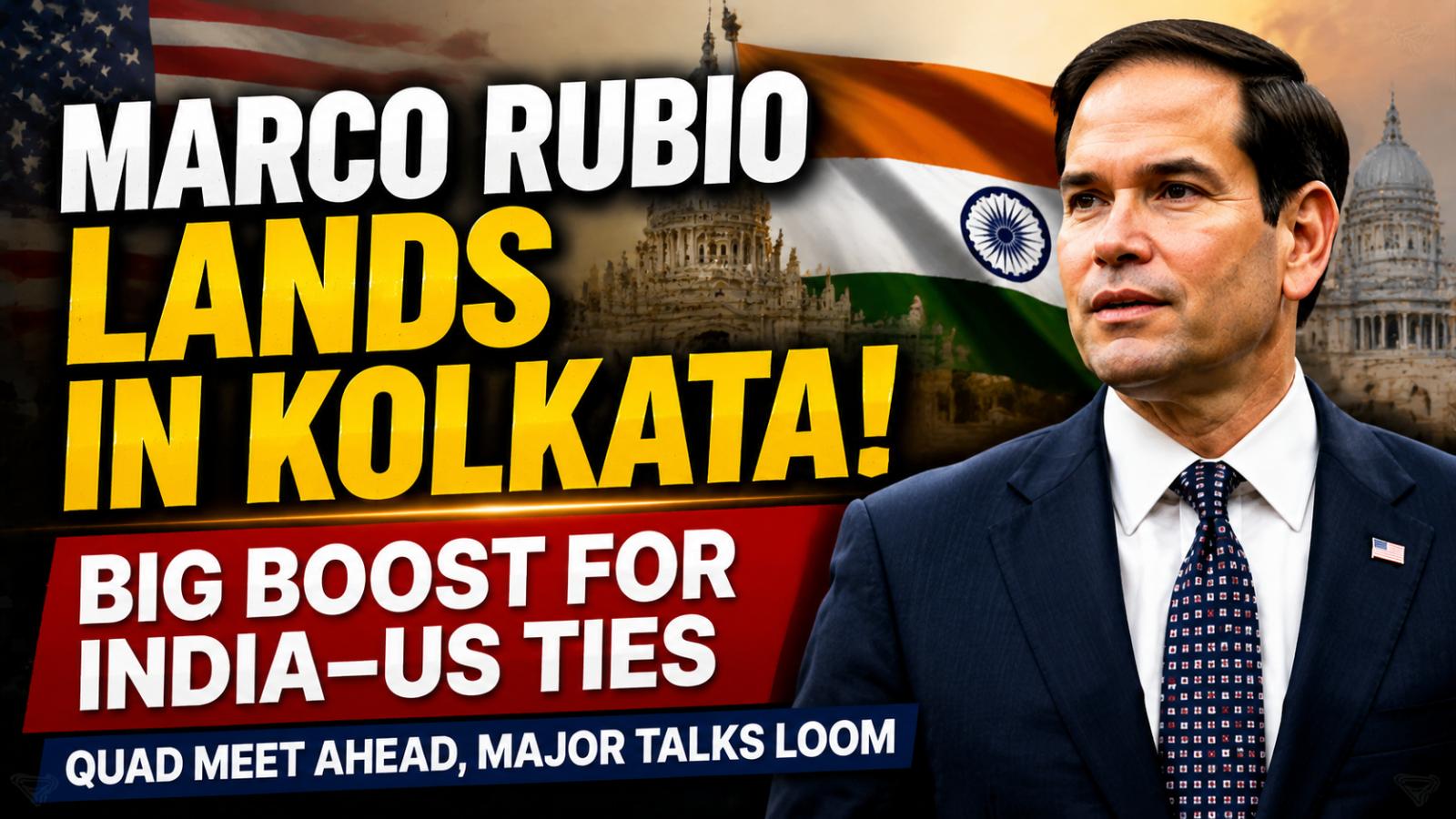
US Secretary of State Marco Rubio arrived in Kolkata on Saturday, May 23, marking his first official visit to India. The trip represents a significant step in strengthening bilateral relations between Washington and New Delhi, especially amid rising geopolitical tensions across the Indo-Pacific and West Asia. Rubio’s visit comes just days ahead of the QUAD foreign ministers
Marco Rubio Arrives in India for Strategic Talks
US Secretary of State Marco Rubio arrived in Kolkata on Saturday, May 23, marking his first official visit to India. The trip represents a significant step in strengthening bilateral relations between Washington and New Delhi, especially amid rising geopolitical tensions across the Indo-Pacific and West Asia. Rubio’s visit comes just days ahead of the QUAD foreign ministers
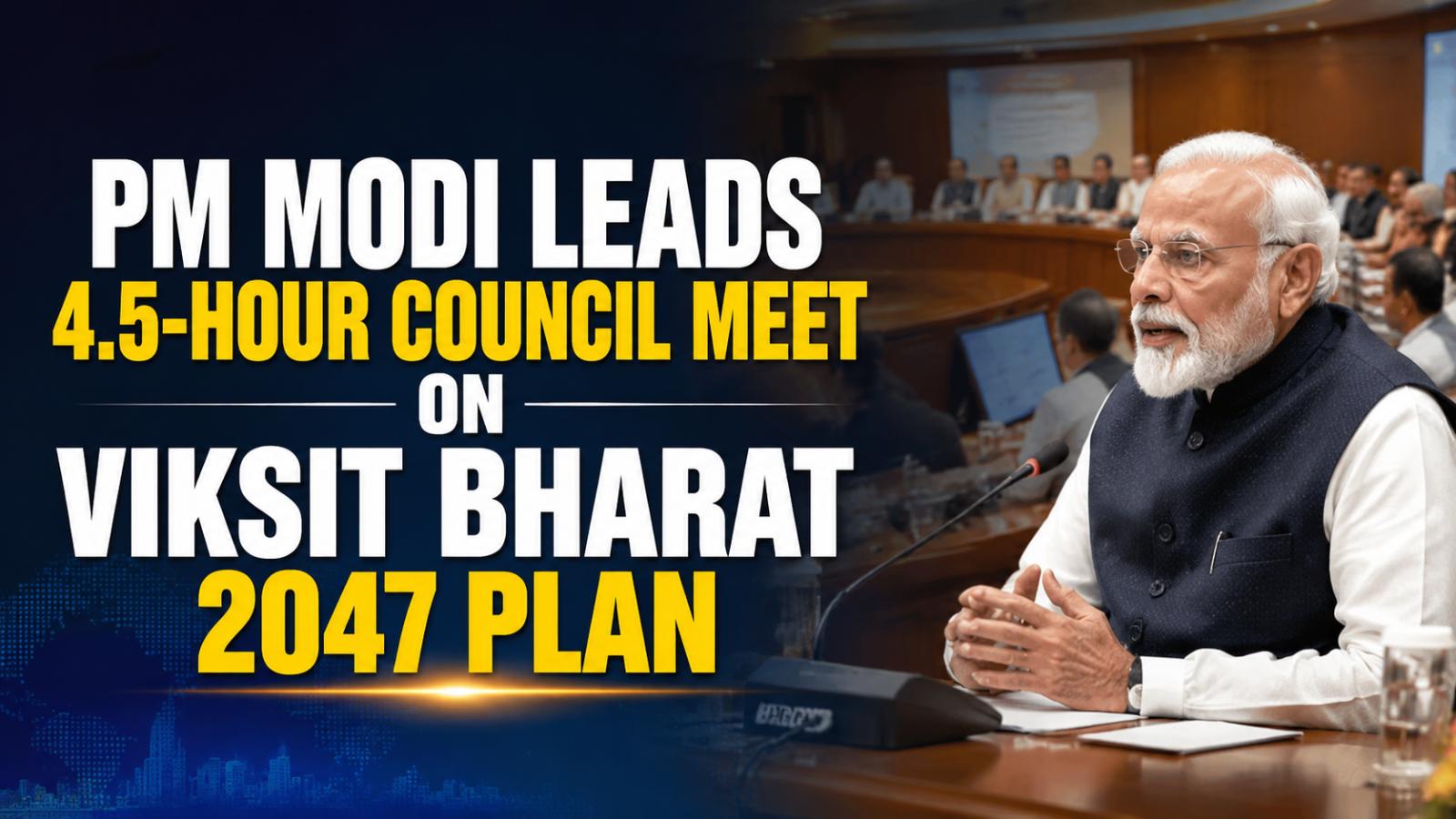
Prime Minister Narendra Modi chaired a focused Council of Ministers meeting lasting around 4.5 hours, demonstrating India’s commitment to achieving the long-term Viksit Bharat 2047 development plan. Senior cabinet ministers discussed strategies for administrative reform, governance efficiency, and citizen-centric initiatives.
Key Focus Areas of the Meeting
Administrative Reforms: Streamlining government services, reducing bureaucrac
Prime Minister Narendra Modi chaired a focused Council of Ministers meeting lasting around 4.5 hours, demonstrating India’s commitment to achieving the long-term Viksit Bharat 2047 development plan. Senior cabinet ministers discussed strategies for administrative reform, governance efficiency, and citizen-centric initiatives.
Key Focus Areas of the Meeting
Administrative Reforms: Streamlining government services, reducing bureaucrac
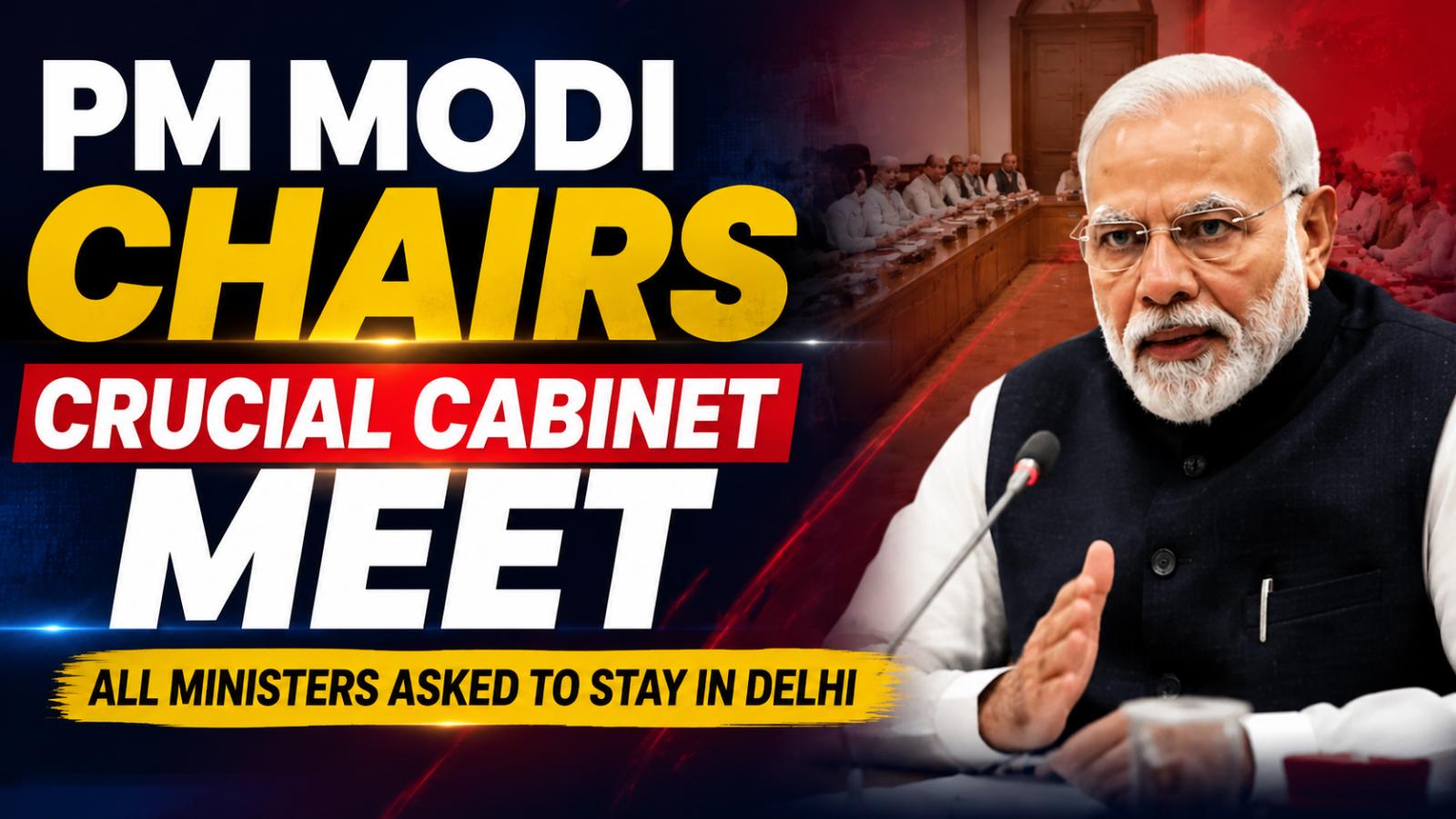
Prime Minister Narendra Modi is set to chair a crucial Council of Ministers meeting at Seva Teerth in Delhi at 4 pm on Thursday. All Union ministers, including Cabinet ministers, ministers of state with independent charge, and ministers of state, have been asked to remain in the capital during this period. The meeting comes immediately after PM Modi’s foreign visit and is expected to cover governance priorities, regional geopolitical developments, and possible political changes within the g
Prime Minister Narendra Modi is set to chair a crucial Council of Ministers meeting at Seva Teerth in Delhi at 4 pm on Thursday. All Union ministers, including Cabinet ministers, ministers of state with independent charge, and ministers of state, have been asked to remain in the capital during this period. The meeting comes immediately after PM Modi’s foreign visit and is expected to cover governance priorities, regional geopolitical developments, and possible political changes within the g
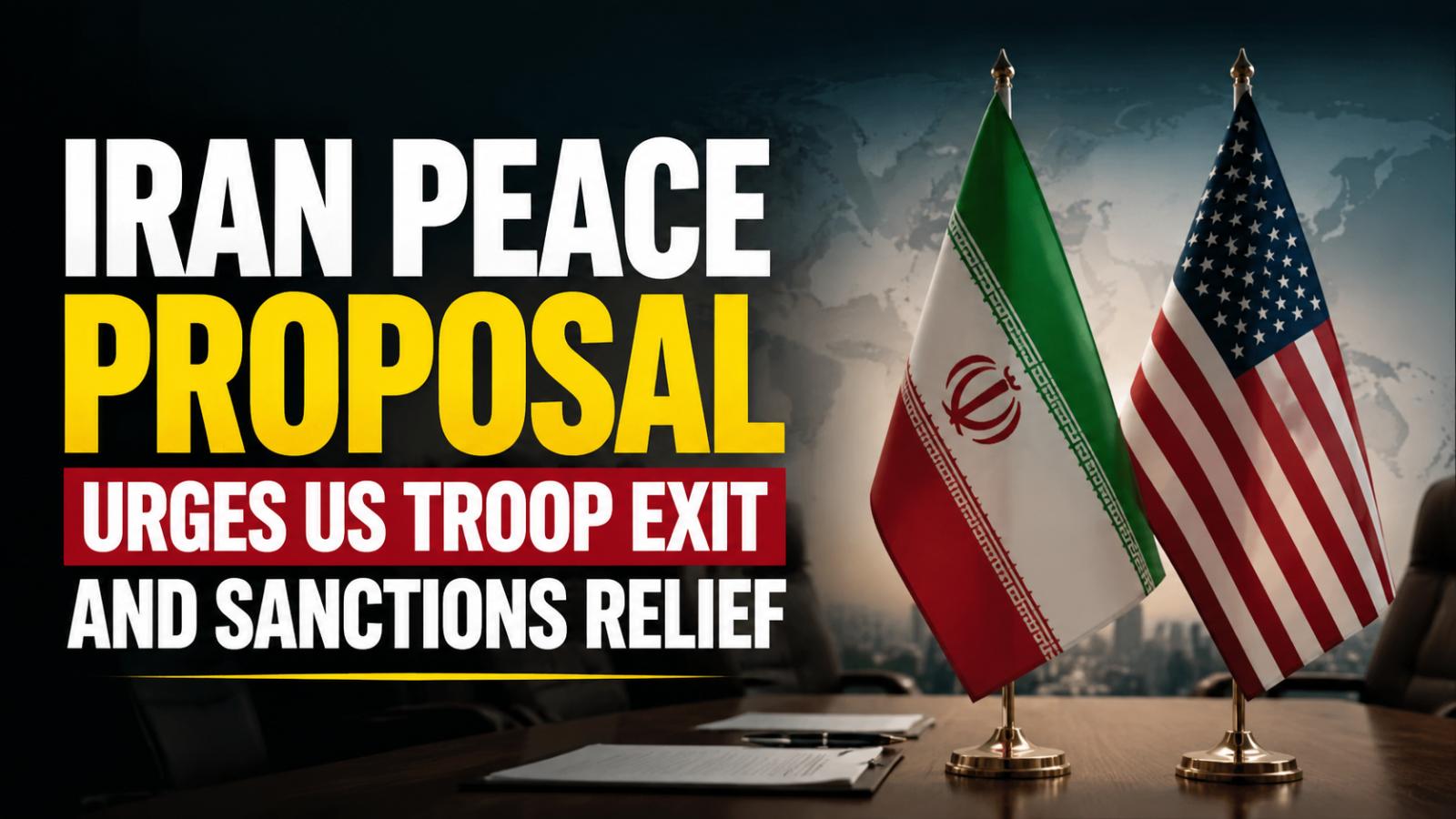
Iran has presented a comprehensive peace plan to the United States, aiming to end hostilities in Lebanon and across the region. The proposal calls for the withdrawal of US forces near Iranian borders, reparations for conflict damages, lifting of economic sanctions, release of frozen funds, and the removal of the US naval blockade from Iranian ports. Deputy Foreign Minister Kazem Gharibabadi highlighted that Tehran’s plan is designed to foster lasting peace in West Asia through diplomacy and
Iran has presented a comprehensive peace plan to the United States, aiming to end hostilities in Lebanon and across the region. The proposal calls for the withdrawal of US forces near Iranian borders, reparations for conflict damages, lifting of economic sanctions, release of frozen funds, and the removal of the US naval blockade from Iranian ports. Deputy Foreign Minister Kazem Gharibabadi highlighted that Tehran’s plan is designed to foster lasting peace in West Asia through diplomacy and
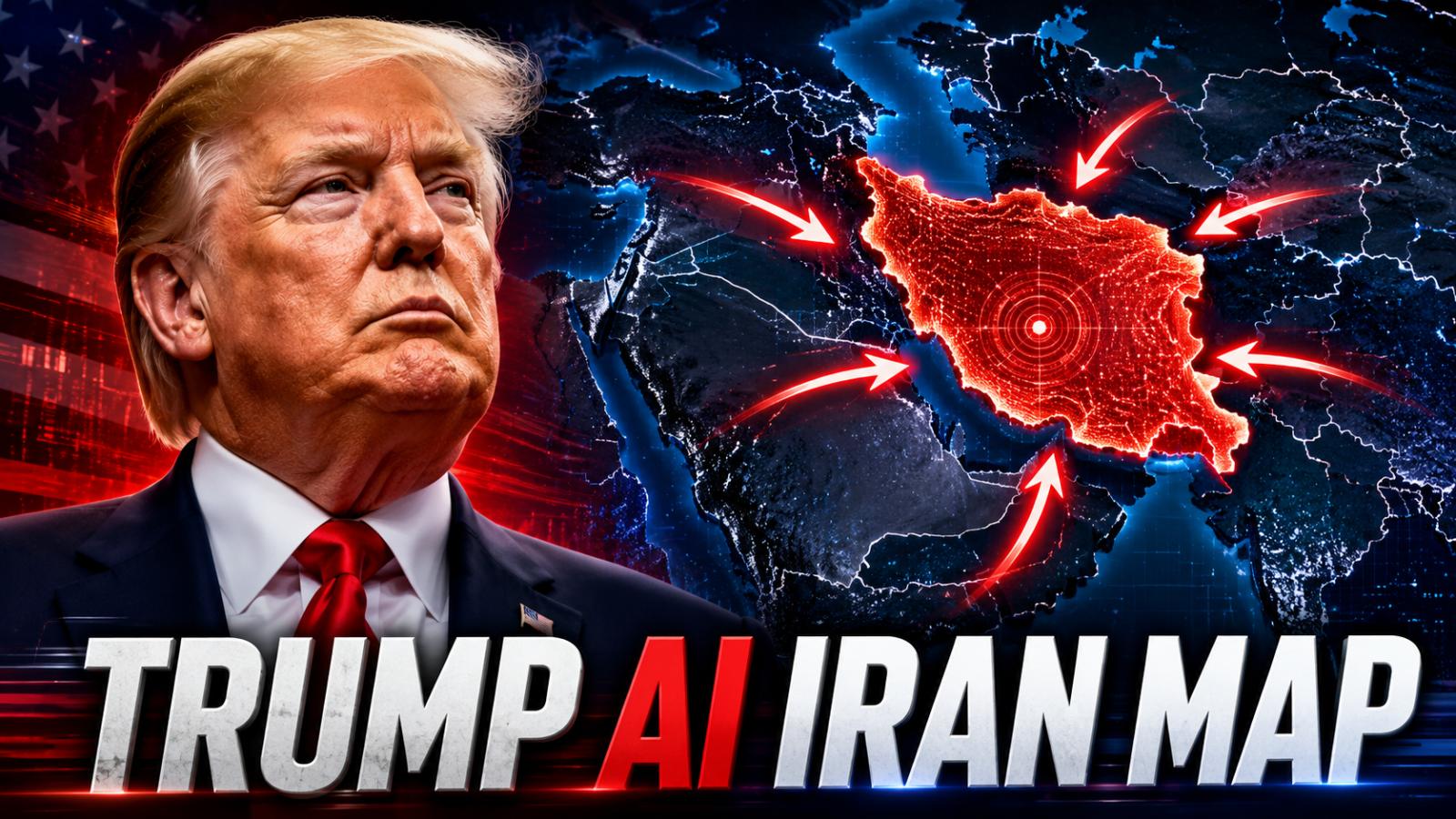
On May 17, 2026, US President Donald Trump posted a strong warning about Iran on Truth Social, saying that Iran needed to move fast toward an agreement and that time was running out. On May 18, 2026, another post featuring an AI-style map of West Asia gained attention because it showed arrows pointing toward Iran along with the American flag. The image quickly became a talking point because it appeared during a sensitive moment in US-Iran relations.
On May 17, 2026, US President Donald Trump posted a strong warning about Iran on Truth Social, saying that Iran needed to move fast toward an agreement and that time was running out. On May 18, 2026, another post featuring an AI-style map of West Asia gained attention because it showed arrows pointing toward Iran along with the American flag. The image quickly became a talking point because it appeared during a sensitive moment in US-Iran relations.
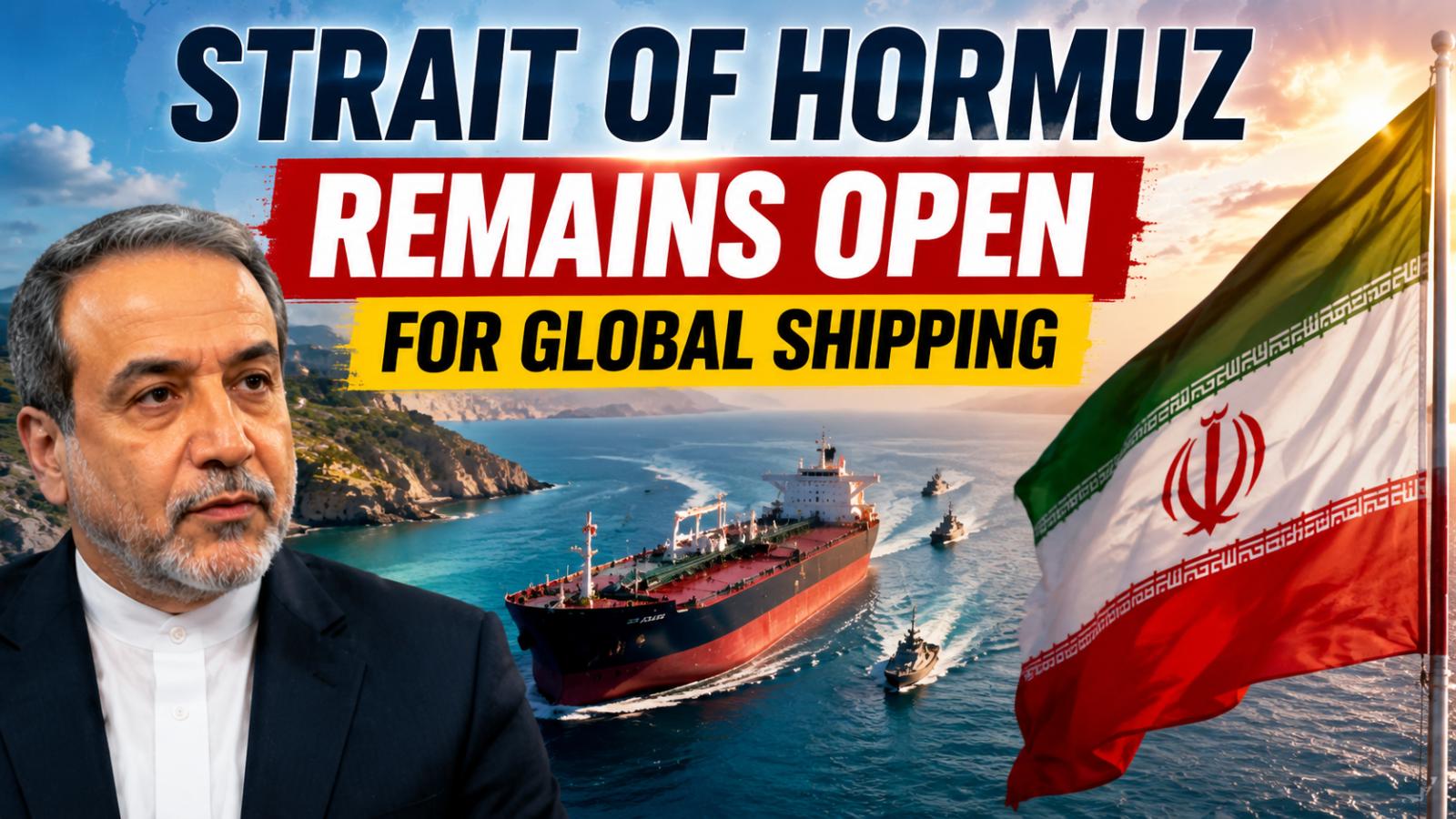
Iranian Foreign Minister Seyyed Abbas Araghchi confirmed that the Strait of Hormuz remains open to international shipping, except for vessels from countries currently at war with Iran. Speaking in New Delhi, Araghchi emphasized that Tehran prioritizes safe navigation through this vital maritime corridor.
Strategic Importance of the Strait
The minister highlighted the strait’s significance for oil, gas, and global trade. With a substantial share of worl
Iranian Foreign Minister Seyyed Abbas Araghchi confirmed that the Strait of Hormuz remains open to international shipping, except for vessels from countries currently at war with Iran. Speaking in New Delhi, Araghchi emphasized that Tehran prioritizes safe navigation through this vital maritime corridor.
Strategic Importance of the Strait
The minister highlighted the strait’s significance for oil, gas, and global trade. With a substantial share of worl
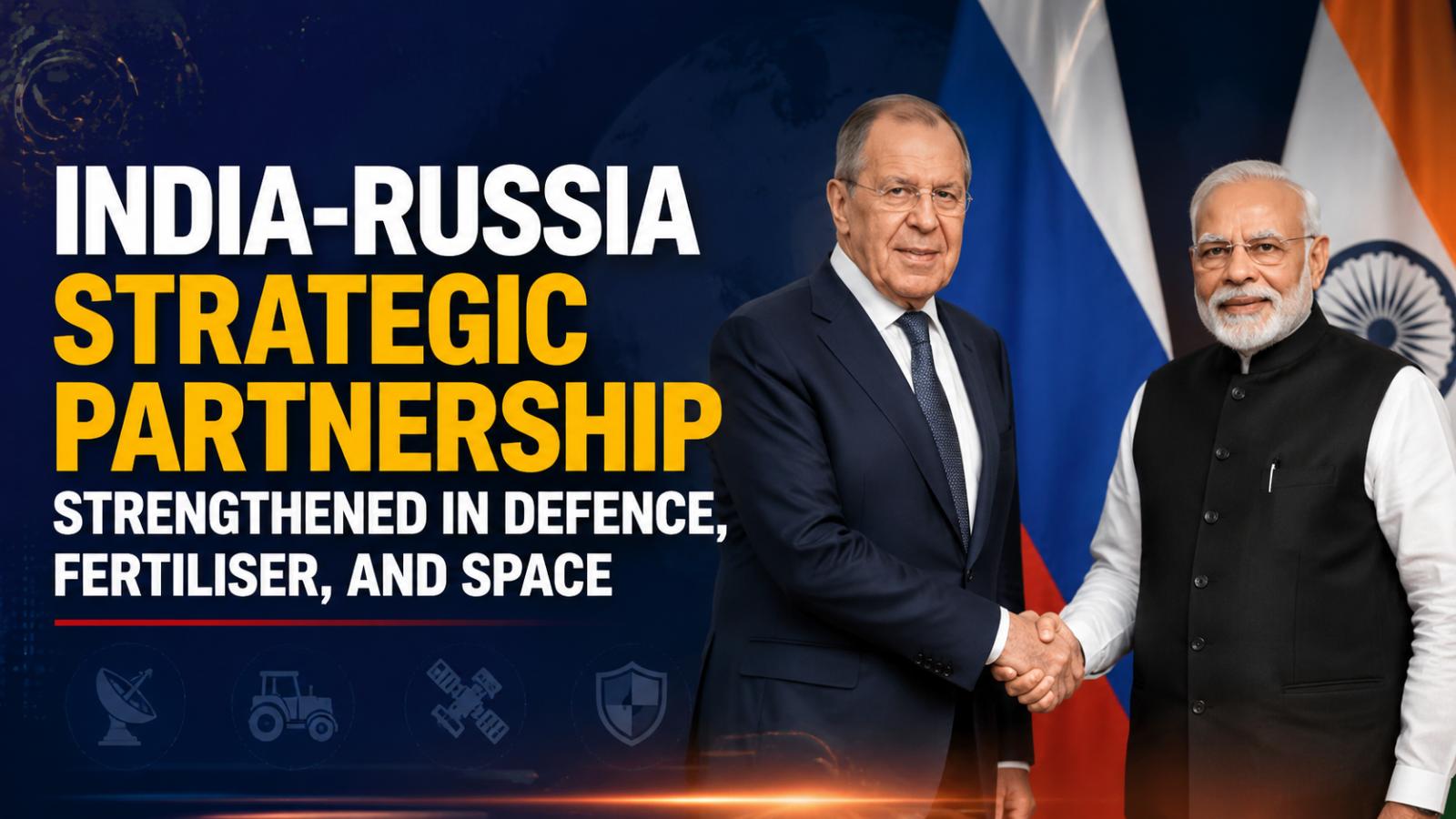
During the BRICS Foreign Ministers’ Meeting in India, Russian Foreign Minister Sergey Lavrov held extensive discussions with Indian leaders, focusing on defence cooperation, fertiliser trade, and space collaboration. The meetings reinforced the India-Russia strategic partnership, building on previous agreements from the India-Russia summit and bilateral discussions between Prime Minister Narendra Mo
During the BRICS Foreign Ministers’ Meeting in India, Russian Foreign Minister Sergey Lavrov held extensive discussions with Indian leaders, focusing on defence cooperation, fertiliser trade, and space collaboration. The meetings reinforced the India-Russia strategic partnership, building on previous agreements from the India-Russia summit and bilateral discussions between Prime Minister Narendra Mo
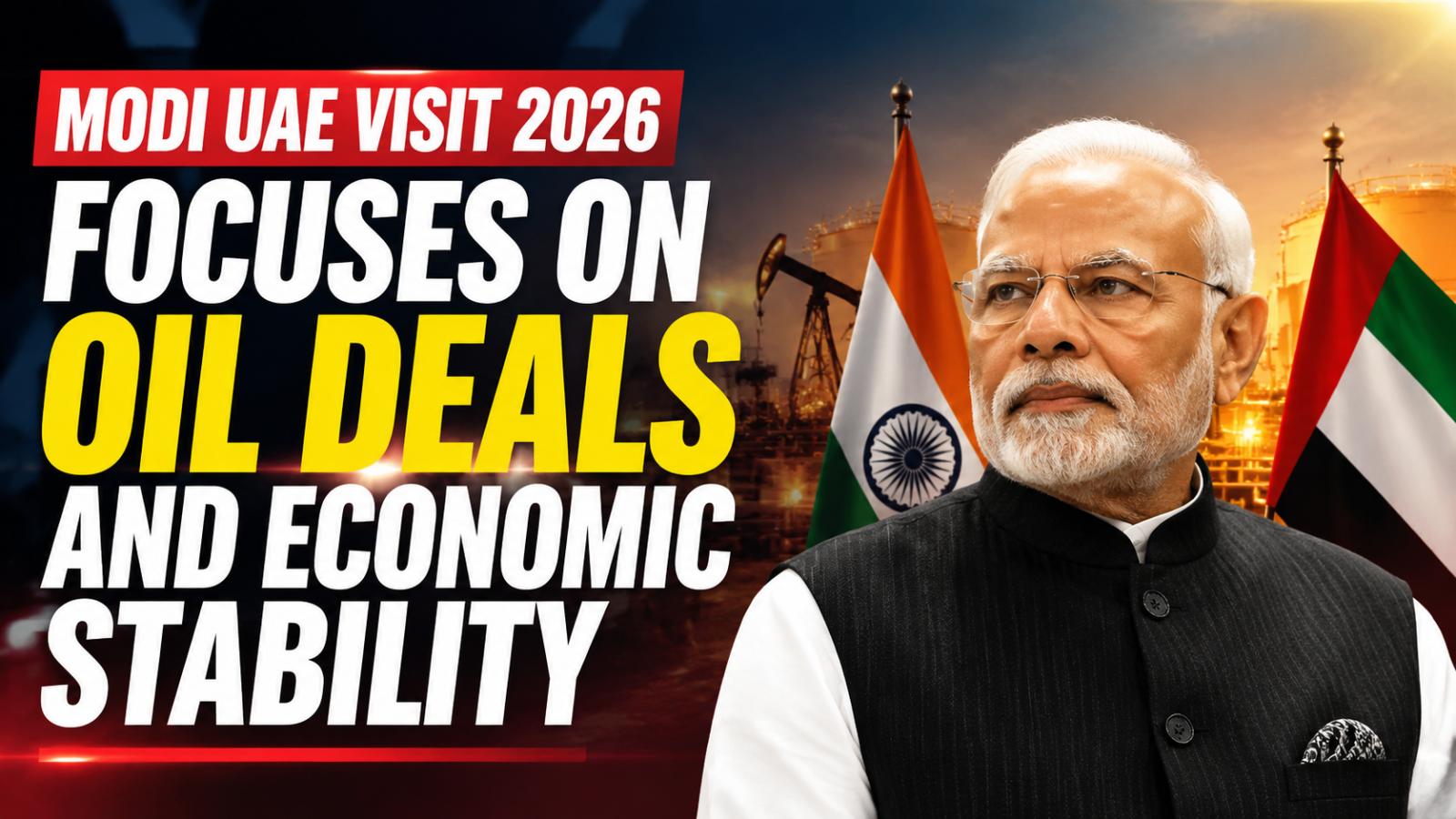
Prime Minister Modi’s brief UAE visit on May 15, 2026, focuses on securing oil, LPG, and trade deals to stabilize India’s economy amid West Asia tensions. The trip aims to protect citizens from rising fuel prices and strengthen strategic energy partnerships.
Modi’s UAE Visit: A Crucial Energy Mission
On May 15, 2026, Indian citizens witnessed a sudden petrol and diesel pri
Prime Minister Modi’s brief UAE visit on May 15, 2026, focuses on securing oil, LPG, and trade deals to stabilize India’s economy amid West Asia tensions. The trip aims to protect citizens from rising fuel prices and strengthen strategic energy partnerships.
Modi’s UAE Visit: A Crucial Energy Mission
On May 15, 2026, Indian citizens witnessed a sudden petrol and diesel pri
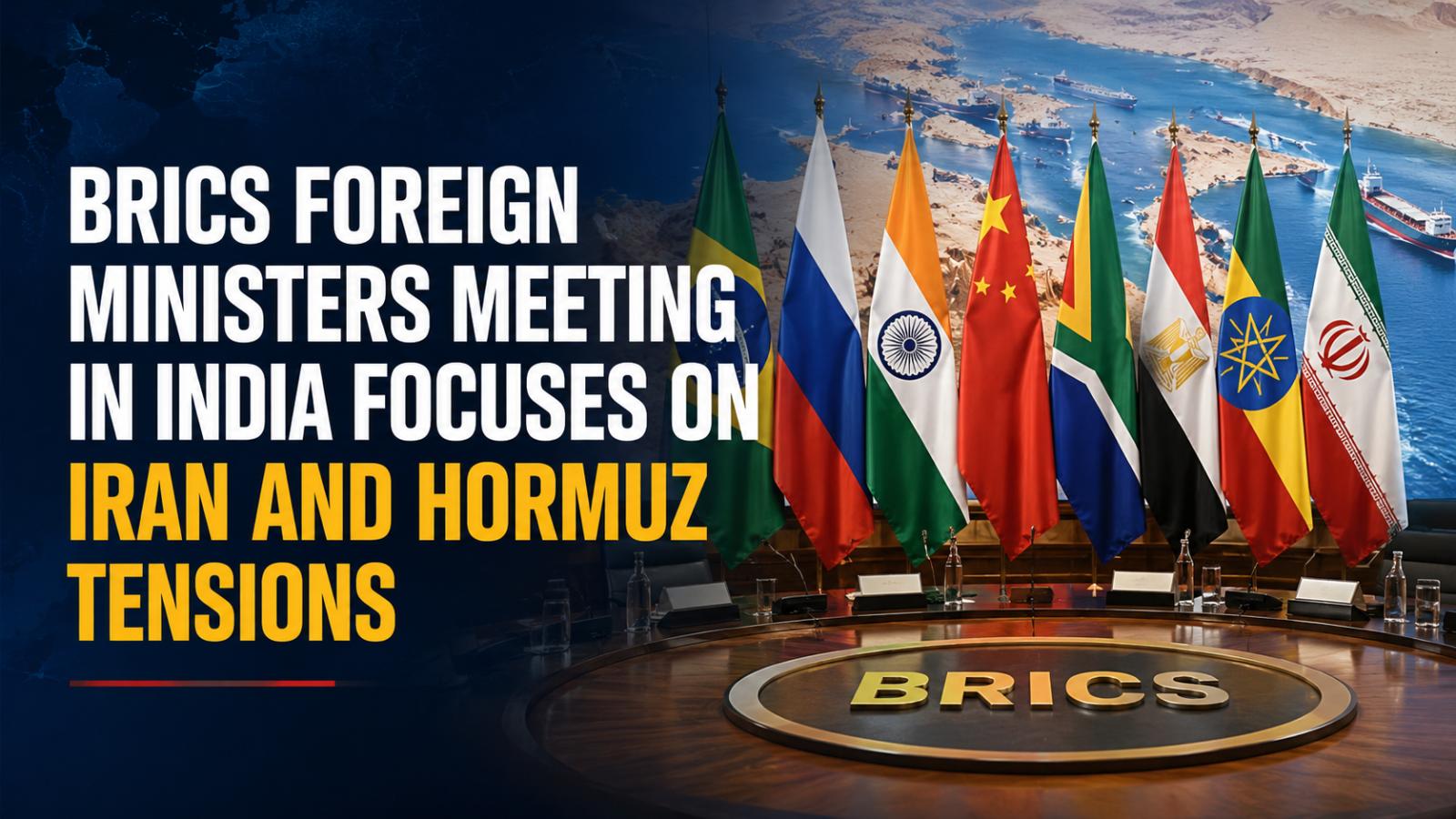
Iran’s Foreign Minister Seyed Abbas Araghchi will visit New Delhi this week to attend the BRICS foreign ministers’ meeting, where discussions are expected to focus on the growing West Asia crisis, regional stability, and global energy security. The two-day meeting, scheduled for May 14 and 15 under India’s BRICS chairmanship, comes at a time when tensions involving Iran, the United States, and Israel continue to affect the Strait of Hormuz and international oil markets. India, which dep
Iran’s Foreign Minister Seyed Abbas Araghchi will visit New Delhi this week to attend the BRICS foreign ministers’ meeting, where discussions are expected to focus on the growing West Asia crisis, regional stability, and global energy security. The two-day meeting, scheduled for May 14 and 15 under India’s BRICS chairmanship, comes at a time when tensions involving Iran, the United States, and Israel continue to affect the Strait of Hormuz and international oil markets. India, which dep
India-Israel Ties Take Cultural Spotlight In New Delhi
India-Israel ties were in focus in New Delhi as Israeli Ambassador Reuven Azar highlighted India’s Jewish heritage, cultural openness and growing people-to-people connection during a mural event linked to Zubin Mehta and the Israel Philharmonic Orchestra.
The newly commissioned mural at the Israeli Embassy celebrates Mehta’s long association with the Israel Philharmonic, which is marking its 90th
India-Israel Ties Take Cultural Spotlight In New Delhi
India-Israel ties were in focus in New Delhi as Israeli Ambassador Reuven Azar highlighted India’s Jewish heritage, cultural openness and growing people-to-people connection during a mural event linked to Zubin Mehta and the Israel Philharmonic Orchestra.
The newly commissioned mural at the Israeli Embassy celebrates Mehta’s long association with the Israel Philharmonic, which is marking its 90th
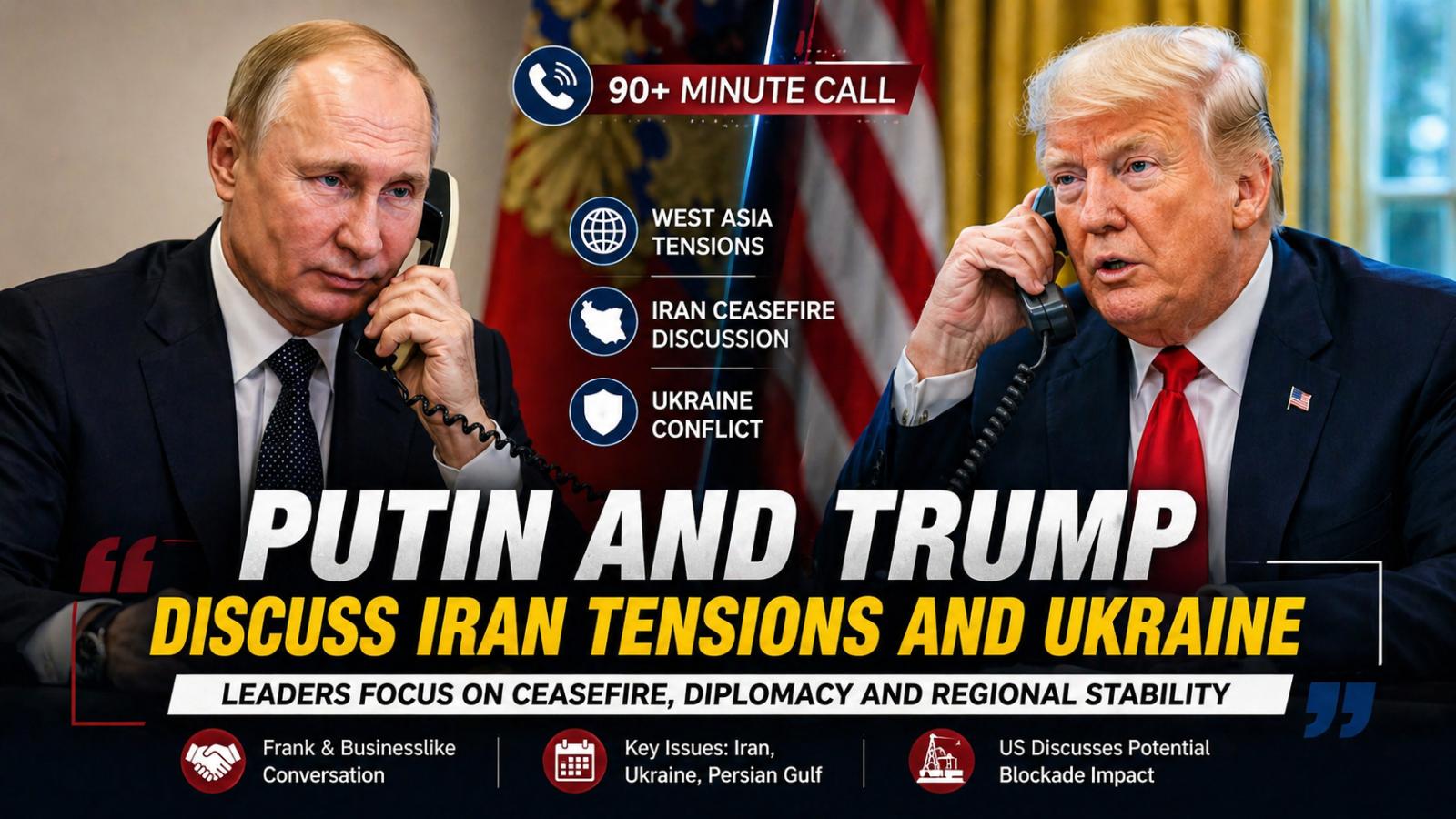
Russian President Vladimir Putin and US President Donald Trump held a 90-minute call on Iran, Ukraine, and Gulf tensions, discussing ceasefire efforts, diplomacy, and possible US actions on Iranian ports.
Putin and Trump discuss Iran tensions and Ukraine in lengthy phone call as Vladimir Putin held a phone conversation with Donald Trump addressing ongoing conflicts in West Asia and Ukraine, according to statements from the Kremlin. The discussion, confirmed by aide Yuri Ushakov on Wednesday, lasted more than 90 minutes and was described as both “frank” and “businesslike,” reflecting the seriousness of the geopolitical issues involved.
A central topic of the conversation was the situation in Iran and the broader Persian Gulf. Putin reportedly welcomed Trump’s decision to extend a ceasefire involving Iran, emphasizing that the move could provide critical time for diplomatic negotiations and help reduce escalating tensions across the region. The call highlighted mutual concerns about stability in key global energy corridors and the potential consequences of prolonged conflict.
According to a White House official, Trump also discussed strategies with U.S. oil companies to mitigate the economic and logistical impact of a possible long-term U.S. blockade targeting Iranian ports. The potential blockade, which could last for months, is part of broader efforts to pressure Tehran amid ongoing disputes over regional security and nuclear negotiations.
During the conversation, Trump urged Iranian leadership to act swiftly, signaling that diplomatic opportunities remain open but limited. His remarks underscored Washington’s push for a negotiated agreement while maintaining pressure through economic and strategic measures. The exchange between the two leaders reflects continued engagement between the United States and Russia on key international crises, even amid broader tensions in bilateral relations.
Russian President Vladimir Putin and US President Donald Trump held a 90-minute call on Iran, Ukraine, and Gulf tensions, discussing ceasefire efforts, diplomacy, and possible US actions on Iranian ports.
Putin and Trump discuss Iran tensions and Ukraine in lengthy phone call as Vladimir Putin held a phone conversation with Donald Trump addressing ongoing conflicts in West Asia and Ukraine, according to statements from the Kremlin. The discussion, confirmed by aide Yuri Ushakov on Wednesday, lasted more than 90 minutes and was described as both “frank” and “businesslike,” reflecting the seriousness of the geopolitical issues involved.
A central topic of the conversation was the situation in Iran and the broader Persian Gulf. Putin reportedly welcomed Trump’s decision to extend a ceasefire involving Iran, emphasizing that the move could provide critical time for diplomatic negotiations and help reduce escalating tensions across the region. The call highlighted mutual concerns about stability in key global energy corridors and the potential consequences of prolonged conflict.
According to a White House official, Trump also discussed strategies with U.S. oil companies to mitigate the economic and logistical impact of a possible long-term U.S. blockade targeting Iranian ports. The potential blockade, which could last for months, is part of broader efforts to pressure Tehran amid ongoing disputes over regional security and nuclear negotiations.
During the conversation, Trump urged Iranian leadership to act swiftly, signaling that diplomatic opportunities remain open but limited. His remarks underscored Washington’s push for a negotiated agreement while maintaining pressure through economic and strategic measures. The exchange between the two leaders reflects continued engagement between the United States and Russia on key international crises, even amid broader tensions in bilateral relations.
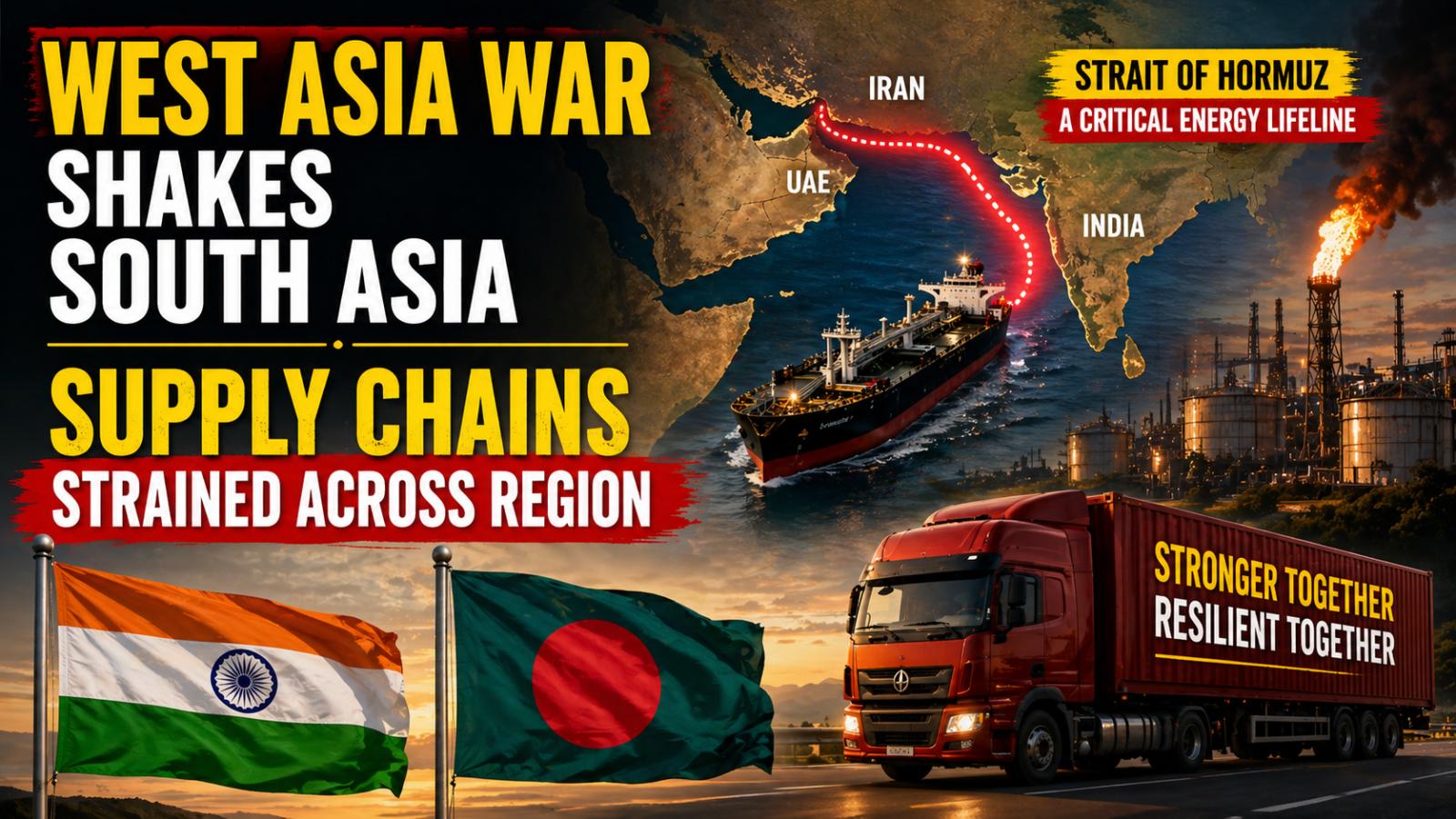
The war in West Asia and disruptions in the Strait of Hormuz have triggered widespread supply chain instability across South Asia, affecting energy security, economic stability, and regional cooperation. Countries across the subcontinent, heavily reliant on hydrocarbon imports from West Asia, are facing rising costs, reduced industrial competitiveness, and increased household expenditures as critical supply routes remain constrained.
Fuel shortages and economic strain acros
The war in West Asia and disruptions in the Strait of Hormuz have triggered widespread supply chain instability across South Asia, affecting energy security, economic stability, and regional cooperation. Countries across the subcontinent, heavily reliant on hydrocarbon imports from West Asia, are facing rising costs, reduced industrial competitiveness, and increased household expenditures as critical supply routes remain constrained.
Fuel shortages and economic strain acros
Hackers claim to leak thousands of records
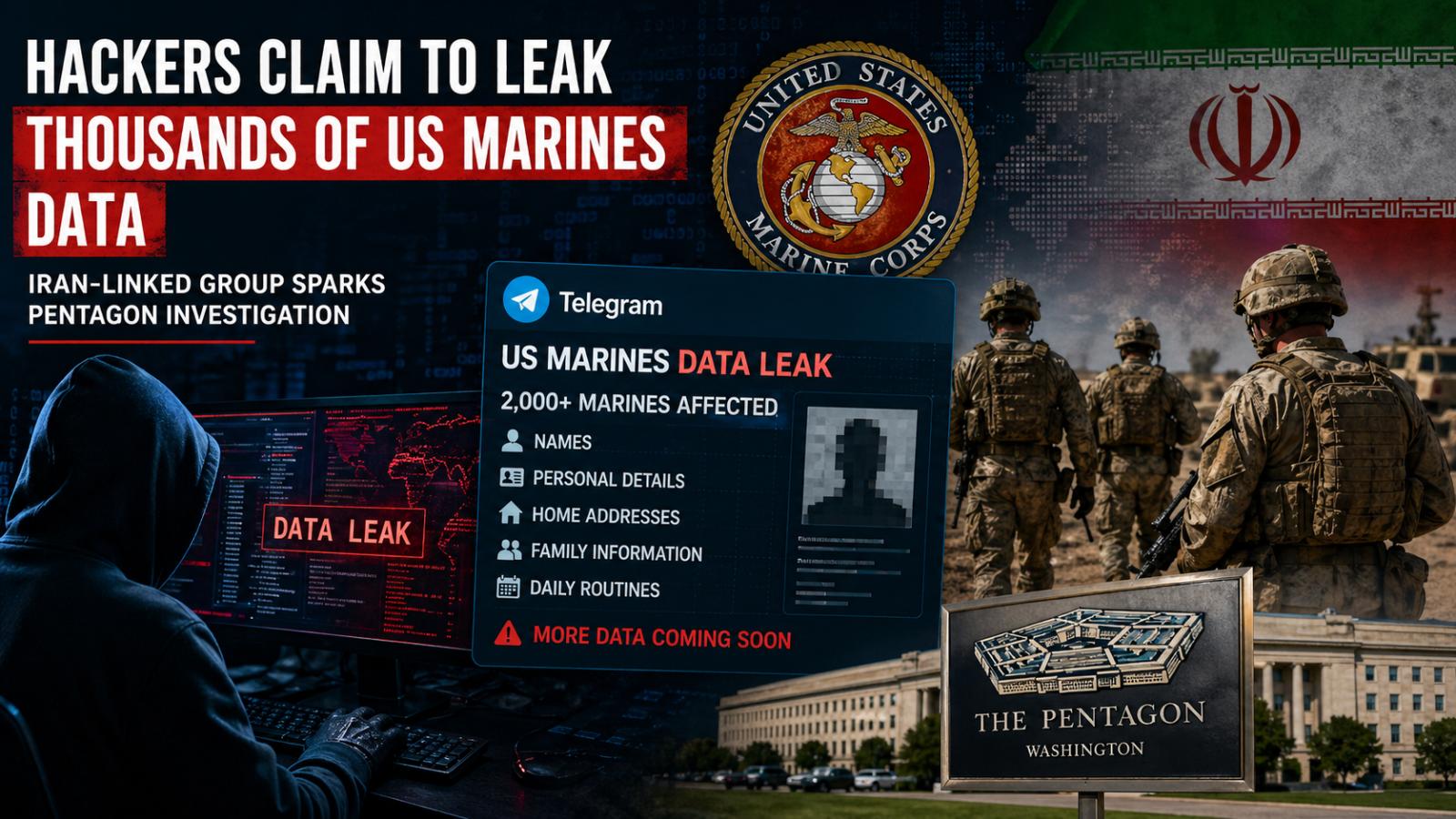
A hacker group reportedly linked to Iran has claimed responsibility for leaking sensitive personal data of thousands of US Marines deployed in West Asia, triggering an investigation by the US Department of Defense. Reports indicate that the breach involved the release of names and personal details belonging to more than 2,000 Marines, raising serious concerns about military cybersecurity and operational safety.
According to The Wall Street Journal, the leaked dataset included records of over 2,000 personnel, while another report suggested the number could be as high as 2,379. The group claiming responsibility has been identified as Handala, also known as Hanzala, which has previously been associated with cyber activities targeting Western interests.
Details of leaked information and surveillance claims
The hackers reportedly published the data on a channel on Telegram, presenting it as proof of their surveillance capabilities. The exposed information allegedly includes names and potentially other identifying details of US Marines stationed in the region. Reports also indicate that US troops received warning messages via WhatsApp, claiming they were being monitored and could be targeted.
The group further asserted that it possesses additional sensitive data, including home addresses, family details, and daily routines of American personnel. It warned that more information could be released in the future, escalating concerns about the safety of military members and their families.
Rising geopolitical tensions amplify cybersecurity risks
The reported breach comes amid heightened tensions between the United States and Iran. The incident underscores growing cybersecurity threats tied to geopolitical rivalries, particularly in regions where US forces are actively deployed. Analysts say such cyber operations can serve both as intelligence-gathering efforts and psychological pressure tactics.
Trump comments add to diplomatic strain
Amid these developments, Donald Trump commented on relations with Iran, stating that the country had reached out to the United States regarding reopening the Strait of Hormuz. In posts on his social media platform, Trump described Iran as being in a “state of collapse” and criticized its handling of negotiations over a non-nuclear agreement.
The convergence of cyber threats and diplomatic friction highlights the evolving nature of modern conflict, where digital attacks increasingly accompany traditional geopolitical disputes.
Hackers claim to leak thousands of records
A hacker group reportedly linked to Iran has claimed responsibility for leaking sensitive personal data of thousands of US Marines deployed in West Asia, triggering an investigation by the US Department of Defense. Reports indicate that the breach involved the release of names and personal details belonging to more than 2,000 Marines, raising serious concerns about military cybersecurity and operational safety.
According to The Wall Street Journal, the leaked dataset included records of over 2,000 personnel, while another report suggested the number could be as high as 2,379. The group claiming responsibility has been identified as Handala, also known as Hanzala, which has previously been associated with cyber activities targeting Western interests.
Details of leaked information and surveillance claims
The hackers reportedly published the data on a channel on Telegram, presenting it as proof of their surveillance capabilities. The exposed information allegedly includes names and potentially other identifying details of US Marines stationed in the region. Reports also indicate that US troops received warning messages via WhatsApp, claiming they were being monitored and could be targeted.
The group further asserted that it possesses additional sensitive data, including home addresses, family details, and daily routines of American personnel. It warned that more information could be released in the future, escalating concerns about the safety of military members and their families.
Rising geopolitical tensions amplify cybersecurity risks
The reported breach comes amid heightened tensions between the United States and Iran. The incident underscores growing cybersecurity threats tied to geopolitical rivalries, particularly in regions where US forces are actively deployed. Analysts say such cyber operations can serve both as intelligence-gathering efforts and psychological pressure tactics.
Trump comments add to diplomatic strain
Amid these developments, Donald Trump commented on relations with Iran, stating that the country had reached out to the United States regarding reopening the Strait of Hormuz. In posts on his social media platform, Trump described Iran as being in a “state of collapse” and criticized its handling of negotiations over a non-nuclear agreement.
The convergence of cyber threats and diplomatic friction highlights the evolving nature of modern conflict, where digital attacks increasingly accompany traditional geopolitical disputes.