UAE’s exit from OPEC may boost oil supply, ease prices, and strengthen India energy ties, while raising volatility risks in global markets amid geopolitical tensions.
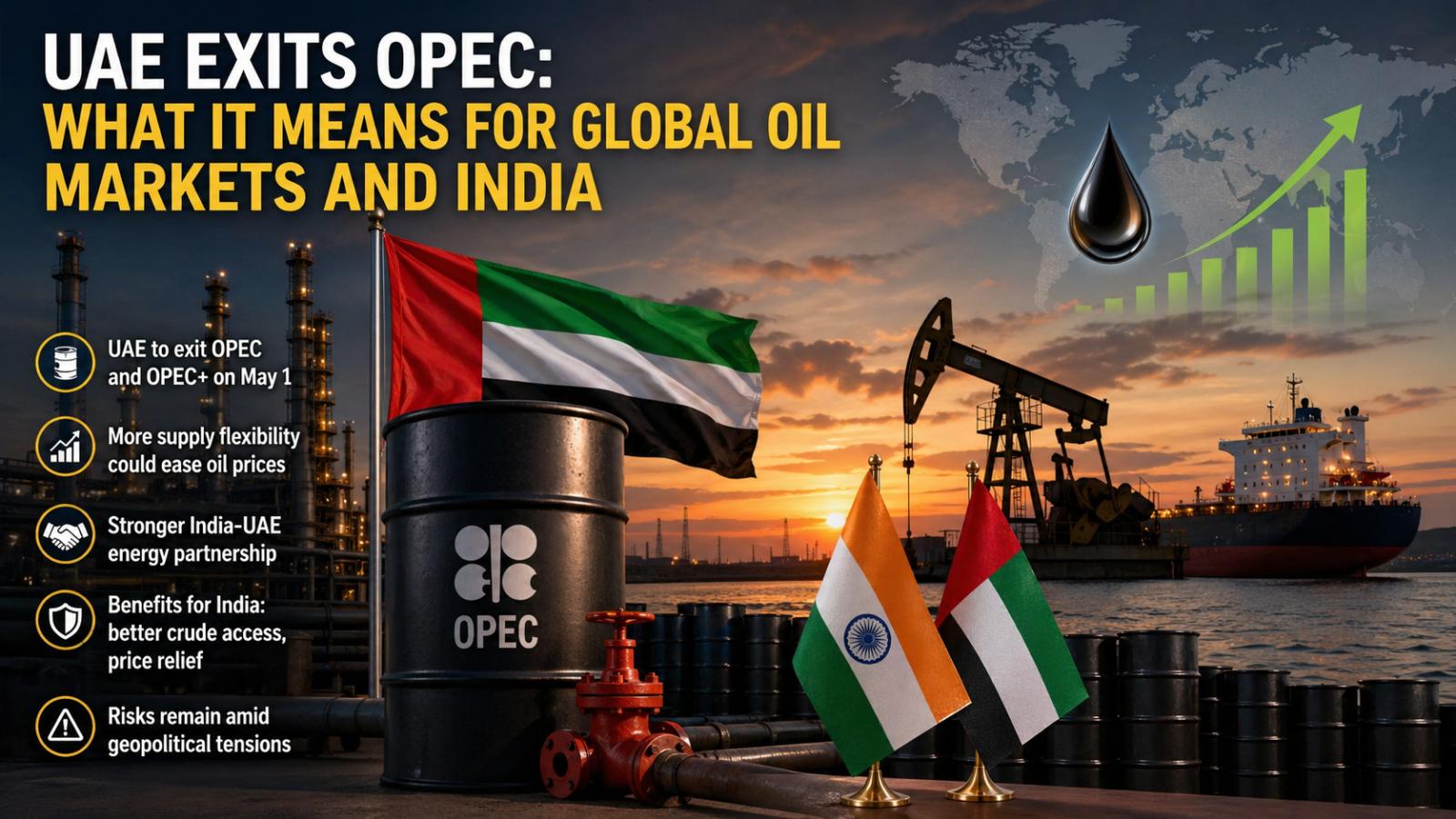
Will UAE leaving OPEC lower oil prices? Yes, it could ease global supply pressure as the United Arab Emirates prepares to formally exit Organization of the Petroleum Exporting Countries and OPEC+ on May 1, marking a major shift in global energy markets. The decision ends nearly six decades of membership and allows the UAE to move beyond production quotas at a time of supply strain linked to tensions across West Asia.
UAE exit signals shift in global oil supply dynamics
The departure gives the UAE, one of the world’s most efficient low-cost producers, greater flexibility to increase output. With global demand estimated at 102 to 103 million barrels per day, even modest supply increases could influence pricing trends. Analysts suggest that a production boost of 0.5 to 1 million barrels per day may reduce crude prices by $5 to $10 per barrel, depending on demand conditions.
Growing India-UAE energy trade gains momentum
India stands to benefit significantly from this shift. Crude imports from the UAE have risen from about $11 billion in FY2022 to nearly $14 billion in FY2026, with the UAE’s share of India’s imports increasing from 10.3% to 11.4%. This trend highlights deepening energy ties between the UAE and India, improving supply security as demand grows steadily at around 2% annually.
Production capacity expansion strengthens UAE position
The UAE currently produces between 3.2 and 3.4 million barrels per day and has installed capacity of around 4.2 million barrels per day. Plans to expand capacity to 5 million barrels per day by 2027 reinforce its long-term role as a major global supplier, supported by approximately 110 billion barrels of proven reserves.
OPEC cohesion faces structural challenges
The UAE’s exit represents a setback for OPEC’s ability to manage supply effectively. As a producer contributing roughly 12% of the group’s output, its departure weakens coordination, even as leading members like Saudi Arabia and Russia maintain influence within OPEC+.
Strategic ties and geopolitical risks remain
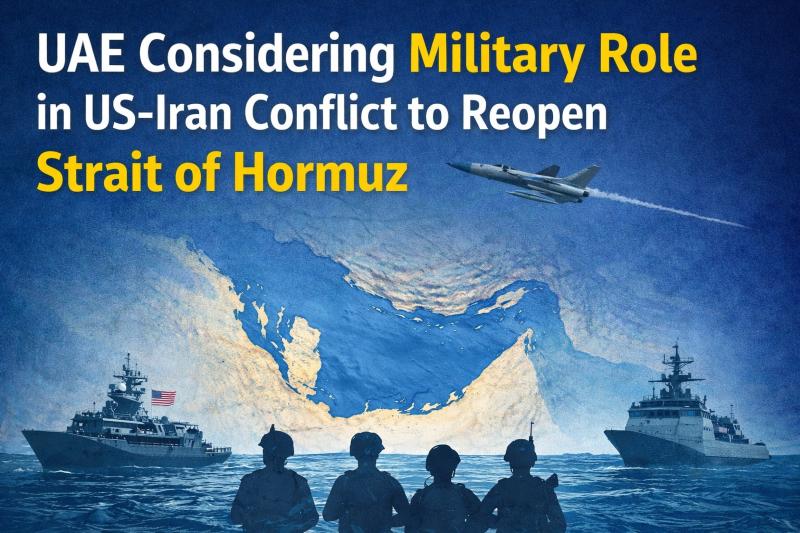
The move is expected to strengthen bilateral ties between India and the UAE, supported by recent high-level engagements involving Narendra Modi and UAE leadership. However, risks persist due to geopolitical tensions near critical supply routes such as the Strait of Hormuz, which could introduce short-term volatility.
Overall, the UAE’s exit signals a transition toward a more flexible oil market. While it offers India improved access and potential price relief, it also introduces uncertainty as global energy systems adjust to reduced coordination among major producers.