





Strait of Hormuz Shipping Deal Rules Out Transit Tolls
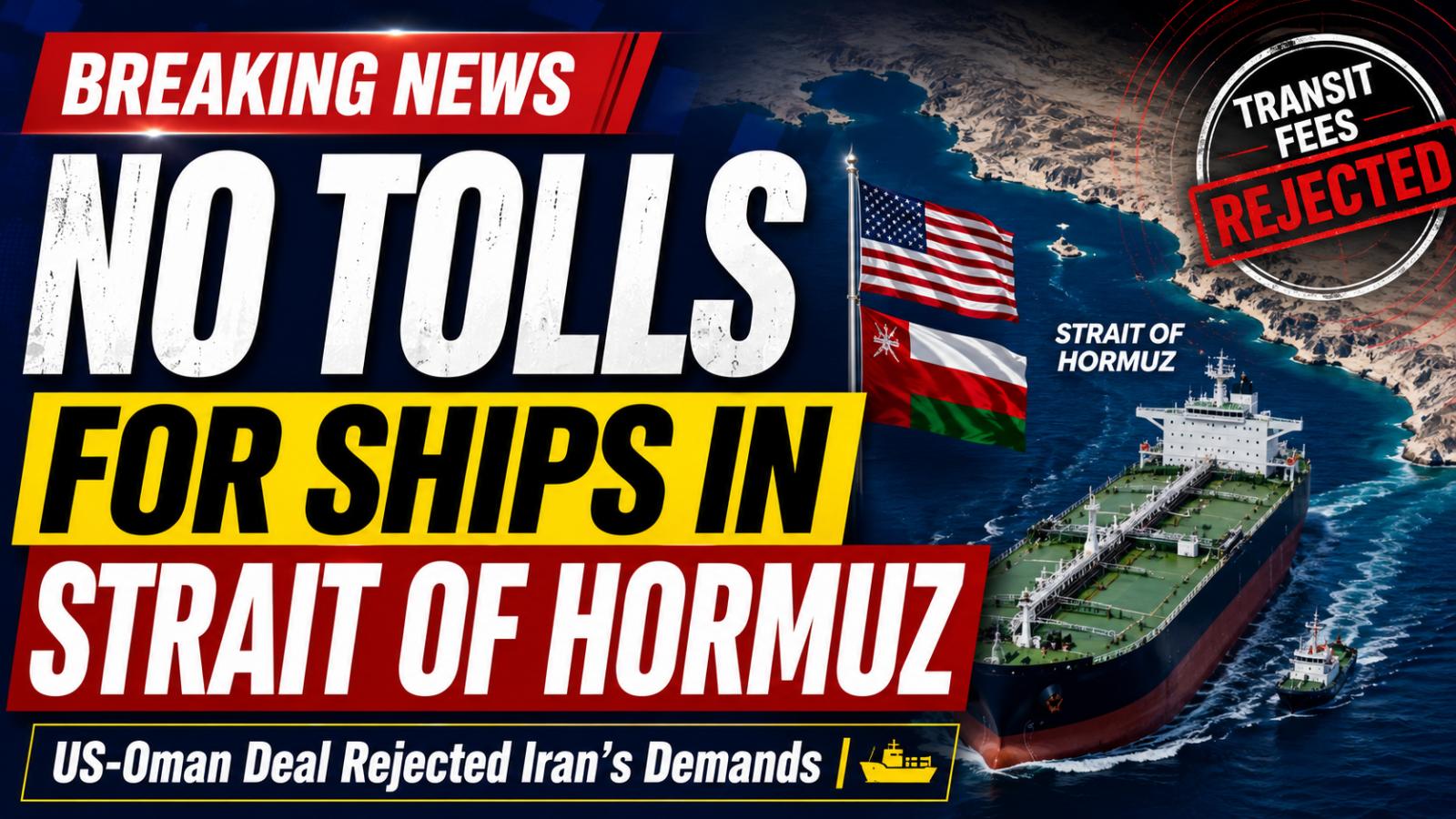
A proposed Strait of Hormuz shipping deal will not impose tolls or transit charges on commercial vessels, according to a US official familiar with negotiations involving Washington, Iran and Oman. The discussions seek to protect ship transit and restore confidence in the strategic waterway after conflict-related disruptions. Strait of Hormuz Shipping Deal Excludes Tolls Commercial ships passing
Strait of Hormuz Shipping Deal Rules Out Transit Tolls
A proposed Strait of Hormuz shipping deal will not impose tolls or transit charges on commercial vessels, according to a US official familiar with negotiations involving Washington, Iran and Oman. The discussions seek to protect ship transit and restore confidence in the strategic waterway after conflict-related disruptions. Strait of Hormuz Shipping Deal Excludes Tolls Commercial ships passing
IRGC Claims Two Oil Tankers Exploded Near Strait of Hormuz
IRGC claims two oil tankers exploded near the Strait of Hormuz after entering what it described as a mined area. The allegations, which have not been independently verified, come as military tensions between the United States and Iran continue to raise concerns over global shipping and energy security. IRGC Claims Two Oil Tankers Exploded Near Strait of Hormuz
IRGC Claims Two Oil Tankers Exploded Near Strait of Hormuz
IRGC claims two oil tankers exploded near the Strait of Hormuz after entering what it described as a mined area. The allegations, which have not been independently verified, come as military tensions between the United States and Iran continue to raise concerns over global shipping and energy security. IRGC Claims Two Oil Tankers Exploded Near Strait of Hormuz
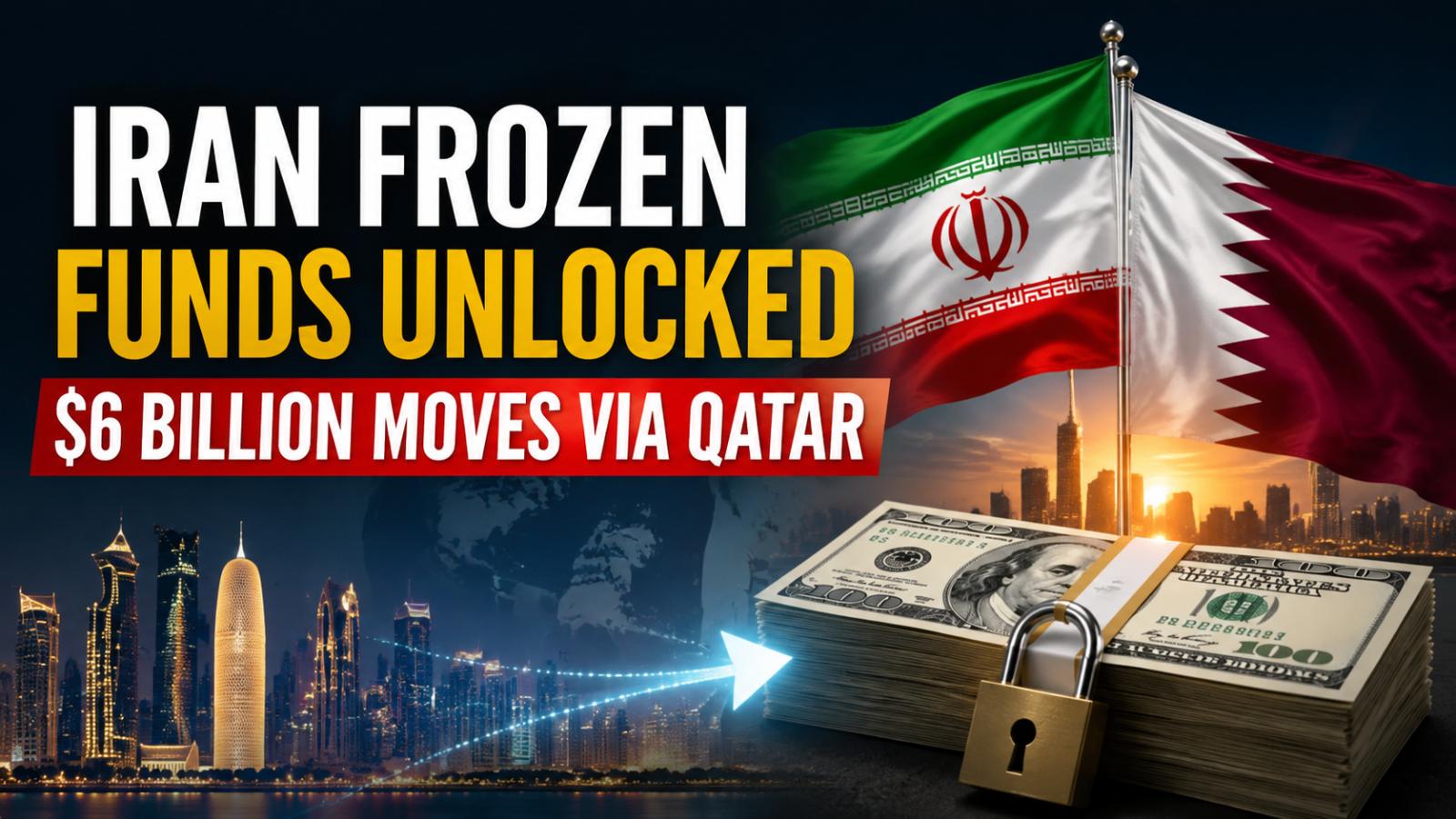
Iran frozen funds begin transfer via Qatar under deal talks
A phased release of long-restricted Iranian financial assets has begun under a monitored arrangement involving Qatar and the United States, marking a cautious shift in ongoing diplomatic engagement. Nearly $6 billion in previously inaccessible funds are being routed through controlled channels in Doha as part of a broader effort to ease financial pressure while maintaining oversight on compliance mechanisms. The development comes after months of indirect discussions aimed at stabilising tensions around energy exports, banking restrictions, and regional security concerns that have shaped Iran’s access to global markets. Structured financial transfer mechanism Officials familiar with the arrangement say the funds are not being released in a single transaction. Instead, they are being moved in stages through designated banking pathways in Qatar under strict monitoring conditions. The approach is designed to reduce systemic risk in international financial networks while allowing gradual access to blocked reserves. Qatar’s role as intermediary has been central due to its established diplomatic communication channels with both Tehran and Washington. The structure reflects an attempt to balance economic relief with regulatory safeguards, particularly in sectors linked to oil and petrochemical revenues that remain under sanctions pressure. Doha’s role in ongoing negotiations The latest financial movement is tied to continuing discussions in Doha, where technical teams are expected to refine implementation details of earlier understandings between involved parties. Qatari mediators have maintained active coordination to ensure communication remains open and to prevent breakdowns in the negotiation process. The talks are viewed as part of a wider diplomatic track that has periodically resurfaced amid regional tensions and shifting geopolitical priorities. While no final settlement has been confirmed, the current phase signals that both sides are still engaging through indirect channels rather than moving toward confrontation. Economic implications remain limited for now The partial release of funds may provide short-term liquidity support for Iran, but analysts caution that it does not represent a full resolution of broader economic constraints. Long-standing sanctions, limited access to global banking systems, and uncertainty in energy trade continue to shape the country’s financial outlook. Any meaningful improvement would depend on sustained diplomatic progress and longer-term policy alignment across negotiating parties. Outlook Qatar’s increasing role as a financial and diplomatic bridge highlights its growing influence in regional mediation efforts. However, the situation remains fluid, with outcomes dependent on how upcoming discussions in Doha evolve and whether trust between negotiating sides can be maintained through successive stages of implementation.
Iran frozen funds begin transfer via Qatar under deal talks
A phased release of long-restricted Iranian financial assets has begun under a monitored arrangement involving Qatar and the United States, marking a cautious shift in ongoing diplomatic engagement. Nearly $6 billion in previously inaccessible funds are being routed through controlled channels in Doha as part of a broader effort to ease financial pressure while maintaining oversight on compliance mechanisms. The development comes after months of indirect discussions aimed at stabilising tensions around energy exports, banking restrictions, and regional security concerns that have shaped Iran’s access to global markets. Structured financial transfer mechanism Officials familiar with the arrangement say the funds are not being released in a single transaction. Instead, they are being moved in stages through designated banking pathways in Qatar under strict monitoring conditions. The approach is designed to reduce systemic risk in international financial networks while allowing gradual access to blocked reserves. Qatar’s role as intermediary has been central due to its established diplomatic communication channels with both Tehran and Washington. The structure reflects an attempt to balance economic relief with regulatory safeguards, particularly in sectors linked to oil and petrochemical revenues that remain under sanctions pressure. Doha’s role in ongoing negotiations The latest financial movement is tied to continuing discussions in Doha, where technical teams are expected to refine implementation details of earlier understandings between involved parties. Qatari mediators have maintained active coordination to ensure communication remains open and to prevent breakdowns in the negotiation process. The talks are viewed as part of a wider diplomatic track that has periodically resurfaced amid regional tensions and shifting geopolitical priorities. While no final settlement has been confirmed, the current phase signals that both sides are still engaging through indirect channels rather than moving toward confrontation. Economic implications remain limited for now The partial release of funds may provide short-term liquidity support for Iran, but analysts caution that it does not represent a full resolution of broader economic constraints. Long-standing sanctions, limited access to global banking systems, and uncertainty in energy trade continue to shape the country’s financial outlook. Any meaningful improvement would depend on sustained diplomatic progress and longer-term policy alignment across negotiating parties. Outlook Qatar’s increasing role as a financial and diplomatic bridge highlights its growing influence in regional mediation efforts. However, the situation remains fluid, with outcomes dependent on how upcoming discussions in Doha evolve and whether trust between negotiating sides can be maintained through successive stages of implementation.
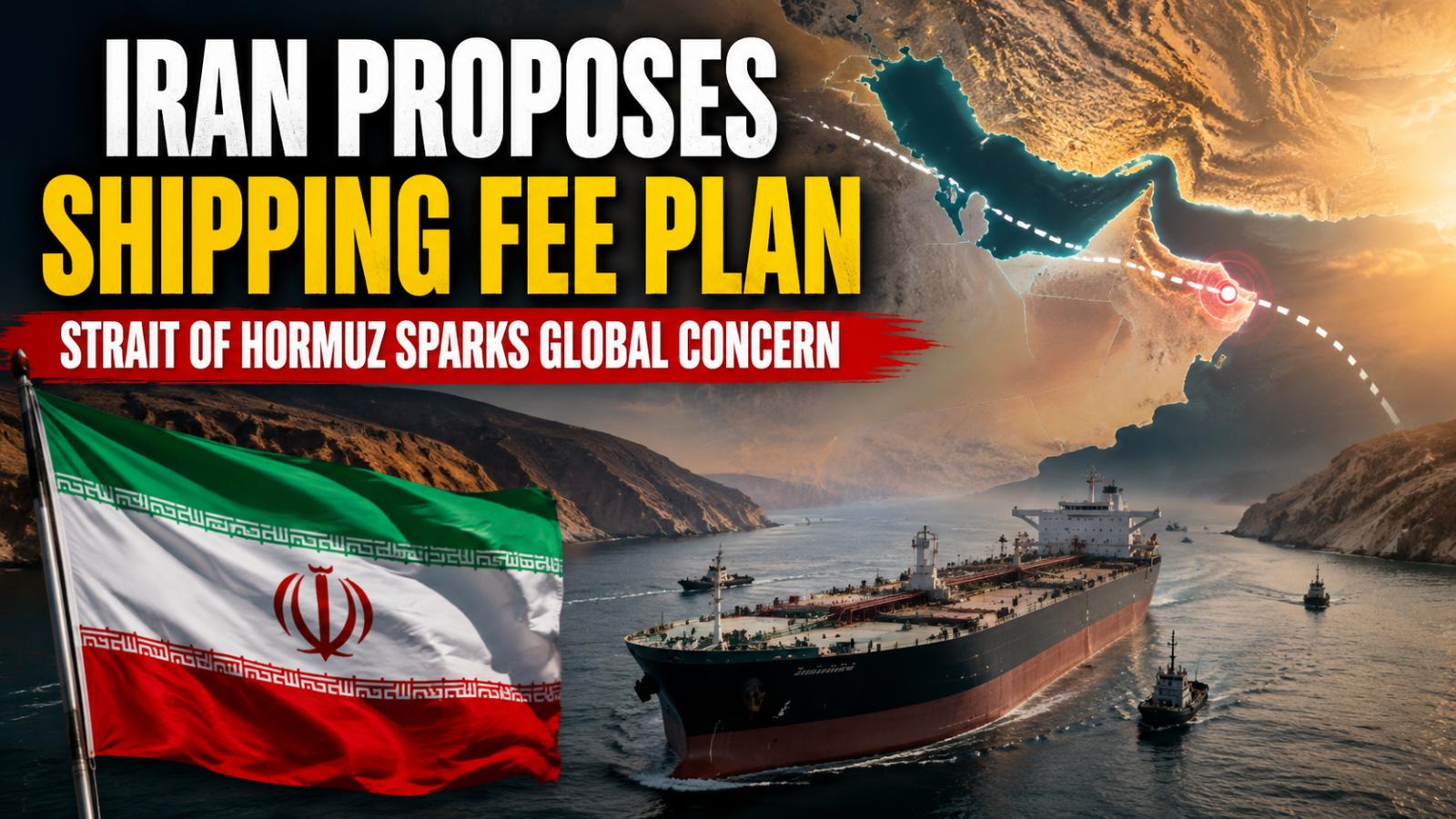
Iran proposal on shipping charges draws US criticism
A proposal linked to Iran suggesting charges on vessels passing through the Strait of Hormuz has triggered renewed international attention on one of the world’s most sensitive maritime corridors. The passage connects the Persian Gulf to open oceans and handles a major share of global crude oil shipments, making even minor policy changes capable of influencing energy markets. Proposed fee structure and stated objectives The idea under discussion involves introducing a structured fee system for ships using the route. The proposal frames the charges as payments for services such as navigation safety, maritime monitoring, and environmental management. Early estimates circulating in policy discussions suggest the mechanism could generate substantial annual revenue if implemented at scale. However, the concept also raises immediate legal and operational questions, particularly regarding jurisdiction over international waters and the practicality of enforcing such a system on heavily trafficked global shipping lanes. Regional outreach and diplomatic positioning Reports indicate that discussions around the proposal have included outreach to several regional and global stakeholders, including major energy-importing nations. The objective appears to be building support for a shared governance or cost-sharing model for maritime traffic management in the region. Some interpretations suggest the plan is part of a broader effort to increase regional leverage over strategic trade routes. Others view it as an attempt to formalize compensation mechanisms for security responsibilities in a highly militarized shipping corridor. International reaction and US opposition The proposal has drawn clear resistance from the United States, which maintains that key international waterways must remain free for unrestricted commercial passage. US officials argue that introducing toll-like systems could disrupt global supply chains and increase volatility in energy pricing. Concerns have also been raised by other maritime stakeholders who rely heavily on stable passage through the Strait of Hormuz for crude oil and liquefied natural gas transport. Any change in cost structure or transit policy is seen as having a direct impact on insurance premiums and shipping routes. Wider implications for global energy markets The debate comes at a time when global energy markets remain highly sensitive to geopolitical developments in the Gulf region. Even the perception of restricted access or added transit costs can influence oil price expectations and shipping risk assessments. Analysts note that the discussion highlights ongoing tensions between strategic control of critical chokepoints and the principle of open international navigation. The outcome of such proposals could shape future frameworks governing global energy transport corridors.
Iran proposal on shipping charges draws US criticism
A proposal linked to Iran suggesting charges on vessels passing through the Strait of Hormuz has triggered renewed international attention on one of the world’s most sensitive maritime corridors. The passage connects the Persian Gulf to open oceans and handles a major share of global crude oil shipments, making even minor policy changes capable of influencing energy markets. Proposed fee structure and stated objectives The idea under discussion involves introducing a structured fee system for ships using the route. The proposal frames the charges as payments for services such as navigation safety, maritime monitoring, and environmental management. Early estimates circulating in policy discussions suggest the mechanism could generate substantial annual revenue if implemented at scale. However, the concept also raises immediate legal and operational questions, particularly regarding jurisdiction over international waters and the practicality of enforcing such a system on heavily trafficked global shipping lanes. Regional outreach and diplomatic positioning Reports indicate that discussions around the proposal have included outreach to several regional and global stakeholders, including major energy-importing nations. The objective appears to be building support for a shared governance or cost-sharing model for maritime traffic management in the region. Some interpretations suggest the plan is part of a broader effort to increase regional leverage over strategic trade routes. Others view it as an attempt to formalize compensation mechanisms for security responsibilities in a highly militarized shipping corridor. International reaction and US opposition The proposal has drawn clear resistance from the United States, which maintains that key international waterways must remain free for unrestricted commercial passage. US officials argue that introducing toll-like systems could disrupt global supply chains and increase volatility in energy pricing. Concerns have also been raised by other maritime stakeholders who rely heavily on stable passage through the Strait of Hormuz for crude oil and liquefied natural gas transport. Any change in cost structure or transit policy is seen as having a direct impact on insurance premiums and shipping routes. Wider implications for global energy markets The debate comes at a time when global energy markets remain highly sensitive to geopolitical developments in the Gulf region. Even the perception of restricted access or added transit costs can influence oil price expectations and shipping risk assessments. Analysts note that the discussion highlights ongoing tensions between strategic control of critical chokepoints and the principle of open international navigation. The outcome of such proposals could shape future frameworks governing global energy transport corridors.
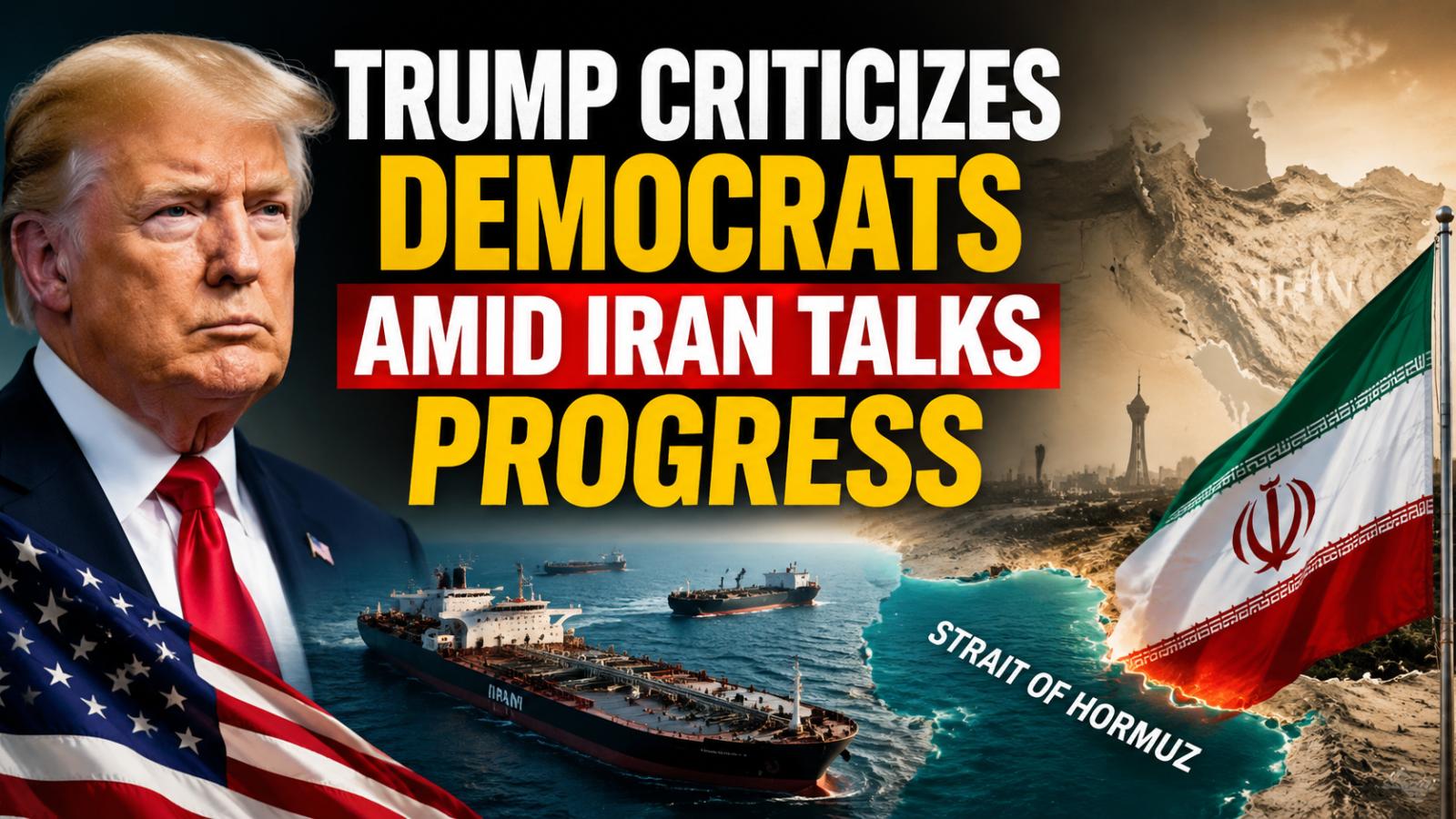
Trump criticizes Democrats amid Iran talks progress
US President Donald Trump intensified political debate around ongoing Iran negotiations while addressing broader security and trade concerns tied to global energy routes. Speaking alongside NATO Secretary General Mark Rutte, he presented the current stage of Iran discussions as advancing, while sharply criticizing domestic political opponents for their foreign policy stance. I
Trump criticizes Democrats amid Iran talks progress
US President Donald Trump intensified political debate around ongoing Iran negotiations while addressing broader security and trade concerns tied to global energy routes. Speaking alongside NATO Secretary General Mark Rutte, he presented the current stage of Iran discussions as advancing, while sharply criticizing domestic political opponents for their foreign policy stance. I
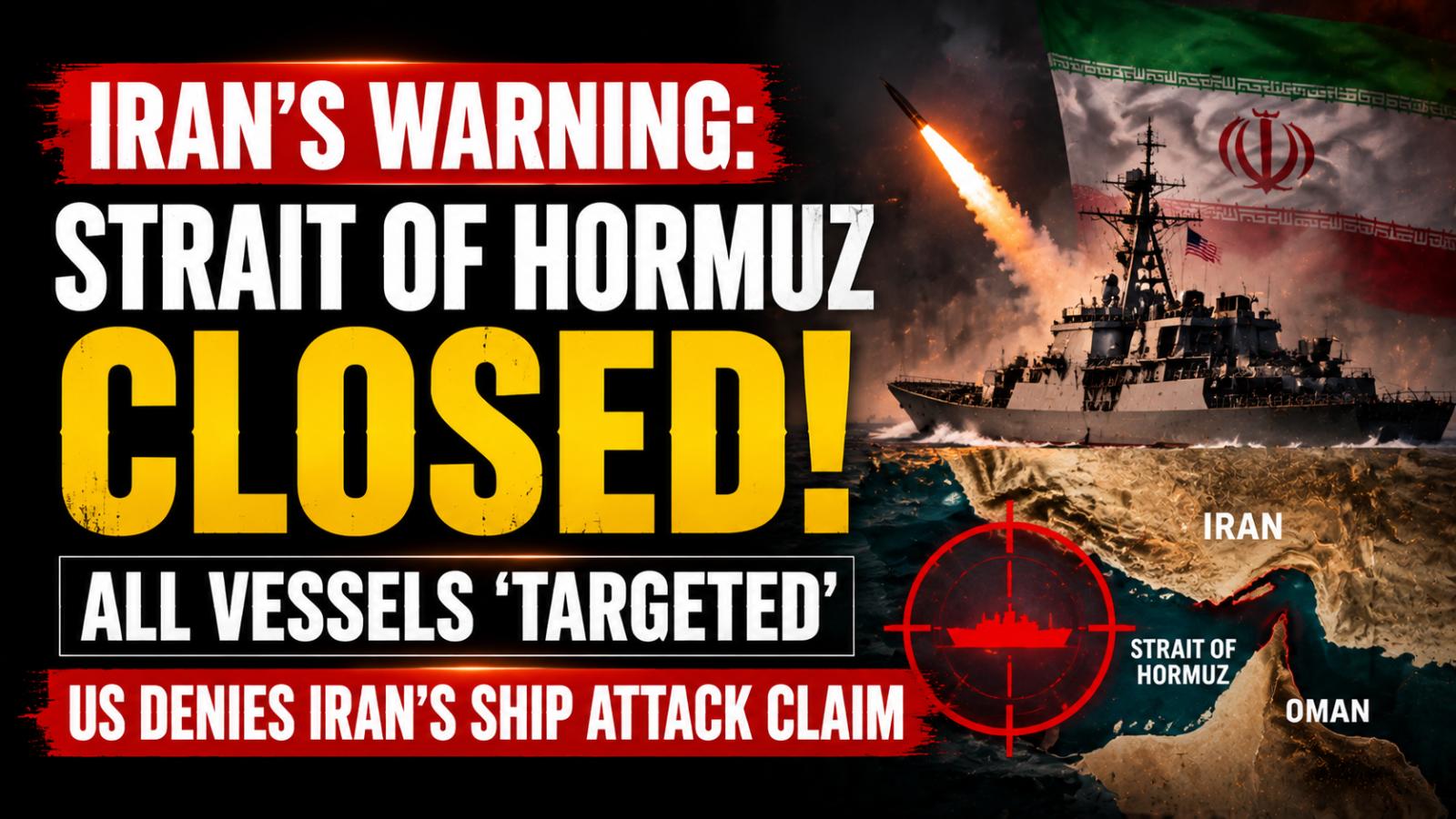
Iran declares Strait of Hormuz closed after US airstrikes
Iran Declares Strait of Hormuz Closed Iran’s military command announced on Wednesday, June 10, 2026, that the Strait of Hormuz would be closed to all vessel traffic following recent U.S. airstrikes. The Khatam al Anbiya command stated that any vessel transiting the strategic waterway would be targeted. According to Iranian reports, the navy struck two ships attempting to pass through
Iran declares Strait of Hormuz closed after US airstrikes
Iran Declares Strait of Hormuz Closed Iran’s military command announced on Wednesday, June 10, 2026, that the Strait of Hormuz would be closed to all vessel traffic following recent U.S. airstrikes. The Khatam al Anbiya command stated that any vessel transiting the strategic waterway would be targeted. According to Iranian reports, the navy struck two ships attempting to pass through
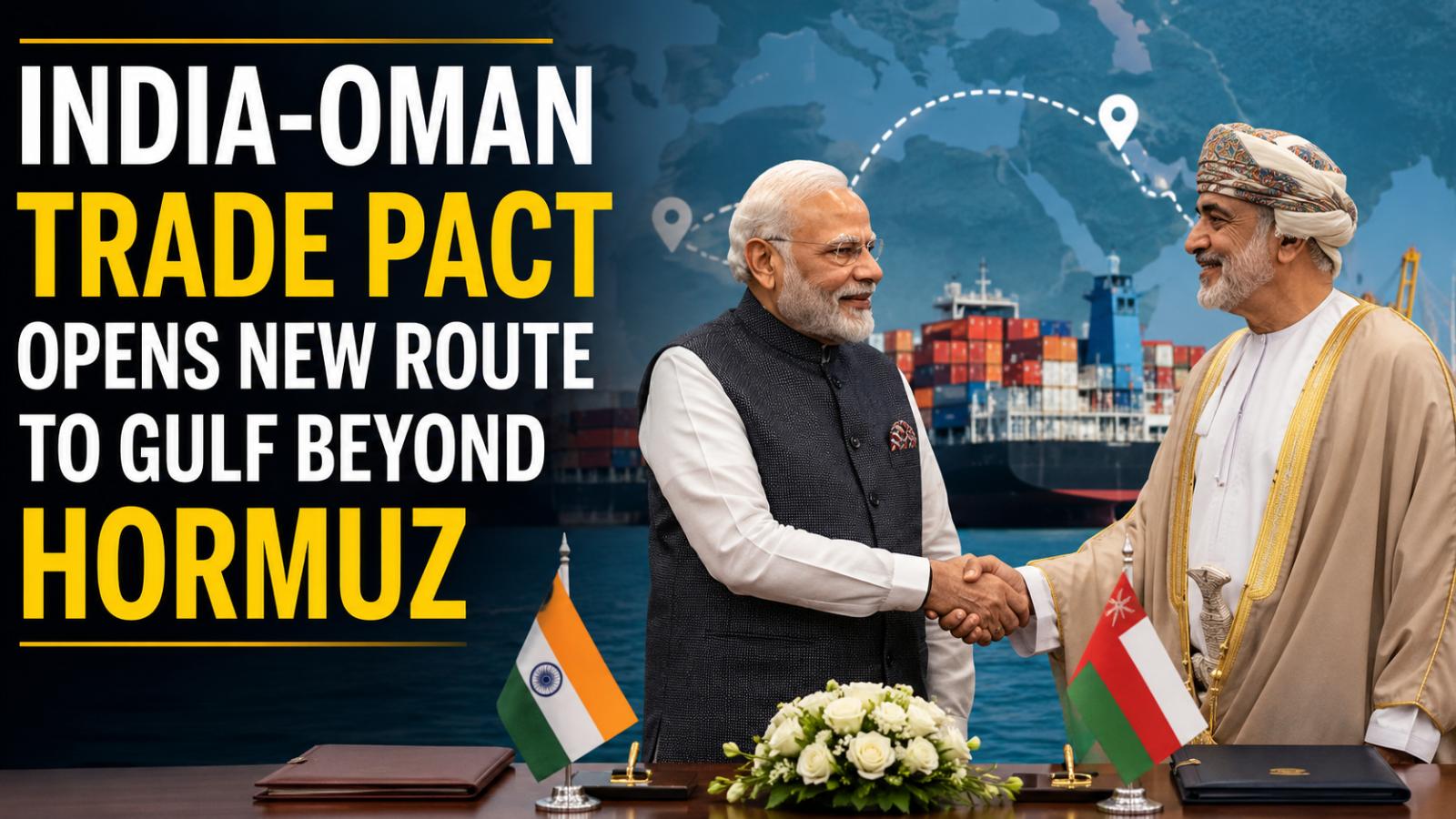
India-Oman trade pact opens new Gulf route beyond Hormuz
India-Oman trade pact opens new route to Gulf beyond Hormuz 01-06-2026: The India-Oman Comprehensive Economic Partnership Agreement has come into effect at a crucial time, giving India a stronger trade and energy link with the Gulf when shipping through the Strait of Hormuz is facing serious disruption. The pact, signed during Prime Minister Narendra Modi’s visit to Muscat last year, gives Indian exporters wider duty-free access to the Omani market and streng
India-Oman trade pact opens new Gulf route beyond Hormuz
India-Oman trade pact opens new route to Gulf beyond Hormuz 01-06-2026: The India-Oman Comprehensive Economic Partnership Agreement has come into effect at a crucial time, giving India a stronger trade and energy link with the Gulf when shipping through the Strait of Hormuz is facing serious disruption. The pact, signed during Prime Minister Narendra Modi’s visit to Muscat last year, gives Indian exporters wider duty-free access to the Omani market and streng
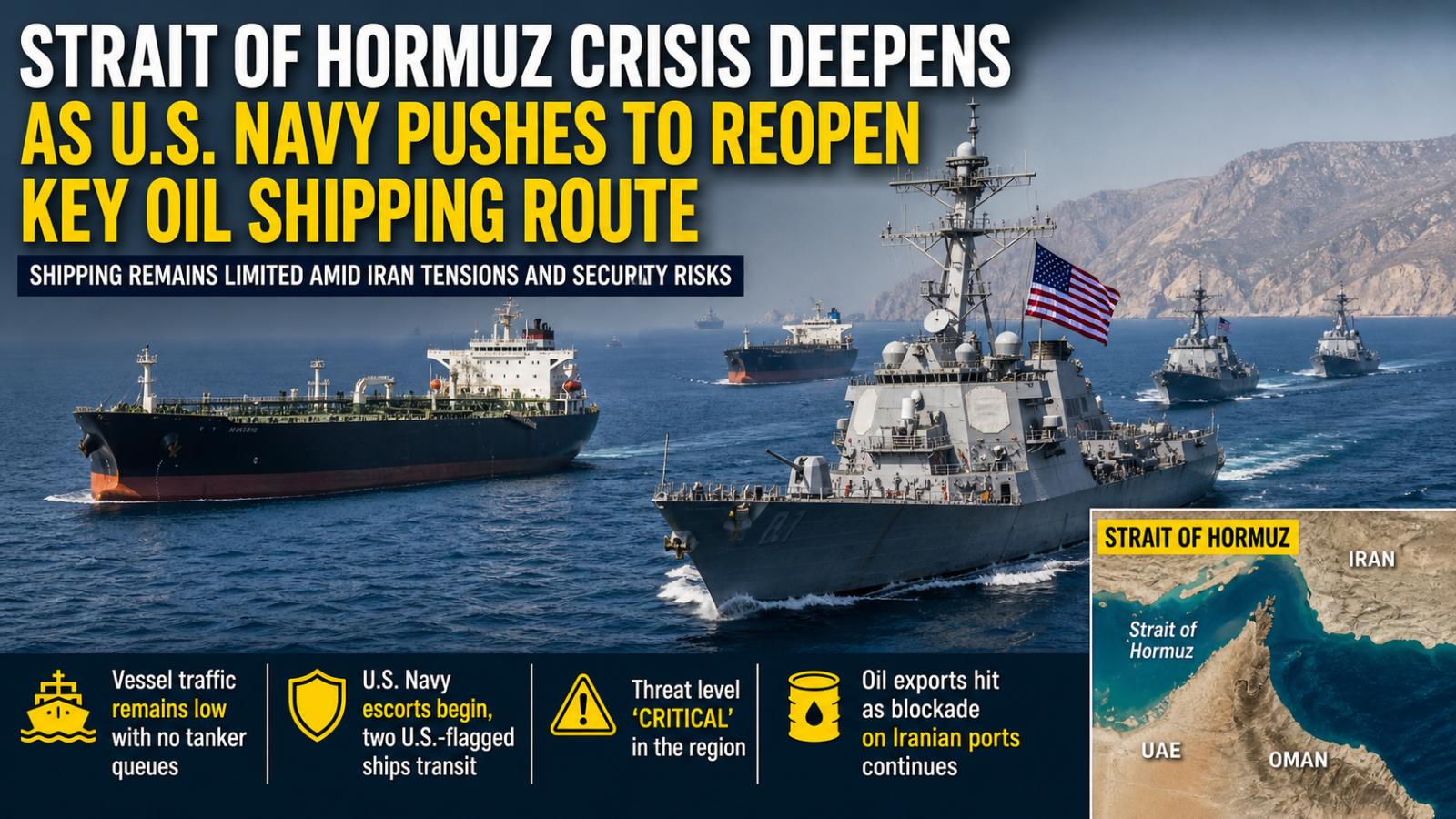
Strait of Hormuz Crisis Deepens as U.S. Navy Pushes to Reopen Key Oil Shipping Route
Strait of Hormuz Shipping Still Restricted Strait of Hormuz shipping remains severely limited despite new U.S. efforts to reopen one of the world’s most important oil trade routes. Vessel movement stayed subdued Monday as carriers awaited clearer safety guarantees amid Iran tensions. U.S. Navy Pushes to Restore Transit U.S. Central Command said its forces are assisting efforts to restore commercial navigation, with Navy destroyers and two U.S.-flagged merchant ships reportedly crossing the waterway. Officials described the mission as defensive, aimed at protecting freedom of navigation while pressure remains on Iranian ports. But the wider shipping industry is still cautious. Tracking data showed only scattered vessel movement, with no major return of oil tankers or large commercial ships through the narrow Gulf chokepoint. Carriers Await Clear Safety Rules German shipping firm Hapag-Lloyd said its vessels still cannot transit the Strait of Hormuz because safety procedures remain unclear. BIMCO has also warned that shipping companies need firm guidance and credible security assurances before resuming normal routes. The Joint Maritime Information Center continues to rate the regional threat as “critical,” advising vessels to consider safer routing through Omani waters where possible. Why the Strait Matters The Strait of Hormuz is a vital passage for global oil and gas shipments, making any disruption a direct risk to energy markets, freight costs and seafarer safety. Hundreds of ships and thousands of crew members remain affected by the crisis. Iran has warned foreign naval forces to stay away and said commercial vessels must coordinate transit with its military. Until both security risks and operating rules are resolved, global shipping through the Strait of Hormuz is likely to remain slow, uncertain and highly vulnerable.
Strait of Hormuz Crisis Deepens as U.S. Navy Pushes to Reopen Key Oil Shipping Route
Strait of Hormuz Shipping Still Restricted Strait of Hormuz shipping remains severely limited despite new U.S. efforts to reopen one of the world’s most important oil trade routes. Vessel movement stayed subdued Monday as carriers awaited clearer safety guarantees amid Iran tensions. U.S. Navy Pushes to Restore Transit U.S. Central Command said its forces are assisting efforts to restore commercial navigation, with Navy destroyers and two U.S.-flagged merchant ships reportedly crossing the waterway. Officials described the mission as defensive, aimed at protecting freedom of navigation while pressure remains on Iranian ports. But the wider shipping industry is still cautious. Tracking data showed only scattered vessel movement, with no major return of oil tankers or large commercial ships through the narrow Gulf chokepoint. Carriers Await Clear Safety Rules German shipping firm Hapag-Lloyd said its vessels still cannot transit the Strait of Hormuz because safety procedures remain unclear. BIMCO has also warned that shipping companies need firm guidance and credible security assurances before resuming normal routes. The Joint Maritime Information Center continues to rate the regional threat as “critical,” advising vessels to consider safer routing through Omani waters where possible. Why the Strait Matters The Strait of Hormuz is a vital passage for global oil and gas shipments, making any disruption a direct risk to energy markets, freight costs and seafarer safety. Hundreds of ships and thousands of crew members remain affected by the crisis. Iran has warned foreign naval forces to stay away and said commercial vessels must coordinate transit with its military. Until both security risks and operating rules are resolved, global shipping through the Strait of Hormuz is likely to remain slow, uncertain and highly vulnerable.
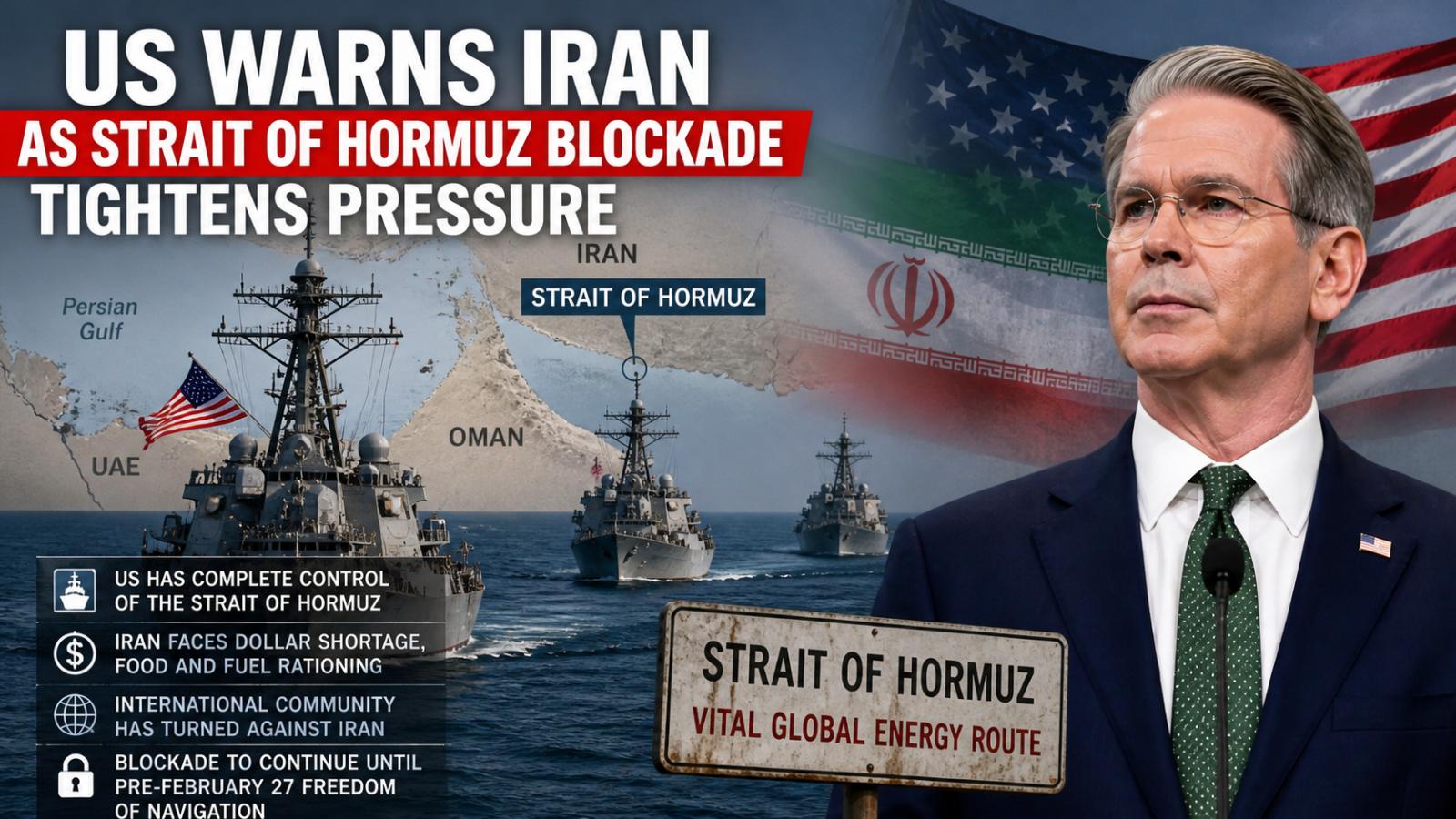
US warns Iran as Strait of Hormuz blockade tightens pressure
The US tightened pressure on Iran with a Strait of Hormuz blockade, disrupting oil trade and worsening Iran’s economic crisis, while internal political divisions grow and tensions with Washington escalate. US warns Iran as Strait of Hormuz blockade tightens pressure as tensions escalated following a sharply worded statement by U.S. Treasury Secretary Scott Bessent on Friday, in which he criticized Iran’s leadership and outlined the United States’ strategic position in the ongoing standoff. In a public post, Bessent asserted that the United States maintains full control over the Strait of Hormuz, a critical global energy transit route, and emphasized that a naval blockade would remain in effect until freedom of navigation conditions are restored to levels seen before February 27. The remarks come amid heightened geopolitical tensions involving Iran and the United States, with Bessent also pointing to economic strain within Iran, including a shortage of U.S. dollars and the implementation of food and gasoline rationing. He further stated that international sentiment has increasingly turned against Tehran, underscoring Washington’s broader diplomatic stance. The blockade represents a significant shift in pressure tactics. For years, Iran had managed to navigate sanctions by exporting oil through informal channels, particularly to China, using a network of so-called shadow vessels. However, U.S. naval operations have disrupted these routes, preventing tankers from bypassing enforcement measures and, in some cases, pursuing them beyond the Persian Gulf into the Indian Ocean. The situation escalated after Iran targeted commercial vessels and restricted maritime traffic through the Hormuz corridor, a move that disrupted global oil and liquefied natural gas shipments. In response, the United States deployed naval forces to secure the passage, effectively limiting Iran’s ability to continue its covert export operations. Internally, the crisis has exposed divisions within Iran’s leadership. President Masoud Pezeshkian is reportedly aligned with moderate factions seeking negotiations, while hardline figures such as Saeed Jalili advocate a more confrontational approach. The divergence reflects broader concerns about the sustainability of the conflict, particularly as economic conditions deteriorate. President Donald Trump has indicated support for maintaining the blockade, describing it as highly effective and signaling preparedness for a prolonged standoff. According to statements made to reporters, the administration is considering extending the measure until Iran meets specific nuclear-related demands. The economic impact on Iran has been severe. Reports indicate that unemployment has surged, food prices have risen sharply, and widespread internet disruptions have affected digital commerce. The national currency has weakened significantly over the past year, with the exchange rate reaching approximately 1.81 million rials per U.S. dollar, intensifying concerns about potential economic collapse.
US warns Iran as Strait of Hormuz blockade tightens pressure
The US tightened pressure on Iran with a Strait of Hormuz blockade, disrupting oil trade and worsening Iran’s economic crisis, while internal political divisions grow and tensions with Washington escalate. US warns Iran as Strait of Hormuz blockade tightens pressure as tensions escalated following a sharply worded statement by U.S. Treasury Secretary Scott Bessent on Friday, in which he criticized Iran’s leadership and outlined the United States’ strategic position in the ongoing standoff. In a public post, Bessent asserted that the United States maintains full control over the Strait of Hormuz, a critical global energy transit route, and emphasized that a naval blockade would remain in effect until freedom of navigation conditions are restored to levels seen before February 27. The remarks come amid heightened geopolitical tensions involving Iran and the United States, with Bessent also pointing to economic strain within Iran, including a shortage of U.S. dollars and the implementation of food and gasoline rationing. He further stated that international sentiment has increasingly turned against Tehran, underscoring Washington’s broader diplomatic stance. The blockade represents a significant shift in pressure tactics. For years, Iran had managed to navigate sanctions by exporting oil through informal channels, particularly to China, using a network of so-called shadow vessels. However, U.S. naval operations have disrupted these routes, preventing tankers from bypassing enforcement measures and, in some cases, pursuing them beyond the Persian Gulf into the Indian Ocean. The situation escalated after Iran targeted commercial vessels and restricted maritime traffic through the Hormuz corridor, a move that disrupted global oil and liquefied natural gas shipments. In response, the United States deployed naval forces to secure the passage, effectively limiting Iran’s ability to continue its covert export operations. Internally, the crisis has exposed divisions within Iran’s leadership. President Masoud Pezeshkian is reportedly aligned with moderate factions seeking negotiations, while hardline figures such as Saeed Jalili advocate a more confrontational approach. The divergence reflects broader concerns about the sustainability of the conflict, particularly as economic conditions deteriorate. President Donald Trump has indicated support for maintaining the blockade, describing it as highly effective and signaling preparedness for a prolonged standoff. According to statements made to reporters, the administration is considering extending the measure until Iran meets specific nuclear-related demands. The economic impact on Iran has been severe. Reports indicate that unemployment has surged, food prices have risen sharply, and widespread internet disruptions have affected digital commerce. The national currency has weakened significantly over the past year, with the exchange rate reaching approximately 1.81 million rials per U.S. dollar, intensifying concerns about potential economic collapse.
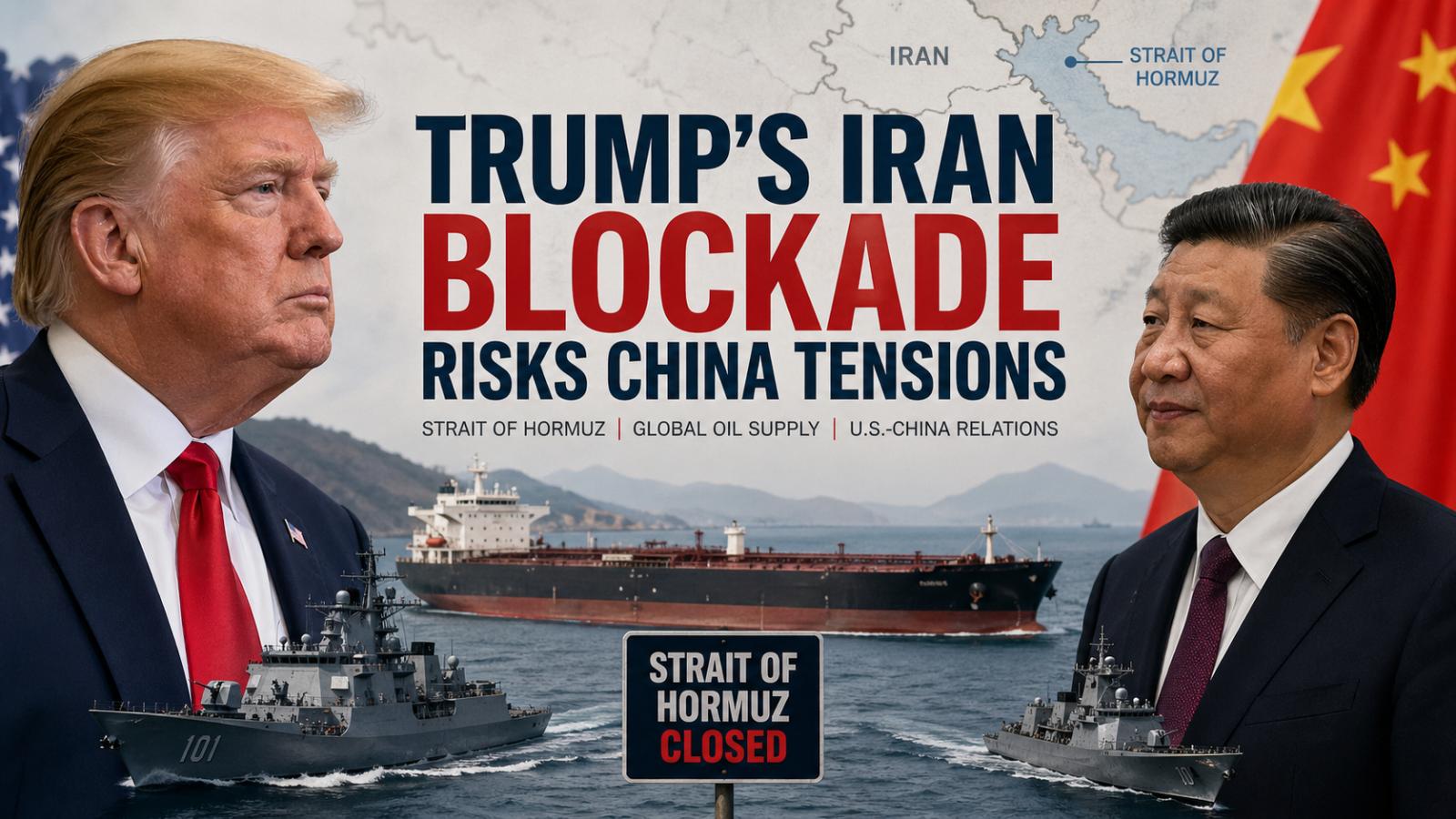
Is Trump’s Iran blockade complicating China talks? Yes, tensions rise
President Donald Trump has signaled his intention to maintain a naval blockade on Iranian shipping until Tehran meets U.S. demands, a move that is expected to keep the Strait of Hormuz effectively closed ahead of his planned visit to China. The decision introduces new complications for upcoming diplomatic
Is Trump’s Iran blockade complicating China talks? Yes, tensions rise
President Donald Trump has signaled his intention to maintain a naval blockade on Iranian shipping until Tehran meets U.S. demands, a move that is expected to keep the Strait of Hormuz effectively closed ahead of his planned visit to China. The decision introduces new complications for upcoming diplomatic
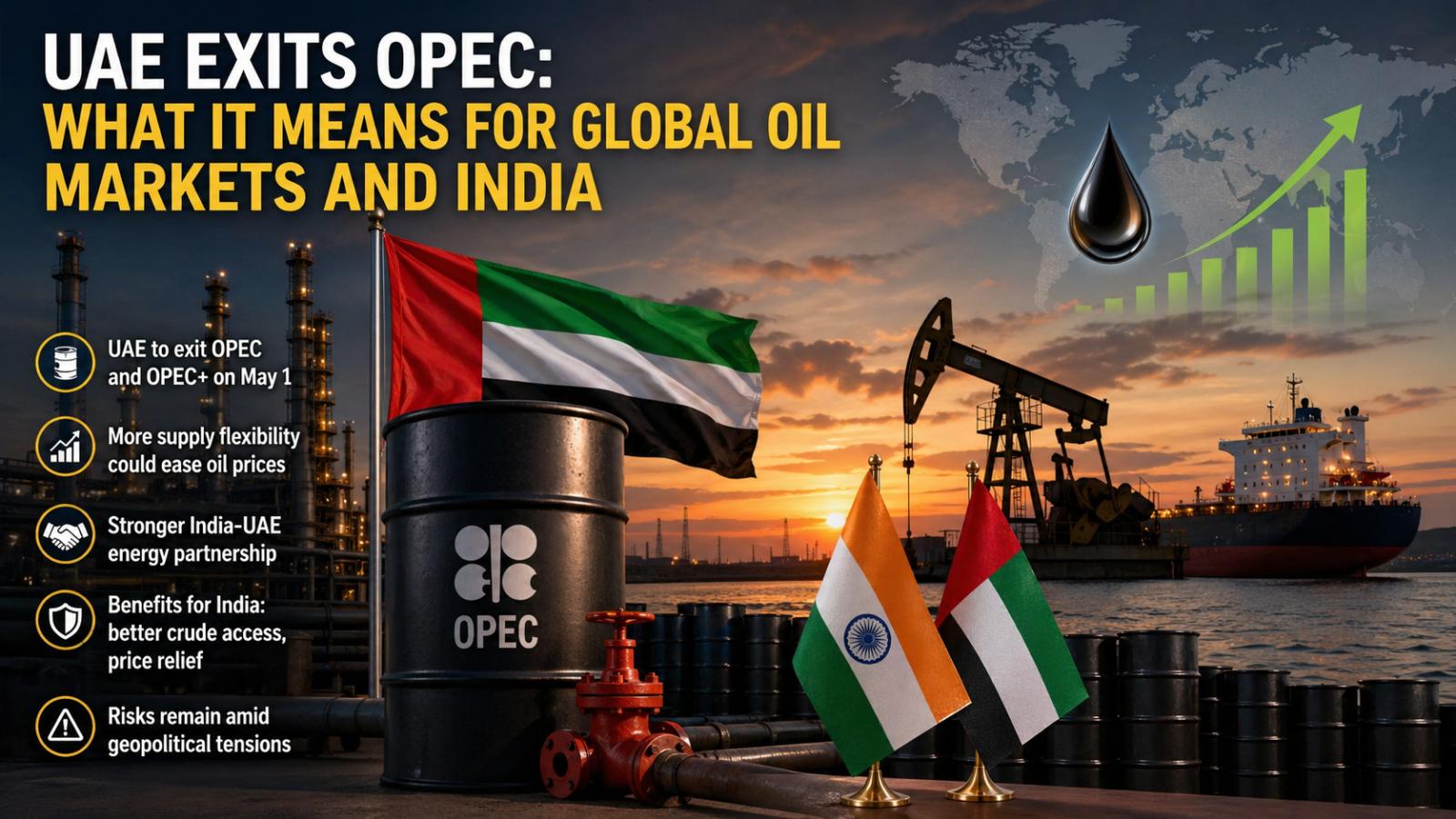
Can India benefit from UAE exiting OPEC? Yes, through better crude access and pricing
UAE’s exit from OPEC may boost oil supply, ease prices, and strengthen India energy ties, while raising volatility risks in global markets amid geopolitical tensions. Will UAE leaving OPEC lower oil prices? Yes, it could ease global supply pressure as the United Arab Emirates prepares to formally exit Organization of the Petroleum Exporting Countries and OPEC+ on May 1,
Can India benefit from UAE exiting OPEC? Yes, through better crude access and pricing
UAE’s exit from OPEC may boost oil supply, ease prices, and strengthen India energy ties, while raising volatility risks in global markets amid geopolitical tensions. Will UAE leaving OPEC lower oil prices? Yes, it could ease global supply pressure as the United Arab Emirates prepares to formally exit Organization of the Petroleum Exporting Countries and OPEC+ on May 1,
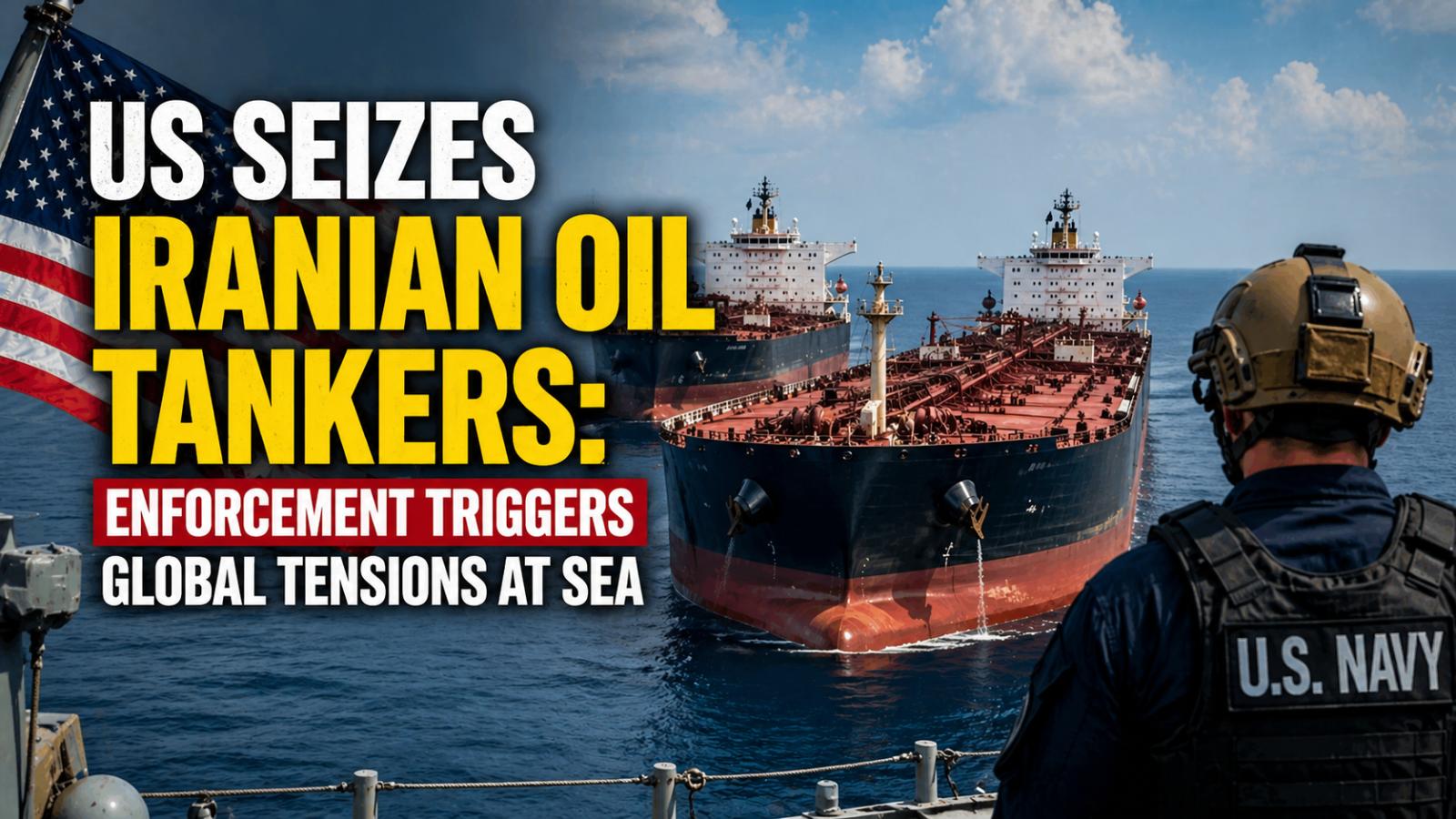
Why did the US seize Iranian oil tankers? Enforcement targets sanctions violations
Enforcement targets sanctions violations The United States has seized two tankers allegedly transporting Iranian oil, intensifying tensions with Iran and drawing sharp condemnation from Tehran. Iranian officials described the operation as “armed robbery on the high seas,” accusing
Why did the US seize Iranian oil tankers? Enforcement targets sanctions violations
Enforcement targets sanctions violations The United States has seized two tankers allegedly transporting Iranian oil, intensifying tensions with Iran and drawing sharp condemnation from Tehran. Iranian officials described the operation as “armed robbery on the high seas,” accusing
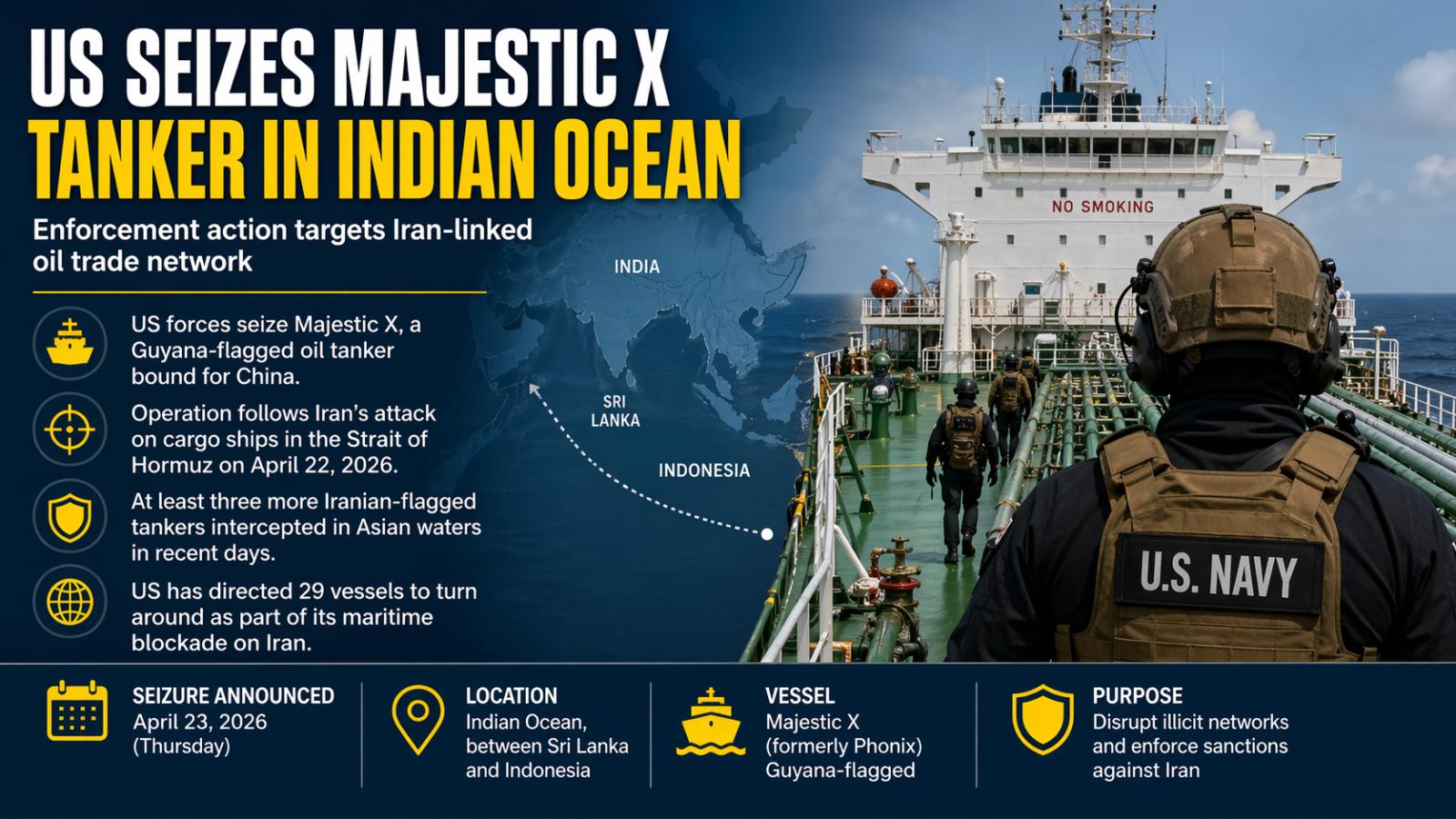
Why did the US intercept oil tankers? Enforcement targets Iran-linked shipping network
Seizure of Majestic X in Indian Ocean amid rising tensions The U.S. Department of Defense announced on Thursday, April 23, 2026, that it seized the oil tanker Majestic X in the Indian Ocean while it was en route to Zhoushan, China. Officials said the operation is part of ongoing maritime enforcement aimed at disrupting networks linked to Iranian oil exports in violation of U.S. sanctions. The Pentagon released video footage showing U.S. troops boarding a
Why did the US intercept oil tankers? Enforcement targets Iran-linked shipping network
Seizure of Majestic X in Indian Ocean amid rising tensions The U.S. Department of Defense announced on Thursday, April 23, 2026, that it seized the oil tanker Majestic X in the Indian Ocean while it was en route to Zhoushan, China. Officials said the operation is part of ongoing maritime enforcement aimed at disrupting networks linked to Iranian oil exports in violation of U.S. sanctions. The Pentagon released video footage showing U.S. troops boarding a
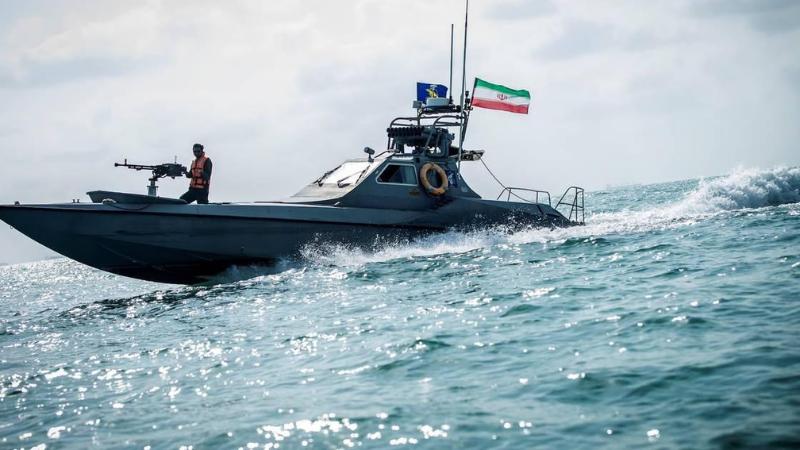
Iran rift exposed after firing on Indian ships in Strait of Hormuz
Tensions within Iran’s leadership structure came
Iran rift exposed after firing on Indian ships in Strait of Hormuz
Tensions within Iran’s leadership structure came
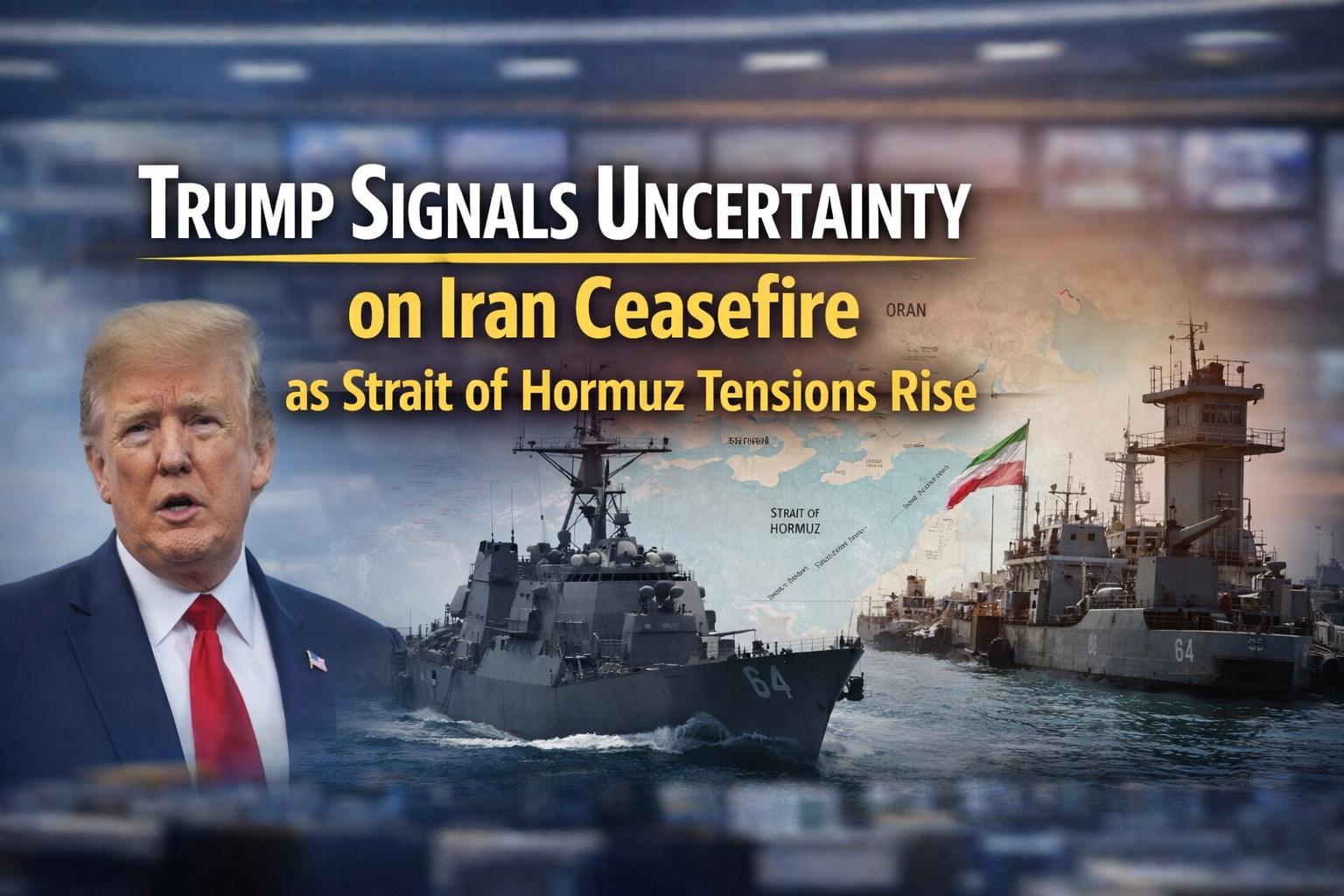
US-Iran Standoff Deepens with Blockade and Hormuz Threats
Donald Trump indicated that the United States may not extend its ceasefire with Iran, as tensions continue to rise over maritime security and regional control. Speaking to reporters, he said the naval blockade of Iranian ports would remain in place regardless of whether the ceasefire expires, signaling a f
US-Iran Standoff Deepens with Blockade and Hormuz Threats
Donald Trump indicated that the United States may not extend its ceasefire with Iran, as tensions continue to rise over maritime security and regional control. Speaking to reporters, he said the naval blockade of Iranian ports would remain in place regardless of whether the ceasefire expires, signaling a f
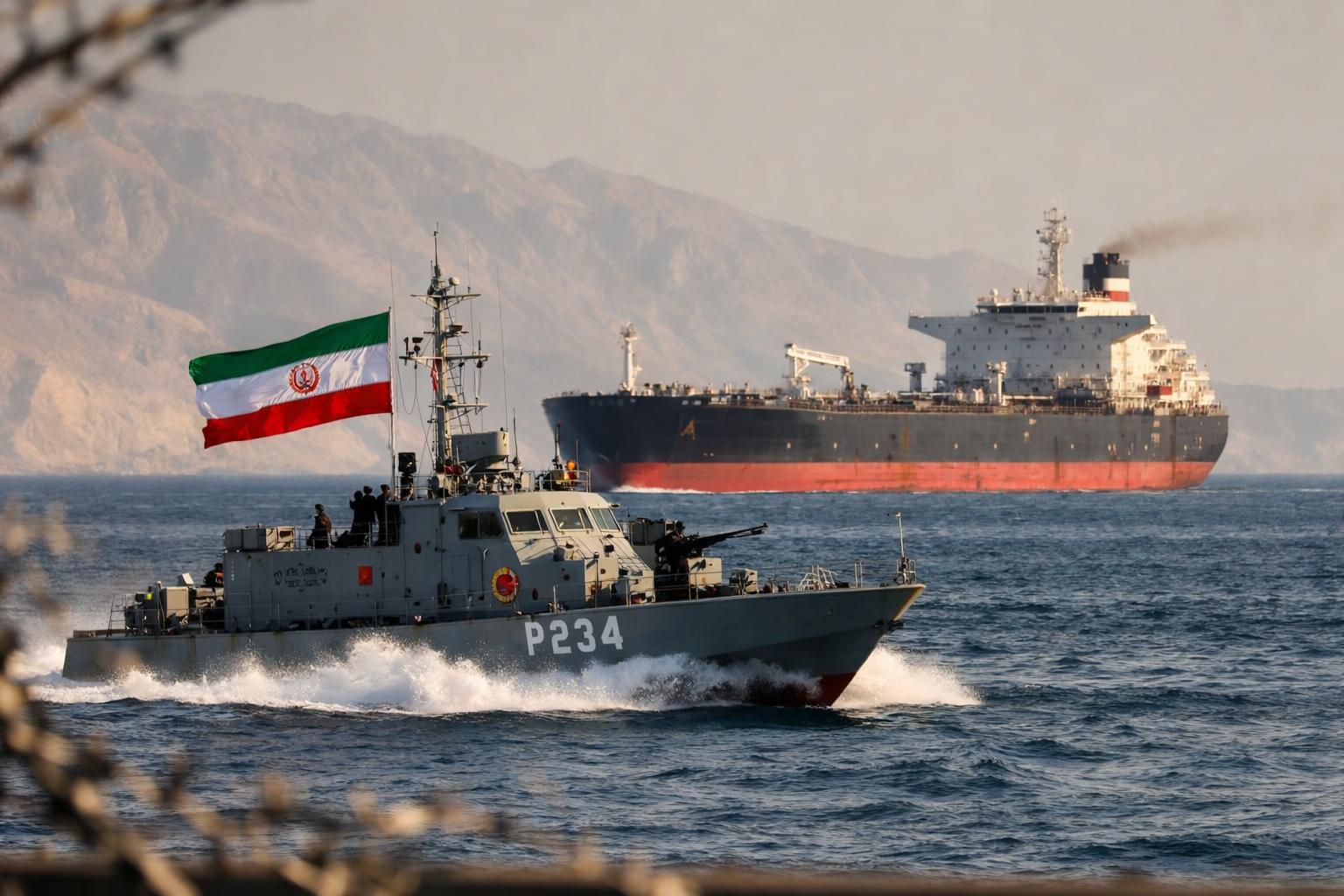
Strait of Hormuz reopens after Lebanon cease-fire, Iran says
The Strait of Hormuz has reopened to commercial maritime traffic following a cease-fire agreement in Lebanon, according to Seyed Abbas Araghchi, who spoke on Friday. The senior Iranian official stated that the strategically critical waterway is now “completely open” for all commercial vessels, signaling a potential easing of tensions that had disrupted global shipping flows. Despite the
Strait of Hormuz reopens after Lebanon cease-fire, Iran says
The Strait of Hormuz has reopened to commercial maritime traffic following a cease-fire agreement in Lebanon, according to Seyed Abbas Araghchi, who spoke on Friday. The senior Iranian official stated that the strategically critical waterway is now “completely open” for all commercial vessels, signaling a potential easing of tensions that had disrupted global shipping flows. Despite the
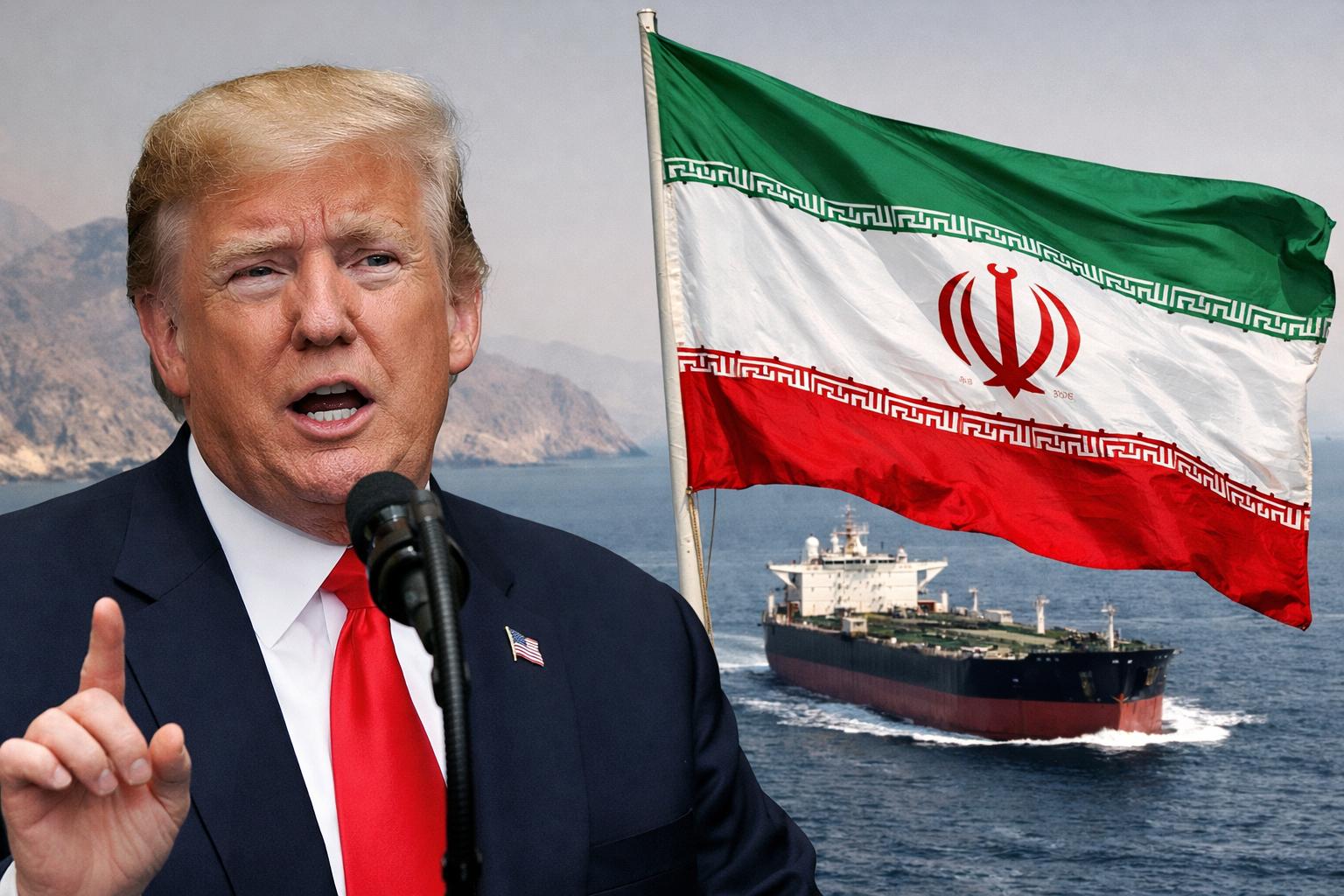
Trump warns of plan to destroy Iran infrastructure amid ceasefire talks
U.S. President Donald Trump on Monday, April 6, 2026, warned that the United States has a plan to destroy critical infrastructure in Iran if ongoing ceasefire efforts fail, signaling a potential escalation in already heightened tensions between the two countries. Speaking publicly, Trump described a scenario in which “every bridge, every power plant in Iran will be out of business,” adding that such an operation would result in “complete demolition by 12:00,” though he did not specify a time zone for that reference. The president emphasized that he does not want to pursue such action, noting the long-term consequences for Iran’s recovery. He stated that rebuilding could take “100 years,” underscoring the scale of destruction implied in his remarks. His comments come at a critical moment in the broader Middle East crisis, where diplomatic efforts and military posturing continue simultaneously. Trump also introduced a proposal involving the Strait of Hormuz, a vital global shipping route through which a significant portion of the world’s oil supply passes. He suggested that the United States, rather than Iran, should collect tolls from vessels transiting the waterway. “What about us charging tolls?” he said, positioning the idea as an alternative to allowing Iran to control revenue from the route. Iran recently announced its own toll system for tankers, asserting authority over the strategically important passage. Addressing the status of negotiations, Trump declined to provide a definitive assessment of whether tensions are easing or intensifying. “I can’t tell you, it depends on what they do. This is a critical period,” he said. He also referenced a deadline related to reopening the waterway, stating that Iran had “’til tomorrow at 8:00” following an extension he granted, though further details were not disclosed. Despite the strong rhetoric, Trump indicated that diplomatic engagement remains ongoing. He described Iran as an “active, willing participant” in negotiations and suggested that both sides may be exploring a potential agreement. However, he stopped short of confirming any progress toward a ceasefire, leaving the situation uncertain as global markets and policymakers continue to monitor developments closely.
Trump warns of plan to destroy Iran infrastructure amid ceasefire talks
U.S. President Donald Trump on Monday, April 6, 2026, warned that the United States has a plan to destroy critical infrastructure in Iran if ongoing ceasefire efforts fail, signaling a potential escalation in already heightened tensions between the two countries. Speaking publicly, Trump described a scenario in which “every bridge, every power plant in Iran will be out of business,” adding that such an operation would result in “complete demolition by 12:00,” though he did not specify a time zone for that reference. The president emphasized that he does not want to pursue such action, noting the long-term consequences for Iran’s recovery. He stated that rebuilding could take “100 years,” underscoring the scale of destruction implied in his remarks. His comments come at a critical moment in the broader Middle East crisis, where diplomatic efforts and military posturing continue simultaneously. Trump also introduced a proposal involving the Strait of Hormuz, a vital global shipping route through which a significant portion of the world’s oil supply passes. He suggested that the United States, rather than Iran, should collect tolls from vessels transiting the waterway. “What about us charging tolls?” he said, positioning the idea as an alternative to allowing Iran to control revenue from the route. Iran recently announced its own toll system for tankers, asserting authority over the strategically important passage. Addressing the status of negotiations, Trump declined to provide a definitive assessment of whether tensions are easing or intensifying. “I can’t tell you, it depends on what they do. This is a critical period,” he said. He also referenced a deadline related to reopening the waterway, stating that Iran had “’til tomorrow at 8:00” following an extension he granted, though further details were not disclosed. Despite the strong rhetoric, Trump indicated that diplomatic engagement remains ongoing. He described Iran as an “active, willing participant” in negotiations and suggested that both sides may be exploring a potential agreement. However, he stopped short of confirming any progress toward a ceasefire, leaving the situation uncertain as global markets and policymakers continue to monitor developments closely.
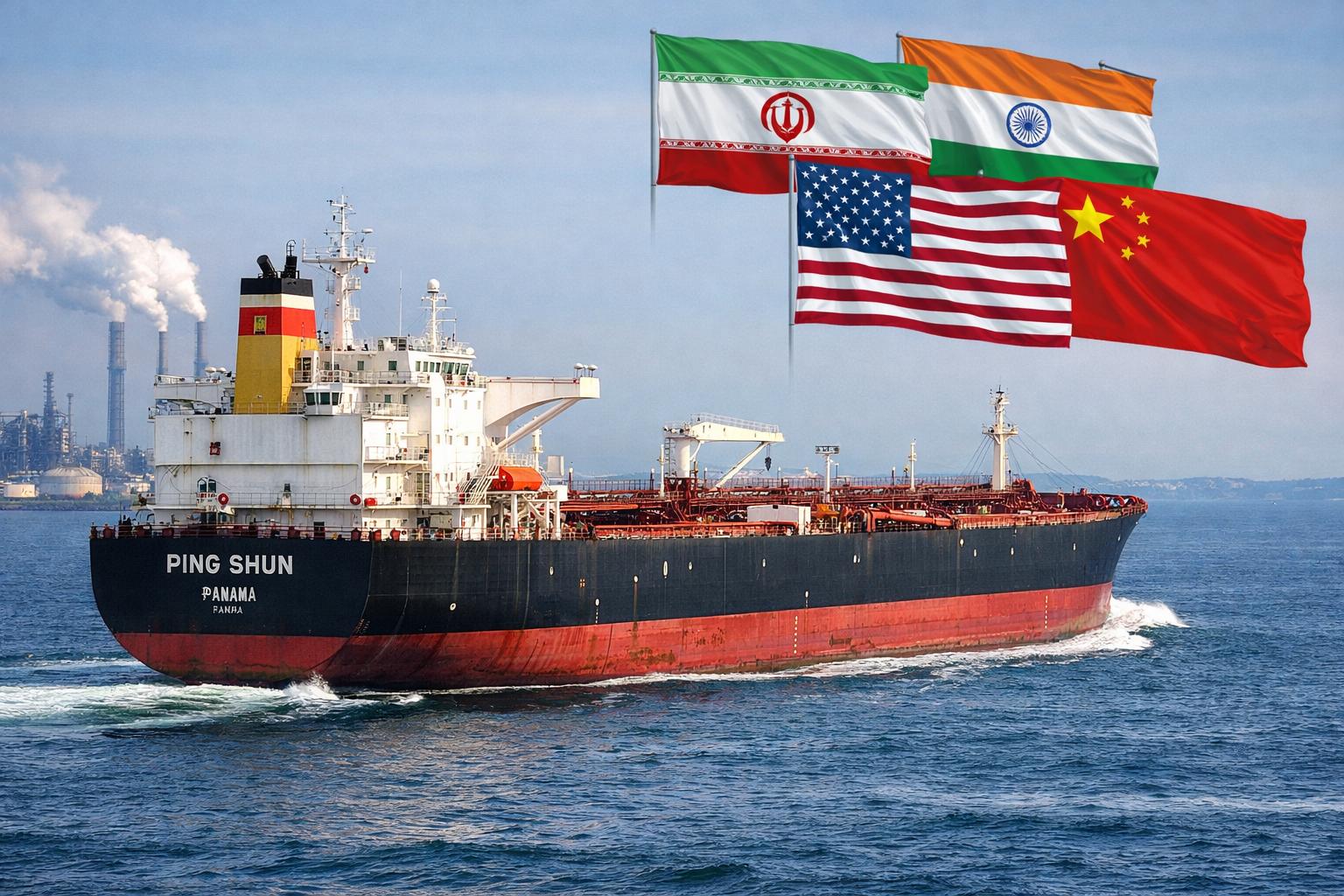
Sanctioned tanker diverts Iranian crude from India to China amid payment concerns
A U.S.-sanctioned oil tanker carrying Iranian crude has changed course from India to China, raising uncertainty over what could have been India’s first Iranian oil import in nearly seven years. The Aframax tanker Ping Shun, built in 2002 and sanctioned by the United States in 2025, is now signaling Dongying, China, as its destination instead of Vadinar in Gujarat, according to data from Kpler.
Sanctioned tanker diverts Iranian crude from India to China amid payment concerns
A U.S.-sanctioned oil tanker carrying Iranian crude has changed course from India to China, raising uncertainty over what could have been India’s first Iranian oil import in nearly seven years. The Aframax tanker Ping Shun, built in 2002 and sanctioned by the United States in 2025, is now signaling Dongying, China, as its destination instead of Vadinar in Gujarat, according to data from Kpler.
Trump floats Hormuz strategy as Pentagon seeks record war funding
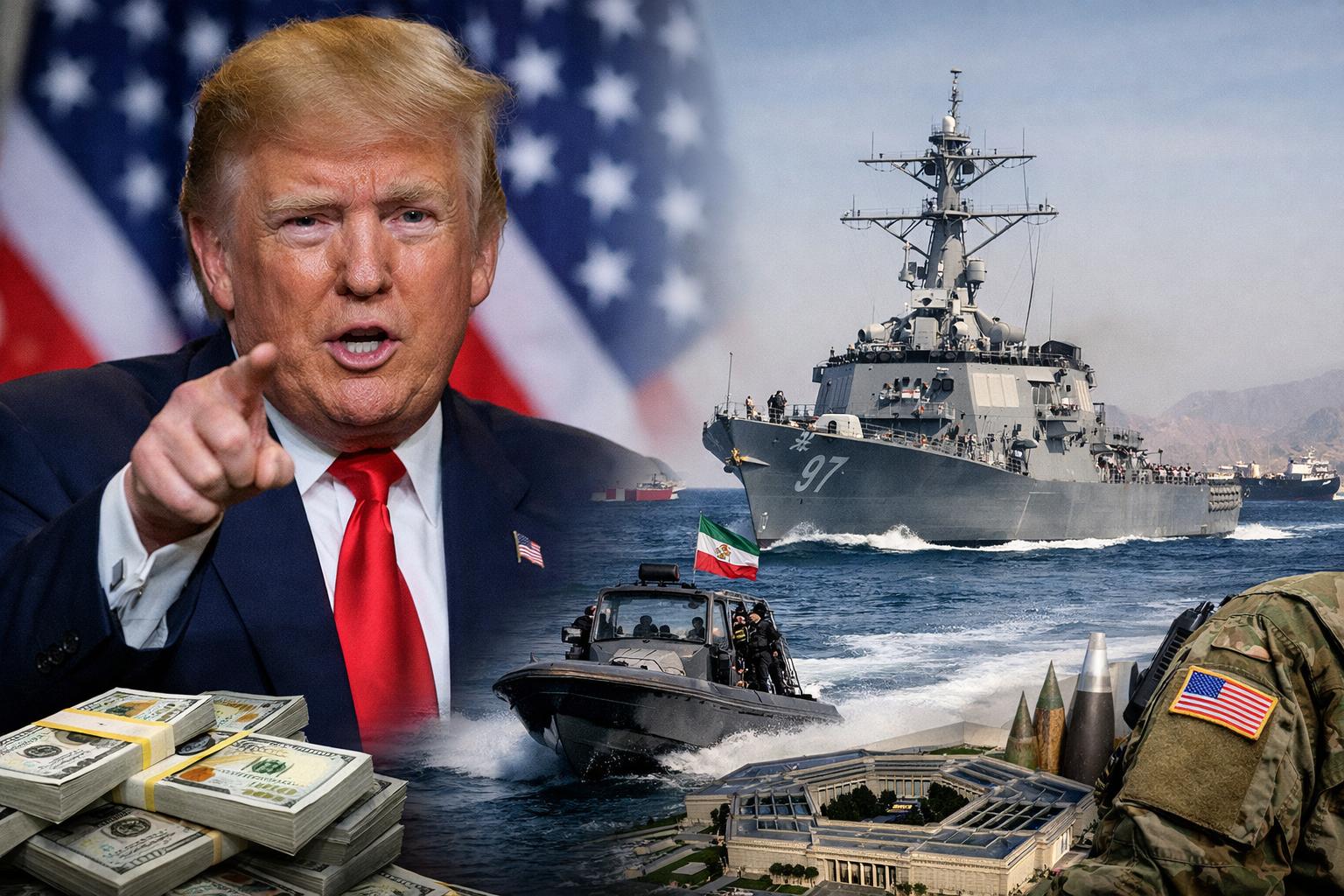
US President Donald Trump said on Friday, April 3, 2026, that the United States could potentially “open” the Strait of Hormuz and seize oil resources if given additional time, as tensions continue to escalate in the ongoing Iran war. The remarks, posted on his Truth Social platform, come amid growing concerns over global energy security and disruptions to one of the world’s most critical shipping routes. Trump’s statement suggested a more aggressive approach to the strategic
Trump floats Hormuz strategy as Pentagon seeks record war funding
US President Donald Trump said on Friday, April 3, 2026, that the United States could potentially “open” the Strait of Hormuz and seize oil resources if given additional time, as tensions continue to escalate in the ongoing Iran war. The remarks, posted on his Truth Social platform, come amid growing concerns over global energy security and disruptions to one of the world’s most critical shipping routes. Trump’s statement suggested a more aggressive approach to the strategic
90 Ships Cross Hormuz as Iran Continues Oil Exports Amid War, Despite Challenges
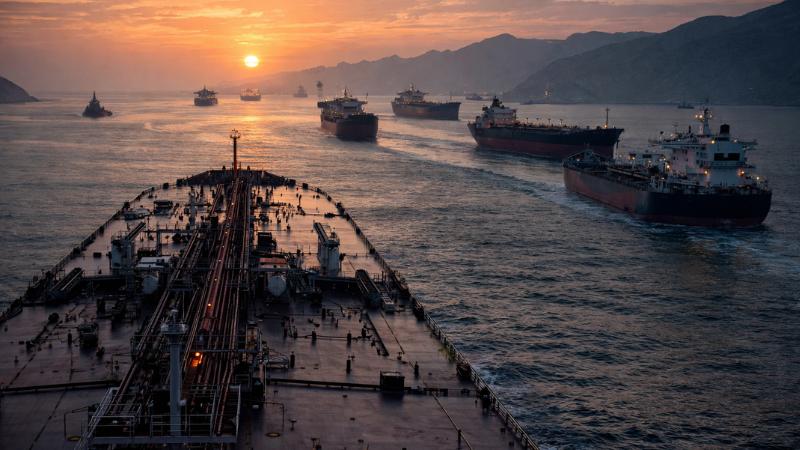
In the midst of the ongoing war, Iran has continued to export millions of barrels of oil, with about 90 ships, including oil tankers, crossing the critical Strait of Hormuz between March 1 and 15, 2026. Despite the waterway being effectively "closed" to most traffic due to the conflict, Iran has managed to keep its oil exports flowing, benefitting from its control over this vital chokepoint. According to maritime traffic data from Lloyd's List Intelligence, Iran has relied on a mix
90 Ships Cross Hormuz as Iran Continues Oil Exports Amid War, Despite Challenges
In the midst of the ongoing war, Iran has continued to export millions of barrels of oil, with about 90 ships, including oil tankers, crossing the critical Strait of Hormuz between March 1 and 15, 2026. Despite the waterway being effectively "closed" to most traffic due to the conflict, Iran has managed to keep its oil exports flowing, benefitting from its control over this vital chokepoint. According to maritime traffic data from Lloyd's List Intelligence, Iran has relied on a mix










