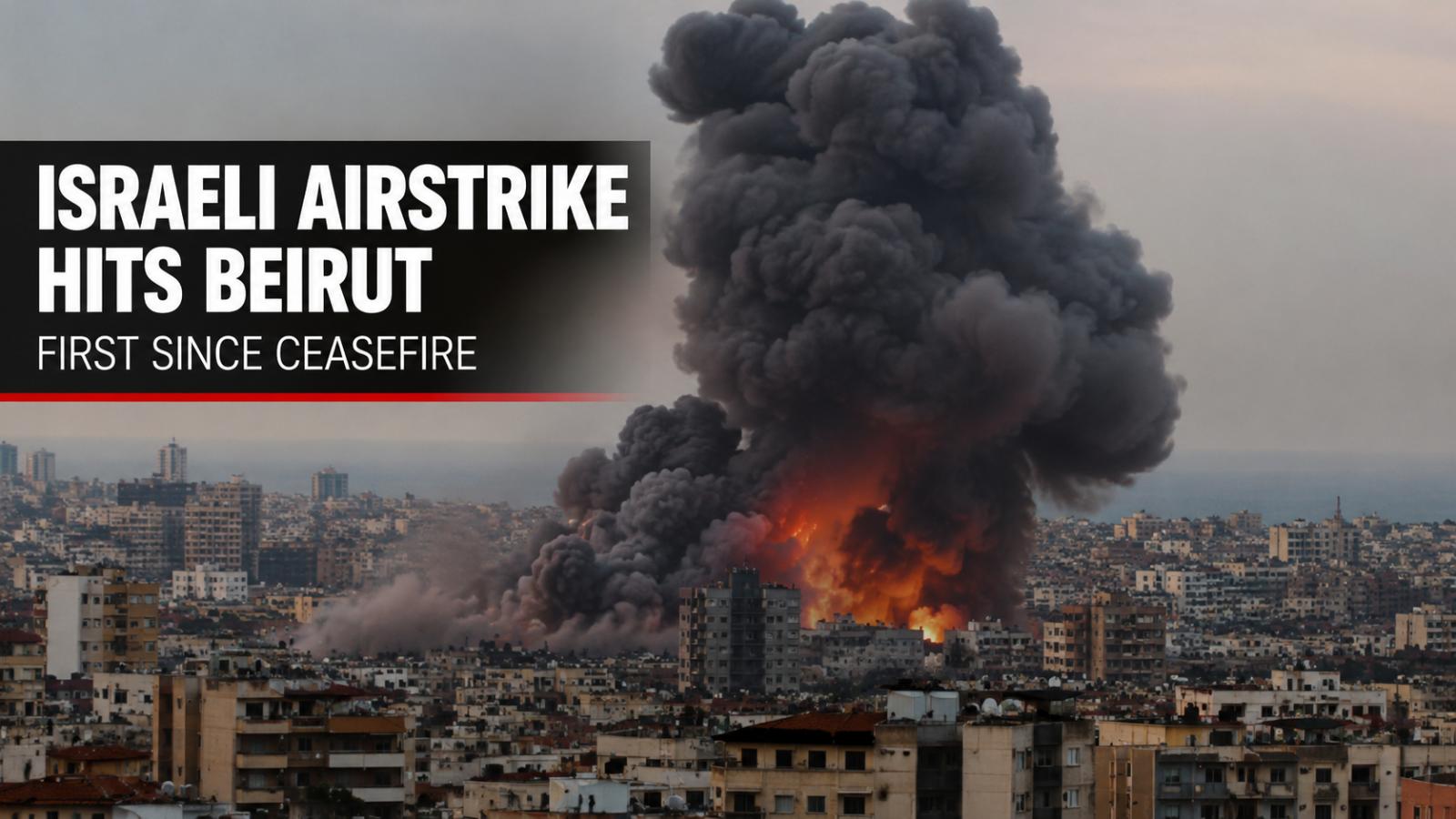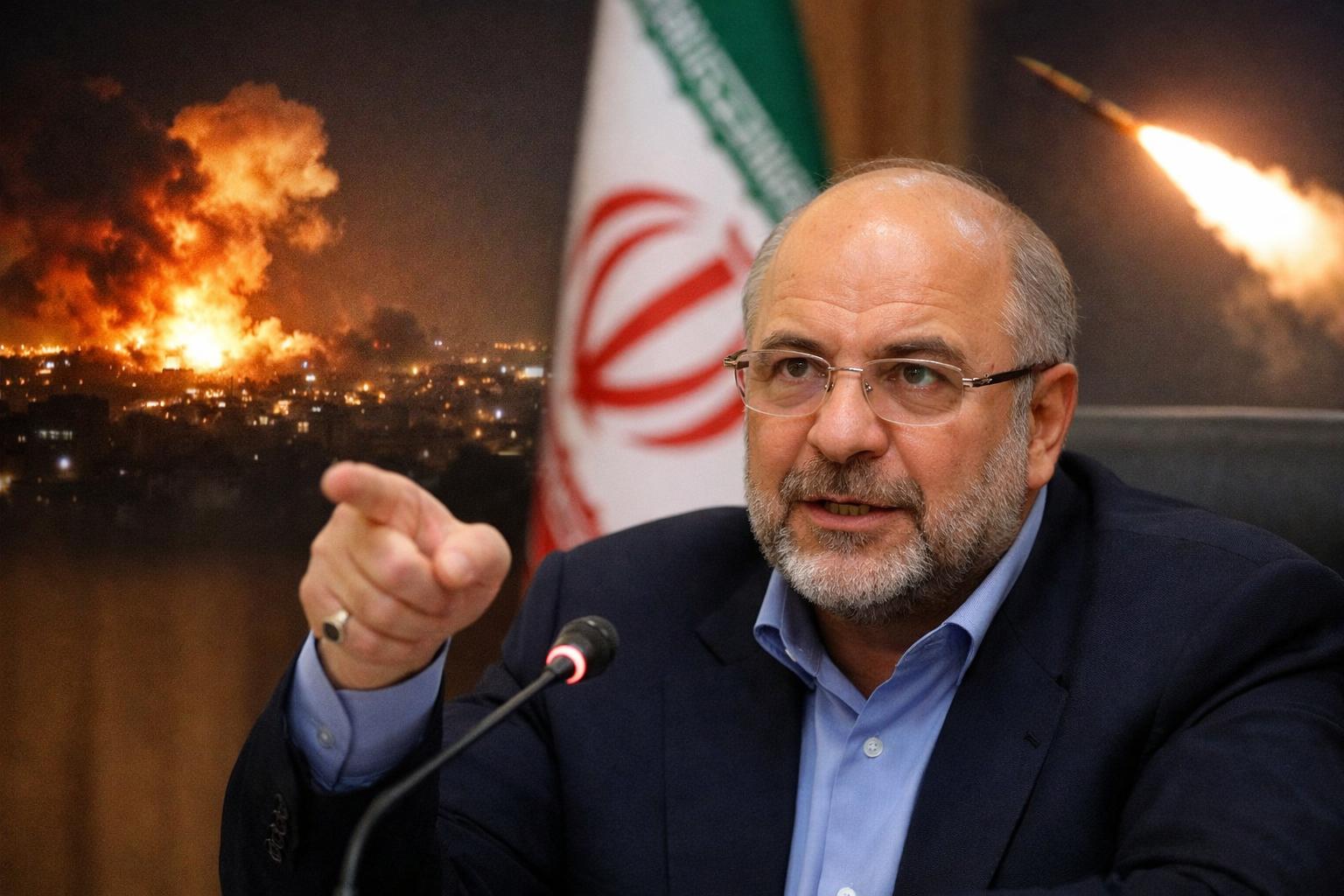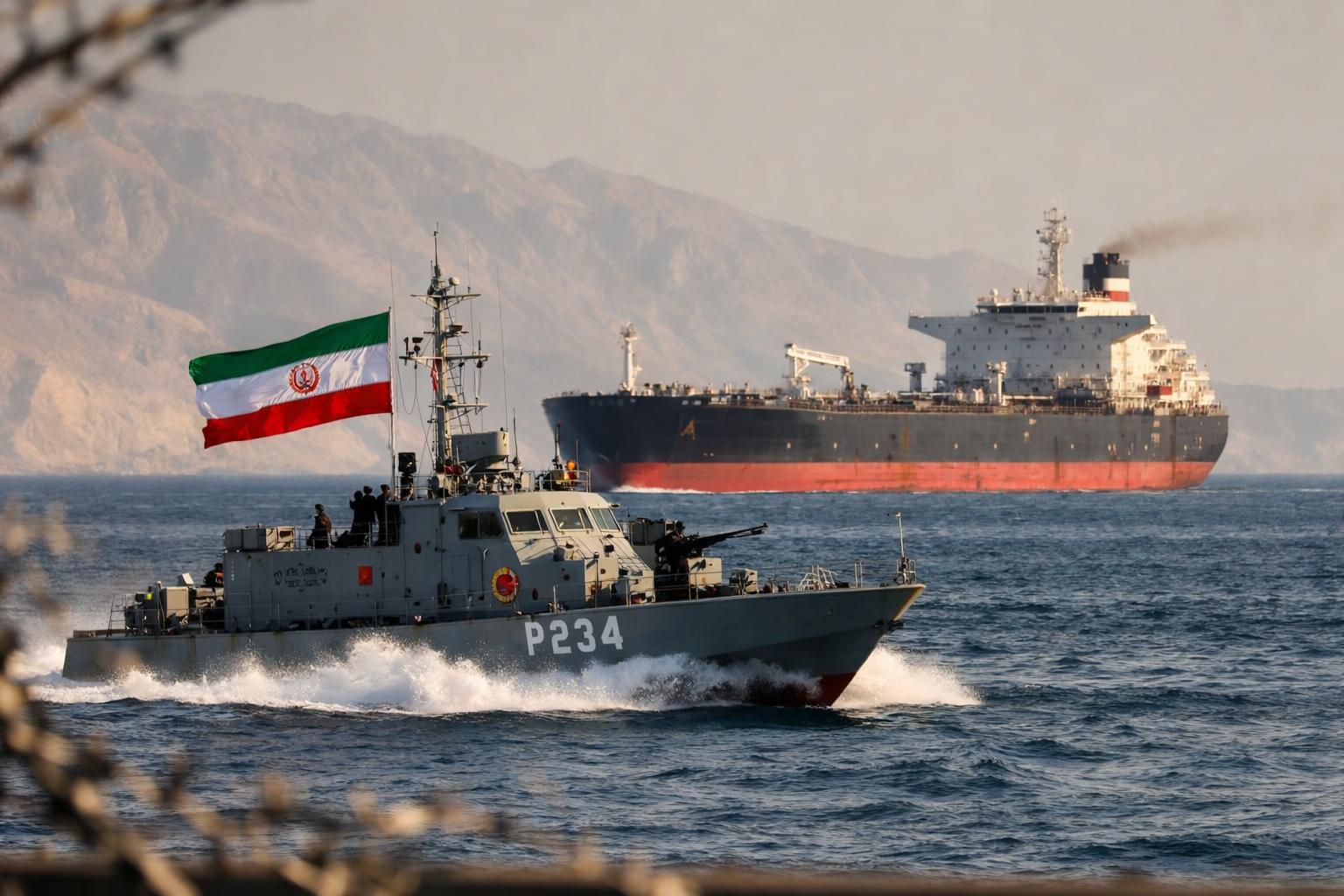
The Strait of Hormuz has reopened to commercial maritime traffic following a cease-fire agreement in Lebanon, according to Seyed Abbas Araghchi, who spoke on Friday. The senior Iranian official stated that the strategically critical waterway is now “completely open” for all commercial vessels, signaling a potential easing of tensions that had disrupted global shipping flows.
Despite the reopening, Araghchi emphasized that vessels transiting the Strait of Hormuz must adhere to a “coordinated route” previously outlined by Iranian authorities. The requirement suggests that while access has resumed, navigation through the corridor remains subject to specific operational controls.
Shipping analysts interpret the guidance as a reference to a route running closer to Iran’s coastline, which had been used selectively by a limited number of ships during the period of heightened regional conflict. That route was seen as a precautionary measure amid security concerns tied to the broader instability linked to the war and its spillover effects on maritime trade.
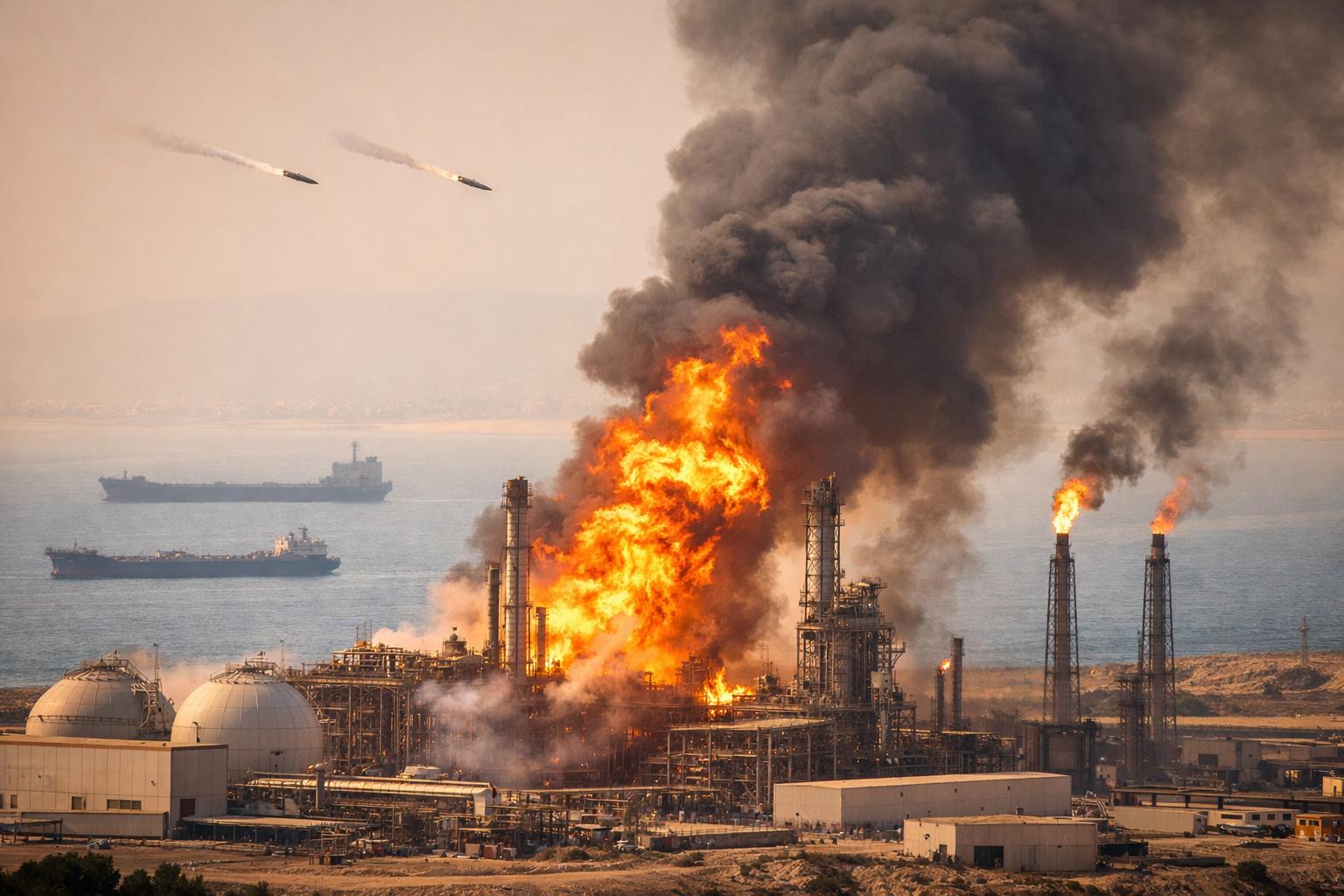
The Strait of Hormuz is one of the world’s most vital chokepoints for energy supplies, handling a significant portion of global oil shipments. Any disruption in the area can have immediate implications for international markets and supply chains. The announcement of resumed access is therefore likely to be closely monitored by governments, shipping companies, and energy markets worldwide.
While the cease-fire in Lebanon appears to have contributed to the reopening, the continued requirement for coordinated navigation underscores ongoing caution in the region. Maritime operators are expected to follow updates closely as conditions evolve and as authorities provide further clarification on routing and security protocols.
Despite the reopening, Araghchi emphasized that vessels transiting the Strait of Hormuz must adhere to a “coordinated route” previously outlined by Iranian authorities. The requirement suggests that while access has resumed, navigation through the corridor remains subject to specific operational controls.
Shipping analysts interpret the guidance as a reference to a route running closer to Iran’s coastline, which had been used selectively by a limited number of ships during the period of heightened regional conflict. That route was seen as a precautionary measure amid security concerns tied to the broader instability linked to the war and its spillover effects on maritime trade.
The Strait of Hormuz is one of the world’s most vital chokepoints for energy supplies, handling a significant portion of global oil shipments. Any disruption in the area can have immediate implications for international markets and supply chains. The announcement of resumed access is therefore likely to be closely monitored by governments, shipping companies, and energy markets worldwide.
While the cease-fire in Lebanon appears to have contributed to the reopening, the continued requirement for coordinated navigation underscores ongoing caution in the region. Maritime operators are expected to follow updates closely as conditions evolve and as authorities provide further clarification on routing and security protocols.