



















#globalshipping
Strait of Hormuz Peace Deal Raises Questions Over Fees
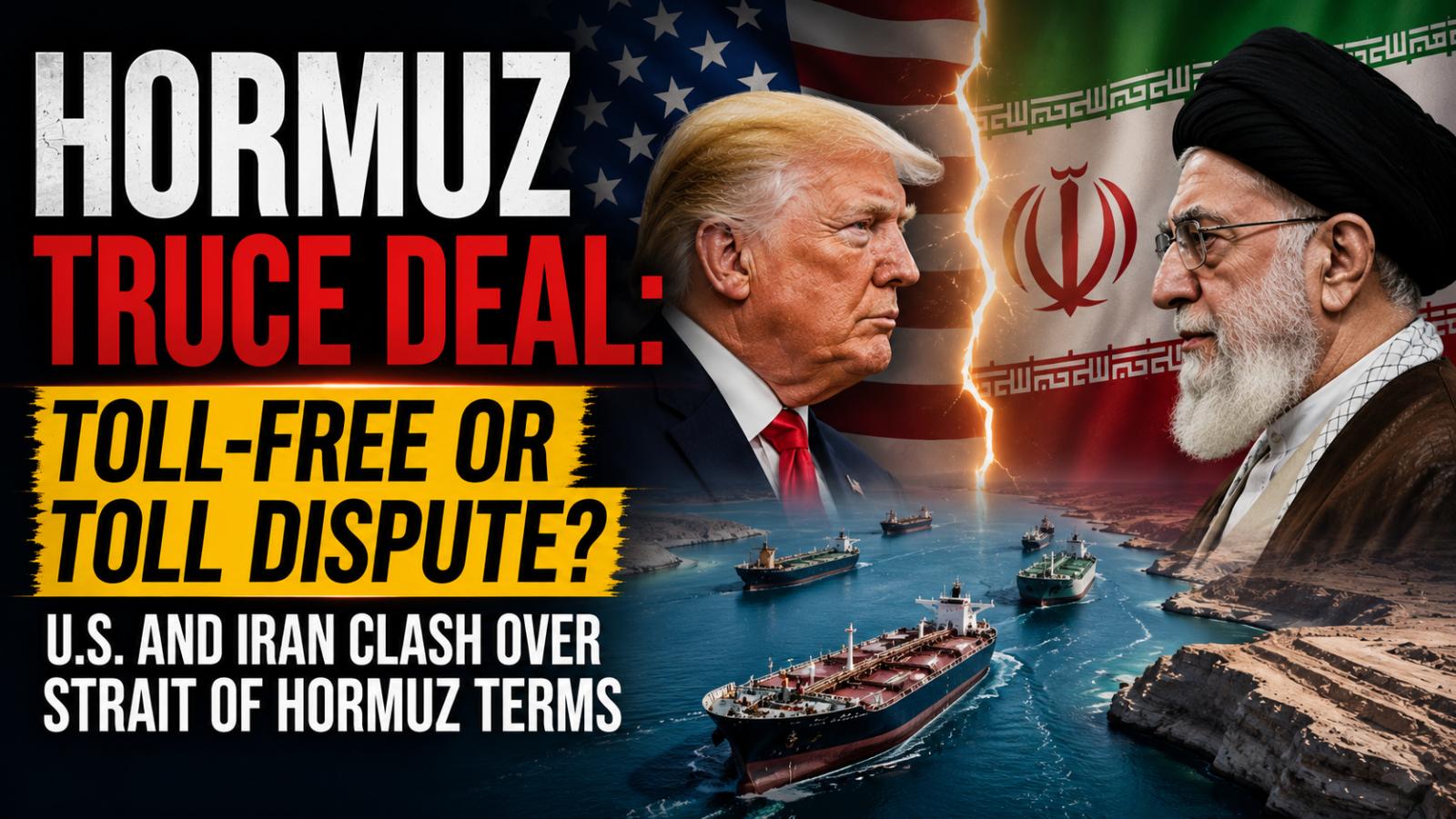
Peace in the Strait of Hormuz Following a peace agreement between the United States and Iran, hostilities that lasted over 100 days have officially paused. The memorandum of understanding, signed electronically on Sunday by US President Donald Trump, Vice President JD Vance, and Iranian Parliament Speaker Mohammad Bagher Ghalibaf, created a temporary framework for reopening negotiations. While Washington maintains that ves
Strait of Hormuz Peace Deal Raises Questions Over Fees
Peace in the Strait of Hormuz Following a peace agreement between the United States and Iran, hostilities that lasted over 100 days have officially paused. The memorandum of understanding, signed electronically on Sunday by US President Donald Trump, Vice President JD Vance, and Iranian Parliament Speaker Mohammad Bagher Ghalibaf, created a temporary framework for reopening negotiations. While Washington maintains that ves
Iran says strait of hormuz open for global shipping
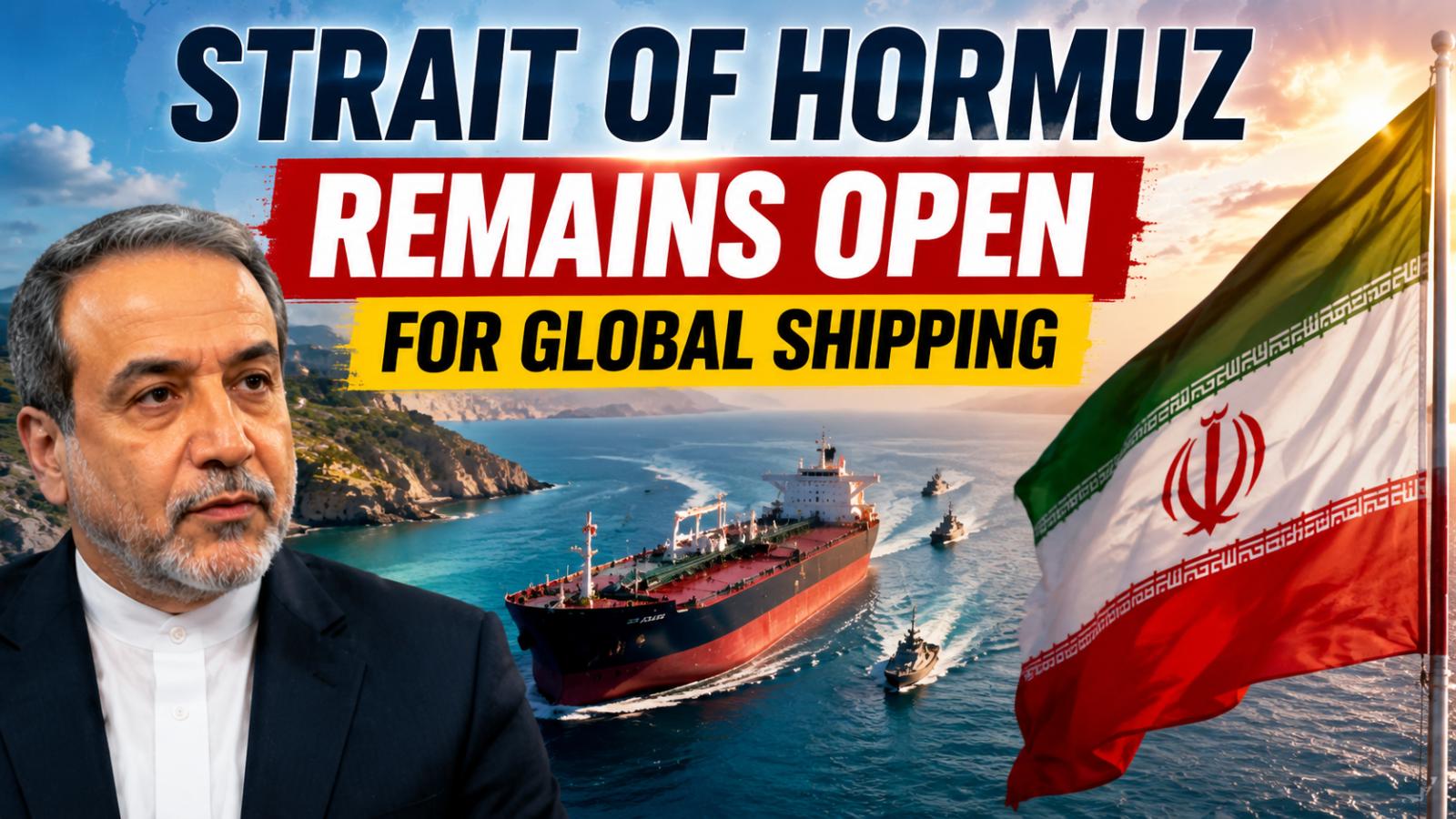
Iranian Foreign Minister Seyyed Abbas Araghchi confirmed that the Strait of Hormuz remains open to international shipping, except for vessels from countries currently at war with Iran. Speaking in New Delhi, Araghchi emphasized that Tehran prioritizes safe navigation through this vital maritime corridor. Strategic Importance of the Strait The minister highlighted the strait’s significance for oil, gas, and global trade. With a substantial share of worl
Iran says strait of hormuz open for global shipping
Iranian Foreign Minister Seyyed Abbas Araghchi confirmed that the Strait of Hormuz remains open to international shipping, except for vessels from countries currently at war with Iran. Speaking in New Delhi, Araghchi emphasized that Tehran prioritizes safe navigation through this vital maritime corridor. Strategic Importance of the Strait The minister highlighted the strait’s significance for oil, gas, and global trade. With a substantial share of worl
Trump’s Project Freedom sparks Iran warning amid Strait of Hormuz crisis
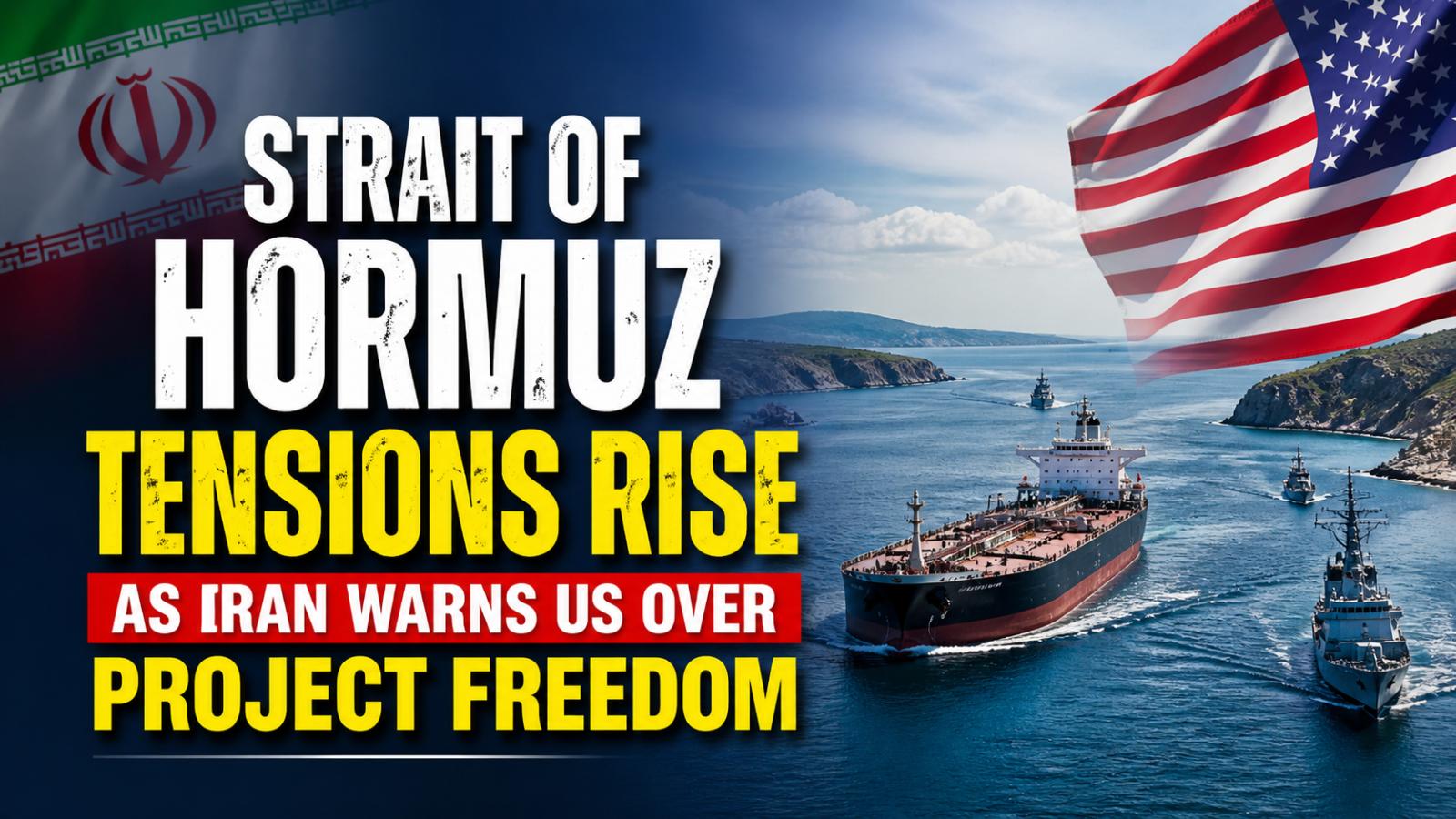
The Strait of Hormuz crisis has intensified after Ebrahim Azizi warned that any US intervention would be treated as a ceasefire violation. His remarks came in response to Donald Trump’s announcement of Project Freedom, a naval initiative aimed at guiding merchant vessels through the strategically vital w
Trump’s Project Freedom sparks Iran warning amid Strait of Hormuz crisis
The Strait of Hormuz crisis has intensified after Ebrahim Azizi warned that any US intervention would be treated as a ceasefire violation. His remarks came in response to Donald Trump’s announcement of Project Freedom, a naval initiative aimed at guiding merchant vessels through the strategically vital w
US-Iran Standoff Deepens with Reports of Experimental Maritime Strategies
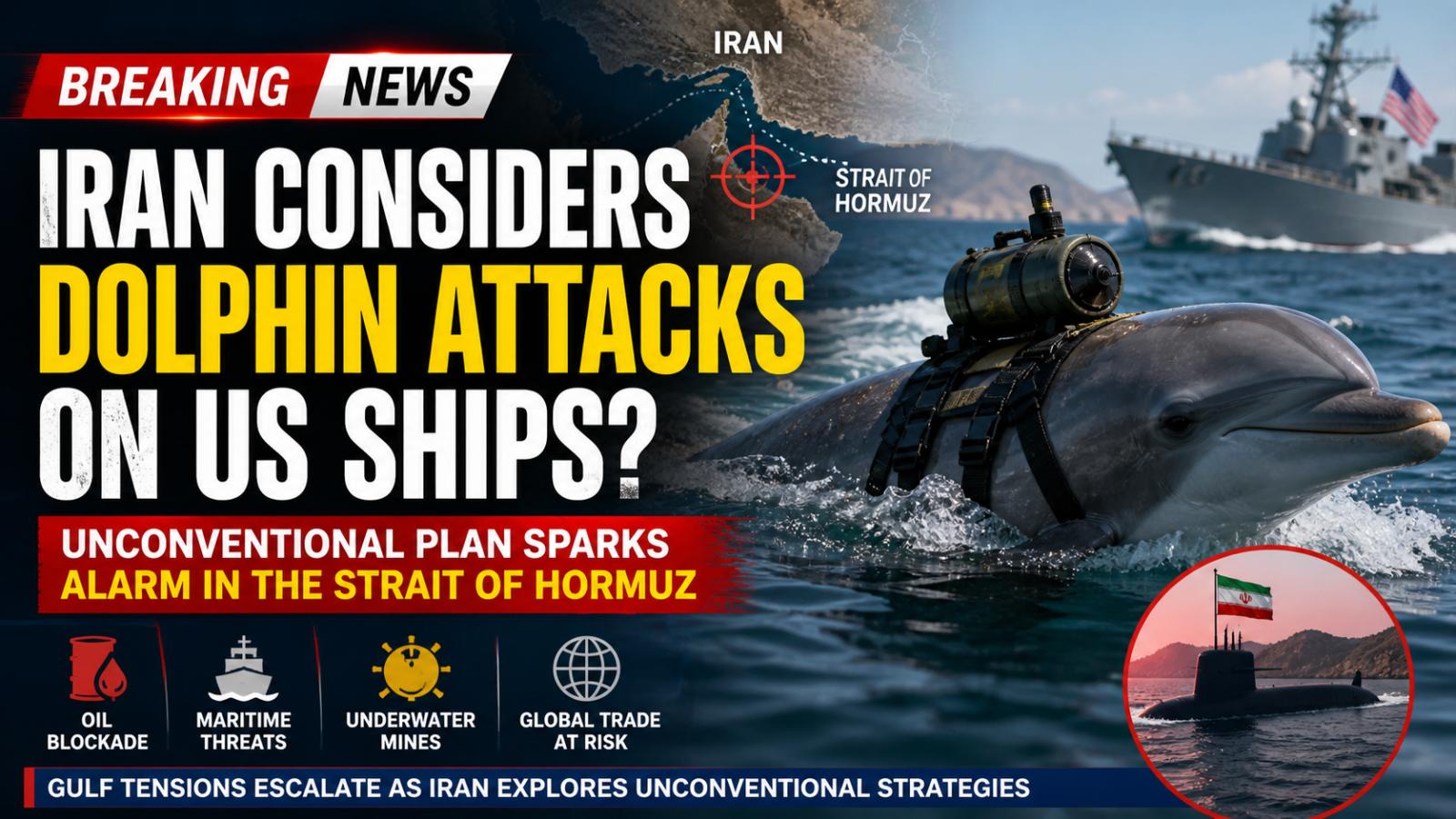
Iran is reportedly evaluating unconventional military approaches as tensions continue in the Gulf, with discussions centered on alternative maritime tactics that could impact security in the Strait of Hormuz. The move comes at a time when economic pressure from ongoing restrictions on oil exports is intensifying internal debate within the country’s leadership. Officials are said to be considering a range of options that extend beyond traditional naval operations. These deliberations reflect growing frustration among certain factions, which increasingly view the prolonged blockade as a direct threat to national stability. While a fragile ceasefire remains in place, some policymakers argue that the economic consequences of continued restrictions could outweigh the risks of escalation. Iran has previously explored the use of trained marine animals for defense-related purposes, highlighting a history of experimental approaches within its military planning. Such methods, if pursued, would represent a broader shift toward unconventional strategies aimed at countering perceived disadvantages in conventional naval power. Alongside these discussions, there are concerns that Iran could deploy submarines or other underwater capabilities within the strategic waterway. Additional threats have included the potential disruption of critical telecommunications infrastructure, which could have far-reaching consequences for global connectivity and trade. For international shipping, the primary concern remains surface-level disruptions that could directly affect the flow of goods through one of the world’s most vital energy corridors. Security officials continue to monitor developments closely, as any escalation in the region could have immediate implications for global markets and maritime safety.
US-Iran Standoff Deepens with Reports of Experimental Maritime Strategies
Iran is reportedly evaluating unconventional military approaches as tensions continue in the Gulf, with discussions centered on alternative maritime tactics that could impact security in the Strait of Hormuz. The move comes at a time when economic pressure from ongoing restrictions on oil exports is intensifying internal debate within the country’s leadership. Officials are said to be considering a range of options that extend beyond traditional naval operations. These deliberations reflect growing frustration among certain factions, which increasingly view the prolonged blockade as a direct threat to national stability. While a fragile ceasefire remains in place, some policymakers argue that the economic consequences of continued restrictions could outweigh the risks of escalation. Iran has previously explored the use of trained marine animals for defense-related purposes, highlighting a history of experimental approaches within its military planning. Such methods, if pursued, would represent a broader shift toward unconventional strategies aimed at countering perceived disadvantages in conventional naval power. Alongside these discussions, there are concerns that Iran could deploy submarines or other underwater capabilities within the strategic waterway. Additional threats have included the potential disruption of critical telecommunications infrastructure, which could have far-reaching consequences for global connectivity and trade. For international shipping, the primary concern remains surface-level disruptions that could directly affect the flow of goods through one of the world’s most vital energy corridors. Security officials continue to monitor developments closely, as any escalation in the region could have immediate implications for global markets and maritime safety.
Sanctioned billionaire’s yacht passes Hormuz amid US-Iran tensions
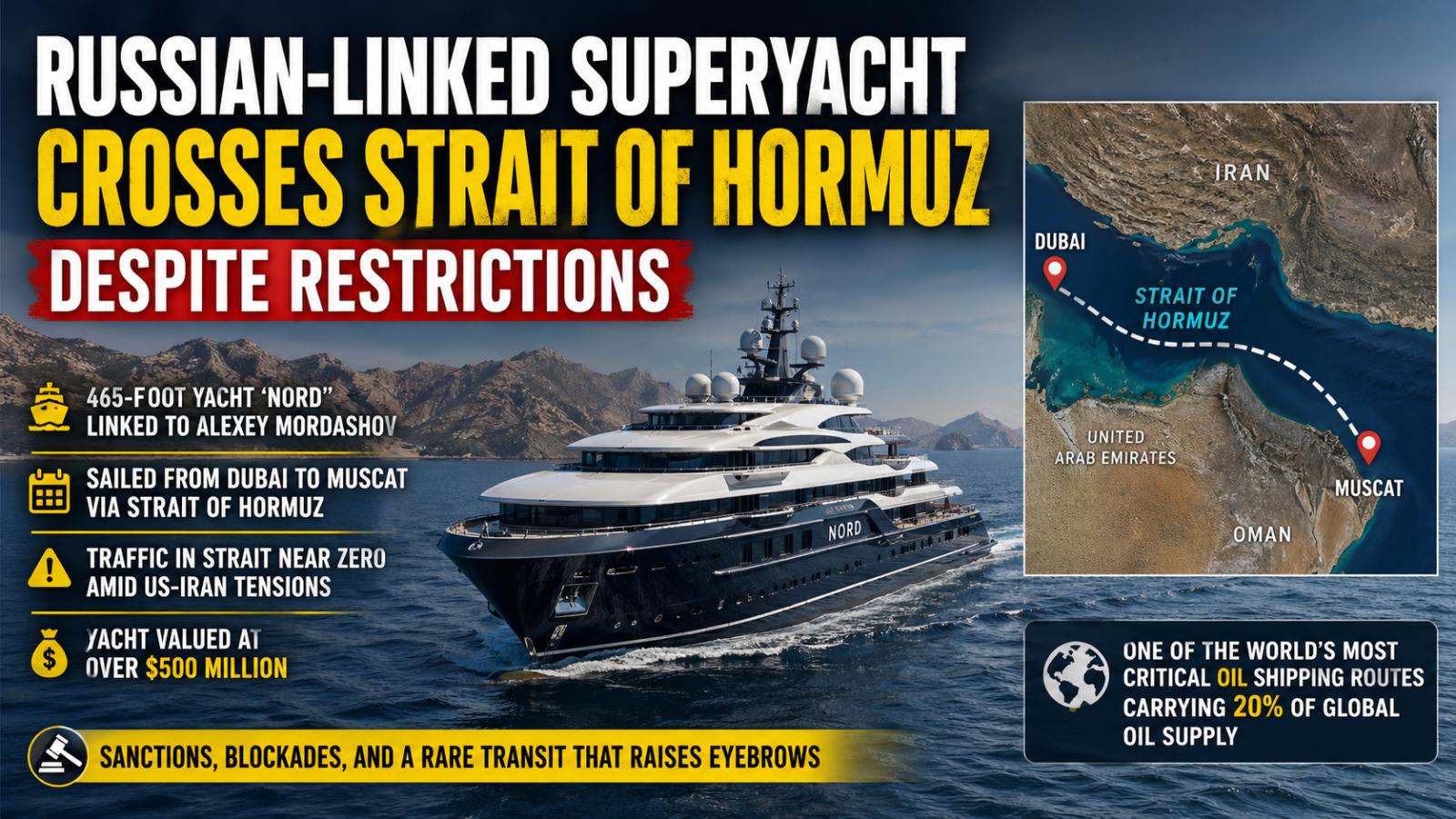
Why did a sanctioned yacht cross the Strait of Hormuz during heightened tensions? A 465-foot superyacht known as Nord, linked to Russian billionaire Alexey Mordashov, sailed through the strategically vital Strait of Hormuz despite ongoing maritime restrictions tied to the US-Iran conflict. The vessel departed Dubai on Friday April 24, 2026 afternoon, transited the st
Sanctioned billionaire’s yacht passes Hormuz amid US-Iran tensions
Why did a sanctioned yacht cross the Strait of Hormuz during heightened tensions? A 465-foot superyacht known as Nord, linked to Russian billionaire Alexey Mordashov, sailed through the strategically vital Strait of Hormuz despite ongoing maritime restrictions tied to the US-Iran conflict. The vessel departed Dubai on Friday April 24, 2026 afternoon, transited the st
Why did the US intercept oil tankers? Enforcement targets Iran-linked shipping network
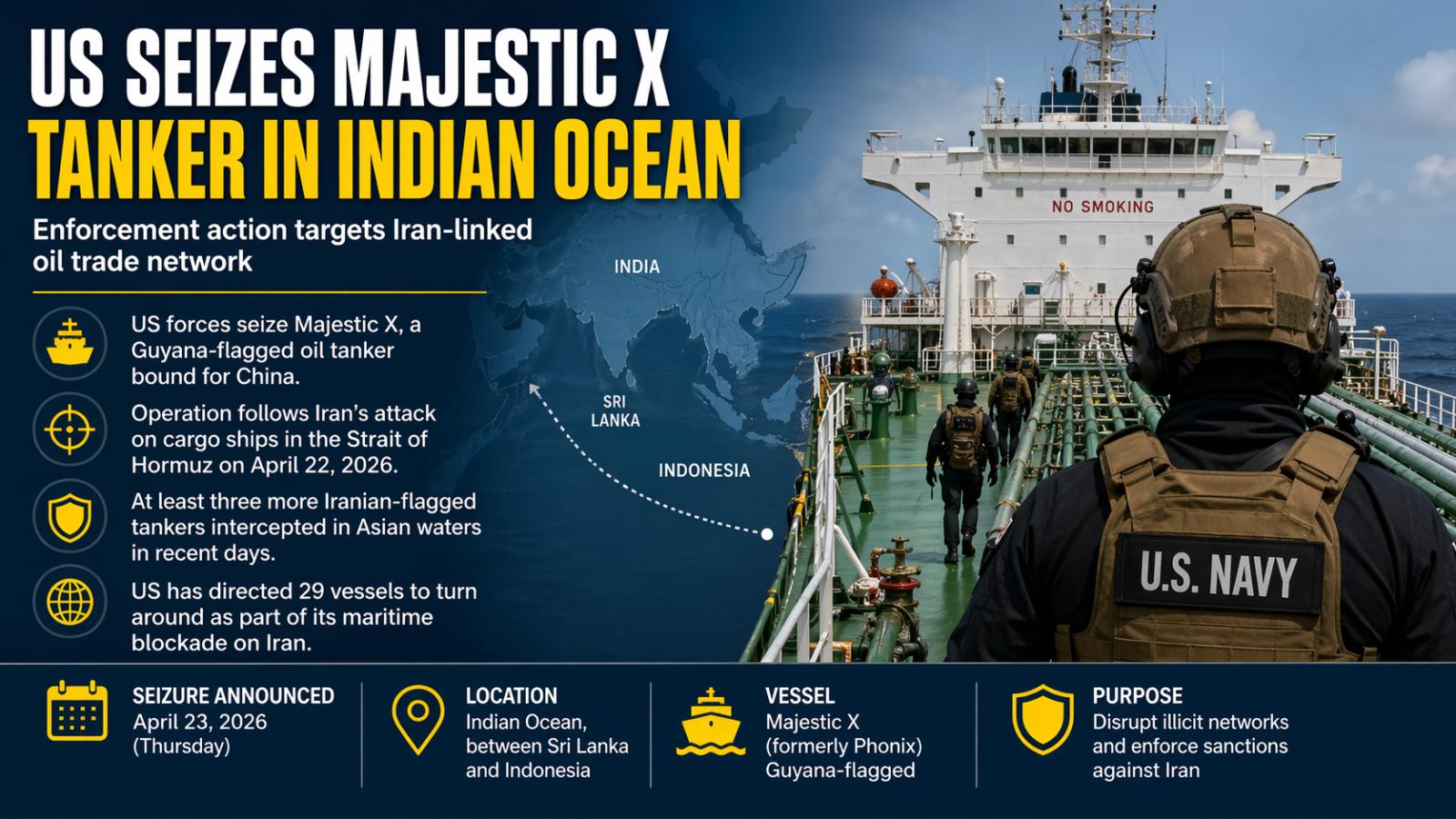
Seizure of Majestic X in Indian Ocean amid rising tensions The U.S. Department of Defense announced on Thursday, April 23, 2026, that it seized the oil tanker Majestic X in the Indian Ocean while it was en route to Zhoushan, China. Officials said the operation is part of ongoing maritime enforcement aimed at disrupting networks linked to Iranian oil exports in violation of U.S. sanctions. The Pentagon released video footage showing U.S. troops boarding a
Why did the US intercept oil tankers? Enforcement targets Iran-linked shipping network
Seizure of Majestic X in Indian Ocean amid rising tensions The U.S. Department of Defense announced on Thursday, April 23, 2026, that it seized the oil tanker Majestic X in the Indian Ocean while it was en route to Zhoushan, China. Officials said the operation is part of ongoing maritime enforcement aimed at disrupting networks linked to Iranian oil exports in violation of U.S. sanctions. The Pentagon released video footage showing U.S. troops boarding a
Iran releases dramatic video of ship seizures in Strait of Hormuz
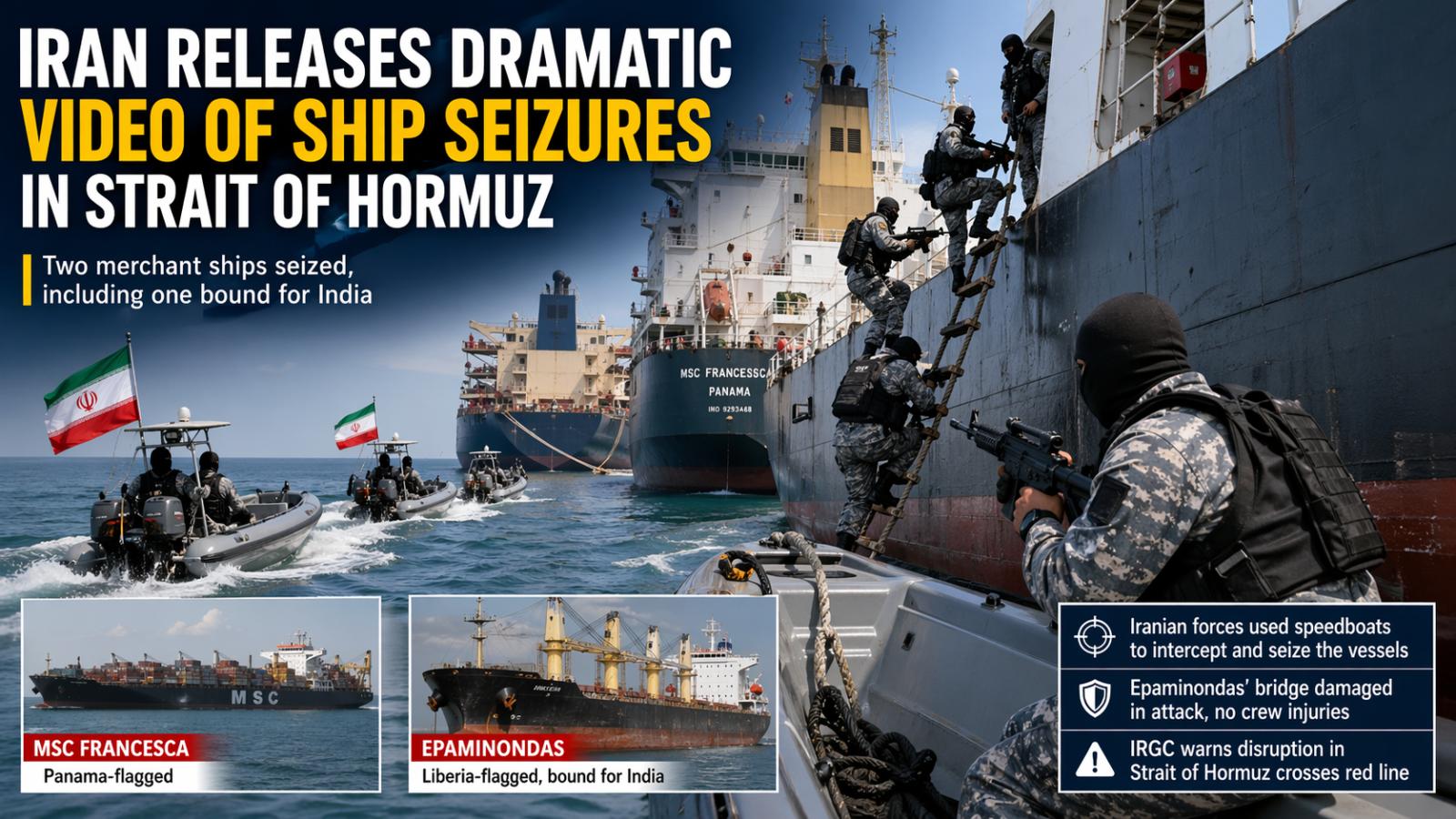
Iran released footage of naval forces seizing two merchant ships in the Strait of Hormuz, including an India-bound vessel, intensifying regional tensions and raising global shipping concerns. Iranian authorities released a dramatic video on Thursday, April 23, 2026, a day after naval forces seized two merchant vessels in the strategically critical Strait of Hormuz, including one ship bound for India. The footage shows masked commandos in speedboats pursuing the vessels, boarding them, and taking control in an operation that underscores escalating tensions in the region. The seizures occurred on Wednesday, April 22, 2026, shortly after U.S. President Donald Trump announced an extension of a ceasefire. Iranian naval units intercepted the Panama-flagged MSC Francesca and the Liberia-flagged Epaminondas, the latter traveling from Dubai to Mundra Port in Gujarat, India. Both ships were escorted to Iranian waters, marking Tehran’s first such action since the latest conflict began. The released footage shows fast-moving boats approaching the vessels, with armed personnel boarding and conducting searches. U.S. officials attributed the operation to Iran’s “mosquito fleet,” small, agile craft associated with the Islamic Revolutionary Guard Corps. Commandos are seen climbing ladders, sweeping through decks, and entering critical areas such as engine rooms to secure control. The Epaminondas sustained damage to its bridge after Iranian forces reportedly opened fire and used grenades during the boarding. Despite the intensity of the operation, no crew injuries were reported. The MSC Francesca, located about six miles off Iran’s coast, also came under heavy fire during the seizure. Iranian officials stated the vessels lacked proper authorization and had interfered with navigation systems, posing a threat to maritime safety in the Strait of Hormuz. Authorities warned that disruptions in the waterway would be treated as a serious violation.The incident follows a recent U.S. operation targeting an Iranian-linked vessel accused of breaching a maritime blockade. Analysts view the seizures as a potential retaliatory move, raising concerns about further escalation in one of the world’s most vital shipping corridors. The involvement of an India-bound vessel may also complicate diplomatic relations between Tehran and New Delhi as tensions continue to rise.
Iran releases dramatic video of ship seizures in Strait of Hormuz
Iran released footage of naval forces seizing two merchant ships in the Strait of Hormuz, including an India-bound vessel, intensifying regional tensions and raising global shipping concerns. Iranian authorities released a dramatic video on Thursday, April 23, 2026, a day after naval forces seized two merchant vessels in the strategically critical Strait of Hormuz, including one ship bound for India. The footage shows masked commandos in speedboats pursuing the vessels, boarding them, and taking control in an operation that underscores escalating tensions in the region. The seizures occurred on Wednesday, April 22, 2026, shortly after U.S. President Donald Trump announced an extension of a ceasefire. Iranian naval units intercepted the Panama-flagged MSC Francesca and the Liberia-flagged Epaminondas, the latter traveling from Dubai to Mundra Port in Gujarat, India. Both ships were escorted to Iranian waters, marking Tehran’s first such action since the latest conflict began. The released footage shows fast-moving boats approaching the vessels, with armed personnel boarding and conducting searches. U.S. officials attributed the operation to Iran’s “mosquito fleet,” small, agile craft associated with the Islamic Revolutionary Guard Corps. Commandos are seen climbing ladders, sweeping through decks, and entering critical areas such as engine rooms to secure control. The Epaminondas sustained damage to its bridge after Iranian forces reportedly opened fire and used grenades during the boarding. Despite the intensity of the operation, no crew injuries were reported. The MSC Francesca, located about six miles off Iran’s coast, also came under heavy fire during the seizure. Iranian officials stated the vessels lacked proper authorization and had interfered with navigation systems, posing a threat to maritime safety in the Strait of Hormuz. Authorities warned that disruptions in the waterway would be treated as a serious violation.The incident follows a recent U.S. operation targeting an Iranian-linked vessel accused of breaching a maritime blockade. Analysts view the seizures as a potential retaliatory move, raising concerns about further escalation in one of the world’s most vital shipping corridors. The involvement of an India-bound vessel may also complicate diplomatic relations between Tehran and New Delhi as tensions continue to rise.
Strait of Hormuz reopens after Lebanon cease-fire, Iran says
The Strait of Hormuz has reopened to commercial maritime traffic following a cease-fire agreement in Lebanon, according to Seyed Abbas Araghchi, who spoke on Friday. The senior Iranian official stated that the strategically critical waterway is now “completely open” for all commercial vessels, signaling a potential easing of tensions that had disrupted global shipping flows. Despite the
Strait of Hormuz reopens after Lebanon cease-fire, Iran says
The Strait of Hormuz has reopened to commercial maritime traffic following a cease-fire agreement in Lebanon, according to Seyed Abbas Araghchi, who spoke on Friday. The senior Iranian official stated that the strategically critical waterway is now “completely open” for all commercial vessels, signaling a potential easing of tensions that had disrupted global shipping flows. Despite the
US escalates pressure on Iran with Strait of Hormuz blockade
The United States has initiated a naval blockade of Iranian ports, significantly escalating tensions in the Middle East following the collapse of recent diplomatic efforts. The move came into effect at 2:00 PM GMT on Monday, April 14, 2026, according to US military officials, after weekend negotiations with Iran concluded without a breakthrough. The blockade applies to all Iranian ports along the Persian Gulf, restricting maritime access and placing additional pressure on Tehran am
US escalates pressure on Iran with Strait of Hormuz blockade
The United States has initiated a naval blockade of Iranian ports, significantly escalating tensions in the Middle East following the collapse of recent diplomatic efforts. The move came into effect at 2:00 PM GMT on Monday, April 14, 2026, according to US military officials, after weekend negotiations with Iran concluded without a breakthrough. The blockade applies to all Iranian ports along the Persian Gulf, restricting maritime access and placing additional pressure on Tehran am
US announces Strait of Hormuz blockade amid escalating Iran tensions
The United States has announced the start of a naval blockade targeting Iranian maritime activity, marking a significant escalation in tensions in the Middle East. Speaking to reporters outside the Oval Office on Monday, April 13, 2026, President Donald Trump said the blockade of the Strait of Hormuz had begun, adding that other countries would assist in the operation, though he did not identify them. The Strait of Hormuz, one of the world’s most critical oil transit routes, has b
US announces Strait of Hormuz blockade amid escalating Iran tensions
The United States has announced the start of a naval blockade targeting Iranian maritime activity, marking a significant escalation in tensions in the Middle East. Speaking to reporters outside the Oval Office on Monday, April 13, 2026, President Donald Trump said the blockade of the Strait of Hormuz had begun, adding that other countries would assist in the operation, though he did not identify them. The Strait of Hormuz, one of the world’s most critical oil transit routes, has b
US announces Iran port blockade as Tehran asserts control over maritime borders
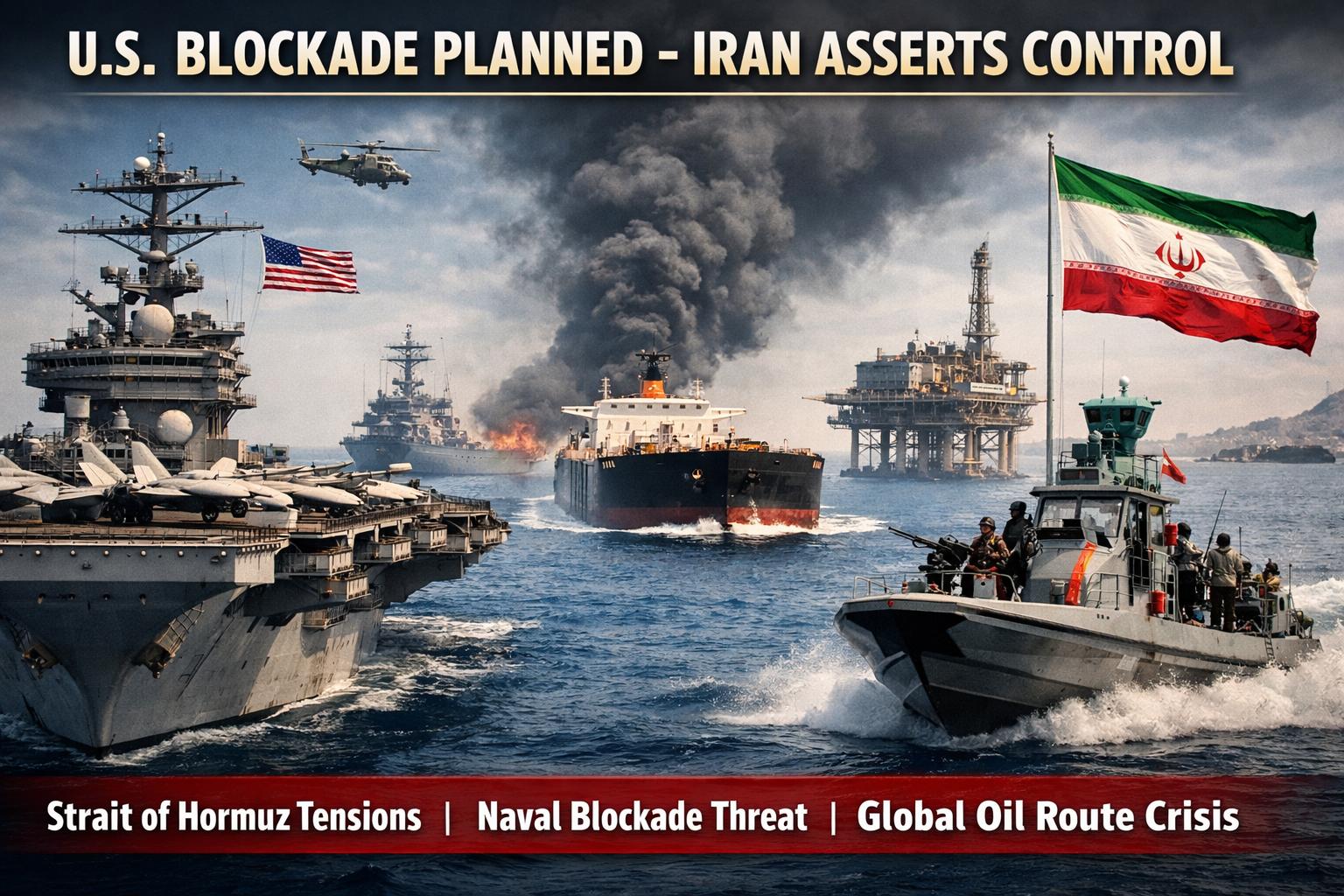
Washington, April 13 — Tensions between the United States and Iran intensified Monday as Washington moved forward with plans to impose a naval blockade targeting Iranian ports, prompting a swift response from Tehran asserting firm control over its maritime borders. Iran’s deputy interior minister said the country faces no significant security threats along its frontiers, emphasizing what he described as comprehensive oversight of both land and sea boundaries. He stated that Irania
US announces Iran port blockade as Tehran asserts control over maritime borders
Washington, April 13 — Tensions between the United States and Iran intensified Monday as Washington moved forward with plans to impose a naval blockade targeting Iranian ports, prompting a swift response from Tehran asserting firm control over its maritime borders. Iran’s deputy interior minister said the country faces no significant security threats along its frontiers, emphasizing what he described as comprehensive oversight of both land and sea boundaries. He stated that Irania
Trump warns of plan to destroy Iran infrastructure amid ceasefire talks
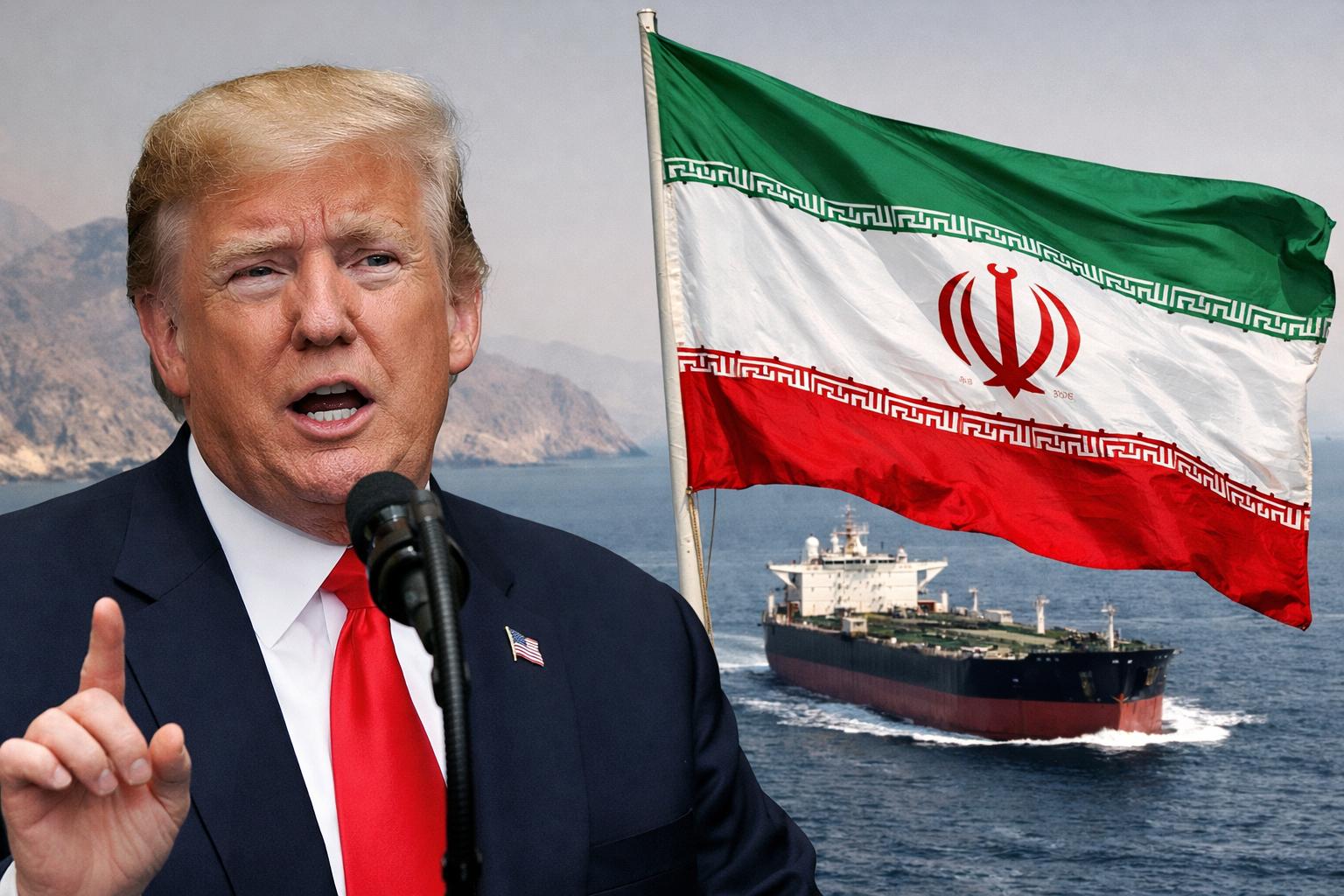
U.S. President Donald Trump on Monday, April 6, 2026, warned that the United States has a plan to destroy critical infrastructure in Iran if ongoing ceasefire efforts fail, signaling a potential escalation in already heightened tensions between the two countries. Speaking publicly, Trump described a scenario in which “every bridge, every power plant in Iran will be out of business,” adding that such an operation would result in “complete demolition by 12:00,” though he did not specify a time zone for that reference. The president emphasized that he does not want to pursue such action, noting the long-term consequences for Iran’s recovery. He stated that rebuilding could take “100 years,” underscoring the scale of destruction implied in his remarks. His comments come at a critical moment in the broader Middle East crisis, where diplomatic efforts and military posturing continue simultaneously. Trump also introduced a proposal involving the Strait of Hormuz, a vital global shipping route through which a significant portion of the world’s oil supply passes. He suggested that the United States, rather than Iran, should collect tolls from vessels transiting the waterway. “What about us charging tolls?” he said, positioning the idea as an alternative to allowing Iran to control revenue from the route. Iran recently announced its own toll system for tankers, asserting authority over the strategically important passage. Addressing the status of negotiations, Trump declined to provide a definitive assessment of whether tensions are easing or intensifying. “I can’t tell you, it depends on what they do. This is a critical period,” he said. He also referenced a deadline related to reopening the waterway, stating that Iran had “’til tomorrow at 8:00” following an extension he granted, though further details were not disclosed. Despite the strong rhetoric, Trump indicated that diplomatic engagement remains ongoing. He described Iran as an “active, willing participant” in negotiations and suggested that both sides may be exploring a potential agreement. However, he stopped short of confirming any progress toward a ceasefire, leaving the situation uncertain as global markets and policymakers continue to monitor developments closely.
Trump warns of plan to destroy Iran infrastructure amid ceasefire talks
U.S. President Donald Trump on Monday, April 6, 2026, warned that the United States has a plan to destroy critical infrastructure in Iran if ongoing ceasefire efforts fail, signaling a potential escalation in already heightened tensions between the two countries. Speaking publicly, Trump described a scenario in which “every bridge, every power plant in Iran will be out of business,” adding that such an operation would result in “complete demolition by 12:00,” though he did not specify a time zone for that reference. The president emphasized that he does not want to pursue such action, noting the long-term consequences for Iran’s recovery. He stated that rebuilding could take “100 years,” underscoring the scale of destruction implied in his remarks. His comments come at a critical moment in the broader Middle East crisis, where diplomatic efforts and military posturing continue simultaneously. Trump also introduced a proposal involving the Strait of Hormuz, a vital global shipping route through which a significant portion of the world’s oil supply passes. He suggested that the United States, rather than Iran, should collect tolls from vessels transiting the waterway. “What about us charging tolls?” he said, positioning the idea as an alternative to allowing Iran to control revenue from the route. Iran recently announced its own toll system for tankers, asserting authority over the strategically important passage. Addressing the status of negotiations, Trump declined to provide a definitive assessment of whether tensions are easing or intensifying. “I can’t tell you, it depends on what they do. This is a critical period,” he said. He also referenced a deadline related to reopening the waterway, stating that Iran had “’til tomorrow at 8:00” following an extension he granted, though further details were not disclosed. Despite the strong rhetoric, Trump indicated that diplomatic engagement remains ongoing. He described Iran as an “active, willing participant” in negotiations and suggested that both sides may be exploring a potential agreement. However, he stopped short of confirming any progress toward a ceasefire, leaving the situation uncertain as global markets and policymakers continue to monitor developments closely.
Trump warns NATO faces “very bad” future if allies refuse to reopen Strait of Hormuz
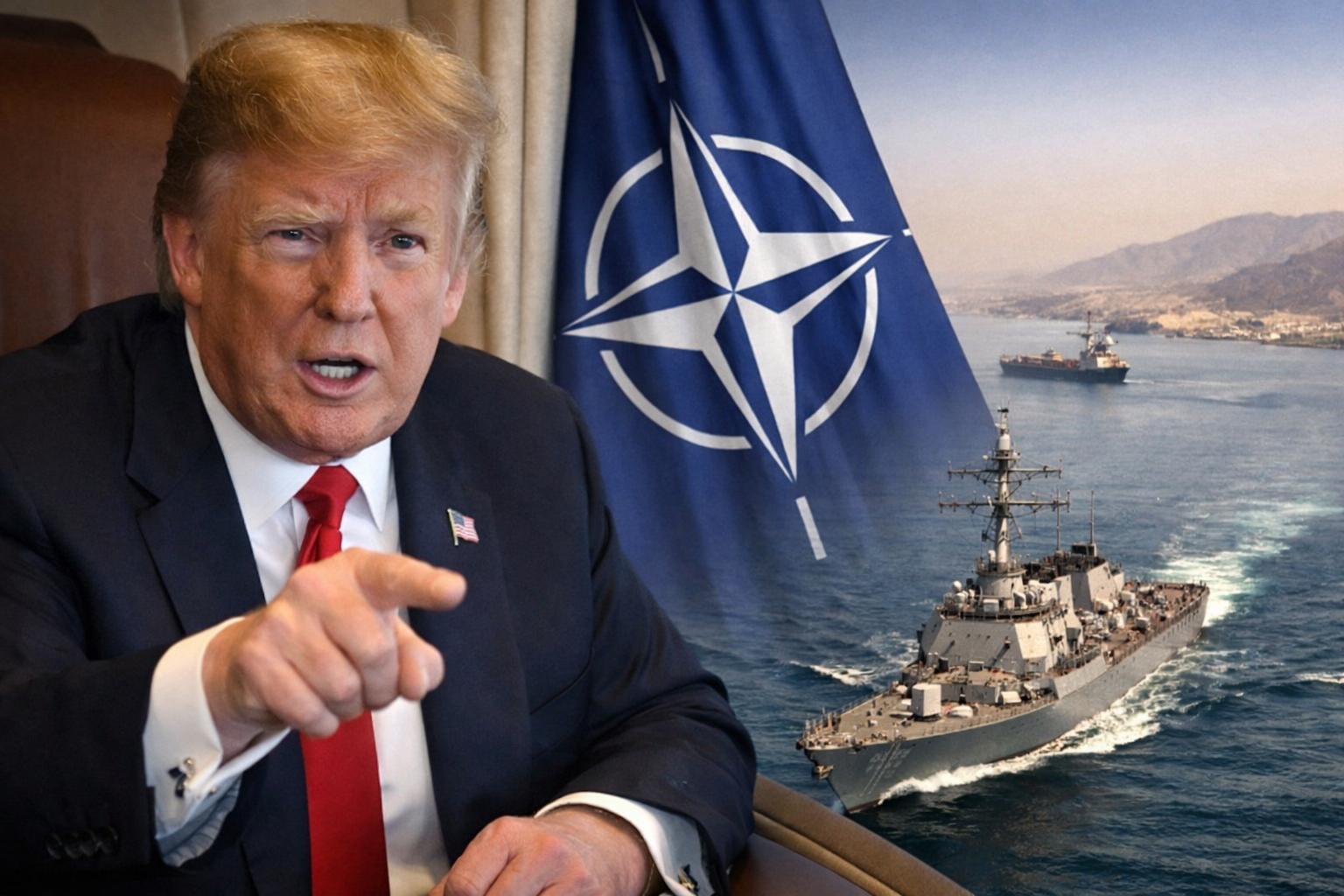
US President Donald Trump has warned that the future of the North Atlantic Treaty Organization could face serious consequences if allied nations fail to support efforts to reopen the Strait of Hormuz, a key global shipping route currently disrupted amid escalating tensions with Iran. The remarks signal increasing pressure from Washington on European allies to contribute more actively to maritime security in the strategically vital Gulf region. Speaking in a telephone interview on Sunday, Trump said a lack of support from allied nations could have negative implications for the military alliance. He emphasized that the United States has historically provided strong support to its partners, including assistance during the Ukraine-Russia war, and now expects reciprocal cooperation. According to Trump, maintaining stability in the Strait of Hormuz is essential not only for regional security but also for global oil trade and international shipping routes. Trump indicated that the United States has already taken significant action against Iranian threats in the Gulf and called for greater participation from allied countries to monitor and secure the waterway. He suggested that additional military support, including specialized forces or naval contributions, could help counter activities such as drone operations and naval mine deployments along the Iranian coastline, which he described as disruptive to maritime navigation. While speaking to reporters aboard Air Force One, Trump said he had demanded that several countries heavily dependent on oil shipments through the strait join a coalition aimed at safeguarding the passage. Although he did not disclose the names of the countries involved, he argued that nations benefiting from the route should take a more active role in protecting it. The president also discussed the situation with British Prime Minister Keir Starmer during a phone conversation on Sunday. According to the UK government, both leaders spoke about the importance of restoring access to the Strait of Hormuz to reduce disruptions in global shipping that are contributing to rising costs worldwide. Starmer also conveyed condolences for American service members who have died during the conflict. However, Trump voiced frustration over what he described as the United Kingdom’s initially cautious response to US requests for assistance. He said Washington expected support earlier in the operation and reiterated his longstanding view that NATO cooperation should be mutual. The Strait of Hormuz remains one of the world’s most critical maritime chokepoints, carrying a significant share of global oil supplies, making its security a central concern for governments and markets worldwide.
Trump warns NATO faces “very bad” future if allies refuse to reopen Strait of Hormuz
US President Donald Trump has warned that the future of the North Atlantic Treaty Organization could face serious consequences if allied nations fail to support efforts to reopen the Strait of Hormuz, a key global shipping route currently disrupted amid escalating tensions with Iran. The remarks signal increasing pressure from Washington on European allies to contribute more actively to maritime security in the strategically vital Gulf region. Speaking in a telephone interview on Sunday, Trump said a lack of support from allied nations could have negative implications for the military alliance. He emphasized that the United States has historically provided strong support to its partners, including assistance during the Ukraine-Russia war, and now expects reciprocal cooperation. According to Trump, maintaining stability in the Strait of Hormuz is essential not only for regional security but also for global oil trade and international shipping routes. Trump indicated that the United States has already taken significant action against Iranian threats in the Gulf and called for greater participation from allied countries to monitor and secure the waterway. He suggested that additional military support, including specialized forces or naval contributions, could help counter activities such as drone operations and naval mine deployments along the Iranian coastline, which he described as disruptive to maritime navigation. While speaking to reporters aboard Air Force One, Trump said he had demanded that several countries heavily dependent on oil shipments through the strait join a coalition aimed at safeguarding the passage. Although he did not disclose the names of the countries involved, he argued that nations benefiting from the route should take a more active role in protecting it. The president also discussed the situation with British Prime Minister Keir Starmer during a phone conversation on Sunday. According to the UK government, both leaders spoke about the importance of restoring access to the Strait of Hormuz to reduce disruptions in global shipping that are contributing to rising costs worldwide. Starmer also conveyed condolences for American service members who have died during the conflict. However, Trump voiced frustration over what he described as the United Kingdom’s initially cautious response to US requests for assistance. He said Washington expected support earlier in the operation and reiterated his longstanding view that NATO cooperation should be mutual. The Strait of Hormuz remains one of the world’s most critical maritime chokepoints, carrying a significant share of global oil supplies, making its security a central concern for governments and markets worldwide.
US–Israel–Iran War | Strait of Hormuz crisis sends global shipping costs soaring
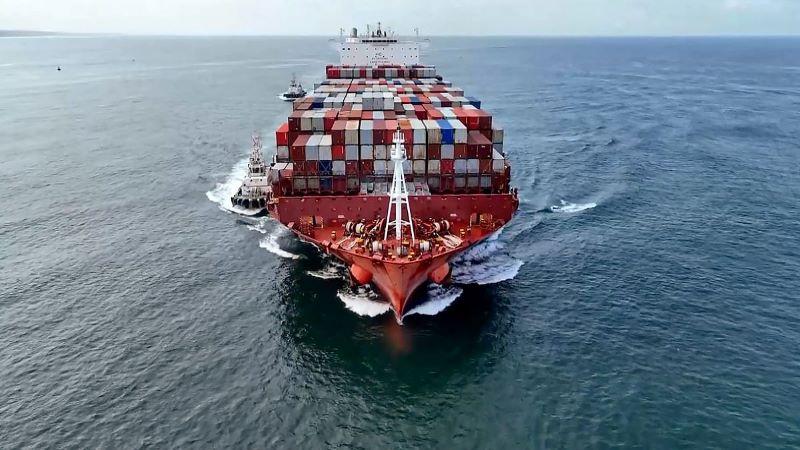
The global shipping industry is grappling with mounting financial strain as escalating conflict involving the United States, Israel, and Iran disrupts maritime traffic through the Strait of Hormuz. Within three days of hostilities and retaliatory strikes across the Gulf region, freight markets have recorded sharp increases in costs, with industry estimates pointing to potential losses amounting to tens of billions of dollars per day. The Strait of Hormuz, a critical chokepoint for m
US–Israel–Iran War | Strait of Hormuz crisis sends global shipping costs soaring
The global shipping industry is grappling with mounting financial strain as escalating conflict involving the United States, Israel, and Iran disrupts maritime traffic through the Strait of Hormuz. Within three days of hostilities and retaliatory strikes across the Gulf region, freight markets have recorded sharp increases in costs, with industry estimates pointing to potential losses amounting to tens of billions of dollars per day. The Strait of Hormuz, a critical chokepoint for m
Australia, Japan Halt Some US-Bound Parcels as Trump Ends $800 Duty-Free Rule
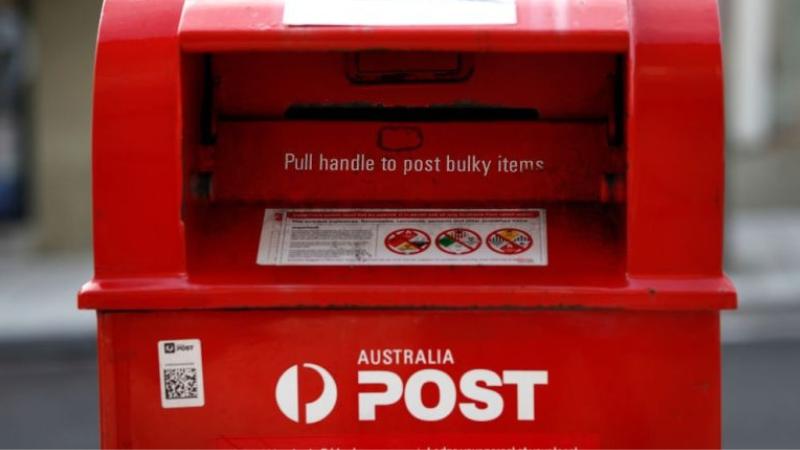
Australia and Japan have become the latest countries to suspend some parcel shipments to the United States after Washington ended its de minimis exemption that allowed packages valued under $800 to enter duty-free. The rule change, set to take effect Friday, has disrupted global postal services already struggling with rising tariffs and complex customs procedures. On Tuesday, Australia Post announced a temporary
Australia, Japan Halt Some US-Bound Parcels as Trump Ends $800 Duty-Free Rule
Australia and Japan have become the latest countries to suspend some parcel shipments to the United States after Washington ended its de minimis exemption that allowed packages valued under $800 to enter duty-free. The rule change, set to take effect Friday, has disrupted global postal services already struggling with rising tariffs and complex customs procedures. On Tuesday, Australia Post announced a temporary
India suspends US postal services after new American duty rules and Trump tariffs
The Department of Posts in India announced on Saturday that it is temporarily suspending all types of postal consignments destined for the United States, citing new American duty regulations and heightened trade tensions. This decision follows President Donald Trump’s imposition of a 50 percent tariff on Indian goods, along with an additional 25 percent penalty tied to India’s purchase of Russian oil, which has already created friction in bilateral
India suspends US postal services after new American duty rules and Trump tariffs
The Department of Posts in India announced on Saturday that it is temporarily suspending all types of postal consignments destined for the United States, citing new American duty regulations and heightened trade tensions. This decision follows President Donald Trump’s imposition of a 50 percent tariff on Indian goods, along with an additional 25 percent penalty tied to India’s purchase of Russian oil, which has already created friction in bilateral


