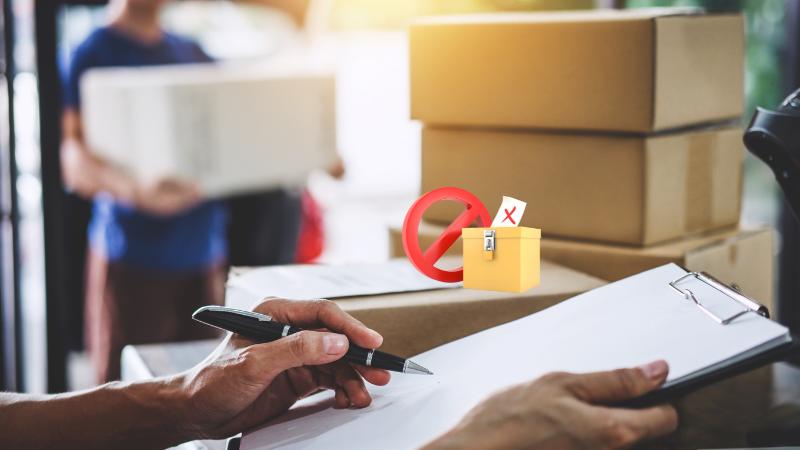
The Department of Posts in India announced on Saturday that it is temporarily suspending all types of postal consignments destined for the United States, citing new American duty regulations and heightened trade tensions. This decision follows President Donald Trump’s imposition of a 50 percent tariff on Indian goods, along with an additional 25 percent penalty tied to India’s purchase of Russian oil, which has already created friction in bilateral trade relations.
According to an official statement from the Ministry of Communications, the move comes in response to the Executive Order No. 14324 issued by the US Administration on July 30, 2025. Under this order, the long-standing de minimis exemption that allowed goods valued up to 800 US dollars to enter the country duty-free will be withdrawn effective August 29, 2025. This change means that all postal items, regardless of their value, will now be subject to tariffs under the International Emergency Economic Power Act (IEEPA). However, a small exception has been made for gift parcels valued up to 100 US dollars, which will remain exempt from duties.
The ministry further explained that under the new framework, all shipments arriving in the United States must have duties collected and remitted by designated transport carriers or other entities recognized as qualified parties by US Customs and Border Protection. While guidelines were issued on August 15, 2025, the mechanisms for identifying qualified entities and creating a system for duty collection remain unclear. Due to this lack of clarity, Indian postal carriers and air transport partners expressed their inability to process and deliver consignments to the US, forcing the government to take the step of suspending services.
As a result, effective August 25, 2025, all international postal articles bound for the United States, including letters, parcels, and commercial shipments, will no longer be accepted by the Department of Posts. Only gift items worth up to 100 US dollars will be allowed to proceed. The department also assured customers who had already booked shipments that are now undeliverable that they will be eligible for a refund of postage charges.
Officials emphasized that this suspension is temporary but necessary given the operational hurdles posed by the new American regulations. They added that discussions are ongoing with various stakeholders, including postal networks, air carriers, and international trade partners, to resolve the bottlenecks and restore normalcy at the earliest opportunity.
The suspension of postal services is a significant development in the larger context of India-US trade tensions. Relations between the two countries have come under strain since the Trump administration announced sweeping tariff measures on Indian goods earlier this year. While Washington has defended its actions as necessary to rebalance trade and penalize India’s engagement with Russia, New Delhi has strongly criticized the moves as unfair and unjustified. Indian officials have publicly stated that they will pursue all necessary actions to safeguard national interests, signaling the possibility of retaliatory measures in the near future.
The decision to halt postal shipments to the United States will not only impact individual customers and families who rely on these services to send personal parcels but also small businesses and exporters who use the international postal network as a cost-effective way to ship goods. With the withdrawal of the 800 US dollar duty-free threshold, even modest-value items like handicrafts, clothing, and small electronics are expected to face additional costs, making them less competitive in the American market.
The ripple effect of this suspension is expected to be felt widely among diaspora communities, online sellers, and smaller merchants who may not have the resources to switch to private international courier services that comply with the new duty rules. While larger exporters may be able to adjust, smaller enterprises could find themselves disproportionately burdened, further straining trade dynamics.
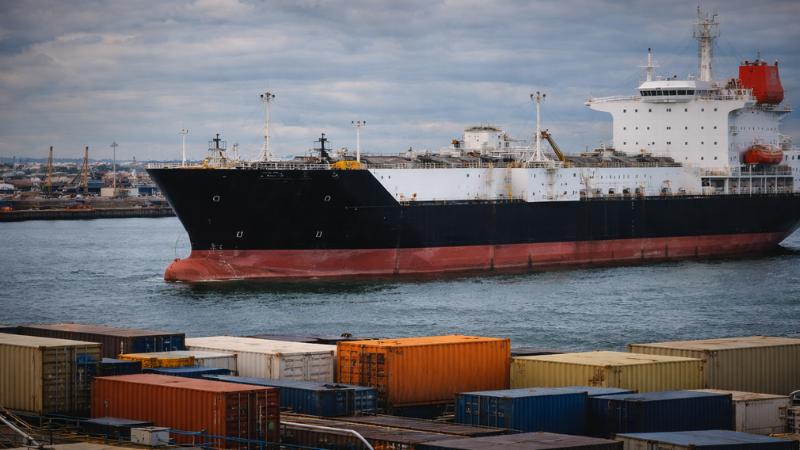
This latest escalation highlights the fragile state of global supply chains and trade relations in the wake of increasing protectionist policies. For India, which has long relied on affordable postal networks to facilitate cultural and commercial exchanges with the United States, the temporary suspension marks a major setback. For the US, the policy shift underlines its growing reliance on tariffs as a tool of foreign and economic policy, even at the cost of disrupting international postal agreements.
As both governments navigate this conflict, the coming weeks will be critical in determining how quickly normal postal operations can resume and whether broader trade negotiations can reduce the tension. Until then, the suspension remains a strong reminder of how swiftly global politics can impact the everyday lives of individuals and businesses alike.