#internationaltrade
Iran Condemns U.S. Attack Killing Indian Sailors in Strait of Hormuz
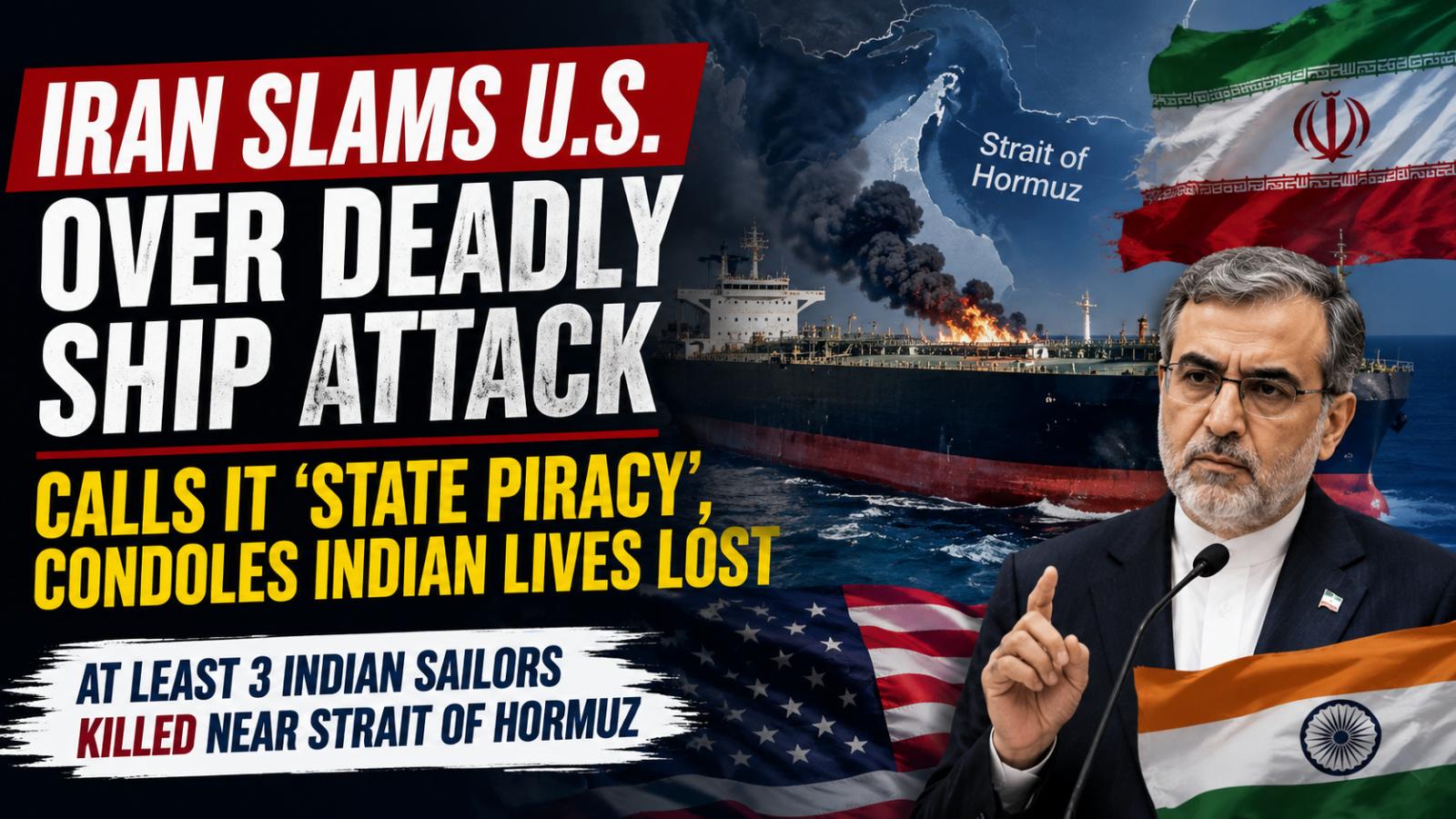
Iran Condemns U.S. Attack on Indian Commercial Vessel Iran strongly condemned Friday’s, June 11, 2026 attack on a commercial ship near the Strait of Hormuz, which killed at least three Indian nationals. The Iranian Foreign Ministry described the incident as “armed robbery and State piracy” and extended condolences to the families of the deceased sailors.
Iran Condemns U.S. Attack Killing Indian Sailors in Strait of Hormuz
Iran Condemns U.S. Attack on Indian Commercial Vessel Iran strongly condemned Friday’s, June 11, 2026 attack on a commercial ship near the Strait of Hormuz, which killed at least three Indian nationals. The Iranian Foreign Ministry described the incident as “armed robbery and State piracy” and extended condolences to the families of the deceased sailors.
Trump threatens 50% tariffs on countries supplying weapons to Iran
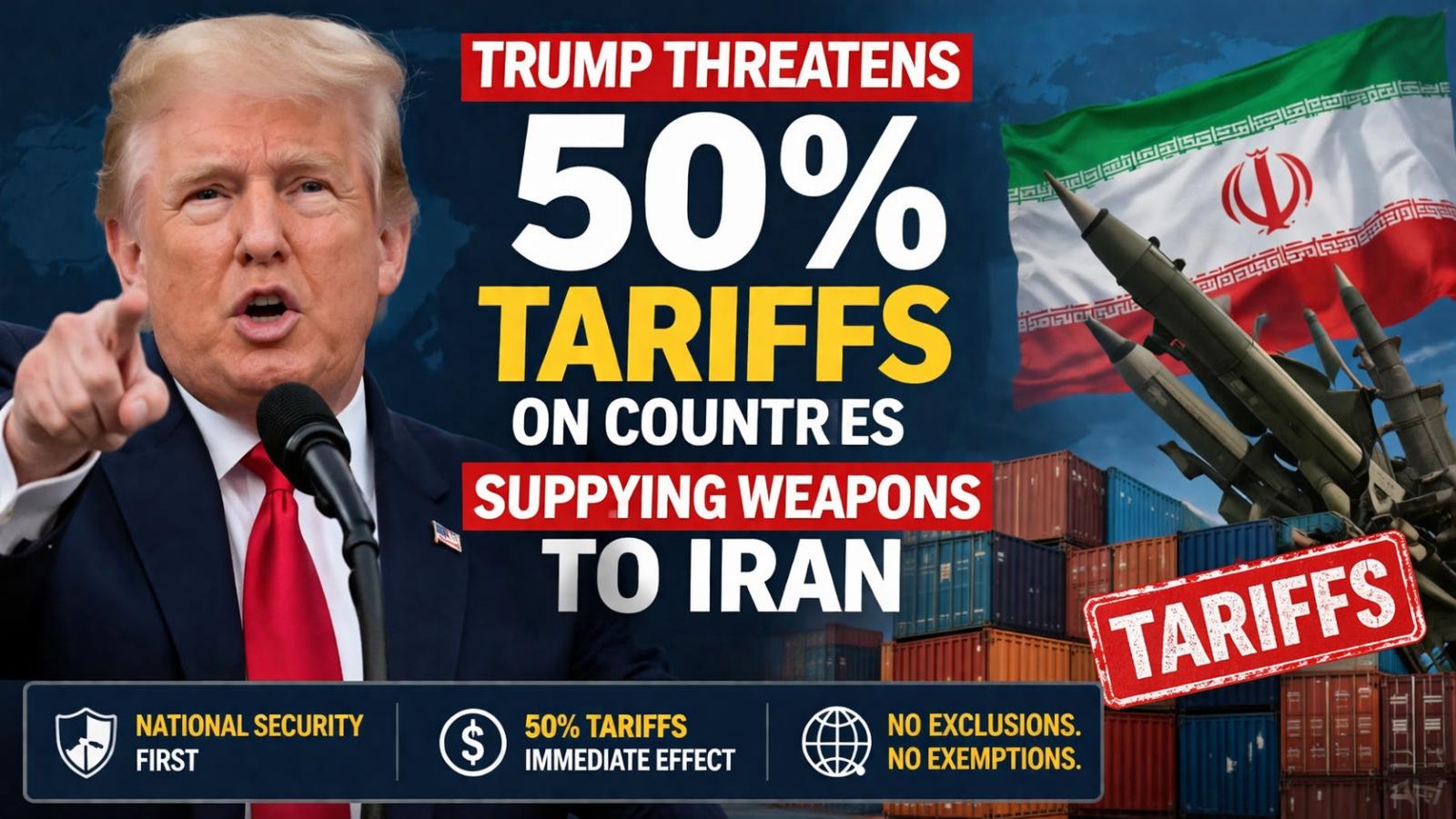
U.S. President Donald Trump announced that the United States will impose tariffs of 50% on goods imported from any country found to be supplying military weapons to Iran, marking a sharp escalation in trade measures tied to geopolitical tensions. In a statement posted on Wednesday, April 8, 2026 (local U.S. time), Trump said the tariffs would take effect immediately and apply broadly. He emphasized that there would be no “exclusions or exemptions,” warning that “any and all” g
Trump threatens 50% tariffs on countries supplying weapons to Iran
U.S. President Donald Trump announced that the United States will impose tariffs of 50% on goods imported from any country found to be supplying military weapons to Iran, marking a sharp escalation in trade measures tied to geopolitical tensions. In a statement posted on Wednesday, April 8, 2026 (local U.S. time), Trump said the tariffs would take effect immediately and apply broadly. He emphasized that there would be no “exclusions or exemptions,” warning that “any and all” g
Global reaction after Supreme Court rules Trump exceeded tariff authority
World leaders and policymakers reacted quickly on Friday after the Supreme Court of the United States ruled that President Donald Trump exceeded his legal authority by imposing sweeping global tariffs, a decision that effectively blocks a key component of his trade policy agenda. The ruling has prompted governments and market observers worldwide to evaluate the potential consequences for international trade, economic stability, and future US trade relations. Speaking at a White House breakfa
Global reaction after Supreme Court rules Trump exceeded tariff authority
World leaders and policymakers reacted quickly on Friday after the Supreme Court of the United States ruled that President Donald Trump exceeded his legal authority by imposing sweeping global tariffs, a decision that effectively blocks a key component of his trade policy agenda. The ruling has prompted governments and market observers worldwide to evaluate the potential consequences for international trade, economic stability, and future US trade relations. Speaking at a White House breakfa
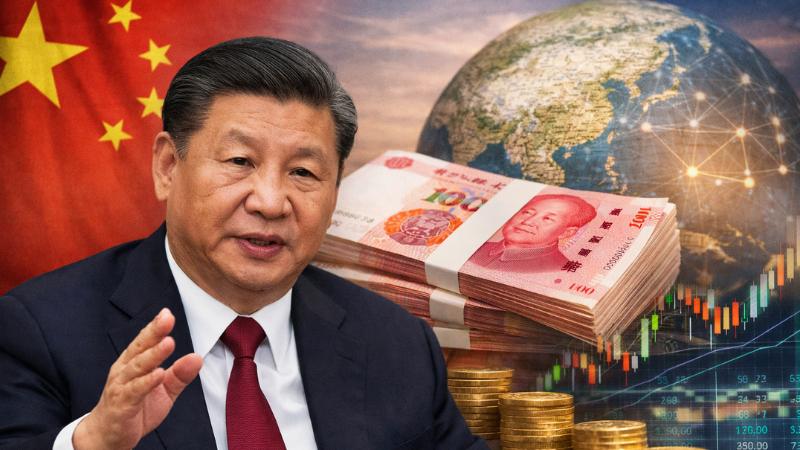
China seeks stronger yuan as Xi Jinping outlines push for global reserve currency
Amid continuing global economic uncertainty and renewed debate over the stability of major reserve currencies, Chinese President Xi Jinping has reiterated China’s ambition to build a “strong currency” and gradually elevate the yuan’s status in the global financial system. Xi said China aims to expand the use of the yuan in international trade, investment, and foreign exchange markets, underscoring a long-standing policy goal to strengthen the country’s financial influence worldwide. Xi’s remarks were outlined in a speech delivered in 2024 to senior provincial and ministerial officials and later published on Saturday in Qiushi, the Communist Party’s leading theoretical journal. The publication of excerpts from the address comes at a time of heightened volatility in global markets and growing scrutiny of the dominance of the US dollar, adding significance to Beijing’s renewed emphasis on currency strength and financial resilience. In the speech, Xi set out what he described as the essential characteristics of a global financial powerhouse. These included a solid economic foundation, world-leading technological and industrial capabilities, and a widely accepted and credible currency. He argued that currency strength was inseparable from broader national competitiveness and institutional capacity, noting that financial influence must be supported by real economic and technological power rather than short-term market movements. Xi also stressed the importance of a capable and independent central bank able to implement effective monetary policy and macroprudential management. He said globally competitive financial institutions, along with influential international financial centres, were necessary to attract global capital and exert pricing power in international markets. According to Xi, these elements must be matched with strong regulation, a reliable legal framework, and a deep pool of skilled financial professionals to ensure long-term stability and credibility. While acknowledging China’s scale in global finance, Xi noted that the country still faced structural limitations. He said China ranked among the world’s largest economies in terms of banking assets, foreign exchange reserves, and capital market size, but remained “big but not strong” overall. Transforming China into a true global financial powerhouse, he added, would be a gradual and long-term undertaking rather than an immediate achievement. Beijing has promoted the internationalisation of the yuan for more than a decade, with measurable progress in its use for cross-border trade settlement. The currency’s role in global markets, however, remains limited when compared with established reserve currencies. China’s Cross-Border Interbank Payment System currently clears an average of about 700 billion yuan, or roughly 100 billion US dollars, in transactions each day. This figure remains well below the nearly 2 trillion US dollars cleared daily through the dollar-based Clearing House Interbank Payments System. Yuan-denominated debt issuance in international markets also accounts for a small share of global activity, representing less than one percent of total issuance. These figures highlight the gap between China’s ambitions and the yuan’s current global footprint, despite steady domestic financial expansion. In recent months, the yuan has generally held firm against the US dollar, even amid trade tensions and uneven global growth. This stability contrasts with the sharper depreciation seen during former US President Donald Trump’s first term, when market observers speculated that Chinese authorities tolerated a weaker currency to offset the impact of tariffs. International investment banks continue to argue that the yuan remains below its long-term fair value, reflecting both policy controls and cautious foreign investor sentiment. The republication of Xi’s speech signals continuity in China’s financial strategy rather than a sudden shift. As global markets navigate uncertainty and reassess existing monetary structures, Beijing appears intent on steadily advancing its vision of a stronger yuan and a more influential role in the international financial system over the long term.
China seeks stronger yuan as Xi Jinping outlines push for global reserve currency
Amid continuing global economic uncertainty and renewed debate over the stability of major reserve currencies, Chinese President Xi Jinping has reiterated China’s ambition to build a “strong currency” and gradually elevate the yuan’s status in the global financial system. Xi said China aims to expand the use of the yuan in international trade, investment, and foreign exchange markets, underscoring a long-standing policy goal to strengthen the country’s financial influence worldwide. Xi’s remarks were outlined in a speech delivered in 2024 to senior provincial and ministerial officials and later published on Saturday in Qiushi, the Communist Party’s leading theoretical journal. The publication of excerpts from the address comes at a time of heightened volatility in global markets and growing scrutiny of the dominance of the US dollar, adding significance to Beijing’s renewed emphasis on currency strength and financial resilience. In the speech, Xi set out what he described as the essential characteristics of a global financial powerhouse. These included a solid economic foundation, world-leading technological and industrial capabilities, and a widely accepted and credible currency. He argued that currency strength was inseparable from broader national competitiveness and institutional capacity, noting that financial influence must be supported by real economic and technological power rather than short-term market movements. Xi also stressed the importance of a capable and independent central bank able to implement effective monetary policy and macroprudential management. He said globally competitive financial institutions, along with influential international financial centres, were necessary to attract global capital and exert pricing power in international markets. According to Xi, these elements must be matched with strong regulation, a reliable legal framework, and a deep pool of skilled financial professionals to ensure long-term stability and credibility. While acknowledging China’s scale in global finance, Xi noted that the country still faced structural limitations. He said China ranked among the world’s largest economies in terms of banking assets, foreign exchange reserves, and capital market size, but remained “big but not strong” overall. Transforming China into a true global financial powerhouse, he added, would be a gradual and long-term undertaking rather than an immediate achievement. Beijing has promoted the internationalisation of the yuan for more than a decade, with measurable progress in its use for cross-border trade settlement. The currency’s role in global markets, however, remains limited when compared with established reserve currencies. China’s Cross-Border Interbank Payment System currently clears an average of about 700 billion yuan, or roughly 100 billion US dollars, in transactions each day. This figure remains well below the nearly 2 trillion US dollars cleared daily through the dollar-based Clearing House Interbank Payments System. Yuan-denominated debt issuance in international markets also accounts for a small share of global activity, representing less than one percent of total issuance. These figures highlight the gap between China’s ambitions and the yuan’s current global footprint, despite steady domestic financial expansion. In recent months, the yuan has generally held firm against the US dollar, even amid trade tensions and uneven global growth. This stability contrasts with the sharper depreciation seen during former US President Donald Trump’s first term, when market observers speculated that Chinese authorities tolerated a weaker currency to offset the impact of tariffs. International investment banks continue to argue that the yuan remains below its long-term fair value, reflecting both policy controls and cautious foreign investor sentiment. The republication of Xi’s speech signals continuity in China’s financial strategy rather than a sudden shift. As global markets navigate uncertainty and reassess existing monetary structures, Beijing appears intent on steadily advancing its vision of a stronger yuan and a more influential role in the international financial system over the long term.
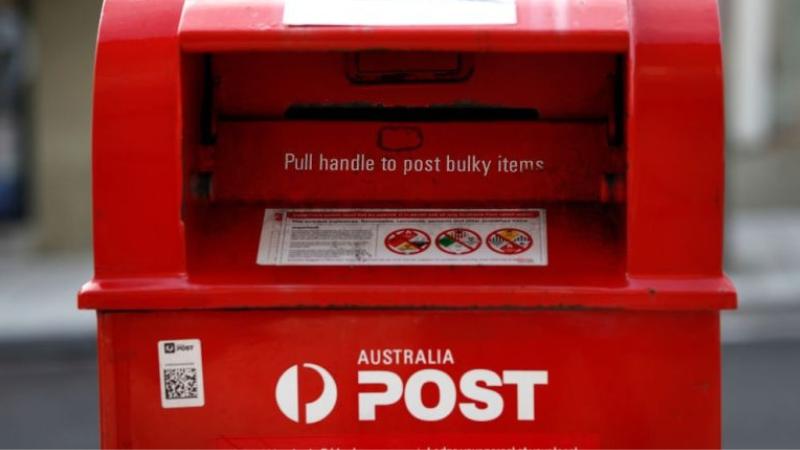
Australia, Japan Halt Some US-Bound Parcels as Trump Ends $800 Duty-Free Rule
Australia and Japan have become the latest countries to suspend some parcel shipments to the United States after Washington ended its de minimis exemption that allowed packages valued under $800 to enter duty-free. The rule change, set to take effect Friday, has disrupted global postal services already struggling with rising tariffs and complex customs procedures. On Tuesday, Australia Post announced a temporary
Australia, Japan Halt Some US-Bound Parcels as Trump Ends $800 Duty-Free Rule
Australia and Japan have become the latest countries to suspend some parcel shipments to the United States after Washington ended its de minimis exemption that allowed packages valued under $800 to enter duty-free. The rule change, set to take effect Friday, has disrupted global postal services already struggling with rising tariffs and complex customs procedures. On Tuesday, Australia Post announced a temporary
India suspends US postal services after new American duty rules and Trump tariffs
The Department of Posts in India announced on Saturday that it is temporarily suspending all types of postal consignments destined for the United States, citing new American duty regulations and heightened trade tensions. This decision follows President Donald Trump’s imposition of a 50 percent tariff on Indian goods, along with an additional 25 percent penalty tied to India’s purchase of Russian oil, which has already created friction in bilateral
India suspends US postal services after new American duty rules and Trump tariffs
The Department of Posts in India announced on Saturday that it is temporarily suspending all types of postal consignments destined for the United States, citing new American duty regulations and heightened trade tensions. This decision follows President Donald Trump’s imposition of a 50 percent tariff on Indian goods, along with an additional 25 percent penalty tied to India’s purchase of Russian oil, which has already created friction in bilateral