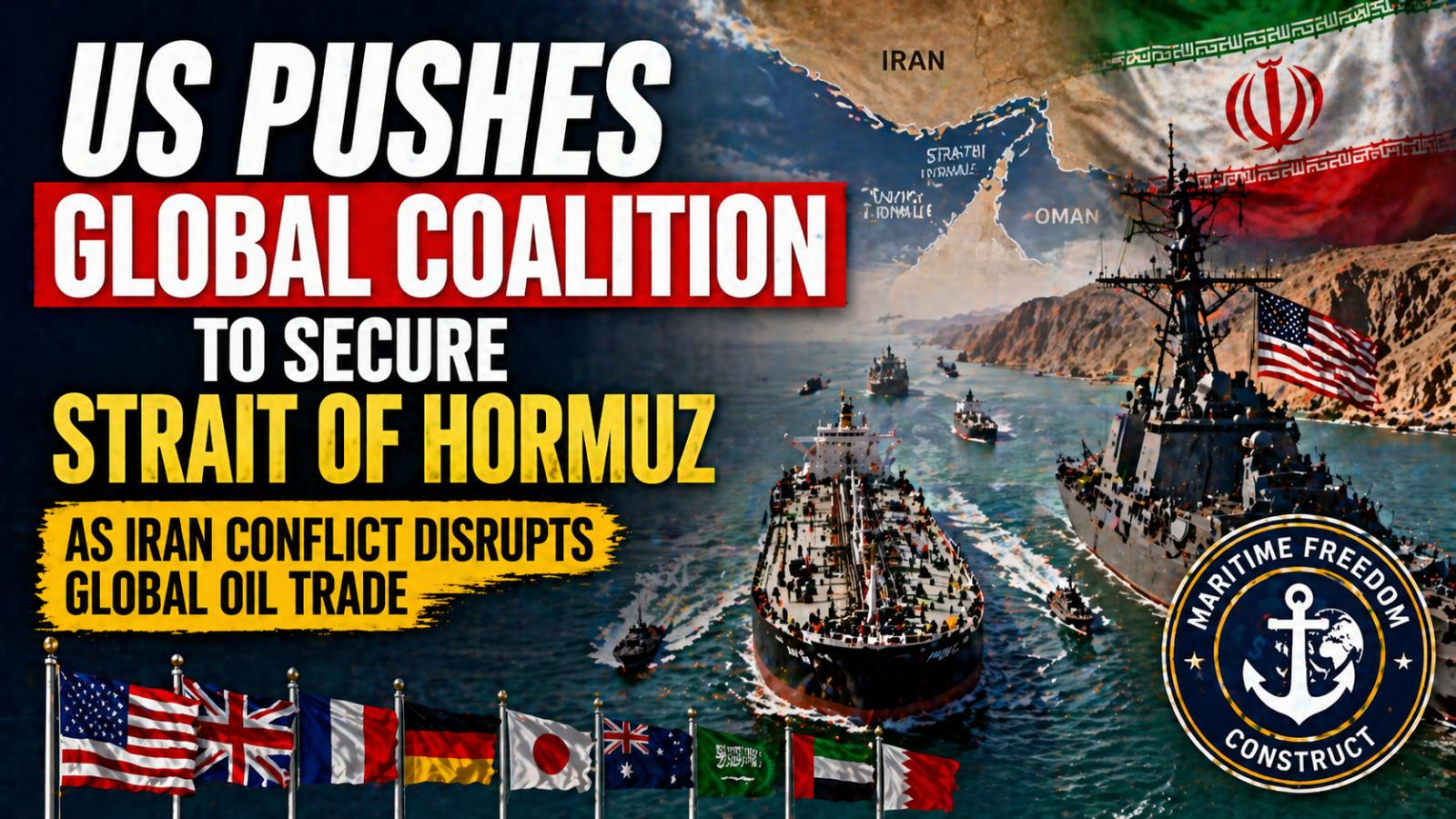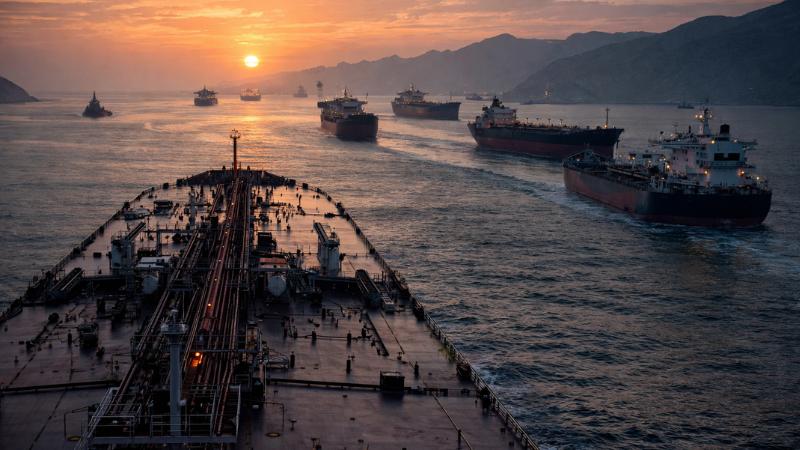
In the midst of the ongoing war, Iran has continued to export millions of barrels of oil, with about 90 ships, including oil tankers, crossing the critical Strait of Hormuz between March 1 and 15, 2026. Despite the waterway being effectively "closed" to most traffic due to the conflict, Iran has managed to keep its oil exports flowing, benefitting from its control over this vital chokepoint.
According to maritime traffic data from Lloyd's List Intelligence, Iran has relied on a mix of "dark" transits to evade Western sanctions and scrutiny. Many of these vessels were believed to be Iran-affiliated, though ships from China, Greece, and even Pakistan have successfully crossed as well, with some shipments backed by diplomatic negotiations. This development highlights the complex and selective blockade of the strait, which, while largely shut for many countries, still facilitates Iranian oil exports.
Iran has been able to maintain its oil exports, with China being the largest buyer, even as global oil prices surged above $100 per barrel. The country has vowed not to allow any oil intended for the US, Israel, and their allies to pass through the Strait, ramping up tensions in the region. Despite the risks, countries like India and Pakistan have managed to get their oil tankers through after diplomatic talks with Iran.
The situation in the Strait of Hormuz remains delicate, with Iran using its control over the waterway as leverage in the conflict, while also enabling a narrow corridor for select global oil shipments. As the war continues and oil prices rise, analysts predict that the number of tankers Iran allows through may decrease, potentially escalating global energy prices.