
















#iranianoil
US Sanctions Waivers on Russian and Iranian Oil: Impact on India’s Energy Supply
On April 15, US Treasury Secretary Scott Bessent announced that the US will no longer extend the sanctions waivers that allowed several countries to purchase oil from Russia and Iran. These waivers, which were initially intended to ease global oil supply disruptions, are now being revoked. Bessent emphasized that the move to not renew the general licenses on Russian and Iranian oil would lead to penalties for countries still involved in these transactions. He further warned that secondary san
US Sanctions Waivers on Russian and Iranian Oil: Impact on India’s Energy Supply
On April 15, US Treasury Secretary Scott Bessent announced that the US will no longer extend the sanctions waivers that allowed several countries to purchase oil from Russia and Iran. These waivers, which were initially intended to ease global oil supply disruptions, are now being revoked. Bessent emphasized that the move to not renew the general licenses on Russian and Iranian oil would lead to penalties for countries still involved in these transactions. He further warned that secondary san
Sanctioned tanker diverts Iranian crude from India to China amid payment concerns
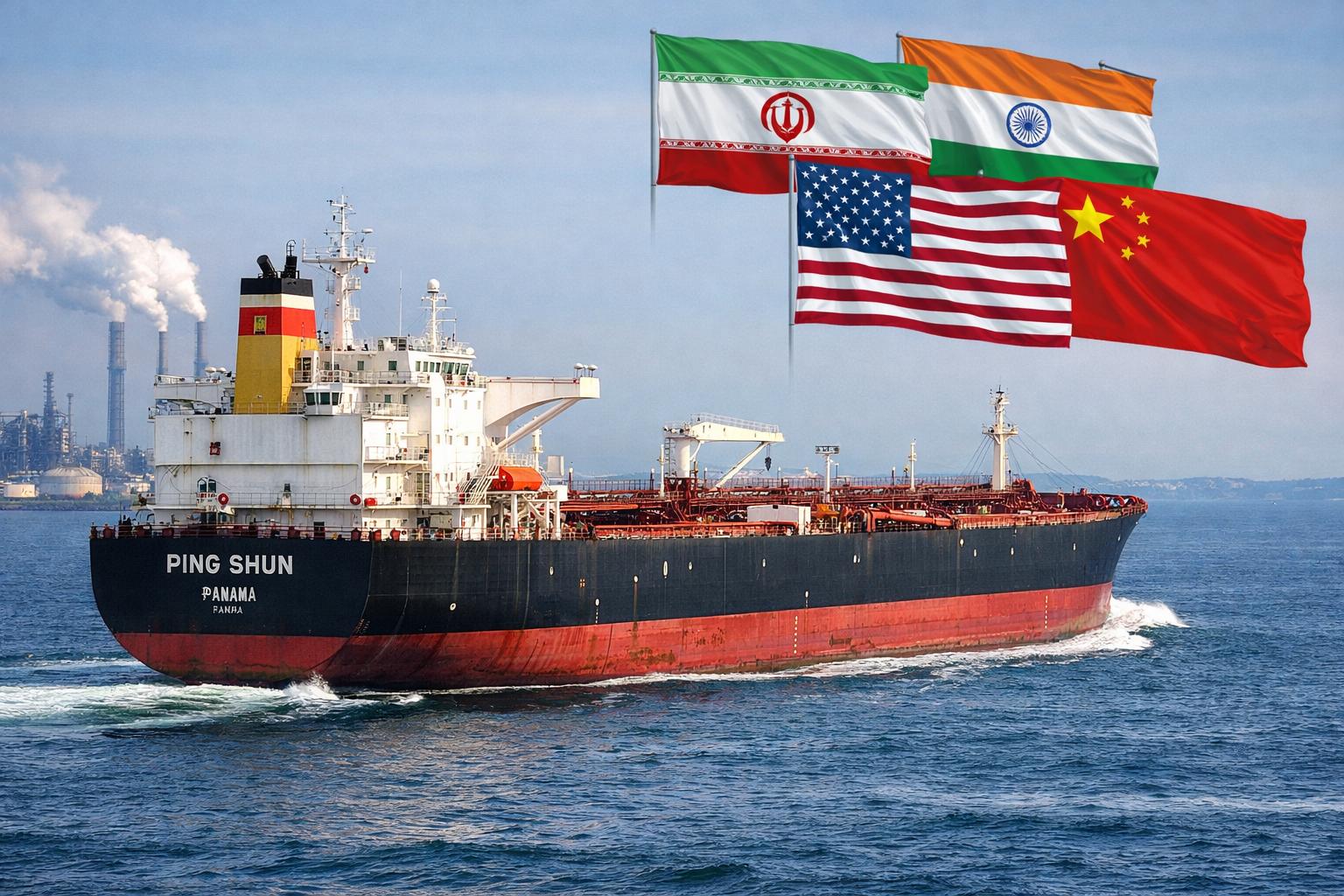
A U.S.-sanctioned oil tanker carrying Iranian crude has changed course from India to China, raising uncertainty over what could have been India’s first Iranian oil import in nearly seven years. The Aframax tanker Ping Shun, built in 2002 and sanctioned by the United States in 2025, is now signaling Dongying, China, as its destination instead of Vadinar in Gujarat, according to data from Kpler.
Sanctioned tanker diverts Iranian crude from India to China amid payment concerns
A U.S.-sanctioned oil tanker carrying Iranian crude has changed course from India to China, raising uncertainty over what could have been India’s first Iranian oil import in nearly seven years. The Aframax tanker Ping Shun, built in 2002 and sanctioned by the United States in 2025, is now signaling Dongying, China, as its destination instead of Vadinar in Gujarat, according to data from Kpler.
90 Ships Cross Hormuz as Iran Continues Oil Exports Amid War, Despite Challenges
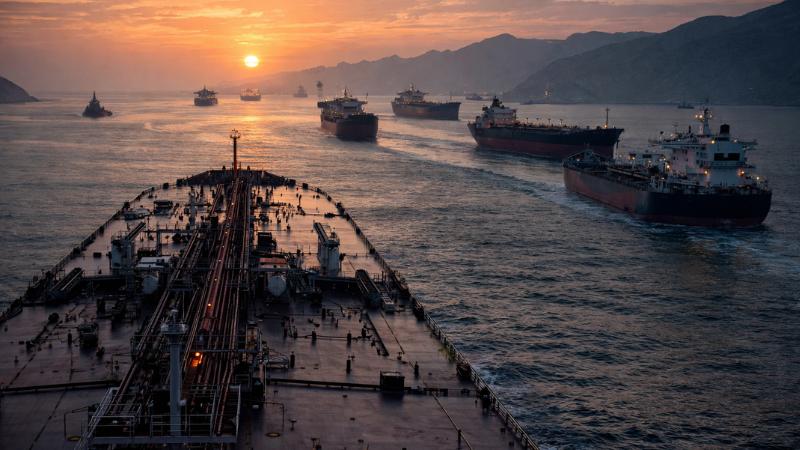
In the midst of the ongoing war, Iran has continued to export millions of barrels of oil, with about 90 ships, including oil tankers, crossing the critical Strait of Hormuz between March 1 and 15, 2026. Despite the waterway being effectively "closed" to most traffic due to the conflict, Iran has managed to keep its oil exports flowing, benefitting from its control over this vital chokepoint. According to maritime traffic data from Lloyd's List Intelligence, Iran has relied on a mix
90 Ships Cross Hormuz as Iran Continues Oil Exports Amid War, Despite Challenges
In the midst of the ongoing war, Iran has continued to export millions of barrels of oil, with about 90 ships, including oil tankers, crossing the critical Strait of Hormuz between March 1 and 15, 2026. Despite the waterway being effectively "closed" to most traffic due to the conflict, Iran has managed to keep its oil exports flowing, benefitting from its control over this vital chokepoint. According to maritime traffic data from Lloyd's List Intelligence, Iran has relied on a mix
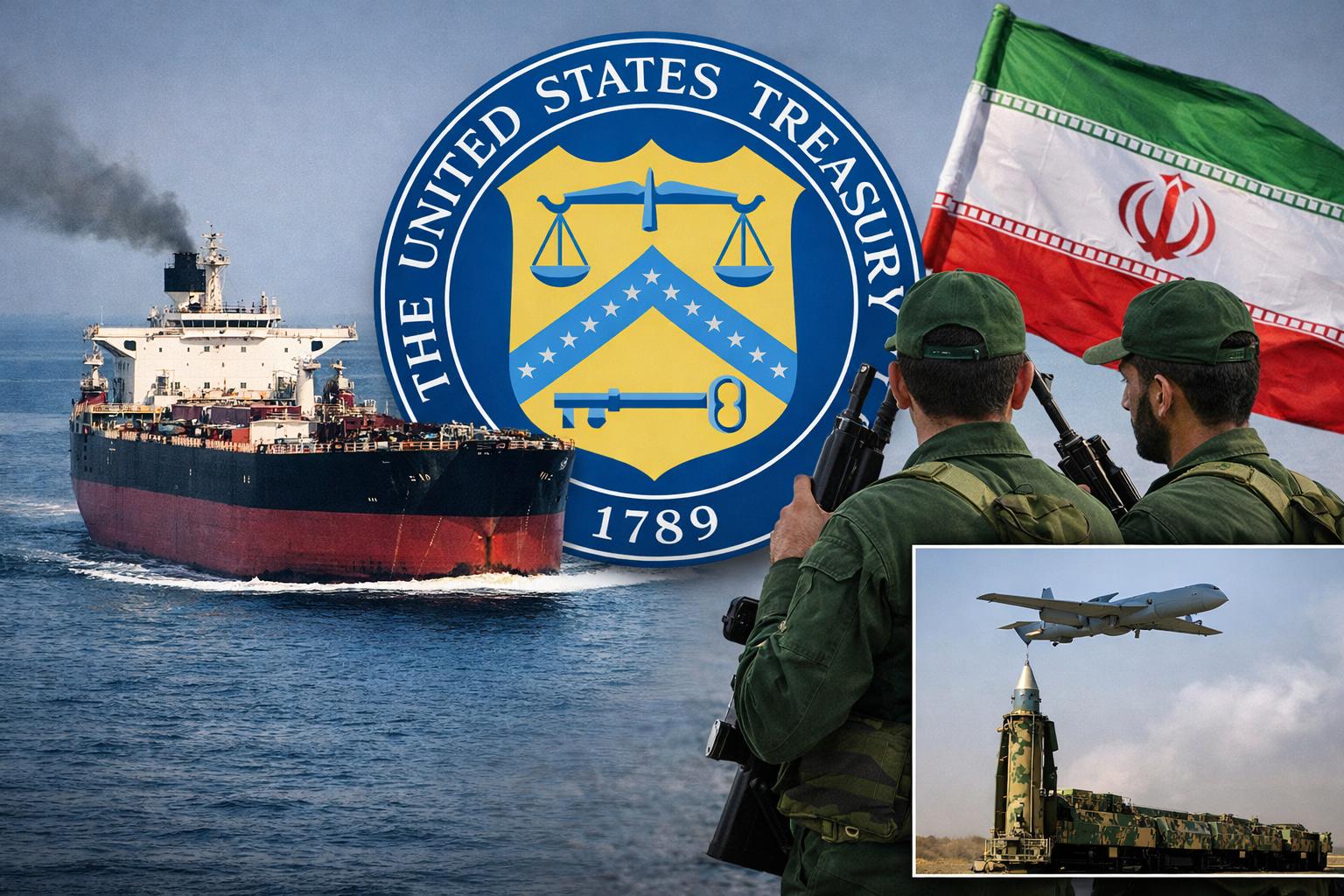
US Treasury sanctions over 30 linked to illicit Iranian oil network
The United States Treasury Department announced on Wednesday that it has imposed sanctions on more than 30 individuals, entities, and vessels accused of facilitating illicit Iran oil sales and supporting Tehran’s weapons programs. The action, carried out through the Office of Foreign Assets Control (OFAC), forms part of Washington’s continuing maximum pressure campaign aimed at curbing Iran’s military capabilities and financial networks. According to the Treasury, the measures
US Treasury sanctions over 30 linked to illicit Iranian oil network
The United States Treasury Department announced on Wednesday that it has imposed sanctions on more than 30 individuals, entities, and vessels accused of facilitating illicit Iran oil sales and supporting Tehran’s weapons programs. The action, carried out through the Office of Foreign Assets Control (OFAC), forms part of Washington’s continuing maximum pressure campaign aimed at curbing Iran’s military capabilities and financial networks. According to the Treasury, the measures


