Enforcement targets sanctions violations
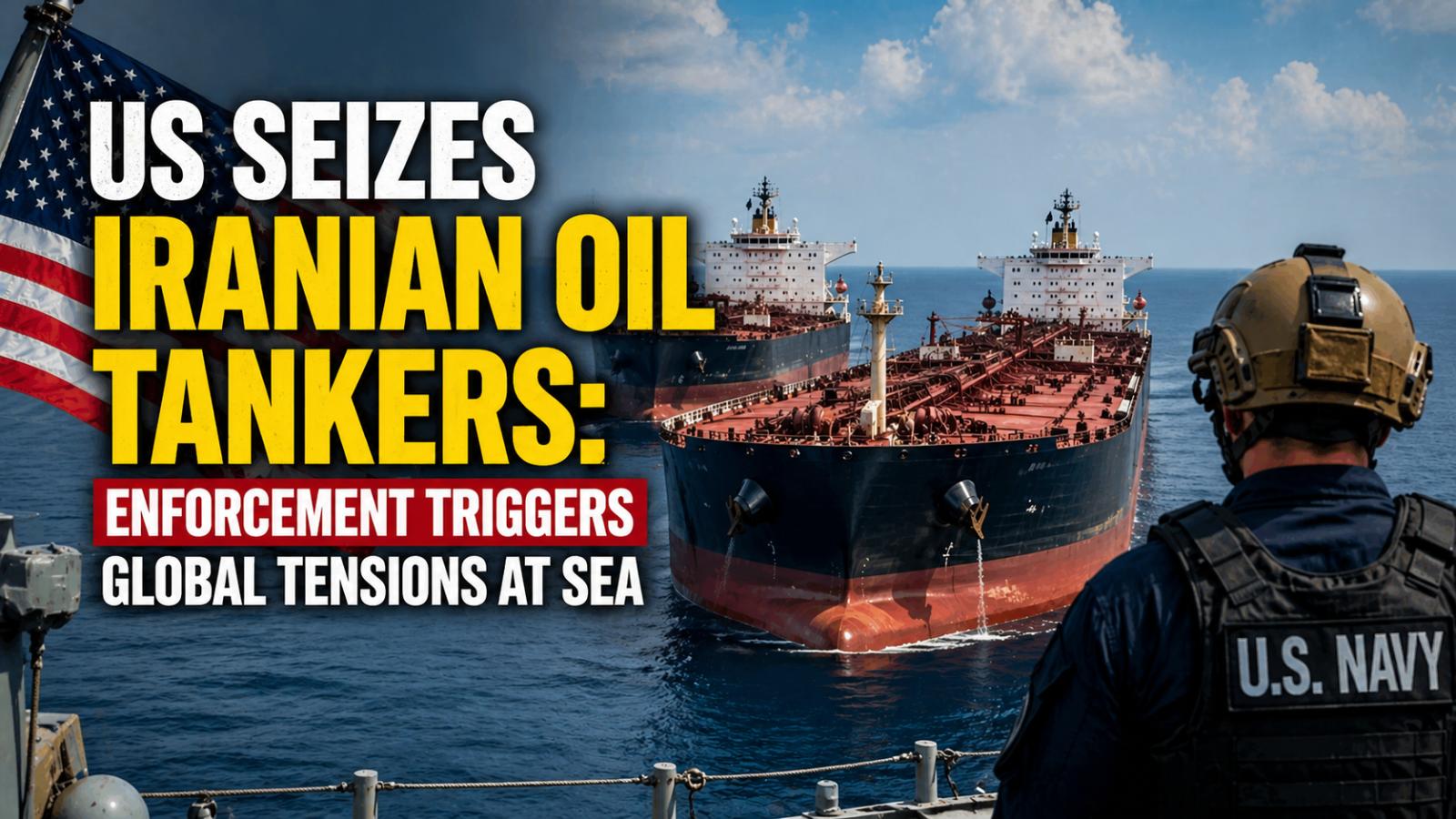
The United States has seized two tankers allegedly transporting Iranian oil, intensifying tensions with Iran and drawing sharp condemnation from Tehran. Iranian officials described the operation as “armed robbery on the high seas,” accusing United States authorities of violating international law and legitimizing piracy. The remarks came from Foreign Ministry spokesperson Esmaeil Baghaei, who said the seizures represented an unlawful act carried out under official authority.
US cites legal authority and sanctions enforcement
US officials defended the operation as a lawful enforcement measure conducted under court-approved warrants. Authorities stated that the vessels, identified as the Majestic X and Tifani, were intercepted in the Indian Ocean while each carrying approximately 1.9 million barrels of Iranian oil. Officials emphasized that the action was part of a broader strategy to disrupt illicit oil networks and prevent sanctioned entities from profiting. The US government has indicated it will continue pursuing similar cases in coordination with national security partners.
Economic pressure campaign expands to aviation sector
In parallel, Washington has expanded its economic pressure campaign, warning global companies against providing services to Iranian airlines. US Treasury Secretary Scott Bessent said businesses offering fuel, maintenance, or other support could face sanctions under a program known as “Operation Economic Fury.” The policy reflects an effort to tighten restrictions on Iran’s economic activities and limit access to international markets.
Strategic tensions rise around Strait of Hormuz
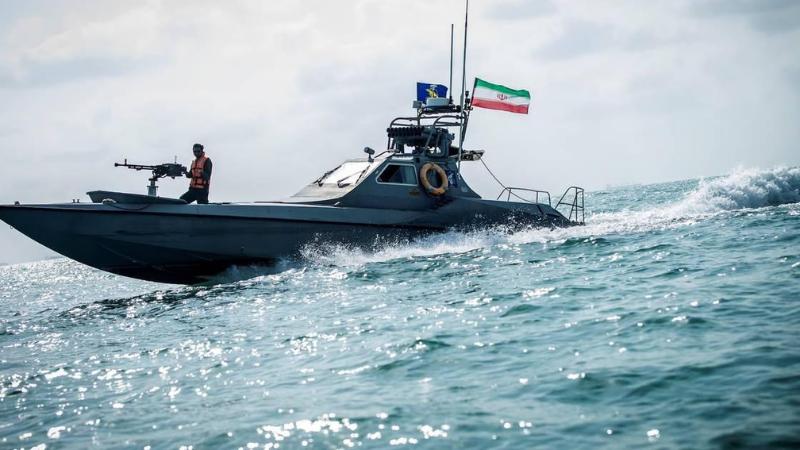
The tanker seizures come amid increasing friction in the Strait of Hormuz, a vital corridor for global oil shipments. Both US and Iranian forces have reported incidents involving commercial vessels in recent weeks, raising concerns about maritime security and the stability of energy supply chains. The region remains a focal point for geopolitical tensions due to its importance in international النفط trade.
Pressure mounts on Iran’s oil industry and policy stance
The developments have placed additional strain on Iran’s oil sector, which is already constrained by sanctions and limited export capacity. Storage facilities, including those at Kharg Island, are nearing capacity as unsold crude accumulates. Analysts suggest Iran faces difficult choices, as reducing production could damage long-term output while export routes remain restricted. Meanwhile, Donald Trump reiterated that the United States is maintaining its hardline stance, signaling no immediate shift in policy as tensions continue to unfold.