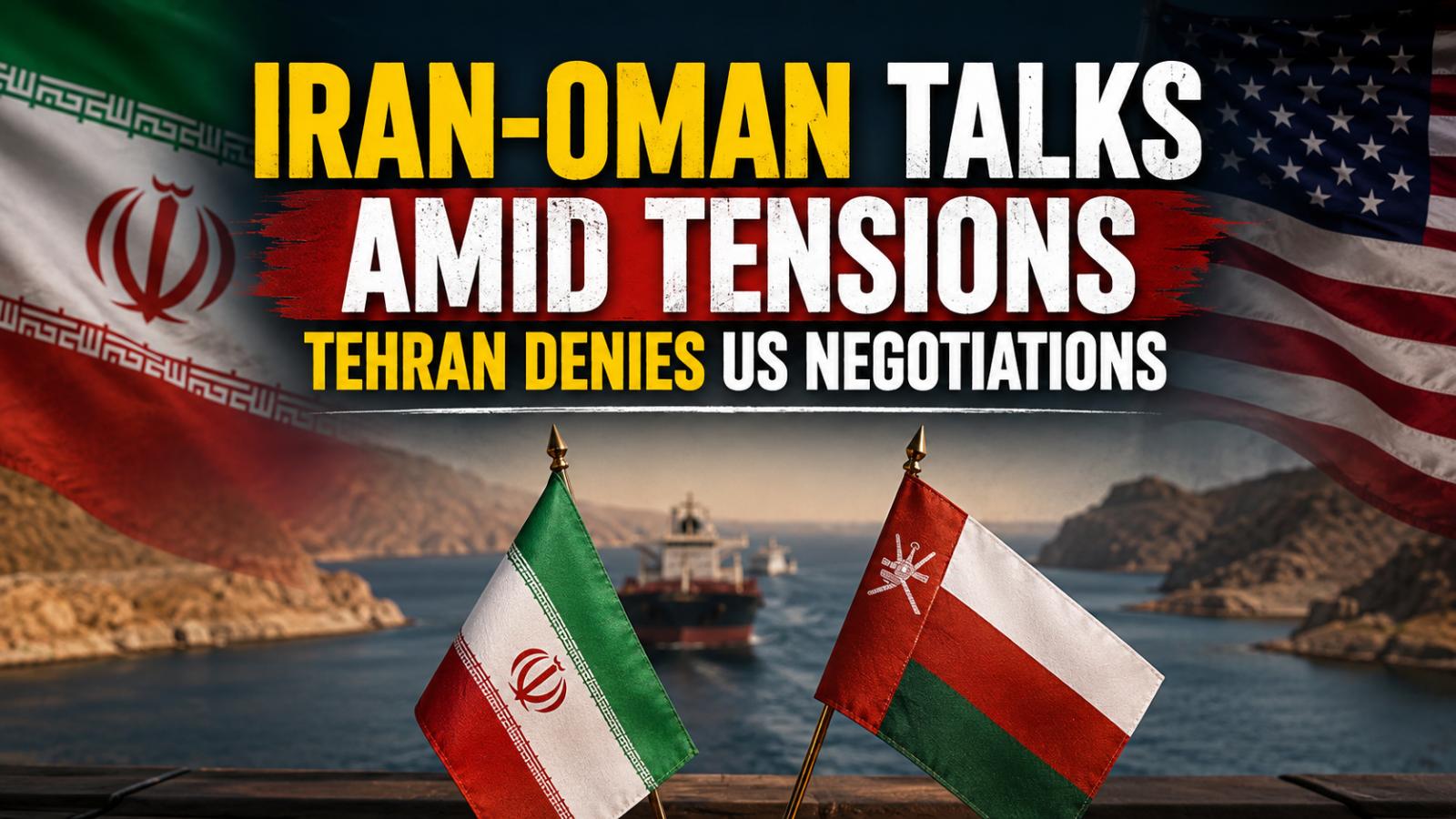
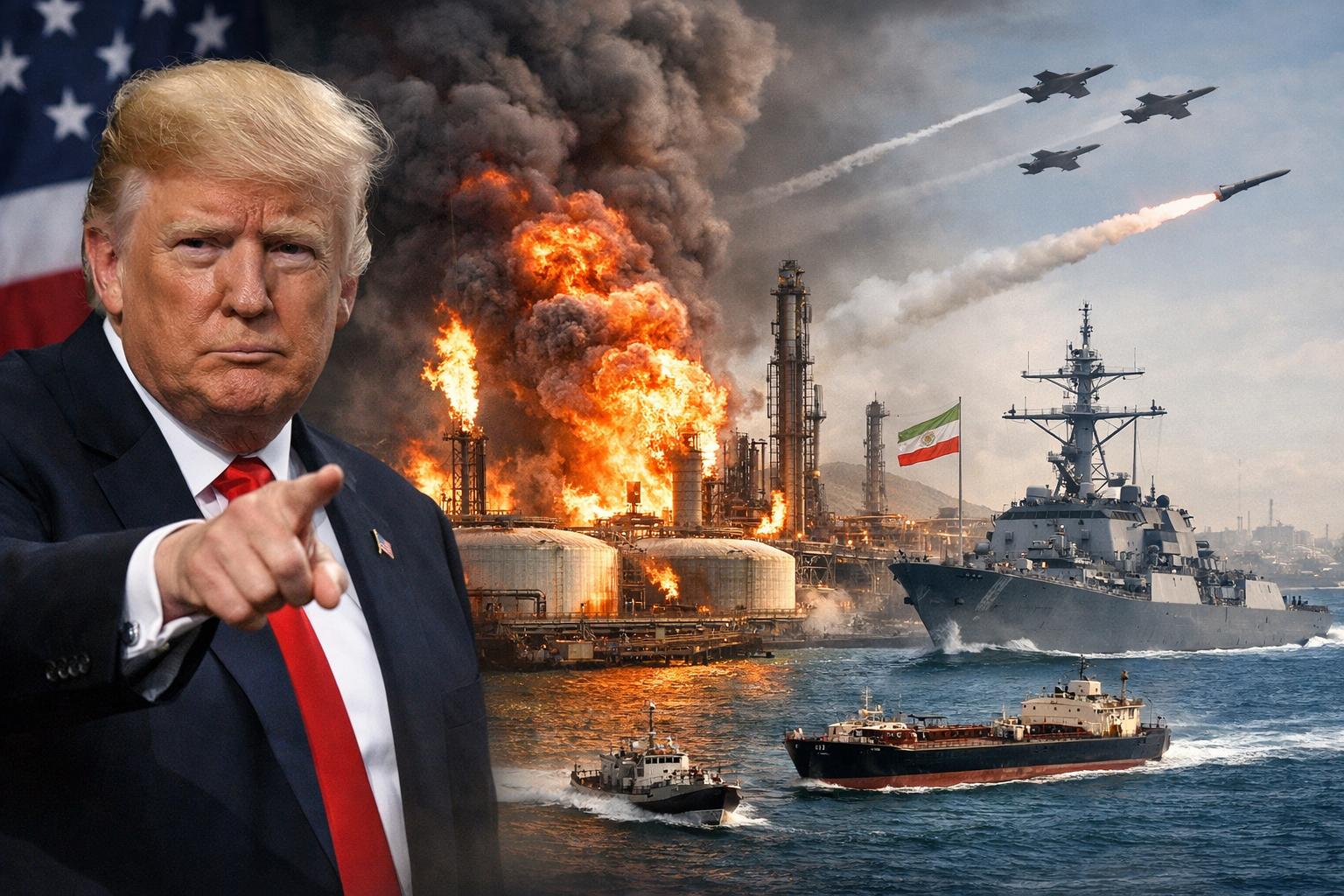
Iran Oman talks amid tensions have emerged as a possible diplomatic channel as Tehran denies holding direct negotiations with Washington. Oman is discussing maritime issues with Iran, while conflicting US and Iranian statements add uncertainty to the Hormuz dispute, nuclear row and wider Gulf risks.
Oman role
Iran has confirmed that discussions are taking place with Oman, but officials say the
Iran Oman talks amid tensions have emerged as a possible diplomatic channel as Tehran denies holding direct negotiations with Washington. Oman is discussing maritime issues with Iran, while conflicting US and Iranian statements add uncertainty to the Hormuz dispute, nuclear row and wider Gulf risks.
Oman role
Iran has confirmed that discussions are taking place with Oman, but officials say the
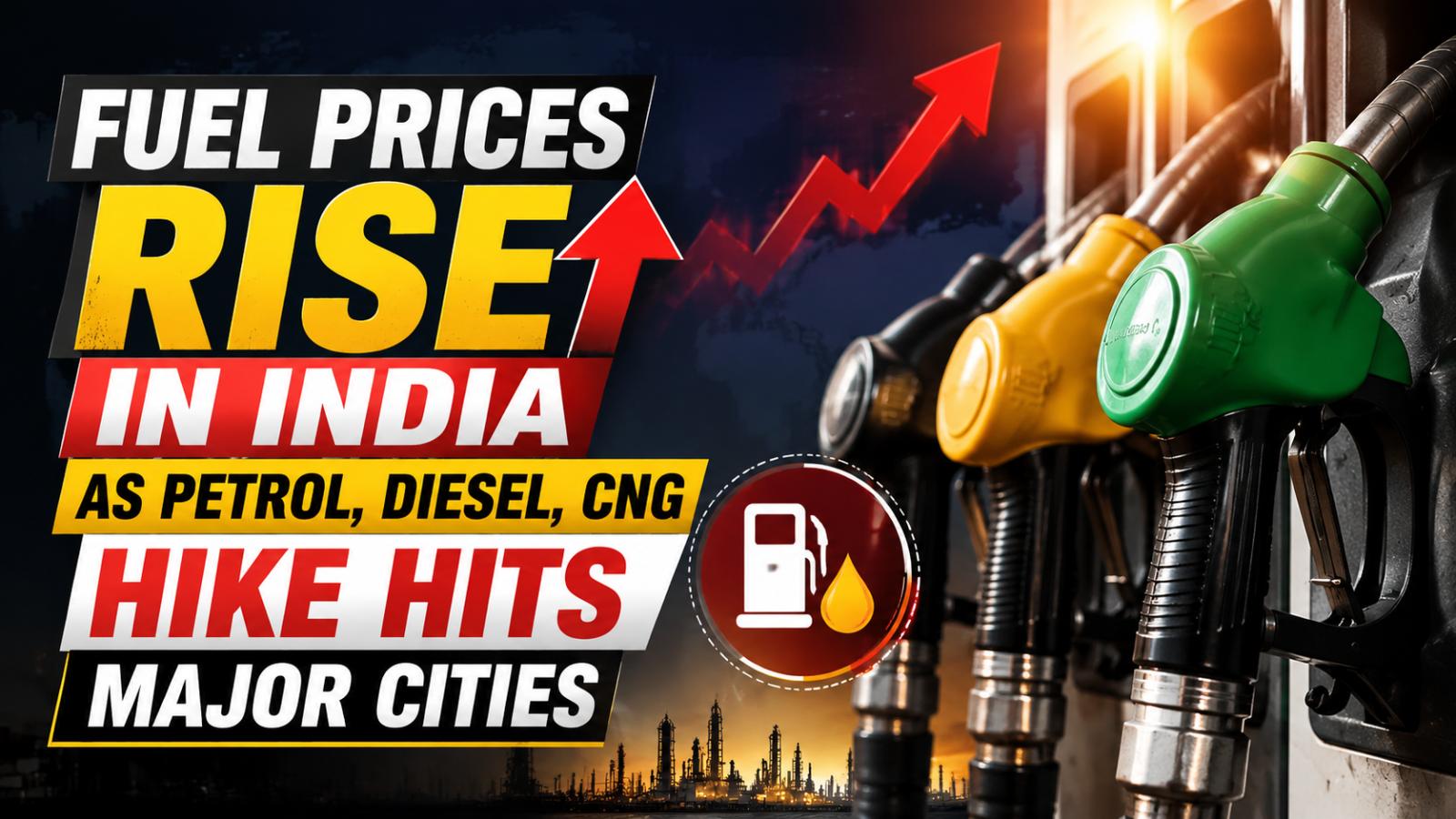
The petrol, diesel, and CNG price hike in India took effect on Friday, May 15, 2026. This was the first retail fuel price increase in four years, following the surge in global crude oil prices due to the Iran war.
Fuel Price Hike Overview in Major Cities
The government raised petrol, diesel, and CNG prices following a surge in global crude oil prices triggered by the Iran war. This is the first retail fuel price hike in four years. The increase is expected to affect transportation costs, household spending, and overall inflation.
City
Petrol Price (Rs/Litre)
Petrol Hike (Rs)
Diesel Price (Rs/Litre)
Diesel Hike (Rs)
CNG Price (Rs/Kg)
CNG Hike (Rs)
Delhi
97.77
3.00
90.67
3.00
79.09
2.00
Kolkata
108.74
3.29
95.13
3.11
—
—
Mumbai
106.68
3.14
93.14
3.11
84.00
2.00
Chennai
103.67
2.83
95.25
2.86
—
—
Hyderabad
104.50
3.10
94.20
3.05
80.50
2.00
Economic Implications and Expert Insights
India’s state-run oil companies, IOCL, BPCL, and HPCL, were absorbing high crude costs for months, incurring daily losses of around Rs 1,600 crore. Imported crude prices jumped from $69 per barrel in February to $113-114 per barrel after the Iran war began on February 28. Economists, including Finance Commission Chair Dr Arvind Panagariya, recommended that retail prices be adjusted to prevent further losses and sustain OMC operations.
Prime Minister Modi has appealed to citizens to conserve fuel and encouraged work-from-home practices to reduce foreign outflows. The Delhi government initiated a 90-day campaign promoting fuel-saving habits and limited office days.
The fuel price increase is expected to push up transportation and logistics costs, which may drive inflation in essential commodities like milk and vegetables. Household savings could shrink, and discretionary spending may reduce, potentially slowing consumption, production, and GDP growth. While consumers will feel the immediate impact, this step was unavoidable given the international crude price surge.
The petrol, diesel, and CNG price hike in India took effect on Friday, May 15, 2026. This was the first retail fuel price increase in four years, following the surge in global crude oil prices due to the Iran war.
Fuel Price Hike Overview in Major Cities
The government raised petrol, diesel, and CNG prices following a surge in global crude oil prices triggered by the Iran war. This is the first retail fuel price hike in four years. The increase is expected to affect transportation costs, household spending, and overall inflation.
City
Petrol Price (Rs/Litre)
Petrol Hike (Rs)
Diesel Price (Rs/Litre)
Diesel Hike (Rs)
CNG Price (Rs/Kg)
CNG Hike (Rs)
Delhi
97.77
3.00
90.67
3.00
79.09
2.00
Kolkata
108.74
3.29
95.13
3.11
—
—
Mumbai
106.68
3.14
93.14
3.11
84.00
2.00
Chennai
103.67
2.83
95.25
2.86
—
—
Hyderabad
104.50
3.10
94.20
3.05
80.50
2.00
Economic Implications and Expert Insights
India’s state-run oil companies, IOCL, BPCL, and HPCL, were absorbing high crude costs for months, incurring daily losses of around Rs 1,600 crore. Imported crude prices jumped from $69 per barrel in February to $113-114 per barrel after the Iran war began on February 28. Economists, including Finance Commission Chair Dr Arvind Panagariya, recommended that retail prices be adjusted to prevent further losses and sustain OMC operations.
Prime Minister Modi has appealed to citizens to conserve fuel and encouraged work-from-home practices to reduce foreign outflows. The Delhi government initiated a 90-day campaign promoting fuel-saving habits and limited office days.
The fuel price increase is expected to push up transportation and logistics costs, which may drive inflation in essential commodities like milk and vegetables. Household savings could shrink, and discretionary spending may reduce, potentially slowing consumption, production, and GDP growth. While consumers will feel the immediate impact, this step was unavoidable given the international crude price surge.
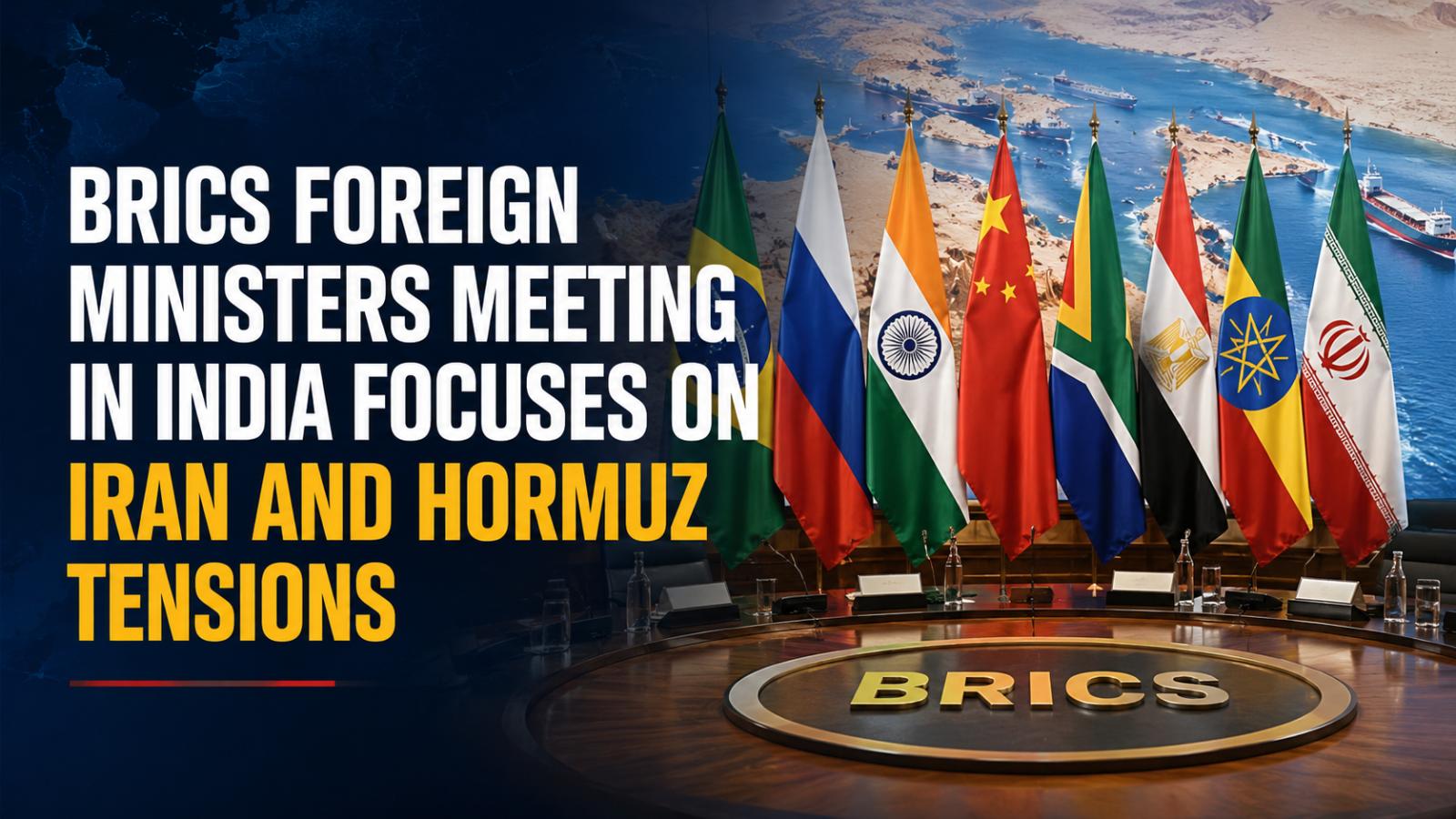
Iran’s Foreign Minister Seyed Abbas Araghchi will visit New Delhi this week to attend the BRICS foreign ministers’ meeting, where discussions are expected to focus on the growing West Asia crisis, regional stability, and global energy security. The two-day meeting, scheduled for May 14 and 15 under India’s BRICS chairmanship, comes at a time when tensions involving Iran, the United States, and Israel continue to affect the Strait of Hormuz and international oil markets. India, which dep
Iran’s Foreign Minister Seyed Abbas Araghchi will visit New Delhi this week to attend the BRICS foreign ministers’ meeting, where discussions are expected to focus on the growing West Asia crisis, regional stability, and global energy security. The two-day meeting, scheduled for May 14 and 15 under India’s BRICS chairmanship, comes at a time when tensions involving Iran, the United States, and Israel continue to affect the Strait of Hormuz and international oil markets. India, which dep
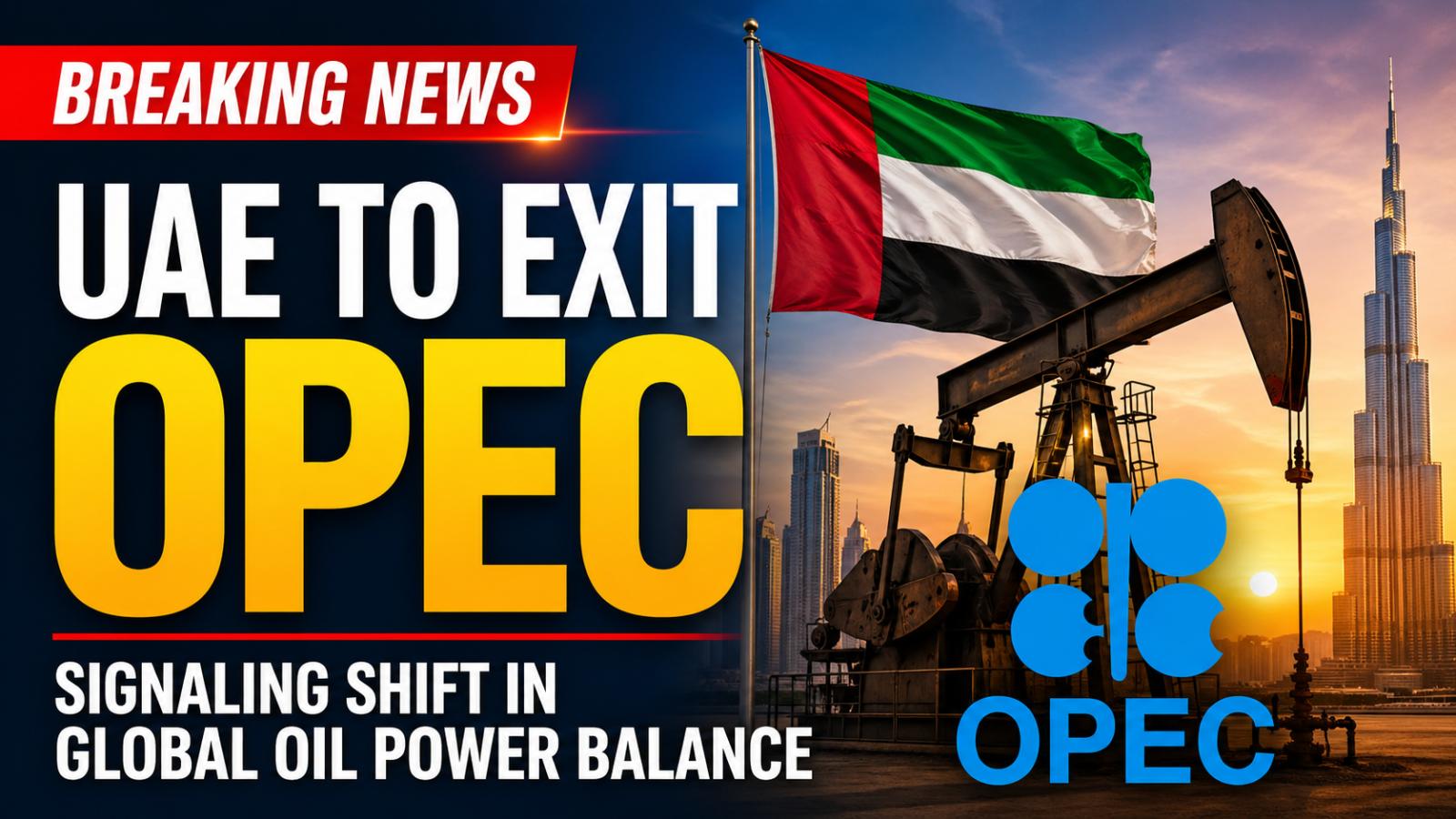
The UAE will exit OPEC on May 1 after nearly six decades, aiming for greater control over oil production and energy strategy. The move may weaken OPEC’s influence, raise concerns about supply coordination, and reshape global oil market dynamics.
UAE to exit OPEC, signaling shift in global oil power balance is set to take effect May 1, marking a major change in the structure of global energy coordination. The decision reflects Abu Dhabi’s broader strategy to gai
The UAE will exit OPEC on May 1 after nearly six decades, aiming for greater control over oil production and energy strategy. The move may weaken OPEC’s influence, raise concerns about supply coordination, and reshape global oil market dynamics.
UAE to exit OPEC, signaling shift in global oil power balance is set to take effect May 1, marking a major change in the structure of global energy coordination. The decision reflects Abu Dhabi’s broader strategy to gai
Strait of Hormuz crisis intensifies amid shipping threats and stalled diplomacy
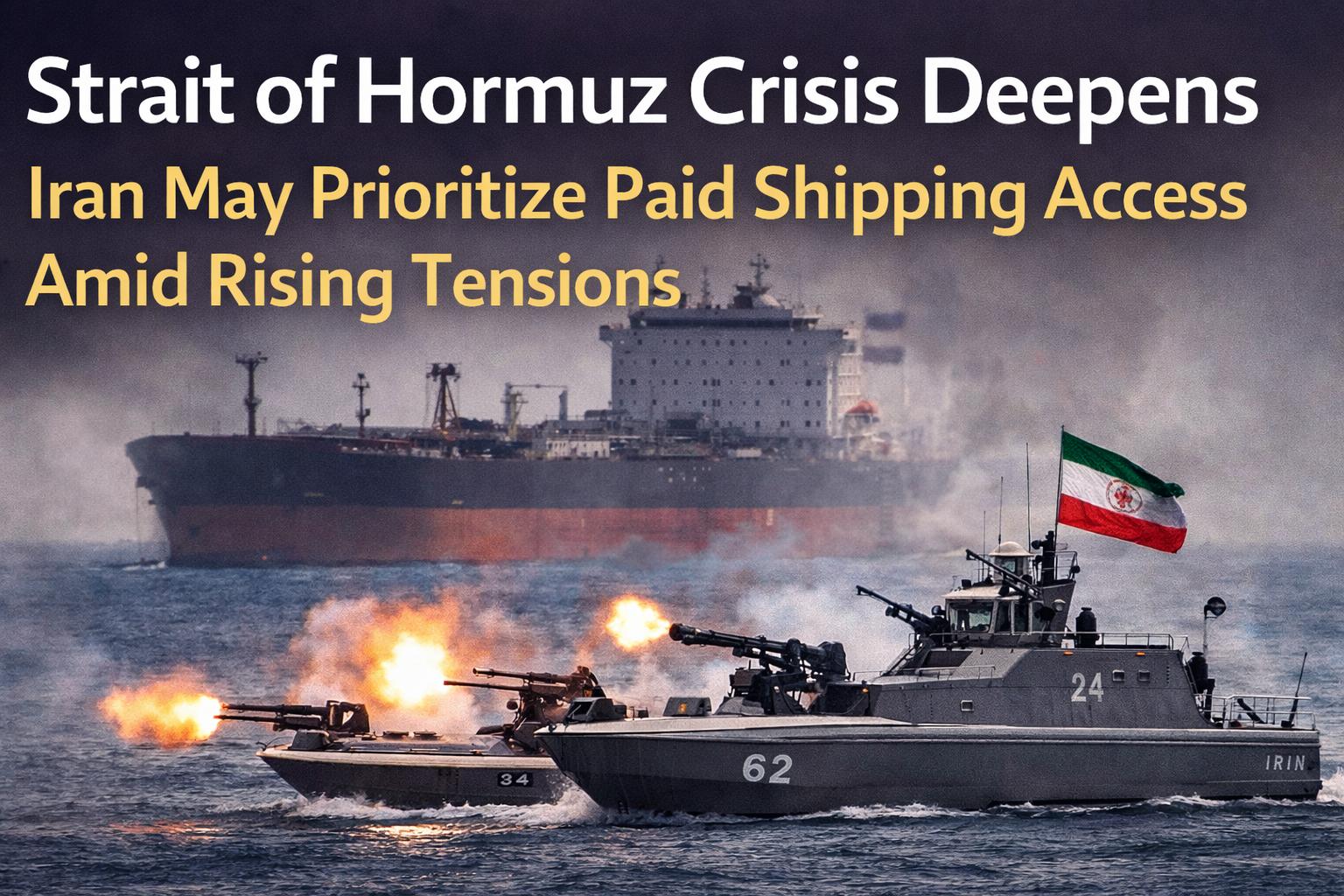
The Strait of Hormuz crisis has escalated sharply as Iran appears to tighten its control over the strategic waterway, raising concerns about global oil supply and maritime security. Reports suggest Tehran may prioritize passage for select vessels, while tensions with the United States continue to grow.The
Strait of Hormuz crisis intensifies amid shipping threats and stalled diplomacy
The Strait of Hormuz crisis has escalated sharply as Iran appears to tighten its control over the strategic waterway, raising concerns about global oil supply and maritime security. Reports suggest Tehran may prioritize passage for select vessels, while tensions with the United States continue to grow.The
Iran tanker attack Strait of Hormuz signals renewed crisis in global shipping
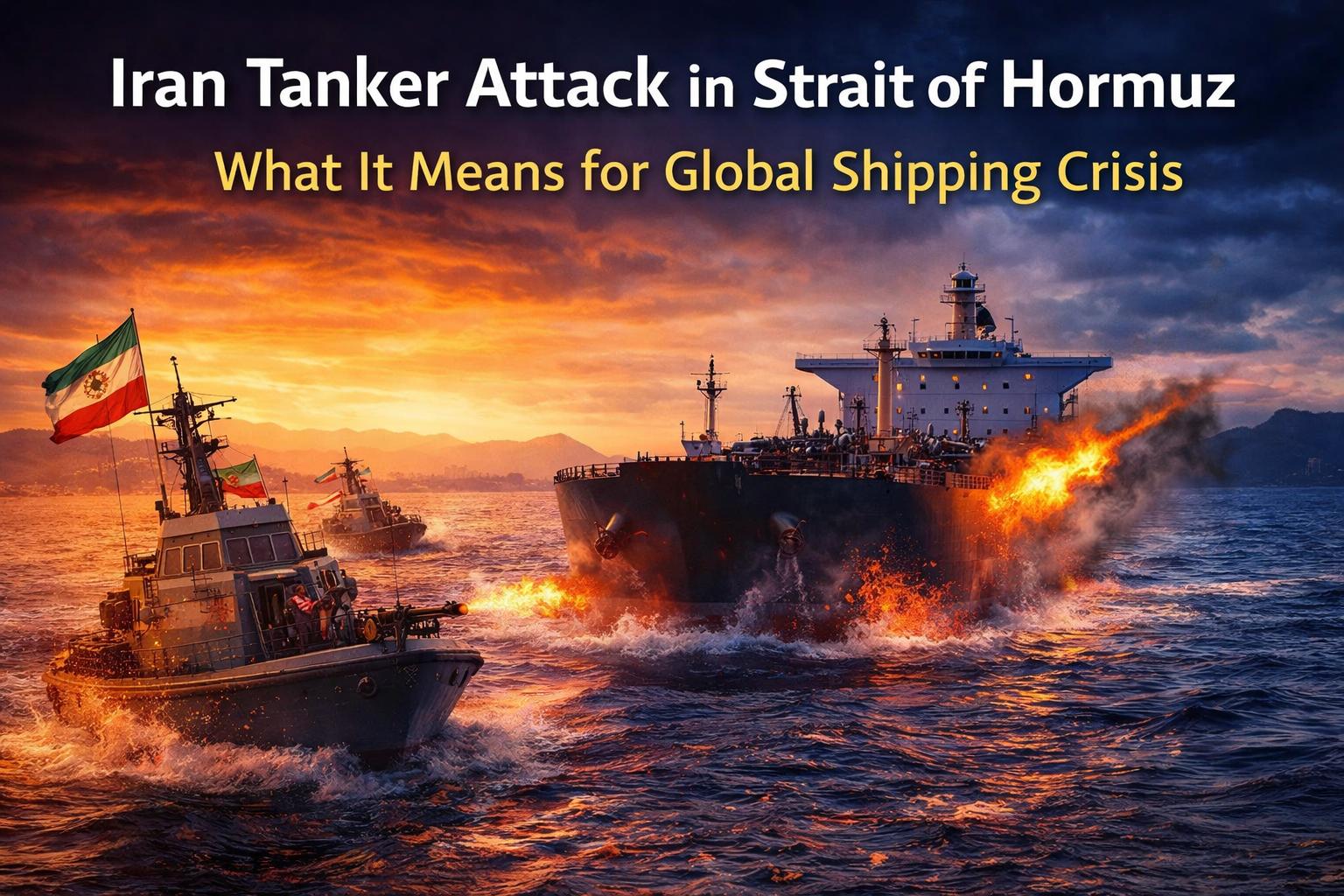
Tensions in the Middle East escalated sharply after an Iran tanker attack in the Strait of Hormuz, raising fresh concerns about global oil supply and maritime safety. The incident comes as Iran reimposed restrictions on one of the world’s most critical shipping routes, just a day after signals of reope
Iran tanker attack Strait of Hormuz signals renewed crisis in global shipping
Tensions in the Middle East escalated sharply after an Iran tanker attack in the Strait of Hormuz, raising fresh concerns about global oil supply and maritime safety. The incident comes as Iran reimposed restrictions on one of the world’s most critical shipping routes, just a day after signals of reope
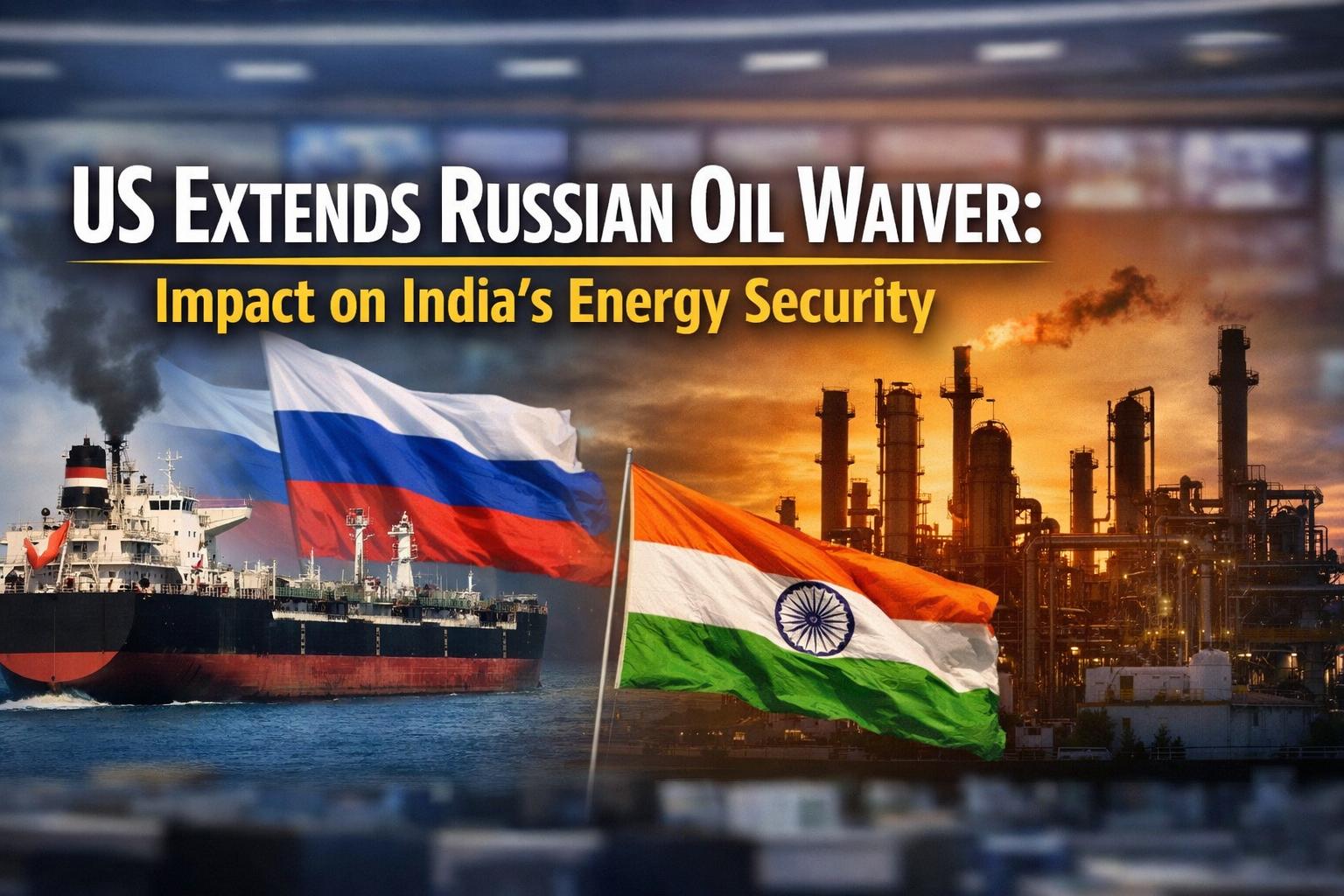
The United States has issued a fresh month-long sanctions waiver permitting transactions involving Russian crude oil already in transit, marking a notable policy reversal within days of signaling a stricter stance. The waiver allows purchases of oil loaded onto vessels as of April 17 to continue until May 16, providing limited flexibility to global buyers amid ongoing disruptions in the energy market.
The decision comes shortly after earlier statements ruled out any extension, highlighting the pressure created by rising fuel costs and tightening supply conditions. With gasoline prices climbing and geopolitical tensions affecting key supply routes, the move reflects an effort to stabilize markets rather than signal a broader policy shift. Importantly, the waiver applies only to cargo already at sea and does not authorize new purchases, reinforcing its temporary and targeted nature.
For India, one of the largest importers of Russian crude, the extension offers short-term operational relief. Russian supplies currently account for nearly 38 to 40 percent of India’s total crude imports, making them a critical component of the country’s energy mix. Given that India relies on imports for more than 88 percent of its energy needs, even minor disruptions can have significant economic implications.
Indian refiners had previously indicated their intent to continue sourcing Russian oil regardless of external sanctions frameworks, emphasizing that energy procurement remains a sovereign decision. The waiver, however, reduces immediate logistical and financial uncertainties by ensuring smoother completion of shipments already underway.
As geopolitical tensions continue to reshape global energy flows, the temporary waiver underscores the balancing act between policy objectives and market realities. For India, it reinforces the importance of maintaining diversified supply channels while navigating an increasingly complex international energy landscape.
The United States has issued a fresh month-long sanctions waiver permitting transactions involving Russian crude oil already in transit, marking a notable policy reversal within days of signaling a stricter stance. The waiver allows purchases of oil loaded onto vessels as of April 17 to continue until May 16, providing limited flexibility to global buyers amid ongoing disruptions in the energy market.
The decision comes shortly after earlier statements ruled out any extension, highlighting the pressure created by rising fuel costs and tightening supply conditions. With gasoline prices climbing and geopolitical tensions affecting key supply routes, the move reflects an effort to stabilize markets rather than signal a broader policy shift. Importantly, the waiver applies only to cargo already at sea and does not authorize new purchases, reinforcing its temporary and targeted nature.
For India, one of the largest importers of Russian crude, the extension offers short-term operational relief. Russian supplies currently account for nearly 38 to 40 percent of India’s total crude imports, making them a critical component of the country’s energy mix. Given that India relies on imports for more than 88 percent of its energy needs, even minor disruptions can have significant economic implications.
Indian refiners had previously indicated their intent to continue sourcing Russian oil regardless of external sanctions frameworks, emphasizing that energy procurement remains a sovereign decision. The waiver, however, reduces immediate logistical and financial uncertainties by ensuring smoother completion of shipments already underway.
As geopolitical tensions continue to reshape global energy flows, the temporary waiver underscores the balancing act between policy objectives and market realities. For India, it reinforces the importance of maintaining diversified supply channels while navigating an increasingly complex international energy landscape.
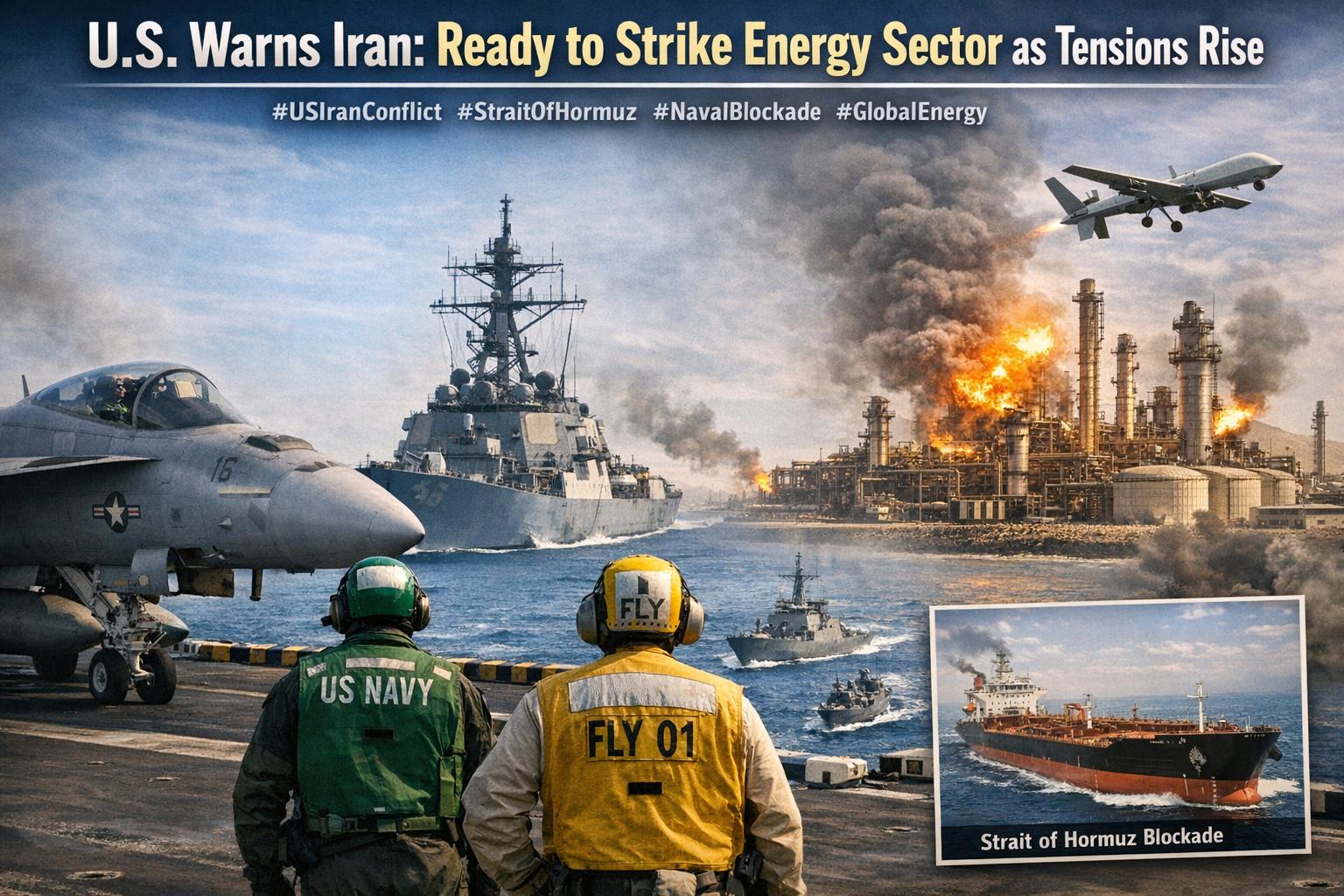
WASHINGTON — The United States signaled a heightened military posture toward Iran on Thursday, April 16, 2026, as senior defense officials warned that U.S. forces are prepared to strike Iran’s energy infrastructure if directed by the president.
Speaking in Washington, Defense Secretary Pete Hegseth said current U.S. actions, including a naval blockade, reflect what he described as restrained measures during an ongoing ceasefire period. He emphasized that Iran faces critical decisi
WASHINGTON — The United States signaled a heightened military posture toward Iran on Thursday, April 16, 2026, as senior defense officials warned that U.S. forces are prepared to strike Iran’s energy infrastructure if directed by the president.
Speaking in Washington, Defense Secretary Pete Hegseth said current U.S. actions, including a naval blockade, reflect what he described as restrained measures during an ongoing ceasefire period. He emphasized that Iran faces critical decisi
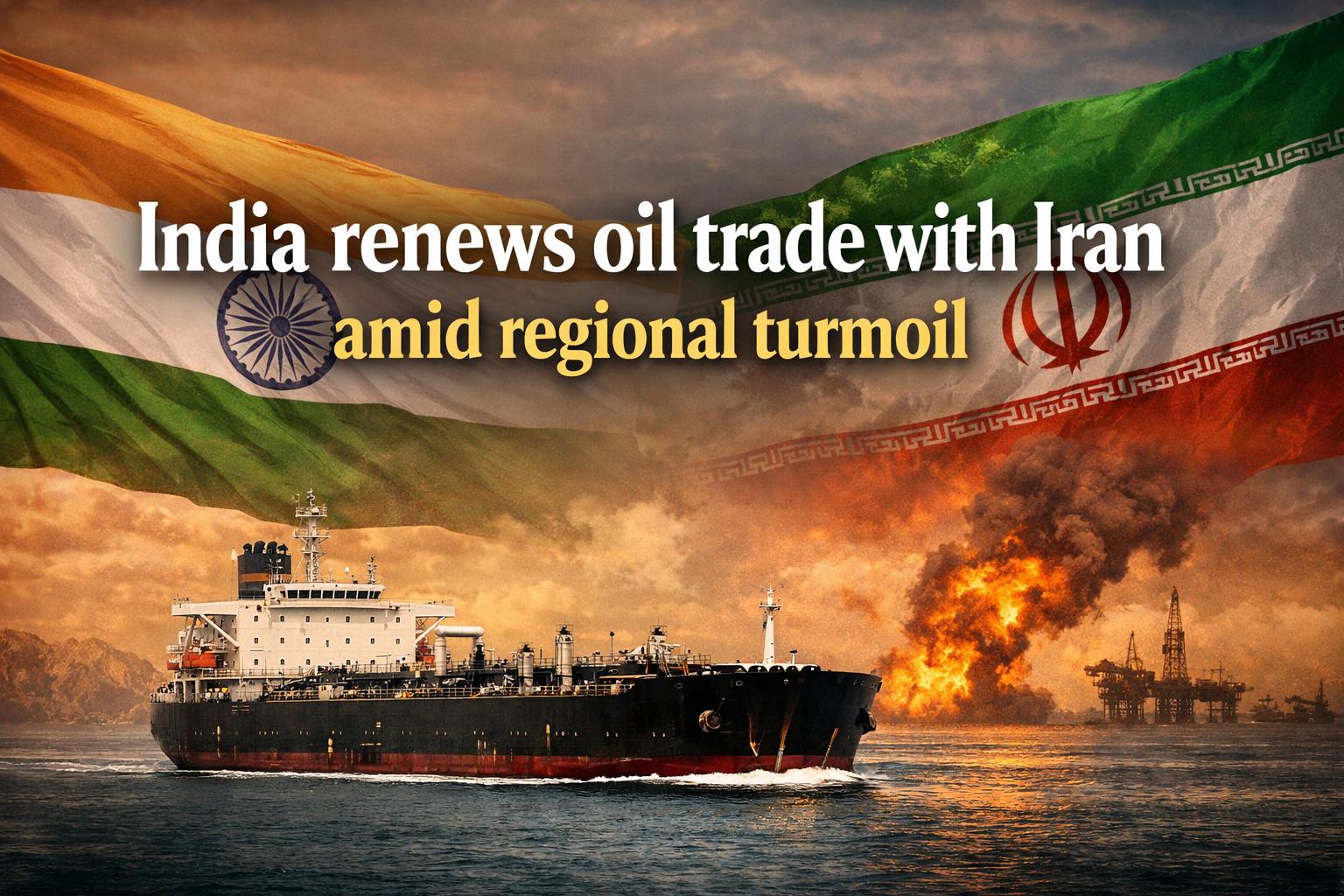
India reaffirmed its strategy of sourcing oil from a wide range of suppliers to safeguard its energy needs amid ongoing geopolitical tensions affecting global trade routes. Speaking at an inter-ministerial briefing in New Delhi on Wednesday, April 15, 2026, at 6:29 PM IST, Ministry of External Affairs spokesperson Randhir Jaiswal emphasized that the country’s approach is guided by the need to ensure energy security for its population of 1.4 billion while adapting to evolving internati
India reaffirmed its strategy of sourcing oil from a wide range of suppliers to safeguard its energy needs amid ongoing geopolitical tensions affecting global trade routes. Speaking at an inter-ministerial briefing in New Delhi on Wednesday, April 15, 2026, at 6:29 PM IST, Ministry of External Affairs spokesperson Randhir Jaiswal emphasized that the country’s approach is guided by the need to ensure energy security for its population of 1.4 billion while adapting to evolving internati
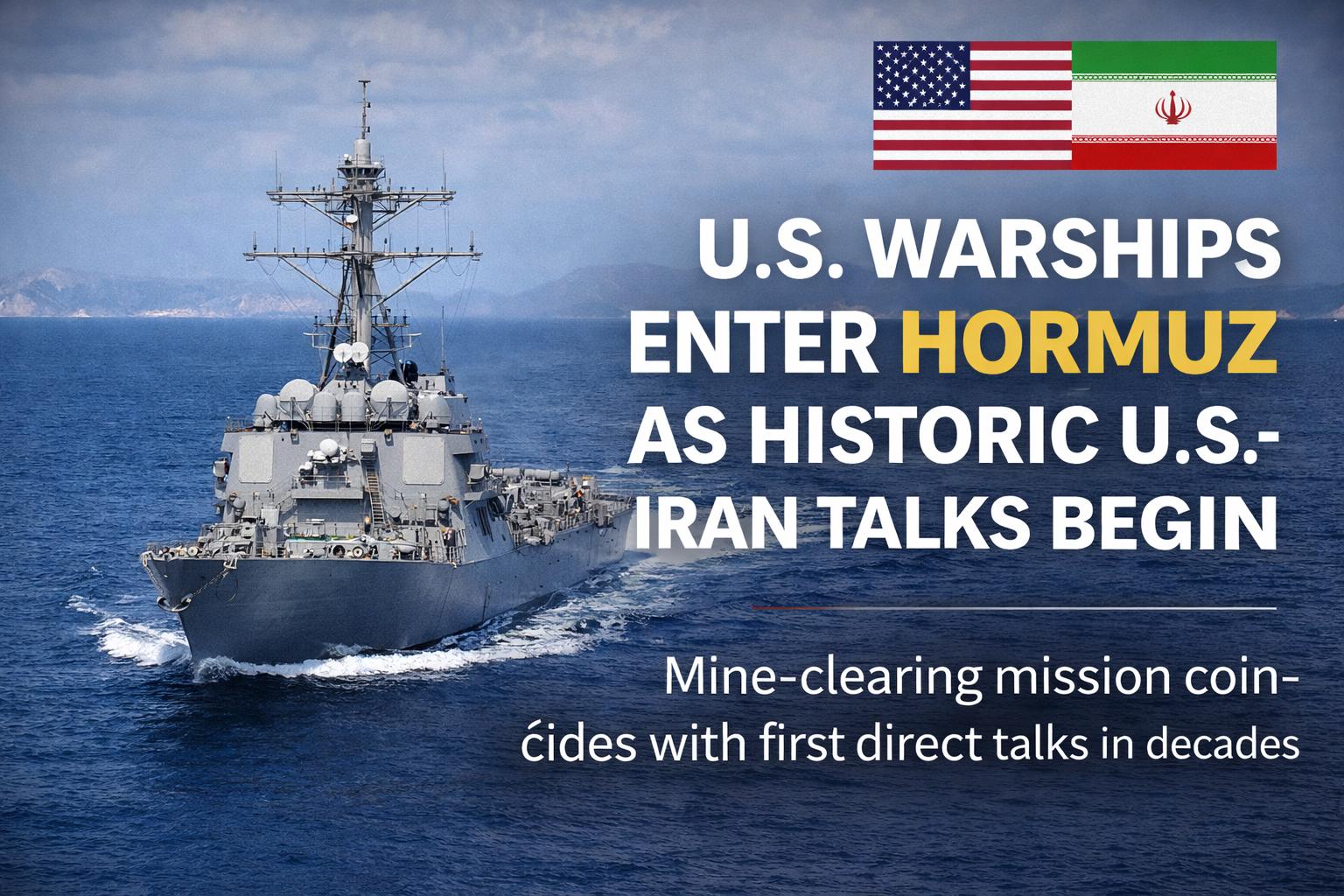
Two U.S. Navy destroyers entered the Strait of Hormuz to begin mine-clearing operations, U.S. Central Command confirmed on Saturday, April 10, 2026, as Washington simultaneously engaged in rare direct talks with Iran aimed at reducing regional tensions.
The vessels transited the critical waterway and began operations in the Arabian Gulf, with additional U.S. assets, including underwater drones, expected to support efforts in the coming days. The move follows concerns that naval mine
Two U.S. Navy destroyers entered the Strait of Hormuz to begin mine-clearing operations, U.S. Central Command confirmed on Saturday, April 10, 2026, as Washington simultaneously engaged in rare direct talks with Iran aimed at reducing regional tensions.
The vessels transited the critical waterway and began operations in the Arabian Gulf, with additional U.S. assets, including underwater drones, expected to support efforts in the coming days. The move follows concerns that naval mine
Iran has agreed to a proposed two-week ceasefire amid escalating tensions in the Middle East, following a statement by Donald Trump indicating that the United States would suspend further military action if Tehran fully reopens the strategically critical Strait of Hormuz. The announcement signals a potential pause in hostilities linked to ongoing Iran-Israel tensions, while also highlighting the broader geopolitical stakes tied to global energy security and maritime access.
The Strait of Hormuz, a vital passage for a significant portion of the world’s oil supply, has remained at the center of international concern. US officials have made it clear that maintaining open navigation through the waterway is a key condition for de-escalation. The ceasefire agreement is being viewed as a temporary but important step toward reducing immediate risks in the region, particularly for global oil markets and allied economies.
At the same time, Washington has underscored that any long-term easing of economic sanctions on Iran will depend on a complete halt to its uranium enrichment activities. The proposed framework reflects a broader US foreign policy approach that links economic relief directly to nuclear compliance, requiring Iran to scale back its nuclear program in exchange for reduced tariffs and sanctions. This conditional strategy is expected to shape the next phase of diplomatic negotiations.
The development follows diplomatic outreach from Shehbaz Sharif, who urged an extension of the negotiation timeline and called on Iran to ensure uninterrupted access through the Strait of Hormuz. Pakistan’s involvement underscores the wider regional implications of the crisis and the importance of multilateral engagement.
Meanwhile, Iran’s Islamic Revolutionary Guard Corps has issued a strong warning, stating that any US strikes on civilian infrastructure would provoke a response extending beyond the immediate region. The group cautioned that such actions could disrupt oil and gas supplies to the United States and its allies for an extended period, further raising concerns about global energy stability.
While the ceasefire offers a temporary reprieve, the situation remains fluid, with key issues surrounding nuclear policy, sanctions, and regional security still unresolved.
Iran has agreed to a proposed two-week ceasefire amid escalating tensions in the Middle East, following a statement by Donald Trump indicating that the United States would suspend further military action if Tehran fully reopens the strategically critical Strait of Hormuz. The announcement signals a potential pause in hostilities linked to ongoing Iran-Israel tensions, while also highlighting the broader geopolitical stakes tied to global energy security and maritime access.
The Strait of Hormuz, a vital passage for a significant portion of the world’s oil supply, has remained at the center of international concern. US officials have made it clear that maintaining open navigation through the waterway is a key condition for de-escalation. The ceasefire agreement is being viewed as a temporary but important step toward reducing immediate risks in the region, particularly for global oil markets and allied economies.
At the same time, Washington has underscored that any long-term easing of economic sanctions on Iran will depend on a complete halt to its uranium enrichment activities. The proposed framework reflects a broader US foreign policy approach that links economic relief directly to nuclear compliance, requiring Iran to scale back its nuclear program in exchange for reduced tariffs and sanctions. This conditional strategy is expected to shape the next phase of diplomatic negotiations.
The development follows diplomatic outreach from Shehbaz Sharif, who urged an extension of the negotiation timeline and called on Iran to ensure uninterrupted access through the Strait of Hormuz. Pakistan’s involvement underscores the wider regional implications of the crisis and the importance of multilateral engagement.
Meanwhile, Iran’s Islamic Revolutionary Guard Corps has issued a strong warning, stating that any US strikes on civilian infrastructure would provoke a response extending beyond the immediate region. The group cautioned that such actions could disrupt oil and gas supplies to the United States and its allies for an extended period, further raising concerns about global energy stability.
While the ceasefire offers a temporary reprieve, the situation remains fluid, with key issues surrounding nuclear policy, sanctions, and regional security still unresolved.
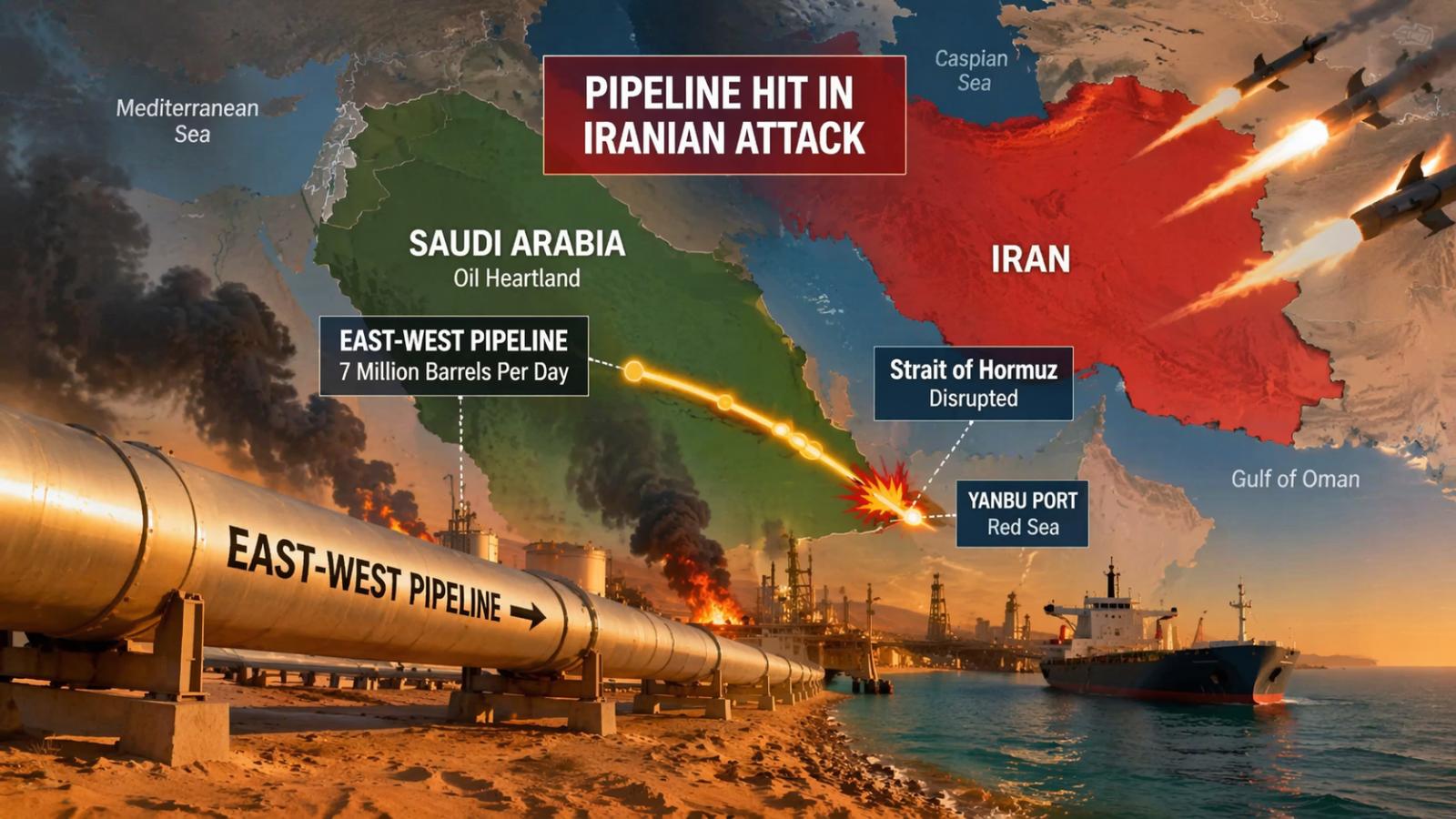
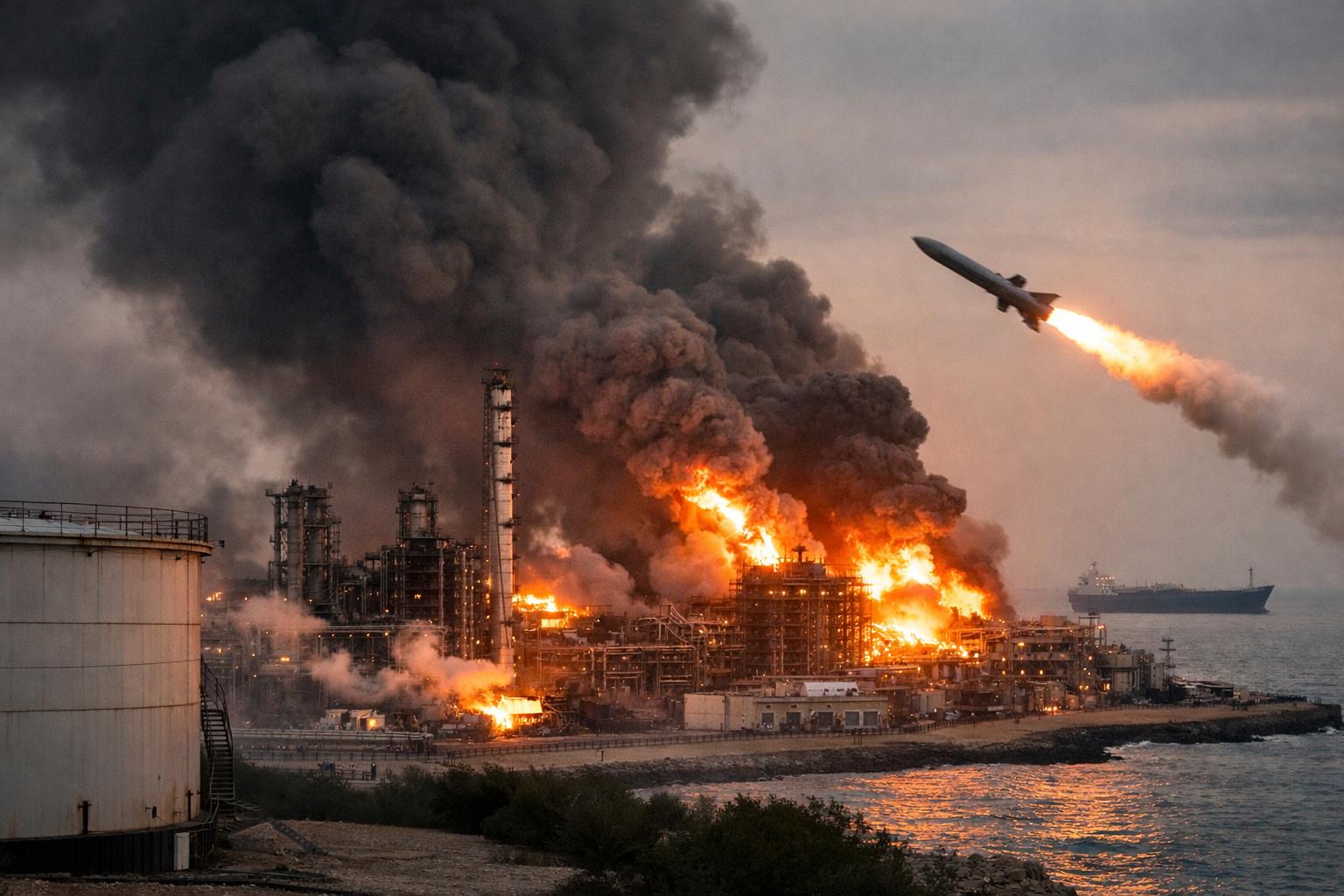
Saudi Arabia’s critical East-West oil pipeline, a key route for crude exports, was struck in an Iranian attack, according to an industry source on Wednesday. The pipeline, currently serving as the kingdom’s primary export outlet after disruptions in the Strait of Hormuz, was among several oil-related facilities targeted across the country.
The East-West pipeline plays a central role in maintaining Saudi Arabia’s oil supply chain, transporting approximately 7 million barrels per
Saudi Arabia’s critical East-West oil pipeline, a key route for crude exports, was struck in an Iranian attack, according to an industry source on Wednesday. The pipeline, currently serving as the kingdom’s primary export outlet after disruptions in the Strait of Hormuz, was among several oil-related facilities targeted across the country.
The East-West pipeline plays a central role in maintaining Saudi Arabia’s oil supply chain, transporting approximately 7 million barrels per
Missile strikes by United States and Israeli forces have reportedly targeted Iran’s strategically vital Kharg Island, significantly escalating tensions in West Asia. According to Iran’s Mehr News, the strikes were reported on Tuesday, April 7, 2026, marking a critical development in the ongoing military campaign known as Operation Epic Fury.
Kharg Island, often described as Tehran’s economic lifeline, handles nearly 90% of Iran’s crude oil exports, making it central to globa
Missile strikes by United States and Israeli forces have reportedly targeted Iran’s strategically vital Kharg Island, significantly escalating tensions in West Asia. According to Iran’s Mehr News, the strikes were reported on Tuesday, April 7, 2026, marking a critical development in the ongoing military campaign known as Operation Epic Fury.
Kharg Island, often described as Tehran’s economic lifeline, handles nearly 90% of Iran’s crude oil exports, making it central to globa
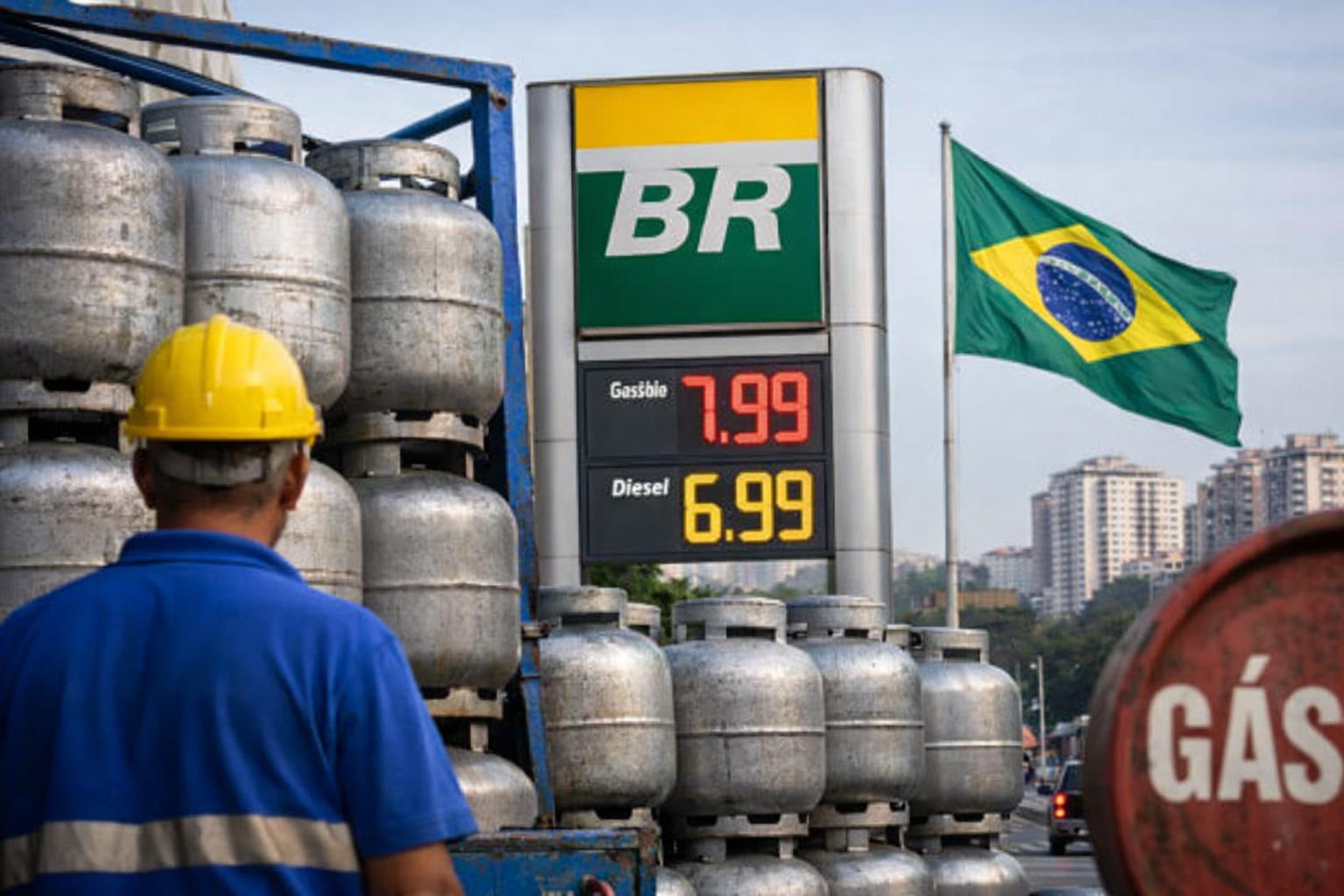
RIO DE JANEIRO — Monday, April 6, 2026 — Surging energy prices linked to global geopolitical tensions are putting pressure on Brazil’s flagship cooking gas subsidy program, raising concerns about its sustainability just months ahead of the country’s presidential election.
The initiative, known as “People’s Gas,” was launched by President Luiz Inacio Lula da Silva in November 2025 as a central component of his energy policy, aiming to provide free liquefied petroleum g
RIO DE JANEIRO — Monday, April 6, 2026 — Surging energy prices linked to global geopolitical tensions are putting pressure on Brazil’s flagship cooking gas subsidy program, raising concerns about its sustainability just months ahead of the country’s presidential election.
The initiative, known as “People’s Gas,” was launched by President Luiz Inacio Lula da Silva in November 2025 as a central component of his energy policy, aiming to provide free liquefied petroleum g
TEHRAN, Iran — Iran has rejected a proposed ceasefire agreement and is instead calling for a permanent end to hostilities, intensifying an already volatile situation in the Middle East. The development was reported on Monday, April 6, 2026, local time in Iran, amid rising pressure from the United States and escalating military actions involving Israel.
Mojtaba Ferdousi Pour, head of Iran’s diplomatic mission in Cairo, stated that Tehran would not agree to a temporary truce without guarantees of long-term security. He emphasized that Iran seeks a definitive end to the conflict with assurances that future attacks would not occur. According to Iranian officials, the country conveyed its position through Pakistan, which has been acting as a key mediator in ongoing diplomatic efforts.
The rejection comes as U.S. President Donald Trump has imposed a deadline tied to the reopening of the Strait of Hormuz, a critical global shipping route through which roughly 20% of the world’s oil supply passes during peacetime. Iranian and Omani officials are reportedly working on a mechanism to manage traffic through the strategic waterway. Disruptions in the strait have already contributed to rising oil prices and heightened concerns about the global economy.
Tensions further escalated following Israeli strikes on Iran’s South Pars natural gas field, a major energy hub shared with Qatar and vital to Iran’s electricity production. The strikes also reportedly killed senior figures within Iran’s Revolutionary Guard, including intelligence chief Maj. Gen. Majid Khademi and a commander linked to the Quds Force. Israeli officials indicated that targeting Iran’s economic and military infrastructure remains a priority.
Simultaneously, explosions were reported across Tehran, with residents describing sustained aerial activity, including drones and low-flying aircraft. Israeli forces also claimed to have struck multiple airports in the Iranian capital, damaging military assets.
Efforts by mediators from Egypt, Pakistan, and Turkey to broker a 45-day ceasefire and reopen the Strait of Hormuz are ongoing, though progress appears uncertain. Iranian officials have reiterated that negotiations cannot proceed under threats or ultimatums.
Regional tensions have also spread to neighboring Gulf countries, with Kuwait, the United Arab Emirates, and Saudi Arabia activating air defenses in response to Iranian missile and drone activity. In Israel, missile strikes reportedly hit residential areas in Haifa, resulting in civilian casualties. The situation continues to evolve, with significant implications for global energy markets and regional stability.
TEHRAN, Iran — Iran has rejected a proposed ceasefire agreement and is instead calling for a permanent end to hostilities, intensifying an already volatile situation in the Middle East. The development was reported on Monday, April 6, 2026, local time in Iran, amid rising pressure from the United States and escalating military actions involving Israel.
Mojtaba Ferdousi Pour, head of Iran’s diplomatic mission in Cairo, stated that Tehran would not agree to a temporary truce without guarantees of long-term security. He emphasized that Iran seeks a definitive end to the conflict with assurances that future attacks would not occur. According to Iranian officials, the country conveyed its position through Pakistan, which has been acting as a key mediator in ongoing diplomatic efforts.
The rejection comes as U.S. President Donald Trump has imposed a deadline tied to the reopening of the Strait of Hormuz, a critical global shipping route through which roughly 20% of the world’s oil supply passes during peacetime. Iranian and Omani officials are reportedly working on a mechanism to manage traffic through the strategic waterway. Disruptions in the strait have already contributed to rising oil prices and heightened concerns about the global economy.
Tensions further escalated following Israeli strikes on Iran’s South Pars natural gas field, a major energy hub shared with Qatar and vital to Iran’s electricity production. The strikes also reportedly killed senior figures within Iran’s Revolutionary Guard, including intelligence chief Maj. Gen. Majid Khademi and a commander linked to the Quds Force. Israeli officials indicated that targeting Iran’s economic and military infrastructure remains a priority.
Simultaneously, explosions were reported across Tehran, with residents describing sustained aerial activity, including drones and low-flying aircraft. Israeli forces also claimed to have struck multiple airports in the Iranian capital, damaging military assets.
Efforts by mediators from Egypt, Pakistan, and Turkey to broker a 45-day ceasefire and reopen the Strait of Hormuz are ongoing, though progress appears uncertain. Iranian officials have reiterated that negotiations cannot proceed under threats or ultimatums.
Regional tensions have also spread to neighboring Gulf countries, with Kuwait, the United Arab Emirates, and Saudi Arabia activating air defenses in response to Iranian missile and drone activity. In Israel, missile strikes reportedly hit residential areas in Haifa, resulting in civilian casualties. The situation continues to evolve, with significant implications for global energy markets and regional stability.
DUBAI, United Arab Emirates — Israel carried out a major strike on Iran’s South Pars natural gas field, targeting a key petrochemical facility that accounts for a significant portion of the country’s production, in an escalation that threatens ongoing efforts to broker a ceasefire between Tehran and Washington. Israeli officials confirmed the operation, describing it as a decisive blow to Iran’s energy infrastructure, while warning that further actions could follow despite diplomatic neg
DUBAI, United Arab Emirates — Israel carried out a major strike on Iran’s South Pars natural gas field, targeting a key petrochemical facility that accounts for a significant portion of the country’s production, in an escalation that threatens ongoing efforts to broker a ceasefire between Tehran and Washington. Israeli officials confirmed the operation, describing it as a decisive blow to Iran’s energy infrastructure, while warning that further actions could follow despite diplomatic neg
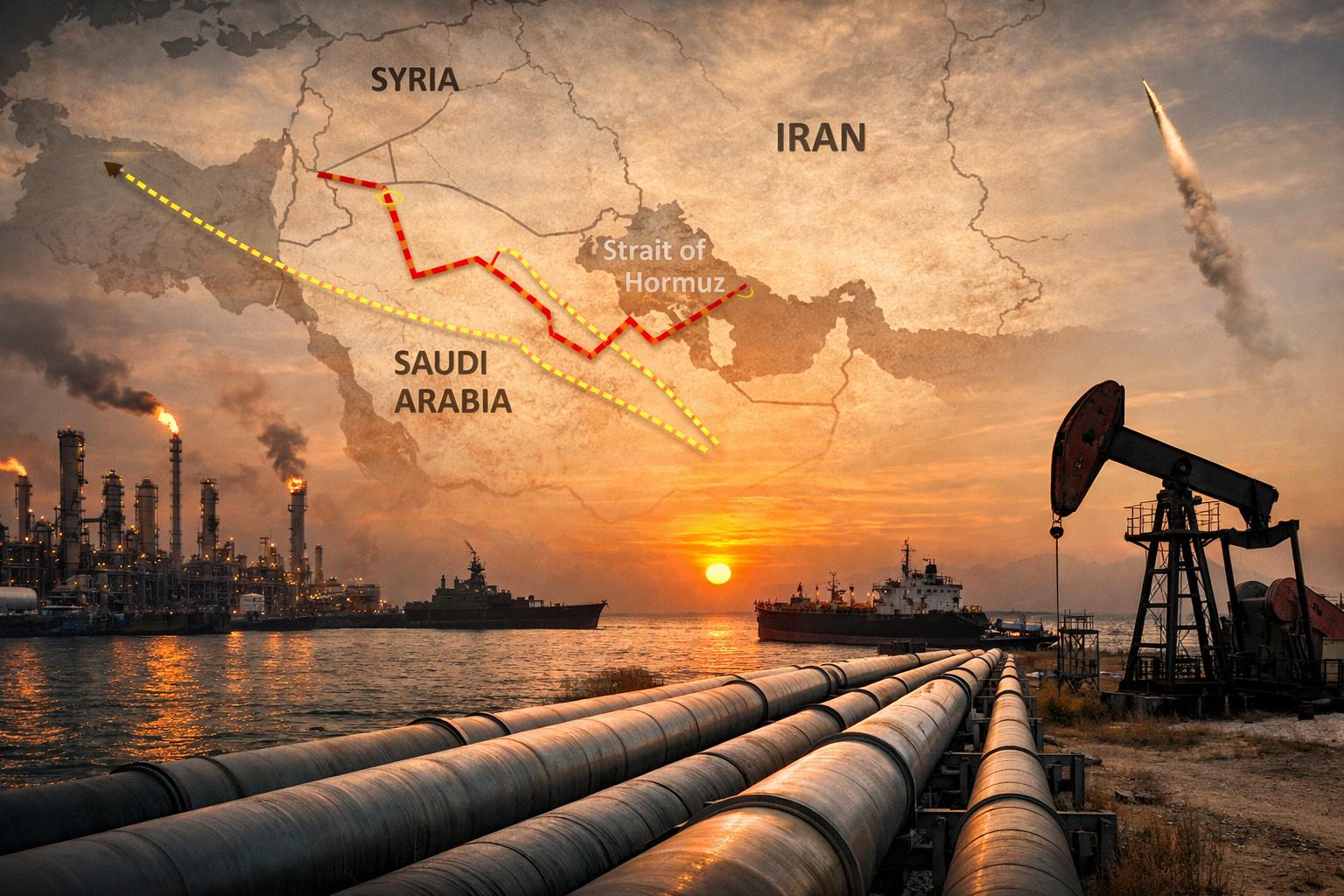
Gulf nations are accelerating discussions on building alternative oil and gas pipelines after Iran’s closure of the Strait of Hormuz disrupted a critical global energy corridor, halting exports from most countries in the region and cutting off roughly 20 percent of the world’s oil and gas supply.
The blockade has exposed the region’s heavy dependence on the narrow maritime route, prompting officials and industry leaders to reconsider long-term infrastructure strategies. Saudi Arabia ha
Gulf nations are accelerating discussions on building alternative oil and gas pipelines after Iran’s closure of the Strait of Hormuz disrupted a critical global energy corridor, halting exports from most countries in the region and cutting off roughly 20 percent of the world’s oil and gas supply.
The blockade has exposed the region’s heavy dependence on the narrow maritime route, prompting officials and industry leaders to reconsider long-term infrastructure strategies. Saudi Arabia ha
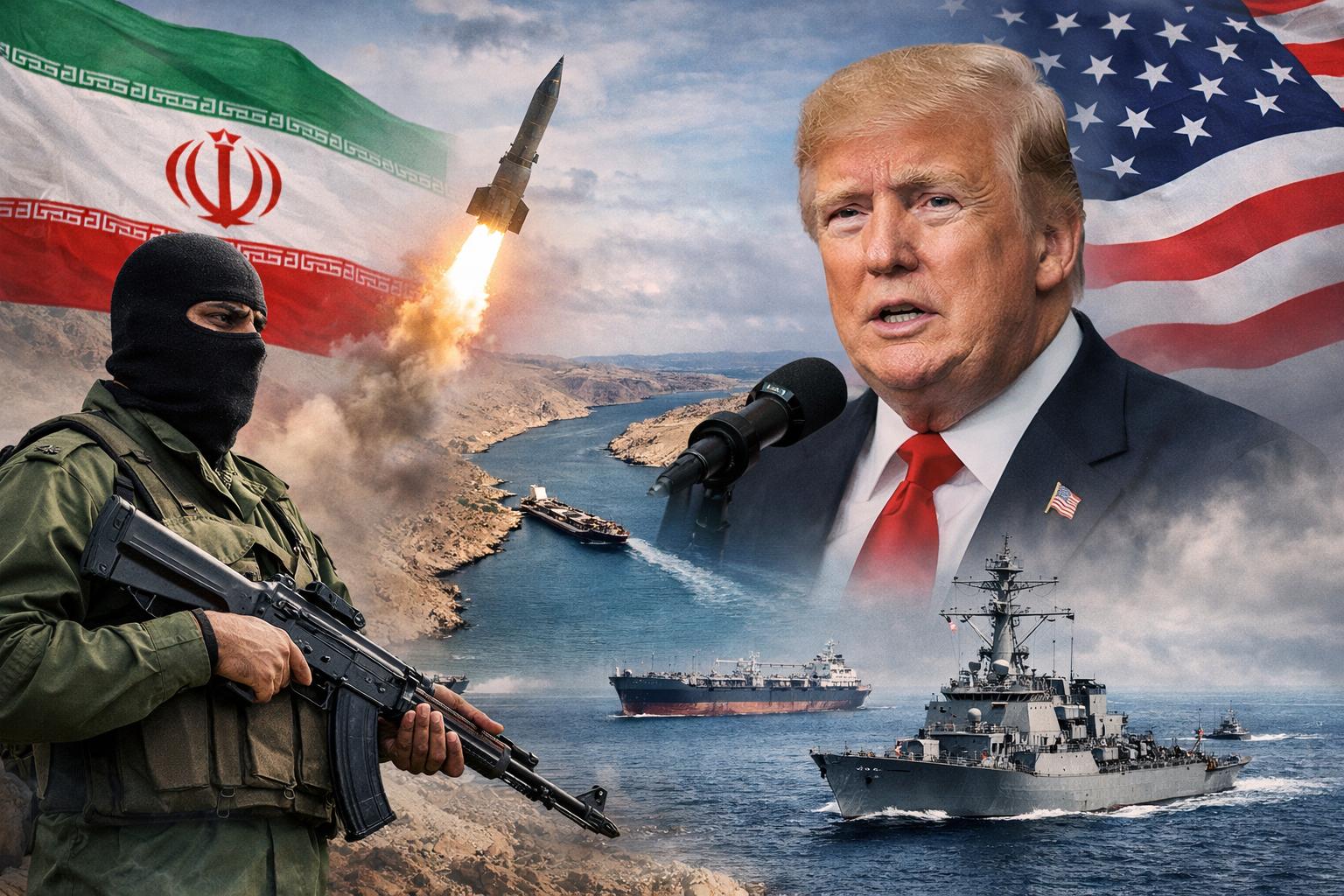
DUBAI, United Arab Emirates — U.S. President Donald Trump issued a stark warning on Monday, March 30, 2026, threatening to expand military action against Iran by targeting critical civilian infrastructure if a deal to end the ongoing conflict is not reached soon. The remarks come as tensions in the Middle East continue to escalate, raising concerns about regional stability and global oil supply routes.
In a social media statement, Trump said progress in negotiations had been “sign
DUBAI, United Arab Emirates — U.S. President Donald Trump issued a stark warning on Monday, March 30, 2026, threatening to expand military action against Iran by targeting critical civilian infrastructure if a deal to end the ongoing conflict is not reached soon. The remarks come as tensions in the Middle East continue to escalate, raising concerns about regional stability and global oil supply routes.
In a social media statement, Trump said progress in negotiations had been “sign