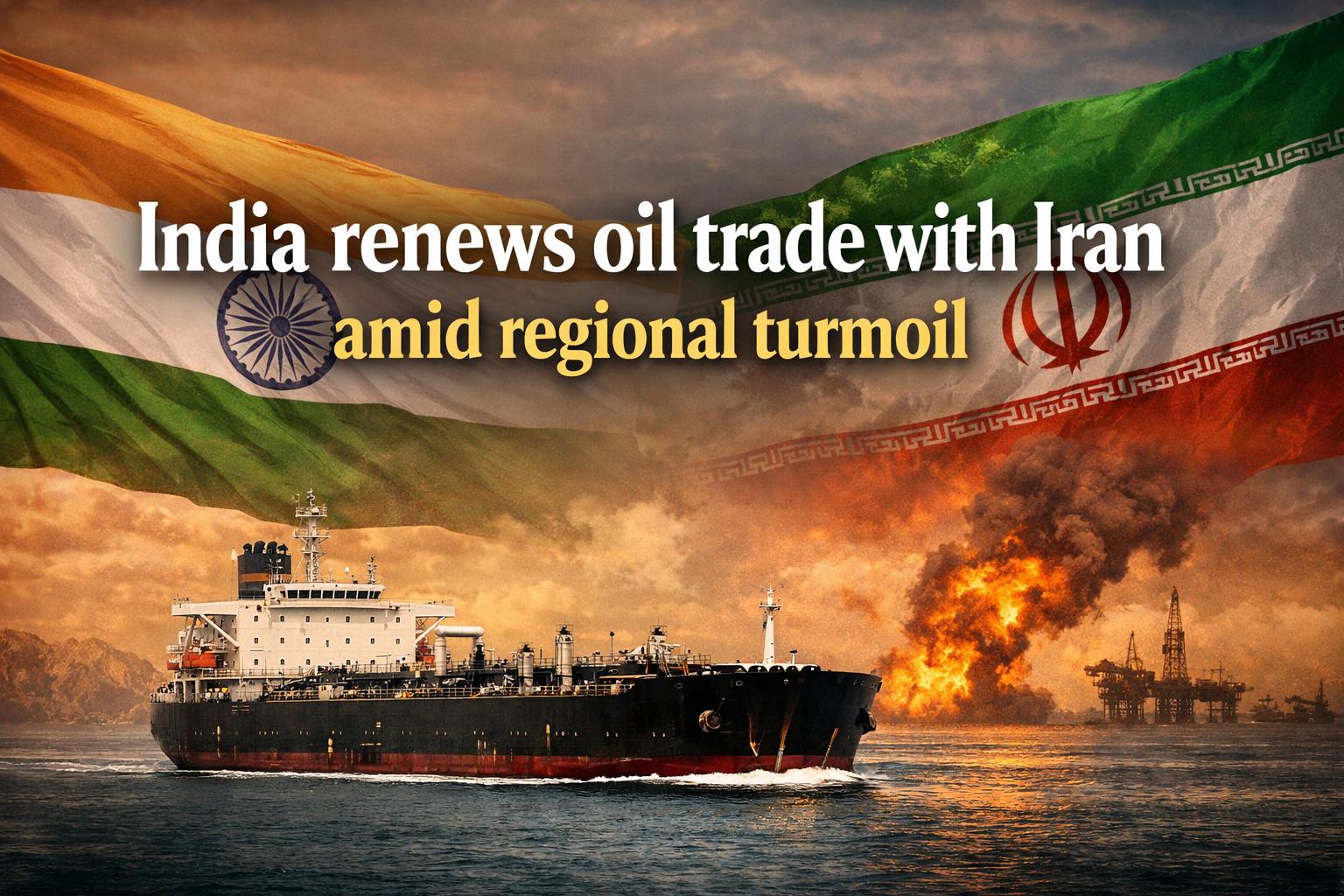
India has resumed importing oil and gas from Iran after a seven-year hiatus, signaling a strategic shift in energy sourcing as global markets face volatility linked to the ongoing Middle East conflict involving the United States, Israel, and Iran.
On Saturday, April 4, 2026, India’s Ministry of Petroleum and Natural Gas confirmed that domestic refiners had secured crude supplies from more than 40 countries, including Iran. The announcement comes as supply disruptions and rising energy prices strain global markets. According to energy intelligence firm Rystad Energy, this marks India’s first purchase of Iranian energy since 2019.
Officials stated that there were no payment challenges associated with the renewed imports. A vessel carrying 44,000 metric tons of Iranian liquefied petroleum gas (LPG) has already docked at a southern Indian port, underscoring the immediacy of the supply response. LPG remains a critical household and commercial fuel across India.
Analysts view the move as part of a broader effort by New Delhi to diversify energy sources while maintaining geopolitical flexibility. India, the world’s third-largest oil importer, relies heavily on shipments passing through the Strait of Hormuz, a strategic waterway that handles roughly half of its crude oil imports and the majority of its LPG supplies.
Experts suggest that India’s renewed engagement with Iran may also serve as a diplomatic signal. By reestablishing energy ties, New Delhi appears to be seeking assurances for the safe passage of its vessels through the Strait of Hormuz, where maritime security has become increasingly uncertain.
Despite strengthening ties with the United States in recent years, India has opted not to join a proposed U.S.-led naval coalition aimed at securing the waterway. Instead, it has pursued direct bilateral engagement with Iran, reflecting a cautious approach to alignment in the region’s escalating tensions.
The decision follows mounting pressure on India’s energy procurement costs. Data indicates that the average price of India’s crude basket surged from $69 per barrel in February 2026 to $113 per barrel in March 2026. At the same time, imports of discounted Russian oil increased significantly, highlighting India’s ongoing efforts to manage supply risks and contain rising costs.
Going forward, analysts note that the sustainability of Iranian imports will depend on evolving geopolitical conditions, including potential changes to U.S. sanctions and the broader trajectory of the regional conflict.