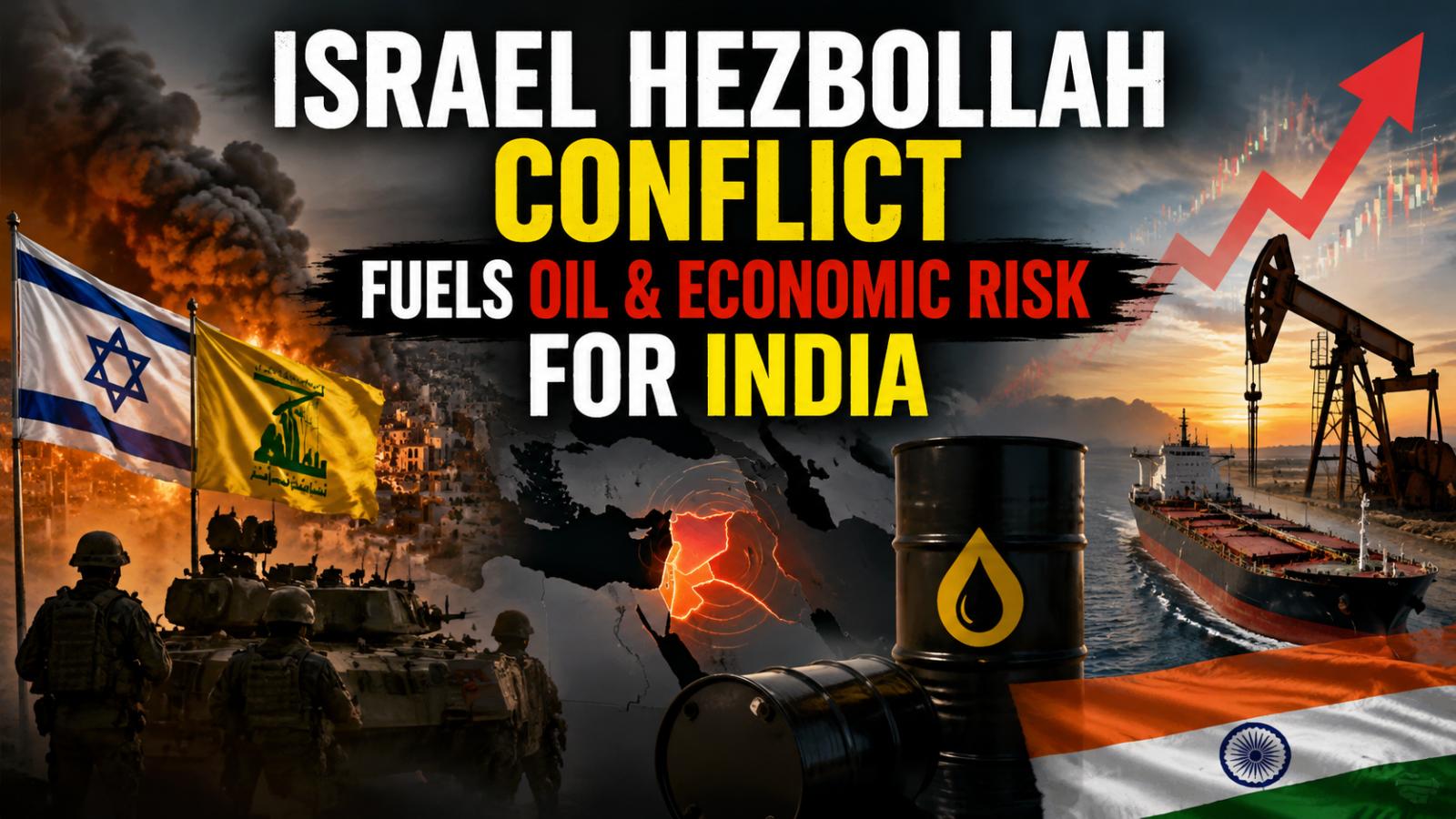
The renewed exchange of fire between Israeli forces and Hezbollah-linked positions in southern Lebanon has again drawn attention to an already fragile regional security environment. While both sides continue to frame their actions as targeted and defensive, the situation is increasingly being viewed through a wider geopolitical lens, especially by energy markets and trade-dependent economies.
Even limited escalation in this corridor tends to trigger immediate risk recalibration in global markets, not because of direct supply disruption, but due to fear of spillover into wider West Asian conflict zones.
Oil markets react to uncertainty, not only disruption
Crude oil prices have remained sensitive to developments in the region, with traders closely tracking any sign of expansion beyond localized strikes. Brent crude has shown intermittent swings, reflecting how quickly sentiment shifts when geopolitical risks rise.
For import-heavy economies like India, the concern is not only about supply cuts but also price volatility. Even short-lived spikes increase import bills, widen trade deficits, and add pressure on domestic inflation through fuel and transport costs.
India remains heavily dependent on imported crude, leaving it exposed to external shocks that originate far from its own borders but quickly reach its economy through global pricing mechanisms.
Maritime chokepoints add another layer of risk
Beyond oil production zones, shipping routes remain a critical pressure point. The Strait of Hormuz continues to be one of the most strategically sensitive maritime corridors in the world, handling a large share of global crude movement.
Any perception of instability in nearby conflict zones tends to increase insurance premiums for tankers and freight operators. This raises shipping costs even when physical disruption does not occur.
For trade-dependent economies, the indirect cost of conflict often arrives faster than any actual supply shortage.
India’s broader exposure goes beyond energy
India’s stake in West Asian stability is not limited to crude imports. A large Indian workforce in Gulf countries supports billions in annual remittances, which play a steady role in foreign exchange stability.
At the same time, India maintains layered relationships across the region—energy partnerships with Gulf producers, strategic cooperation with Israel, and connectivity interests linked to Iran and regional ports.
This creates a complex policy environment where instability in one corridor can influence multiple economic and diplomatic channels simultaneously.
Long-term infrastructure plans face sensitivity risks
Large-scale trade and infrastructure initiatives involving West Asia, including proposed trans-regional connectivity corridors, depend heavily on stable political conditions. Projects linked to ports, energy routes, and logistics networks become vulnerable when security risks rise.
Even without direct damage, prolonged uncertainty tends to slow investment decisions, delay contracts, and increase financing costs for regional development projects.
Conclusion
The current Israel–Hezbollah exchange remains geographically contained, but its economic impact is far wider. Oil markets, shipping costs, remittance flows, and long-term trade planning all react quickly to signals of escalation.
For India and other import-dependent economies, the primary challenge is not direct involvement in the conflict but exposure to its ripple effects through energy pricing, logistics costs, and regional stability risks.
The renewed exchange of fire between Israeli forces and Hezbollah-linked positions in southern Lebanon has again drawn attention to an already fragile regional security environment. While both sides continue to frame their actions as targeted and defensive, the situation is increasingly being viewed through a wider geopolitical lens, especially by energy markets and trade-dependent economies.
Even limited escalation in this corridor tends to trigger immediate risk recalibration in global markets, not because of direct supply disruption, but due to fear of spillover into wider West Asian conflict zones.
Oil markets react to uncertainty, not only disruption
Crude oil prices have remained sensitive to developments in the region, with traders closely tracking any sign of expansion beyond localized strikes. Brent crude has shown intermittent swings, reflecting how quickly sentiment shifts when geopolitical risks rise.
For import-heavy economies like India, the concern is not only about supply cuts but also price volatility. Even short-lived spikes increase import bills, widen trade deficits, and add pressure on domestic inflation through fuel and transport costs.
India remains heavily dependent on imported crude, leaving it exposed to external shocks that originate far from its own borders but quickly reach its economy through global pricing mechanisms.
Maritime chokepoints add another layer of risk
Beyond oil production zones, shipping routes remain a critical pressure point. The Strait of Hormuz continues to be one of the most strategically sensitive maritime corridors in the world, handling a large share of global crude movement.
Any perception of instability in nearby conflict zones tends to increase insurance premiums for tankers and freight operators. This raises shipping costs even when physical disruption does not occur.
For trade-dependent economies, the indirect cost of conflict often arrives faster than any actual supply shortage.
India’s broader exposure goes beyond energy
India’s stake in West Asian stability is not limited to crude imports. A large Indian workforce in Gulf countries supports billions in annual remittances, which play a steady role in foreign exchange stability.
At the same time, India maintains layered relationships across the region—energy partnerships with Gulf producers, strategic cooperation with Israel, and connectivity interests linked to Iran and regional ports.
This creates a complex policy environment where instability in one corridor can influence multiple economic and diplomatic channels simultaneously.
Long-term infrastructure plans face sensitivity risks
Large-scale trade and infrastructure initiatives involving West Asia, including proposed trans-regional connectivity corridors, depend heavily on stable political conditions. Projects linked to ports, energy routes, and logistics networks become vulnerable when security risks rise.
Even without direct damage, prolonged uncertainty tends to slow investment decisions, delay contracts, and increase financing costs for regional development projects.
Conclusion
The current Israel–Hezbollah exchange remains geographically contained, but its economic impact is far wider. Oil markets, shipping costs, remittance flows, and long-term trade planning all react quickly to signals of escalation.
For India and other import-dependent economies, the primary challenge is not direct involvement in the conflict but exposure to its ripple effects through energy pricing, logistics costs, and regional stability risks.
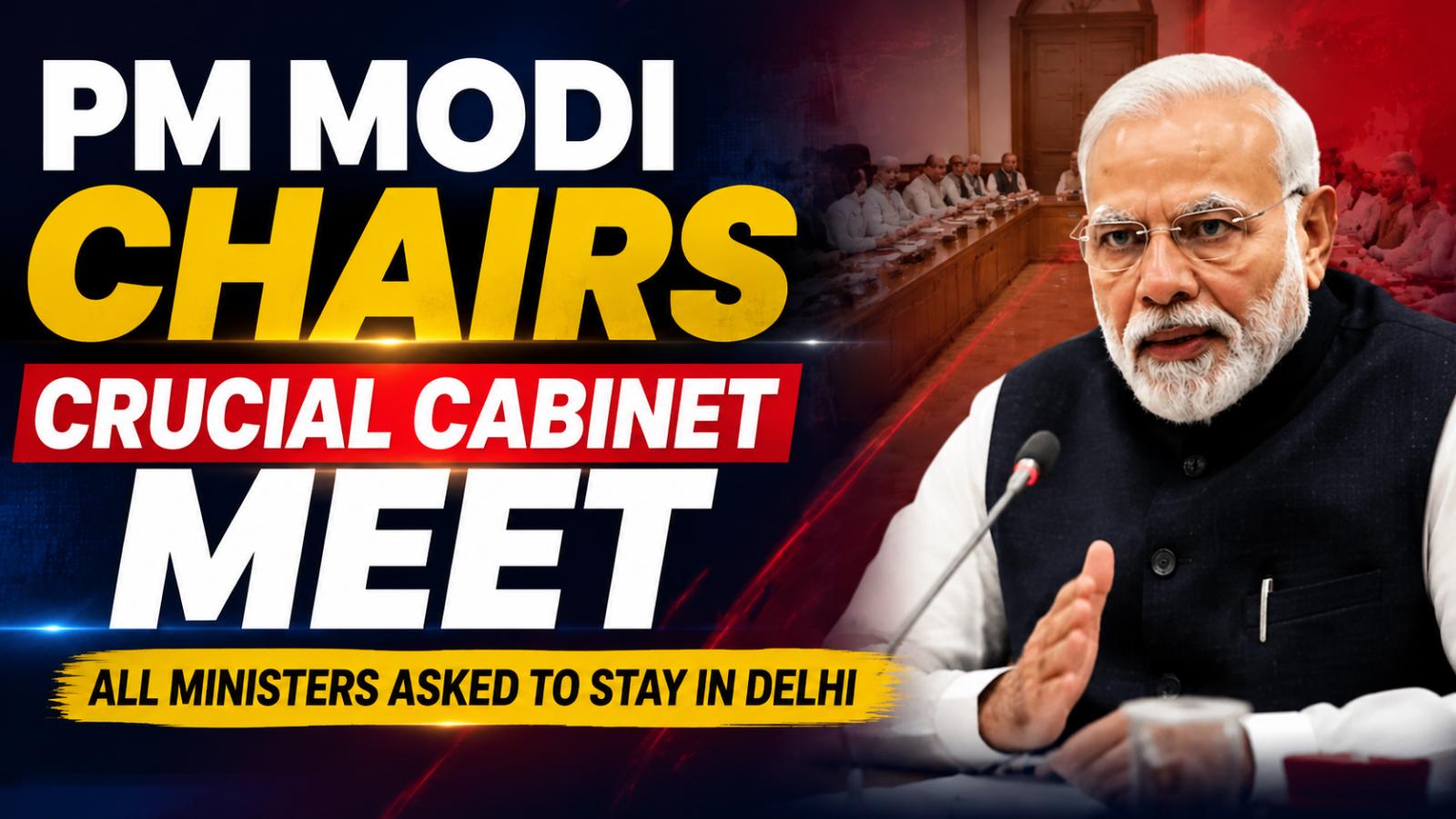
Prime Minister Narendra Modi is set to chair a crucial Council of Ministers meeting at Seva Teerth in Delhi at 4 pm on Thursday. All Union ministers, including Cabinet ministers, ministers of state with independent charge, and ministers of state, have been asked to remain in the capital during this period. The meeting comes immediately after PM Modi’s foreign visit and is expected to cover governance priorities, regional geopolitical developments, and possible political changes within the g
Prime Minister Narendra Modi is set to chair a crucial Council of Ministers meeting at Seva Teerth in Delhi at 4 pm on Thursday. All Union ministers, including Cabinet ministers, ministers of state with independent charge, and ministers of state, have been asked to remain in the capital during this period. The meeting comes immediately after PM Modi’s foreign visit and is expected to cover governance priorities, regional geopolitical developments, and possible political changes within the g
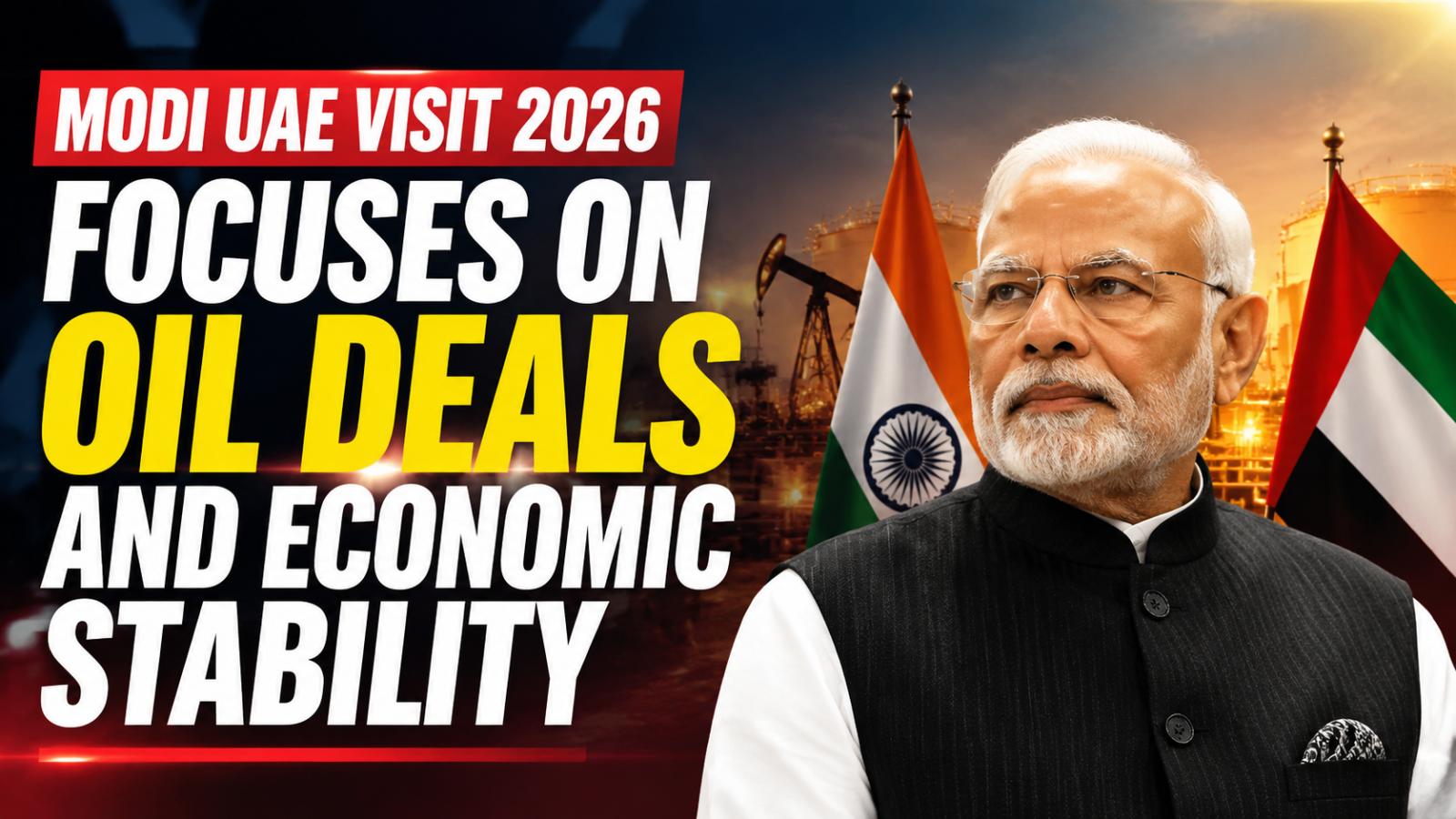
Prime Minister Modi’s brief UAE visit on May 15, 2026, focuses on securing oil, LPG, and trade deals to stabilize India’s economy amid West Asia tensions. The trip aims to protect citizens from rising fuel prices and strengthen strategic energy partnerships.
Modi’s UAE Visit: A Crucial Energy Mission
On May 15, 2026, Indian citizens witnessed a sudden petrol and diesel pri
Prime Minister Modi’s brief UAE visit on May 15, 2026, focuses on securing oil, LPG, and trade deals to stabilize India’s economy amid West Asia tensions. The trip aims to protect citizens from rising fuel prices and strengthen strategic energy partnerships.
Modi’s UAE Visit: A Crucial Energy Mission
On May 15, 2026, Indian citizens witnessed a sudden petrol and diesel pri
India may soon take a major step toward changing how vehicles are powered, with the government reportedly preparing draft rules for introducing E85 fuel. This new blend, made of up to 85% ethanol and 15% petrol, could significantly reduce the country’s dependence on imported crude oil and promote the use of domestically produced biofuel.
The move comes at a time when global oil markets remain unstable due to geopolitical tensions, including conflicts affecting major oil-producing
India may soon take a major step toward changing how vehicles are powered, with the government reportedly preparing draft rules for introducing E85 fuel. This new blend, made of up to 85% ethanol and 15% petrol, could significantly reduce the country’s dependence on imported crude oil and promote the use of domestically produced biofuel.
The move comes at a time when global oil markets remain unstable due to geopolitical tensions, including conflicts affecting major oil-producing
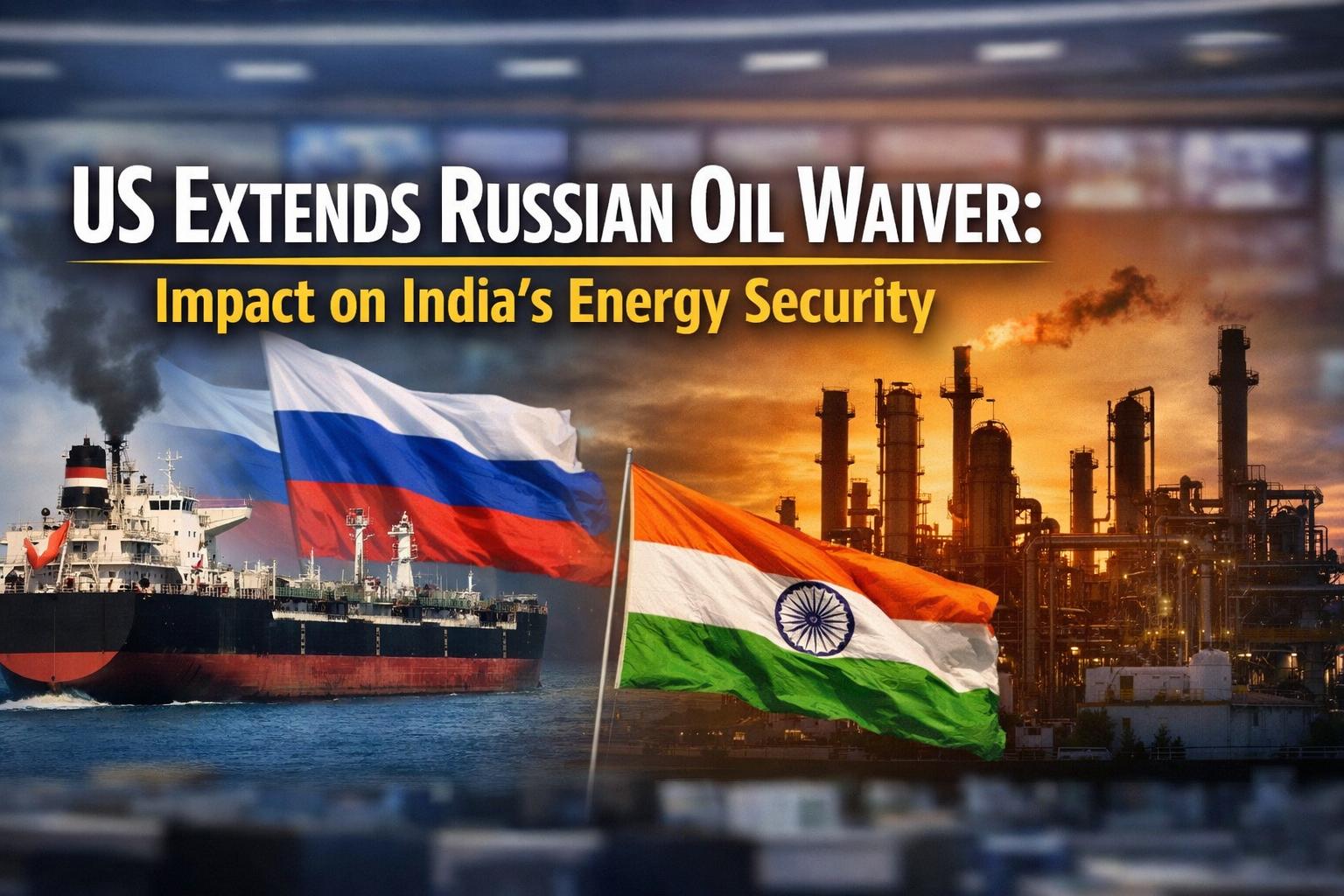
The United States has issued a fresh month-long sanctions waiver permitting transactions involving Russian crude oil already in transit, marking a notable policy reversal within days of signaling a stricter stance. The waiver allows purchases of oil loaded onto vessels as of April 17 to continue until May 16, providing limited flexibility to global buyers amid ongoing disruptions in the energy market.
The decision comes shortly after earlier statements ruled out any extension, highlighting the pressure created by rising fuel costs and tightening supply conditions. With gasoline prices climbing and geopolitical tensions affecting key supply routes, the move reflects an effort to stabilize markets rather than signal a broader policy shift. Importantly, the waiver applies only to cargo already at sea and does not authorize new purchases, reinforcing its temporary and targeted nature.
For India, one of the largest importers of Russian crude, the extension offers short-term operational relief. Russian supplies currently account for nearly 38 to 40 percent of India’s total crude imports, making them a critical component of the country’s energy mix. Given that India relies on imports for more than 88 percent of its energy needs, even minor disruptions can have significant economic implications.
Indian refiners had previously indicated their intent to continue sourcing Russian oil regardless of external sanctions frameworks, emphasizing that energy procurement remains a sovereign decision. The waiver, however, reduces immediate logistical and financial uncertainties by ensuring smoother completion of shipments already underway.
As geopolitical tensions continue to reshape global energy flows, the temporary waiver underscores the balancing act between policy objectives and market realities. For India, it reinforces the importance of maintaining diversified supply channels while navigating an increasingly complex international energy landscape.
The United States has issued a fresh month-long sanctions waiver permitting transactions involving Russian crude oil already in transit, marking a notable policy reversal within days of signaling a stricter stance. The waiver allows purchases of oil loaded onto vessels as of April 17 to continue until May 16, providing limited flexibility to global buyers amid ongoing disruptions in the energy market.
The decision comes shortly after earlier statements ruled out any extension, highlighting the pressure created by rising fuel costs and tightening supply conditions. With gasoline prices climbing and geopolitical tensions affecting key supply routes, the move reflects an effort to stabilize markets rather than signal a broader policy shift. Importantly, the waiver applies only to cargo already at sea and does not authorize new purchases, reinforcing its temporary and targeted nature.
For India, one of the largest importers of Russian crude, the extension offers short-term operational relief. Russian supplies currently account for nearly 38 to 40 percent of India’s total crude imports, making them a critical component of the country’s energy mix. Given that India relies on imports for more than 88 percent of its energy needs, even minor disruptions can have significant economic implications.
Indian refiners had previously indicated their intent to continue sourcing Russian oil regardless of external sanctions frameworks, emphasizing that energy procurement remains a sovereign decision. The waiver, however, reduces immediate logistical and financial uncertainties by ensuring smoother completion of shipments already underway.
As geopolitical tensions continue to reshape global energy flows, the temporary waiver underscores the balancing act between policy objectives and market realities. For India, it reinforces the importance of maintaining diversified supply channels while navigating an increasingly complex international energy landscape.
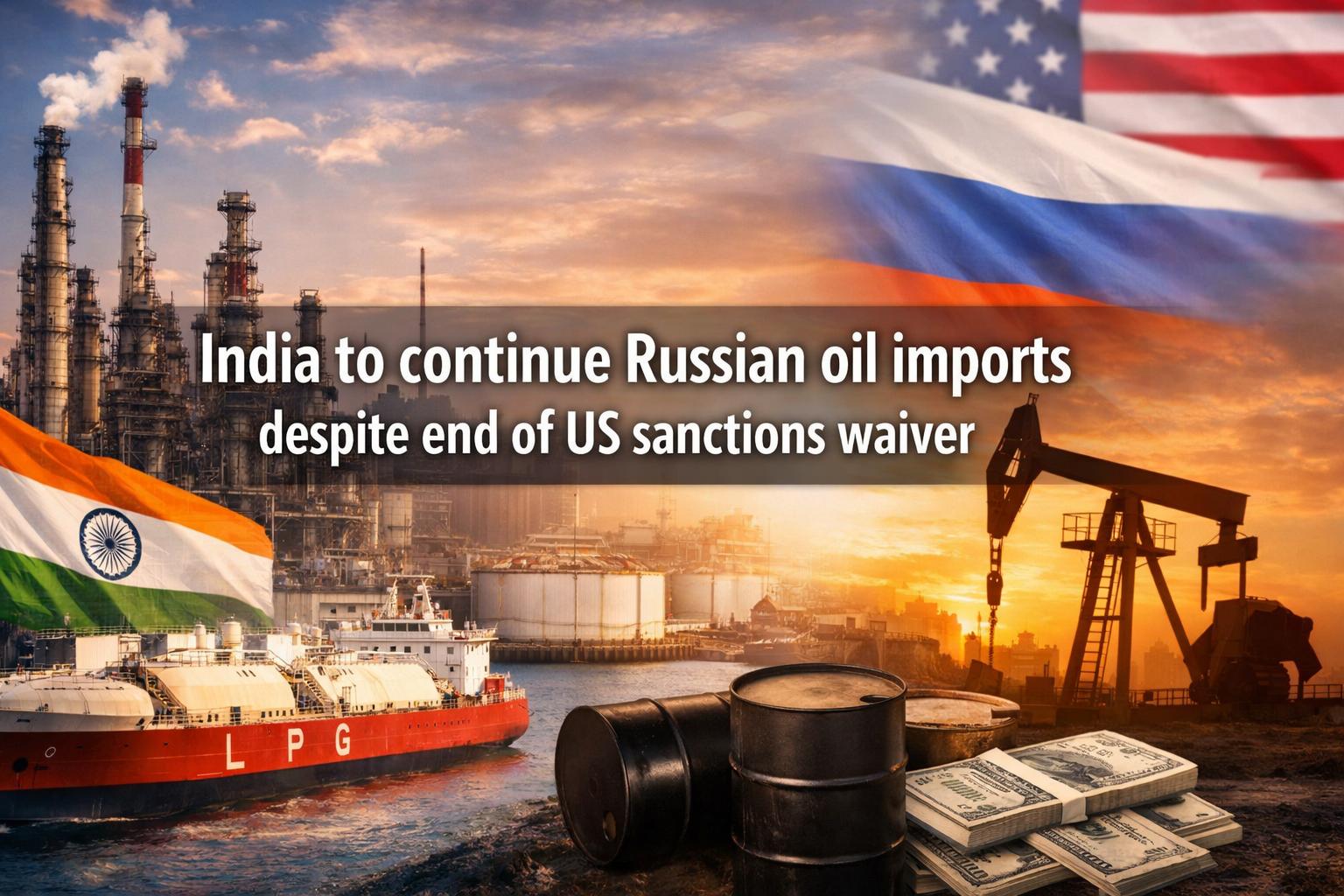
India is set to continue importing Russian crude oil and Liquefied Petroleum Gas (LPG) even after the expiration of the 30-day sanctions waiver granted by the United States on April 11, 2026. Officials indicated that the country’s energy import strategy is guided by sovereign priorities and commercial considerations rather than external sanctions frameworks. Indian refineries are expected to maintain their existing procurement approach by sourcing supplies from non-sanctioned entities and c
India is set to continue importing Russian crude oil and Liquefied Petroleum Gas (LPG) even after the expiration of the 30-day sanctions waiver granted by the United States on April 11, 2026. Officials indicated that the country’s energy import strategy is guided by sovereign priorities and commercial considerations rather than external sanctions frameworks. Indian refineries are expected to maintain their existing procurement approach by sourcing supplies from non-sanctioned entities and c
India reaffirmed its strategy of sourcing oil from a wide range of suppliers to safeguard its energy needs amid ongoing geopolitical tensions affecting global trade routes. Speaking at an inter-ministerial briefing in New Delhi on Wednesday, April 15, 2026, at 6:29 PM IST, Ministry of External Affairs spokesperson Randhir Jaiswal emphasized that the country’s approach is guided by the need to ensure energy security for its population of 1.4 billion while adapting to evolving internati
India reaffirmed its strategy of sourcing oil from a wide range of suppliers to safeguard its energy needs amid ongoing geopolitical tensions affecting global trade routes. Speaking at an inter-ministerial briefing in New Delhi on Wednesday, April 15, 2026, at 6:29 PM IST, Ministry of External Affairs spokesperson Randhir Jaiswal emphasized that the country’s approach is guided by the need to ensure energy security for its population of 1.4 billion while adapting to evolving internati
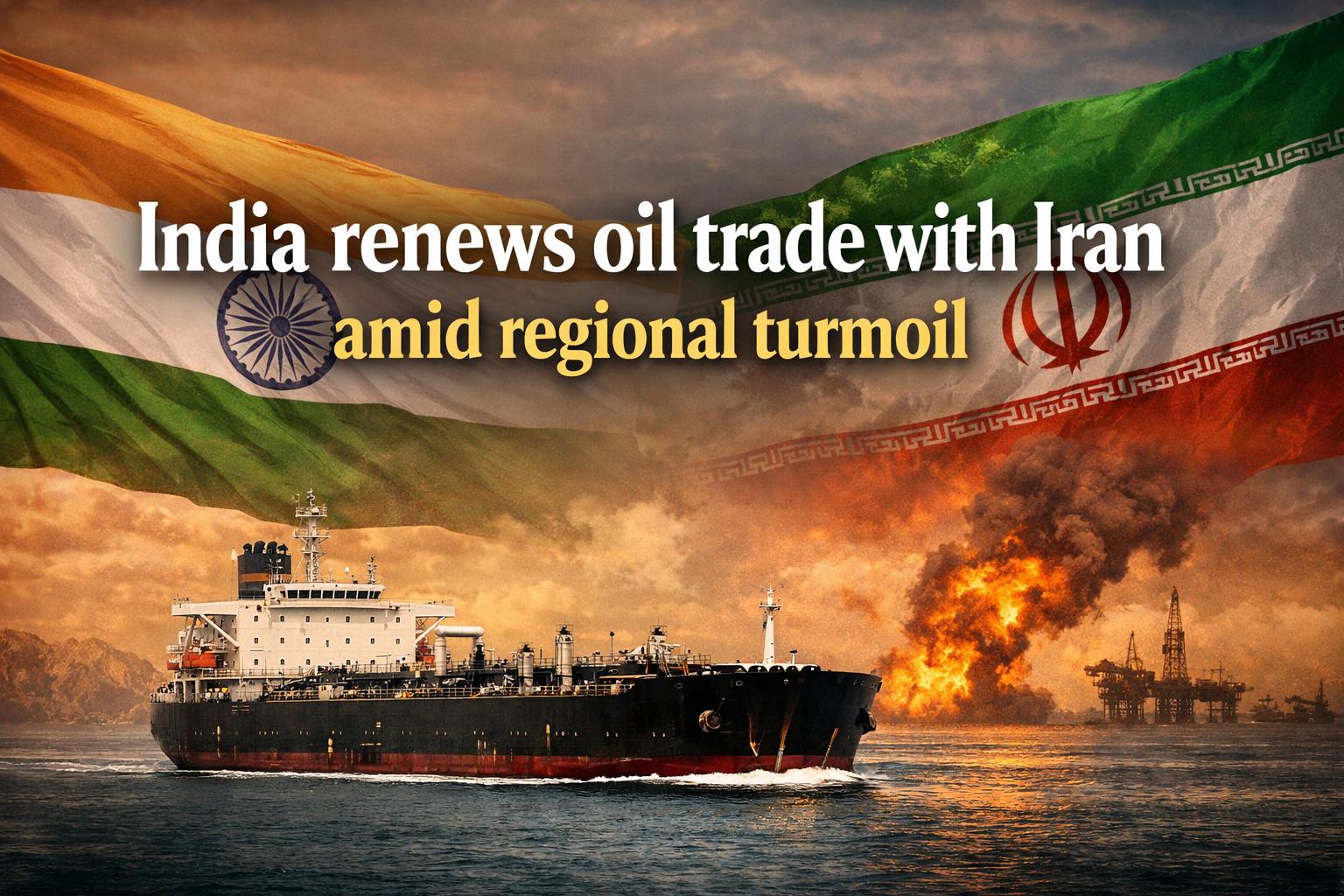
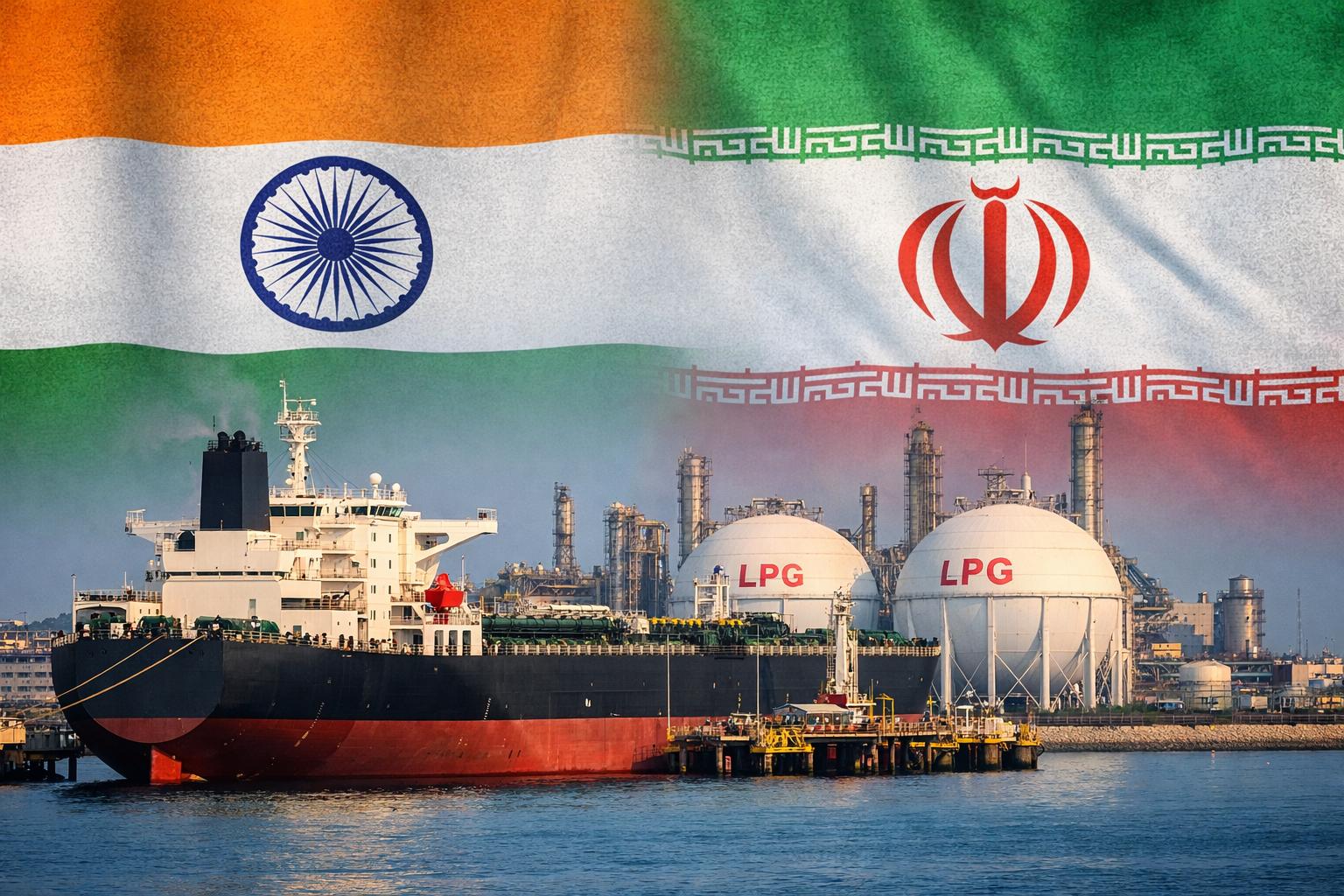
India has officially confirmed that it is importing crude oil and liquefied petroleum gas (LPG) from Iran, marking a notable development in its energy policy amid evolving global market conditions. The confirmation was issued by India’s Petroleum Ministry on Saturday, April 4, 2026 (IST), providing clarity on ongoing reports about energy trade involving Iranian supplies.
The acknowledgment highlights India’s continued reliance on diversified fuel sources to meet rising domestic demand. As one of the world’s largest importers of crude oil, India depends heavily on international suppliers to sustain economic growth, industrial activity, and consumer energy needs. Iranian crude and LPG are considered commercially attractive due to pricing advantages and established supply channels.
Officials emphasized that India’s crude supply remains secure and that there are no reported payment-related disruptions affecting imports from Iran. The clarification comes amid heightened global scrutiny over transactions involving Iranian energy exports, which remain sensitive due to international sanctions frameworks and geopolitical considerations.
Energy analysts note that India’s confirmation underscores a broader trend among major economies seeking flexibility in sourcing oil and gas. With global oil markets experiencing volatility, countries are increasingly prioritizing energy security and affordability over rigid sourcing constraints. India’s approach reflects a pragmatic balance between domestic economic priorities and external diplomatic pressures.
The development may also influence broader market sentiment, particularly if it signals sustained or increased flows of Iranian crude into global supply chains. At the same time, it highlights the complexities of international energy trade, where economic necessity, regulatory environments, and geopolitical dynamics intersect.
India’s confirmation on Saturday, April 4, 2026 (IST) reinforces its strategic focus on ensuring uninterrupted fuel access while navigating a rapidly shifting global energy landscape.
India has officially confirmed that it is importing crude oil and liquefied petroleum gas (LPG) from Iran, marking a notable development in its energy policy amid evolving global market conditions. The confirmation was issued by India’s Petroleum Ministry on Saturday, April 4, 2026 (IST), providing clarity on ongoing reports about energy trade involving Iranian supplies.
The acknowledgment highlights India’s continued reliance on diversified fuel sources to meet rising domestic demand. As one of the world’s largest importers of crude oil, India depends heavily on international suppliers to sustain economic growth, industrial activity, and consumer energy needs. Iranian crude and LPG are considered commercially attractive due to pricing advantages and established supply channels.
Officials emphasized that India’s crude supply remains secure and that there are no reported payment-related disruptions affecting imports from Iran. The clarification comes amid heightened global scrutiny over transactions involving Iranian energy exports, which remain sensitive due to international sanctions frameworks and geopolitical considerations.
Energy analysts note that India’s confirmation underscores a broader trend among major economies seeking flexibility in sourcing oil and gas. With global oil markets experiencing volatility, countries are increasingly prioritizing energy security and affordability over rigid sourcing constraints. India’s approach reflects a pragmatic balance between domestic economic priorities and external diplomatic pressures.
The development may also influence broader market sentiment, particularly if it signals sustained or increased flows of Iranian crude into global supply chains. At the same time, it highlights the complexities of international energy trade, where economic necessity, regulatory environments, and geopolitical dynamics intersect.
India’s confirmation on Saturday, April 4, 2026 (IST) reinforces its strategic focus on ensuring uninterrupted fuel access while navigating a rapidly shifting global energy landscape.
Prime Minister Narendra Modi is set to chair an extended meeting of the Cabinet Committee on Security (CCS) on 1st April 2026 at 7 pm, aiming to review the ongoing situation in West Asia and its potential consequences for India’s energy security, supply chains, and overall macroeconomic stability. The meeting comes shortly after the March 22 review, where the government conducted an assessment of essential commodities like food, fertilisers, fuel, and power in light of the escalating confli
Prime Minister Narendra Modi is set to chair an extended meeting of the Cabinet Committee on Security (CCS) on 1st April 2026 at 7 pm, aiming to review the ongoing situation in West Asia and its potential consequences for India’s energy security, supply chains, and overall macroeconomic stability. The meeting comes shortly after the March 22 review, where the government conducted an assessment of essential commodities like food, fertilisers, fuel, and power in light of the escalating confli
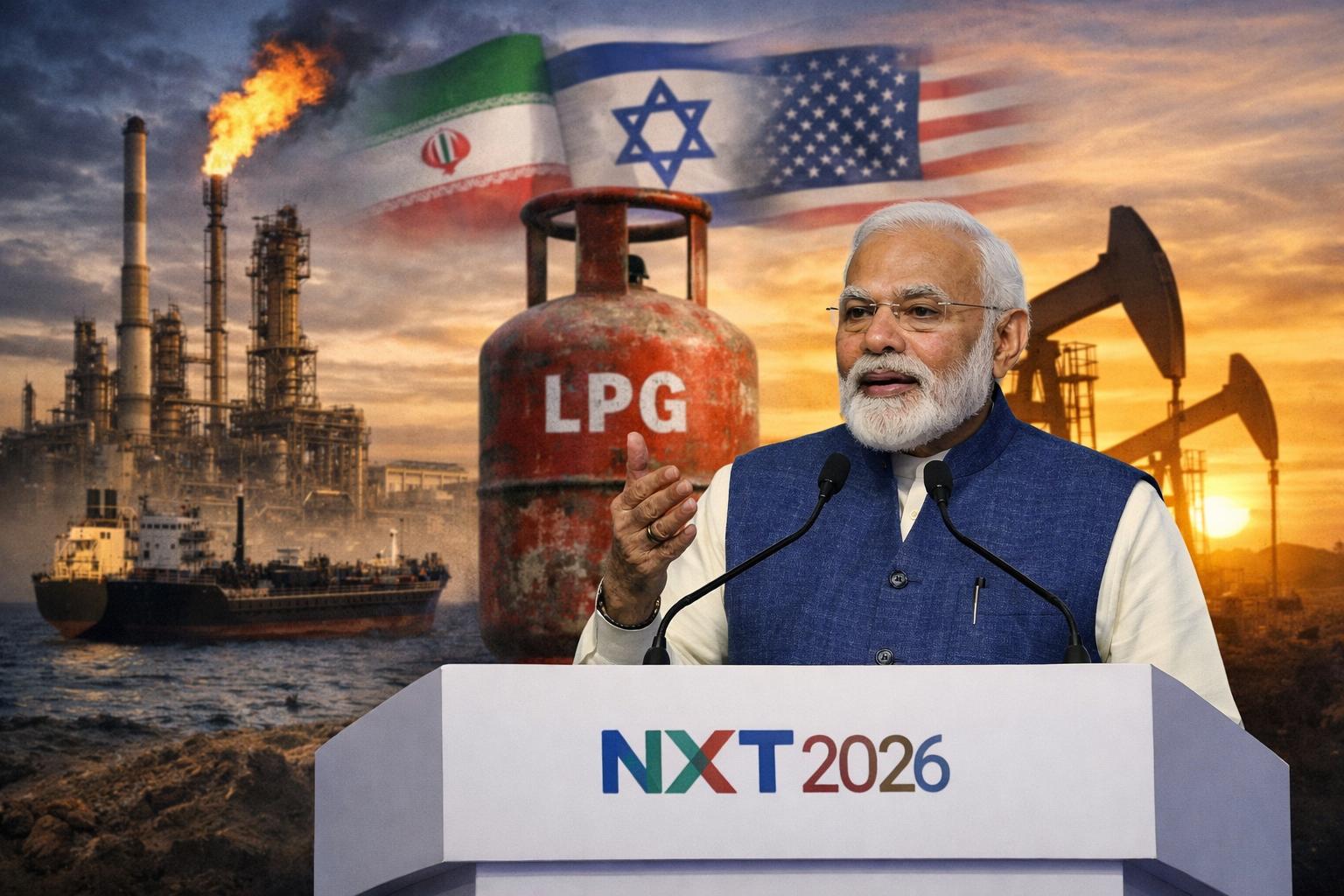
Prime Minister Narendra Modi on Thursday said the government is taking comprehensive steps to safeguard India’s energy security as global fuel markets face uncertainty due to the ongoing conflict in West Asia. Addressing the NXT Summit 2026 in New Delhi on March 12, the prime minister said India has adopted a holistic strategy to strengthen its energy sector and reduce vulnerability to global disruptions.
Modi said the country has significantly expanded its strategic petroleum reserve in r
Prime Minister Narendra Modi on Thursday said the government is taking comprehensive steps to safeguard India’s energy security as global fuel markets face uncertainty due to the ongoing conflict in West Asia. Addressing the NXT Summit 2026 in New Delhi on March 12, the prime minister said India has adopted a holistic strategy to strengthen its energy sector and reduce vulnerability to global disruptions.
Modi said the country has significantly expanded its strategic petroleum reserve in r
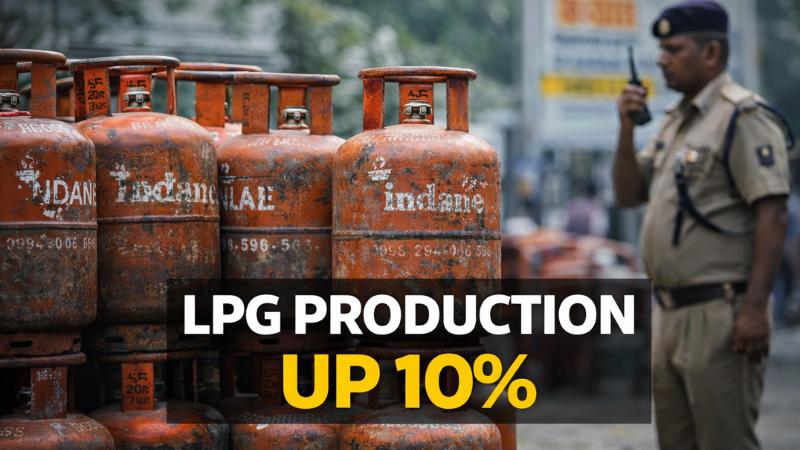
The Indian government has moved to dismiss concerns over an LPG shortage, asserting that supplies have stabilized and are sufficient to meet the country’s demands. Government sources confirmed that oil refineries have increased LPG production by around 10% in response to earlier directives. Additional administrative measures have been implemented to curb hoarding and prevent malpractice in LPG distribution.
The authorities have also extended the monitoring period for LPG distribut
The Indian government has moved to dismiss concerns over an LPG shortage, asserting that supplies have stabilized and are sufficient to meet the country’s demands. Government sources confirmed that oil refineries have increased LPG production by around 10% in response to earlier directives. Additional administrative measures have been implemented to curb hoarding and prevent malpractice in LPG distribution.
The authorities have also extended the monitoring period for LPG distribut
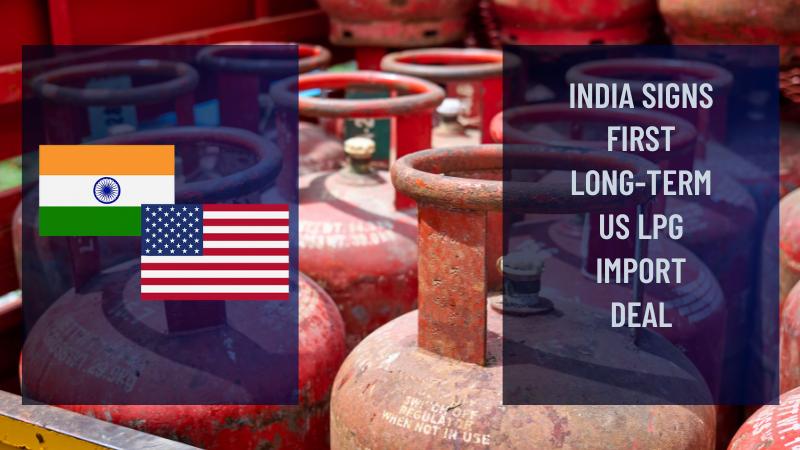
India has signed its first structured, long-term contract to import liquefied petroleum gas from the United States, marking what government officials describe as a major turning point in the country’s energy sourcing strategy. The announcement comes at a time when global energy markets remain highly volatile and nations are increasingly seeking diversified, stable supply lines. According to the Ministry of Petroleum and Natural Gas, the agreement will help safeguard India’s fuel supply du
India has signed its first structured, long-term contract to import liquefied petroleum gas from the United States, marking what government officials describe as a major turning point in the country’s energy sourcing strategy. The announcement comes at a time when global energy markets remain highly volatile and nations are increasingly seeking diversified, stable supply lines. According to the Ministry of Petroleum and Natural Gas, the agreement will help safeguard India’s fuel supply du
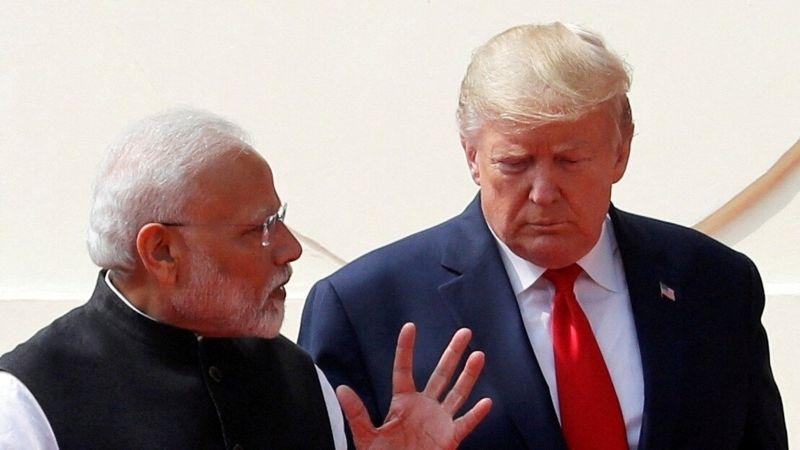
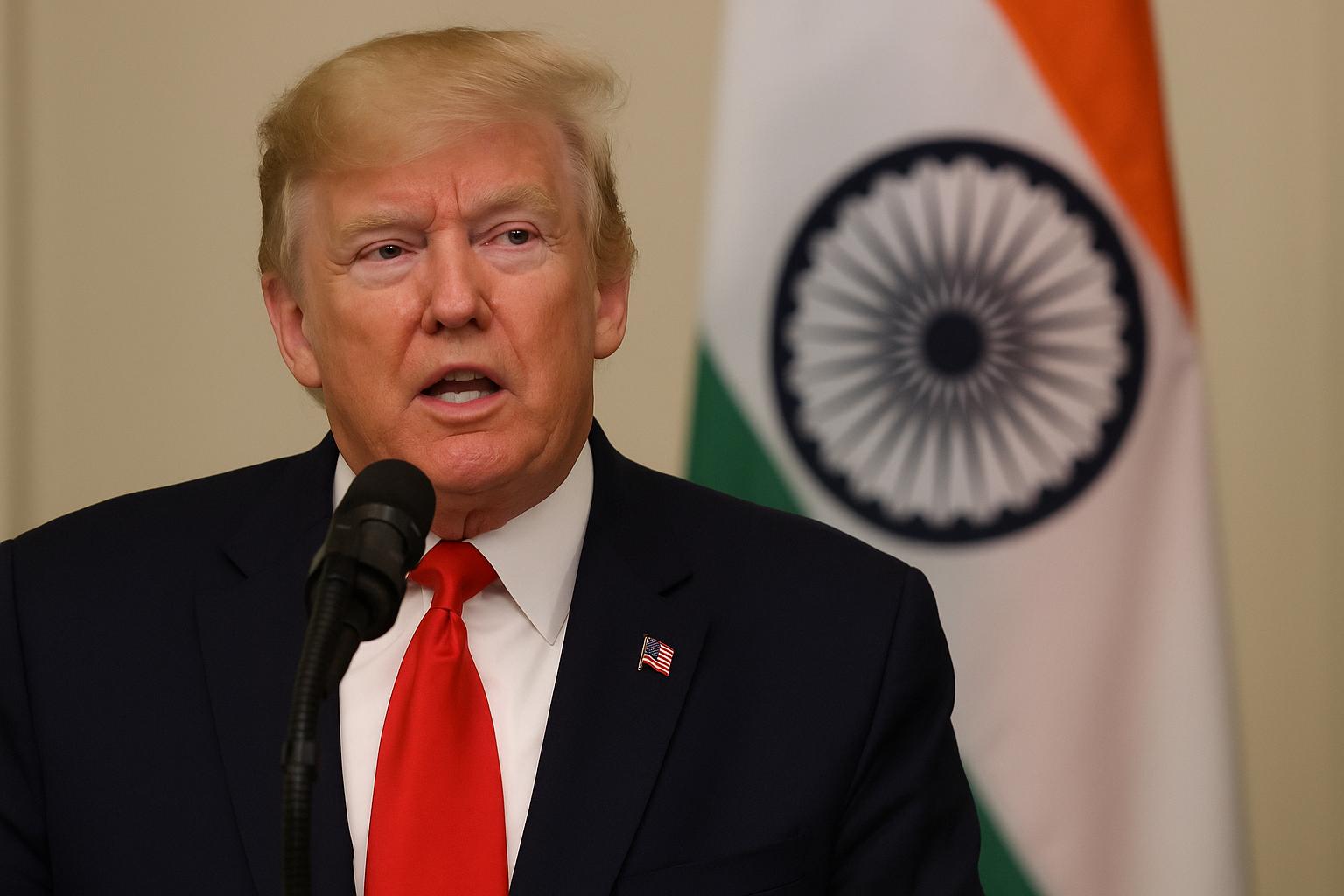
Washington — U.S. President Donald Trump reiterated on Friday that India will no longer buy oil from Russia, asserting that the South Asian nation has already begun reducing its dependence on Moscow’s energy supplies. Speaking at the White House during a meeting with Ukrainian President Volodymyr Zelenskyy, Trump said the move reflects a broader international effort to isolate Russia economically over its invasion of Ukraine.
“India will not be buying oil from Russia,” Trump
Washington — U.S. President Donald Trump reiterated on Friday that India will no longer buy oil from Russia, asserting that the South Asian nation has already begun reducing its dependence on Moscow’s energy supplies. Speaking at the White House during a meeting with Ukrainian President Volodymyr Zelenskyy, Trump said the move reflects a broader international effort to isolate Russia economically over its invasion of Ukraine.
“India will not be buying oil from Russia,” Trump