India reaffirmed its strategy of sourcing oil from a wide range of suppliers to safeguard its energy needs amid ongoing geopolitical tensions affecting global trade routes. Speaking at an inter-ministerial briefing in New Delhi on Wednesday, April 15, 2026, at 6:29 PM IST, Ministry of External Affairs spokesperson Randhir Jaiswal emphasized that the country’s approach is guided by the need to ensure energy security for its population of 1.4 billion while adapting to evolving international market conditions.
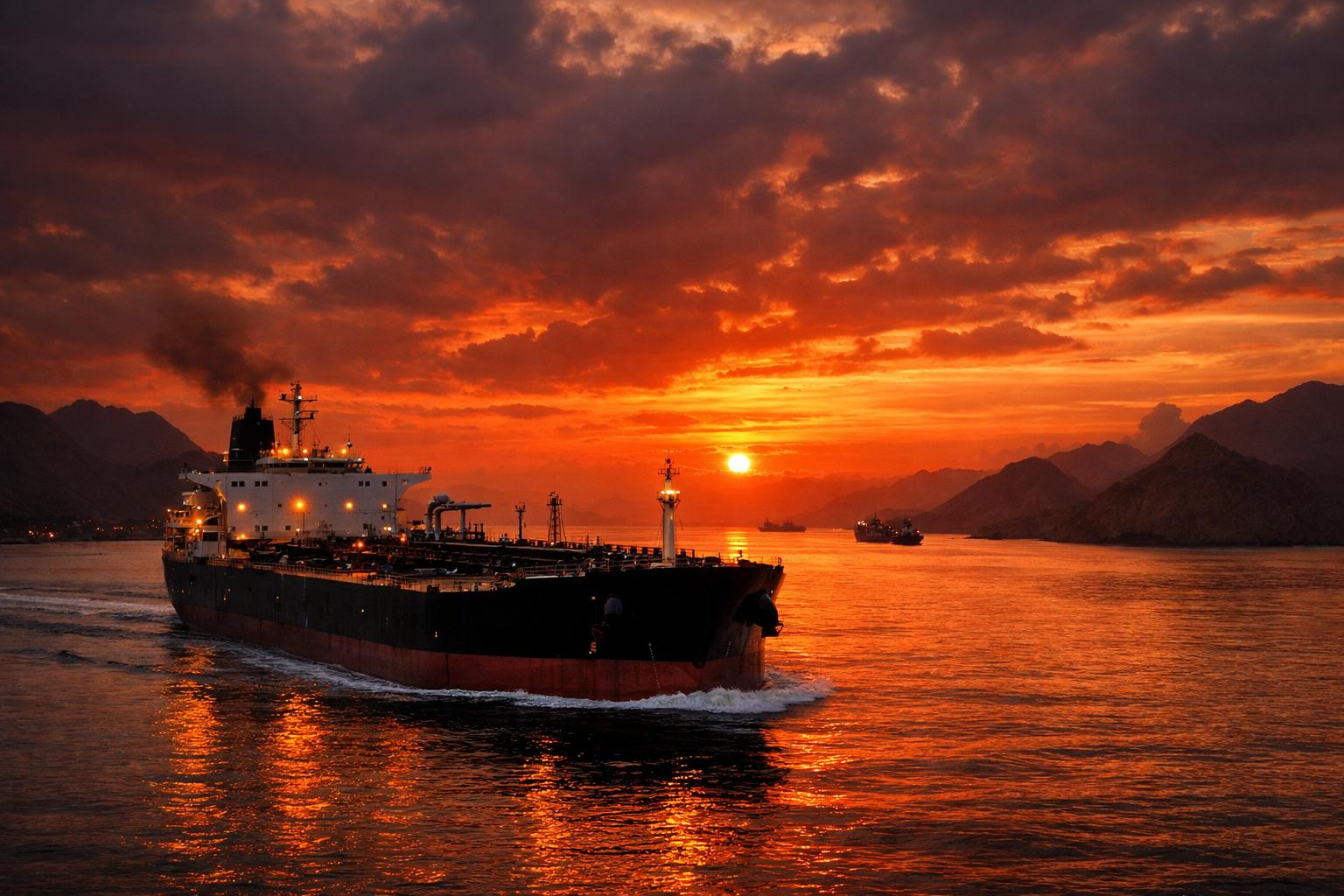
Jaiswal stated that India continues to monitor developments in West Asia closely, particularly the situation surrounding the Strait of Hormuz, a critical maritime corridor for global oil shipments. He noted that discussions are ongoing with multiple countries to address safety concerns and facilitate the secure return of vessels operating in the region.
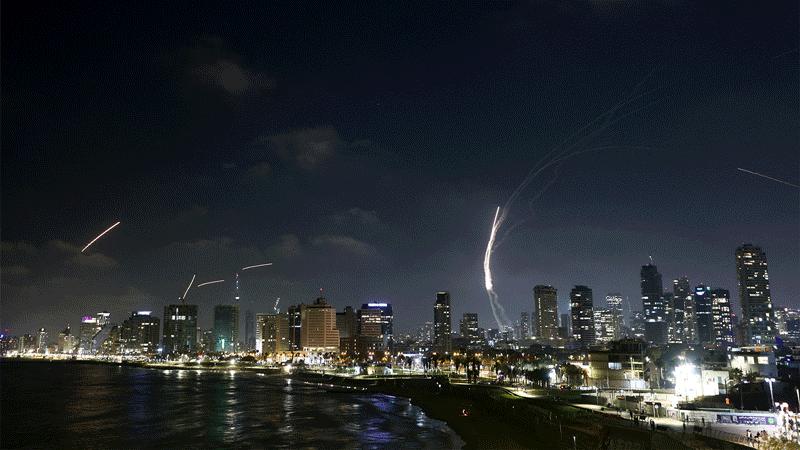
Shipping activity through the Strait of Hormuz has been disrupted following escalating conflict involving the United States, Israel, and Iran. The situation has raised concerns about global energy supplies, as a significant portion of the world’s oil passes through the narrow waterway. India, which imports more than 85 percent of its crude oil and ranks among the world’s largest importers, remains particularly vulnerable to such disruptions, given its heavy reliance on Gulf-based shipments.
According to officials, Narendra Modi discussed the situation in West Asia during a recent phone call with Donald Trump. During the conversation, Modi underscored the importance of maintaining open and secure shipping lanes through the Strait of Hormuz while also reviewing broader bilateral relations.
Meanwhile, Additional Secretary in the Ministry of Ports, Shipping and Waterways, Mukesh Mangal, confirmed that no Indian-flagged vessels have reported incidents in the past 24 hours. He added that all Indian seafarers in the Persian Gulf region are safe and that port operations across India continue without disruption, with no signs of congestion reported so far.
India’s continued diversification of oil sources is seen as a key strategy to mitigate risks arising from geopolitical instability and to maintain steady energy supplies despite ongoing uncertainties in global markets.