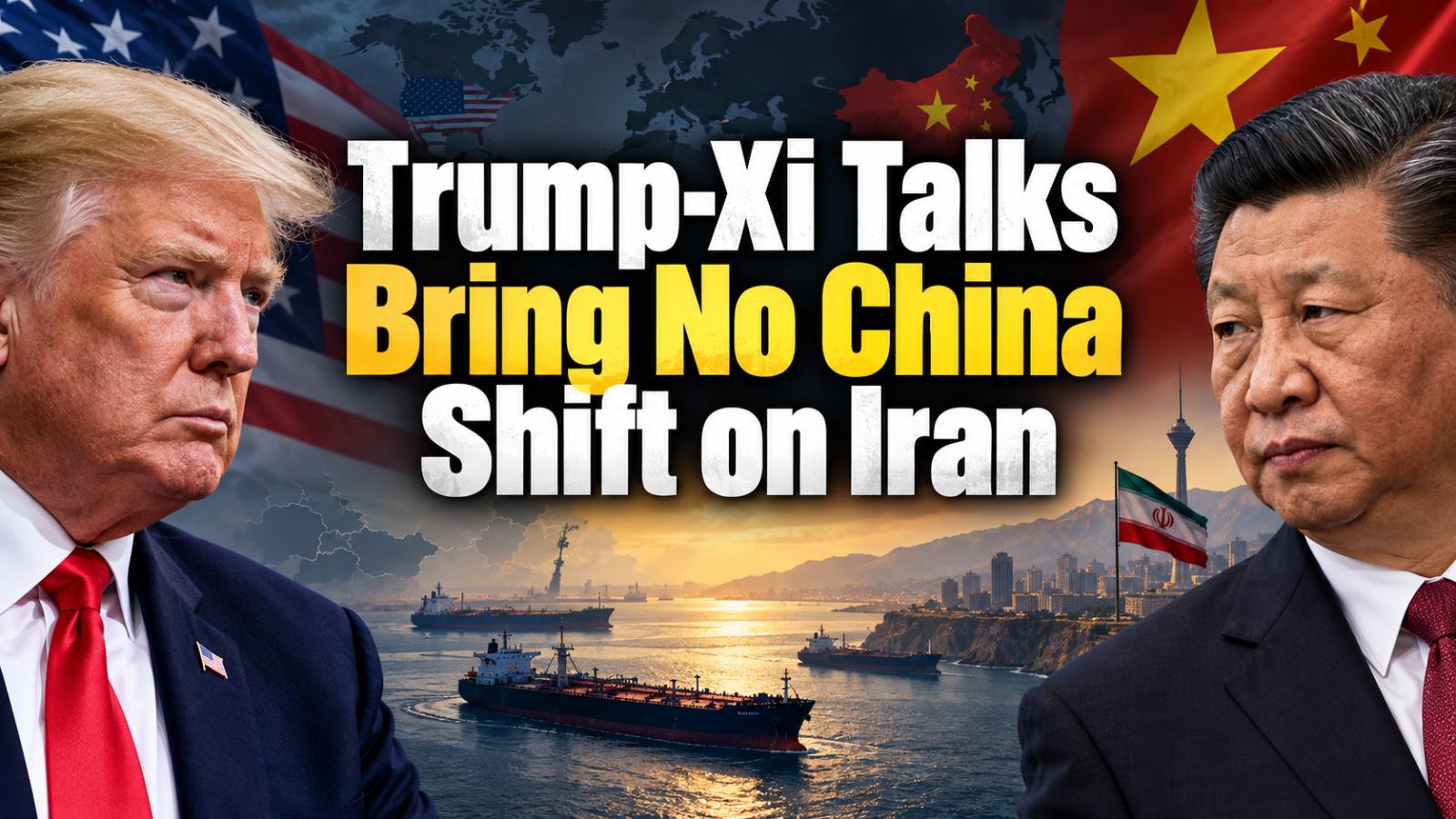
Trump Xi Iran talks have again highlighted the limits of Washington’s ability to secure Chinese cooperation over Tehran. The September summit produced agreement on Iran’s nuclear program and international waterways, but no public Chinese commitment to halt oil trade, impose economic pressure or change Beijing’s broader Iran policy.
China Iran
President Donald Trump and Chinese President Xi Jinping met in Washington during Xi’s Se
Trump Xi Iran talks have again highlighted the limits of Washington’s ability to secure Chinese cooperation over Tehran. The September summit produced agreement on Iran’s nuclear program and international waterways, but no public Chinese commitment to halt oil trade, impose economic pressure or change Beijing’s broader Iran policy.
China Iran
President Donald Trump and Chinese President Xi Jinping met in Washington during Xi’s Se
A draft 14-point US-Iran agreement would introduce an immediate ceasefire, restore commercial shipping and temporarily waive sanctions affecting Iranian oil exports while negotiations toward a final settlement continue.
Reuters published the draft on Wednesday, June 17, 2026, but reported that the United States had not publicly released the complete official text. The document establishes a proposed 60-day negotiating period and postpones several difficult nuclear and sanctions ques
A draft 14-point US-Iran agreement would introduce an immediate ceasefire, restore commercial shipping and temporarily waive sanctions affecting Iranian oil exports while negotiations toward a final settlement continue.
Reuters published the draft on Wednesday, June 17, 2026, but reported that the United States had not publicly released the complete official text. The document establishes a proposed 60-day negotiating period and postpones several difficult nuclear and sanctions ques
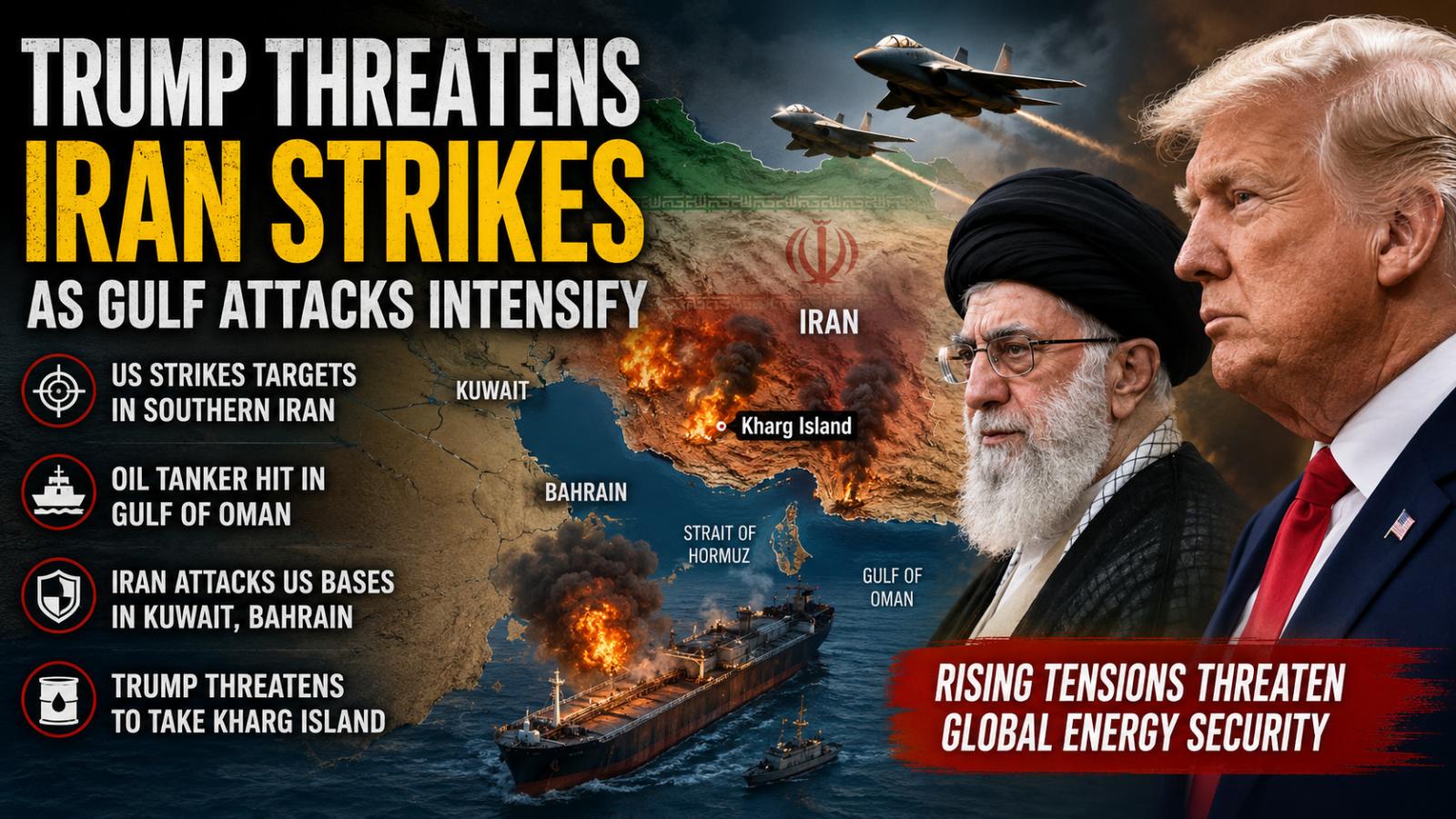
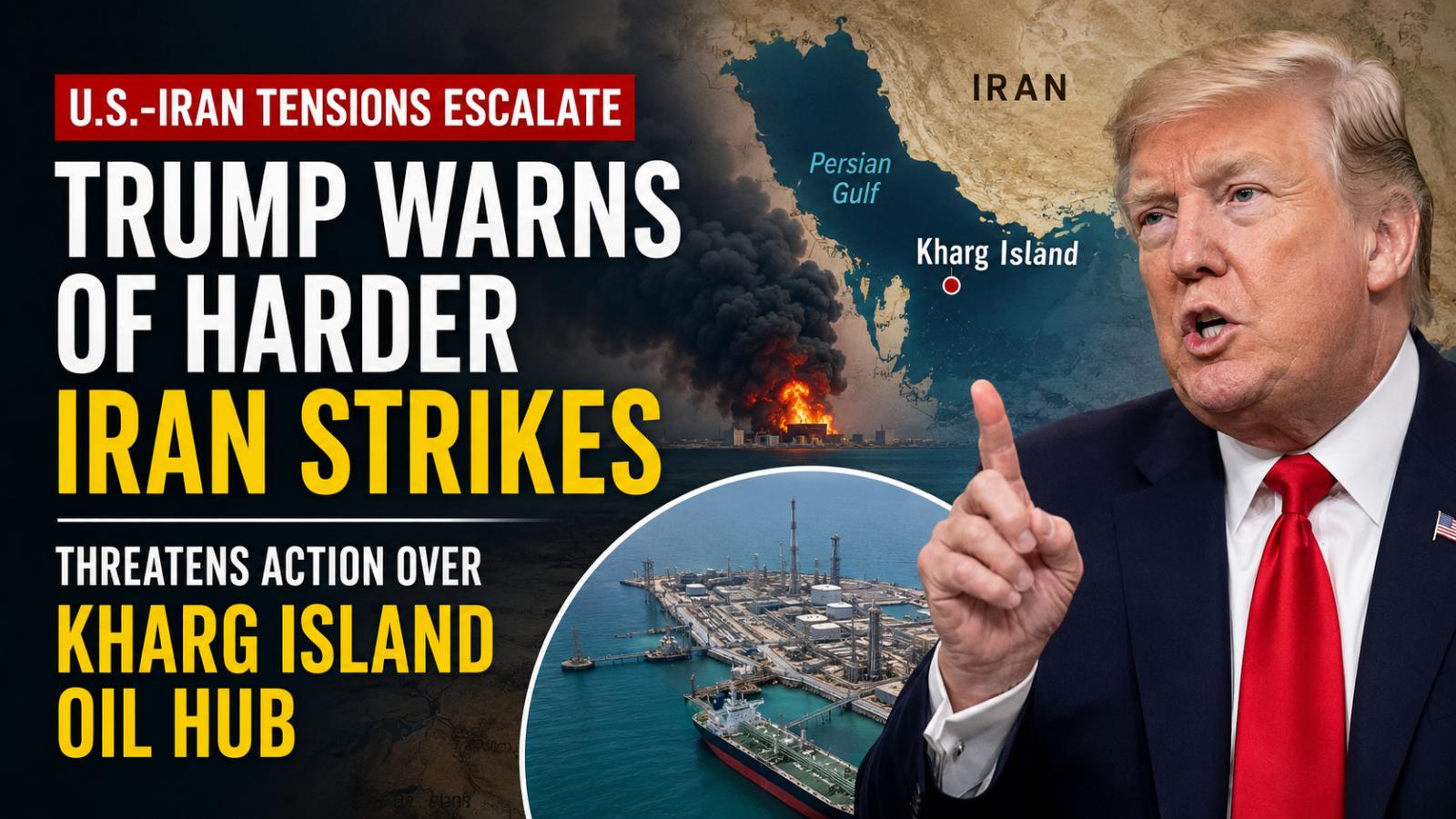
Trump threatened Iran’s Kharg Island as US-Iran Gulf attacks intensified across oil routes, tankers and military targets, raising new risks for regional security and global energy markets.
President Donald Trump said the United States would hit Iran “very hard” and threatened to take Kharg Island, a key hub in Iran’s oil economy, as Washington increased pressure on Tehran to shut down its nuclear program and accept a peace deal.
US-Iran Gu
Trump threatened Iran’s Kharg Island as US-Iran Gulf attacks intensified across oil routes, tankers and military targets, raising new risks for regional security and global energy markets.
President Donald Trump said the United States would hit Iran “very hard” and threatened to take Kharg Island, a key hub in Iran’s oil economy, as Washington increased pressure on Tehran to shut down its nuclear program and accept a peace deal.
US-Iran Gu
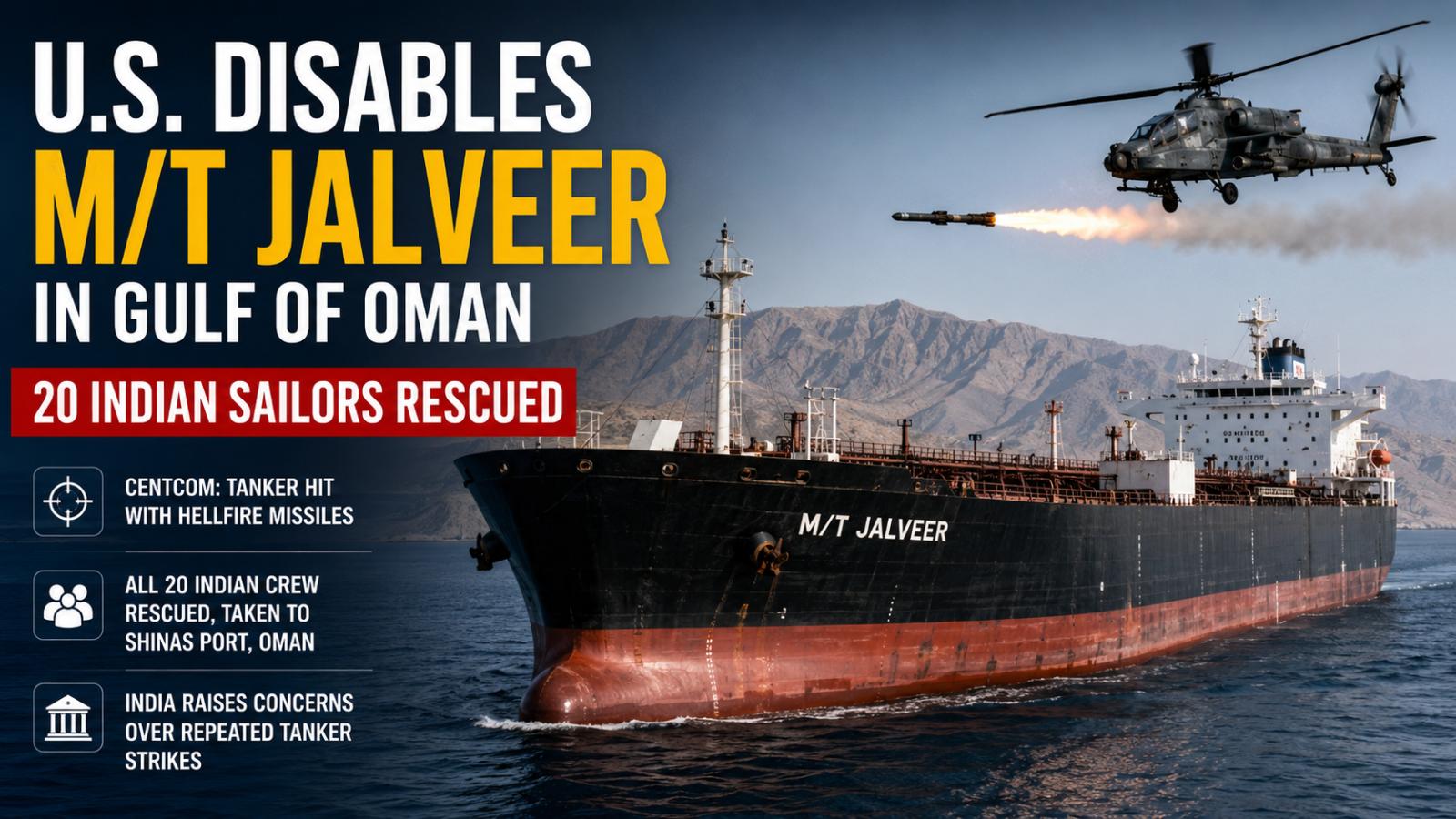
U.S. forces disabled the Guinea-Bissau-flagged M/T Jalveer in the Gulf of Oman at 7:20 AM GST on Thursday, June 11, 2026, according to U.S. Central Command. The strike occurred at 11:20 PM ET on Wednesday, June 10, 2026, in the United States.
CENTCOM said an American aircraft fired two Hellfire missiles into the tanker’s engine room after the crew repeatedly failed to comply with U.S. directions. The command said the vessel was attempting to transport oil from Iran under a blockad
U.S. forces disabled the Guinea-Bissau-flagged M/T Jalveer in the Gulf of Oman at 7:20 AM GST on Thursday, June 11, 2026, according to U.S. Central Command. The strike occurred at 11:20 PM ET on Wednesday, June 10, 2026, in the United States.
CENTCOM said an American aircraft fired two Hellfire missiles into the tanker’s engine room after the crew repeatedly failed to comply with U.S. directions. The command said the vessel was attempting to transport oil from Iran under a blockad
U.S. President Donald Trump’s latest warning over the Kharg Island oil hub has added a new layer of risk to the U.S.-Iran conflict and raised fresh concerns about Gulf security and oil markets.
Trump said on Thursday, June 11, 2026, that the United States would strike Iran “very hard” later Thursday night. In a Truth Social post, he claimed Iran’s navy, air force, radar, anti-aircraft systems and other defense capabilities had been severely weakened.
U.S. President Donald Trump’s latest warning over the Kharg Island oil hub has added a new layer of risk to the U.S.-Iran conflict and raised fresh concerns about Gulf security and oil markets.
Trump said on Thursday, June 11, 2026, that the United States would strike Iran “very hard” later Thursday night. In a Truth Social post, he claimed Iran’s navy, air force, radar, anti-aircraft systems and other defense capabilities had been severely weakened.
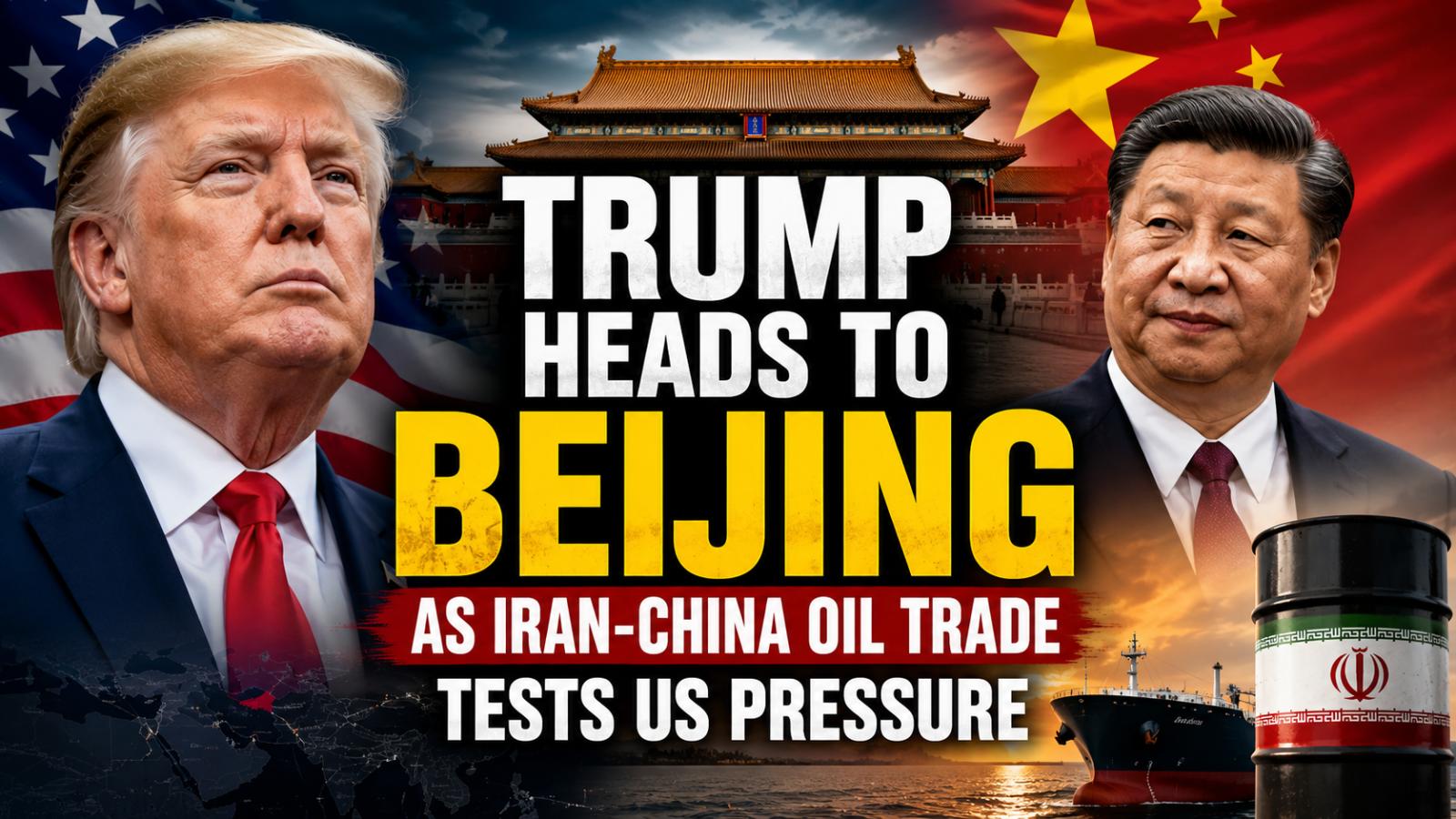
President Donald Trump is scheduled to arrive in Beijing on Wednesday, May 13, 2026, for high-level talks with Chinese President Xi Jinping as tensions over Iran, oil trade and regional stability continue to grow.
President Donald Trump is scheduled to arrive in Beijing on Wednesday, May 13, 2026, for high-level talks with Chinese President Xi Jinping as tensions over Iran, oil trade and regional stability continue to grow.
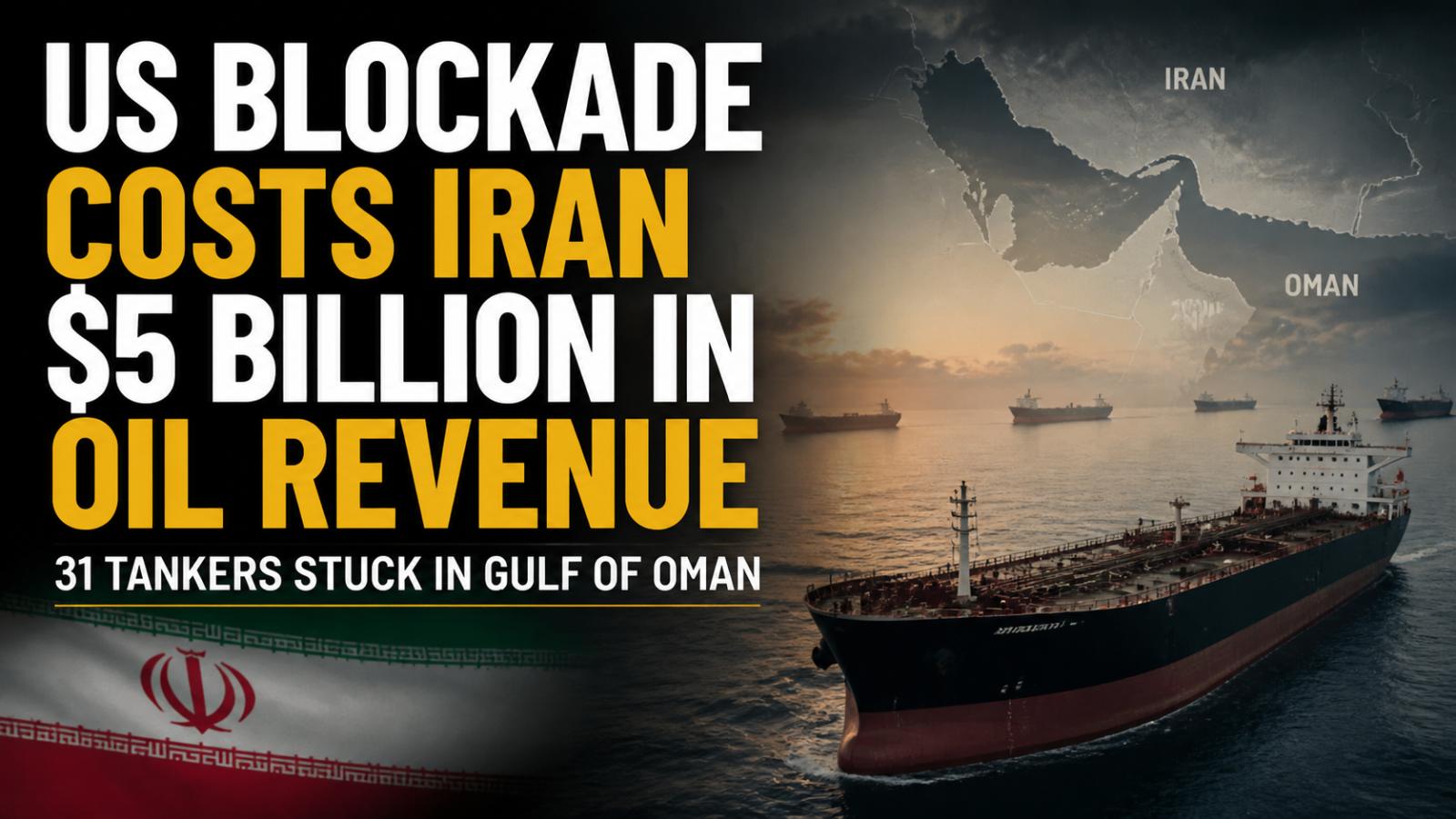
The ongoing US blockade in the Gulf of Oman has forced Iran to face a massive loss, with the US Defense Department estimating that Tehran has lost nearly $5 billion in oil revenue. This economic setback is the result of a blockade imposed by the US military in an effort to increase pressure on Iran’s economy. The blockade, which began on April 13, 2025, has been described as one of President Donald Trump’s most powerful tools to drive Iran into negotiations that aim to resolve the ongoing conflict. However, diplomatic talks have been repeatedly stalling and restarting, leaving both parties in a stalemate.
According to Pentagon officials, more than 40 vessels have been redirected since the operation’s start, as they attempted to smuggle oil and other contraband through the region. In total, 31 tankers carrying approximately 53 million barrels of Iranian crude are now stuck in the Gulf of Oman, and these shipments are valued at around $4.8 billion. Of these, two vessels have already been seized by US forces.
With storage capacity on land reaching its limits, Iran has resorted to using older tankers as floating storage units, as reported by analysts. These tankers, which are no longer fit for regular commercial routes, have become temporary storage sites for Iran’s oil. Some shipments are being rerouted along longer and more expensive paths, primarily to avoid interception by US forces. To achieve this, Iranian ships have been following coastlines near Pakistan and India and using safer maritime corridors towards the Strait of Malacca, a key transit point for oil bound for China.
Tanker tracking analysts such as Samir Madani, co-founder of TankerTrackers.com, have noted a shift in Iranian shipping patterns. He explained how one Iranian tanker, called “HUGE,” cleverly demonstrated how ships are using stealth routes to evade detection. According to Madani, ships are increasingly relying on hidden paths through regional waters to avoid the US military blockade. Madani also predicted that, in the future, Iran might attempt a large-scale breakout of its tankers.
"I think the Iranians will wait for an opportunity to launch an overnight 'Great Escape' once they have built up further storage near the border with Pakistan,” Madani told Axios.
This situation is part of a broader economic struggle between Iran and the United States, with both countries resorting to maritime pressure tactics. Iran has previously restricted access to the Strait of Hormuz, a critical shipping route, in retaliation. Meanwhile, the US has been tightening its control over the Gulf of Oman, an entry point to key waterways.
According to Gregory Brew, an analyst at Eurasia Group, Iran is just weeks away from running out of storage space for its oil, which could collapse its oil production capacity. "They're probably several weeks, or perhaps as much as a month, away from running out of storage," Brew said.
The Pentagon’s spokesperson, Joel Valdez, emphasized the severity of the situation, stating that the blockade is fully active and that the US military is delivering a devastating blow to Iran’s ability to fund terrorism and regional destabilization. “Our armed forces in the region will continue to maintain this unrelenting pressure,” Valdez said. This strategy, although harsh, seems designed to wear down Iran’s ability to sustain itself economically, and possibly force a change in its approach to negotiations.
The ongoing US blockade in the Gulf of Oman has forced Iran to face a massive loss, with the US Defense Department estimating that Tehran has lost nearly $5 billion in oil revenue. This economic setback is the result of a blockade imposed by the US military in an effort to increase pressure on Iran’s economy. The blockade, which began on April 13, 2025, has been described as one of President Donald Trump’s most powerful tools to drive Iran into negotiations that aim to resolve the ongoing conflict. However, diplomatic talks have been repeatedly stalling and restarting, leaving both parties in a stalemate.
According to Pentagon officials, more than 40 vessels have been redirected since the operation’s start, as they attempted to smuggle oil and other contraband through the region. In total, 31 tankers carrying approximately 53 million barrels of Iranian crude are now stuck in the Gulf of Oman, and these shipments are valued at around $4.8 billion. Of these, two vessels have already been seized by US forces.
With storage capacity on land reaching its limits, Iran has resorted to using older tankers as floating storage units, as reported by analysts. These tankers, which are no longer fit for regular commercial routes, have become temporary storage sites for Iran’s oil. Some shipments are being rerouted along longer and more expensive paths, primarily to avoid interception by US forces. To achieve this, Iranian ships have been following coastlines near Pakistan and India and using safer maritime corridors towards the Strait of Malacca, a key transit point for oil bound for China.
Tanker tracking analysts such as Samir Madani, co-founder of TankerTrackers.com, have noted a shift in Iranian shipping patterns. He explained how one Iranian tanker, called “HUGE,” cleverly demonstrated how ships are using stealth routes to evade detection. According to Madani, ships are increasingly relying on hidden paths through regional waters to avoid the US military blockade. Madani also predicted that, in the future, Iran might attempt a large-scale breakout of its tankers.
"I think the Iranians will wait for an opportunity to launch an overnight 'Great Escape' once they have built up further storage near the border with Pakistan,” Madani told Axios.
This situation is part of a broader economic struggle between Iran and the United States, with both countries resorting to maritime pressure tactics. Iran has previously restricted access to the Strait of Hormuz, a critical shipping route, in retaliation. Meanwhile, the US has been tightening its control over the Gulf of Oman, an entry point to key waterways.
According to Gregory Brew, an analyst at Eurasia Group, Iran is just weeks away from running out of storage space for its oil, which could collapse its oil production capacity. "They're probably several weeks, or perhaps as much as a month, away from running out of storage," Brew said.
The Pentagon’s spokesperson, Joel Valdez, emphasized the severity of the situation, stating that the blockade is fully active and that the US military is delivering a devastating blow to Iran’s ability to fund terrorism and regional destabilization. “Our armed forces in the region will continue to maintain this unrelenting pressure,” Valdez said. This strategy, although harsh, seems designed to wear down Iran’s ability to sustain itself economically, and possibly force a change in its approach to negotiations.
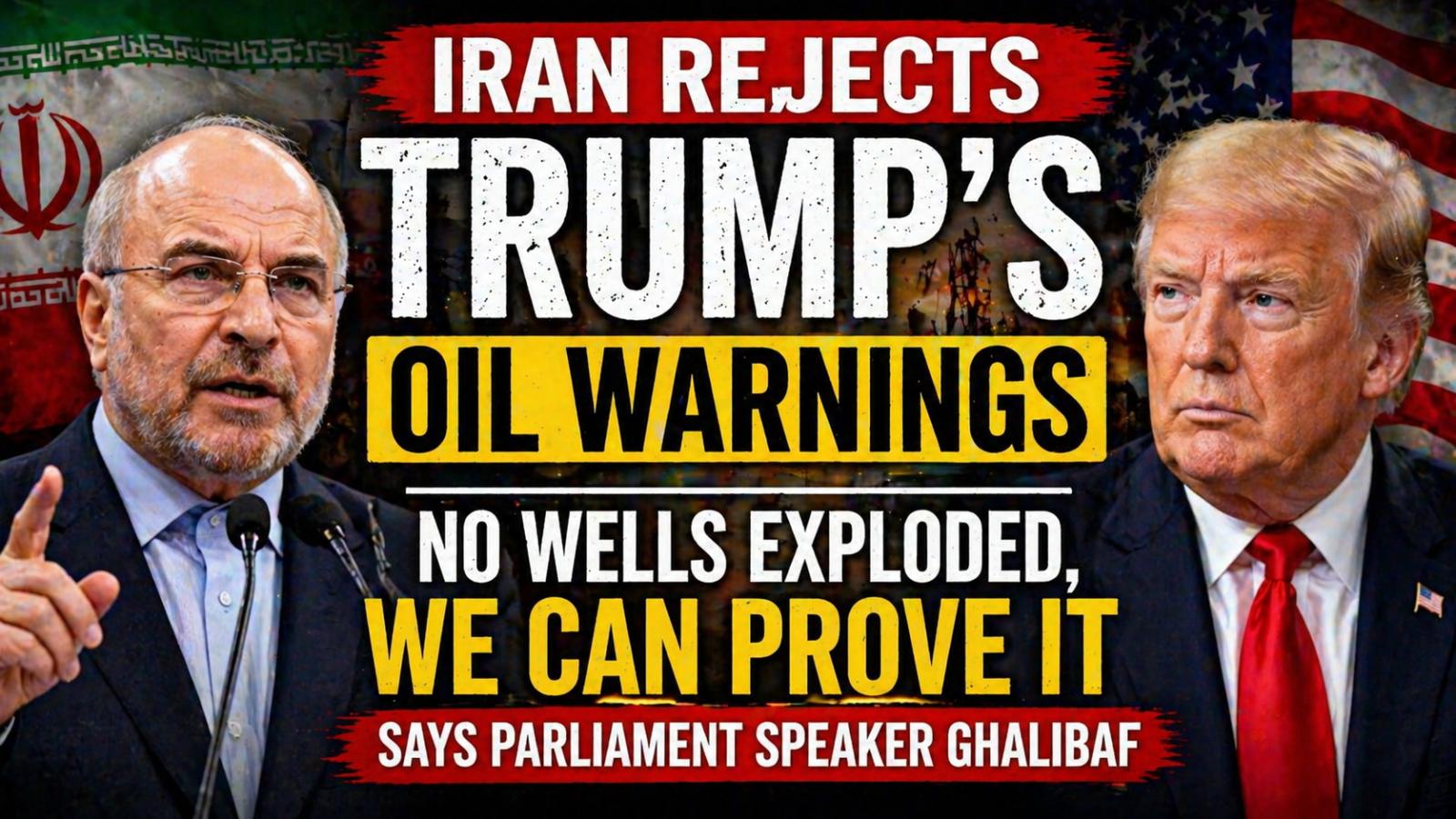
The Speaker of Iran’s Parliament, Mohammad Bagher Ghalibaf, has rejected recent claims made by US President Donald Trump regarding the stability of Iran’s oil infrastructure. Responding to warnings that Iran’s oil facilities were nearing critical failure, Ghalibaf dismissed the remarks as inaccurate and politically motivated, stating that conditions on the ground do not support such assessments. He emphasized that several days have passed without any reported incidents and suggested that extended monitoring could further demonstrate the resilience of Iran’s oil sector.
Ghalibaf also criticized the broader economic reasoning behind US policy measures, arguing that sanctions-based strategies have produced unintended consequences. He stated that approaches centered on economic pressure have contributed to rising oil prices rather than stabilizing global markets. According to his remarks, such policies reflect not only flawed strategies but also a deeper issue in decision-making.
The exchange follows recent developments in US policy toward Iranian oil exports. Washington moved to temporarily ease restrictions on a significant volume of Iranian crude already stored on tankers, allowing limited transactions involving existing shipments. US officials described the move as a calculated effort to influence oil markets while maintaining restrictions on new production or expanded trade.
Earlier, Trump had suggested that storage limitations and sanctions pressure could lead to disruptions in Iran’s oil infrastructure. However, Iranian officials have consistently maintained that both land-based and offshore storage capacities remain sufficient to manage production and exports. They argue that the country’s energy sector continues to operate within manageable limits despite ongoing sanctions.
The situation highlights continuing tensions between Tehran and Washington over energy policy and economic measures. As both sides present differing assessments, the broader impact on global oil markets and geopolitical stability remains closely watched.
The Speaker of Iran’s Parliament, Mohammad Bagher Ghalibaf, has rejected recent claims made by US President Donald Trump regarding the stability of Iran’s oil infrastructure. Responding to warnings that Iran’s oil facilities were nearing critical failure, Ghalibaf dismissed the remarks as inaccurate and politically motivated, stating that conditions on the ground do not support such assessments. He emphasized that several days have passed without any reported incidents and suggested that extended monitoring could further demonstrate the resilience of Iran’s oil sector.
Ghalibaf also criticized the broader economic reasoning behind US policy measures, arguing that sanctions-based strategies have produced unintended consequences. He stated that approaches centered on economic pressure have contributed to rising oil prices rather than stabilizing global markets. According to his remarks, such policies reflect not only flawed strategies but also a deeper issue in decision-making.
The exchange follows recent developments in US policy toward Iranian oil exports. Washington moved to temporarily ease restrictions on a significant volume of Iranian crude already stored on tankers, allowing limited transactions involving existing shipments. US officials described the move as a calculated effort to influence oil markets while maintaining restrictions on new production or expanded trade.
Earlier, Trump had suggested that storage limitations and sanctions pressure could lead to disruptions in Iran’s oil infrastructure. However, Iranian officials have consistently maintained that both land-based and offshore storage capacities remain sufficient to manage production and exports. They argue that the country’s energy sector continues to operate within manageable limits despite ongoing sanctions.
The situation highlights continuing tensions between Tehran and Washington over energy policy and economic measures. As both sides present differing assessments, the broader impact on global oil markets and geopolitical stability remains closely watched.
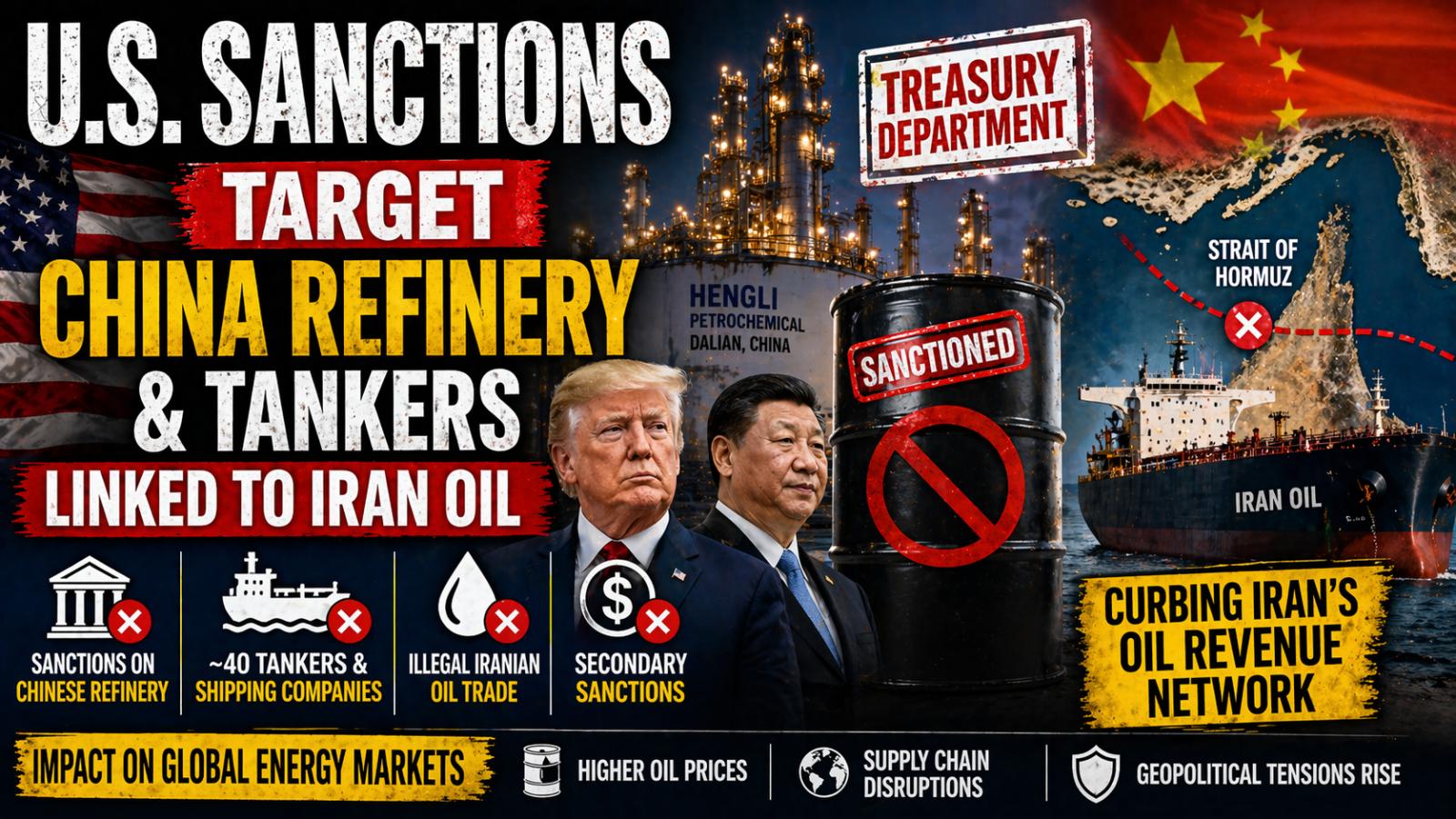
The United States has imposed sweeping new sanctions targeting a China-linked oil trade network tied to Iran, focusing on a major refinery and dozens of shipping entities. Announced on Friday, April 25, 2026, the measures aim to disrupt Tehran’s oil revenue streams by penalizing companies involved in transporting and processing Iranian crude, reinforcing Washington’s broader use of secondary sanctions.
Targeting key nodes in Iran’s oil supply chain
Among those sanctioned is Hengli Petrochemical’s large refinery in Dalian, China, which has the capacity to process about 400,000 barrels of crude oil per day. The U.S. Treasury Department said the facility has accepted Iranian crude shipments since 2023, generating substantial revenue that allegedly supports Iran’s military. Officials indicated the action is part of a wider strategy to dismantle networks of vessels, intermediaries, and buyers enabling Iranian oil exports.
Escalating pressure amid geopolitical tensions
The sanctions come just weeks before a planned meeting between U.S. President Donald Trump and Chinese President Xi Jinping in China, adding strain to an already complex economic relationship. Earlier in April 2026, U.S. officials issued warnings to financial institutions in China, Hong Kong, the United Arab Emirates, and Oman about potential penalties for facilitating Iranian transactions. Treasury Secretary Scott Bessent said the administration is prepared to apply stringent secondary sanctions to entities involved in such dealings.
Impact on global energy flows and shipping routes
These developments coincide with broader disruptions in global energy markets. Earlier in April 2026, the U.S. implemented a physical blockade of the Strait of Hormuz, a critical passage for oil shipments from the Persian Gulf. The move has contributed to rising oil prices and heightened uncertainty across energy markets, though U.S. authorities have issued limited waivers to ease immediate supply concerns.
China’s response and global compliance concerns
China remains the largest importer of Iranian oil and has consistently opposed U.S. sanctions, arguing they undermine international trade rules. Despite this position, many Chinese firms and banks continue to comply due to their reliance on the U.S.-dominated financial system. Chinese officials have previously criticized such sanctions as disruptive to legitimate economic activity, highlighting ongoing tensions over trade enforcement and global energy flows.
The United States has imposed sweeping new sanctions targeting a China-linked oil trade network tied to Iran, focusing on a major refinery and dozens of shipping entities. Announced on Friday, April 25, 2026, the measures aim to disrupt Tehran’s oil revenue streams by penalizing companies involved in transporting and processing Iranian crude, reinforcing Washington’s broader use of secondary sanctions.
Targeting key nodes in Iran’s oil supply chain
Among those sanctioned is Hengli Petrochemical’s large refinery in Dalian, China, which has the capacity to process about 400,000 barrels of crude oil per day. The U.S. Treasury Department said the facility has accepted Iranian crude shipments since 2023, generating substantial revenue that allegedly supports Iran’s military. Officials indicated the action is part of a wider strategy to dismantle networks of vessels, intermediaries, and buyers enabling Iranian oil exports.
Escalating pressure amid geopolitical tensions
The sanctions come just weeks before a planned meeting between U.S. President Donald Trump and Chinese President Xi Jinping in China, adding strain to an already complex economic relationship. Earlier in April 2026, U.S. officials issued warnings to financial institutions in China, Hong Kong, the United Arab Emirates, and Oman about potential penalties for facilitating Iranian transactions. Treasury Secretary Scott Bessent said the administration is prepared to apply stringent secondary sanctions to entities involved in such dealings.
Impact on global energy flows and shipping routes
These developments coincide with broader disruptions in global energy markets. Earlier in April 2026, the U.S. implemented a physical blockade of the Strait of Hormuz, a critical passage for oil shipments from the Persian Gulf. The move has contributed to rising oil prices and heightened uncertainty across energy markets, though U.S. authorities have issued limited waivers to ease immediate supply concerns.
China’s response and global compliance concerns
China remains the largest importer of Iranian oil and has consistently opposed U.S. sanctions, arguing they undermine international trade rules. Despite this position, many Chinese firms and banks continue to comply due to their reliance on the U.S.-dominated financial system. Chinese officials have previously criticized such sanctions as disruptive to legitimate economic activity, highlighting ongoing tensions over trade enforcement and global energy flows.
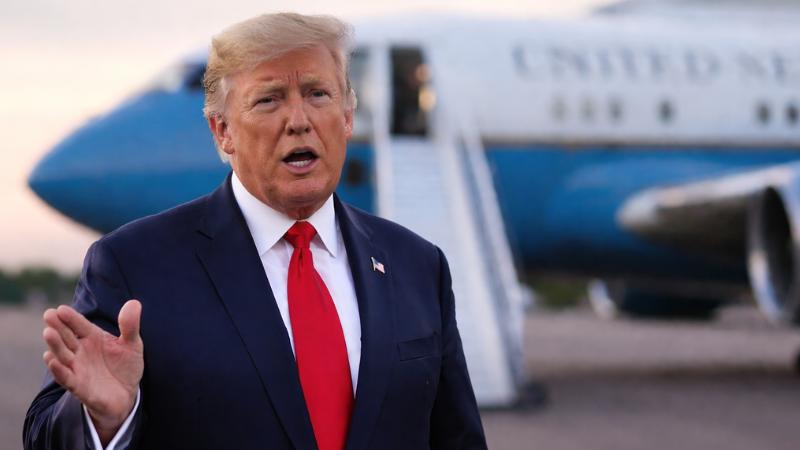
In the wake of a failed peace negotiation between the United States and Iran in Pakistan, US President Donald Trump announced a blockade on the Strait of Hormuz, which would come into effect at 10 AM on 13th April 2026. Speaking outside Air Force One, Trump stated that Iran is in a "very bad shape," emphasizing that the United States had a superior understanding of the situation. Despite the 21-hour long talks between the two nations, no agreement was reached, particularly on the issue of Ira
In the wake of a failed peace negotiation between the United States and Iran in Pakistan, US President Donald Trump announced a blockade on the Strait of Hormuz, which would come into effect at 10 AM on 13th April 2026. Speaking outside Air Force One, Trump stated that Iran is in a "very bad shape," emphasizing that the United States had a superior understanding of the situation. Despite the 21-hour long talks between the two nations, no agreement was reached, particularly on the issue of Ira
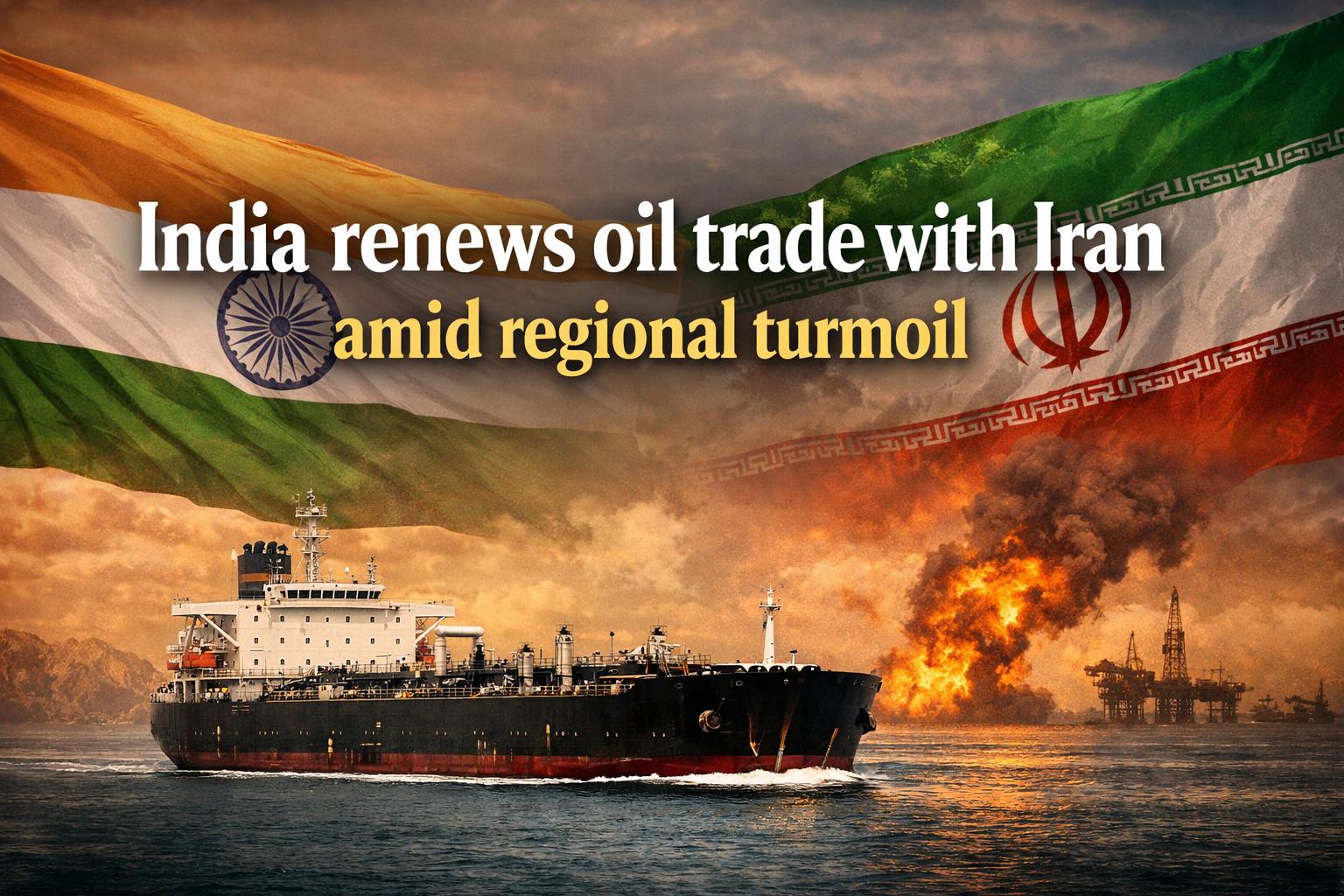
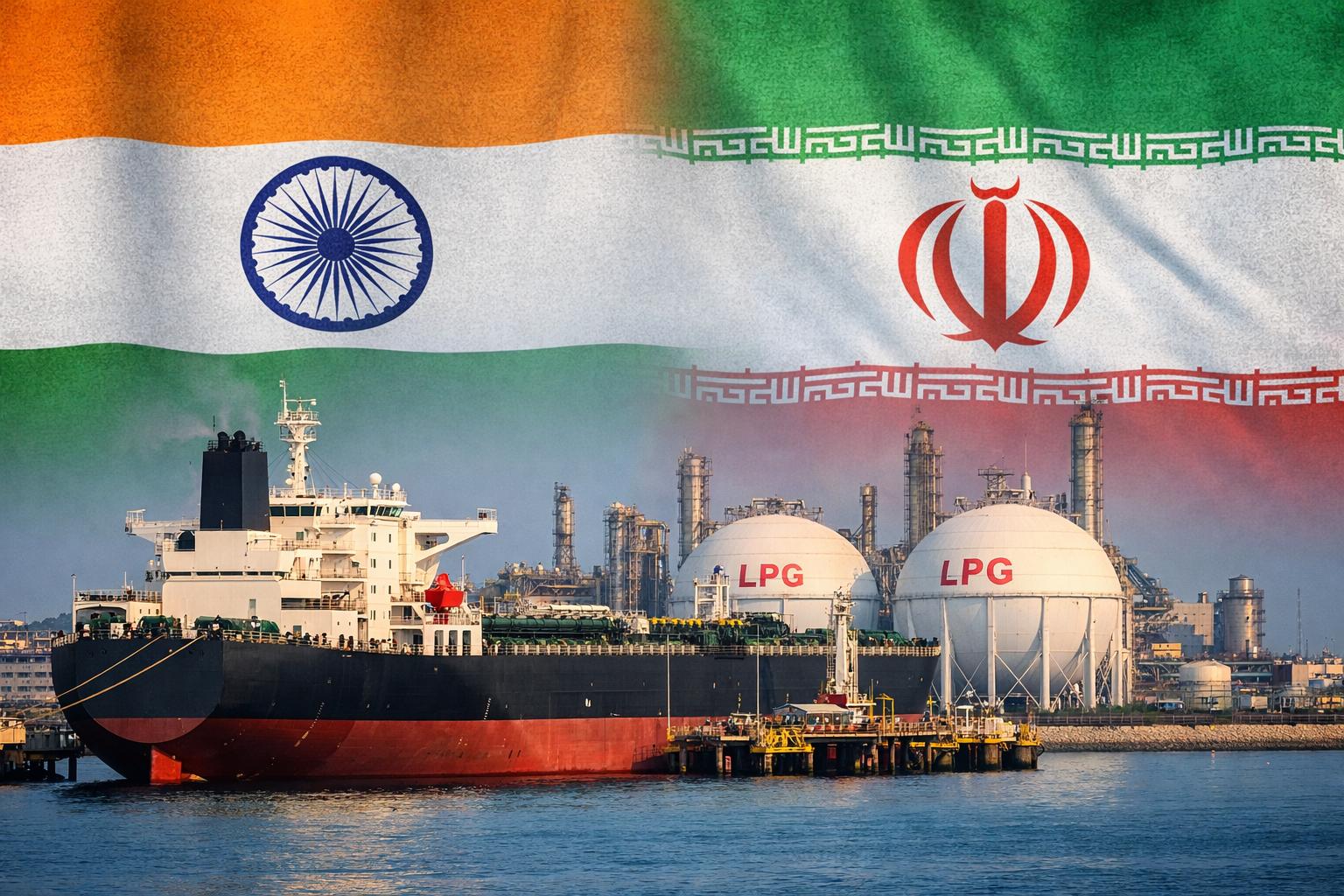
India has officially confirmed that it is importing crude oil and liquefied petroleum gas (LPG) from Iran, marking a notable development in its energy policy amid evolving global market conditions. The confirmation was issued by India’s Petroleum Ministry on Saturday, April 4, 2026 (IST), providing clarity on ongoing reports about energy trade involving Iranian supplies.
The acknowledgment highlights India’s continued reliance on diversified fuel sources to meet rising domestic demand. As one of the world’s largest importers of crude oil, India depends heavily on international suppliers to sustain economic growth, industrial activity, and consumer energy needs. Iranian crude and LPG are considered commercially attractive due to pricing advantages and established supply channels.
Officials emphasized that India’s crude supply remains secure and that there are no reported payment-related disruptions affecting imports from Iran. The clarification comes amid heightened global scrutiny over transactions involving Iranian energy exports, which remain sensitive due to international sanctions frameworks and geopolitical considerations.
Energy analysts note that India’s confirmation underscores a broader trend among major economies seeking flexibility in sourcing oil and gas. With global oil markets experiencing volatility, countries are increasingly prioritizing energy security and affordability over rigid sourcing constraints. India’s approach reflects a pragmatic balance between domestic economic priorities and external diplomatic pressures.
The development may also influence broader market sentiment, particularly if it signals sustained or increased flows of Iranian crude into global supply chains. At the same time, it highlights the complexities of international energy trade, where economic necessity, regulatory environments, and geopolitical dynamics intersect.
India’s confirmation on Saturday, April 4, 2026 (IST) reinforces its strategic focus on ensuring uninterrupted fuel access while navigating a rapidly shifting global energy landscape.
India has officially confirmed that it is importing crude oil and liquefied petroleum gas (LPG) from Iran, marking a notable development in its energy policy amid evolving global market conditions. The confirmation was issued by India’s Petroleum Ministry on Saturday, April 4, 2026 (IST), providing clarity on ongoing reports about energy trade involving Iranian supplies.
The acknowledgment highlights India’s continued reliance on diversified fuel sources to meet rising domestic demand. As one of the world’s largest importers of crude oil, India depends heavily on international suppliers to sustain economic growth, industrial activity, and consumer energy needs. Iranian crude and LPG are considered commercially attractive due to pricing advantages and established supply channels.
Officials emphasized that India’s crude supply remains secure and that there are no reported payment-related disruptions affecting imports from Iran. The clarification comes amid heightened global scrutiny over transactions involving Iranian energy exports, which remain sensitive due to international sanctions frameworks and geopolitical considerations.
Energy analysts note that India’s confirmation underscores a broader trend among major economies seeking flexibility in sourcing oil and gas. With global oil markets experiencing volatility, countries are increasingly prioritizing energy security and affordability over rigid sourcing constraints. India’s approach reflects a pragmatic balance between domestic economic priorities and external diplomatic pressures.
The development may also influence broader market sentiment, particularly if it signals sustained or increased flows of Iranian crude into global supply chains. At the same time, it highlights the complexities of international energy trade, where economic necessity, regulatory environments, and geopolitical dynamics intersect.
India’s confirmation on Saturday, April 4, 2026 (IST) reinforces its strategic focus on ensuring uninterrupted fuel access while navigating a rapidly shifting global energy landscape.