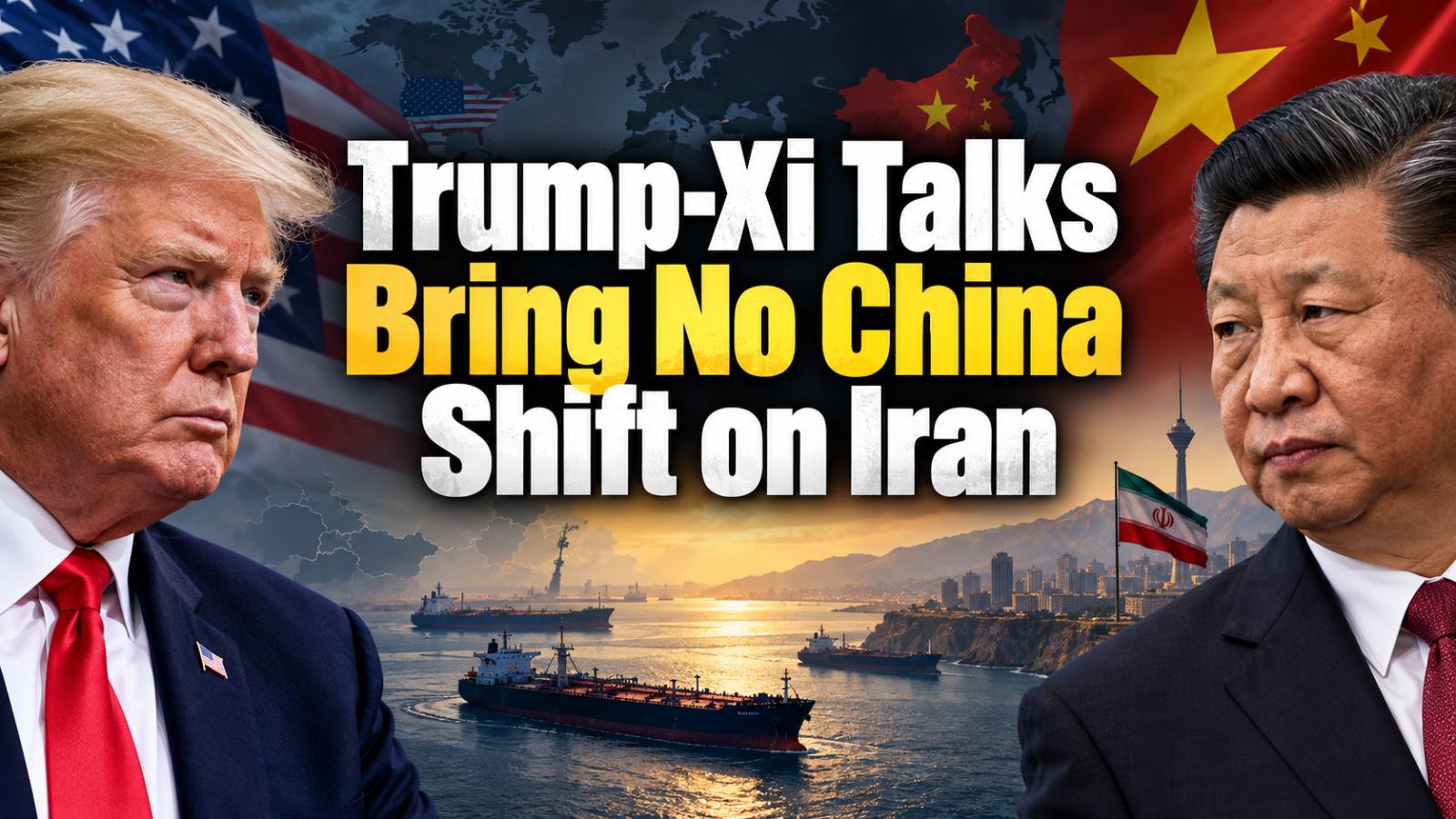
Trump Xi Iran talks have again highlighted the limits of Washington’s ability to secure Chinese cooperation over Tehran. The September summit produced agreement on Iran’s nuclear program and international waterways, but no public Chinese commitment to halt oil trade, impose economic pressure or change Beijing’s broader Iran policy.
China Iran
President Donald Trump and Chinese President Xi Jinping met in Washington during Xi’s September 23–25 state visit. Official Chinese and U.S. statements said the leaders discussed Iran and agreed that Tehran should not develop nuclear weapons and that no country or institution should impose tolls on international waterways. However, neither government announced an agreement requiring Beijing to apply direct pressure on Iran.
That follows the leaders’ May meeting in Beijing, when China publicly supported negotiations and the reopening of the Strait of Hormuz but stopped short of confirming that it would take the specific steps Washington sought. Chinese officials have consistently argued that the conflict should be resolved through negotiation rather than escalating economic or military pressure.
Hormuz talks
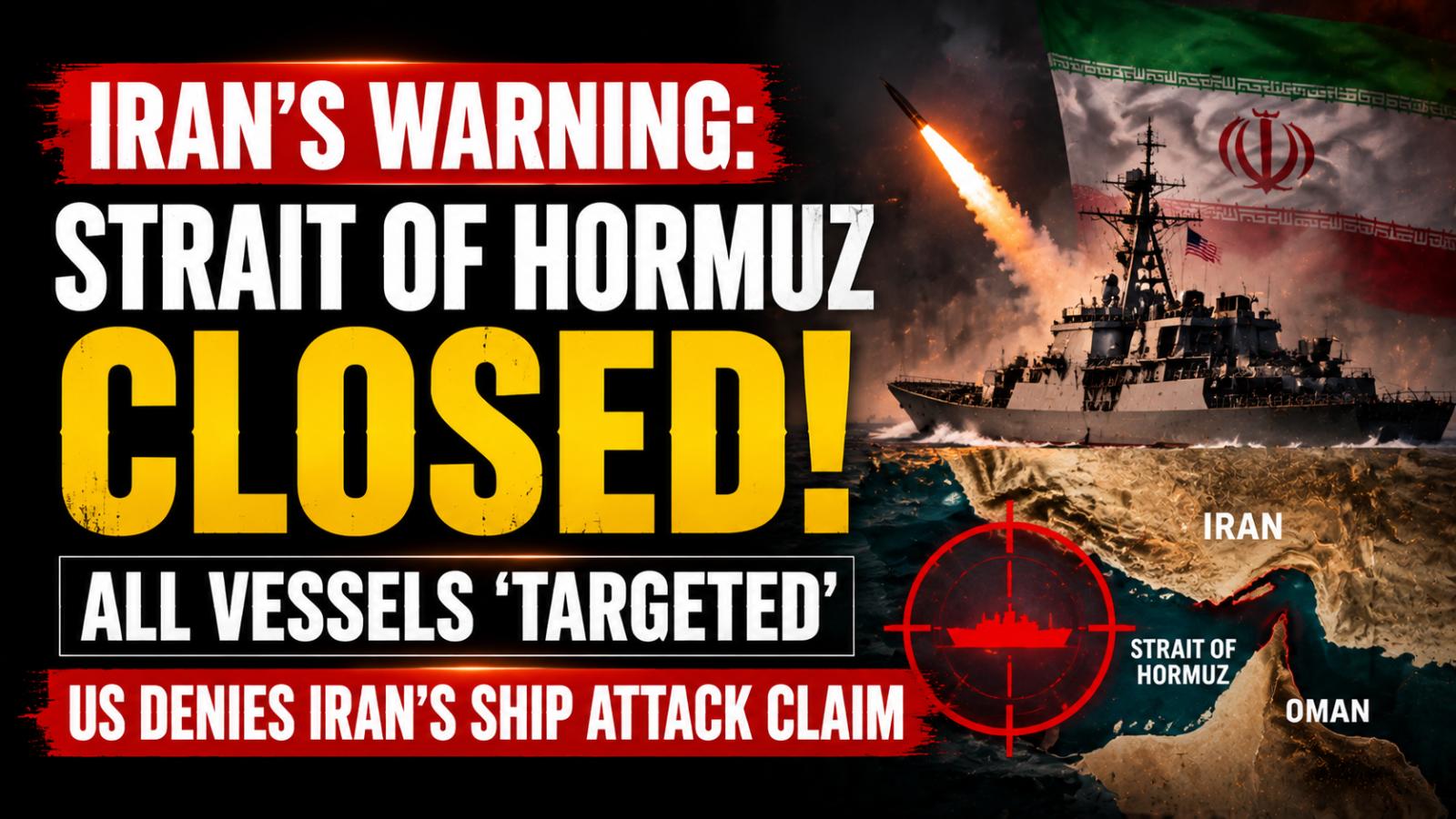
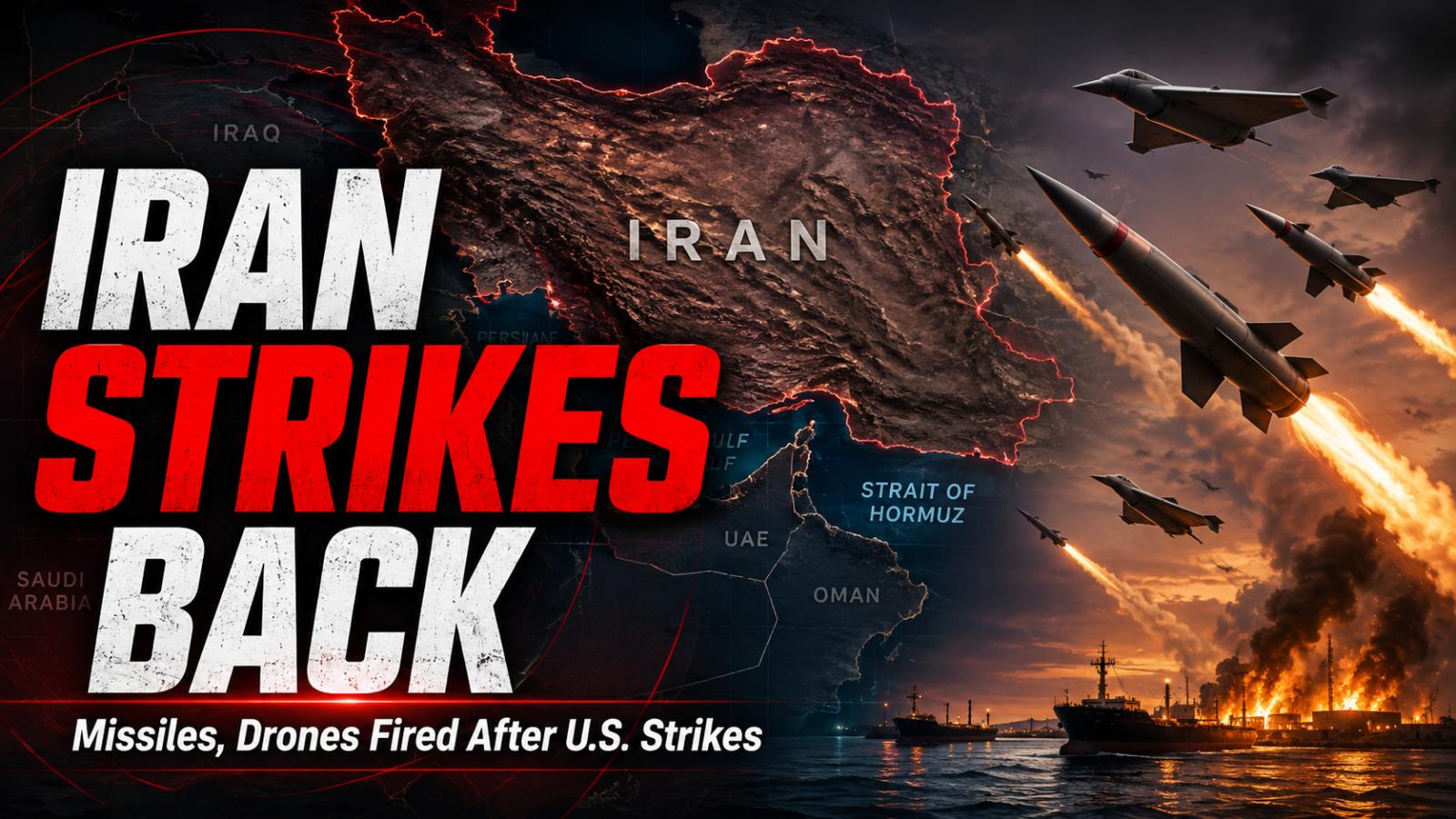
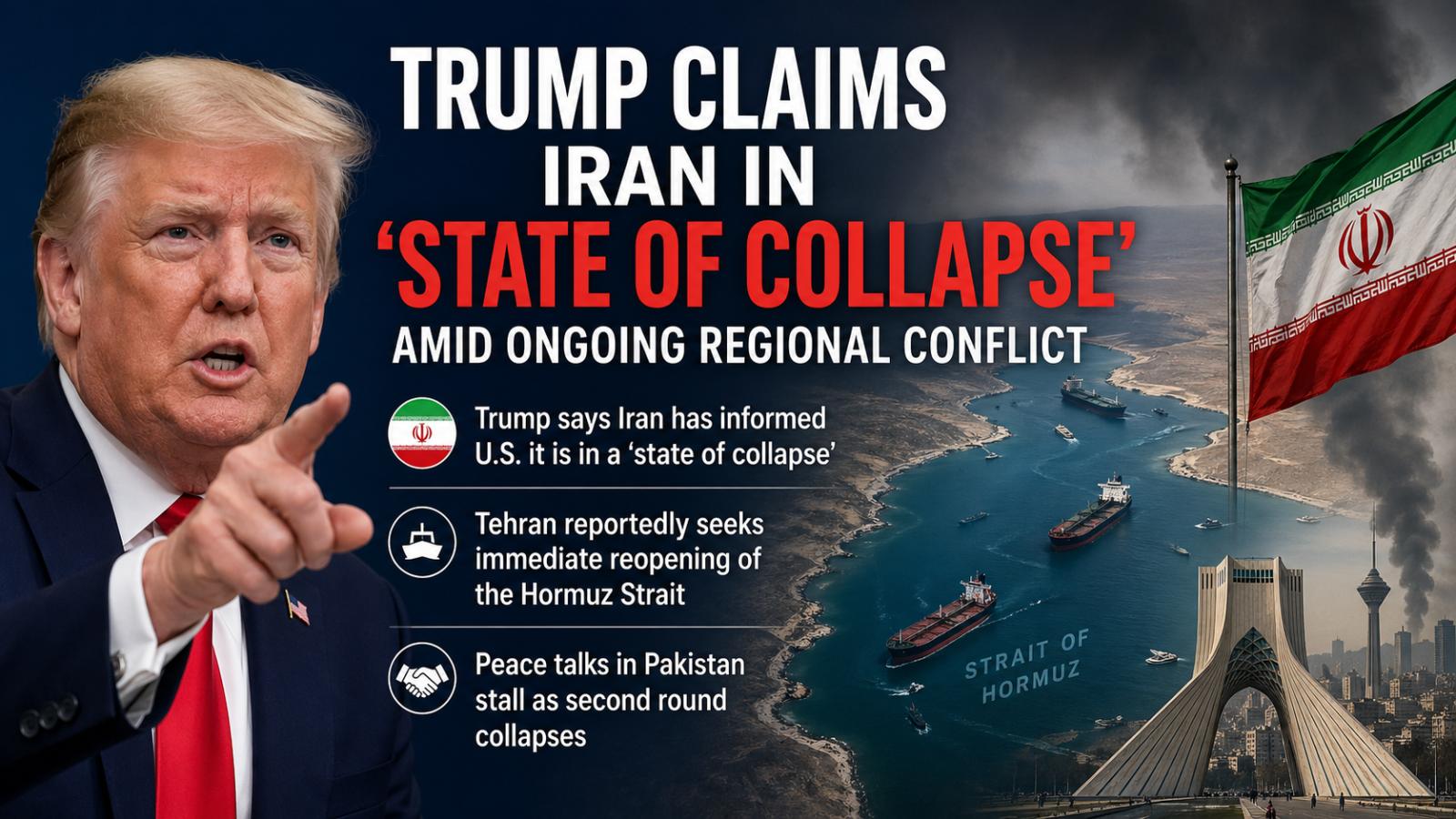
The Strait of Hormuz remains central to the dispute because it is one of the world’s most important energy shipping routes. China has strong economic reasons to support safer passage through the waterway because its economy depends heavily on international trade and imported energy.
Beijing said on September 24 that prolonging the US-Iran conflict did not serve the interests of the countries involved or the wider international community and again called for disputes to be settled through dialogue.
Iran oil
China also remains an important destination for Iranian crude despite stronger US pressure. Recent shipping estimates put Chinese imports of Iranian oil at about 534,000 barrels per day in August, well below earlier levels but still significant. Independent Chinese refiners have remained key buyers even as major state-owned companies generally avoid direct exposure to sanctioned Iranian crude.
This commercial relationship gives Beijing economic influence over Tehran, but influence does not automatically translate into willingness to use it on Washington’s terms. China has repeatedly opposed unilateral US sanctions and defended continued economic relations conducted outside measures it considers unauthorized by the United Nations.
US sanctions
The Trump administration increased pressure on August 24 when Treasury Secretary Scott Bessent launched Operation Economic Outcast. Treasury said the campaign would target Iran’s financial connections and expand the risk of secondary sanctions for foreign entities continuing to facilitate prohibited business with Tehran.
The campaign has since targeted banks, airlines, financial networks and companies accused by the United States of helping Iran evade restrictions. China, meanwhile, has continued to reject unilateral sanctions as lacking a basis in international law unless authorized by the UN Security Council.
Rare earths
Washington’s room for escalation is also shaped by the wider US-China economic relationship. China demonstrated during earlier trade tensions that restrictions on rare earth exports can disrupt international supply chains, including industries dependent on critical minerals.
The September summit therefore produced a narrower outcome than a strategic realignment over Iran. Beijing backed nuclear restraint and freer international waterways while preserving its independent relationship with Tehran. For Washington, the next test is whether tougher sanctions can reduce Iran’s remaining trade links without triggering a broader economic confrontation with China.