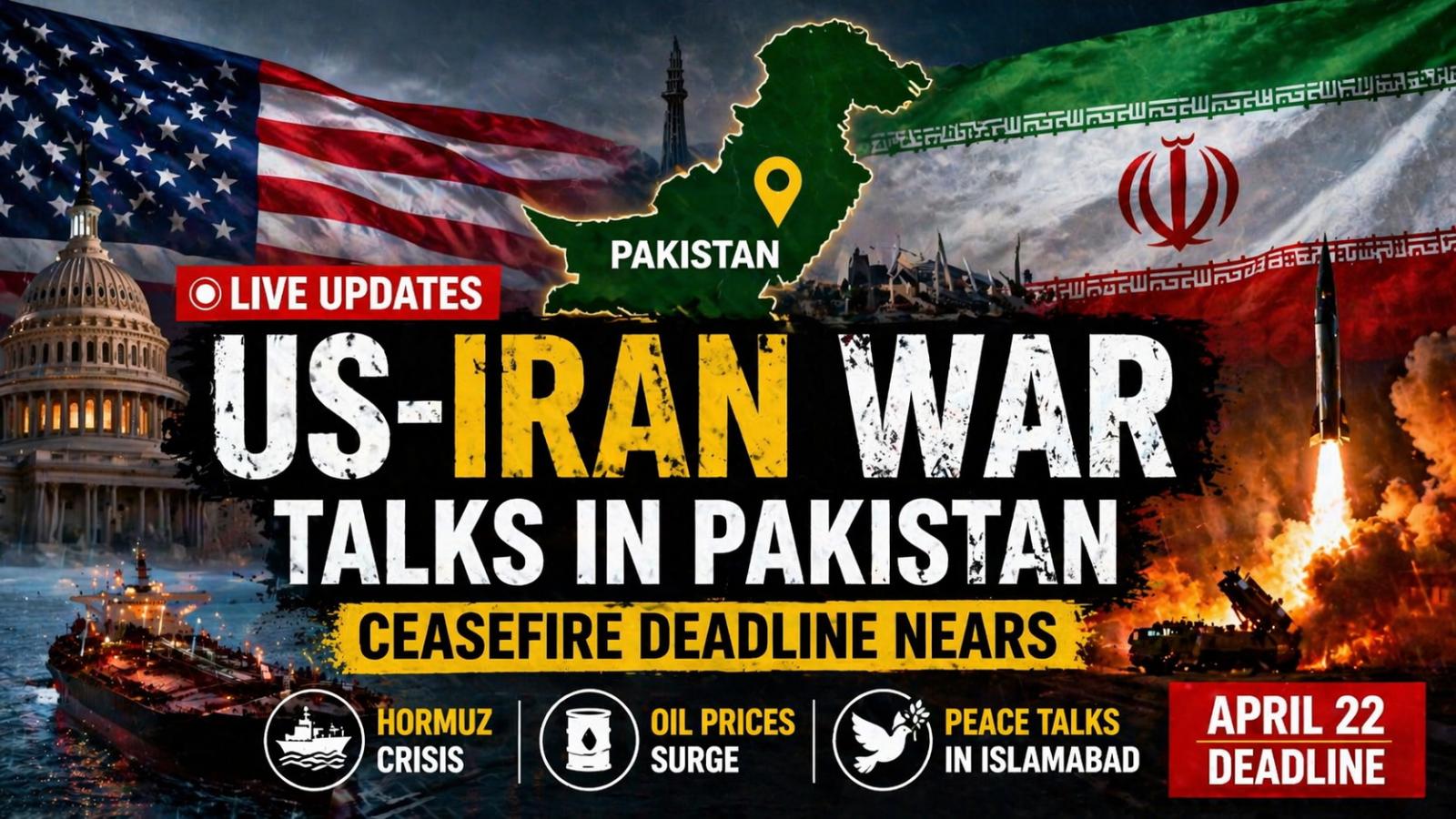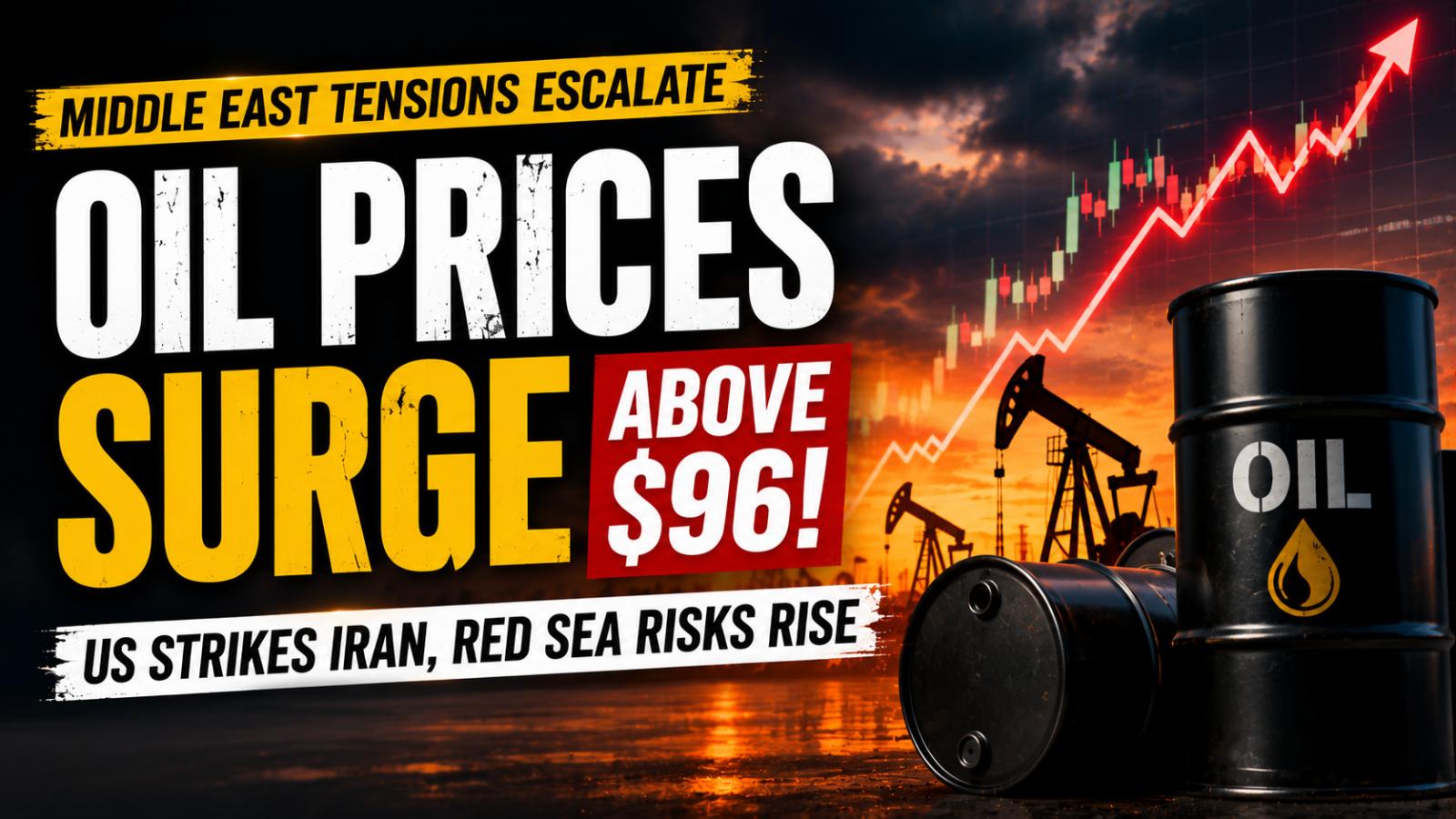
Oil prices rise as US strikes Iran and renewed attacks on Houthi targets heighten concerns over global energy supplies. Brent crude climbed above $96 a barrel while WTI gained sharply as traders reacted to escalating military tensions in the Middle East and potential risks to key shipping routes.
Brent crude climbs above $96
Global oil prices extended their rally on Thursday, July 23, after renewed US military operations against Iran and Yemen's Houthi movement increased concerns about disruptions to energy supplies. Brent crude rose nearly 2 percent during early trading to trade above $96 per barrel, reaching its highest level in more than six weeks.
US West Texas Intermediate (WTI) crude also advanced, climbing nearly 1.7 percent to move above $88 per barrel. The gains followed a strong session the previous day, reflecting growing fears that continued military escalation could threaten the steady flow of crude through one of the world's most important energy corridors.
Energy traders have closely monitored developments in the Middle East, where geopolitical risks often translate into higher oil prices due to concerns over supply interruptions and shipping security.
US strikes Iran oil market impact
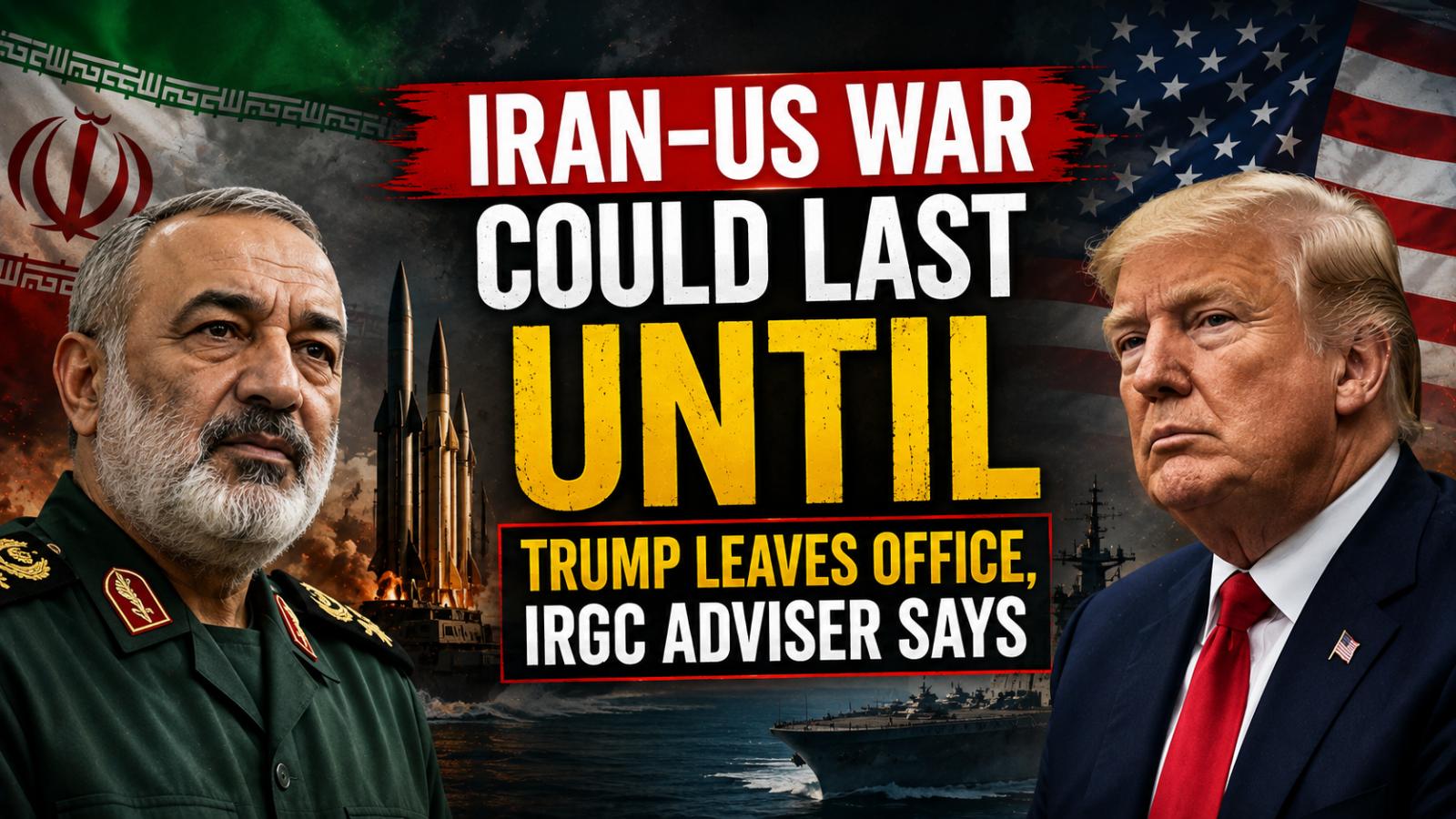
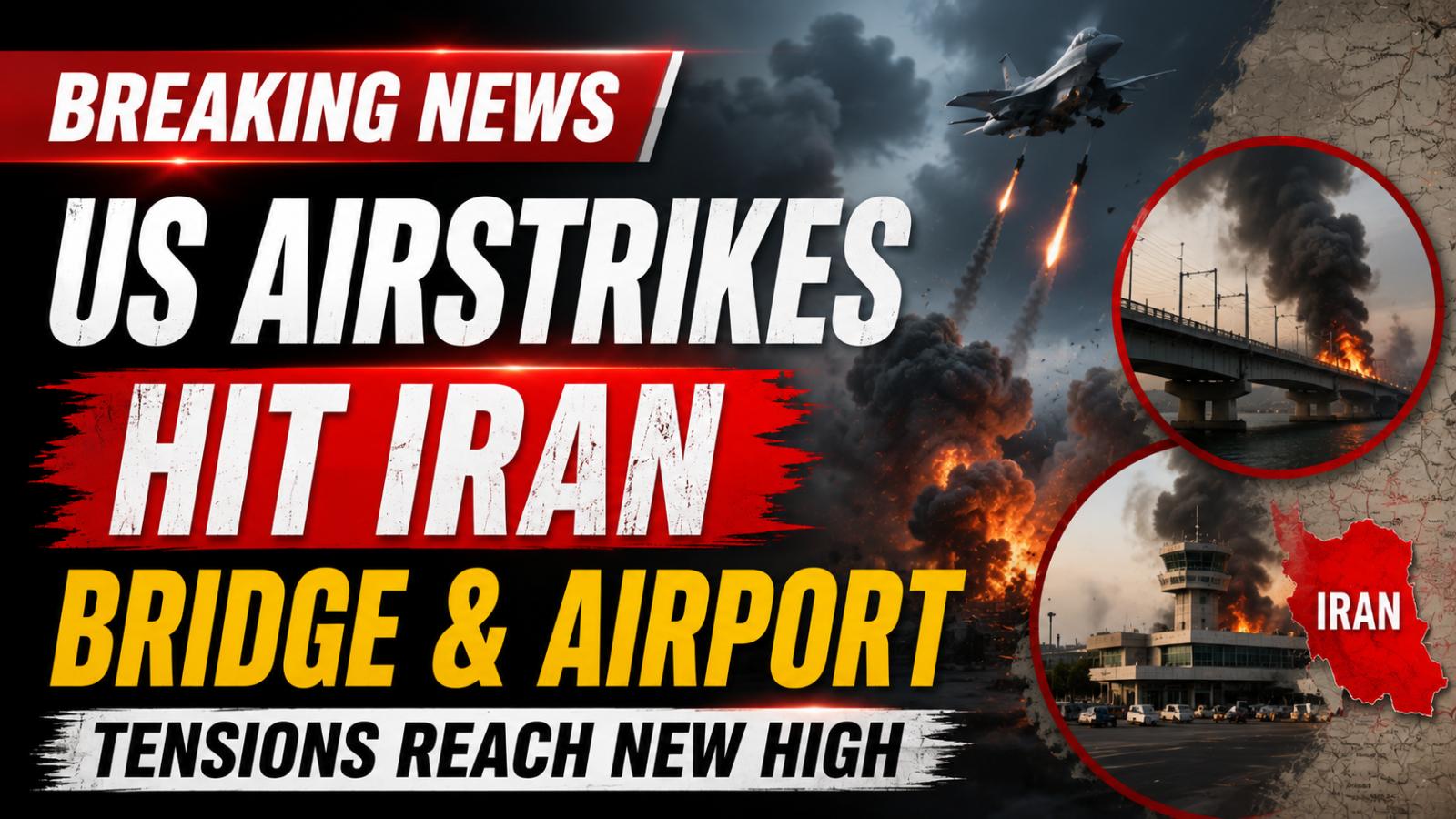
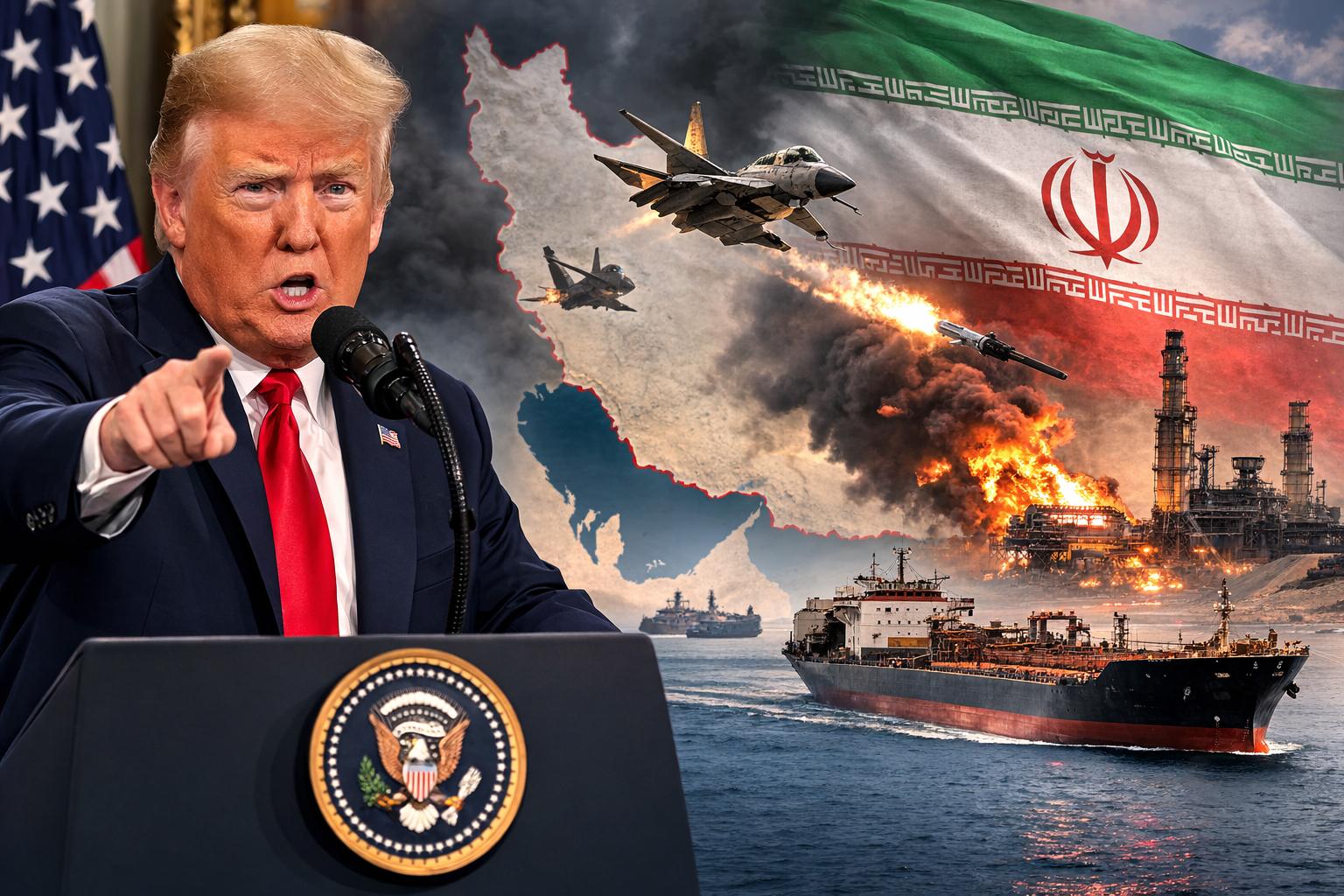
Investor sentiment shifted after the United States launched its 12th consecutive round of military strikes against Iranian targets overnight. The operation followed another escalation in Washington's campaign against Tehran, adding uncertainty to already volatile energy markets.
The latest military action came hours after President Donald Trump warned that the United States could target Iranian infrastructure, including bridges or power facilities, if Tehran attacked shipping through the Strait of Hormuz.
Although no major disruption to crude production has been reported, traders typically respond quickly to rising geopolitical risks because even limited interruptions can significantly affect global oil supplies.
Analysts note that oil markets often price in future risks rather than waiting for confirmed supply shortages. As a result, military developments alone can drive sharp price movements even before physical exports are affected.
Red Sea tanker security tensions
Additional pressure on oil markets came from renewed US strikes against Yemen's Houthi forces, who have repeatedly targeted commercial vessels transiting the Red Sea. The shipping route remains one of the world's busiest maritime corridors, connecting Europe and Asia through the Suez Canal.
Attacks on commercial tankers have forced several shipping companies to reroute vessels around southern Africa, increasing transportation costs and delivery times. Those higher logistics expenses can eventually influence global energy prices even if oil production remains stable.
Security concerns in both the Red Sea and the Strait of Hormuz continue to dominate market sentiment because together they handle a substantial share of international crude oil exports.
Strait of Hormuz threat oil prices
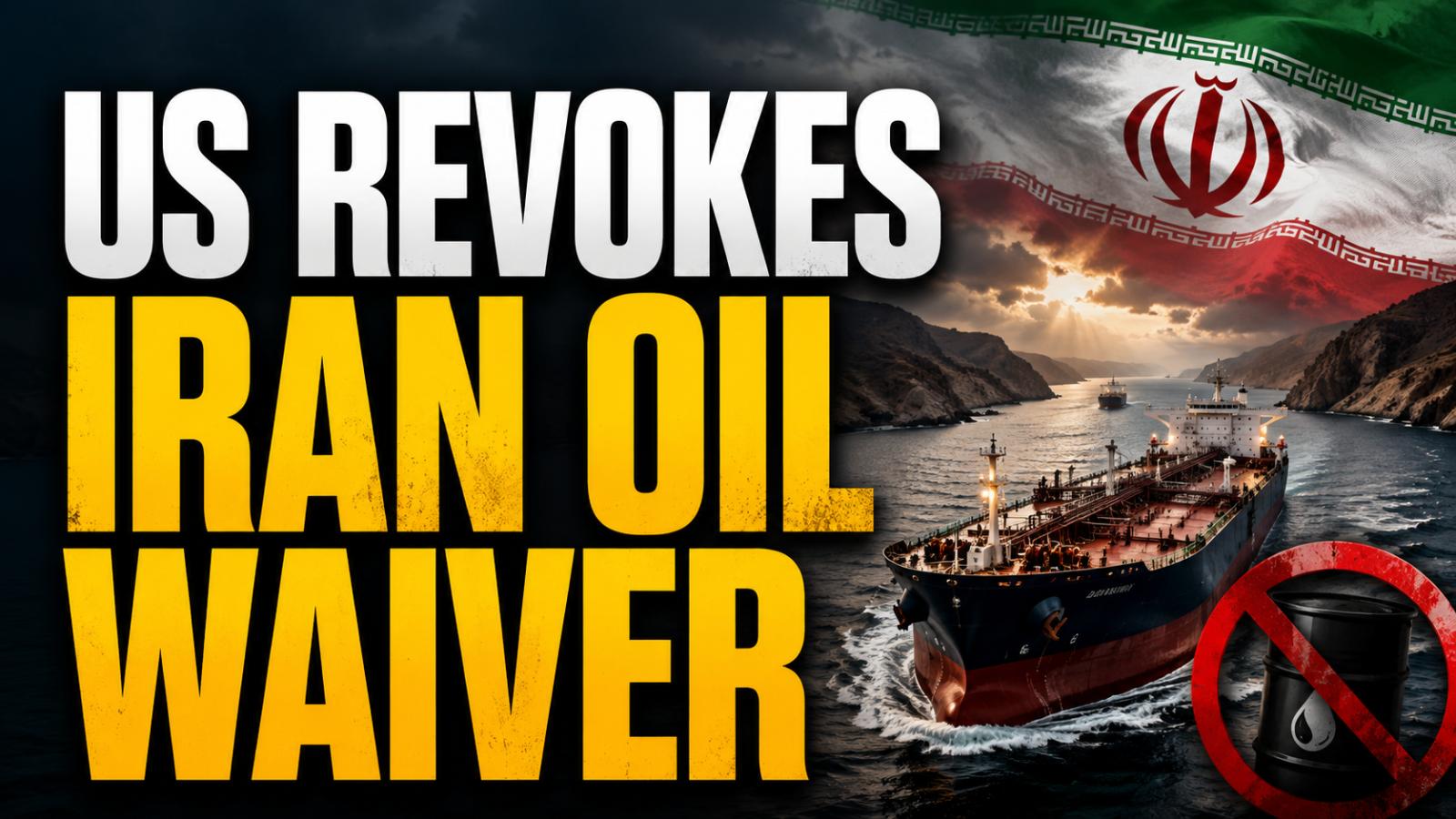
The Strait of Hormuz remains one of the most strategically important energy chokepoints in the world. Roughly one-fifth of globally traded crude oil passes through the narrow waterway connecting the Persian Gulf to international markets.
Any threat to shipping in the area immediately attracts attention from governments, energy companies and financial markets. President Trump's latest warning has further increased speculation that tensions could intensify if either side takes additional military action.
While no official closure or disruption of the Strait has occurred, investors remain cautious as military activity continues across the region.
Global markets watch next developments
Financial markets are expected to remain highly sensitive to developments in the Middle East over the coming days. Traders will closely monitor official statements from Washington, Tehran and regional governments for any indication of further escalation or diplomatic engagement.
Beyond military developments, investors will also watch for updates on global crude inventories, OPEC+ production decisions and shipping activity across the Red Sea and Persian Gulf. Together, these factors will help determine whether the recent rally in oil prices continues or stabilises.
The current price increase highlights how geopolitical tensions remain one of the strongest drivers of short-term movements in global energy markets. As long as uncertainty persists around major oil-exporting regions, volatility is likely to remain elevated.
Information in this article is based on market trading data and official statements from US authorities regarding military operations in the Middle East.