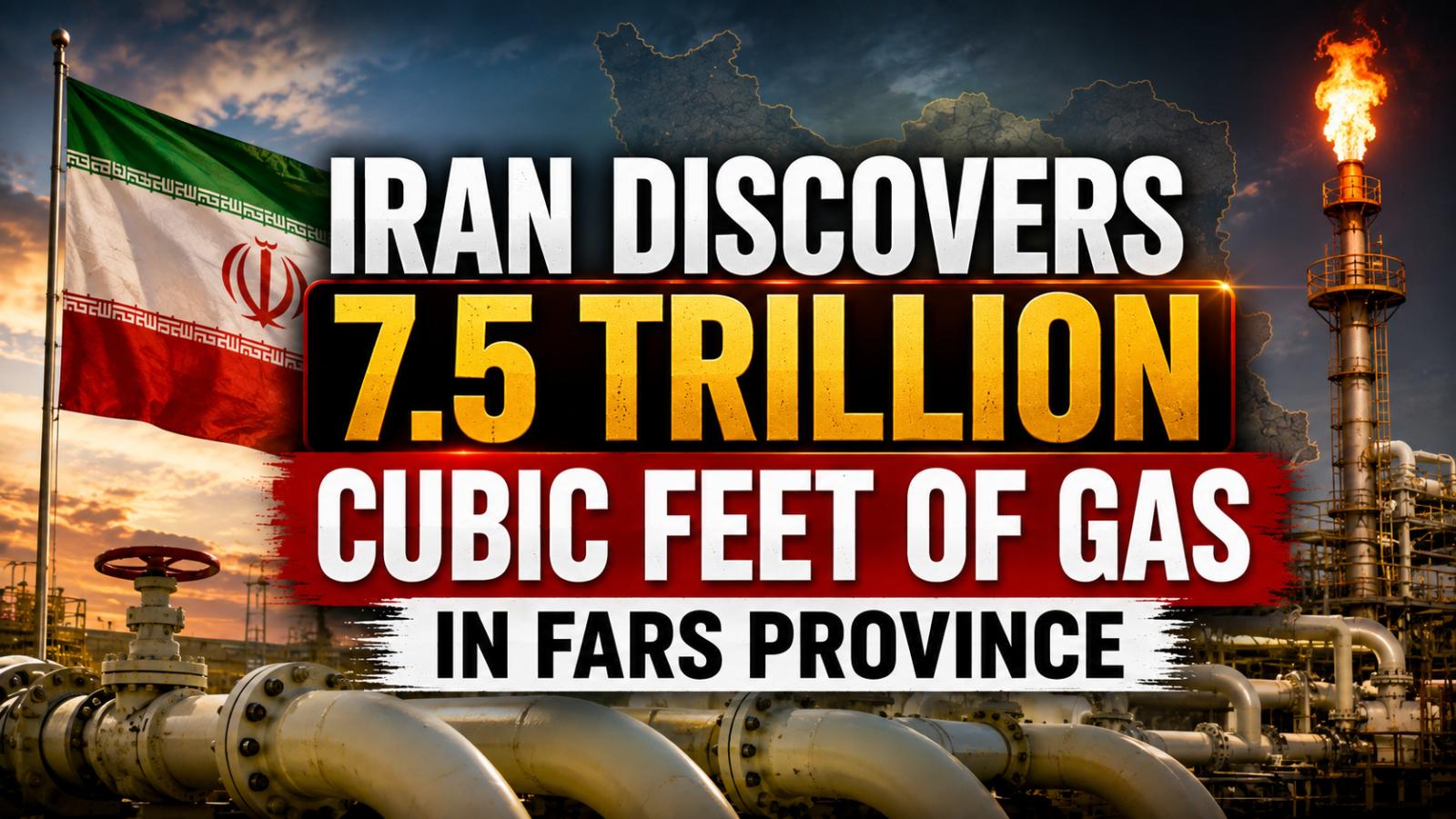
Iran has announced a major gas discovery in the southern part of Fars Province, with Oil Minister Mohsen Paknejad estimating the field contains about 7.5 trillion cubic feet of gas. The discovery could strengthen Iran’s gas reserves as the country faces economic pressure and challenges across its energy sector.
Iran gas discovery reaches 7.5 trillion cubic feet
Paknejad announced the discovery on Sunday, saying the newly identified field holds an estimated 7.5 trillion cubic feet, or roughly 212 billion cubic metres, of natural gas.
Of that total, approximately 5.7 trillion cubic feet is considered recoverable, according to figures provided by the oil minister. Recoverable reserves refer to the portion of gas that authorities estimate can realistically be extracted under technical and economic conditions.
Paknejad said the recoverable volume could provide an amount of gas comparable to the production of one phase of the giant South Pars field for about 15 years. The comparison highlights the potential scale of the new resource, although future output will depend on development, infrastructure and production conditions.
Sweet gas could lower development costs
The Iranian oil minister described the resource as “sweet gas,” a term generally used for natural gas containing relatively low levels of hydrogen sulfide and other sulfur compounds.
That characteristic could offer an economic advantage because sweet gas typically requires less processing than sour gas before entering commercial supply systems. Paknejad said this could help reduce both development and operating costs at the field.
The discovery also includes gas condensates, according to the minister. These liquid hydrocarbons can have significant commercial value alongside natural gas production. Paknejad said the condensate resources could potentially generate tens of billions of dollars in additional value.
The actual economic return, however, will depend on factors including investment, production rates, infrastructure, energy prices and Iran’s access to international markets.
New reserves strengthen Iran energy sector
The discovery comes at an important time for Iran’s energy industry. Tehran has been working to maintain and repair energy infrastructure while dealing with sanctions and broader economic pressure.
Iran already possesses some of the world’s largest natural gas reserves, and South Pars remains central to the country’s gas production. Adding another substantial resource could improve long-term supply options, but discovering gas does not automatically translate into immediate production.
A field must undergo appraisal and development before commercial extraction can begin. That process can require drilling additional wells, building processing facilities and connecting production sites to pipelines and other infrastructure.
Iran gas reserves gain new strategic resource
Paknejad said the discovery adds a significant resource to Iran’s national hydrocarbon reserves. If subsequent assessments confirm the announced estimates, the Fars gas field could become an important addition to the country’s long-term energy portfolio.
The timing also gives the announcement wider economic significance as Tehran navigates sanctions and international tensions that can complicate financing, technology access and energy exports.
For Iran, the value of the discovery will ultimately depend not only on the volume underground but also on how quickly and efficiently it can bring the recoverable gas and condensates into production. The government has not yet provided a detailed timetable for development or commercial output from the newly announced field.
Iran has announced a major gas discovery in the southern part of Fars Province, with Oil Minister Mohsen Paknejad estimating the field contains about 7.5 trillion cubic feet of gas. The discovery could strengthen Iran’s gas reserves as the country faces economic pressure and challenges across its energy sector.
Iran gas discovery reaches 7.5 trillion cubic feet
Paknejad announced the discovery on Sunday, saying the newly identified field holds an estimated 7.5 trillion cubic feet, or roughly 212 billion cubic metres, of natural gas.
Of that total, approximately 5.7 trillion cubic feet is considered recoverable, according to figures provided by the oil minister. Recoverable reserves refer to the portion of gas that authorities estimate can realistically be extracted under technical and economic conditions.
Paknejad said the recoverable volume could provide an amount of gas comparable to the production of one phase of the giant South Pars field for about 15 years. The comparison highlights the potential scale of the new resource, although future output will depend on development, infrastructure and production conditions.
Sweet gas could lower development costs
The Iranian oil minister described the resource as “sweet gas,” a term generally used for natural gas containing relatively low levels of hydrogen sulfide and other sulfur compounds.
That characteristic could offer an economic advantage because sweet gas typically requires less processing than sour gas before entering commercial supply systems. Paknejad said this could help reduce both development and operating costs at the field.
The discovery also includes gas condensates, according to the minister. These liquid hydrocarbons can have significant commercial value alongside natural gas production. Paknejad said the condensate resources could potentially generate tens of billions of dollars in additional value.
The actual economic return, however, will depend on factors including investment, production rates, infrastructure, energy prices and Iran’s access to international markets.
New reserves strengthen Iran energy sector
The discovery comes at an important time for Iran’s energy industry. Tehran has been working to maintain and repair energy infrastructure while dealing with sanctions and broader economic pressure.
Iran already possesses some of the world’s largest natural gas reserves, and South Pars remains central to the country’s gas production. Adding another substantial resource could improve long-term supply options, but discovering gas does not automatically translate into immediate production.
A field must undergo appraisal and development before commercial extraction can begin. That process can require drilling additional wells, building processing facilities and connecting production sites to pipelines and other infrastructure.
Iran gas reserves gain new strategic resource
Paknejad said the discovery adds a significant resource to Iran’s national hydrocarbon reserves. If subsequent assessments confirm the announced estimates, the Fars gas field could become an important addition to the country’s long-term energy portfolio.
The timing also gives the announcement wider economic significance as Tehran navigates sanctions and international tensions that can complicate financing, technology access and energy exports.
For Iran, the value of the discovery will ultimately depend not only on the volume underground but also on how quickly and efficiently it can bring the recoverable gas and condensates into production. The government has not yet provided a detailed timetable for development or commercial output from the newly announced field.
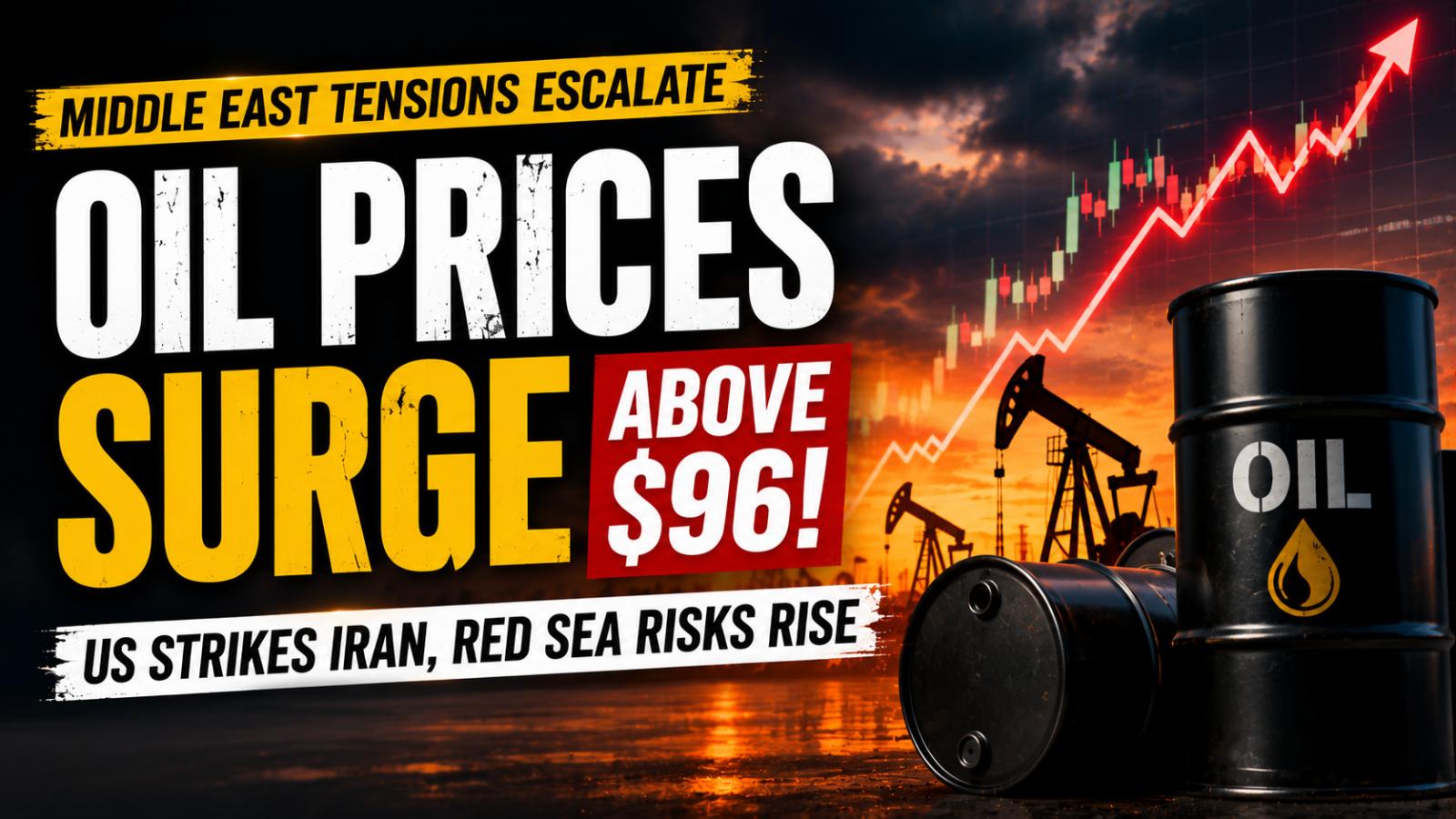
Oil prices rise as US strikes Iran and renewed attacks on Houthi targets heighten concerns over global energy supplies. Brent crude climbed above $96 a barrel while WTI gained sharply as traders reacted to escalating military tensions in the Middle East and potential risks to key shipping routes.
Brent crude climbs above $96
Global oil prices extended their rally on Thursday, July 23, after ren
Oil prices rise as US strikes Iran and renewed attacks on Houthi targets heighten concerns over global energy supplies. Brent crude climbed above $96 a barrel while WTI gained sharply as traders reacted to escalating military tensions in the Middle East and potential risks to key shipping routes.
Brent crude climbs above $96
Global oil prices extended their rally on Thursday, July 23, after ren
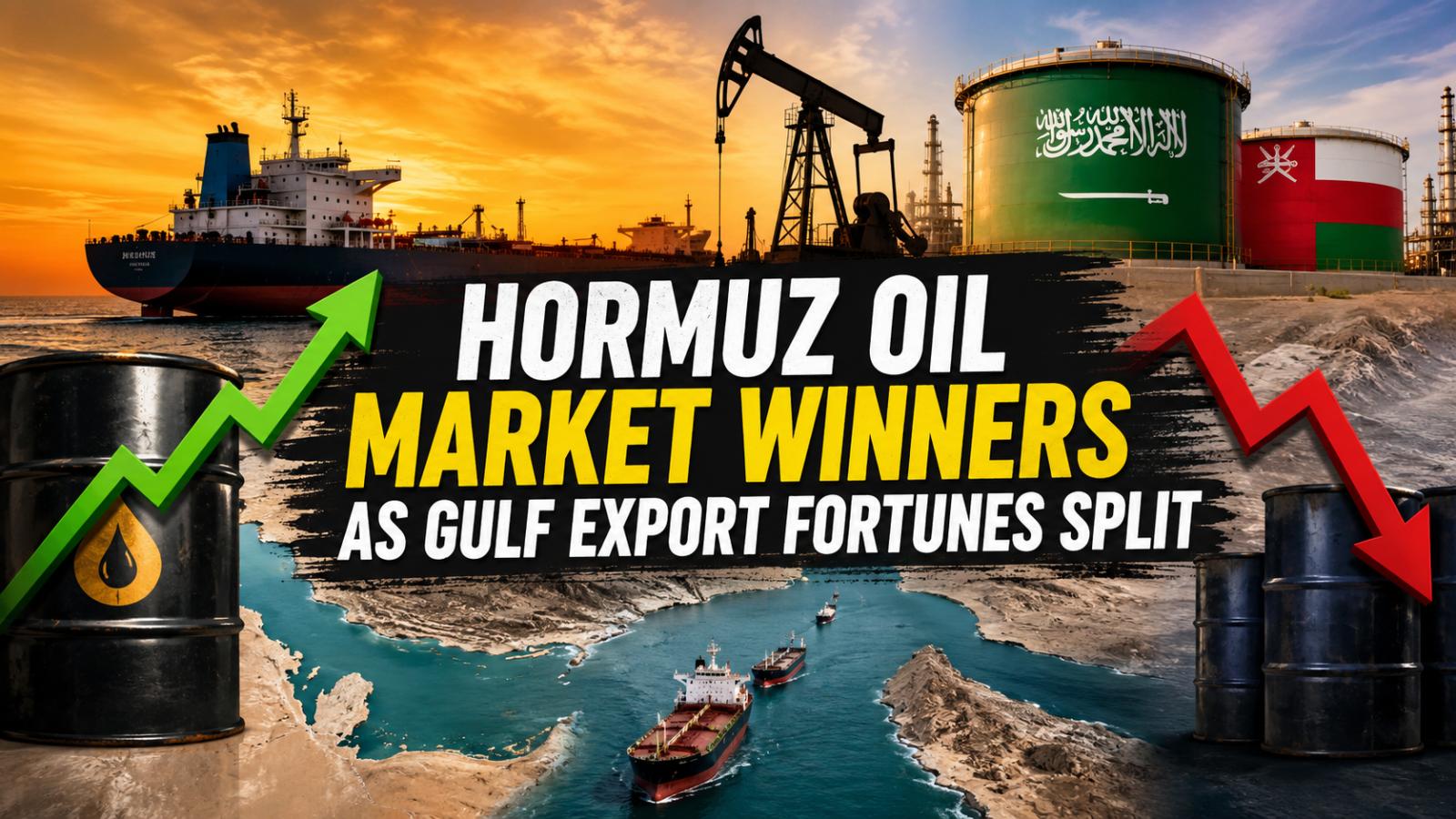
The disruption around the Strait of Hormuz has created sharply different outcomes across the global oil market. Saudi Arabia and Oman have benefited from higher prices and alternative export access, while Iraq, Kuwait and other Gulf producers remain constrained by geography. Refiners and non-Gulf exporters have also gained from changing crude and fuel prices.
Saudi Route Creates an Export Advantage
Saudi Arabia
The disruption around the Strait of Hormuz has created sharply different outcomes across the global oil market. Saudi Arabia and Oman have benefited from higher prices and alternative export access, while Iraq, Kuwait and other Gulf producers remain constrained by geography. Refiners and non-Gulf exporters have also gained from changing crude and fuel prices.
Saudi Route Creates an Export Advantage
Saudi Arabia
Global crude benchmarks have softened in recent sessions, driven by easing supply concerns and improved shipping conditions across key routes. Despite this decline, retail gasoline prices in the United States have not adjusted downward at the same pace, creating a widening gap between wholesale and consumer fuel costs.
Market data indicates Brent crude has eased compared to earlier highs, yet pump prices remain relatively sticky. This lag has triggered renewed scrutiny of how quickl
Global crude benchmarks have softened in recent sessions, driven by easing supply concerns and improved shipping conditions across key routes. Despite this decline, retail gasoline prices in the United States have not adjusted downward at the same pace, creating a widening gap between wholesale and consumer fuel costs.
Market data indicates Brent crude has eased compared to earlier highs, yet pump prices remain relatively sticky. This lag has triggered renewed scrutiny of how quickl
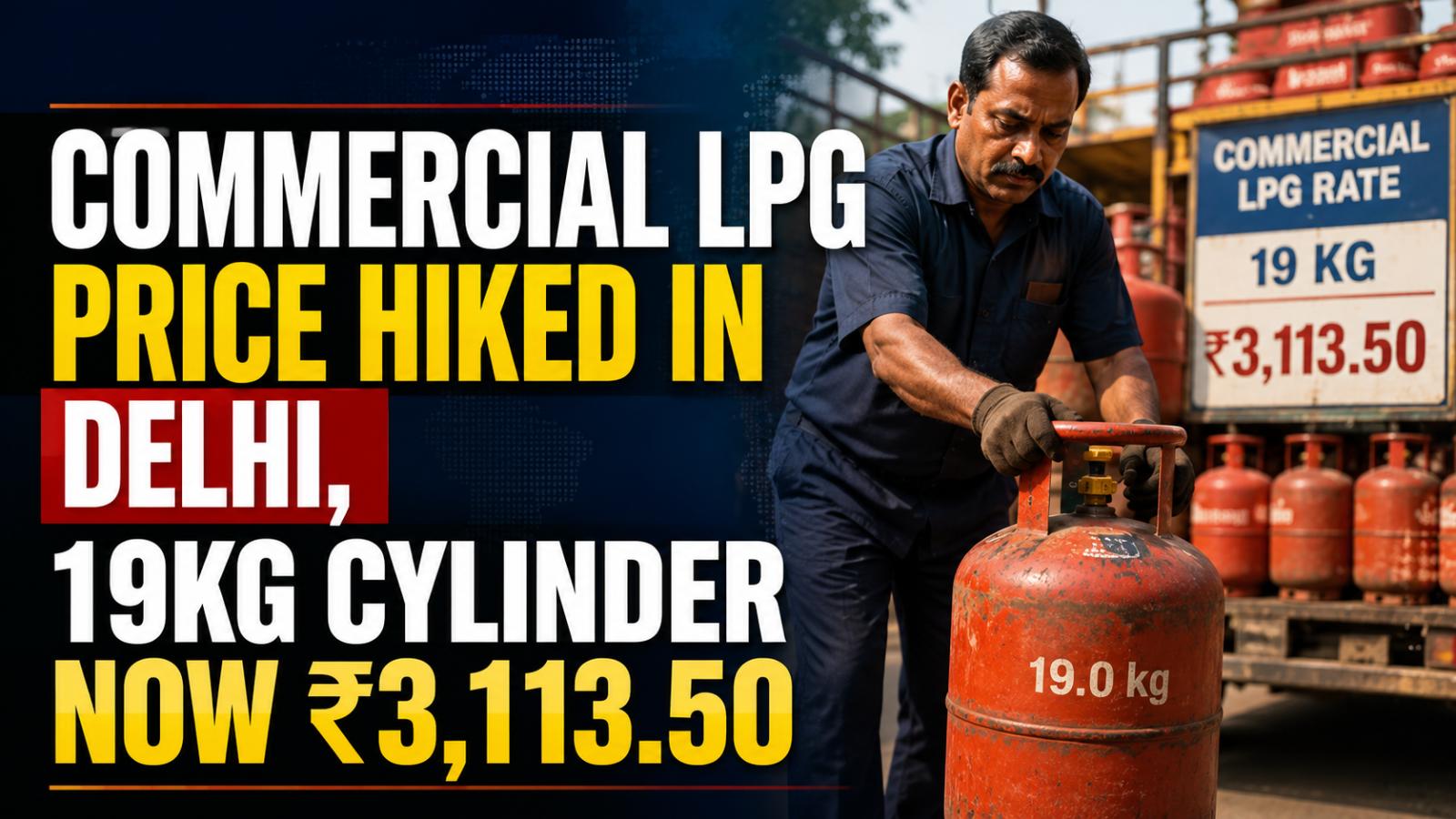
Commercial LPG cylinder price in Delhi has increased from June 1, adding fresh cost pressure on hotels, restaurants, caterers, cloud kitchens, bakeries and other businesses that use 19-kg cylinders for daily operations. According to reports citing industry sources and fuel retailer data, the price of a 19-kg commercial LPG cylinder in Delhi has been raised by ₹42. The new rate is ₹3,113.50, compared with the earlier price of ₹3,071.50.
The latest commercial LPG price hike come
Commercial LPG cylinder price in Delhi has increased from June 1, adding fresh cost pressure on hotels, restaurants, caterers, cloud kitchens, bakeries and other businesses that use 19-kg cylinders for daily operations. According to reports citing industry sources and fuel retailer data, the price of a 19-kg commercial LPG cylinder in Delhi has been raised by ₹42. The new rate is ₹3,113.50, compared with the earlier price of ₹3,071.50.
The latest commercial LPG price hike come
UAE exits OPEC and reshapes global oil and currency dynamics
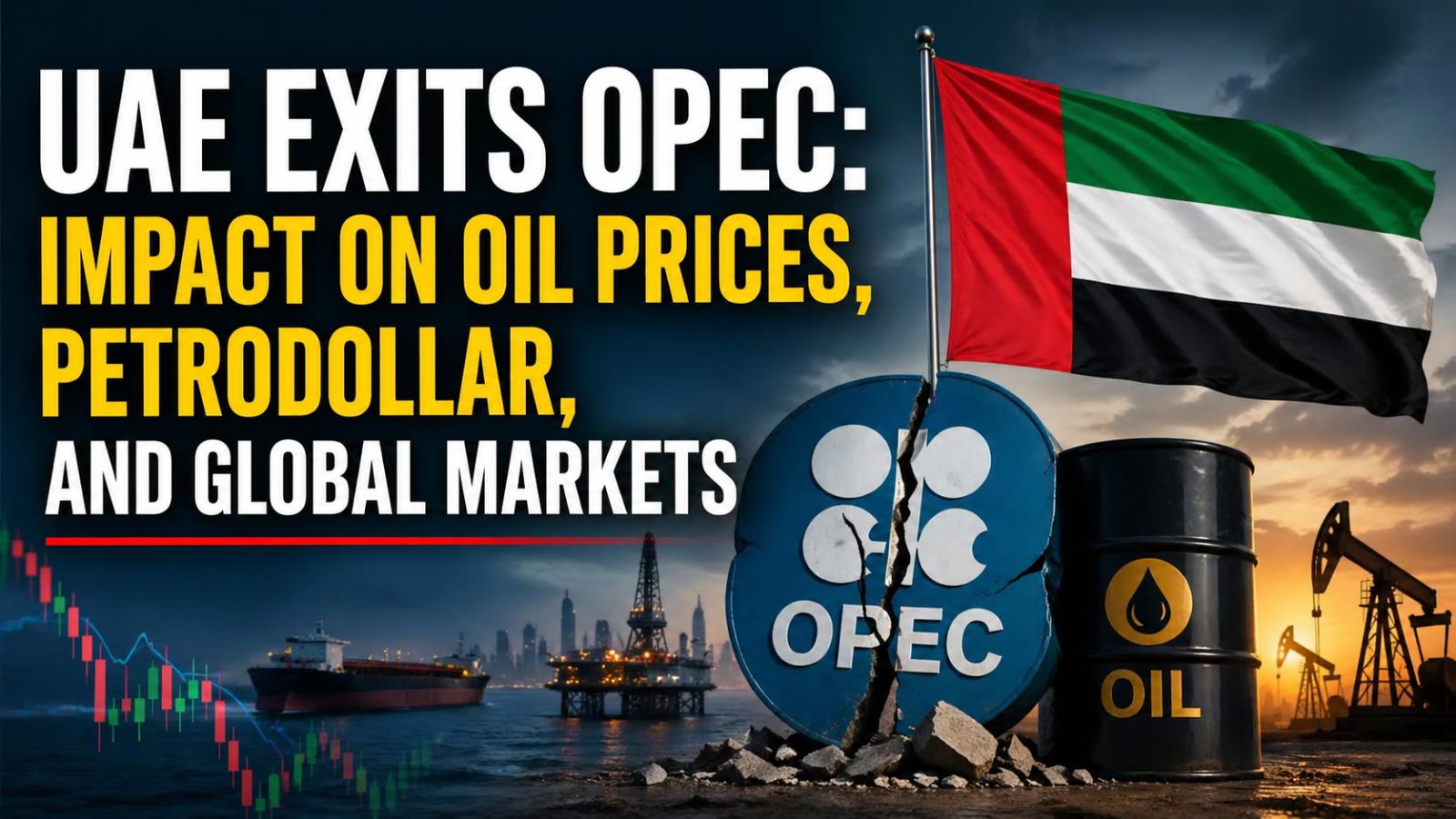
The decision by the United Arab Emirates to exit OPEC and OPEC+ marks a major shift in global energy markets. This move could increase oil price volatility, weaken OPEC’s control, and challenge the dominance of the US dollar in global oil trade. The timing is critical, coming amid rising oil prices, a growing dollar shortage in Gulf countries, and escalating tensions around the Strait of Hormuz.
What does thi
UAE exits OPEC and reshapes global oil and currency dynamics
The decision by the United Arab Emirates to exit OPEC and OPEC+ marks a major shift in global energy markets. This move could increase oil price volatility, weaken OPEC’s control, and challenge the dominance of the US dollar in global oil trade. The timing is critical, coming amid rising oil prices, a growing dollar shortage in Gulf countries, and escalating tensions around the Strait of Hormuz.
What does thi
Oil prices climbed sharply on Wednesday, rising more than 4% as investors reacted to escalating tensions between the United States and Iran following the latest round of nuclear negotiations. Market sentiment shifted after U.S. Vice President JD Vance indicated that Tehran had failed to address key American demands and warned that military options remain under consideration.
U.S. West Texas Intermediate crude settled up $2.86, or 4.59%, at $65.19 per barrel, while global benchmark B
Oil prices climbed sharply on Wednesday, rising more than 4% as investors reacted to escalating tensions between the United States and Iran following the latest round of nuclear negotiations. Market sentiment shifted after U.S. Vice President JD Vance indicated that Tehran had failed to address key American demands and warned that military options remain under consideration.
U.S. West Texas Intermediate crude settled up $2.86, or 4.59%, at $65.19 per barrel, while global benchmark B
Columbus drivers are seeing noticeable relief at the gas pumps this week as fuel prices decline across central Ohio. The city’s average gasoline price has fallen by nearly seven cents per gallon over the past week, now averaging $2.94 per gallon. This marks a welcome break for motorists after months of uneven pricing and modest increases that have reflected broader supply and demand changes across the region.
While the latest drop provides short-term savings, prices in Columbus rema
Columbus drivers are seeing noticeable relief at the gas pumps this week as fuel prices decline across central Ohio. The city’s average gasoline price has fallen by nearly seven cents per gallon over the past week, now averaging $2.94 per gallon. This marks a welcome break for motorists after months of uneven pricing and modest increases that have reflected broader supply and demand changes across the region.
While the latest drop provides short-term savings, prices in Columbus rema