President
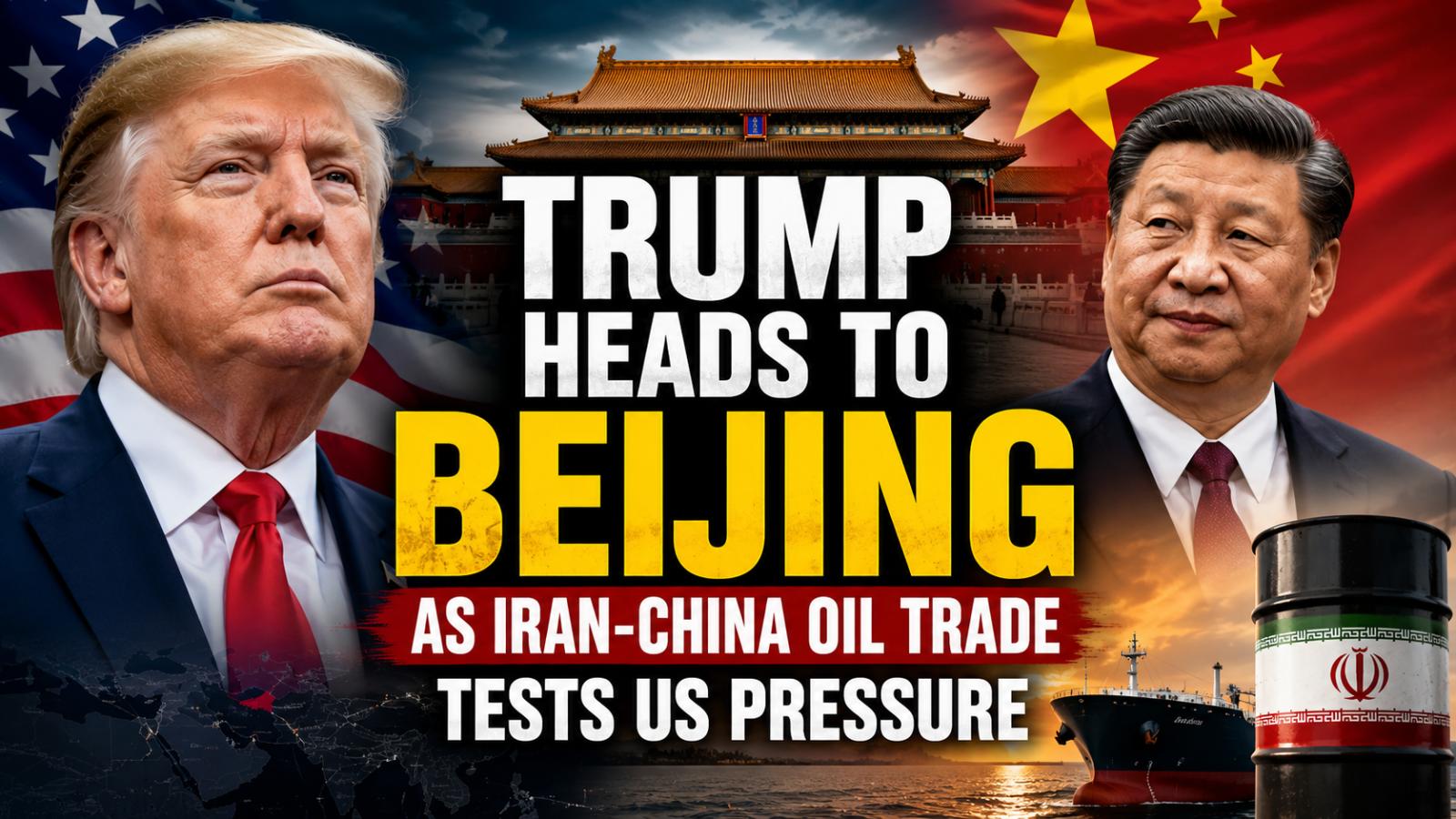
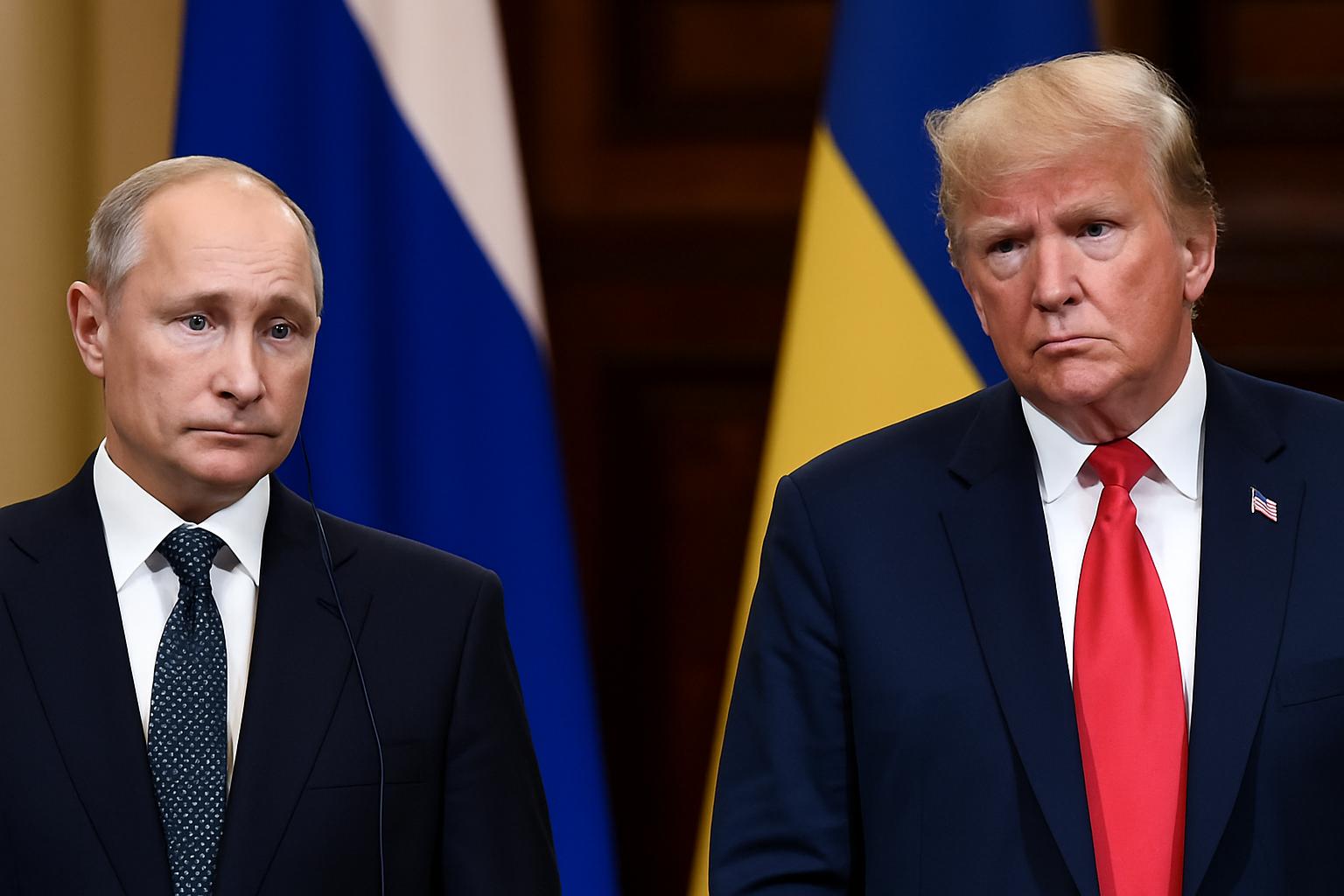
Donald Trump is scheduled to arrive in
Beijing on Wednesday, May 13, 2026, for high-level talks with Chinese President
Xi Jinping as tensions over Iran, oil trade and regional stability continue to grow.
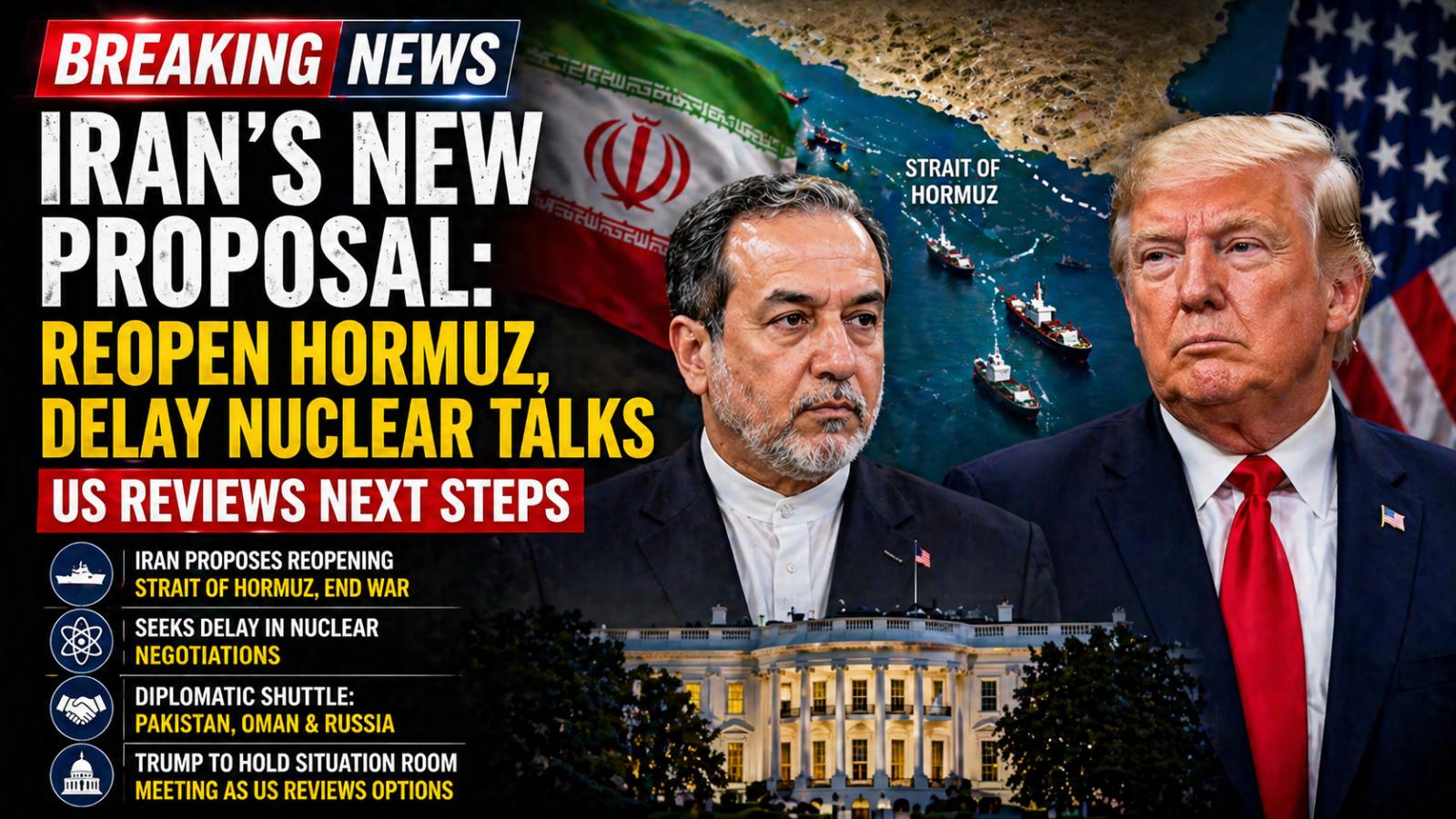
The Beijing meeting comes at a sensitive moment for Washington’s renewed sanctions campaign against Iran. Despite increased US pressure, analysts say a rapidly expanding Iran-China oil trade network is allowing Tehran to maintain strong crude exports outside traditional dollar-based financial systems.
Recent shipping and trade data also showed Iranian oil exports continuing despite fresh US sanctions. Read full details on Iran oil shipments continuing despite US sanctions.

China’s Iran Oil Purchases Undermine Sanctions Pressure
Regional analysts estimate Iran’s crude exports have climbed to nearly 2.2 million barrels per day in early 2026, with China believed to be purchasing most of that supply through independent “teapot” refineries and intermediary trading firms.
Rather than relying on direct international banking transfers, many transactions reportedly move through yuan-based payments, barter arrangements and smaller regional financial institutions. Iran is then able to use those revenues to acquire Chinese machinery, infrastructure support and technology products.
Analysts say the system has steadily reduced Washington’s economic leverage over Tehran despite continued sanctions enforcement.
Shadow Fleet and Hormuz Risks Add Pressure
Satellite monitoring firms have also reported increased ship-to-ship oil transfers involving a large “shadow fleet” operating across regional maritime routes. Some cargoes are allegedly relabeled before entering international markets.
US officials recently imposed sanctions on several companies and individuals linked to the network in Hong Kong and mainland China, while American naval operations around the Strait of Hormuz continue amid wider regional tensions.
Security experts warn the growing Beijing-Tehran partnership could reshape how sanctioned nations bypass the US-led financial system.
Why Trump’s Beijing Visit Matters
The Iran oil issue is expected to become one of the most closely watched topics during Trump’s meetings with Xi. The outcome could influence US-China relations, sanctions enforcement and global energy markets at a time of rising geopolitical uncertainty.