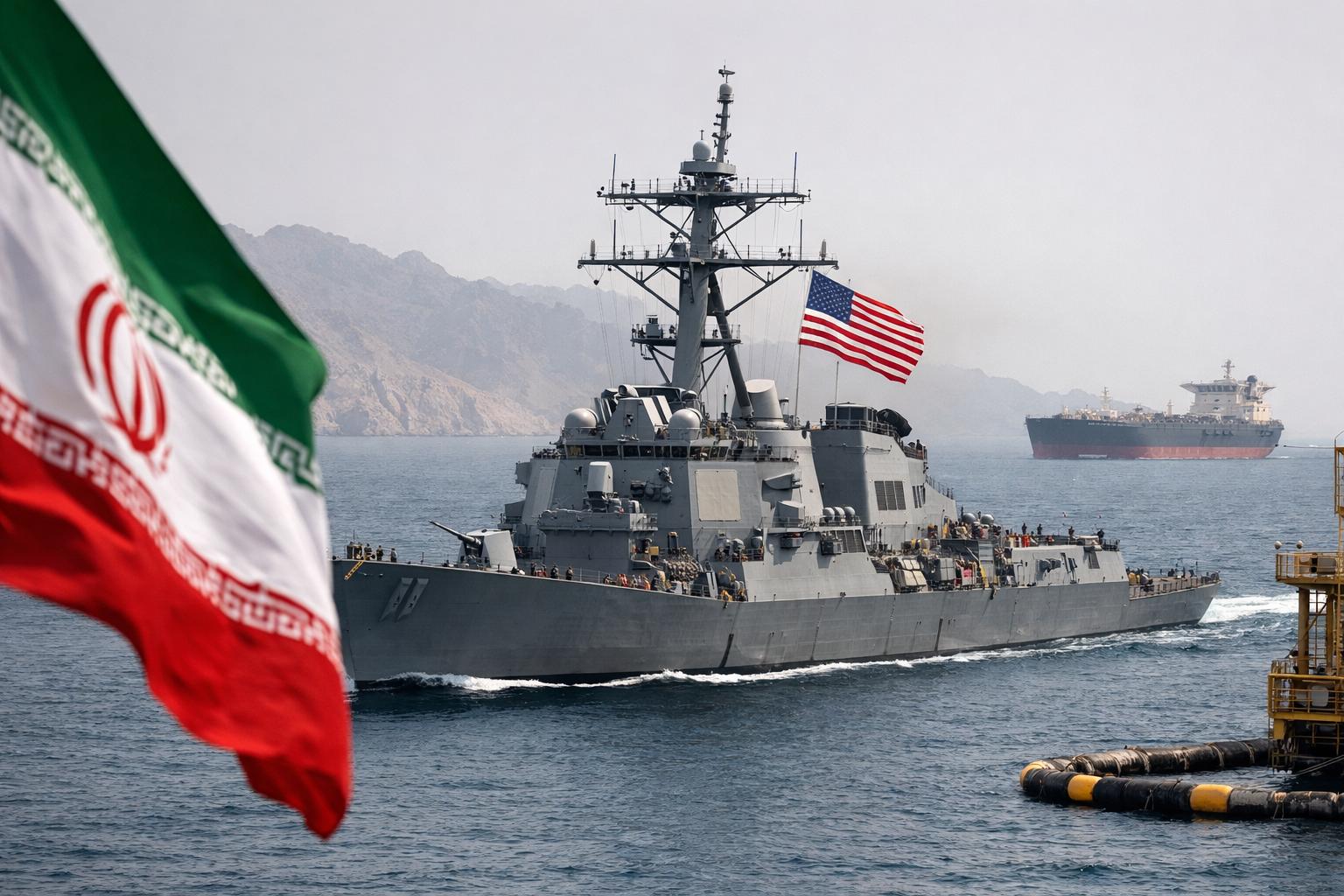
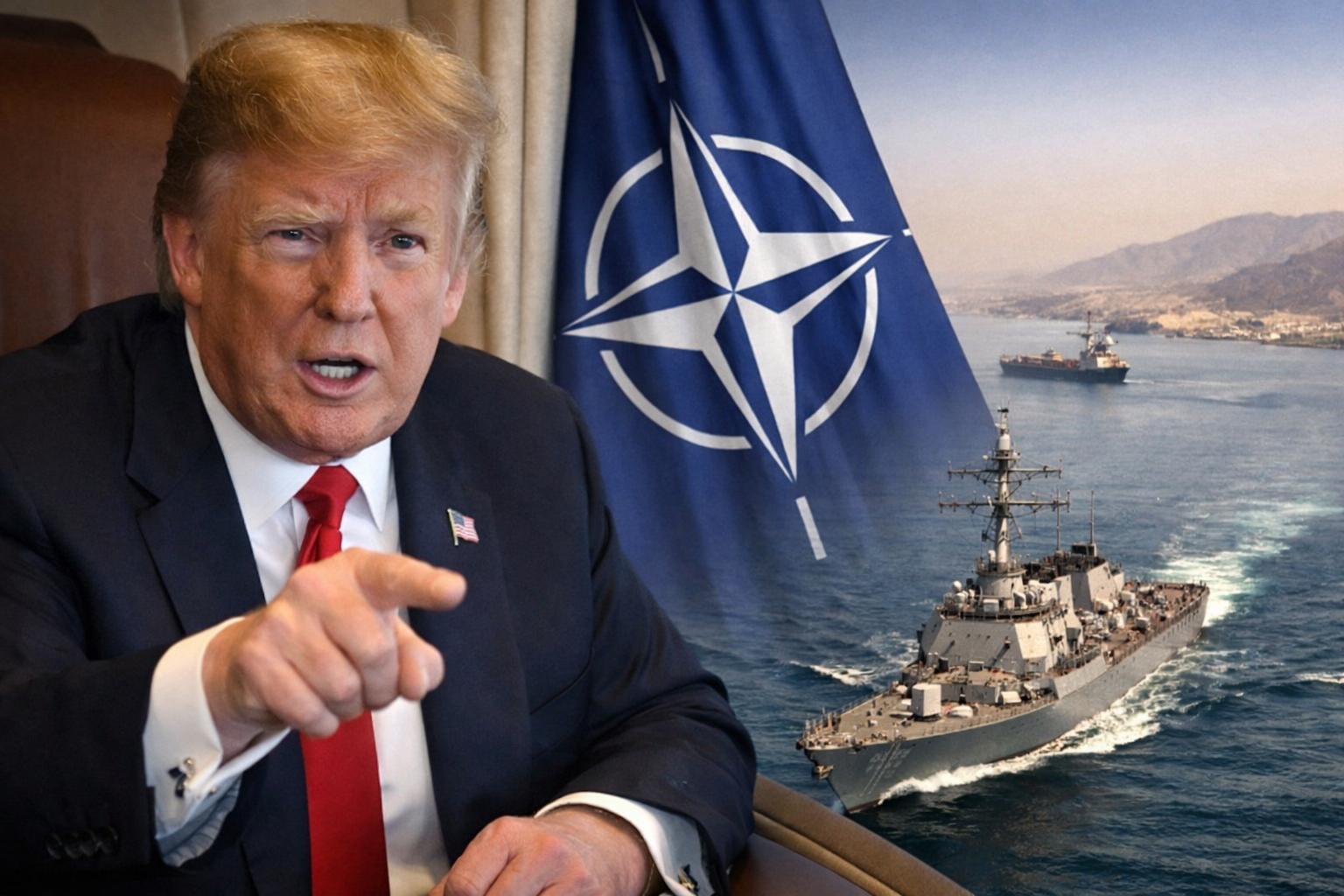
US President Donald Trump has warned that the future of the North Atlantic Treaty Organization could face serious consequences if allied nations fail to support efforts to reopen the Strait of Hormuz, a key global shipping route currently disrupted amid escalating tensions with Iran. The remarks signal increasing pressure from Washington on European allies to contribute more actively to maritime security in the strategically vital Gulf region.
Speaking in a telephone interview on Sunday, Trump said a lack of support from allied nations could have negative implications for the military alliance. He emphasized that the United States has historically provided strong support to its partners, including assistance during the Ukraine-Russia war, and now expects reciprocal cooperation. According to Trump, maintaining stability in the Strait of Hormuz is essential not only for regional security but also for global oil trade and international shipping routes.
Trump indicated that the United States has already taken significant action against Iranian threats in the Gulf and called for greater participation from allied countries to monitor and secure the waterway. He suggested that additional military support, including specialized forces or naval contributions, could help counter activities such as drone operations and naval mine deployments along the Iranian coastline, which he described as disruptive to maritime navigation.
While speaking to reporters aboard Air Force One, Trump said he had demanded that several countries heavily dependent on oil shipments through the strait join a coalition aimed at safeguarding the passage. Although he did not disclose the names of the countries involved, he argued that nations benefiting from the route should take a more active role in protecting it.
The president also discussed the situation with British Prime Minister Keir Starmer during a phone conversation on Sunday. According to the UK government, both leaders spoke about the importance of restoring access to the Strait of Hormuz to reduce disruptions in global shipping that are contributing to rising costs worldwide. Starmer also conveyed condolences for American service members who have died during the conflict.
However, Trump voiced frustration over what he described as the United Kingdom’s initially cautious response to US requests for assistance. He said Washington expected support earlier in the operation and reiterated his longstanding view that NATO cooperation should be mutual. The Strait of Hormuz remains one of the world’s most critical maritime chokepoints, carrying a significant share of global oil supplies, making its security a central concern for governments and markets worldwide.
US President Donald Trump has warned that the future of the North Atlantic Treaty Organization could face serious consequences if allied nations fail to support efforts to reopen the Strait of Hormuz, a key global shipping route currently disrupted amid escalating tensions with Iran. The remarks signal increasing pressure from Washington on European allies to contribute more actively to maritime security in the strategically vital Gulf region.
Speaking in a telephone interview on Sunday, Trump said a lack of support from allied nations could have negative implications for the military alliance. He emphasized that the United States has historically provided strong support to its partners, including assistance during the Ukraine-Russia war, and now expects reciprocal cooperation. According to Trump, maintaining stability in the Strait of Hormuz is essential not only for regional security but also for global oil trade and international shipping routes.
Trump indicated that the United States has already taken significant action against Iranian threats in the Gulf and called for greater participation from allied countries to monitor and secure the waterway. He suggested that additional military support, including specialized forces or naval contributions, could help counter activities such as drone operations and naval mine deployments along the Iranian coastline, which he described as disruptive to maritime navigation.
While speaking to reporters aboard Air Force One, Trump said he had demanded that several countries heavily dependent on oil shipments through the strait join a coalition aimed at safeguarding the passage. Although he did not disclose the names of the countries involved, he argued that nations benefiting from the route should take a more active role in protecting it.
The president also discussed the situation with British Prime Minister Keir Starmer during a phone conversation on Sunday. According to the UK government, both leaders spoke about the importance of restoring access to the Strait of Hormuz to reduce disruptions in global shipping that are contributing to rising costs worldwide. Starmer also conveyed condolences for American service members who have died during the conflict.
However, Trump voiced frustration over what he described as the United Kingdom’s initially cautious response to US requests for assistance. He said Washington expected support earlier in the operation and reiterated his longstanding view that NATO cooperation should be mutual. The Strait of Hormuz remains one of the world’s most critical maritime chokepoints, carrying a significant share of global oil supplies, making its security a central concern for governments and markets worldwide.
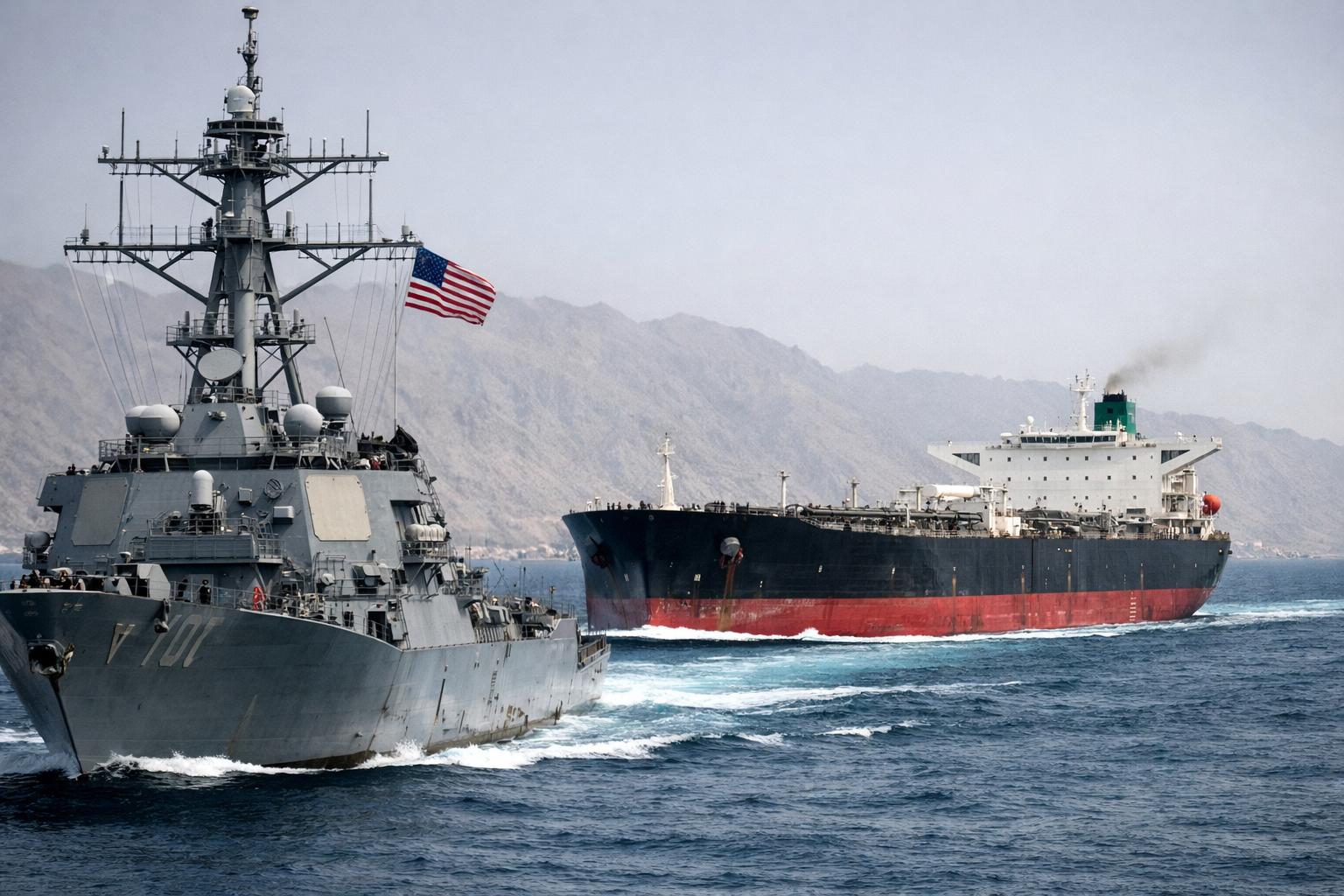
Global oil prices fell sharply on Tuesday after the United States confirmed that a naval escort ensured the safe passage of an oil tanker through the Strait of Hormuz, a critical shipping lane for the world’s energy markets. The announcement helped calm investors who had been reacting to escalating geopolitical tensions and fears of a major oil supply disruption linked to the ongoing Iran conflict.
U.S. crude oil dropped around 15 percent to $79.96 per barrel, while Brent crude, t
Global oil prices fell sharply on Tuesday after the United States confirmed that a naval escort ensured the safe passage of an oil tanker through the Strait of Hormuz, a critical shipping lane for the world’s energy markets. The announcement helped calm investors who had been reacting to escalating geopolitical tensions and fears of a major oil supply disruption linked to the ongoing Iran conflict.
U.S. crude oil dropped around 15 percent to $79.96 per barrel, while Brent crude, t
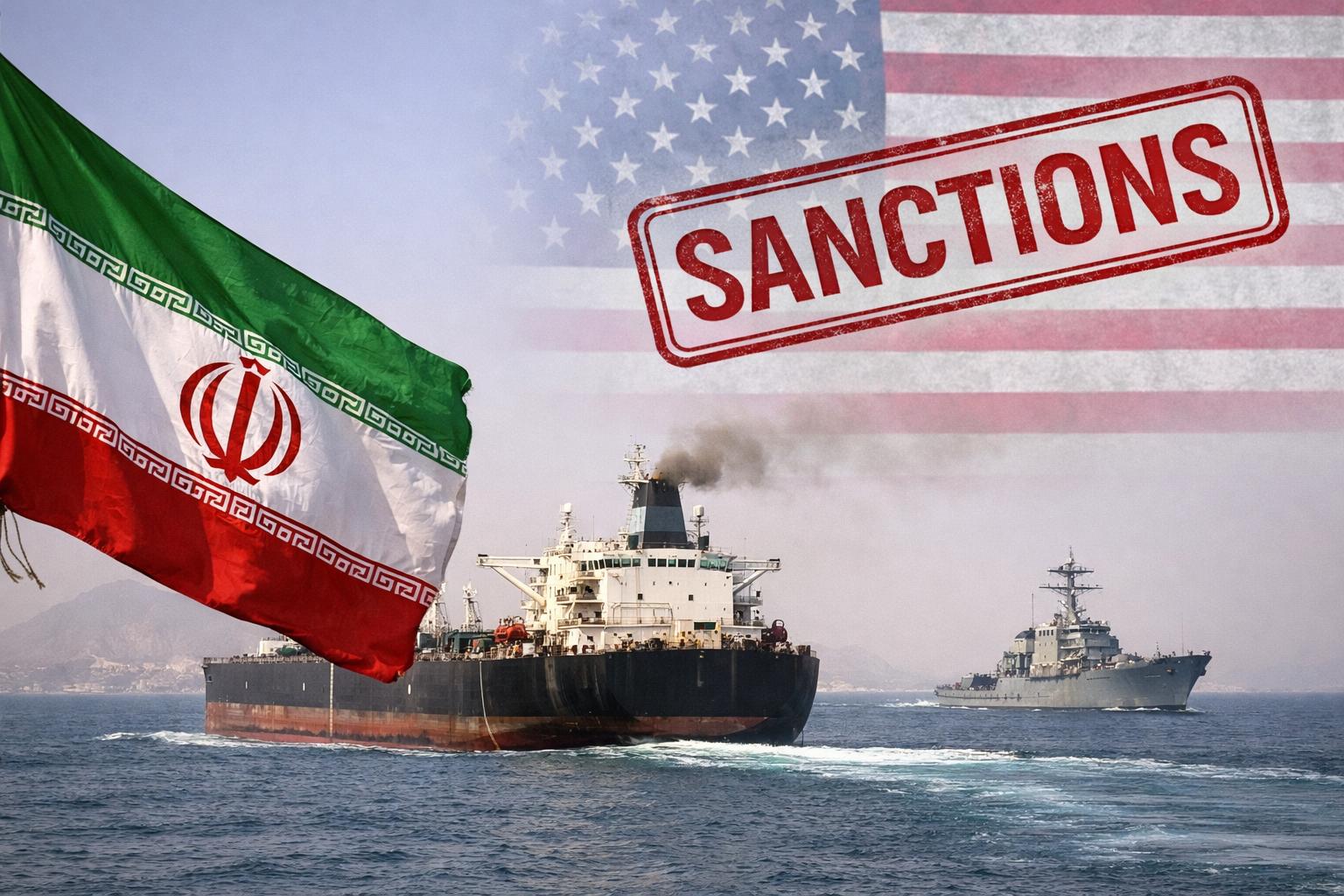
The United States announced a new round of sanctions on Friday targeting Iran’s oil and petrochemical trade, hours after indirect diplomatic talks between Tehran and Washington concluded in Oman, underscoring the fragile balance between pressure and engagement as both sides attempt to manage tensions surrounding Iran’s nuclear programme.
The measures, unveiled by the US State Department, apply to 15 entities and 14 vessels that officials say are linked to Iran’s so-called shad
The United States announced a new round of sanctions on Friday targeting Iran’s oil and petrochemical trade, hours after indirect diplomatic talks between Tehran and Washington concluded in Oman, underscoring the fragile balance between pressure and engagement as both sides attempt to manage tensions surrounding Iran’s nuclear programme.
The measures, unveiled by the US State Department, apply to 15 entities and 14 vessels that officials say are linked to Iran’s so-called shad
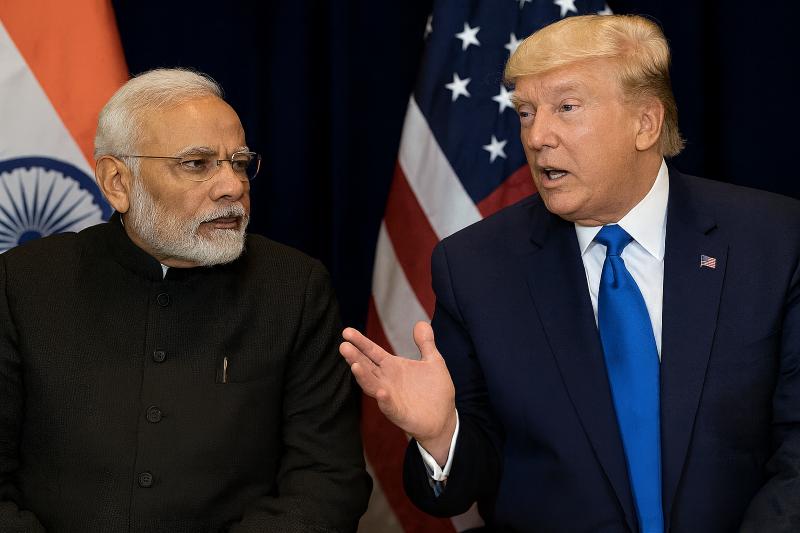
India is once again at the center of global diplomatic attention after former U.S. President Donald Trump claimed that Prime Minister Narendra Modi had agreed to halt Russian oil imports. The Indian government swiftly denied the statement, emphasizing that its energy decisions are made independently and based solely on national interest. This move highlights New Delhi’s determination to maintain strategic autonomy amid increasing international pressure.
Over the past two years
India is once again at the center of global diplomatic attention after former U.S. President Donald Trump claimed that Prime Minister Narendra Modi had agreed to halt Russian oil imports. The Indian government swiftly denied the statement, emphasizing that its energy decisions are made independently and based solely on national interest. This move highlights New Delhi’s determination to maintain strategic autonomy amid increasing international pressure.
Over the past two years
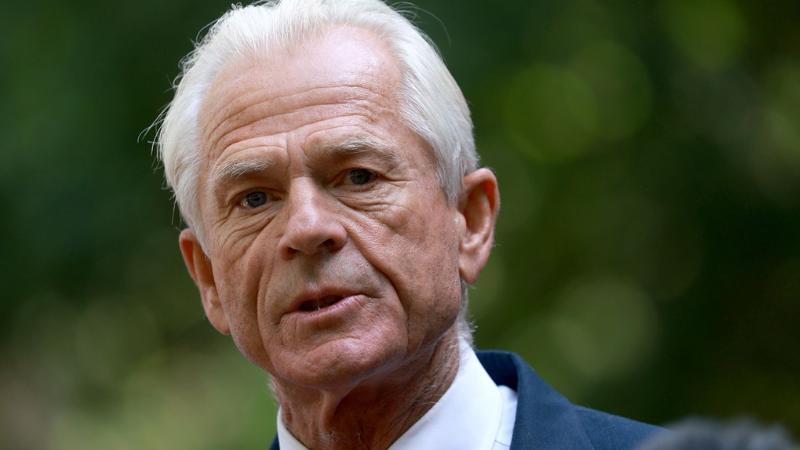
Peter Navarro, a senior White House trade adviser known for his protectionist stance on global trade, has once again turned his attention toward India, this time accusing New Delhi of running what he describes as a profiteering scheme through its purchase of discounted oil from Russia. His remarks have reignited debate over the geopolitical and economic implications of India’s energy policies since the outbreak of the Ukraine war.
Peter Navarro, a senior White House trade adviser known for his protectionist stance on global trade, has once again turned his attention toward India, this time accusing New Delhi of running what he describes as a profiteering scheme through its purchase of discounted oil from Russia. His remarks have reignited debate over the geopolitical and economic implications of India’s energy policies since the outbreak of the Ukraine war.