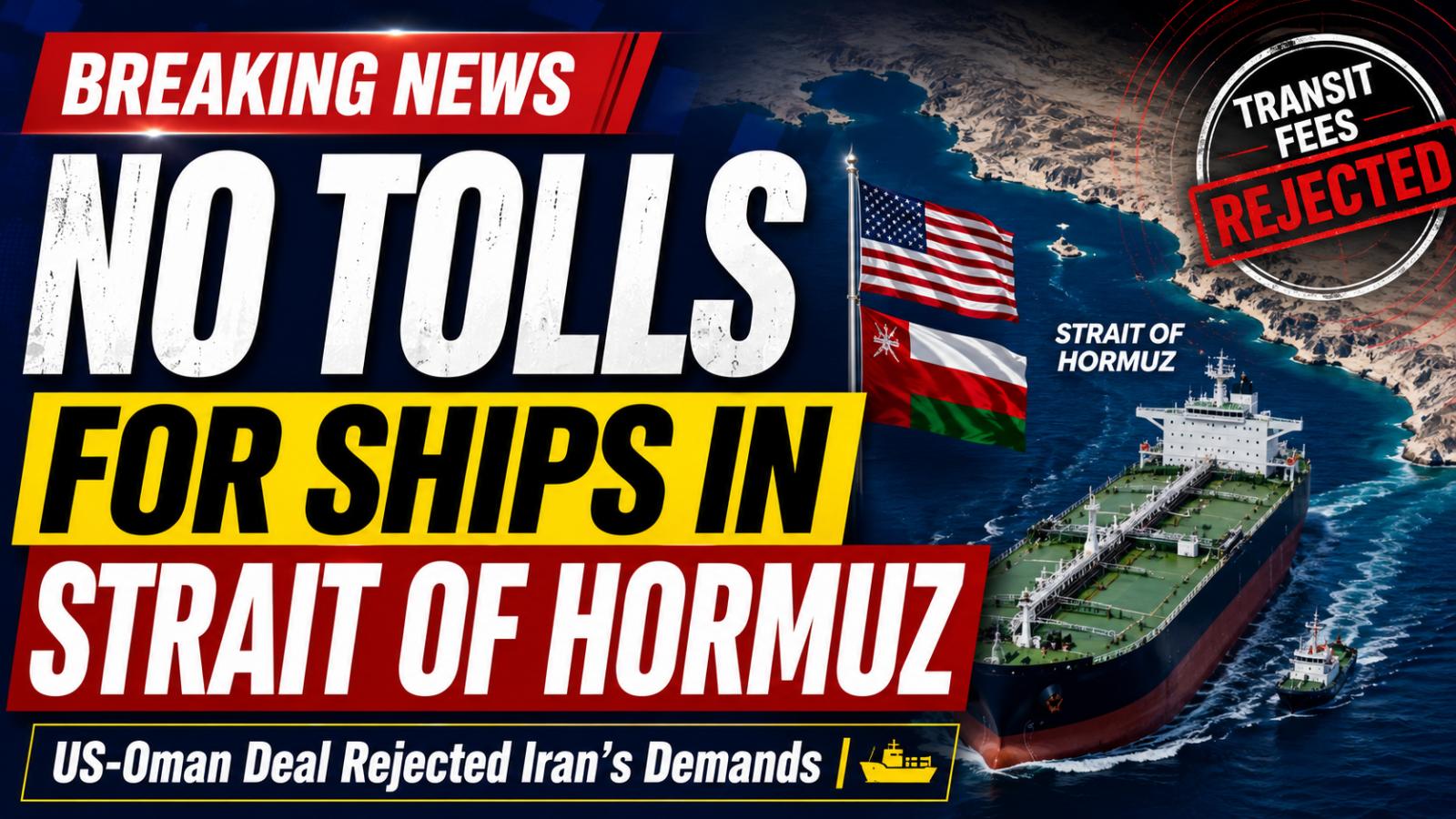
A proposed Strait of Hormuz shipping deal will not impose tolls or transit charges on commercial vessels, according to a US official familiar with negotiations involving Washington, Iran and Oman. The discussions seek to protect ship transit and restore confidence in the strategic waterway after conflict-related disruptions.
Strait of Hormuz Shipping Deal Excludes Tolls
Commercial ships passing through the Strait of Hormuz will not be required to pay tolls or other transit fees under the coordination arrangement currently being discussed, a US official has said. The statement rejects speculation that shipping companies could face charges in exchange for safe passage through the waterway.
The official said the proposals being considered contain no payment system for merchant vessels. This position is consistent with an earlier joint statement from the United States and Gulf Cooperation Council ministers, who rejected tolls, fees or attempts by any country to assert control over the strait. The statement also welcomed Oman’s role in supporting a temporary maritime corridor for vessels using the route.
Oman Mediates US-Iran Maritime Talks
Oman has played a central role in coordinating discussions over navigation and maritime security in the Strait of Hormuz. Muscat has often acted as an intermediary between Washington and Tehran, particularly when direct diplomatic communication has become difficult.
According to the US official, Iran presented several conditions that Washington considered unreasonable. The official said both the United States and Oman rejected those demands, although no details were released about their exact nature. Iran had not publicly responded to the claim at the time of reporting.
The lack of detail matters. Without a published agreement or statement from all parties, the discussions should be treated as ongoing negotiations rather than a completed shipping arrangement. The current public position is that commercial transit should remain open without tolls, but operational rules and security guarantees may still be under discussion.
Hormuz Security Remains Vital for Global Trade
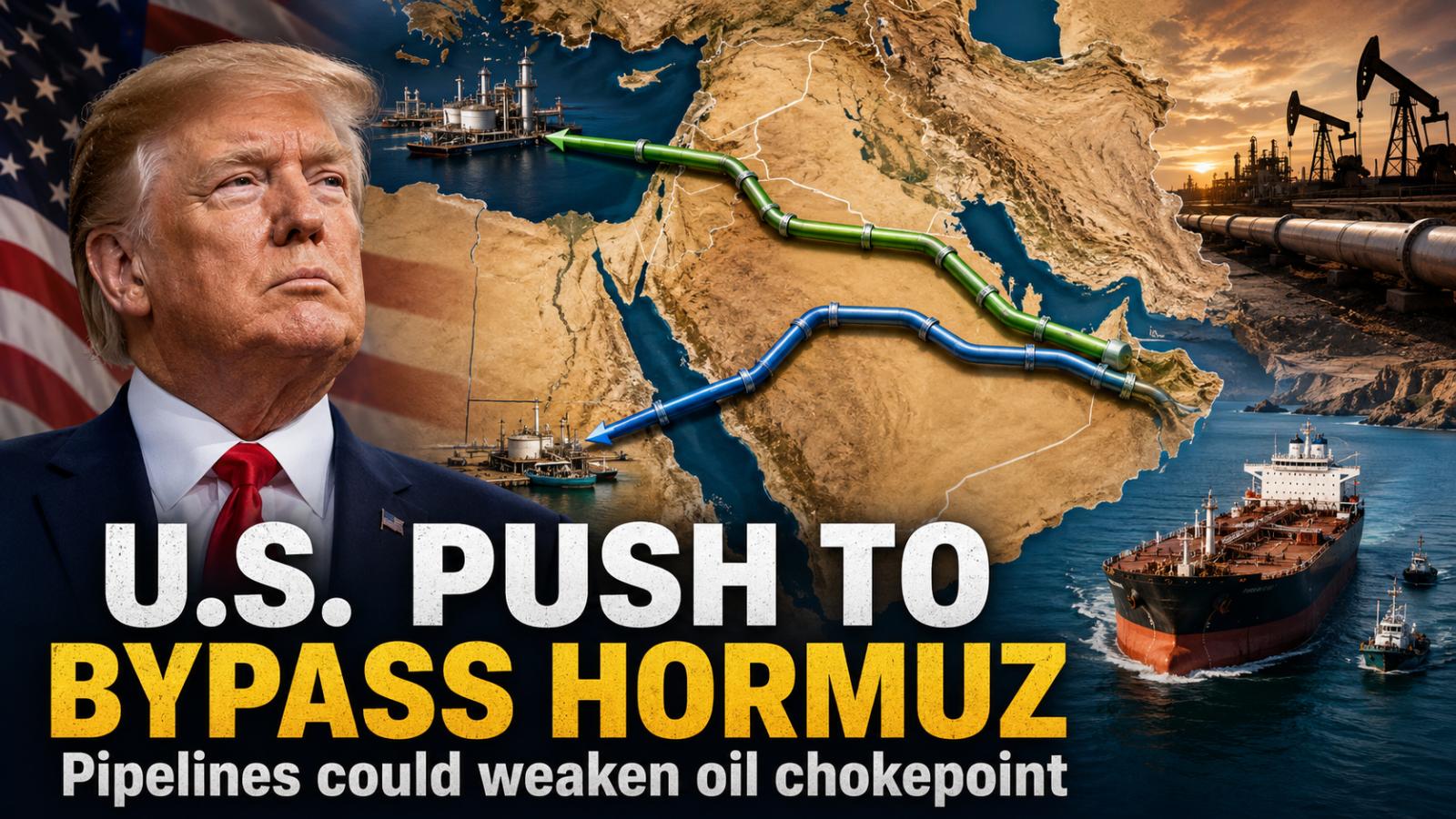
The Strait of Hormuz is a critical maritime route connecting the Persian Gulf with the Gulf of Oman and international shipping lanes. Any disruption can affect tanker movements, insurance costs, delivery schedules and energy-market confidence far beyond the region.
US officials have repeatedly said the waterway must remain open to international navigation. Secretary of State Marco Rubio previously stated that the strait does not belong exclusively to Iran and rejected efforts to close it, impose control or threaten vessels.
CENTCOM has also highlighted the continued movement of commercial vessels through the open strait while maintaining US military operations aimed at protecting navigation and regional maritime stability.
Iran Conflict Adds Pressure to Negotiations
The shipping discussions come amid renewed military tension involving Iran and the United States. The conflict has increased concerns about attacks on vessels, restrictions on navigation and possible retaliation near major Gulf shipping routes.
CENTCOM’s official website reported continuing US strikes against Iranian military targets in late July, showing that the security environment remained unstable even as diplomatic contacts continued.
The negotiations therefore carry significance beyond the question of fees. A workable arrangement could reduce uncertainty for commercial shipping, discourage unilateral restrictions and give Oman a larger diplomatic role in preventing further escalation.
For internal linking, this report should connect to your Global News, Middle East, International Relations and Business or Energy categories. Relevant previous articles on Iran-US tensions, IRGC missile attacks, oil-price movements and Strait of Hormuz security would also strengthen topical authority.