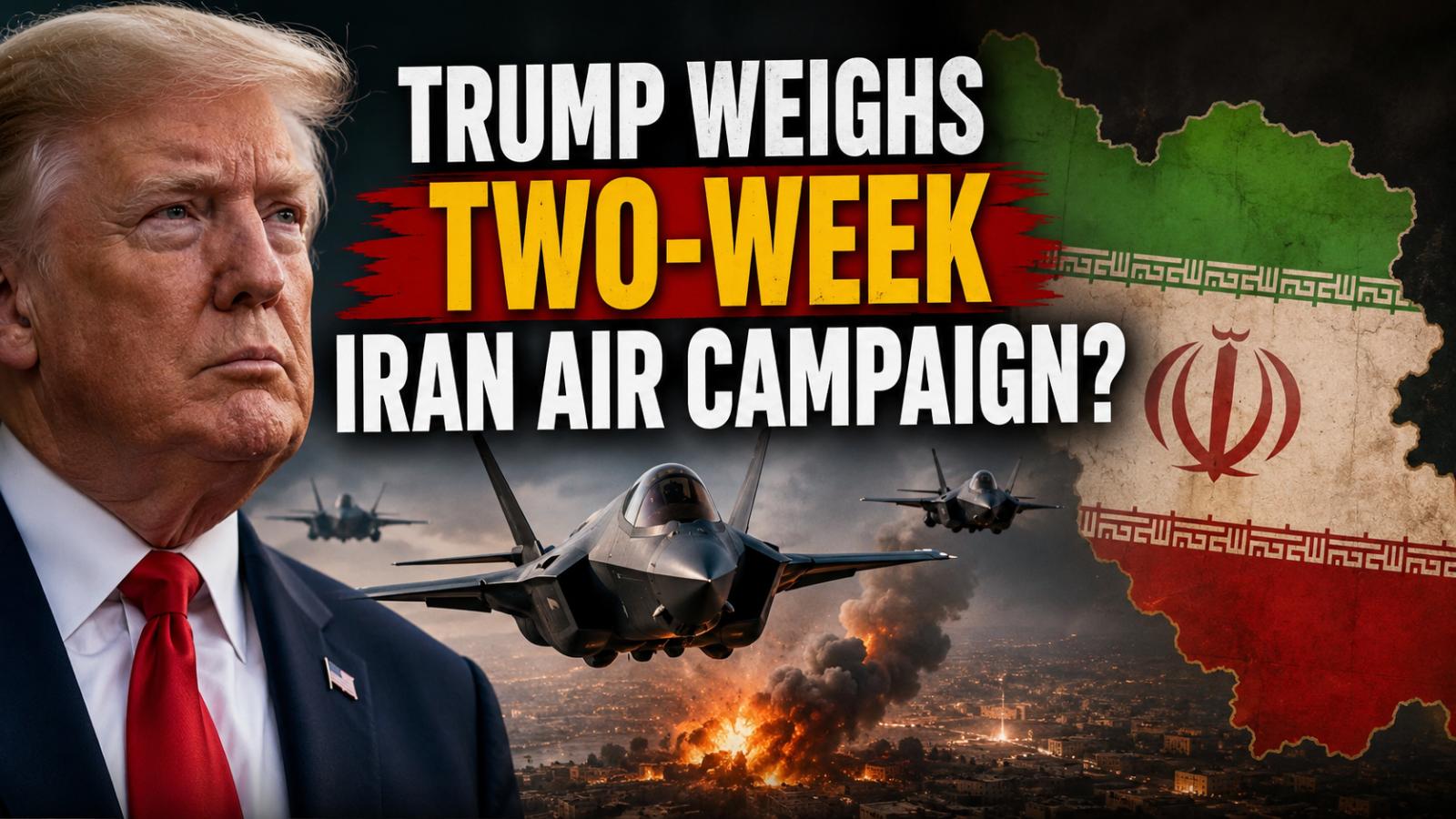
US President Donald Trump is considering a renewed Trump Iran air war as military officials prepare options for a potentially intensive two-week operation. The reported US air plan would focus on Iran’s missile capabilities, although Trump has not announced a final decision.
US air plan
The Wall Street Journal reported that US military planners have developed a two-week air campaign intended to weaken Iran’s ability to produce, store and launch missiles. The proposal would represent a wider and more sustained operation than the limited retaliatory strikes conducted during earlier stages of the confrontation.
People familiar with the discussions told the newspaper that Trump is examining several military choices. One option involves a concentrated campaign against a broader range of Iranian missile facilities. Another would limit the scale of US action and leave greater room for negotiations with Tehran.
The president has not publicly approved the reported campaign. The absence of a final decision remains important because planning by the Pentagon does not automatically mean that military action will take place.
CENTCOM
Admiral Brad Cooper, the commander of US Central Command, reportedly developed the more intensive proposal. CENTCOM oversees American military activity across West Asia and has already directed US operations involving Iran, regional missile defence and maritime security.
According to the report, Cooper believes sustained strikes could severely reduce Iran’s offensive missile capacity and ease pressure on US defensive systems. However, senior officials are also considering the strain that an expanded campaign could place on American interceptor supplies and military resources needed in other regions.
Official CENTCOM material confirms that Cooper currently leads the command and has overseen recent US operations involving Iran. However, CENTCOM has not publicly released the reported two-week proposal.
Iran arms
Iran’s missile infrastructure remains central to Washington’s calculations. Previous US and allied strikes damaged launchers, storage areas and production facilities, but assessments cited in recent reporting suggest that Tehran still retains missiles and can rebuild parts of its military network.
Iran has also continued launching missiles and drones despite months of military pressure. That resilience has raised questions about whether air power alone can permanently remove the threat or merely delay Iran’s ability to restore its arsenal.
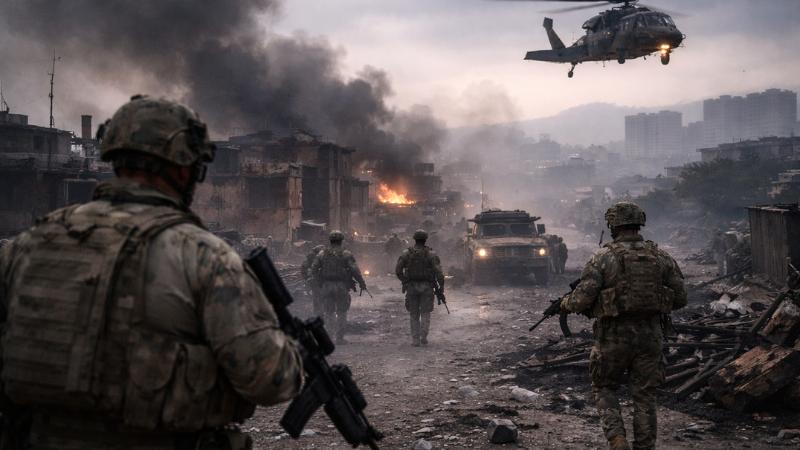
A wider campaign could target launch systems, underground facilities, command centres and manufacturing sites. Such an operation would also carry substantial risks, including retaliation against US forces, Gulf partners, energy facilities and commercial shipping routes.
Trump call
The final Trump call will determine whether Washington chooses a major escalation or a narrower response. The president has recently promised strong retaliation following Iranian attacks, but he has also paused military action at different stages to allow diplomatic efforts to continue.
The White House and Pentagon had not publicly confirmed the specific two-week plan when the report emerged. Any article describing the proposal should therefore present it as a reported option under consideration, not as an approved military operation.
Iran talks
Iran talks remain a possible alternative even as military preparations continue. Washington and Tehran remain divided over Iran’s nuclear programme, missile forces, regional activities and support for armed groups.
A limited US response could preserve space for intermediaries to pursue negotiations. A prolonged air campaign, however, could trigger another cycle of Iranian retaliation and American strikes, increasing the danger of a wider regional conflict.
Trump now faces a difficult choice: attempt to reduce Iran’s missile threat through sustained military force or pursue a more restrained response that keeps diplomacy alive. The Pentagon can prepare options, but the political and strategic consequences will depend on the decision made by the White House.


 Joyful
0%
Joyful
0%
 Cool
0%
Cool
0%
 Thrilled
0%
Thrilled
0%
 Upset
0%
Upset
0%
 Unhappy
0%
Unhappy
0%