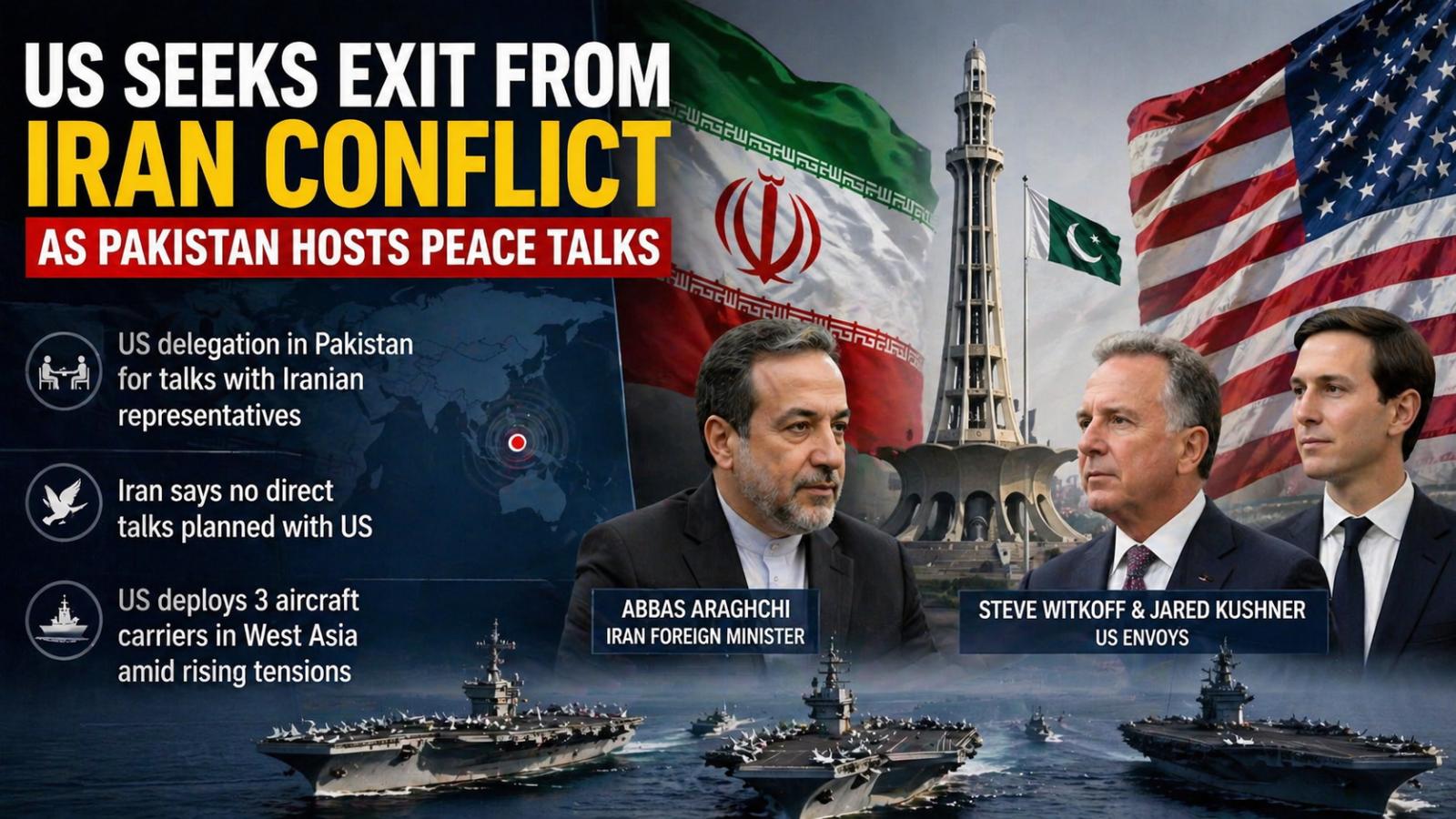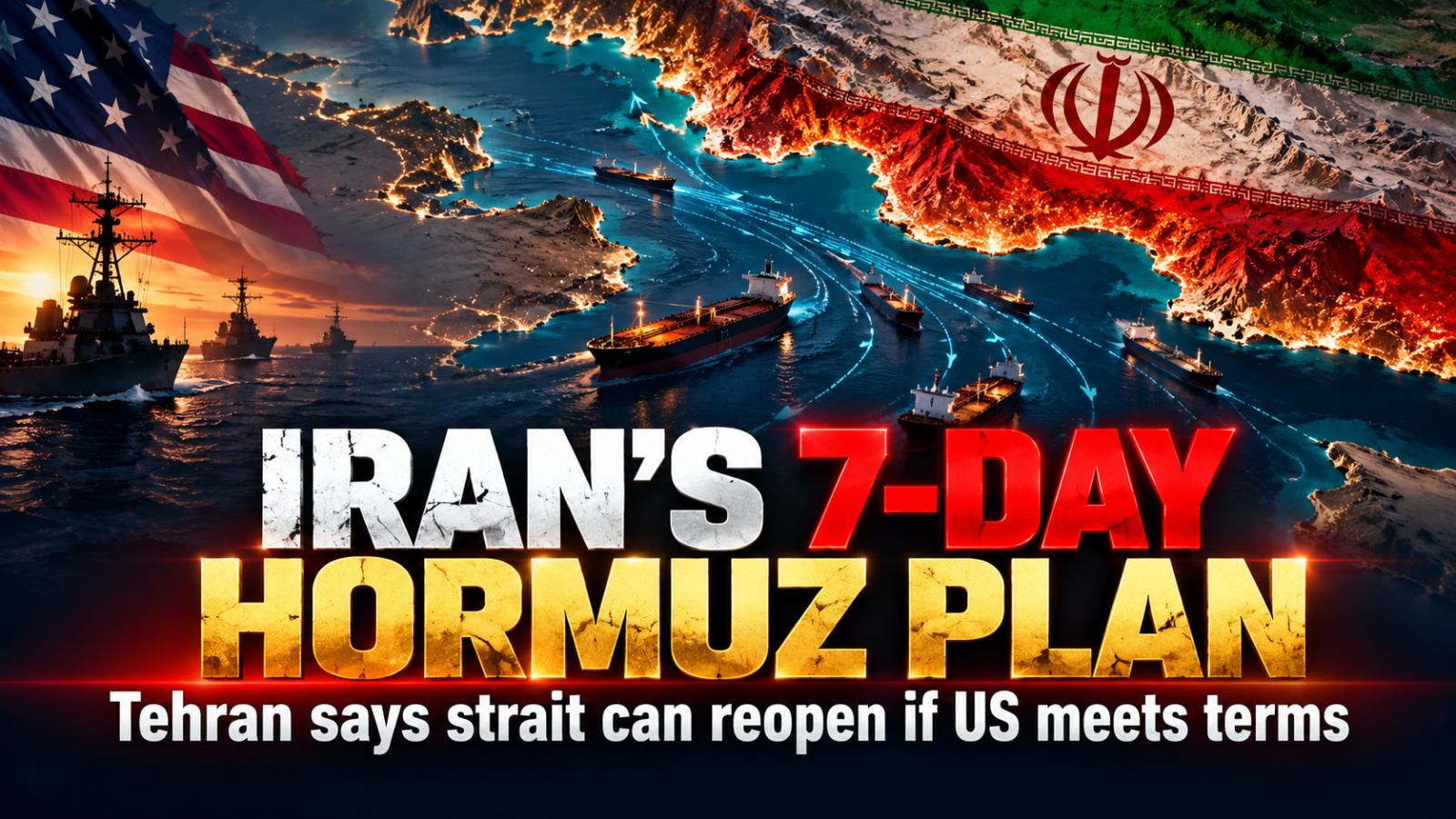
Iran seven-day Hormuz plan ties reopening to US conditions as Tehran signals that a diplomatic route remains available. Foreign Minister Abbas Araghchi says the proposal could reopen the Strait of Hormuz on the sixth day and restart US-Iran negotiations on the seventh if Washington meets Iran’s conditions.
Iran Hormuz reopening timeline
Iranian Foreign Minister Abbas Araghchi said Tehran’s seven-day proposal remains under consideration and has already been conveyed to the United States through Qatar.
Speaking at an Organisation of Islamic Cooperation meeting, Araghchi said the Strait of Hormuz could reopen on the sixth day of an agreed process, followed by renewed negotiations on the seventh. He added that Tehran is reviewing Washington’s response to the proposal.
Iran maintains that it is prepared for dialogue but will not negotiate under threats or coercion. Tehran has also said safe navigation through the strait remains in its interests because the waterway is critical to both regional commerce and global energy markets.
US-Iran negotiations
Both Washington and Tehran have publicly said they want a negotiated outcome, but they remain divided over the conditions needed to restart formal talks.
Iran argues that any agreement must include credible guarantees and an end to actions it views as military and economic pressure. The United States, meanwhile, has demanded the full reopening of the Strait of Hormuz and continues to insist that Iran must not develop a nuclear weapon.
Qatar has played an intermediary role by passing proposals between the two governments as direct trust remains limited.
Oil sanctions waiver demand
One of Tehran’s central demands involves relief from US oil sanctions. Iran says Washington should waive restrictions affecting its energy exports as part of any arrangement to restore normal shipping through Hormuz.
The issue has major international consequences because the strait is one of the world’s most important energy corridors. Prolonged disruption can raise shipping costs, insurance premiums and global oil prices even before physical shortages emerge.
Washington must therefore weigh pressure on Iran against the economic impact of keeping a major energy route under strain.
Lebanon ceasefire condition
Iran has also linked a broader settlement to an end to hostilities across the region, including Lebanon. Deputy Foreign Minister Saeed Khatibzadeh said lasting peace requires fighting to stop on multiple fronts rather than treating the Hormuz dispute in isolation.
Tehran argues that the current crisis is connected to the wider Middle East conflict and says regional stability cannot be achieved through pressure on Iran alone.
The United States has not accepted Iran’s full set of conditions, leaving significant gaps between the two sides despite continued diplomatic contacts.
Trump Iran war comments
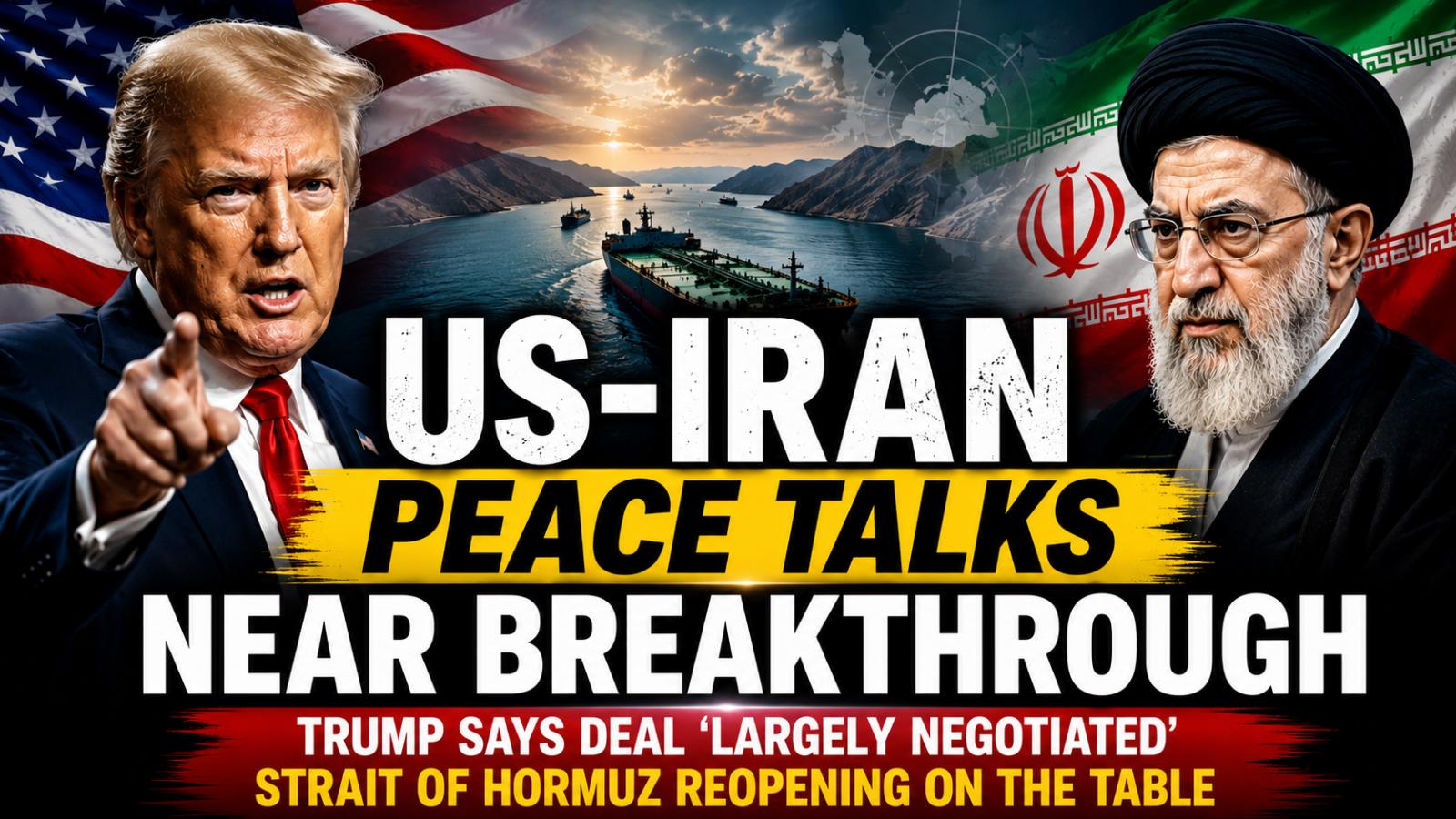
President Donald Trump said at a Kentucky rally that he believes the conflict with Iran could end quickly. He linked an end to hostilities with lower energy prices for American consumers and again said Iran would not be allowed to obtain a nuclear weapon.
Trump’s remarks underline the economic stakes surrounding the Strait of Hormuz. Any reopening could ease pressure on oil markets and shipping, while continued confrontation risks higher energy costs and further regional instability.
For now, Iran’s seven-day proposal remains an offer rather than an agreement. The next step depends on whether Washington and Tehran can narrow their differences over sanctions, military activity, regional ceasefires and nuclear guarantees.