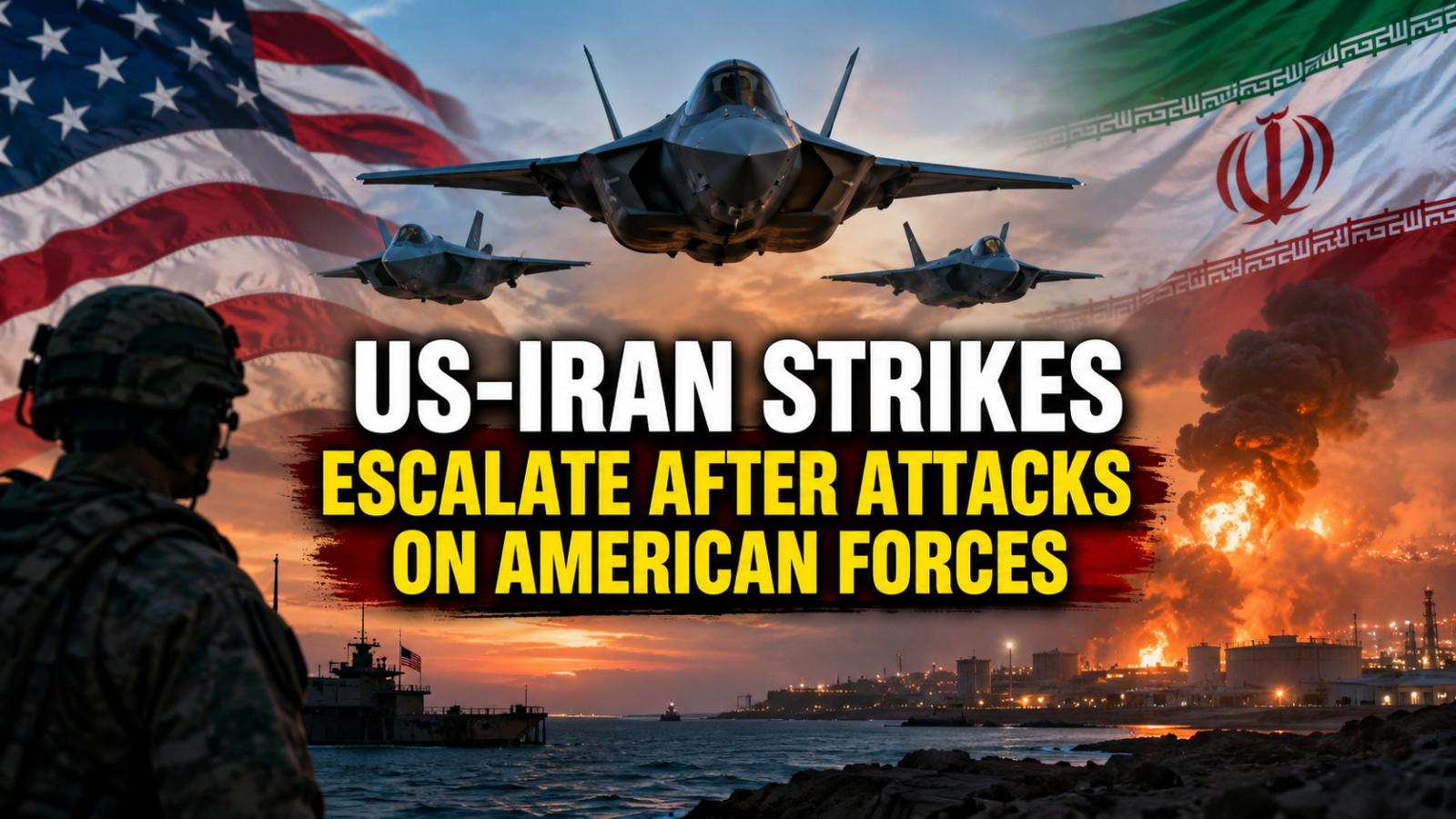
The United States launched a fresh round of strikes against Iran on Wednesday, July 29, following reported Iranian attacks targeting American military personnel in the Middle East. The latest US-Iran strikes mark the first acknowledged American attacks on Iranian territory in nearly a week and signal another dangerous escalation in the regional conflict.
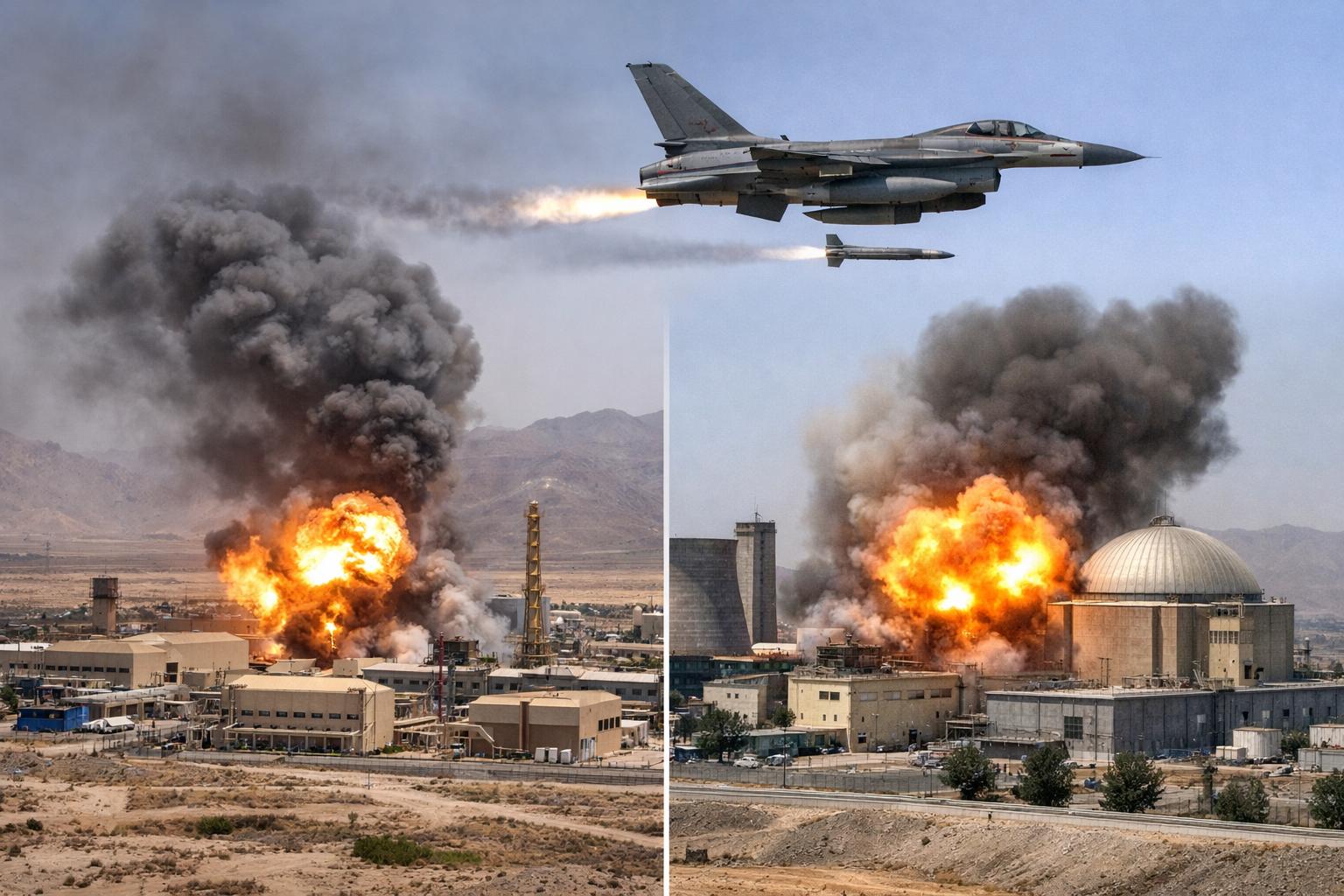
According to a statement attributed to US Central Command, the military operation began at approximately 8 p.m. Eastern Time. CENTCOM described the action as a response to attempted Iranian attacks on US forces stationed across the Middle East. Reports of new strikes in Iran also appeared on social media during the operation, although complete details about the targets and damage were not immediately available.
Iran response follows attacks on US forces
The military action came hours after President Donald Trump promised a forceful response to reported Iranian attacks on American bases in Jordan. US officials have repeatedly said that Washington will act to protect its troops and military installations from direct attacks.
CENTCOM has conducted several rounds of operations involving Iran and Iran-aligned forces during the wider confrontation. The command has said its objective is to reduce threats against US personnel, regional partners and important military facilities. Earlier CENTCOM statements have also described sustained operations intended to weaken Iran’s ability to project military power across the region.
However, neither Washington nor Tehran had provided a complete public assessment of casualties, infrastructure damage or the weapons used in the latest operation at the time of reporting.
Qeshm attack reported near strategic island
Iranian authorities reported an attack near Qeshm Island early Thursday. Ahmad Nafisi, deputy governor of Hormozgan province, was quoted by Iranian media as saying that an area near Qeshm had been struck at around 4 a.m. local time.
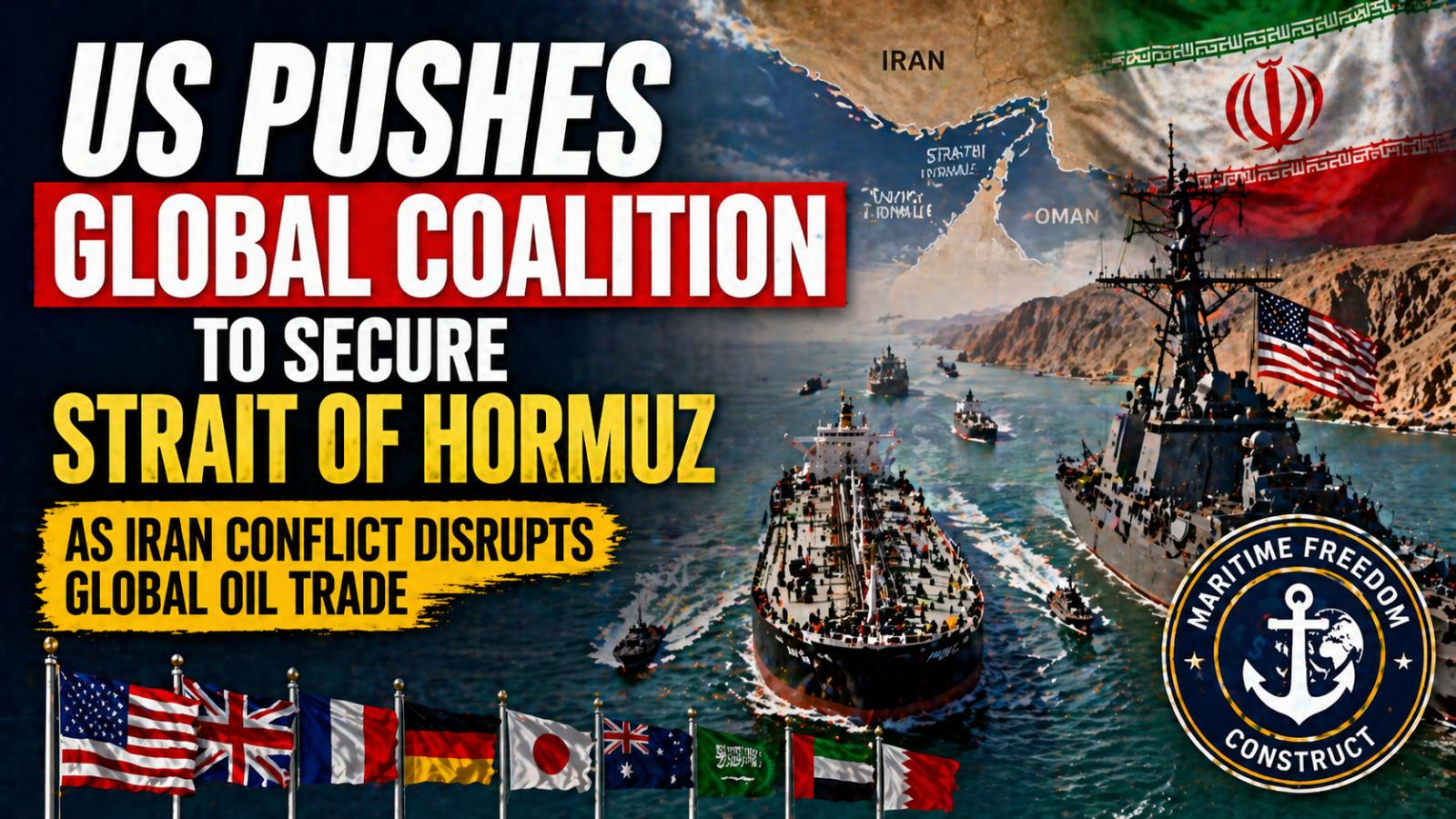
Qeshm Island sits beside the Strait of Hormuz, one of the world’s most strategically important oil-shipping routes. Its location gives it military and economic significance because vessels carrying energy supplies from Gulf producers regularly pass through the narrow waterway.
Any prolonged fighting around Qeshm or the Strait of Hormuz could raise concerns about shipping safety, insurance costs and global energy supplies. The reported attack does not by itself indicate that commercial traffic has been disrupted, and shipping operators will be watching official maritime notices closely.
Abadan attack raises oil infrastructure concerns
Iranian media also reported missile attacks around Abadan in Khuzestan province. Regional officials did not immediately clarify whether the reported strikes hit military positions, energy infrastructure or surrounding areas.
Abadan is closely associated with Iran’s petroleum industry and contains major refining infrastructure. Its proximity to Iraq and the northern Gulf also makes the region strategically important during periods of military tension.
There was no immediate verified evidence that Abadan’s refinery operations had been affected. Claims about damage, casualties or disruptions should therefore be treated cautiously until Iranian authorities, US officials or independent monitoring organisations provide further information.
Hormuz risk grows as conflict escalates
The renewed US-Iran strikes increase the risk that the confrontation could spread across the Gulf and affect military bases, ports, oil facilities or shipping lanes. Both countries have framed their recent actions as retaliation, creating a cycle in which each strike could trigger a stronger response.
The immediate focus will be on whether Iran launches another attack, whether the United States expands its target list and whether diplomatic channels can prevent further escalation. Until official damage assessments emerge, the full military and economic impact of the Qeshm attack and reported Abadan attack remains unclear.