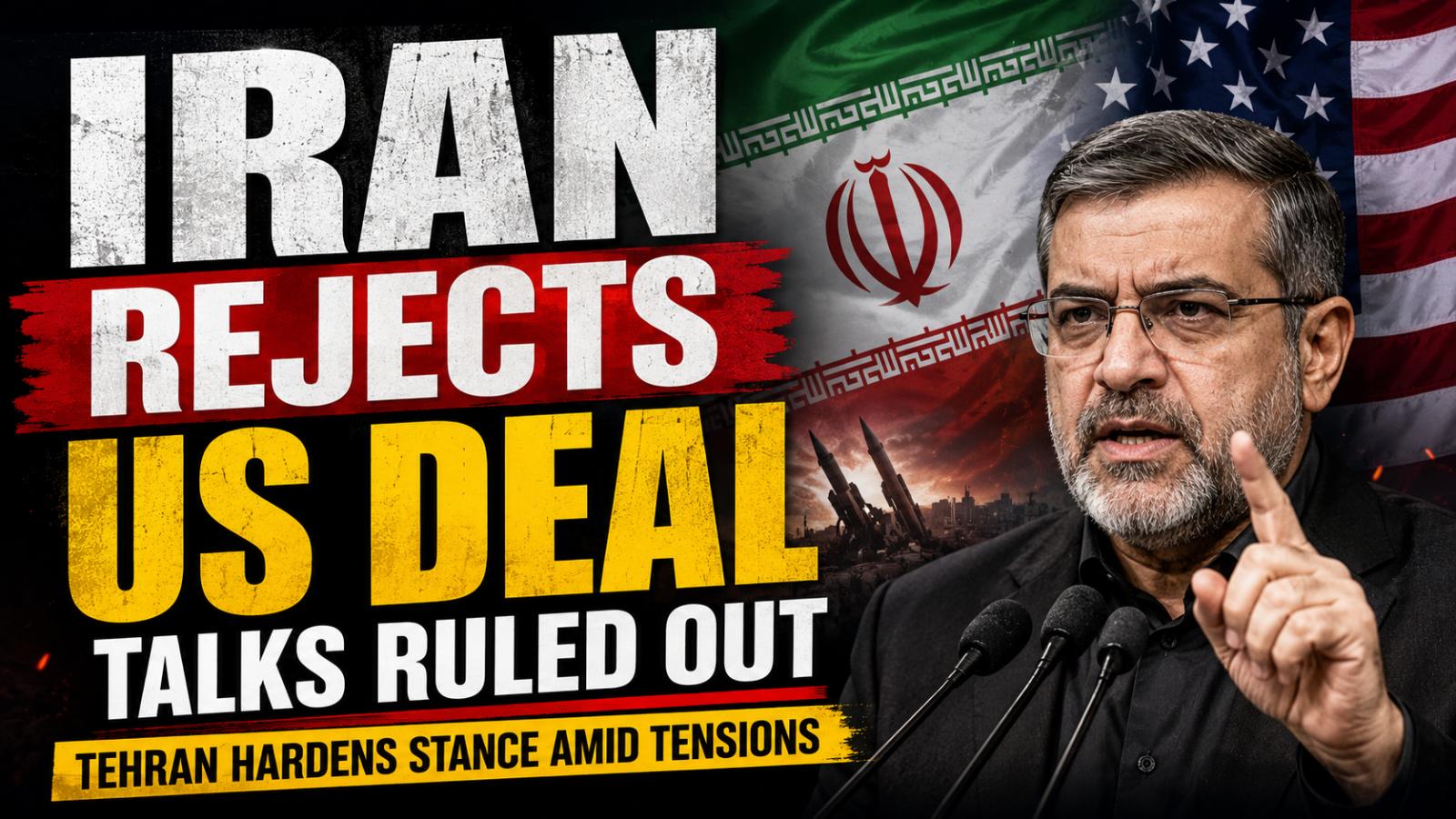
Iran rejects US deal as senior lawmaker Hamidreza Haji Babaei says Tehran will not allow Washington to decide when regional wars begin or end. His comments deepen doubts about Iran-US talks as military tensions, nuclear disputes and competing ceasefire demands continue.
Iran rejects US deal
Iran’s Deputy Parliament Speaker Hamidreza Haji Babaei has ruled out an agreement with the United States, reinforcing Tehran’s hardline public position amid continuing military and diplomatic tensions.
“The Islamic Republic will never make a deal with the United States,” Haji Babaei said on Monday, July 27, according to reports citing Iranian media. He argued that Iran must resist pressure from Washington and prevent the United States from controlling the direction of regional conflicts.
Haji Babaei was recently re-elected as the second deputy speaker of Iran’s parliament. His position gives his remarks political weight, although they do not amount to a formal announcement by Iran’s president, foreign ministry or national security authorities.
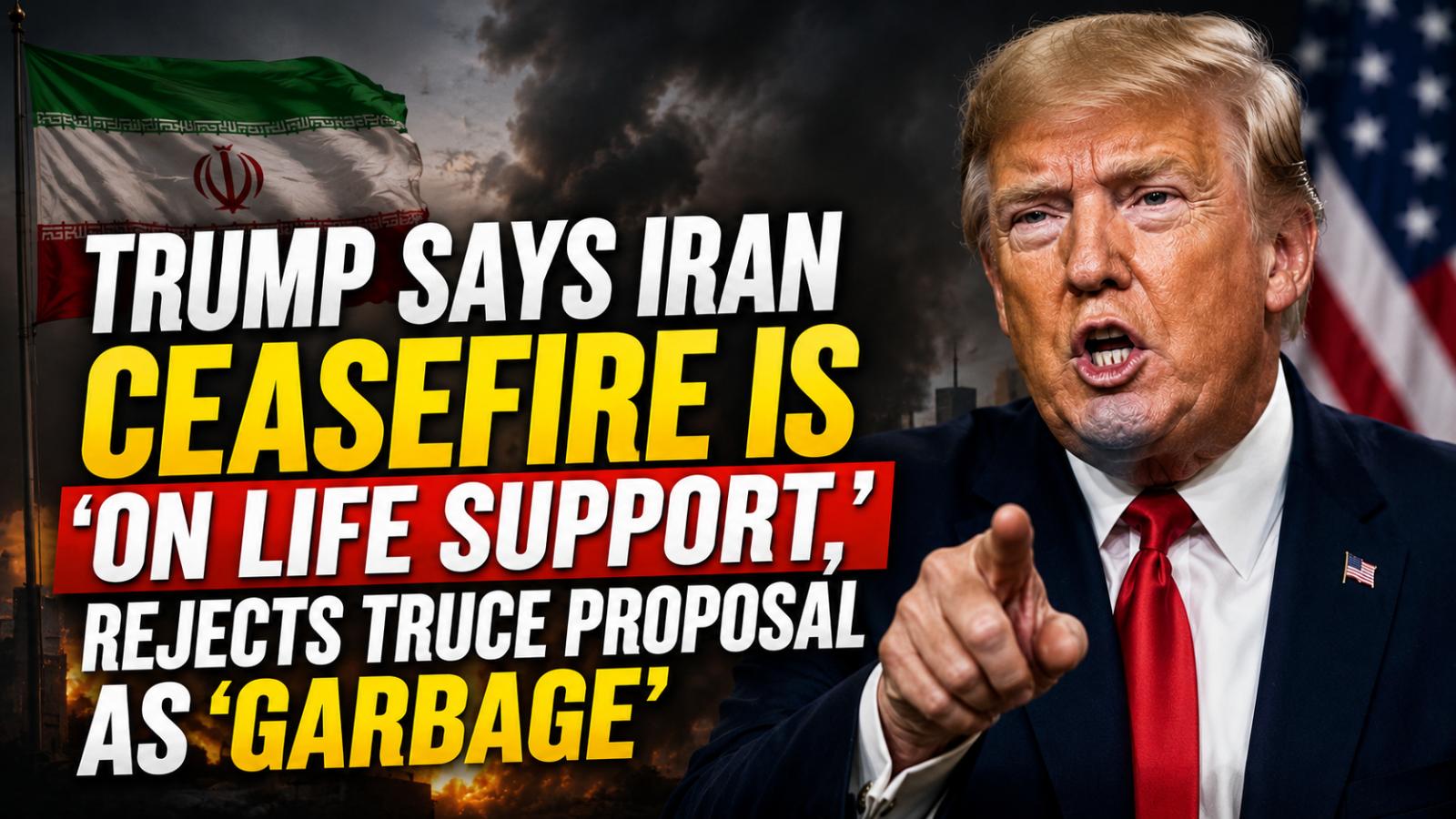
US ceasefire policy draws criticism
The Iranian lawmaker focused much of his criticism on Washington’s ability to launch military action and later call for an end to hostilities on its own terms.
“We must not allow the United States to wage war whenever it wants and declare a ceasefire whenever it chooses,” he said, according to the same media reports. Haji Babaei added that Iran should stand firmly against US demands and prevent Washington from acting without consequences in the region.
His comments reflect a wider argument among Iranian hardliners that any pause in fighting must not give the United States control over the political outcome. Tehran has repeatedly accused Washington of using military and economic pressure to force changes in Iran’s nuclear, defence and regional policies.
Iran-US talks remain uncertain
The statement comes as prospects for renewed Iran-US talks remain unclear. Iranian officials have offered different signals in recent weeks, with some leaving space for negotiations while others have stressed that Tehran does not trust Washington.
Iranian Parliament Speaker Mohammad Bagher Ghalibaf has also said that Iran lacks confidence in the United States and linked any negotiations to Tehran’s readiness to defend itself. That position suggests parliament’s leadership remains deeply sceptical of diplomacy that takes place under military pressure.
Haji Babaei’s language appears more absolute, but Iran’s final foreign-policy decisions involve several institutions, including the presidency, foreign ministry, Supreme National Security Council and senior national leadership. His remarks therefore signal strong parliamentary opposition rather than conclusively ending every possible diplomatic channel.
Tehran stance raises regional risks
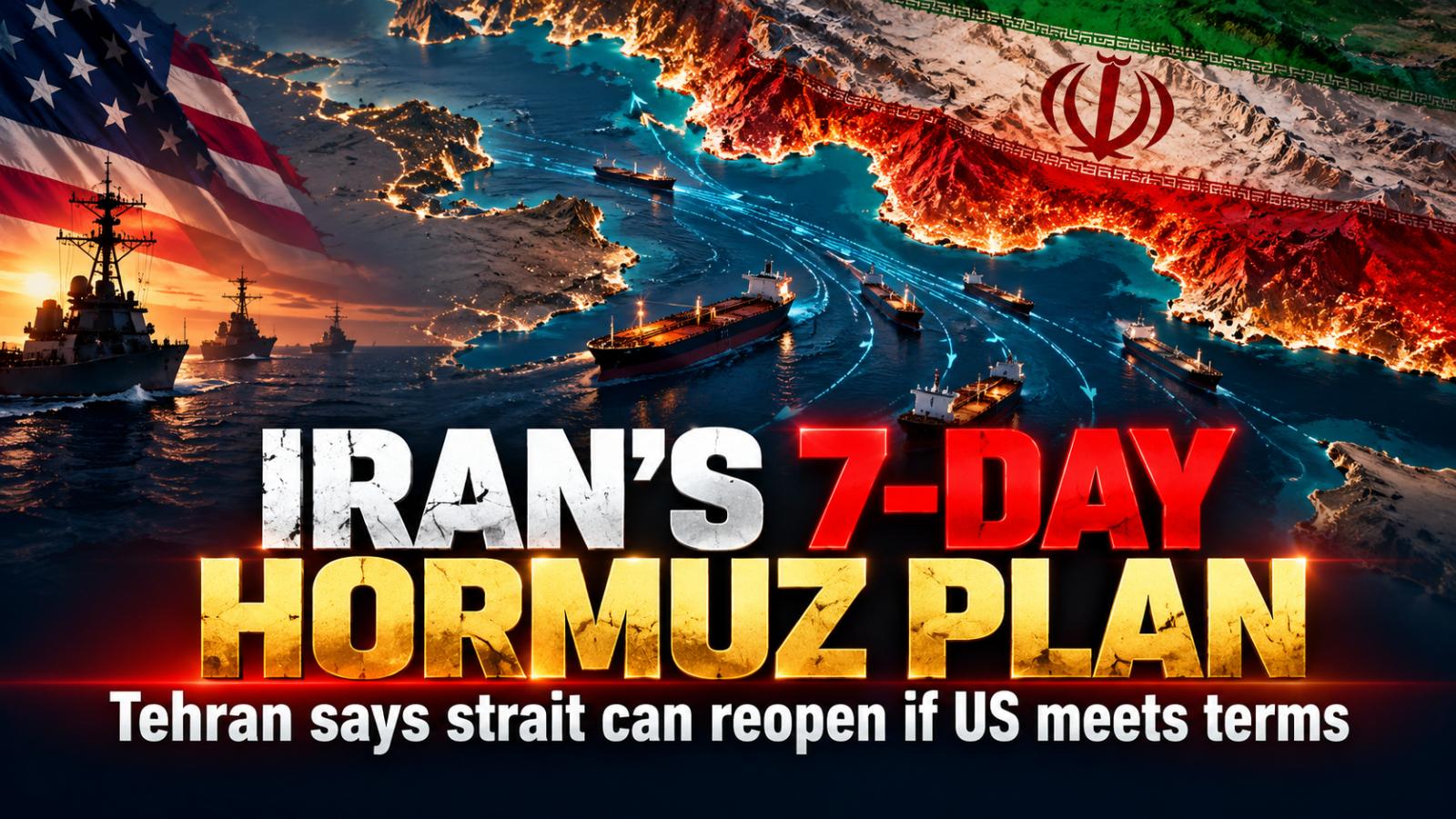
The tougher rhetoric comes during a period of heightened regional uncertainty. The United States continues to demand restrictions on Iran’s nuclear activities and changes to its regional conduct, while Iranian officials insist that the country will not surrender its security or enrichment rights under pressure.
A complete breakdown in diplomacy could increase the risk of further military action, additional sanctions and disruption to shipping and energy markets. It could also make a lasting ceasefire harder to negotiate if each side believes the other is using talks only to improve its strategic position.
Haji Babaei’s remarks underline how far apart the two governments remain. For now, Tehran’s public message is that Washington cannot start a conflict, dictate the conditions and then decide alone when the confrontation ends. Whether that position blocks all future engagement will depend on official decisions beyond parliament and on how the military and diplomatic situation develops.