Japan’s plastic bag shortage is showing how a disruption in crude oil supply can affect everyday items, from supermarket bags to food trays and gloves.
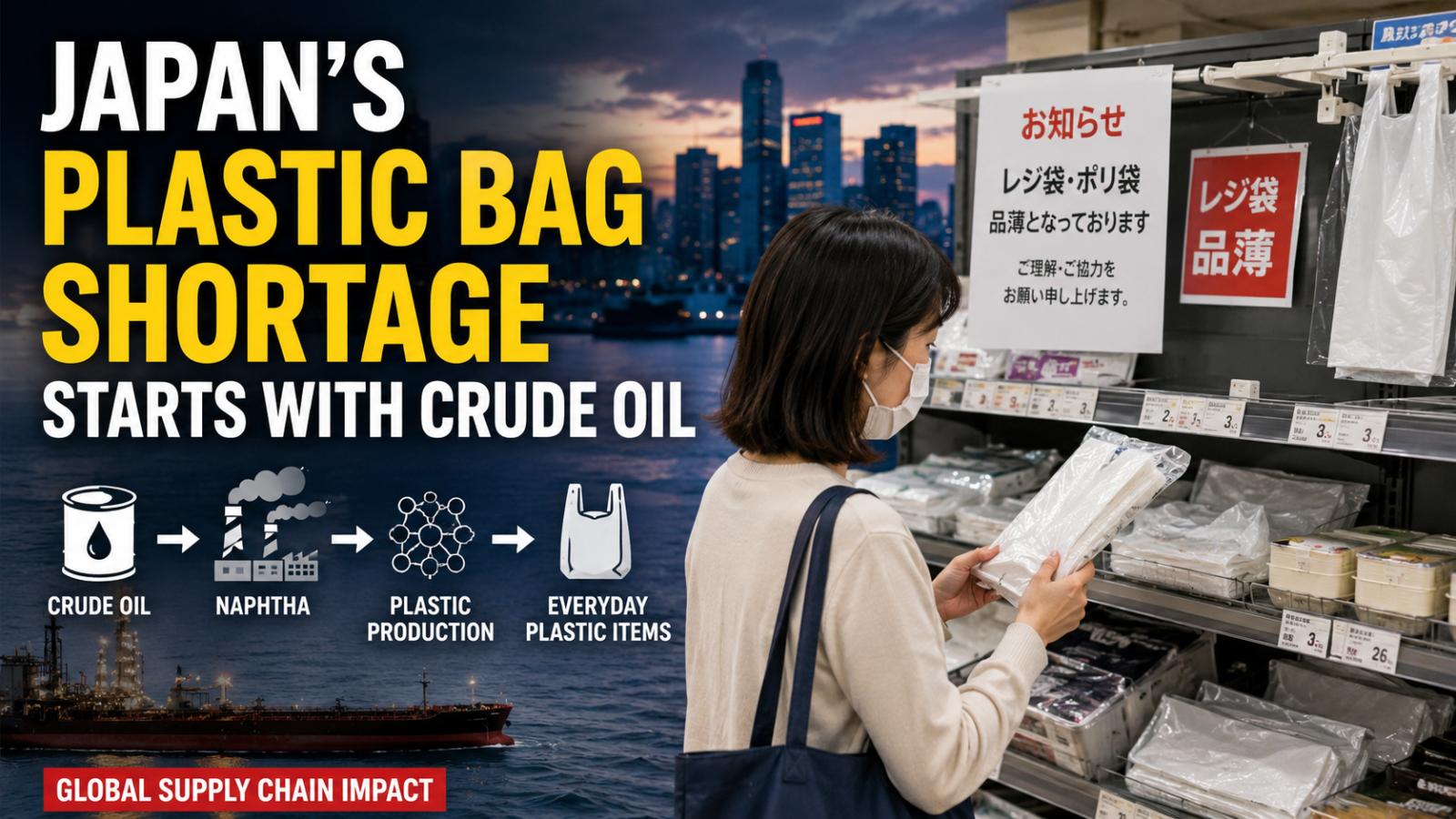
Reports published in early June 2026 say supermarkets, bakeries, takeaways and food businesses in Japan are facing shortages of plastic bags, trays, food-service gloves and packaging materials. The issue is not only about plastic. It begins with naphtha, a crude-oil-derived raw material used to make plastics, synthetic products, adhesives, printing ink and other daily-use goods.
Why Japan’s Plastic Bag Shortage Is Linked to Naphtha
Naphtha is a key petrochemical feedstock. When crude oil and petrochemical supply chains face pressure, production of plastic products can also be affected.
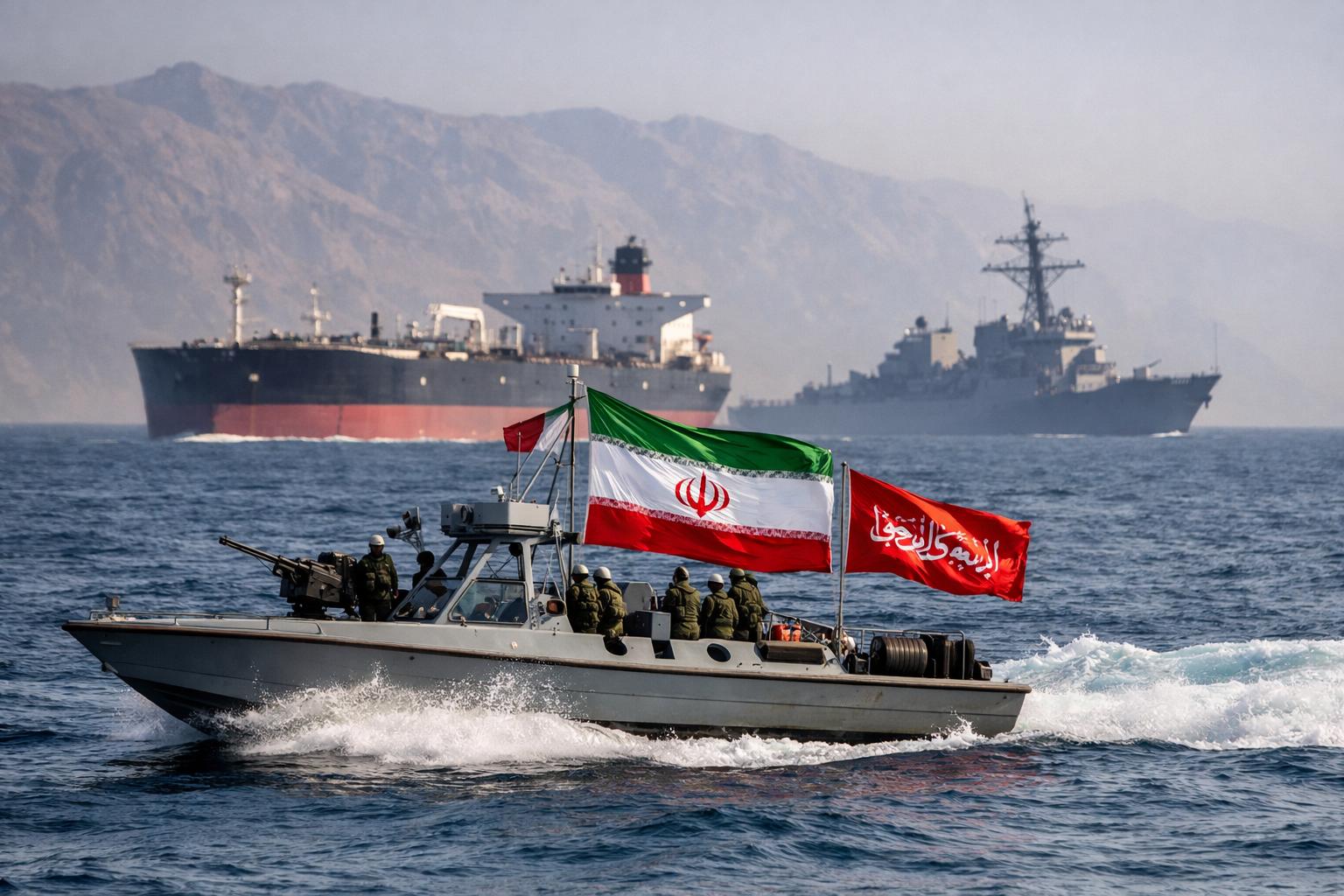
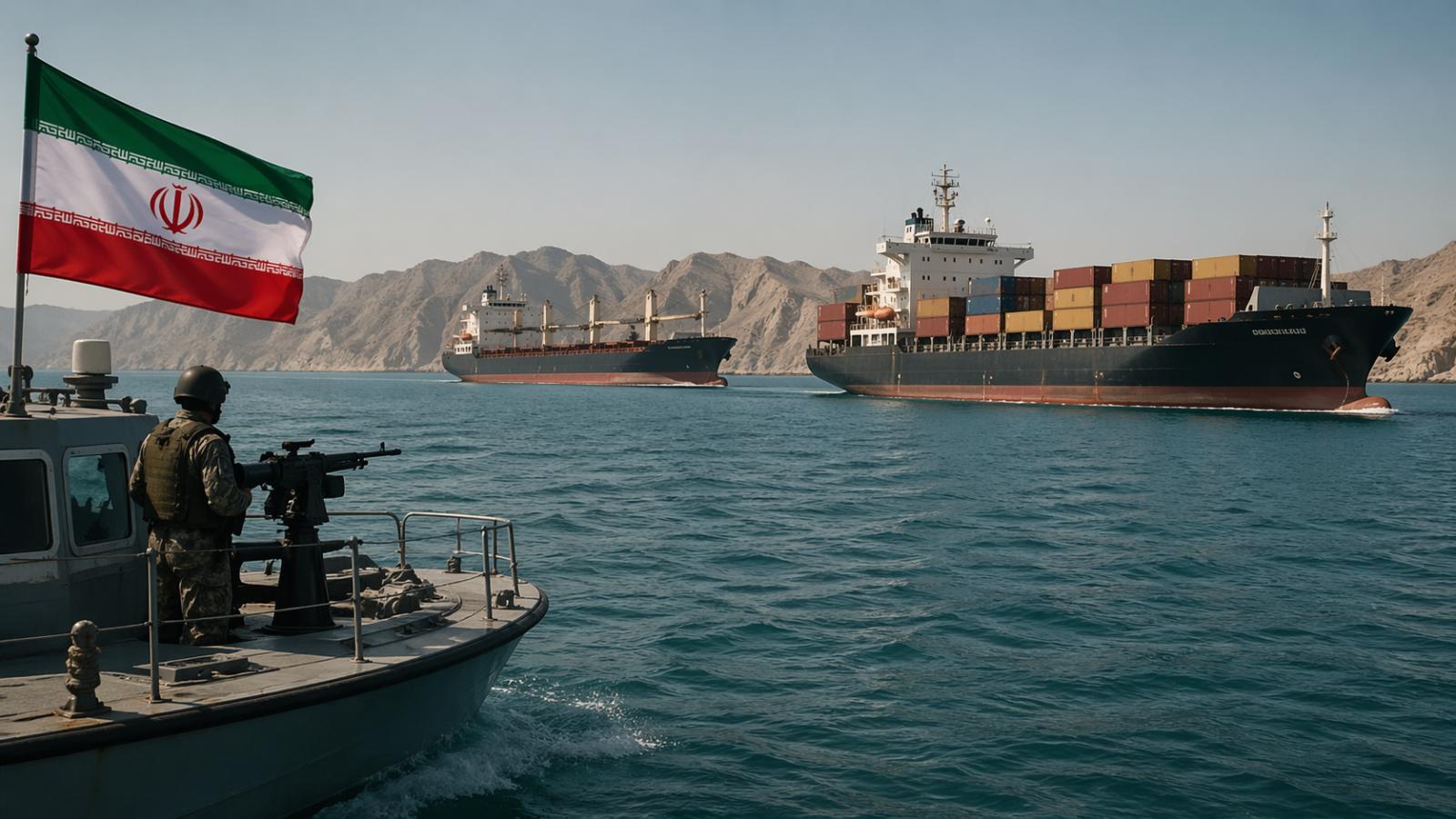
Japan depends heavily on imported crude oil, and the Middle East remains an important source for energy and petrochemical supplies. Recent disruption connected to the Iran conflict and pressure around key shipping routes has raised concern across Asian manufacturing and consumer supply chains.
According to recent reporting, production of polyethylene used in shopping bags and garbage bags dropped sharply in March 2026 compared with the previous year. That has added pressure on stores and local services that rely on plastic packaging.
How Shops and Consumers Are Being Affected
The shortage is being felt in ordinary places: supermarkets, bakeries, bento shops and takeout counters. Some businesses are reducing packaging, asking customers to bring reusable bags or containers, and trying to manage higher packaging costs.
The impact may also extend beyond shopping bags. Food trays, gloves, printed packaging, garbage bags and other plastic-based supplies are part of the same wider supply chain.
For US readers, the story matters because it shows how global supply problems can move quickly from oil markets to daily consumer products. A conflict or shipping disruption thousands of miles away can affect what shoppers see at the checkout counter.
What Happens Next?
If supply pressure continues, Japan could see higher packaging costs, more rationing of certain plastic items, and a faster shift toward reusable bags and containers. Officials and businesses may also look for alternative suppliers or materials to reduce dependence on vulnerable petrochemical routes.
The bigger warning is simple: a plastic bag may look like a small item, but it depends on a large global chain of crude oil, shipping, refining, chemicals and manufacturing. Japan’s shortage is a reminder that everyday convenience can be fragile when global supply chains are under stress.