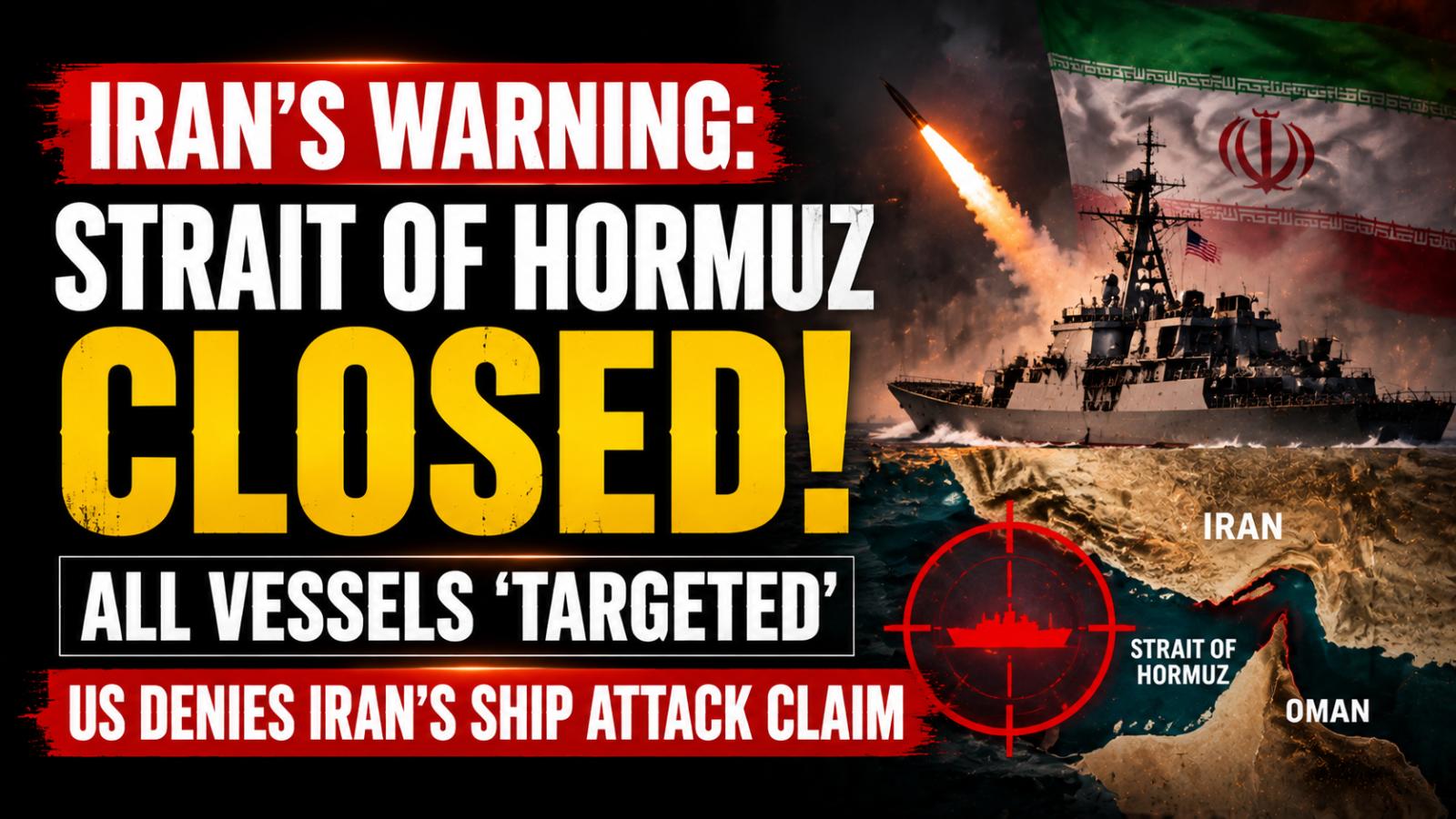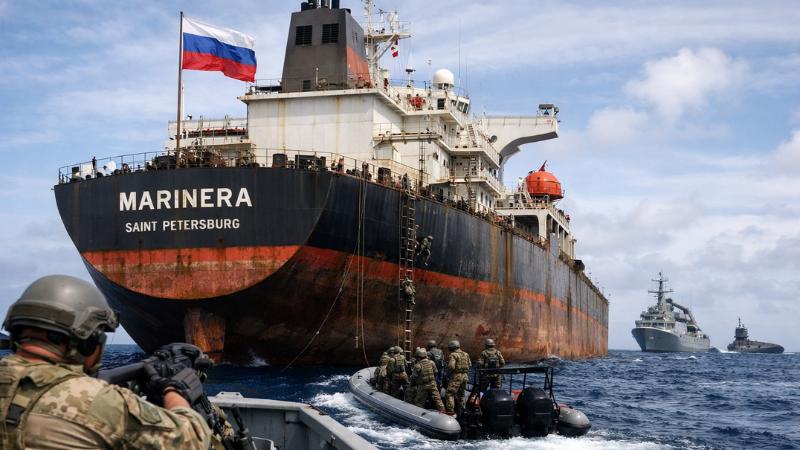
China has expressed strong disapproval over the United States' blockade of Iranian ports in the Strait of Hormuz, calling it a “dangerous and irresponsible act” that could escalate tensions in an already volatile region. In a statement issued on April 14, 2026, the Chinese Ministry of Foreign Affairs warned that the blockade, which began at 10:00 a.m. ET on Monday, along with increased U.S. military deployment in the area, risks undermining the fragile ceasefire that had been established.
Guo Jiakun, a spokesman for the Ministry, addressed the media during a press conference, emphasizing that the key to alleviating the situation was the establishment of a full and lasting ceasefire. He stated that Beijing would continue its diplomatic efforts to help restore peace and stability in the Middle East, noting China’s role as an active proponent of dialogue and conflict resolution.
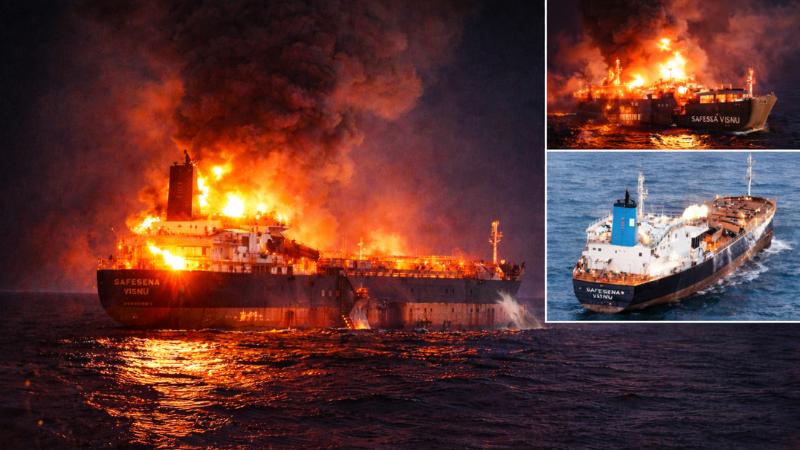
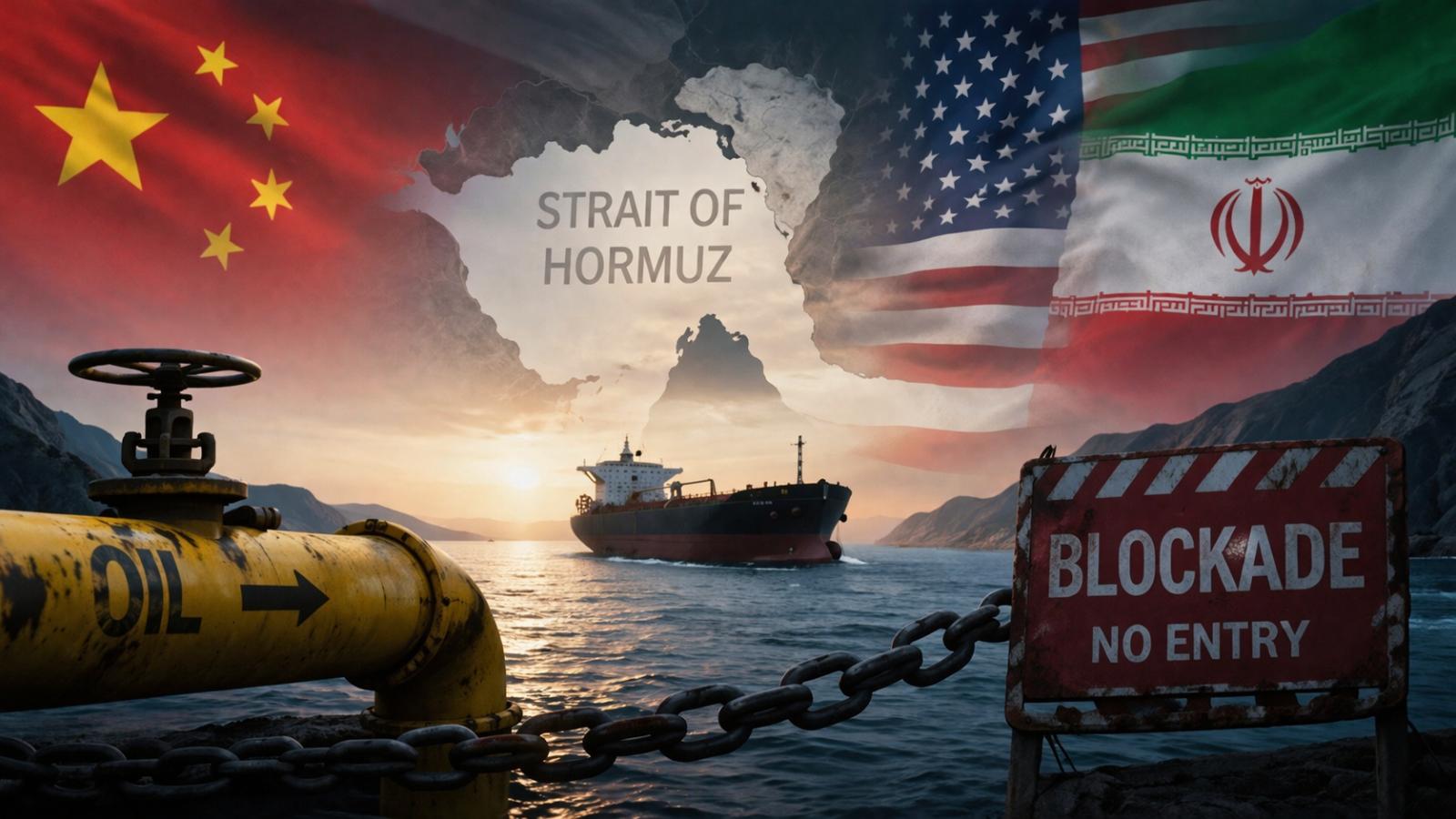
The blockade directly impacts the vital shipping lane, a crucial passage for global oil trade. As the largest buyer of Iranian crude, China has a significant stake in ensuring the Strait remains open. The U.S. move to prevent ships from entering or exiting Iranian ports could disrupt this supply, with potentially far-reaching consequences for the Chinese economy.
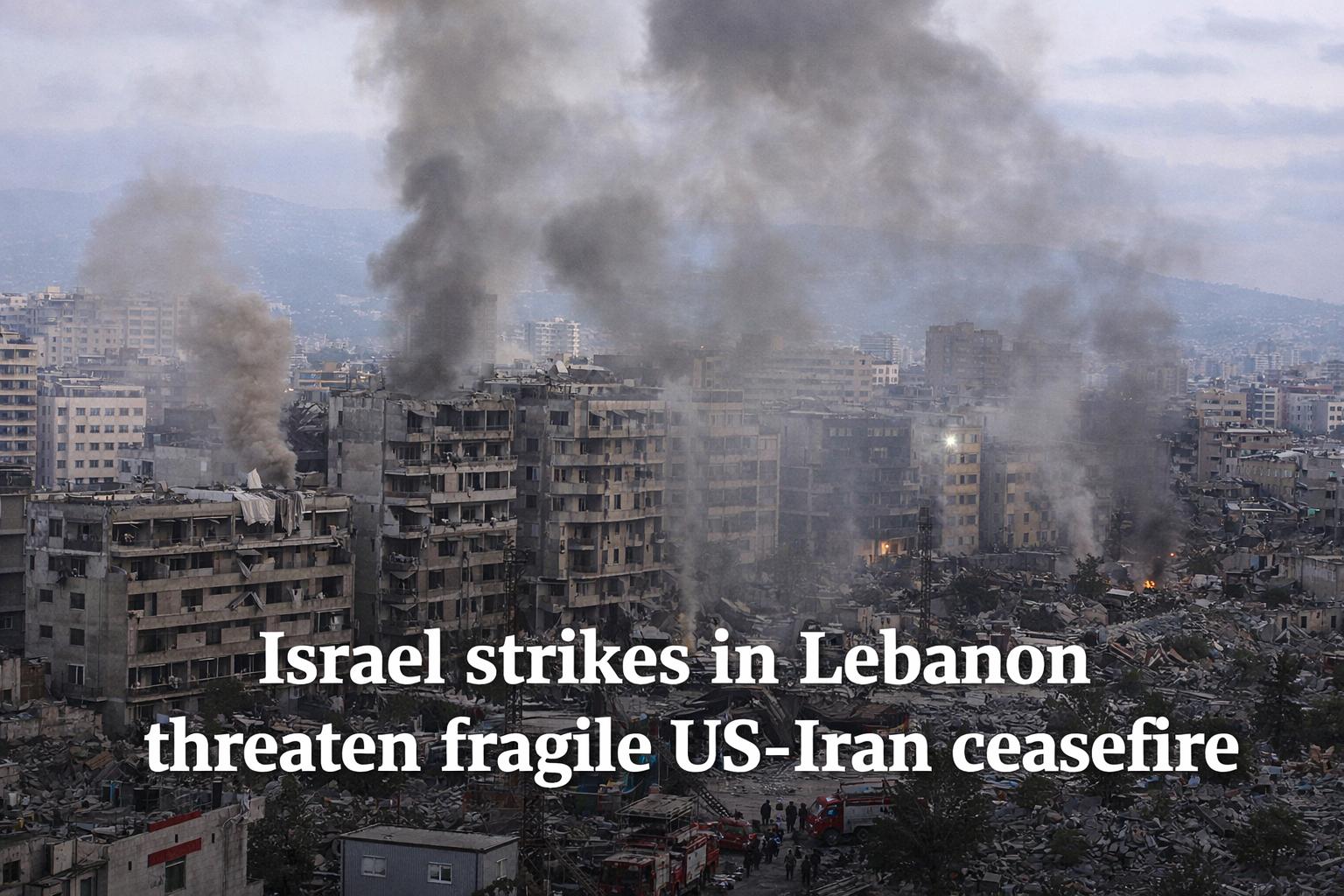
The U.S. initiated the blockade following the breakdown of peace talks in Islamabad over the weekend, signaling a dramatic escalation in the ongoing conflict, which had seen a temporary ceasefire agreed upon on April 7. The U.S. is pressuring Iran to reopen the Strait, but China maintains that such military actions will only worsen the situation.
Further fueling tensions, Guo Jiakun dismissed recent claims that China was supplying weapons to the Islamic Republic, calling the reports “completely made up.” He reiterated China’s position, stressing that a comprehensive ceasefire and the cessation of hostilities were the only viable solutions to restore peace and stability in the region.
“China urges all parties to abide by the ceasefire arrangements, focus on the general direction of dialogue and peace talks, take practical actions to promote the easing of the regional situation, and restore normal traffic in the Strait as soon as possible,” Guo stated.
In response to the growing geopolitical tensions, oil prices retreated below $100 per barrel on Tuesday. Brent crude, the international benchmark, traded about 1% lower at $98.44, while U.S. West Texas Intermediate (WTI) for May delivery fell 2.6%, settling at $96.48 per barrel. The dip in prices came amid reports that diplomatic efforts to resolve the six-week-long conflict were gaining traction.
The situation remains fluid, and both China and the U.S. continue to pursue their respective strategies to influence the region’s security landscape. The next few days could be pivotal in determining whether a more lasting peace can be achieved in the Strait of Hormuz, a crucial waterway for global energy trade.