









F-35 Parts in Hong Kong Trigger Pentagon Security Probe
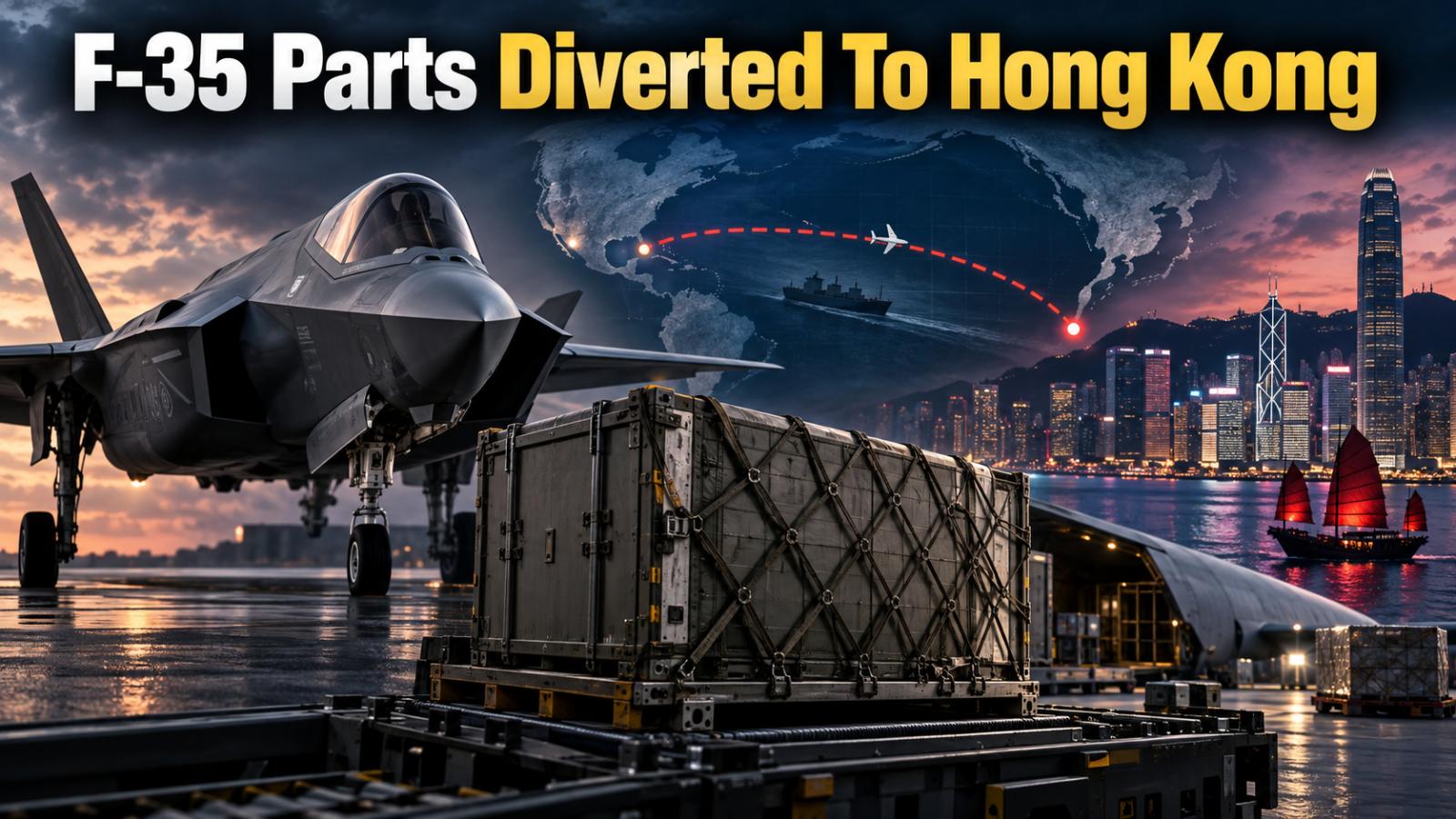
F-35 Parts in Hong Kong Trigger Pentagon Security Probe Sensitive F-35 parts in Hong Kong have triggered a US security investigation after components traveling from Australia to the United States for repair were unexpectedly diverted. The Pentagon probe involves an F-35 canopy and raises questions about the supply chain, spare parts security and aircraft readiness. F-35 canopy raises sec
F-35 Parts in Hong Kong Trigger Pentagon Security Probe
F-35 Parts in Hong Kong Trigger Pentagon Security Probe Sensitive F-35 parts in Hong Kong have triggered a US security investigation after components traveling from Australia to the United States for repair were unexpectedly diverted. The Pentagon probe involves an F-35 canopy and raises questions about the supply chain, spare parts security and aircraft readiness. F-35 canopy raises sec
India US Drug List 2027: Trump Praises Modi’s Anti-Opium Drive
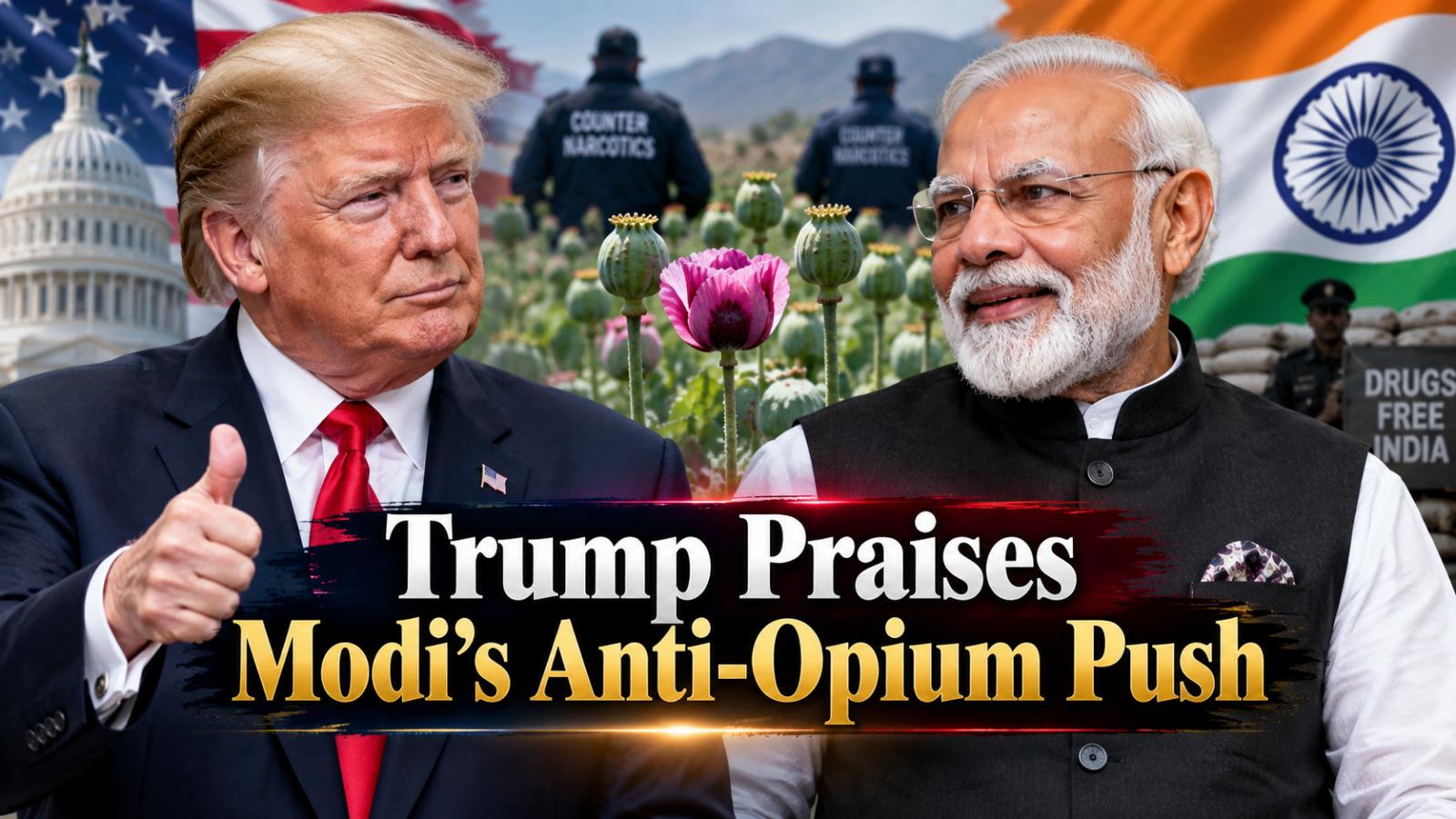
India remains on the US list of major drug transit or illicit drug-producing countries for fiscal year 2027, but President Donald Trump has also praised Prime Minister Narendra Modi’s anti-opium efforts and called for continued cooperation under the US-India Drug Policy Framework. Trump praises Modi’s anti-opium drive US President Donald Trump welcomed India’s efforts to curb illicit opium poppy cultivation while issuing his admini
India US Drug List 2027: Trump Praises Modi’s Anti-Opium Drive
India remains on the US list of major drug transit or illicit drug-producing countries for fiscal year 2027, but President Donald Trump has also praised Prime Minister Narendra Modi’s anti-opium efforts and called for continued cooperation under the US-India Drug Policy Framework. Trump praises Modi’s anti-opium drive US President Donald Trump welcomed India’s efforts to curb illicit opium poppy cultivation while issuing his admini

Panama Canal Shipping Costs Surge as Vessel Pays $4 Million
Panama Canal shipping costs have surged as global maritime disruption and tighter water conditions squeeze one of the world's most important trade routes. The Seaspan Benefactor reportedly paid about $4 million for priority transit as some vessels faced waits of roughly 10 days. Canal congestion pushes auction prices sharply higher The Seaspan Benefactor, a container ship with capacity of roughly 10,000 TEU, reportedly paid about $4 mill
Panama Canal Shipping Costs Surge as Vessel Pays $4 Million
Panama Canal shipping costs have surged as global maritime disruption and tighter water conditions squeeze one of the world's most important trade routes. The Seaspan Benefactor reportedly paid about $4 million for priority transit as some vessels faced waits of roughly 10 days. Canal congestion pushes auction prices sharply higher The Seaspan Benefactor, a container ship with capacity of roughly 10,000 TEU, reportedly paid about $4 mill
Diet Coke India Price Hike as Iran War Disrupts Can Supply
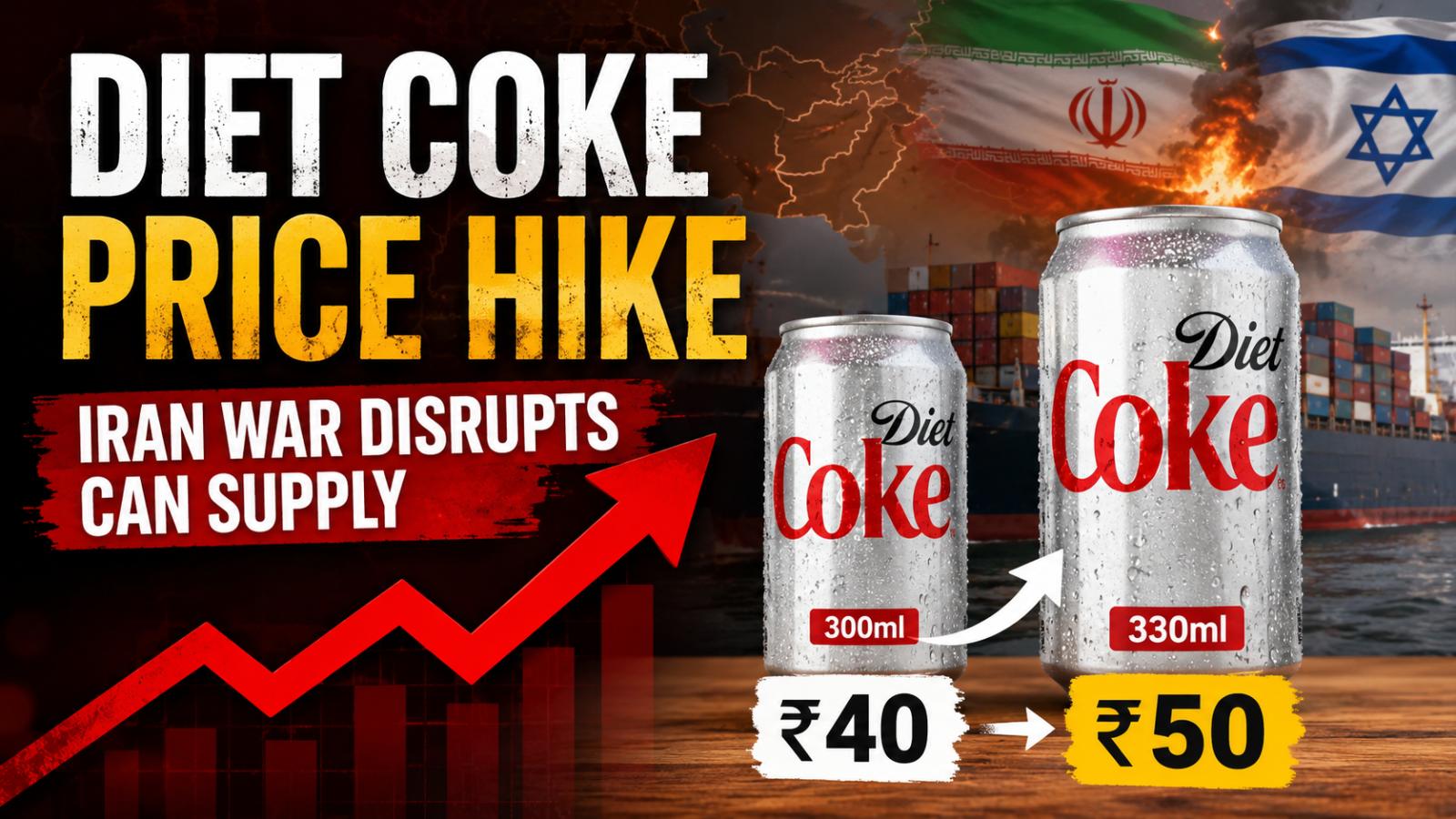
The Diet Coke India price hike is changing both the size and cost of the popular sugar-free drink. Coca-Cola has reportedly introduced a 330ml Diet Coke can priced at ₹50 after conflict-related shipping disruptions reduced the availability of its usual 300ml aluminium cans. The earlier 300ml can carried a retail price of ₹40. When measured by volume, the switch to a ₹50, 330ml can represents an effective price increase of approximately 13.6%. People with direct knowledge of the company’s pricing and sourcing strategy said the larger cans are being procured from Southeast Asia at a higher cost. Diet Coke 330ml can replaces the smaller pack Diet Coke is sold mainly in aluminium cans in India, unlike several other Coca-Cola beverages that are widely available in plastic and glass bottles. This packaging dependence has made the product particularly vulnerable to the current can shortage. Coca-Cola’s official Indian product page describes Diet Coke as a sugar-free beverage containing less than one calorie, but the company has not publicly announced the reported price revision. It also did not provide a response to requests for clarification about the new pack size and higher price. Retailers may continue selling remaining 300ml stock at ₹40 while introducing the new 330ml cans at ₹50. Availability and pricing could therefore differ between supermarkets, restaurants, online platforms and quick-commerce services. Aluminium can shortage affects Indian supplies The shortage is linked to disruptions affecting aluminium cans, raw materials and commercial cargo travelling through the Middle East. Import delays have pushed Coca-Cola to source alternative cans from Southeast Asian suppliers, increasing transportation and procurement expenses. The U.S. Maritime Administration has warned that threats to commercial vessels in the Persian Gulf, Strait of Hormuz and Gulf of Oman remain high. The International Maritime Organization has also called for coordinated measures to protect merchant ships and maintain safe passage through the region. These conditions affect more than beverage companies. Longer routes, higher insurance charges and uncertain delivery schedules can raise costs for businesses that depend on imported metals, packaging materials, energy products and industrial components. Strait of Hormuz disruption raises costs The Strait of Hormuz remains one of the most sensitive shipping routes affected by the conflict. The International Maritime Organization said it had verified at least 46 attacks against international shipping in and around the strait between February 28 and June 15, 2026. Although a temporary agreement had eased some concerns, renewed disruption has again complicated commercial traffic. The Diet Coke price increase demonstrates how geopolitical instability can quickly reach Indian consumers through higher sourcing, shipping and packaging costs. One Indian bottler has reportedly experimented with a 200ml glass bottle as a temporary alternative. However, online listings suggest that the smaller glass pack may cost more per millilitre than the canned version, limiting its appeal as a permanent replacement. Coke Zero supply remains less vulnerable Coke Zero is not facing the same level of packaging pressure because it is available in both cans and plastic bottles. This gives Coca-Cola more flexibility to maintain supplies when aluminium packaging becomes difficult or expensive to procure. Diet Coke, meanwhile, has built a loyal following among urban and calorie-conscious consumers. Its recent scarcity even inspired pubs, restaurants and influencers to organise Diet Coke parties, with some events charging entry fees while offering the drink, music and themed experiences. The revised ₹50 price may remain until aluminium can availability and shipping conditions improve. Consumers should check the printed maximum retail price and pack size, since both 300ml and 330ml cans may remain in circulation during the transition.
Diet Coke India Price Hike as Iran War Disrupts Can Supply
The Diet Coke India price hike is changing both the size and cost of the popular sugar-free drink. Coca-Cola has reportedly introduced a 330ml Diet Coke can priced at ₹50 after conflict-related shipping disruptions reduced the availability of its usual 300ml aluminium cans. The earlier 300ml can carried a retail price of ₹40. When measured by volume, the switch to a ₹50, 330ml can represents an effective price increase of approximately 13.6%. People with direct knowledge of the company’s pricing and sourcing strategy said the larger cans are being procured from Southeast Asia at a higher cost. Diet Coke 330ml can replaces the smaller pack Diet Coke is sold mainly in aluminium cans in India, unlike several other Coca-Cola beverages that are widely available in plastic and glass bottles. This packaging dependence has made the product particularly vulnerable to the current can shortage. Coca-Cola’s official Indian product page describes Diet Coke as a sugar-free beverage containing less than one calorie, but the company has not publicly announced the reported price revision. It also did not provide a response to requests for clarification about the new pack size and higher price. Retailers may continue selling remaining 300ml stock at ₹40 while introducing the new 330ml cans at ₹50. Availability and pricing could therefore differ between supermarkets, restaurants, online platforms and quick-commerce services. Aluminium can shortage affects Indian supplies The shortage is linked to disruptions affecting aluminium cans, raw materials and commercial cargo travelling through the Middle East. Import delays have pushed Coca-Cola to source alternative cans from Southeast Asian suppliers, increasing transportation and procurement expenses. The U.S. Maritime Administration has warned that threats to commercial vessels in the Persian Gulf, Strait of Hormuz and Gulf of Oman remain high. The International Maritime Organization has also called for coordinated measures to protect merchant ships and maintain safe passage through the region. These conditions affect more than beverage companies. Longer routes, higher insurance charges and uncertain delivery schedules can raise costs for businesses that depend on imported metals, packaging materials, energy products and industrial components. Strait of Hormuz disruption raises costs The Strait of Hormuz remains one of the most sensitive shipping routes affected by the conflict. The International Maritime Organization said it had verified at least 46 attacks against international shipping in and around the strait between February 28 and June 15, 2026. Although a temporary agreement had eased some concerns, renewed disruption has again complicated commercial traffic. The Diet Coke price increase demonstrates how geopolitical instability can quickly reach Indian consumers through higher sourcing, shipping and packaging costs. One Indian bottler has reportedly experimented with a 200ml glass bottle as a temporary alternative. However, online listings suggest that the smaller glass pack may cost more per millilitre than the canned version, limiting its appeal as a permanent replacement. Coke Zero supply remains less vulnerable Coke Zero is not facing the same level of packaging pressure because it is available in both cans and plastic bottles. This gives Coca-Cola more flexibility to maintain supplies when aluminium packaging becomes difficult or expensive to procure. Diet Coke, meanwhile, has built a loyal following among urban and calorie-conscious consumers. Its recent scarcity even inspired pubs, restaurants and influencers to organise Diet Coke parties, with some events charging entry fees while offering the drink, music and themed experiences. The revised ₹50 price may remain until aluminium can availability and shipping conditions improve. Consumers should check the printed maximum retail price and pack size, since both 300ml and 330ml cans may remain in circulation during the transition.
India Japan unveil 16 point roadmap to expand strategic partnership
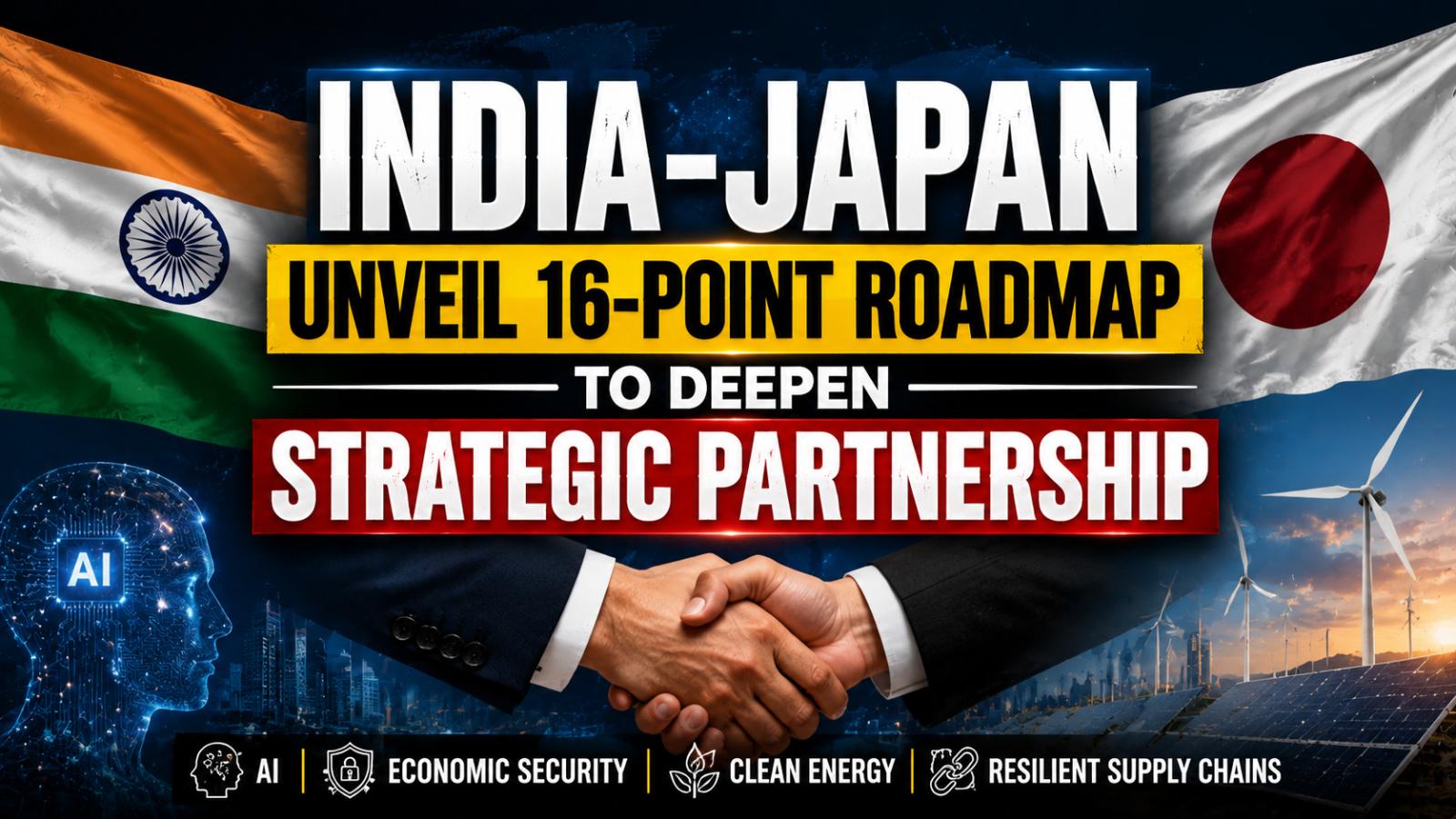
India Japan expand strategic partnership framework India and Japan have announced a 16-point roadmap aimed at significantly expanding their Special Strategic and Global Partnership, marking a shift toward deeper cooperation in economic security, advanced technology and energy resilience. The initiative was unveiled following the 16th India-Japan Annual Summit held in
India Japan unveil 16 point roadmap to expand strategic partnership
India Japan expand strategic partnership framework India and Japan have announced a 16-point roadmap aimed at significantly expanding their Special Strategic and Global Partnership, marking a shift toward deeper cooperation in economic security, advanced technology and energy resilience. The initiative was unveiled following the 16th India-Japan Annual Summit held in
India Japan economic ties shift toward supply chain resilience
India and Japan are steadily moving their partnership beyond routine trade discussions into a broader realignment shaped by global risk and industrial restructuring. What looks like increased investment flows is actually part of a deeper repositioning of how both countries want to secure long-term economic stability in an uncertain global environment. Investment growth driven by risk recalibration Japanese companies are expanding their footprint in India not only for growth but also to reduce exposure to concentrated supply networks in East Asia. Rising geopolitical friction and periodic trade restrictions have forced firms to reconsider how dependent they are on single-country manufacturing systems. India is increasingly viewed as a viable diversification hub due to its scale, labor availability, and expanding industrial base. Supply chain restructuring becomes the core driver The most significant shift is happening in supply chains rather than headline investment figures. Japanese manufacturers are gradually redesigning sourcing and production models to reduce vulnerabilities in electronics, automotive components, and precision engineering. India fits into this transition as an alternative production and assembly base, especially for sectors where demand is growing but diversification is still limited. Technology and industrial cooperation deepen Cooperation is also expanding into advanced sectors such as semiconductors, digital systems, and artificial intelligence. These areas are no longer treated as purely commercial exchanges but as strategic capabilities. Both countries are aligning on technology resilience, where production continuity and security of supply matter as much as cost efficiency. Rare earths and critical materials gain importance Another emerging focus is critical minerals and rare earth supply chains. These materials are essential for electronics, renewable energy systems, and defence manufacturing. Dependence on concentrated suppliers has pushed both India and Japan to explore alternative sourcing strategies and joint development frameworks to reduce long-term risk. Financial flows signal long-term positioning Japanese capital inflows into Indian financial institutions and industrial projects suggest more than short-term investment interest. Financial participation typically indicates long-term confidence in policy stability and market expansion. However, the real test will be whether this capital flow expands into deeper manufacturing integration rather than remaining portfolio-based exposure. Economic security becomes the defining theme At the core of this evolving relationship is economic security. Trade decisions are increasingly shaped by geopolitical uncertainty rather than pure cost advantage. This marks a shift from efficiency-driven globalization to resilience-driven partnerships, where countries prioritize stability over optimization. A cautious but strategic realignment The India–Japan partnership is gradually becoming a case study in how middle and advanced economies adjust to global fragmentation. While the direction is clear—greater cooperation in technology, investment, and supply chains—the pace will depend on regulatory alignment, infrastructure readiness, and how effectively both sides manage external geopolitical pressures.
India Japan economic ties shift toward supply chain resilience
India and Japan are steadily moving their partnership beyond routine trade discussions into a broader realignment shaped by global risk and industrial restructuring. What looks like increased investment flows is actually part of a deeper repositioning of how both countries want to secure long-term economic stability in an uncertain global environment. Investment growth driven by risk recalibration Japanese companies are expanding their footprint in India not only for growth but also to reduce exposure to concentrated supply networks in East Asia. Rising geopolitical friction and periodic trade restrictions have forced firms to reconsider how dependent they are on single-country manufacturing systems. India is increasingly viewed as a viable diversification hub due to its scale, labor availability, and expanding industrial base. Supply chain restructuring becomes the core driver The most significant shift is happening in supply chains rather than headline investment figures. Japanese manufacturers are gradually redesigning sourcing and production models to reduce vulnerabilities in electronics, automotive components, and precision engineering. India fits into this transition as an alternative production and assembly base, especially for sectors where demand is growing but diversification is still limited. Technology and industrial cooperation deepen Cooperation is also expanding into advanced sectors such as semiconductors, digital systems, and artificial intelligence. These areas are no longer treated as purely commercial exchanges but as strategic capabilities. Both countries are aligning on technology resilience, where production continuity and security of supply matter as much as cost efficiency. Rare earths and critical materials gain importance Another emerging focus is critical minerals and rare earth supply chains. These materials are essential for electronics, renewable energy systems, and defence manufacturing. Dependence on concentrated suppliers has pushed both India and Japan to explore alternative sourcing strategies and joint development frameworks to reduce long-term risk. Financial flows signal long-term positioning Japanese capital inflows into Indian financial institutions and industrial projects suggest more than short-term investment interest. Financial participation typically indicates long-term confidence in policy stability and market expansion. However, the real test will be whether this capital flow expands into deeper manufacturing integration rather than remaining portfolio-based exposure. Economic security becomes the defining theme At the core of this evolving relationship is economic security. Trade decisions are increasingly shaped by geopolitical uncertainty rather than pure cost advantage. This marks a shift from efficiency-driven globalization to resilience-driven partnerships, where countries prioritize stability over optimization. A cautious but strategic realignment The India–Japan partnership is gradually becoming a case study in how middle and advanced economies adjust to global fragmentation. While the direction is clear—greater cooperation in technology, investment, and supply chains—the pace will depend on regulatory alignment, infrastructure readiness, and how effectively both sides manage external geopolitical pressures.
India Japan summit 2026 boosts FOIP rare earth strategy
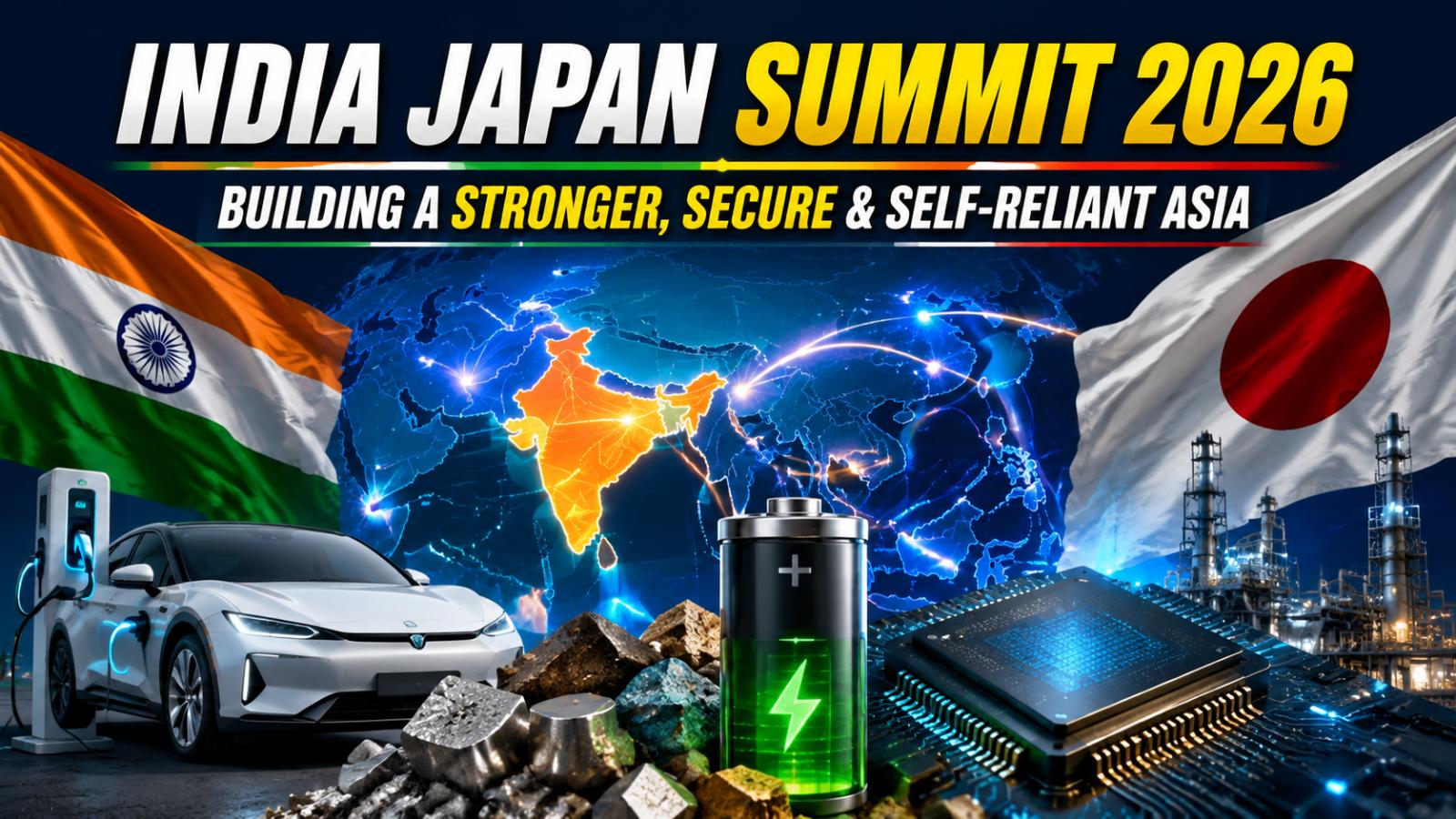
The India Japan Summit 2026 is emerging as more than diplomatic engagement, shifting toward a structured economic alignment under the Free and Open Indo-Pacific (FOIP) framework. Japan is positioning India as a long-term partner in building alternative production networks outside China’s dominant supply ecosystem. The focus is no longer symbolic cooperation but measurable industrial integration across energy, technology, and critical materials. Rare Earth Dependency and Strategic Diversification A major driver of the summit is global concern over rare earth concentration in China. These materials are essential for electric vehicles, defence systems, and semiconductor manufacturing. Japan has been actively seeking diversification, and India is being viewed as a viable partner due to its untapped mineral reserves and growing extraction capability. However, this shift is not immediate. India still faces infrastructure gaps in refining and processing, which limits its ability to fully replace existing supply chains. The partnership therefore focuses on joint development rather than replacement. Northeast India as an Emerging Industrial Bridge Northeast India is increasingly being integrated into strategic planning as a logistics and manufacturing connector between South Asia and Southeast Asia. Its geographical position near the Bay of Bengal makes it relevant for regional trade routes, especially under Japan-backed connectivity initiatives. The long-term expectation is the development of corridors linking manufacturing zones, ports, and resource hubs. But execution remains a challenge due to terrain, infrastructure bottlenecks, and slow industrial scaling. EV Batteries and Semiconductor Collaboration Expands The summit is expected to accelerate cooperation in electric mobility and chip production. Japan’s technology strength in precision manufacturing complements India’s expanding industrial base and domestic demand growth. Instead of simple export-import trade, both countries are moving toward localized production ecosystems. This includes battery supply chains, semiconductor assembly, and joint research in advanced materials. The real shift here is from consumption-driven trade to production-sharing models. Investment Flow and Industrial Integration Japanese investment in India continues to grow steadily, with a strong presence in automobiles, electronics, and infrastructure. The partnership now appears to be entering a deeper phase where investment is tied to strategic supply chain redesign rather than isolated projects. This creates a long-term dependency loop where both economies benefit from shared manufacturing ecosystems, but also become more structurally linked to global market fluctuations. Strategic Outcome: A Competing Supply Chain Bloc The broader outcome of the India Japan Summit 2026 is the gradual formation of an alternative industrial network in Asia. It does not replace existing systems overnight but creates parallel pathways in critical sectors like energy storage, semiconductors, and defence manufacturing. The key question going forward is execution speed. Policy alignment is strong, but infrastructure readiness and capital deployment will decide how quickly this partnership moves from strategy to reality.
India Japan summit 2026 boosts FOIP rare earth strategy
The India Japan Summit 2026 is emerging as more than diplomatic engagement, shifting toward a structured economic alignment under the Free and Open Indo-Pacific (FOIP) framework. Japan is positioning India as a long-term partner in building alternative production networks outside China’s dominant supply ecosystem. The focus is no longer symbolic cooperation but measurable industrial integration across energy, technology, and critical materials. Rare Earth Dependency and Strategic Diversification A major driver of the summit is global concern over rare earth concentration in China. These materials are essential for electric vehicles, defence systems, and semiconductor manufacturing. Japan has been actively seeking diversification, and India is being viewed as a viable partner due to its untapped mineral reserves and growing extraction capability. However, this shift is not immediate. India still faces infrastructure gaps in refining and processing, which limits its ability to fully replace existing supply chains. The partnership therefore focuses on joint development rather than replacement. Northeast India as an Emerging Industrial Bridge Northeast India is increasingly being integrated into strategic planning as a logistics and manufacturing connector between South Asia and Southeast Asia. Its geographical position near the Bay of Bengal makes it relevant for regional trade routes, especially under Japan-backed connectivity initiatives. The long-term expectation is the development of corridors linking manufacturing zones, ports, and resource hubs. But execution remains a challenge due to terrain, infrastructure bottlenecks, and slow industrial scaling. EV Batteries and Semiconductor Collaboration Expands The summit is expected to accelerate cooperation in electric mobility and chip production. Japan’s technology strength in precision manufacturing complements India’s expanding industrial base and domestic demand growth. Instead of simple export-import trade, both countries are moving toward localized production ecosystems. This includes battery supply chains, semiconductor assembly, and joint research in advanced materials. The real shift here is from consumption-driven trade to production-sharing models. Investment Flow and Industrial Integration Japanese investment in India continues to grow steadily, with a strong presence in automobiles, electronics, and infrastructure. The partnership now appears to be entering a deeper phase where investment is tied to strategic supply chain redesign rather than isolated projects. This creates a long-term dependency loop where both economies benefit from shared manufacturing ecosystems, but also become more structurally linked to global market fluctuations. Strategic Outcome: A Competing Supply Chain Bloc The broader outcome of the India Japan Summit 2026 is the gradual formation of an alternative industrial network in Asia. It does not replace existing systems overnight but creates parallel pathways in critical sectors like energy storage, semiconductors, and defence manufacturing. The key question going forward is execution speed. Policy alignment is strong, but infrastructure readiness and capital deployment will decide how quickly this partnership moves from strategy to reality.

EU India trade talks near final approval stage
The proposed free trade agreement between the European Union and India has moved into its last procedural stage after years of negotiation. Both sides have already agreed on the core framework, and the current focus is on legal refinement and institutional clearance before formal approval. Officials describe this phase as technical but decisive, as even small wording changes can affect implementation across sectors. The agreement is being revi
EU India trade talks near final approval stage
The proposed free trade agreement between the European Union and India has moved into its last procedural stage after years of negotiation. Both sides have already agreed on the core framework, and the current focus is on legal refinement and institutional clearance before formal approval. Officials describe this phase as technical but decisive, as even small wording changes can affect implementation across sectors. The agreement is being revi
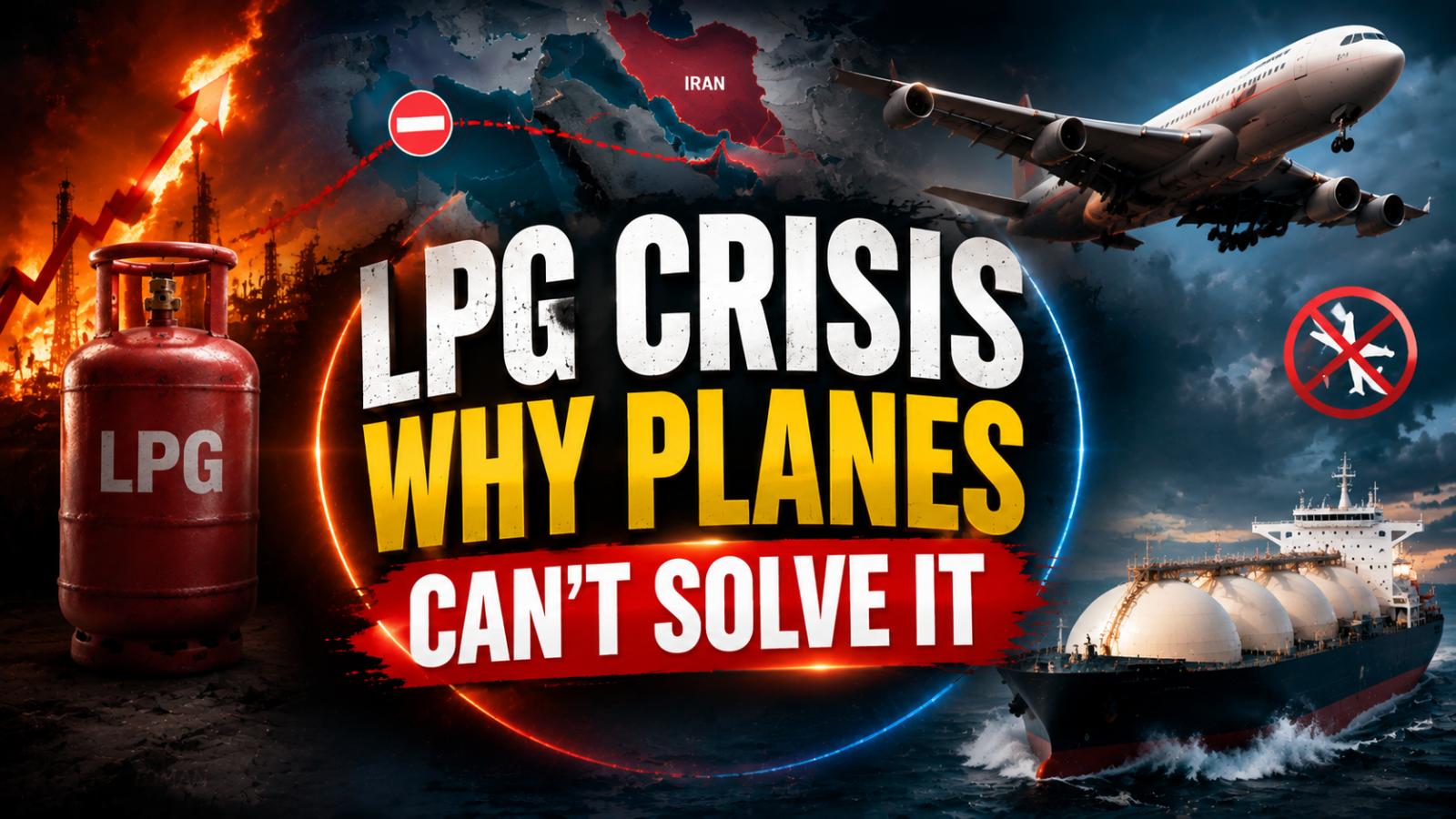
How maritime tensions are affecting LPG transport and fuel prices
Rising concerns around LPG supply and transport Recent disruptions in global shipping routes have sparked renewed public concern about LPG availability and pricing in several markets. While speculation often increases during periods of geopolitical tension, the actual movement of liquefied petroleum gas depends on a tightly controlled logistics system involving specia
How maritime tensions are affecting LPG transport and fuel prices
Rising concerns around LPG supply and transport Recent disruptions in global shipping routes have sparked renewed public concern about LPG availability and pricing in several markets. While speculation often increases during periods of geopolitical tension, the actual movement of liquefied petroleum gas depends on a tightly controlled logistics system involving specia
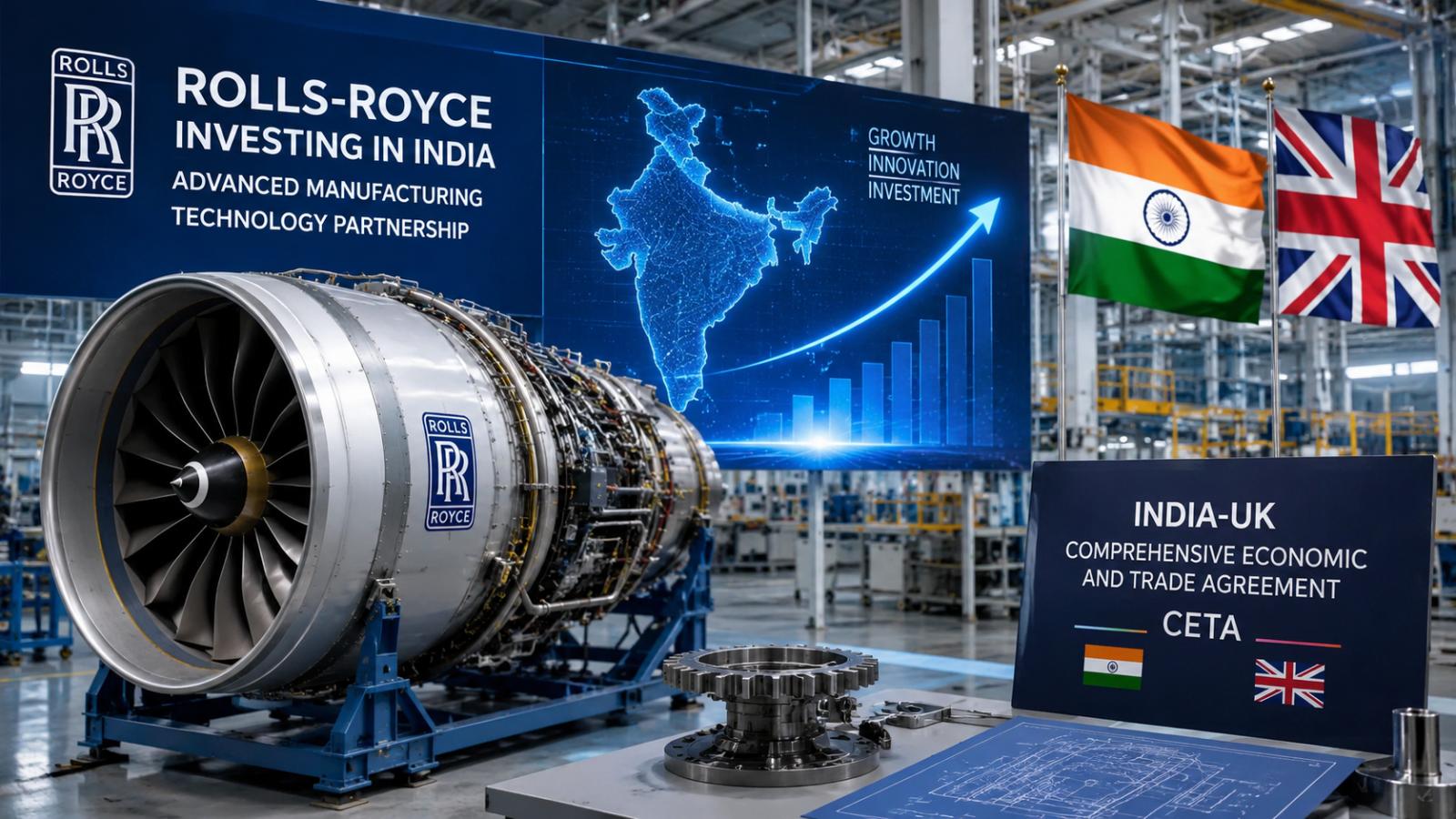
Rolls-Royce Eyes India Manufacturing Investment Under UK Pact
Rolls-Royce and India discussed deeper manufacturing investment, technology partnerships and an engine proposal tied to the country’s next-generation AMCA fighter program on Friday, June 26, 2026. The talks focused on how the India-UK Comprehensive Economic and Trade Agreement, or CETA, could support advanced manufacturing, engineering cooperation and more resilient supply chains. Rolls-Royce India Manufacturing Investment
Rolls-Royce Eyes India Manufacturing Investment Under UK Pact
Rolls-Royce and India discussed deeper manufacturing investment, technology partnerships and an engine proposal tied to the country’s next-generation AMCA fighter program on Friday, June 26, 2026. The talks focused on how the India-UK Comprehensive Economic and Trade Agreement, or CETA, could support advanced manufacturing, engineering cooperation and more resilient supply chains. Rolls-Royce India Manufacturing Investment
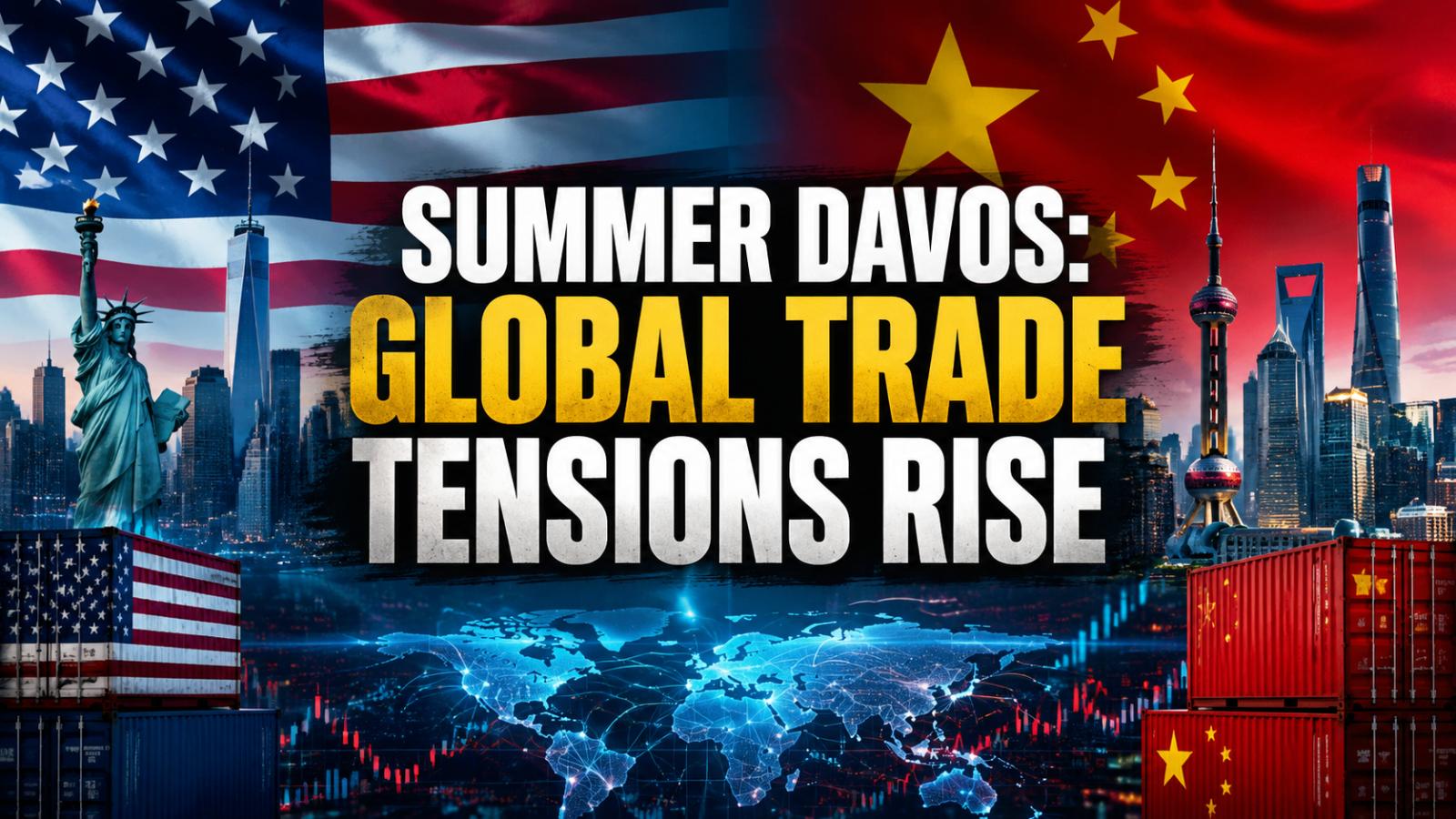
Summer Davos spotlights US China economic friction
The gathering in Dalian under the World Economic Forum’s “Summer Davos” platform brought together policymakers, business leaders and economists at a time when global growth signals are weakening. The discussions reflected a clear shift in tone: confidence in stable trade expansion is fading, replaced by concern over fragmentation and competing economic blocs. US–China
Summer Davos spotlights US China economic friction
The gathering in Dalian under the World Economic Forum’s “Summer Davos” platform brought together policymakers, business leaders and economists at a time when global growth signals are weakening. The discussions reflected a clear shift in tone: confidence in stable trade expansion is fading, replaced by concern over fragmentation and competing economic blocs. US–China
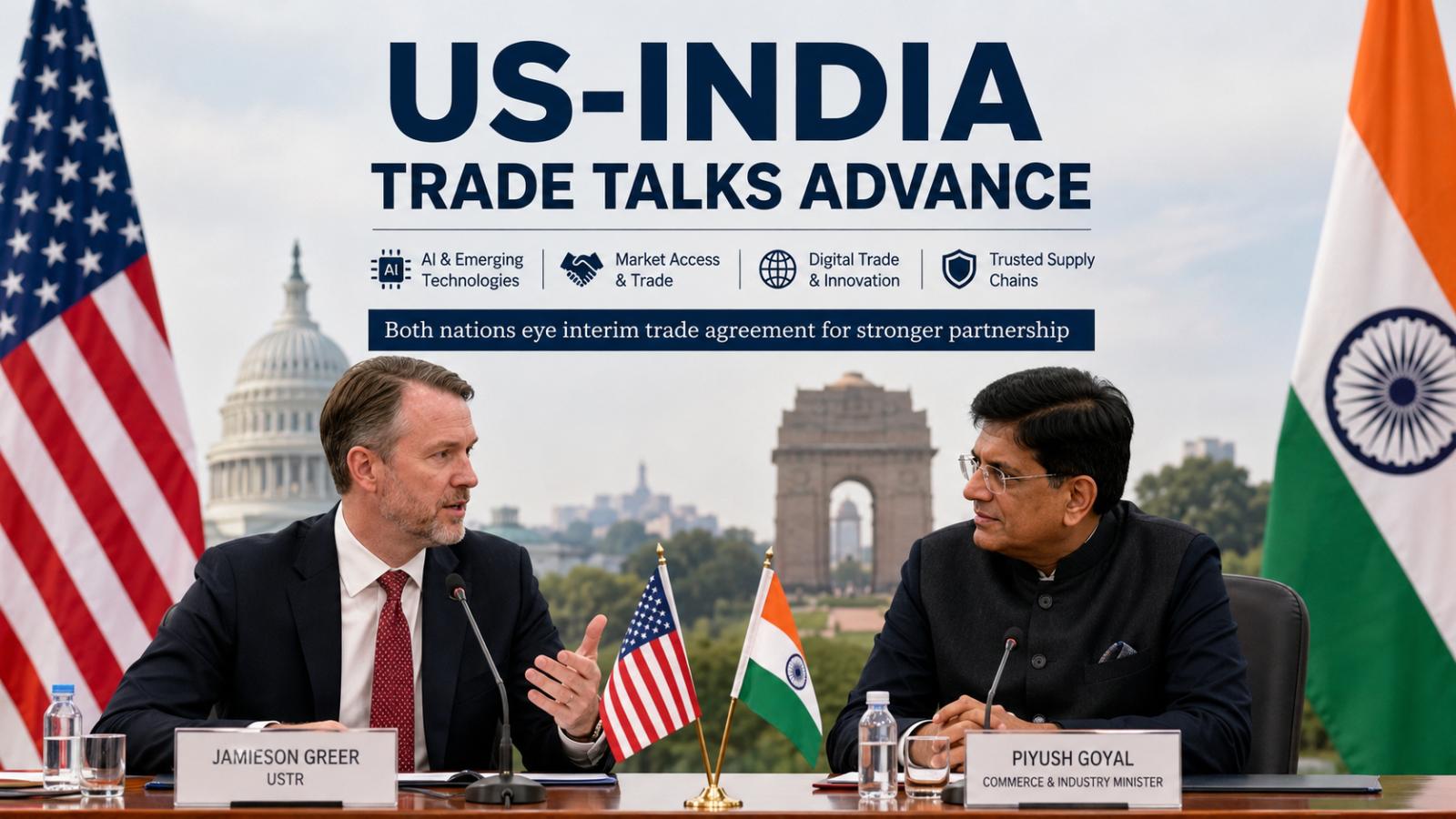
US-India Trade Talks Advance as Greer Highlights AI Cooperation
The United States and India reported substantial progress on Wednesday, June 24, 2026, toward an interim bilateral trade agreement, as U.S. Trade Representative Jamieson Greer highlighted artificial intelligence and emerging technologies as growing areas of cooperation. Greer visited New Delhi from Monday, June 22, through Wednesday, June 24, 2026, and held multiple rounds of talks with Indian Commerce and Industry Minister Piyush Goyal. US-India Trade Talks Focus
US-India Trade Talks Advance as Greer Highlights AI Cooperation
The United States and India reported substantial progress on Wednesday, June 24, 2026, toward an interim bilateral trade agreement, as U.S. Trade Representative Jamieson Greer highlighted artificial intelligence and emerging technologies as growing areas of cooperation. Greer visited New Delhi from Monday, June 22, through Wednesday, June 24, 2026, and held multiple rounds of talks with Indian Commerce and Industry Minister Piyush Goyal. US-India Trade Talks Focus

G7 Summit 2026: India, Brazil, Kenya Join Strategic Outreach
The 52nd G7 Summit, convened on the shores of Lake Geneva, demonstrates the West’s recognition of a shifting global order. French President Emmanuel Macron’s strategic outreach list included influential non-members—India, Brazil, Kenya, Egypt, and South Korea—acknowledging that traditional Western powers can no longer navigate economic or security crises alone. Prime Minister Narendra Modi and President Luiz Inácio Lula da Silva are now pivotal participants, bridging the Global South
G7 Summit 2026: India, Brazil, Kenya Join Strategic Outreach
The 52nd G7 Summit, convened on the shores of Lake Geneva, demonstrates the West’s recognition of a shifting global order. French President Emmanuel Macron’s strategic outreach list included influential non-members—India, Brazil, Kenya, Egypt, and South Korea—acknowledging that traditional Western powers can no longer navigate economic or security crises alone. Prime Minister Narendra Modi and President Luiz Inácio Lula da Silva are now pivotal participants, bridging the Global South
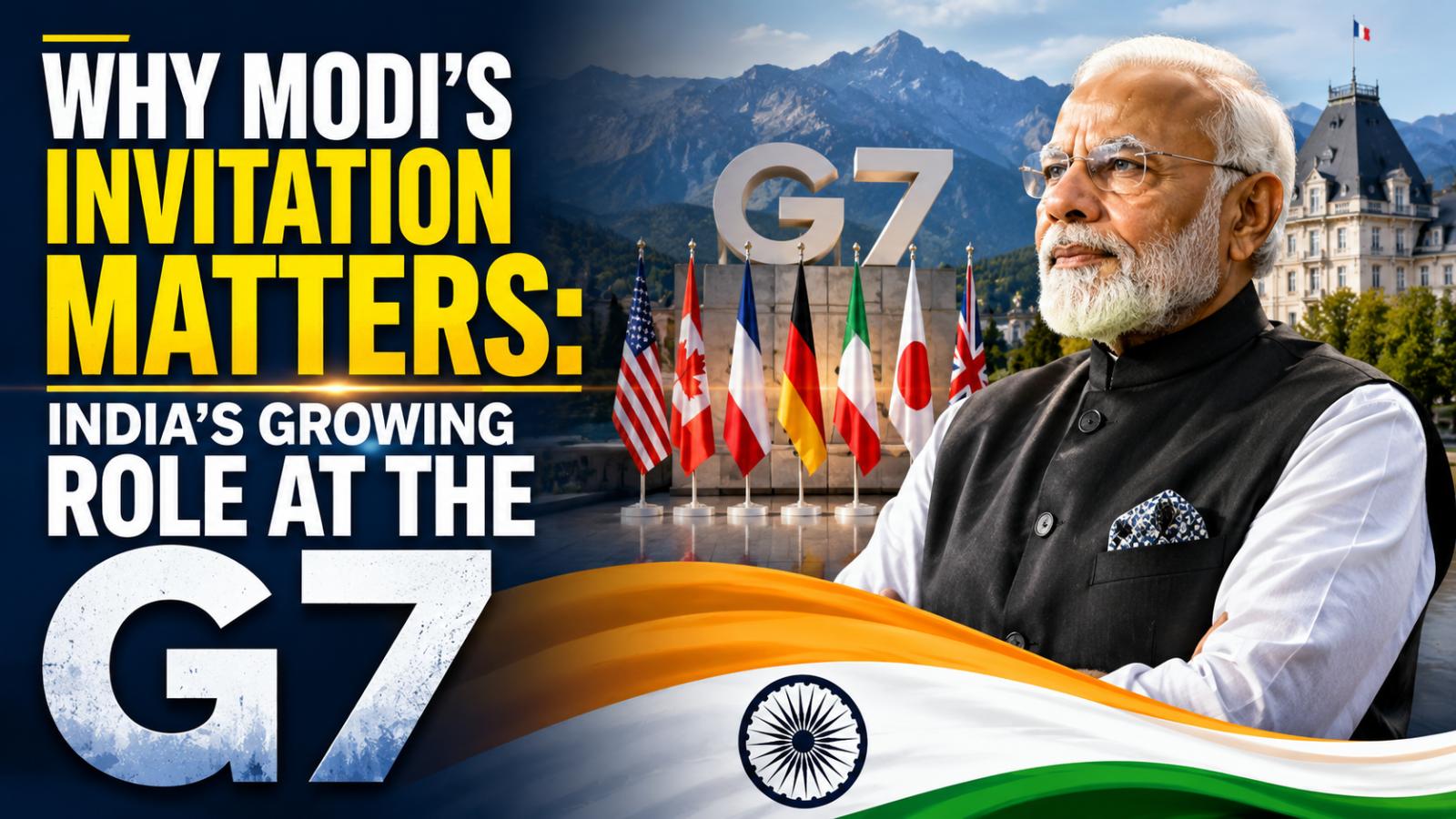
PM Narendra Modi to attend G7 as India’s role grows
Modi’s G7 invitation highlights India’s rising global role Prime Minister Narendra Modi is set to attend the G7 Summit in Évian-les-Bains, France, from June 15 to 17, 2026, after being invited as a special guest by French President Emmanuel Macron. India is not a member of the G7, but its repeated presence at the forum shows how New Delhi has become increasingly important to discussions on global economics, security, supply chains and de
PM Narendra Modi to attend G7 as India’s role grows
Modi’s G7 invitation highlights India’s rising global role Prime Minister Narendra Modi is set to attend the G7 Summit in Évian-les-Bains, France, from June 15 to 17, 2026, after being invited as a special guest by French President Emmanuel Macron. India is not a member of the G7, but its repeated presence at the forum shows how New Delhi has become increasingly important to discussions on global economics, security, supply chains and de
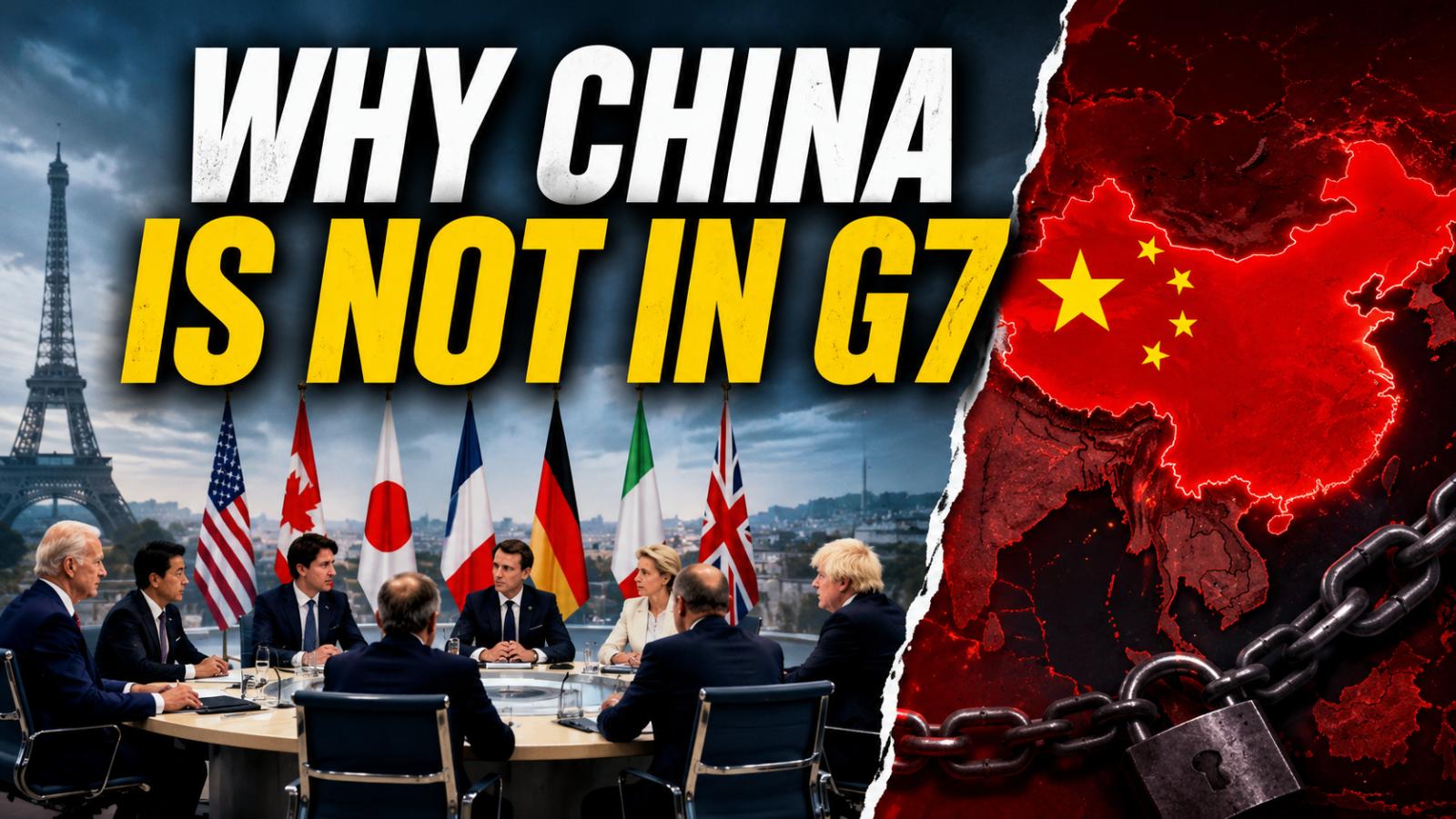
Why China is not a G7 member despite its global influence
G7 origins shaped membership criteria As world leaders prepare for the 2026 G7 Summit in Évian-les-Bains, France, attention has once again turned to a recurring question in global politics: why is China, the world's second-largest economy, not a member of the influential group? While Beijing plays a major role in global trade, manufacturing and international affairs, it remains outside the G7 framework that brings together some of the world'
Why China is not a G7 member despite its global influence
G7 origins shaped membership criteria As world leaders prepare for the 2026 G7 Summit in Évian-les-Bains, France, attention has once again turned to a recurring question in global politics: why is China, the world's second-largest economy, not a member of the influential group? While Beijing plays a major role in global trade, manufacturing and international affairs, it remains outside the G7 framework that brings together some of the world'
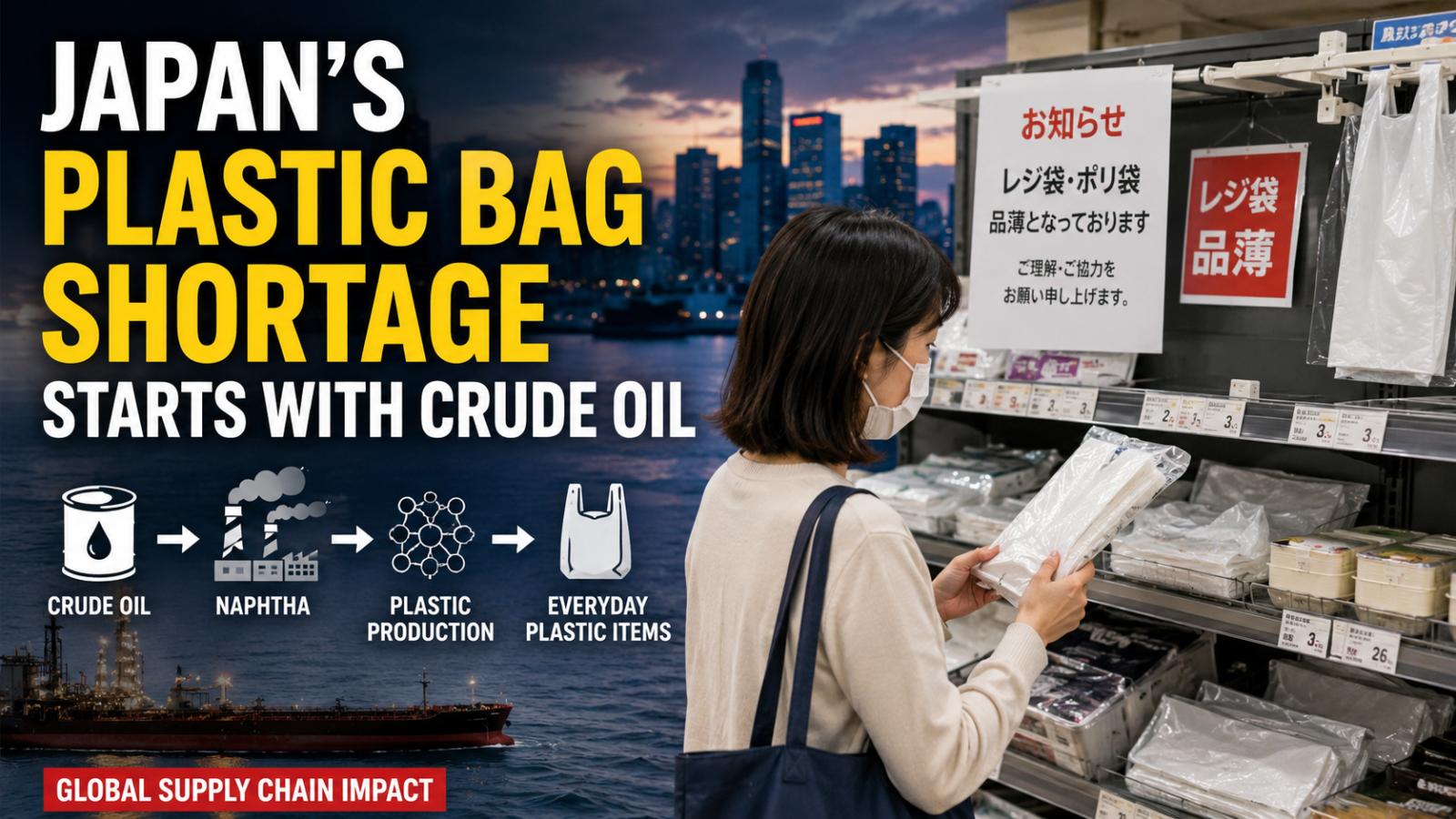
Japan Plastic Bag Shortage: Why Crude Oil Is Hitting Daily Life
Japan’s plastic bag shortage is showing how a disruption in crude oil supply can affect everyday items, from supermarket bags to food trays and gloves. Reports published in early June 2026 say supermarkets, bakeries, takeaways and food businesses in Japan are facing shortages of plastic bags, trays, food-service gloves and packaging materials. The issue is not only about plastic. It begins with naphtha, a crude-oil-derived raw material used to make plastics, synthetic products, ad
Japan Plastic Bag Shortage: Why Crude Oil Is Hitting Daily Life
Japan’s plastic bag shortage is showing how a disruption in crude oil supply can affect everyday items, from supermarket bags to food trays and gloves. Reports published in early June 2026 say supermarkets, bakeries, takeaways and food businesses in Japan are facing shortages of plastic bags, trays, food-service gloves and packaging materials. The issue is not only about plastic. It begins with naphtha, a crude-oil-derived raw material used to make plastics, synthetic products, ad
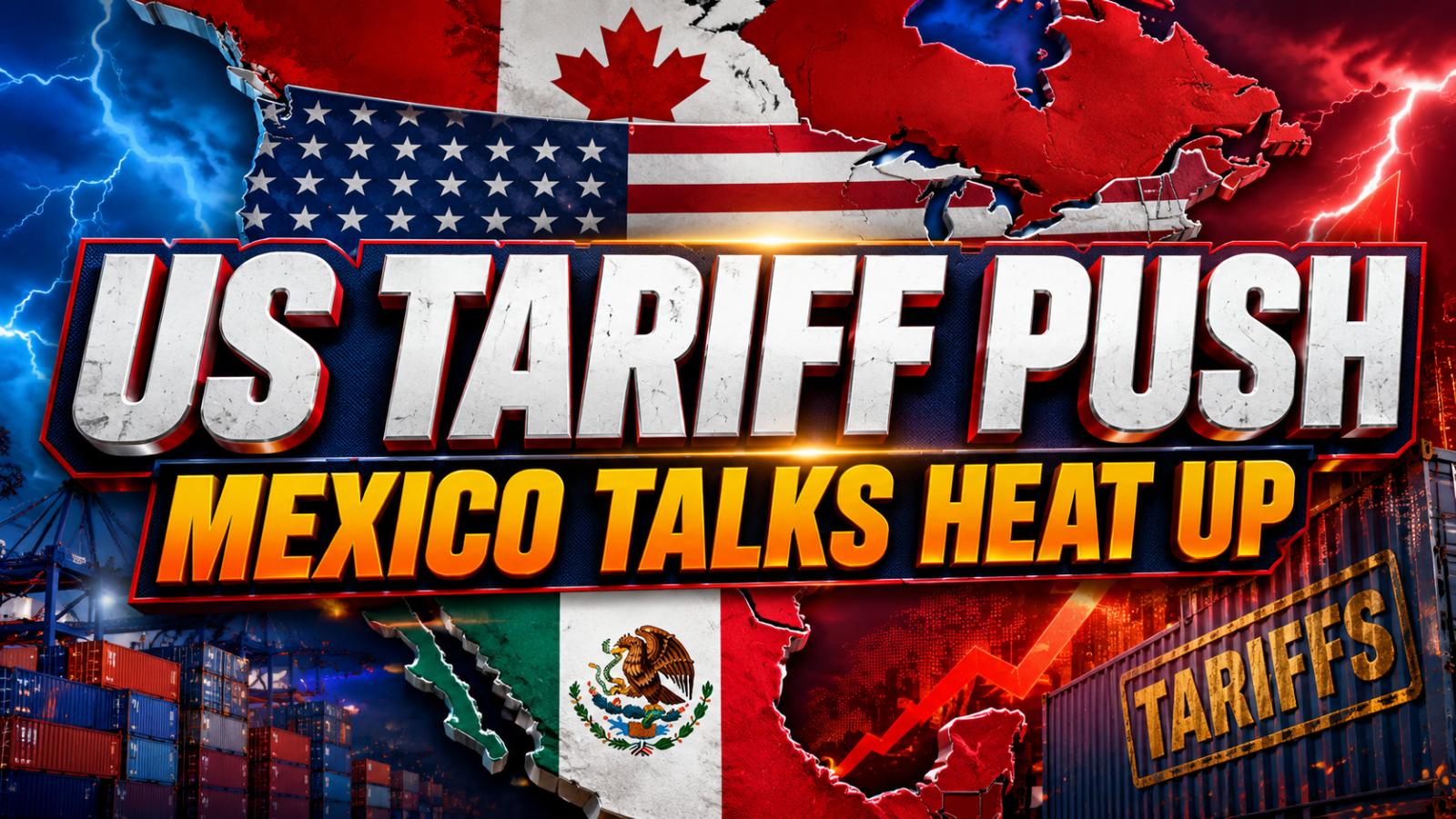
US Tariffs Expected In Mexico Trade Talks
US Pushes Tariffs Into Mexico Trade Talks The United States expects tariffs to be part of trade negotiations with Mexico this week as Washington prepares for talks tied to the future of the U.S.-Mexico-Canada Agreement. U.S. Trade Representative Jamieson Greer said President Donald Trump remains concerned about the trade deficit with Mexico and indicated that tariffs are likely to remain a tool in the administration’s broader trade strategy, even with close regional partners. Rules Of Origin Face Fresh Scrutiny Greer said officials are expected to discuss changes to USMCA rules of origin, including requirements that could increase the share of American-made content in goods produced across North America. The issue is especially important for manufacturing and supply chains, as the United States seeks to reduce dependence on Asia and bring more production closer to home. Greer said Mexico has benefited from American efforts to diversify away from China, but Washington wants a more balanced distribution of production. Mexico Talks Seen As Productive The United States views Mexico as a major part of its regional supply chain strategy because it competes with Asian economies for access to the US market. Greer said the administration wants supply chains sourced from the Western Hemisphere wherever possible, pointing to pandemic-era disruptions that limited access to goods from Asia. The goal, he said, is to strengthen North American manufacturing while reducing the deficit with Mexico. Canada Negotiations Look More Difficult Trade talks with Canada appear more complicated. Greer said the United States has significant trade challenges with Canada and noted that Ottawa’s response to tariffs has differed from that of many other partners. Canada has argued that USMCA remains a strong agreement and does not require major renegotiation. The disagreement sets up a difficult review process as Washington seeks tariff-related changes while Canada pushes to preserve the existing framework.
US Tariffs Expected In Mexico Trade Talks
US Pushes Tariffs Into Mexico Trade Talks The United States expects tariffs to be part of trade negotiations with Mexico this week as Washington prepares for talks tied to the future of the U.S.-Mexico-Canada Agreement. U.S. Trade Representative Jamieson Greer said President Donald Trump remains concerned about the trade deficit with Mexico and indicated that tariffs are likely to remain a tool in the administration’s broader trade strategy, even with close regional partners. Rules Of Origin Face Fresh Scrutiny Greer said officials are expected to discuss changes to USMCA rules of origin, including requirements that could increase the share of American-made content in goods produced across North America. The issue is especially important for manufacturing and supply chains, as the United States seeks to reduce dependence on Asia and bring more production closer to home. Greer said Mexico has benefited from American efforts to diversify away from China, but Washington wants a more balanced distribution of production. Mexico Talks Seen As Productive The United States views Mexico as a major part of its regional supply chain strategy because it competes with Asian economies for access to the US market. Greer said the administration wants supply chains sourced from the Western Hemisphere wherever possible, pointing to pandemic-era disruptions that limited access to goods from Asia. The goal, he said, is to strengthen North American manufacturing while reducing the deficit with Mexico. Canada Negotiations Look More Difficult Trade talks with Canada appear more complicated. Greer said the United States has significant trade challenges with Canada and noted that Ottawa’s response to tariffs has differed from that of many other partners. Canada has argued that USMCA remains a strong agreement and does not require major renegotiation. The disagreement sets up a difficult review process as Washington seeks tariff-related changes while Canada pushes to preserve the existing framework.
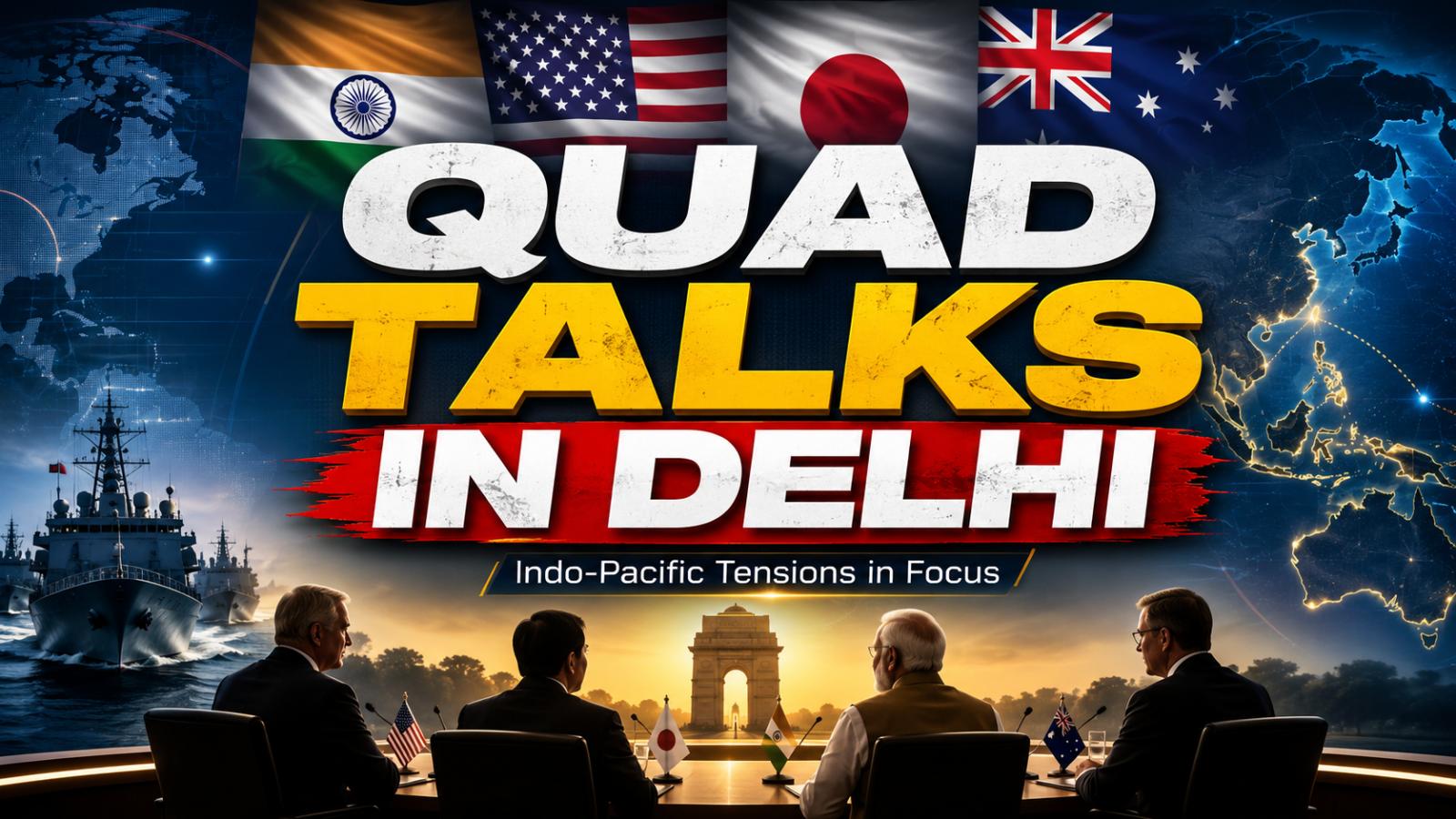
India Hosts Quad Delhi Meeting as Indo-Pacific Security, China and West Asia Tensions Take Centre Stage
India is hosting the Quad foreign ministers’ meeting in New Delhi on May 26, 2026, bringing together senior leaders from India, the United States, Japan and Australia. External Affairs Minister S. Jaishankar is chairing the meeting, with U.S. Secretary of State Marco Rubio, Australian Foreign Minister Penny Wong and Japanese Foreign Minister Toshimitsu Motegi attending the talks. The participation details are confirmed by India’s Ministry of External Affairs. The meeting comes a
India Hosts Quad Delhi Meeting as Indo-Pacific Security, China and West Asia Tensions Take Centre Stage
India is hosting the Quad foreign ministers’ meeting in New Delhi on May 26, 2026, bringing together senior leaders from India, the United States, Japan and Australia. External Affairs Minister S. Jaishankar is chairing the meeting, with U.S. Secretary of State Marco Rubio, Australian Foreign Minister Penny Wong and Japanese Foreign Minister Toshimitsu Motegi attending the talks. The participation details are confirmed by India’s Ministry of External Affairs. The meeting comes a
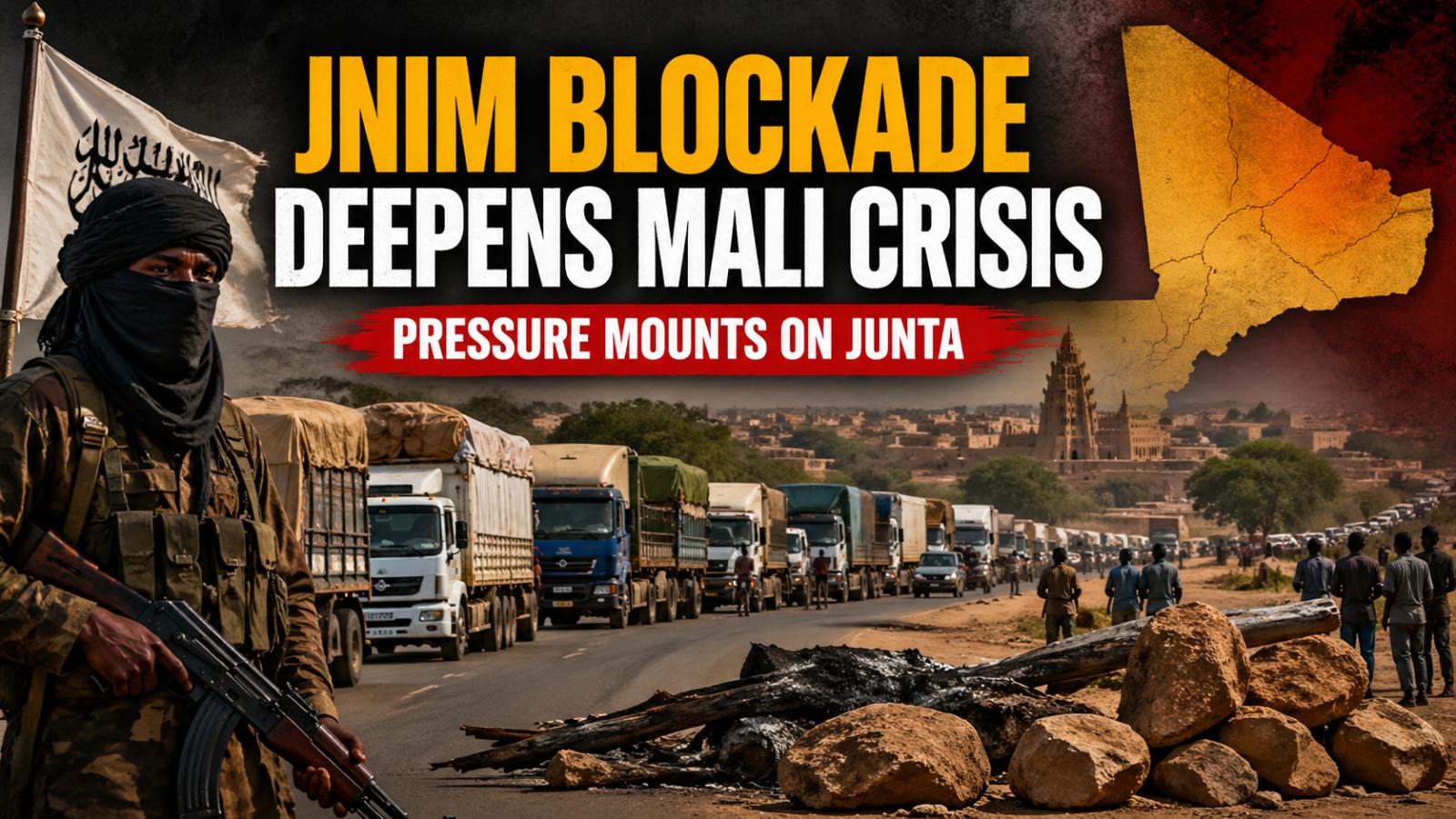
JNIM blockade in Mali on April 30 deepens crisis around Bamako
JNIM blockade in mali escalates crisis on April 30 The Mali crisis intensified on April 30 as the jnim blockade tightened around bamako, cutting key supply routes and increasing pressure on the mali junta government. The jihadist group, the Group for the Support of Islam and Muslims, also called for a united front to remove the military leadership, raising fears of deeper instability across the country. JNIM released a statement on Thursday, April 30, urging political parties, security forces, religious leaders, and citizens to unite against the junta. the group called for a “common front” to bring down the government and push for a transition, following recent coordinated attacks with Tuareg fighters. These attacks targeted military positions and led to the death of Mali’s defence minister Sadio Camara. His funeral in Bamako was held under tight security, attended by thousands including junta leader Assimi Goita. At the same time, the blockade around bamako has created a major supply crisis, with roads leading into the capital and nearby Kati effectively shut. Hundreds of trucks and passenger vehicles remain stranded at entry points, with drivers reporting long waits and growing uncertainty. jnim warned of strict action against anyone using these routes, allowing only those inside the city to leave. The impact is severe because Mali depends heavily on road transport for essential goods. As a landlocked country, it relies on routes through neighboring nations for fuel and supplies. key trade corridors linking to ports like abidjan are now disrupted, affecting businesses and daily life. Reports of violence against drivers along these routes have added to fear, though some claims remain unverified. Air traffic into Bamako continues without disruption, but the overall situation remains tense. analysts warn that if the blockade continues, it could worsen the mali economy crisis and create further humanitarian challenges. The developments on April 30 highlight the growing difficulty for authorities in handling both security threats and economic stability in Mali.
JNIM blockade in Mali on April 30 deepens crisis around Bamako
JNIM blockade in mali escalates crisis on April 30 The Mali crisis intensified on April 30 as the jnim blockade tightened around bamako, cutting key supply routes and increasing pressure on the mali junta government. The jihadist group, the Group for the Support of Islam and Muslims, also called for a united front to remove the military leadership, raising fears of deeper instability across the country. JNIM released a statement on Thursday, April 30, urging political parties, security forces, religious leaders, and citizens to unite against the junta. the group called for a “common front” to bring down the government and push for a transition, following recent coordinated attacks with Tuareg fighters. These attacks targeted military positions and led to the death of Mali’s defence minister Sadio Camara. His funeral in Bamako was held under tight security, attended by thousands including junta leader Assimi Goita. At the same time, the blockade around bamako has created a major supply crisis, with roads leading into the capital and nearby Kati effectively shut. Hundreds of trucks and passenger vehicles remain stranded at entry points, with drivers reporting long waits and growing uncertainty. jnim warned of strict action against anyone using these routes, allowing only those inside the city to leave. The impact is severe because Mali depends heavily on road transport for essential goods. As a landlocked country, it relies on routes through neighboring nations for fuel and supplies. key trade corridors linking to ports like abidjan are now disrupted, affecting businesses and daily life. Reports of violence against drivers along these routes have added to fear, though some claims remain unverified. Air traffic into Bamako continues without disruption, but the overall situation remains tense. analysts warn that if the blockade continues, it could worsen the mali economy crisis and create further humanitarian challenges. The developments on April 30 highlight the growing difficulty for authorities in handling both security threats and economic stability in Mali.
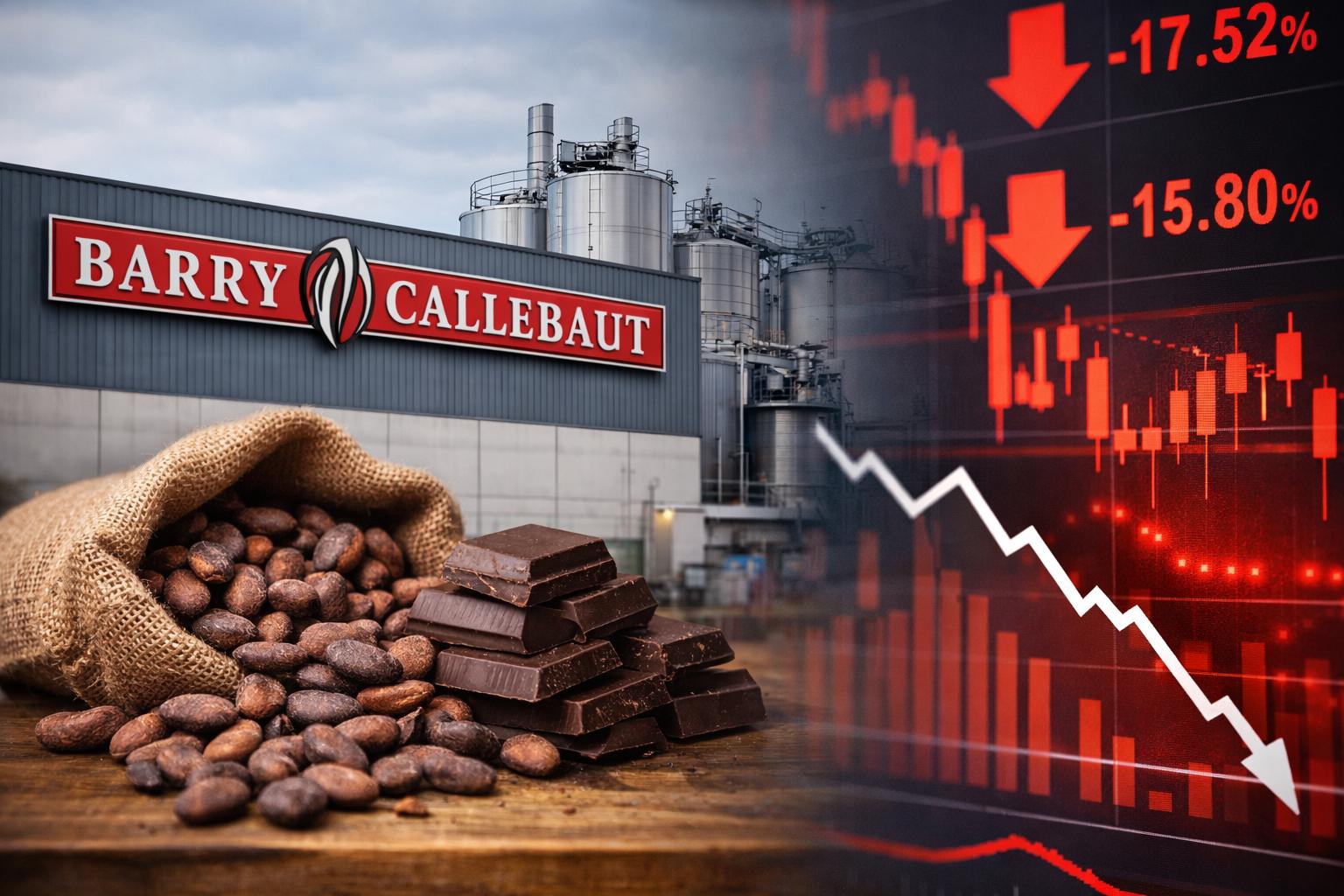
Barry Callebaut cuts profit outlook amid cocoa price drop and supply risks
Barry Callebaut, the world’s largest chocolate producer, announced on Thursday, April 16, 2026, that it has lowered its operating profit forecast for the 2025–2026 fiscal year, citing falling cocoa prices, industry overcapacity, and potential supply disruptions linked to geopolitical tensions involving Iran. The Zurich-based company now expects earnings before interest and tax (EBIT)
Barry Callebaut cuts profit outlook amid cocoa price drop and supply risks
Barry Callebaut, the world’s largest chocolate producer, announced on Thursday, April 16, 2026, that it has lowered its operating profit forecast for the 2025–2026 fiscal year, citing falling cocoa prices, industry overcapacity, and potential supply disruptions linked to geopolitical tensions involving Iran. The Zurich-based company now expects earnings before interest and tax (EBIT)










