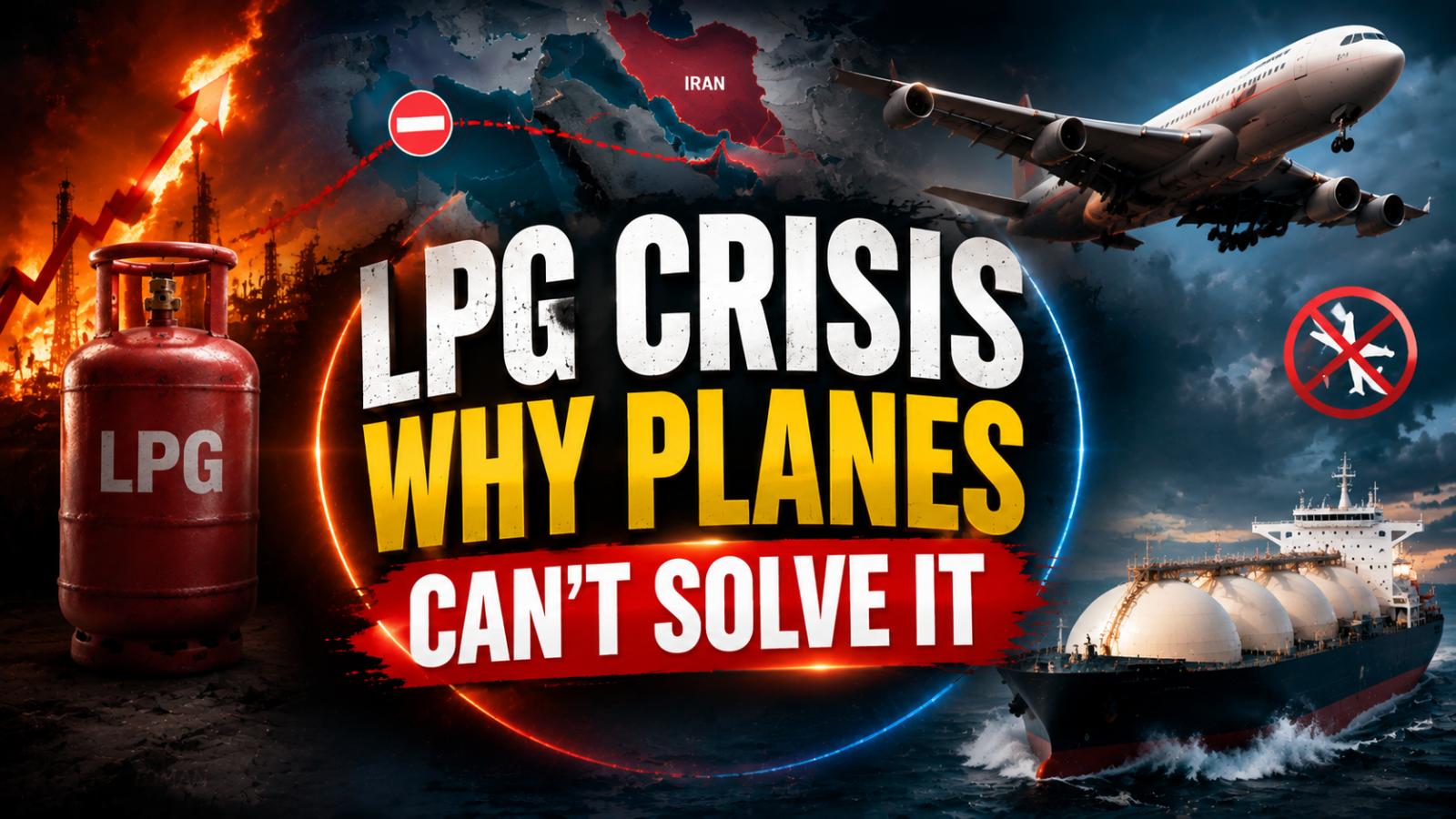
Rising concerns around LPG supply and transport
Recent disruptions in global shipping routes have sparked renewed public concern about LPG availability and pricing in several markets. While speculation often increases during periods of geopolitical tension, the actual movement of liquefied petroleum gas depends on a tightly controlled logistics system involving specialized tankers, storage terminals, and regulated transport infrastructure. Any delay in maritime corridors can influence delivery schedules, but supply chains typically adjust through rerouting and inventory management.
Shipping pressure and maritime route sensitivity
A key factor affecting global LPG movement is the sensitivity of major shipping lanes, including routes passing through the wider Middle East region. Even temporary congestion or security risks in strategic waterways can slow tanker traffic and increase freight costs. However, global energy trade does not halt entirely; instead, operators shift schedules, adjust port rotations, and use alternative passages where possible. These adjustments help stabilize supply but may still contribute to short-term price fluctuations in regional markets.
Why LPG cannot simply be moved by air
A common public question during shipping disruptions is whether LPG could be transported by aircraft as an alternative. In practice, this is not feasible due to the physical properties of liquefied gases. LPG must be stored under high pressure to remain in liquid form, requiring heavy, reinforced containment systems. Aircraft cabins are not designed to safely maintain such pressure conditions over varying altitudes, where external atmospheric pressure drops significantly. Any instability in containment could create severe safety risks, which is why aviation regulations prohibit such transport for commercial volumes.
Aircraft cabins are not designed to safely maintain
Physics, safety constraints and transport reality
The movement of LPG depends on controlled pressure systems and stable environmental conditions that are achievable only through specialized marine tankers and fixed infrastructure. While air transport is used for high-value, low-volume goods, bulk energy commodities rely on maritime logistics due to safety and cost efficiency. The combination of pressure sensitivity, containment engineering, and regulatory restrictions makes sea transport the only practical method for large-scale LPG movement. Even during periods of shipping disruption, the industry’s focus remains on rerouting vessels and maintaining safety rather than shifting transport modes.