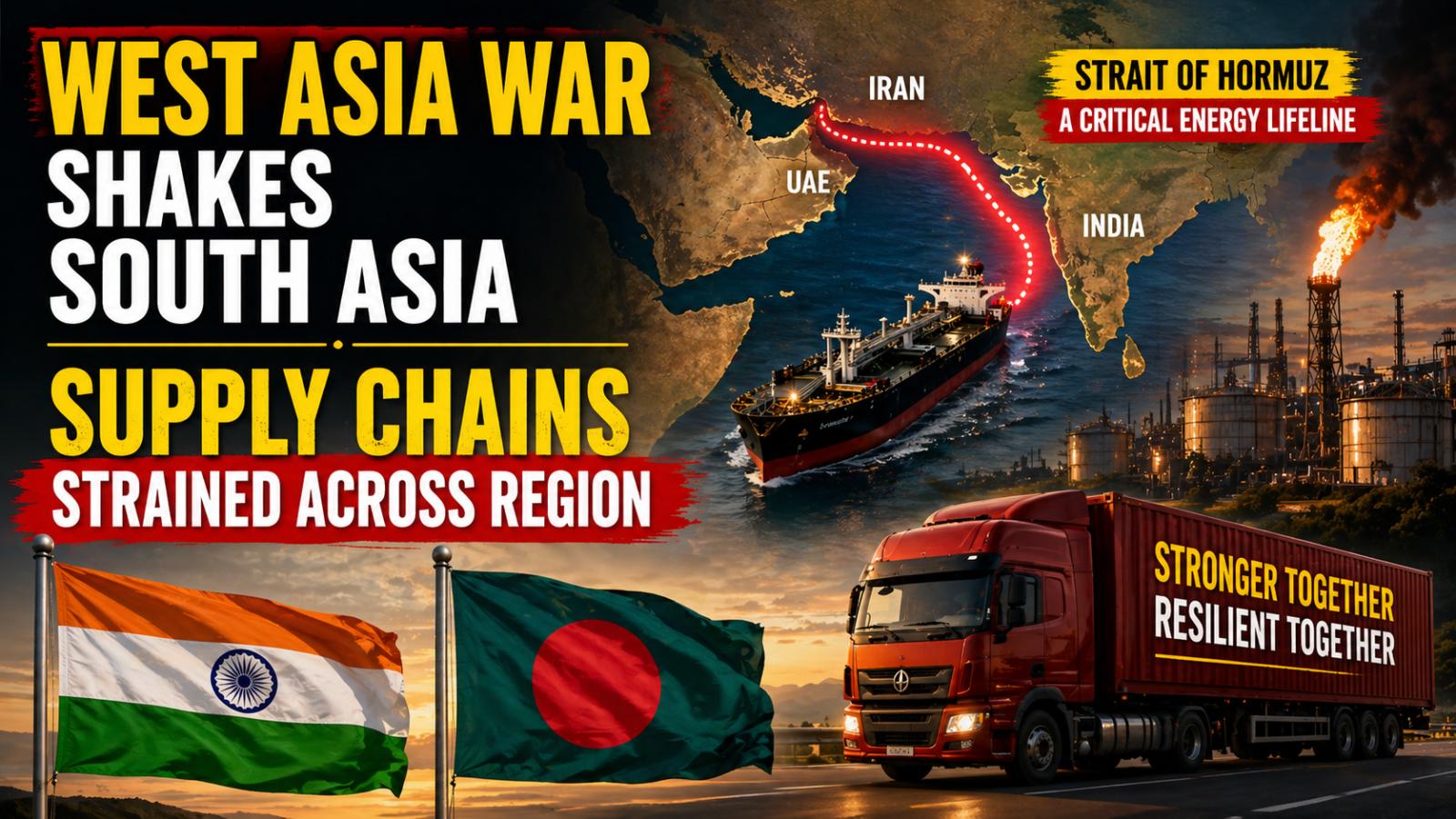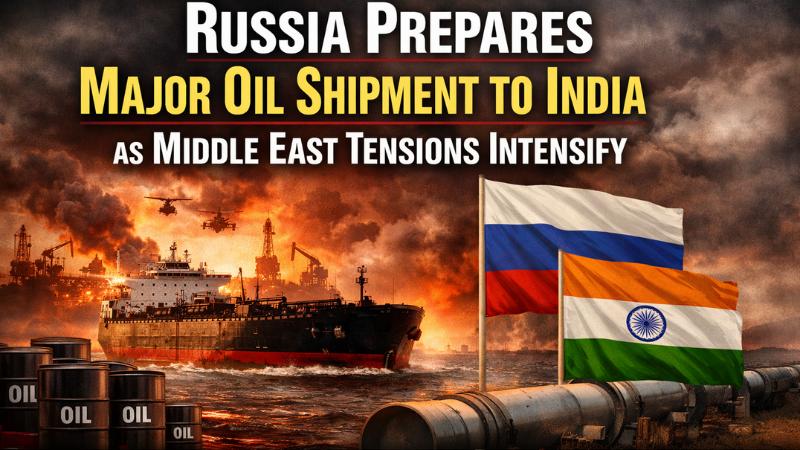
In response to the escalating crisis in the Middle East, Russia is preparing to ship 9.5 million barrels of crude oil to India. This move comes as India faces severe supply disruptions, particularly after Iranian attacks targeted vessels in the Strait of Hormuz, a critical oil route that handles 40% of India's crude imports. The current geopolitical tensions have left India vulnerable, as its crude stocks cover only about 25 days of demand, and inventories of refined products like gasoline, gasoil, and liquefied petroleum gas (LPG) are similarly limited.
Russia, recognizing India's urgent need for alternative supplies, is ready to divert a significant portion of its oil to India. With the ongoing conflict in the Middle East, the Indian government has been actively looking for ways to stabilize its energy imports. An industry source revealed that Russia could meet up to 40% of India’s crude needs. Although India's imports from Russia had fallen in January due to US tariffs, Moscow's share of India's crude imports rebounded to around 30% in February.
The decision to increase imports from Russia hinges on further negotiations and guidance from the Indian government, as it navigates the delicate balance of its relationship with the US and Russia. Despite pressure from the US to reduce purchases of Russian oil, India maintains that its strategy is to diversify oil supply sources in response to evolving global market conditions.
With Qatar halting its LNG production due to the expanded conflict, Russia is also prepared to sell liquefied natural gas to India, further strengthening the energy partnership. However, the volatile market conditions have led to increasing oil prices, as the global oil market shifts to a seller’s market.
India's situation is particularly precarious as it holds far less oil in storage compared to China, making it more susceptible to regional supply shocks. In response to the instability, the US has suggested that the US Navy could escort oil tankers through the Strait of Hormuz if necessary, providing additional support for Gulf shipping routes. As the global energy landscape continues to evolve, India's reliance on alternative oil suppliers like Russia is expected to grow, with continued efforts to secure stable and diversified energy sources in the face of mounting challenges.