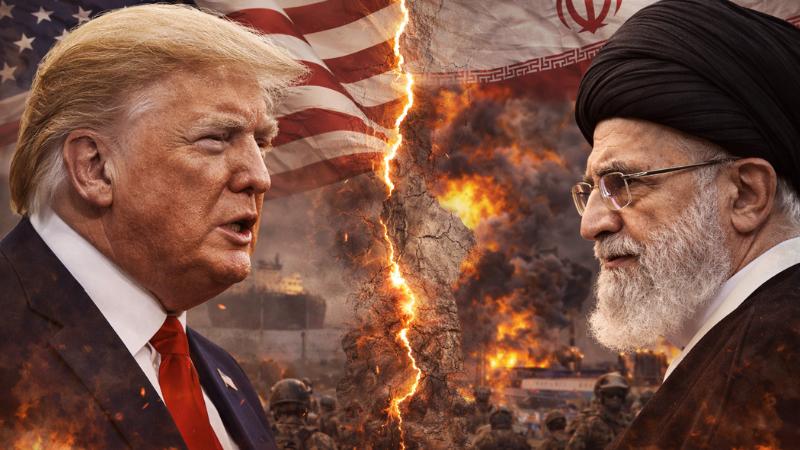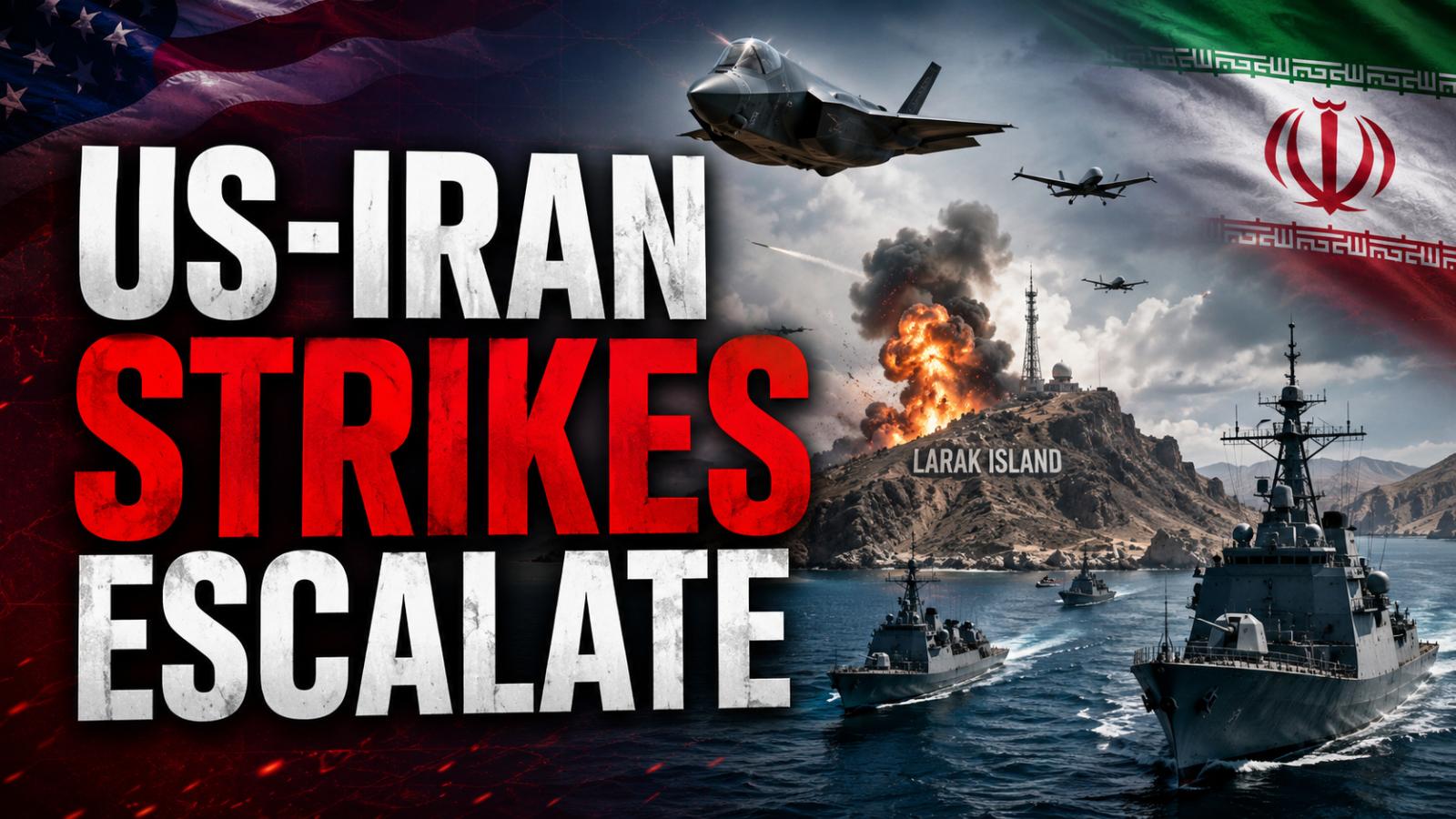
The US-Iran confrontation has entered another tense phase after American forces struck Iranian launchers on Larak Island near the Strait of Hormuz. Iran responded with claims of attacks on US-linked bases in the region, while diplomatic efforts continued in Bishkek, where Prime Minister Narendra Modi met Iranian President Masoud Pezeshkian.
Larak Island Strike
US officials said the operation targeted two Iranian launchers after Islamic Revolutionary Guard Corps forces were allegedly observed preparing rockets capable of deploying sea mines into the Strait of Hormuz. Washington said the action was intended to protect civilian mariners, international shipping and the free flow of commerce through the strategic waterway.
Larak Island lies near Bandar Abbas and occupies a sensitive position close to the entrance of the strait. Reports describe the island as hosting Iranian military facilities used to monitor activity around Hormuz, making any strike there strategically significant.
Iranian accounts said the attack killed and wounded military personnel and civilians. The IRGC vowed that those responsible would face retaliation, signalling that Tehran viewed the operation as more than an isolated tactical strike.
Iran Retaliation Claims
Iranian authorities subsequently claimed attacks on military facilities associated with US forces in Jordan and the United Arab Emirates. Tehran said bases at King Hussein and Al Azraq in Jordan were targeted, while Iran also claimed a drone operation against Al Minhad Air Base in the UAE.
The UAE rejected parts of the Iranian account but said its forces had intercepted an Iranian drone over territorial waters and described the incident as a dangerous escalation.
Because the claims from opposing sides remain contested, casualty figures and the precise impact of the retaliatory operations should be treated cautiously until governments release independently verifiable details.
Hormuz Crisis Deepens
The Strait of Hormuz remains at the centre of the confrontation. The White House said last week that international shipping lanes had been cleared of Iranian mines and that US forces were protecting commercial traffic through the strait.
Iran, however, continues to dispute Washington’s account of control over the waterway. Any renewed deployment of sea mines would pose a serious threat to oil tankers, commercial vessels and global energy markets.
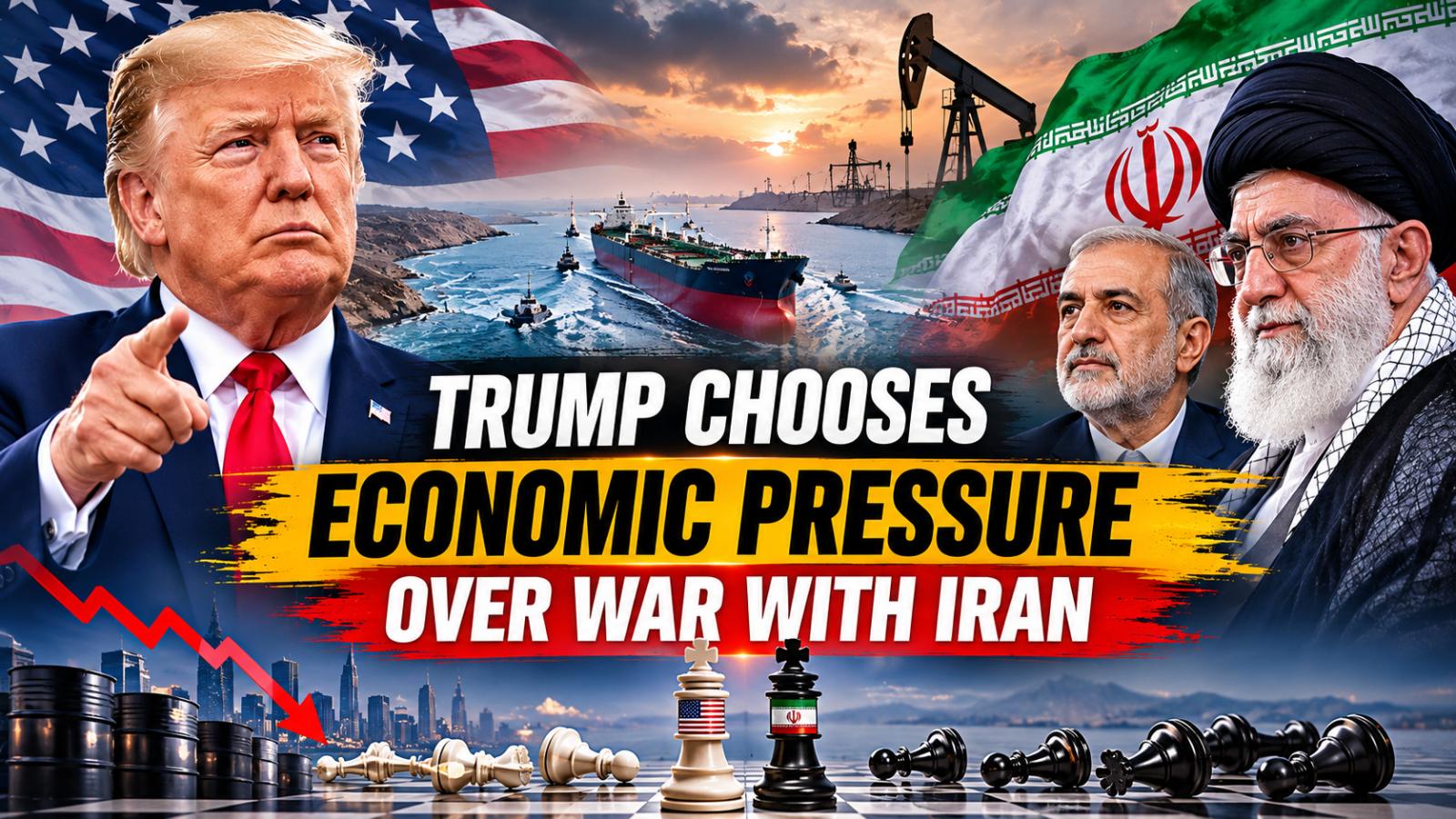
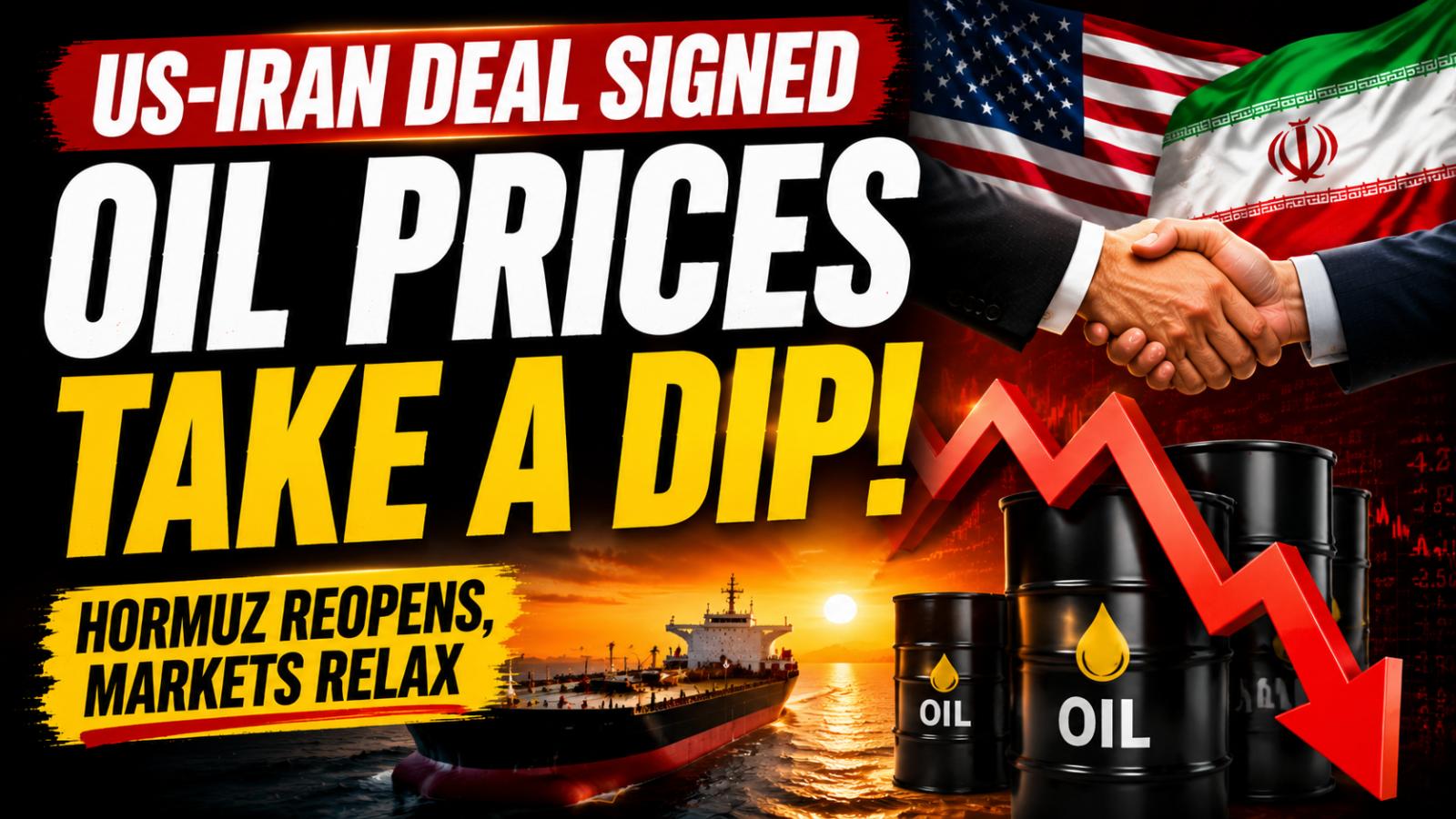
The latest confrontation therefore carries economic consequences well beyond the immediate military exchanges. Even limited disruption around Hormuz can increase shipping insurance costs, delay energy supplies and create volatility in global oil markets.
Modi Pezeshkian Talks
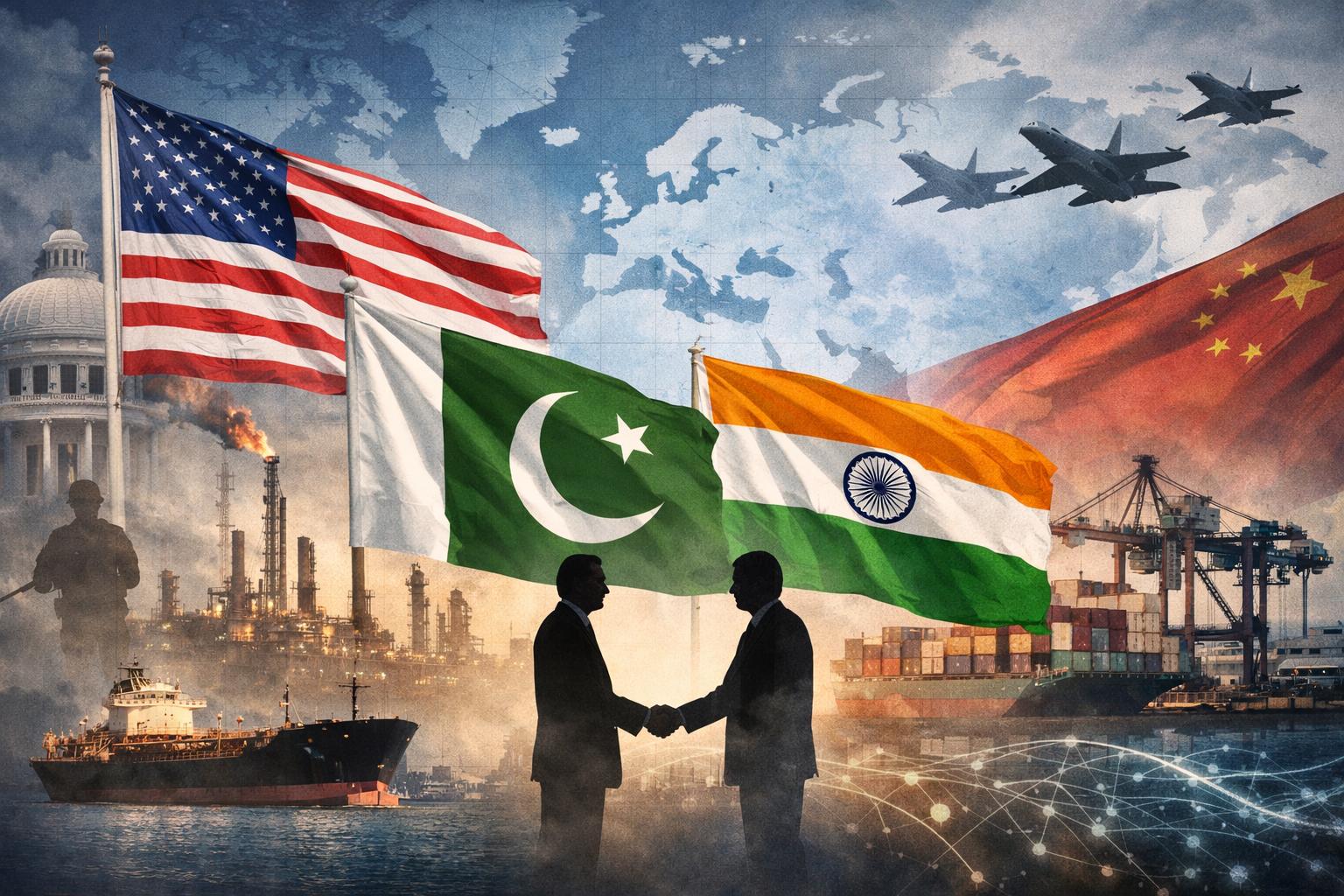
Amid the escalation, Prime Minister Narendra Modi met Iranian President Masoud Pezeshkian on August 31 on the sidelines of the SCO Summit in Bishkek. India’s government said the two leaders discussed bilateral relations and recent developments in the West Asia conflict.
Modi expressed concern about rising tensions and reiterated India’s position that disputes should be resolved through dialogue and diplomacy. He also stressed the importance of protecting freedom of navigation, commercial shipping, civilians and seafarers.
India also reiterated its willingness to work closely with Iran through multilateral organisations including BRICS and the SCO, while Modi said he looked forward to welcoming Pezeshkian to India for the BRICS Summit.
Fresh Phase of Conflict
The renewed exchanges show how fragile the month-long lull had become. Washington appears determined to prevent new mine deployments around Hormuz, while Tehran has made clear that strikes on Iranian territory will draw a response.
At the same time, the Modi-Pezeshkian meeting highlights a parallel diplomatic effort to prevent the confrontation from expanding further. With military threats rising again and the Strait of Hormuz remaining vulnerable, the next few days will show whether the latest escalation stays limited or develops into a broader cycle of US-Iran strikes.