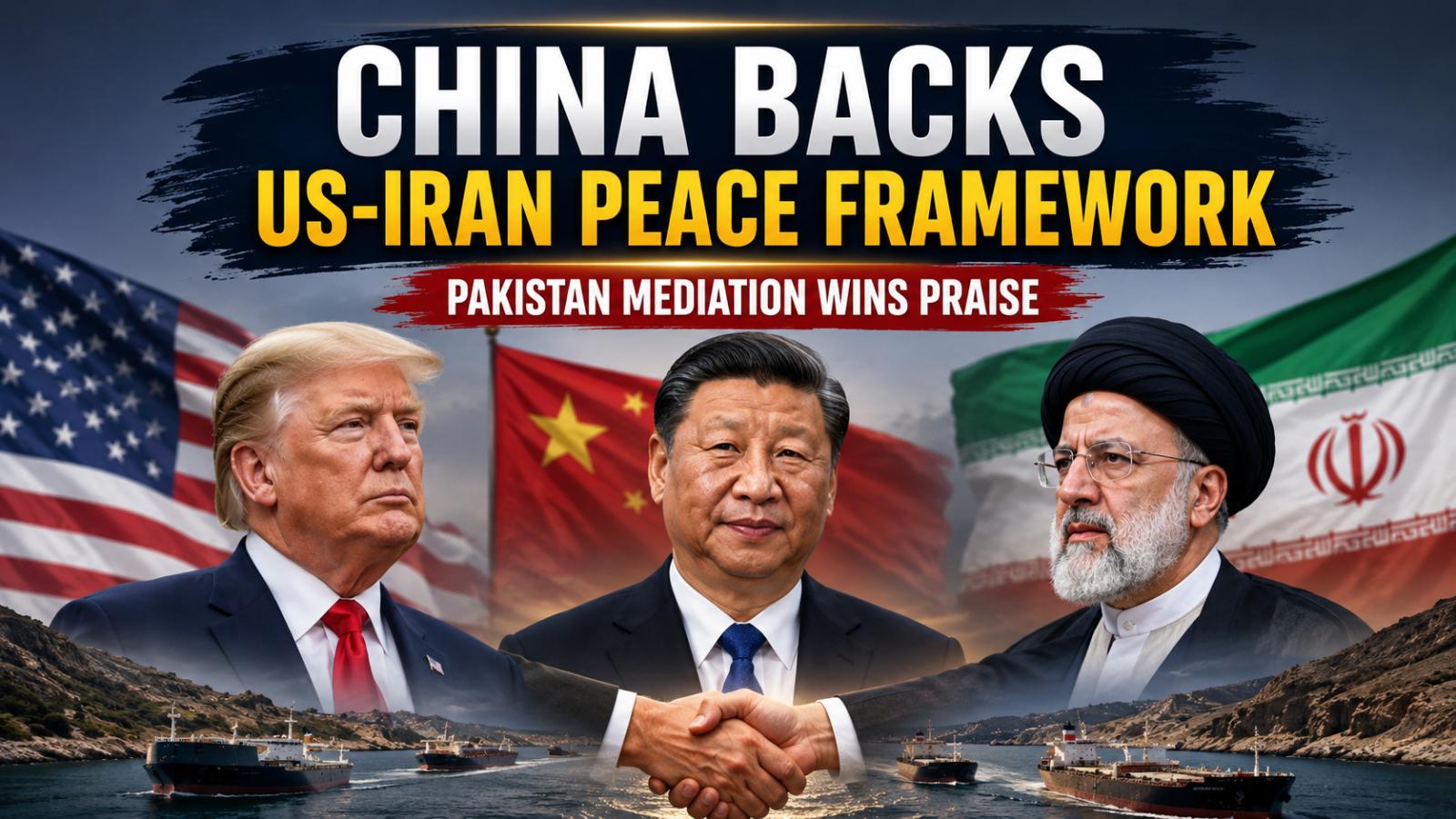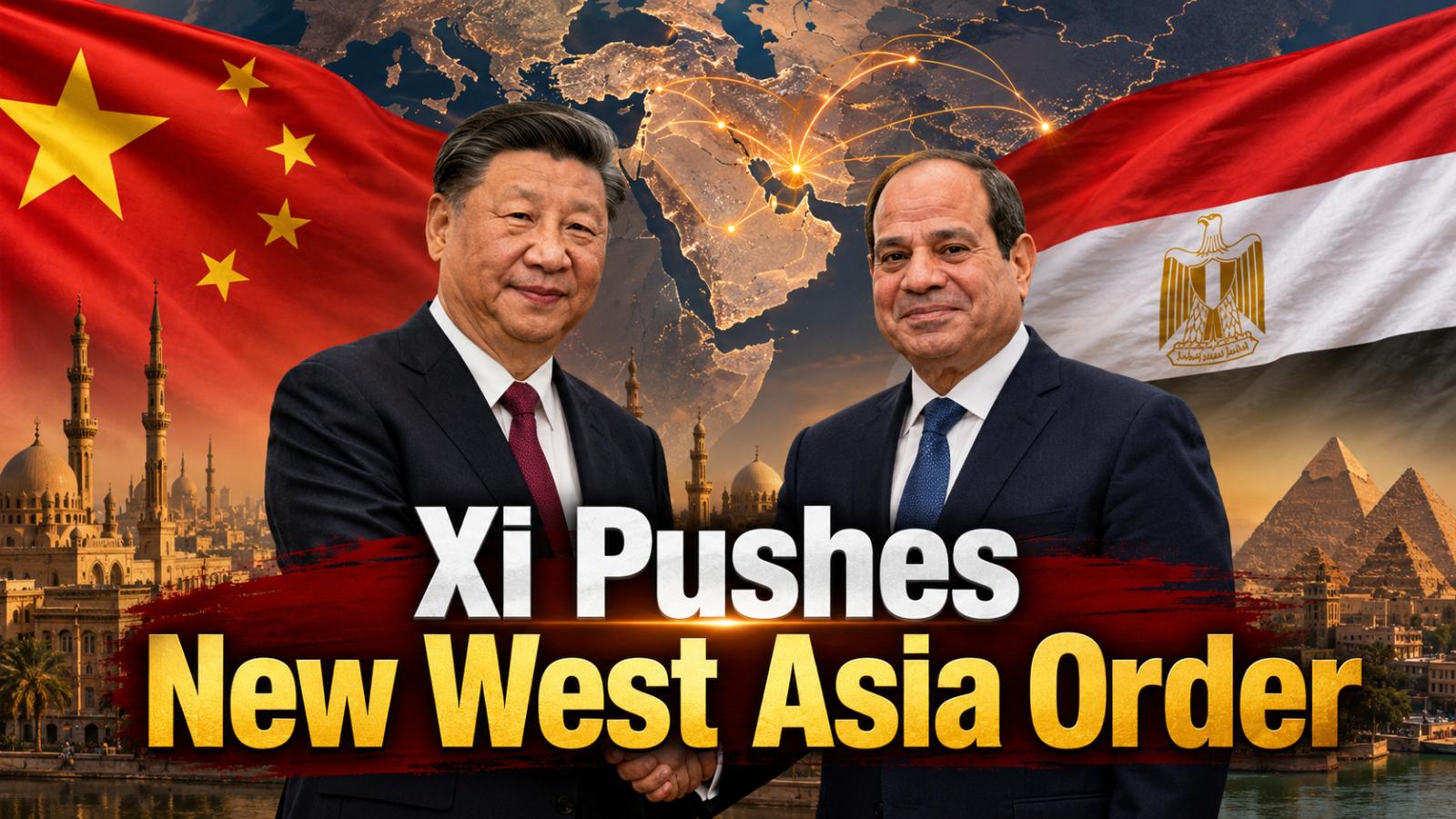
Chinese President Xi Jinping’s visit to Egypt has placed China’s expanding role in West Asia under the spotlight as regional governments reassess security partnerships amid the continuing US-Iran conflict. In Cairo, Xi called for regional countries to resist external interference and explore a new security architecture while deepening economic and strategic cooperation with Egypt.
Xi Jinping Egypt visit sends regional security message
Xi travelled to Egypt on September 1 and 2, marking his first trip to the Middle East in four years. Egyptian President Abdel Fattah El-Sisi hosted the Chinese leader during a state visit that also celebrated 70 years of diplomatic relations between Cairo and Beijing.
During the talks, Xi said countries in the region should remain masters of their own affairs and oppose external interference. He also encouraged discussion of a new regional security framework, a message that comes as several US partners in West Asia are reconsidering how heavily they should depend on Washington for security.
The language does not amount to China formally replacing the United States as the region’s security guarantor. Instead, Beijing is positioning itself as an additional diplomatic, economic and security partner at a time of heightened uncertainty.
China-Egypt ties expand beyond traditional diplomacy
Egypt remains one of Washington’s most important Arab military partners, but Cairo has increasingly pursued what it describes as strategic balance by strengthening relations with other major powers.
China and Egypt agreed during Xi’s visit to deepen cooperation in security, counterterrorism, artificial intelligence, trade, transportation, industrial supply chains and the digital economy. Their joint communiqué also emphasized infrastructure and Belt and Road cooperation.
Egypt’s strategic importance to China goes well beyond bilateral trade. The country controls the Suez Canal, a critical route linking Asian and European markets, while Chinese companies have invested heavily in manufacturing, infrastructure and development projects around the Suez Canal Economic Zone.
New regional alliances reshape West Asia security
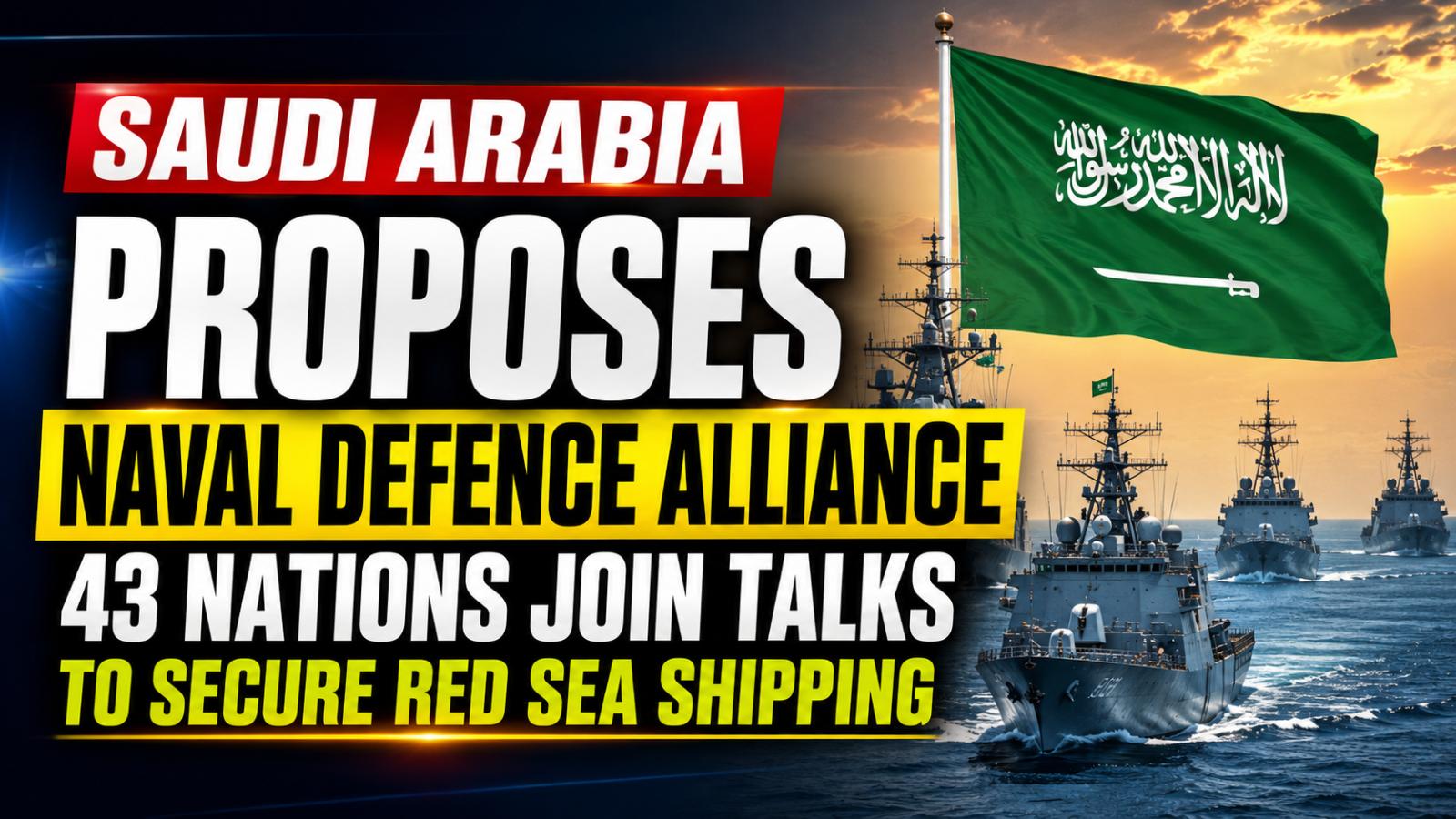
Xi’s security message comes as regional countries create stronger defence arrangements of their own. In July, Saudi Arabia and 13 other countries announced a multinational maritime defence alliance designed to protect navigation through the Bab al-Mandab Strait, Red Sea and Gulf of Aden.
A second major development followed on August 7, when Saudi Arabia, Türkiye and Pakistan signed the Makkah Joint Defence Agreement. Under the pact, an armed attack on one of the three countries is treated as an attack on all three. The signatories have stressed that the agreement is defensive and not directed against another country.
These developments suggest West Asian states are looking for additional security options rather than relying exclusively on any single outside power.
China seeks wider role as US-Iran conflict continues
China has strong economic reasons to promote stability across the region. Disruptions around the Strait of Hormuz have affected energy flows, while the US-Iran confrontation has increased costs and uncertainty across global shipping and oil markets.
Beijing also has diplomatic credentials it can point to, particularly its role in facilitating the 2023 Saudi-Iran agreement that restored diplomatic relations between the two regional rivals.
Xi’s Egypt visit therefore represents more than ceremonial diplomacy. China is trying to expand its influence through investment, trade, infrastructure and security dialogue while presenting itself as a partner that favors regional autonomy over outside intervention.
Whether that translates into a genuine strategic shift away from Washington remains uncertain. Egypt and other regional states still maintain deep US security ties. What is clearer is that Beijing wants a larger seat at the table as West Asia’s political and security order evolves.