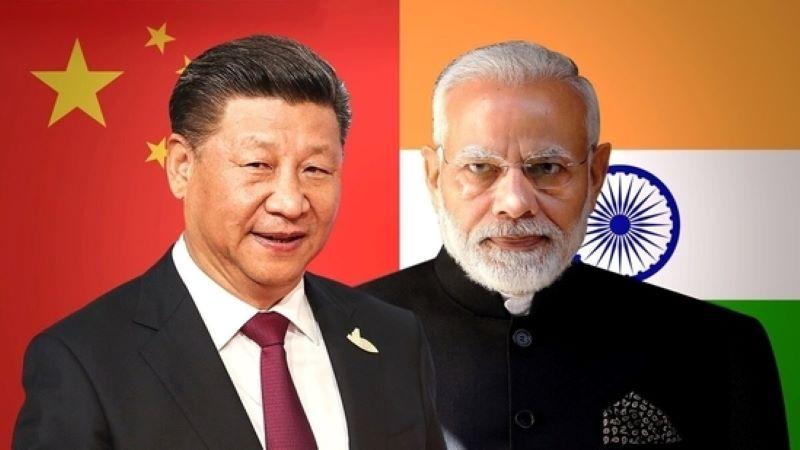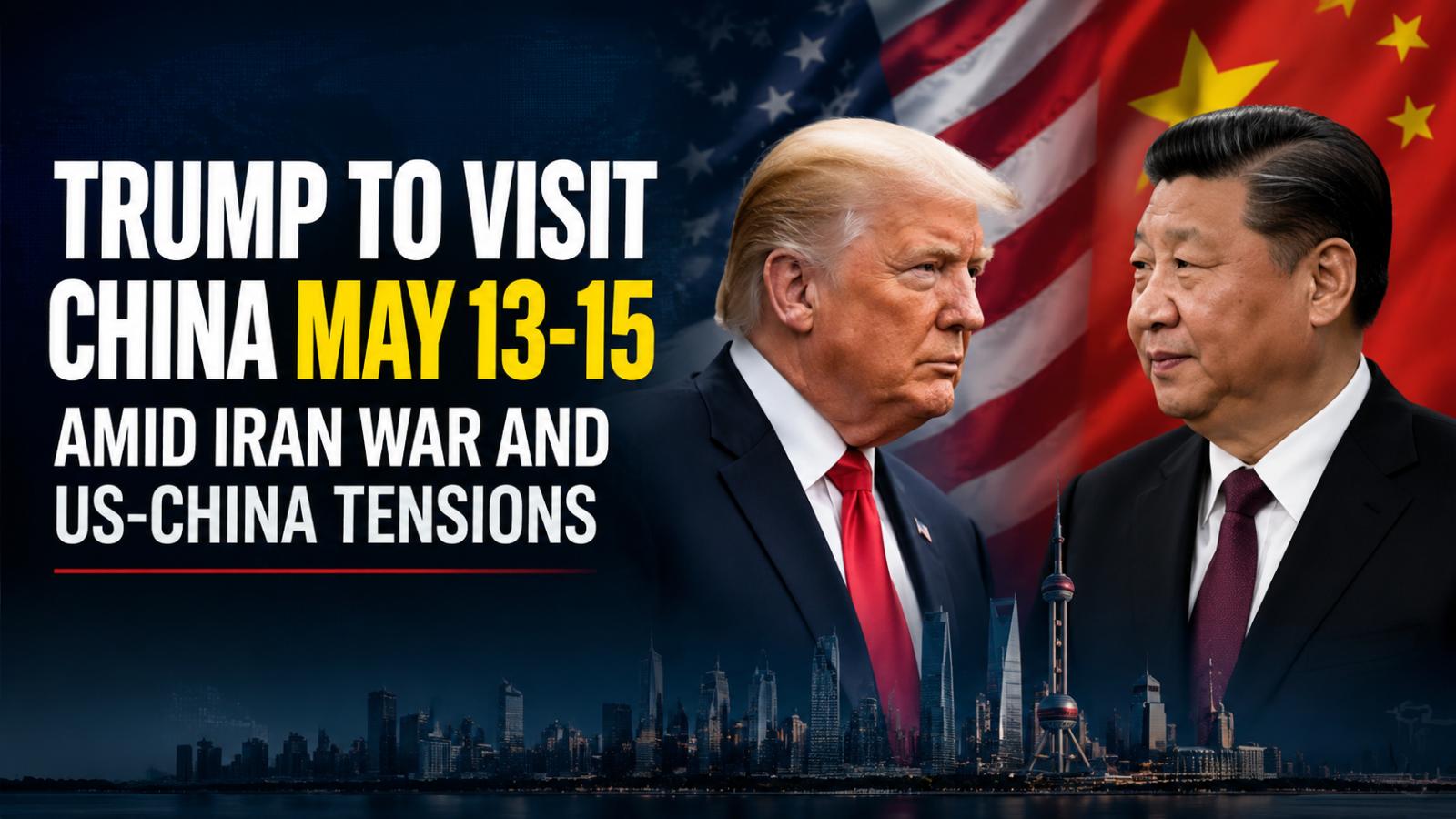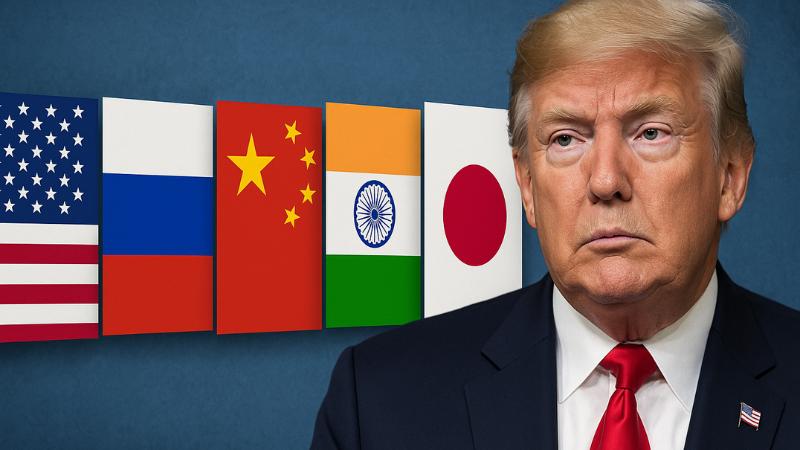
US President Donald Trump is reported to be considering the formation of a new geopolitical grouping known as the “Core-5,” a proposed alliance that would bring together the United States, Russia, China, India, and Japan. The initiative is being explored as a potential alternative to the Group of Seven, signaling a significant shift in Washington’s approach to global leadership and alliance-building. If pursued, the Core-5 could represent one of the most powerful strategic blocs ever assembled, with the potential to alter long-standing geopolitical alignments.
The idea has gained attention following remarks made by Trump during the G7 summit earlier this year, where he openly questioned the exclusion of Russia from the group. He argued that Moscow’s removal in 2014, following the annexation of Crimea, was a mistake that weakened international stability. Trump suggested that global conflicts might have been avoided had Russia remained part of a major power forum, asserting that the absence of President Vladimir Putin from such discussions has complicated diplomatic efforts.
According to sources familiar with internal policy discussions, the concept of a Core-5 grouping has been examined within broader strategic planning documents, although the White House has denied the existence of any undisclosed or unpublished strategy papers. Nonetheless, the proposal reflects Trump’s long-standing view that global decision-making should be driven by the world’s most powerful and populous nations rather than by traditional alliances rooted in post-World War II structures.
The proposed Core-5 would unite countries that collectively represent a substantial share of the global population, economic output, and military capability. Unlike the G7, membership would not be limited to wealthy, democratically governed nations. Instead, the focus would be on strategic influence and global reach, bringing together established and emerging powers under a single diplomatic framework.
Reports suggest that Middle East security could be among the first major issues addressed by the proposed grouping. A particular focus would be on efforts to normalize relations between Israel and Saudi Arabia. Encouraging Riyadh to formally join the Abraham Accords, which were launched during Trump’s first term and led to normalized relations between Israel and several Arab states, remains a key foreign policy objective. Saudi Arabia was not part of the original accords signed in 2020, and its inclusion is viewed as a potentially transformative step for regional stability.
The Core-5 proposal marks a notable departure from the United States’ traditional reliance on European allies as the cornerstone of its foreign policy. While recent US strategic statements have emphasized the need for stability in relations with Russia and acknowledged growing differences with Europe, they have not formally outlined a replacement for existing multilateral forums. The emergence of the Core-5 concept highlights a broader recalibration toward greater engagement with large, influential non-European powers.
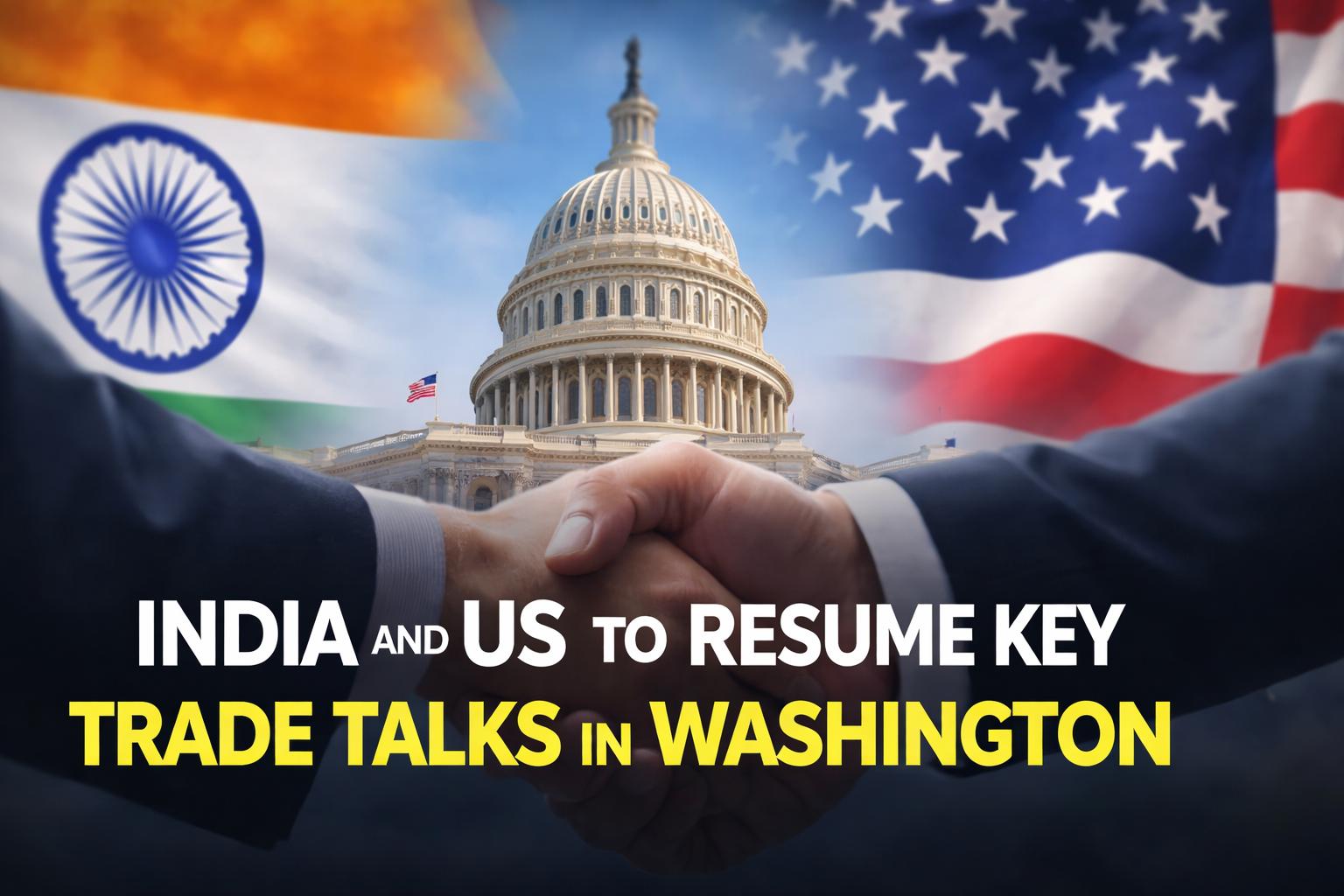
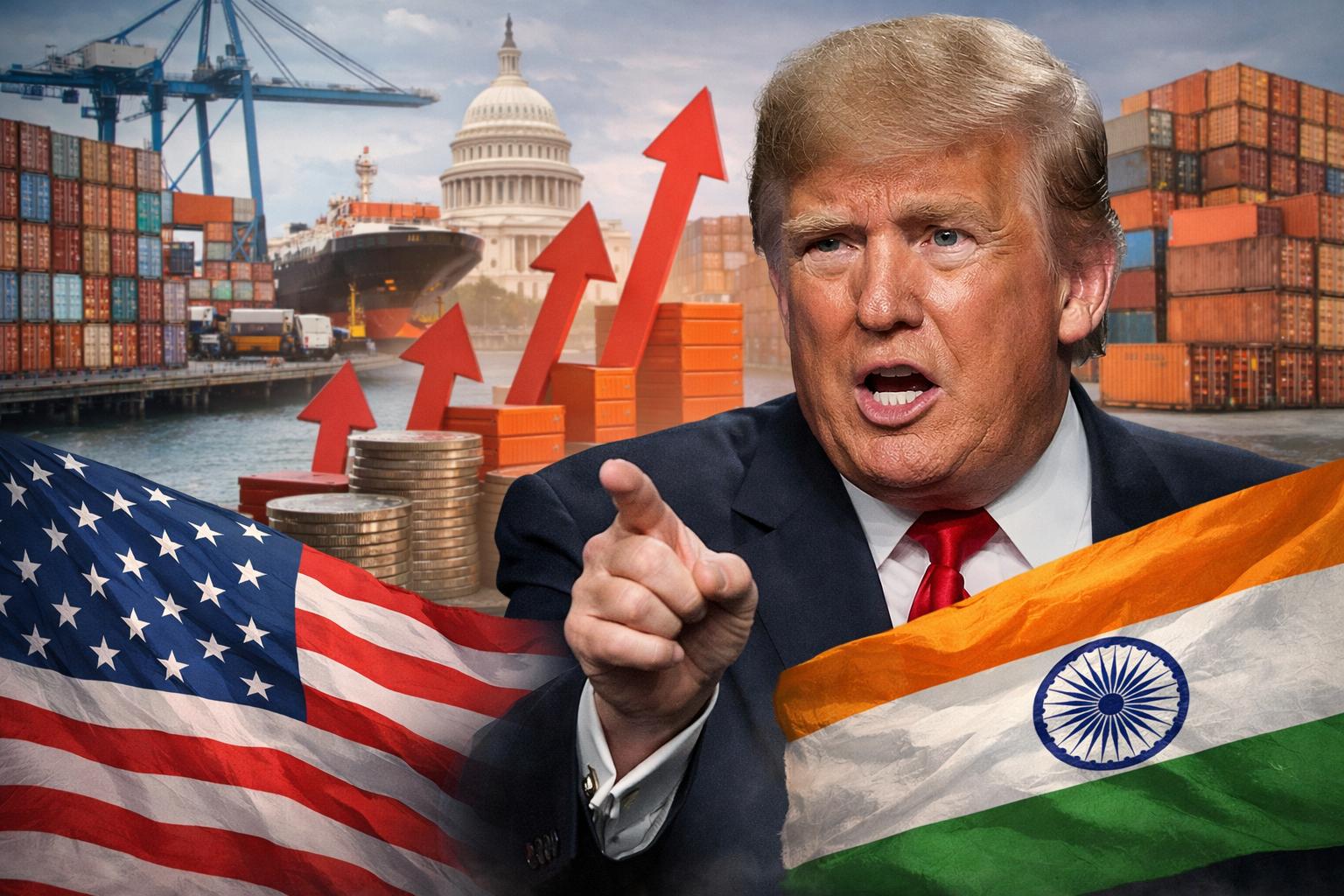
Relations between the United States and India have also shown signs of improvement in recent months. Indian Prime Minister Narendra Modi has held multiple conversations with Trump, describing their exchanges as warm and constructive despite earlier tensions. Those strains intensified after Washington imposed steep tariffs on Indian goods, citing New Delhi’s continued purchases of Russian oil. The renewed dialogue suggests a mutual interest in stabilizing ties as broader strategic considerations come into play.
If realized, the Core-5 would challenge established norms of global governance and raise questions about the future relevance of existing institutions. Supporters argue that a streamlined forum of major powers could enable more direct and decisive action on global issues, while critics caution that sidelining traditional allies could deepen divisions and undermine multilateral cooperation. As discussions continue, the proposal underscores Trump’s willingness to rethink the architecture of international relations and pursue unconventional approaches to global power dynamics.