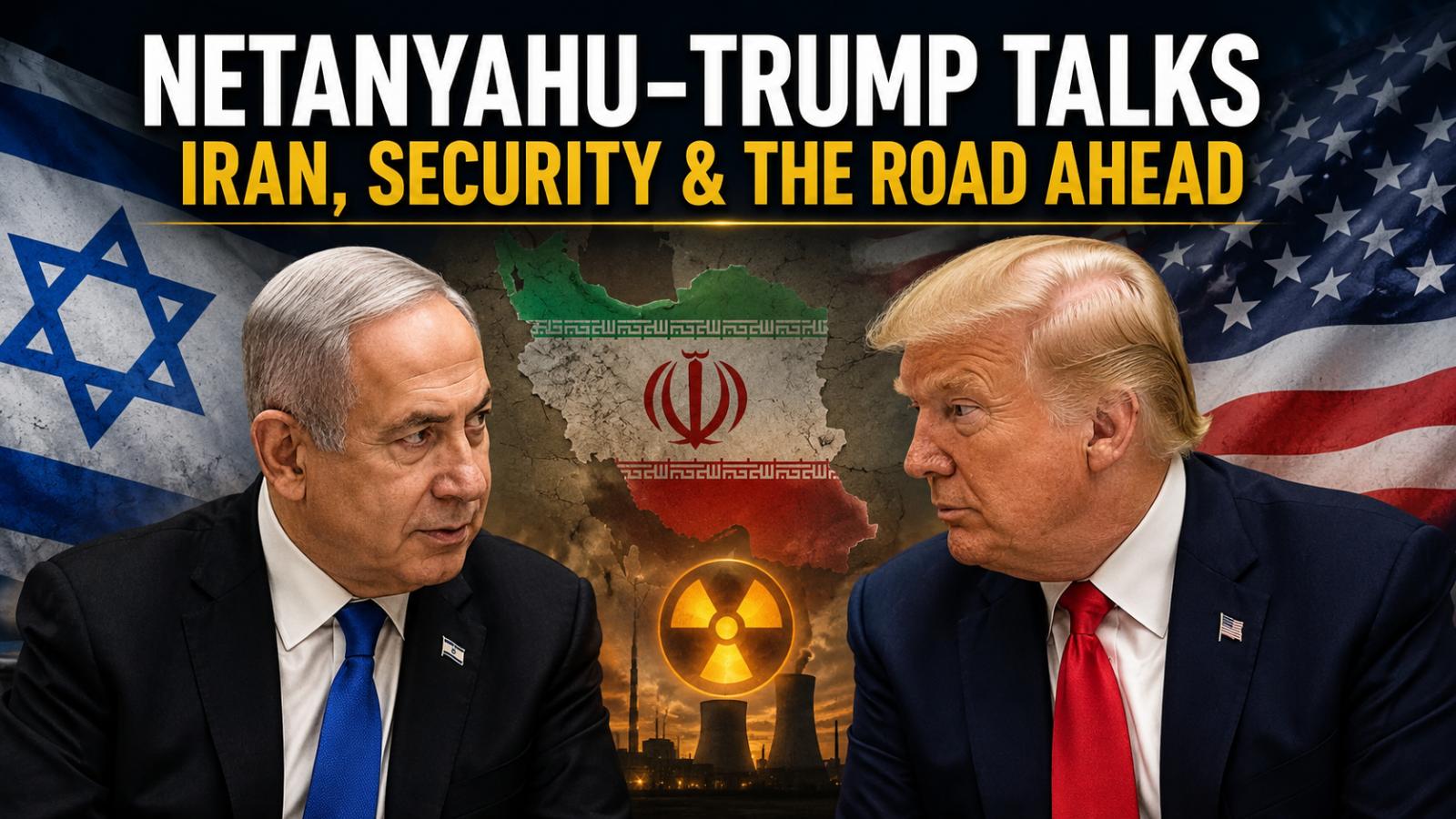
The Netanyahu Trump Iran talks placed Tehran’s nuclear programme at the centre of a wider discussion covering Syria, a proposed Saudi nuclear deal and future US aid to Israel. The 90-minute White House meeting came as both governments assessed diplomatic, economic and military options following the Iran war.
White House Talks Rebuild Strategic Coordination
Israeli Prime Minister Benjamin Neta
The Netanyahu Trump Iran talks placed Tehran’s nuclear programme at the centre of a wider discussion covering Syria, a proposed Saudi nuclear deal and future US aid to Israel. The 90-minute White House meeting came as both governments assessed diplomatic, economic and military options following the Iran war.
White House Talks Rebuild Strategic Coordination
Israeli Prime Minister Benjamin Neta
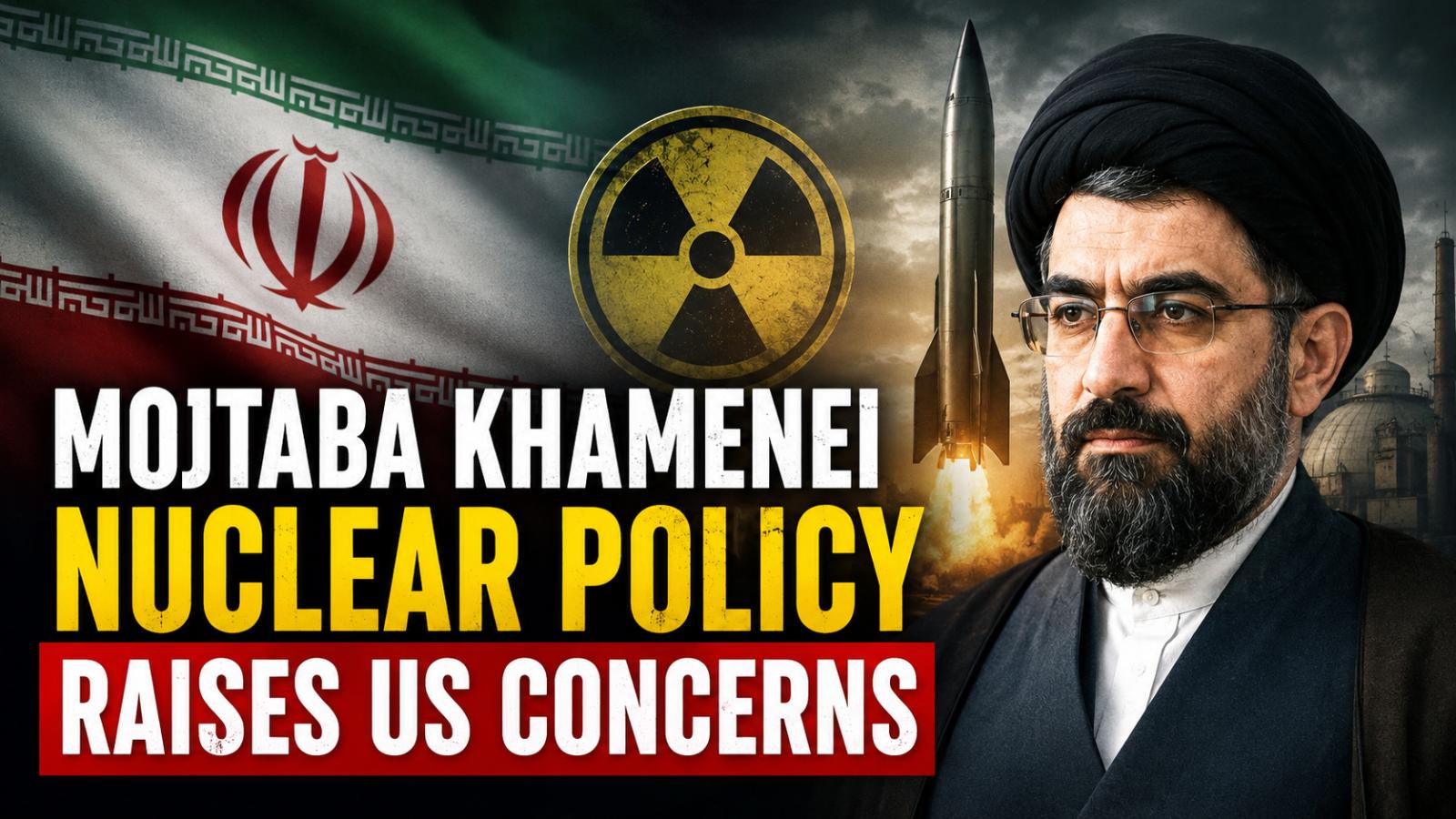
Mojtaba Khamenei nuclear policy has come under renewed scrutiny after a reported US intelligence assessment suggested that Iran’s supreme leader may be more willing than his father to consider developing nuclear weapons. The claim raises fresh questions about Iran’s nuclear doctrine, missile ambitions and regional security.
Iran Nuclear Weapons Assessment
People described as familiar with U
Mojtaba Khamenei nuclear policy has come under renewed scrutiny after a reported US intelligence assessment suggested that Iran’s supreme leader may be more willing than his father to consider developing nuclear weapons. The claim raises fresh questions about Iran’s nuclear doctrine, missile ambitions and regional security.
Iran Nuclear Weapons Assessment
People described as familiar with U
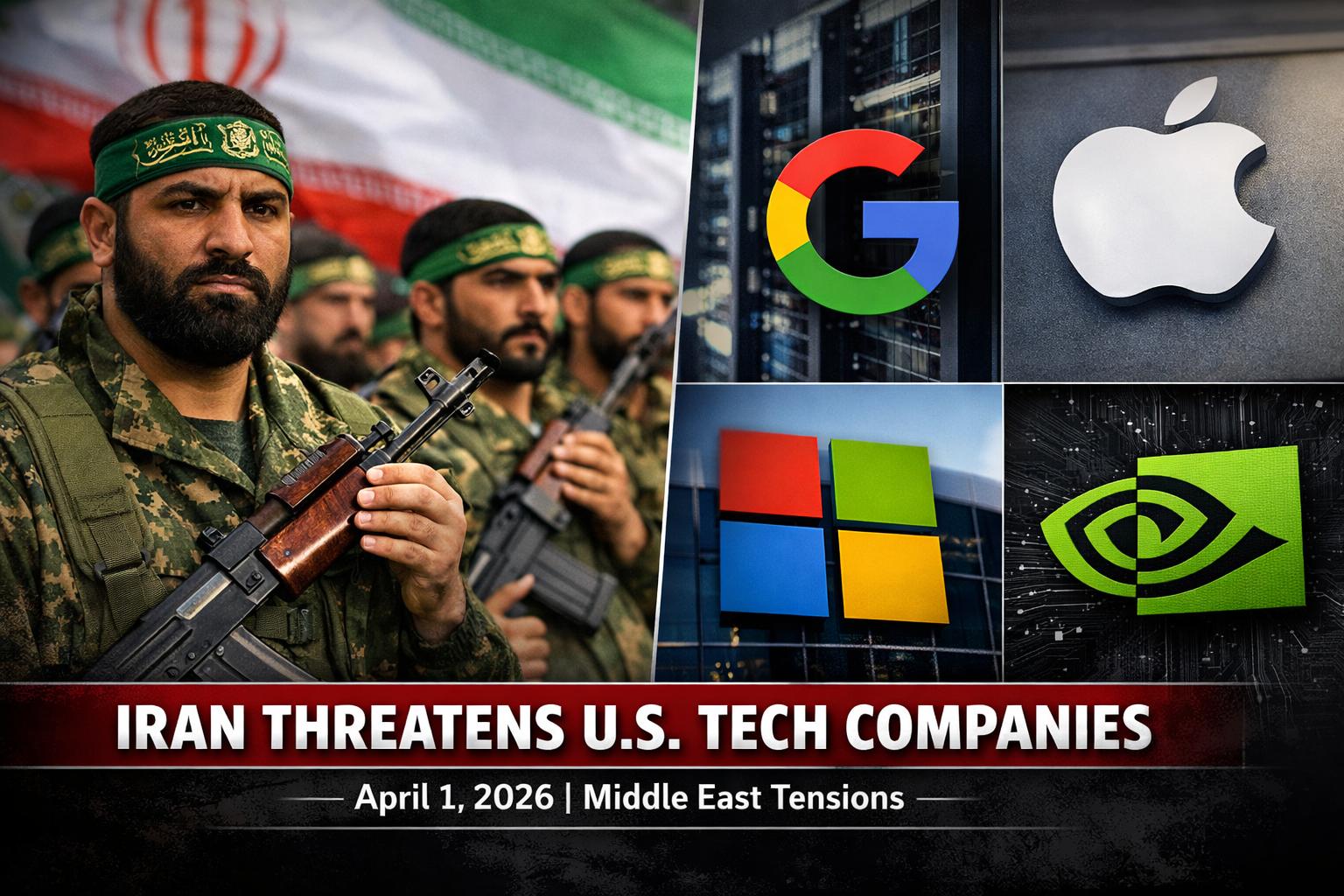
Iran’s Islamic Revolutionary Guard Corps has issued a direct warning targeting major U.S. technology companies operating in the Middle East, signaling a potential escalation in geopolitical tensions that could extend into corporate and digital infrastructure.
In a statement released on Wednesday, April 1, 2026, the Guard declared that at least 18 international companies would be considered “legitimate targets” following recent U.S. and Israeli military actions against Iran. The
Iran’s Islamic Revolutionary Guard Corps has issued a direct warning targeting major U.S. technology companies operating in the Middle East, signaling a potential escalation in geopolitical tensions that could extend into corporate and digital infrastructure.
In a statement released on Wednesday, April 1, 2026, the Guard declared that at least 18 international companies would be considered “legitimate targets” following recent U.S. and Israeli military actions against Iran. The
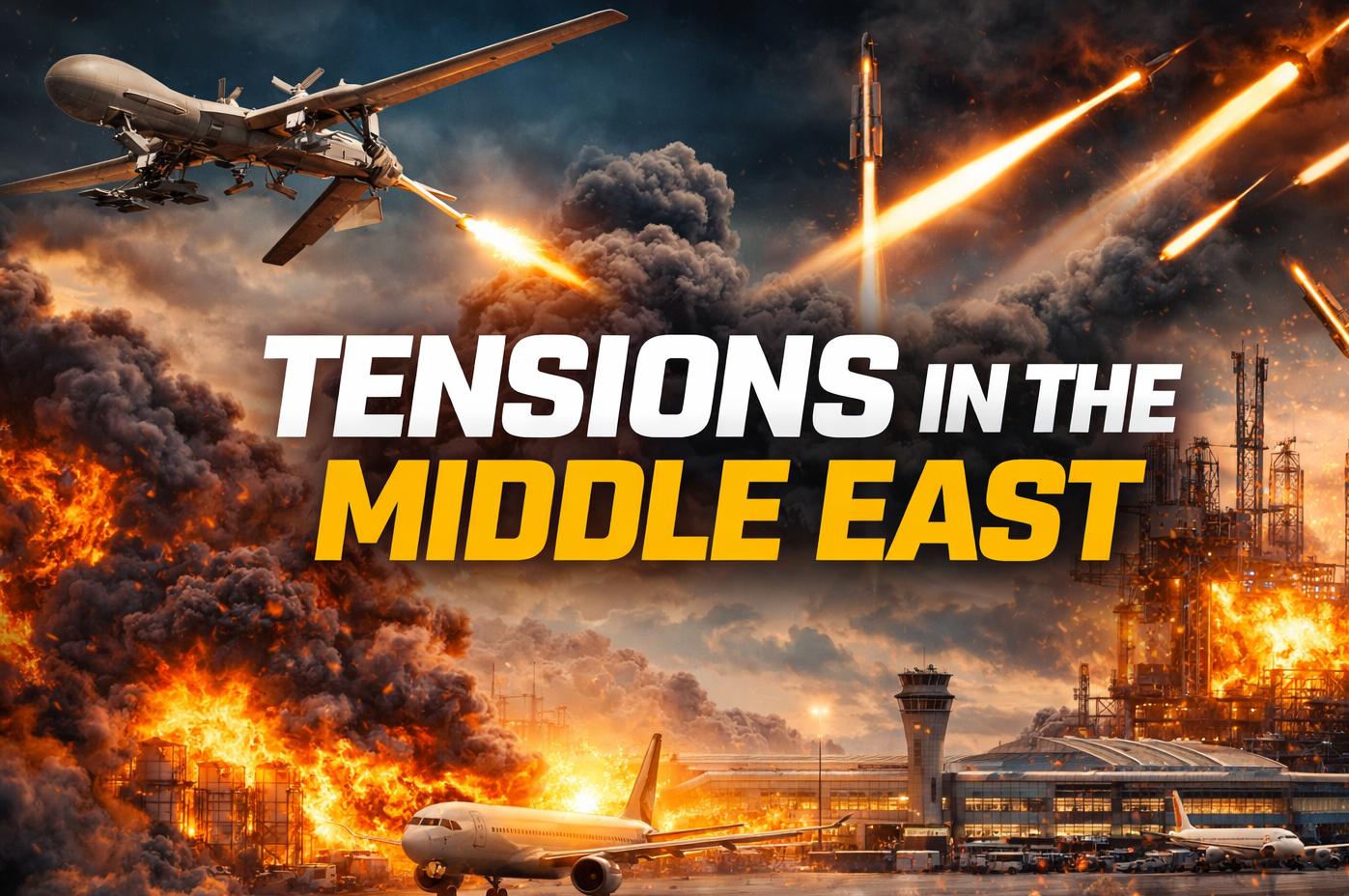
Tensions in the Middle East are escalating as multiple nations, including Kuwait, Bahrain, Saudi Arabia, and the UAE, face a series of drone and missile attacks. At Kuwait International Airport, a fuel tank was targeted, sparking a fire, but no casualties were reported. Bahrain also suffered a fire at a company facility due to missile strikes, allegedly launched by Iran. Kuwait’s military and other regional air defense systems have been actively intercepting these threats, with explosion so
Tensions in the Middle East are escalating as multiple nations, including Kuwait, Bahrain, Saudi Arabia, and the UAE, face a series of drone and missile attacks. At Kuwait International Airport, a fuel tank was targeted, sparking a fire, but no casualties were reported. Bahrain also suffered a fire at a company facility due to missile strikes, allegedly launched by Iran. Kuwait’s military and other regional air defense systems have been actively intercepting these threats, with explosion so
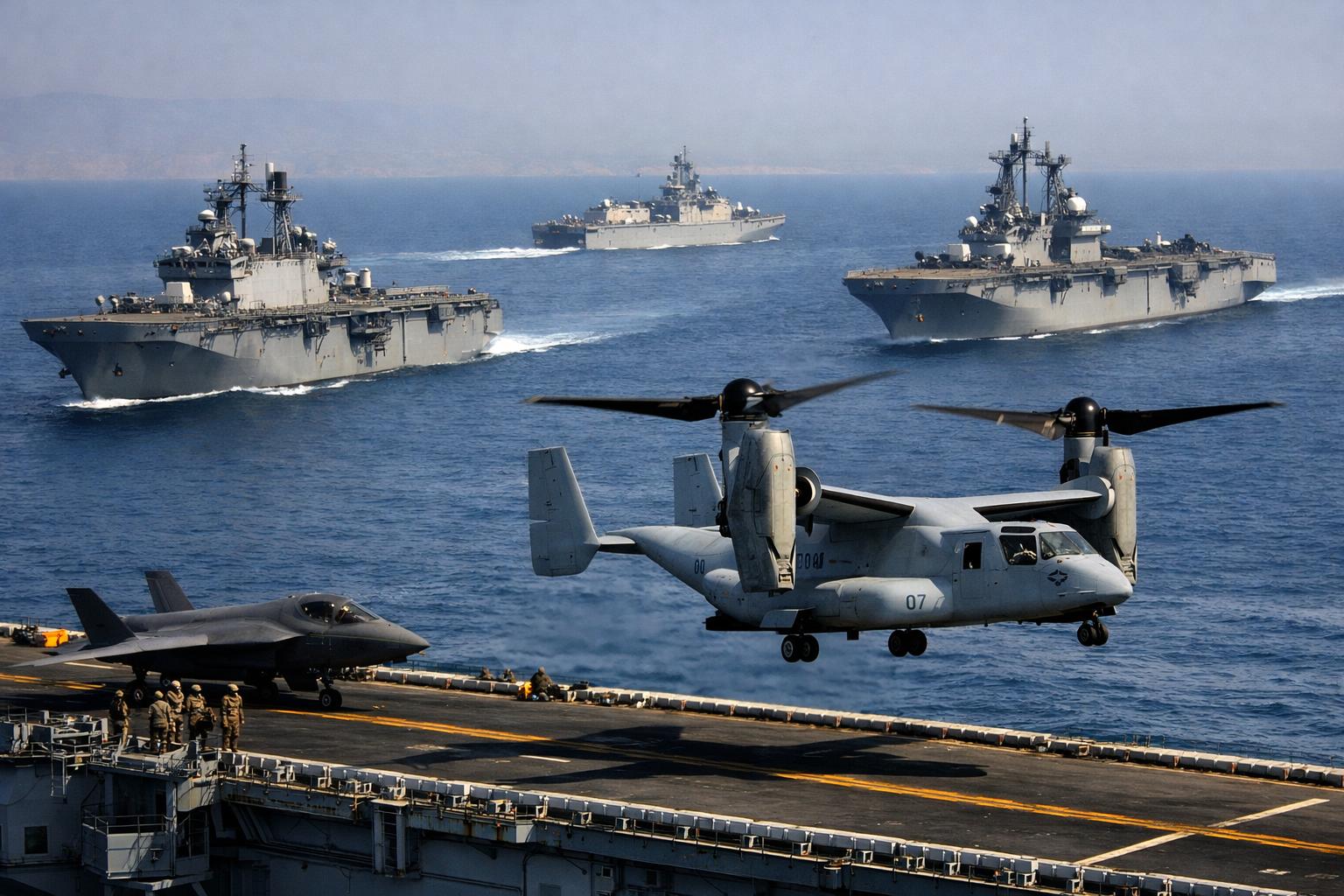
The United States Marine Corps has ordered the deployment of a Marine Expeditionary Unit to the Middle East as tensions in the region continue to escalate. Around 2,200 Marines traveling aboard three US Navy amphibious ships are being redirected toward the area, signaling a reinforcement of American military readiness amid growing concerns over maritime security and regional stability.
The unit involved in the deployment is the 31st Marine Expeditionary Unit, which is normally based in Japan
The United States Marine Corps has ordered the deployment of a Marine Expeditionary Unit to the Middle East as tensions in the region continue to escalate. Around 2,200 Marines traveling aboard three US Navy amphibious ships are being redirected toward the area, signaling a reinforcement of American military readiness amid growing concerns over maritime security and regional stability.
The unit involved in the deployment is the 31st Marine Expeditionary Unit, which is normally based in Japan
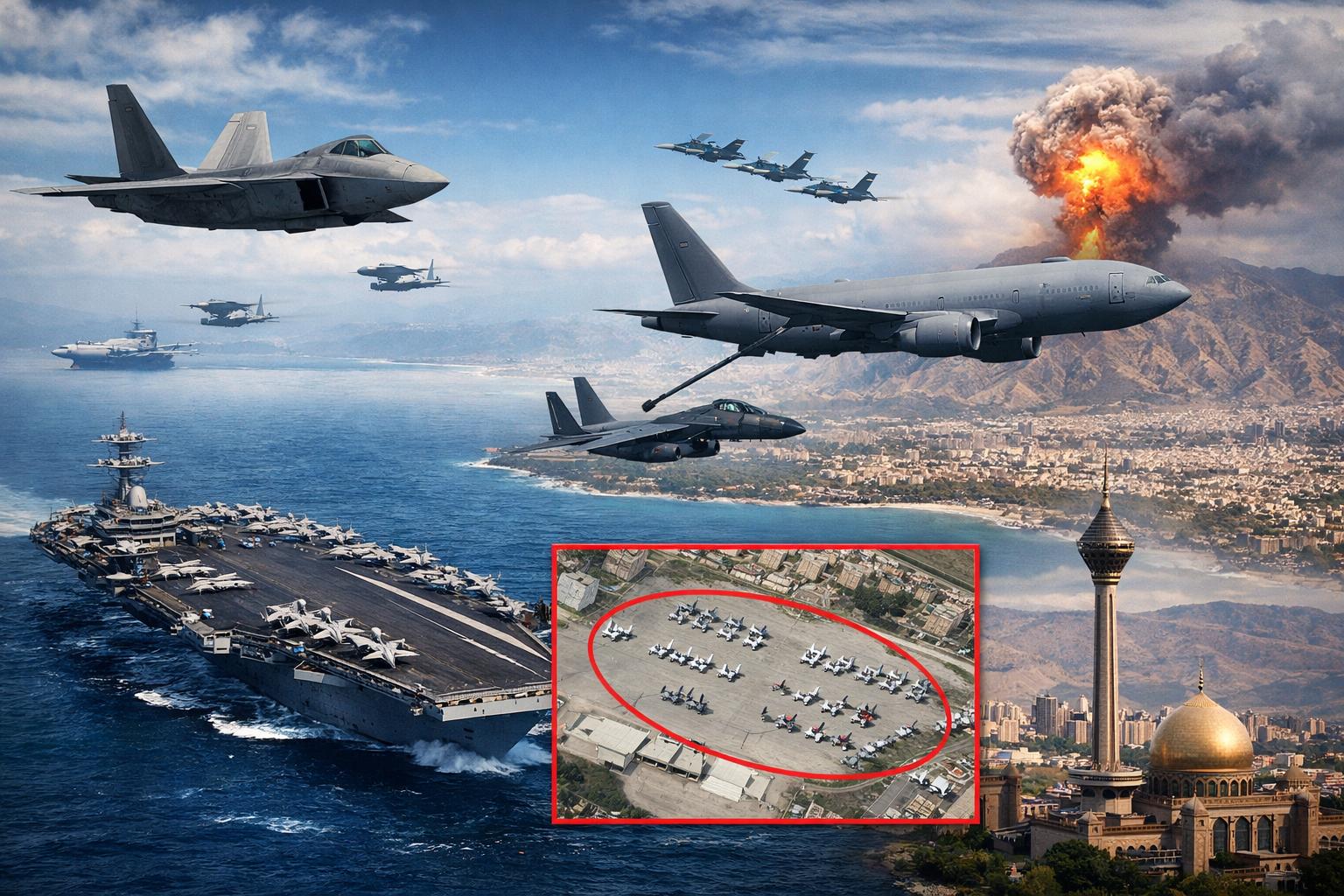
Satellite imagery and open-source flight tracking data indicate that the United States has significantly expanded its military presence across Europe and the Middle East as tensions with Iran intensify over Tehran’s nuclear programme. More than 150 American military aircraft have reportedly been repositioned to forward operating bases in what analysts describe as one of the largest regional force deployments in over two decades. The aircraft include heavy cargo planes, aerial refuelling tanker
Satellite imagery and open-source flight tracking data indicate that the United States has significantly expanded its military presence across Europe and the Middle East as tensions with Iran intensify over Tehran’s nuclear programme. More than 150 American military aircraft have reportedly been repositioned to forward operating bases in what analysts describe as one of the largest regional force deployments in over two decades. The aircraft include heavy cargo planes, aerial refuelling tanker
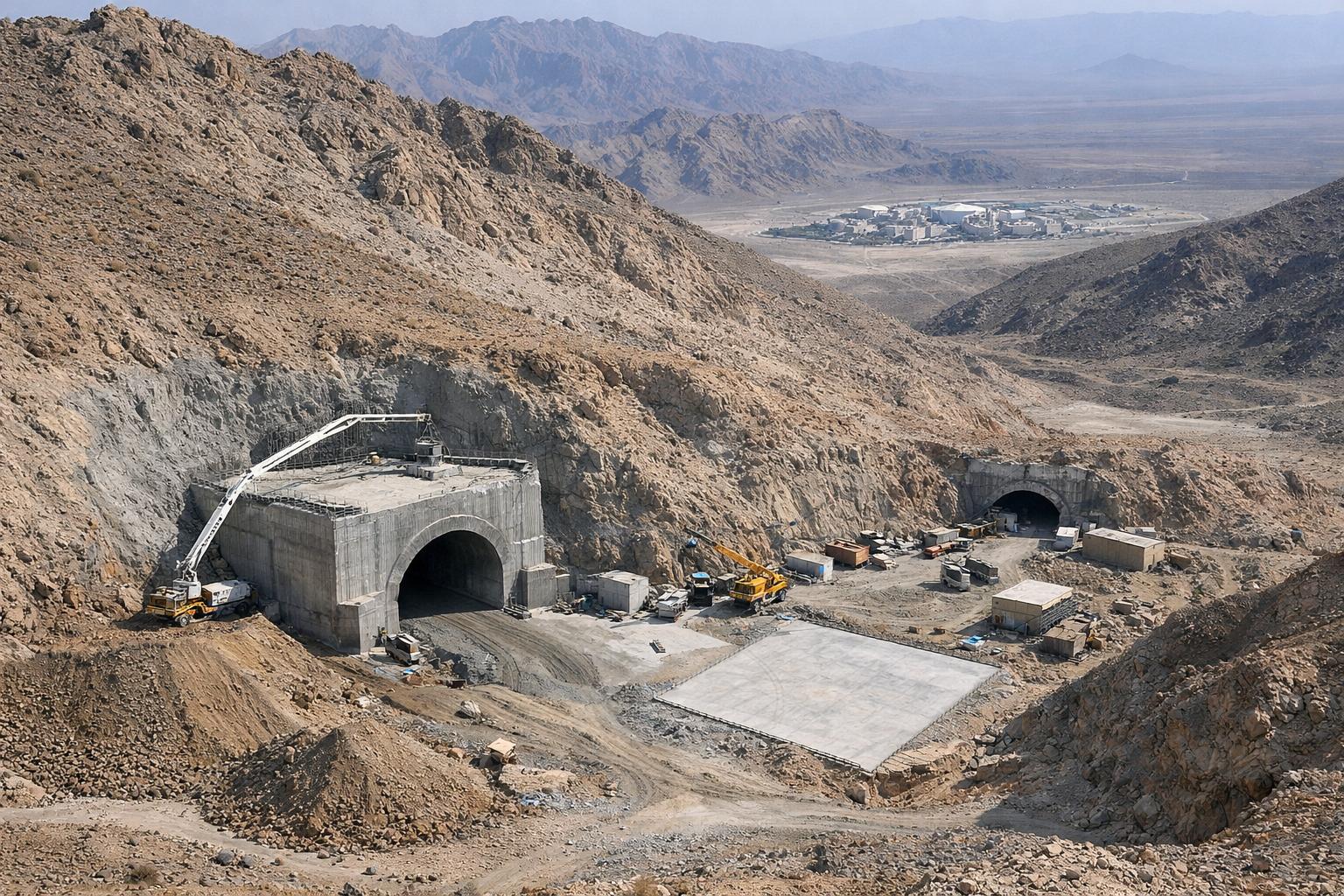
Fresh satellite imagery indicates that Iran is strengthening an underground complex near its main nuclear installation at Natanz, a development that analysts say could complicate diplomatic efforts and heighten regional security concerns. The activity has been observed at a mountainous site known as Pickaxe Mountain, located roughly 1.6 kilometres south of the uranium enrichment facility in central Iran, and appears to involve new concrete structures and expanded tunnel protections.
The construction comes at a time of renewed friction between Tehran and Washington. Former US president Donald Trump has repeatedly warned of possible military action if Iran does not reach an agreement over its nuclear programme, while Iranian officials have vowed to respond to any strike. The exchange of threats has added to fears of escalation across West Asia, where US forces have increased their presence and longstanding rivalries continue to shape the strategic landscape.
Images reviewed by analysts from the Institute for Science and International Security, a Washington-based think tank that tracks nuclear proliferation risks, show what appears to be fresh concrete poured over at least one tunnel entrance. Equipment consistent with a boom pump used for concrete delivery is visible at the site, suggesting active reinforcement work. Nearby, rock and soil appear to have been cleared and levelled, and additional concrete-reinforced structures have been erected close to the entrances.
Researchers who have monitored the area for several years say the scale of excavation and the amount of construction material suggest the site could support more than routine maintenance. The depth of the tunnels, estimated to be between 79 and 100 metres underground, may offer significant protection from aerial attacks and surveillance, potentially making the facility more resilient than other known installations. Such characteristics have drawn scrutiny from non-proliferation experts, who view hardened underground sites as capable of hosting sensitive operations such as centrifuge assembly or uranium enrichment.
Iran has previously said that Pickaxe Mountain could be used for manufacturing and assembling centrifuges, devices required for nuclear fuel production. Tehran maintains that its nuclear activities are intended solely for peaceful purposes, including energy generation and medical research, and has repeatedly denied pursuing a nuclear weapon. However, the limited access granted to international inspectors has raised questions among watchdog groups and foreign governments about transparency and compliance.
The site was not among those reportedly targeted during earlier US strikes on Iranian nuclear infrastructure, which officials described at the time as severely damaging key facilities. Analysts now suggest that any reconstruction of centrifuge capacity in protected locations like Pickaxe Mountain could allow Iran to restore or expand operations more quickly if other sites are disrupted.
International observers emphasize that the situation underscores the importance of oversight by the International Atomic Energy Agency. Experts argue that greater disclosure and inspections are essential to clarify the purpose of the new construction and to reduce the risk of miscalculation. Without verifiable information, they warn, suspicion could deepen and diplomatic efforts may face additional obstacles.
As tensions persist, the developments at Pickaxe Mountain have become another focal point in the broader debate over Iran’s nuclear ambitions, regional stability, and the fragile balance between deterrence and diplomacy.
Fresh satellite imagery indicates that Iran is strengthening an underground complex near its main nuclear installation at Natanz, a development that analysts say could complicate diplomatic efforts and heighten regional security concerns. The activity has been observed at a mountainous site known as Pickaxe Mountain, located roughly 1.6 kilometres south of the uranium enrichment facility in central Iran, and appears to involve new concrete structures and expanded tunnel protections.
The construction comes at a time of renewed friction between Tehran and Washington. Former US president Donald Trump has repeatedly warned of possible military action if Iran does not reach an agreement over its nuclear programme, while Iranian officials have vowed to respond to any strike. The exchange of threats has added to fears of escalation across West Asia, where US forces have increased their presence and longstanding rivalries continue to shape the strategic landscape.
Images reviewed by analysts from the Institute for Science and International Security, a Washington-based think tank that tracks nuclear proliferation risks, show what appears to be fresh concrete poured over at least one tunnel entrance. Equipment consistent with a boom pump used for concrete delivery is visible at the site, suggesting active reinforcement work. Nearby, rock and soil appear to have been cleared and levelled, and additional concrete-reinforced structures have been erected close to the entrances.
Researchers who have monitored the area for several years say the scale of excavation and the amount of construction material suggest the site could support more than routine maintenance. The depth of the tunnels, estimated to be between 79 and 100 metres underground, may offer significant protection from aerial attacks and surveillance, potentially making the facility more resilient than other known installations. Such characteristics have drawn scrutiny from non-proliferation experts, who view hardened underground sites as capable of hosting sensitive operations such as centrifuge assembly or uranium enrichment.
Iran has previously said that Pickaxe Mountain could be used for manufacturing and assembling centrifuges, devices required for nuclear fuel production. Tehran maintains that its nuclear activities are intended solely for peaceful purposes, including energy generation and medical research, and has repeatedly denied pursuing a nuclear weapon. However, the limited access granted to international inspectors has raised questions among watchdog groups and foreign governments about transparency and compliance.
The site was not among those reportedly targeted during earlier US strikes on Iranian nuclear infrastructure, which officials described at the time as severely damaging key facilities. Analysts now suggest that any reconstruction of centrifuge capacity in protected locations like Pickaxe Mountain could allow Iran to restore or expand operations more quickly if other sites are disrupted.
International observers emphasize that the situation underscores the importance of oversight by the International Atomic Energy Agency. Experts argue that greater disclosure and inspections are essential to clarify the purpose of the new construction and to reduce the risk of miscalculation. Without verifiable information, they warn, suspicion could deepen and diplomatic efforts may face additional obstacles.
As tensions persist, the developments at Pickaxe Mountain have become another focal point in the broader debate over Iran’s nuclear ambitions, regional stability, and the fragile balance between deterrence and diplomacy.
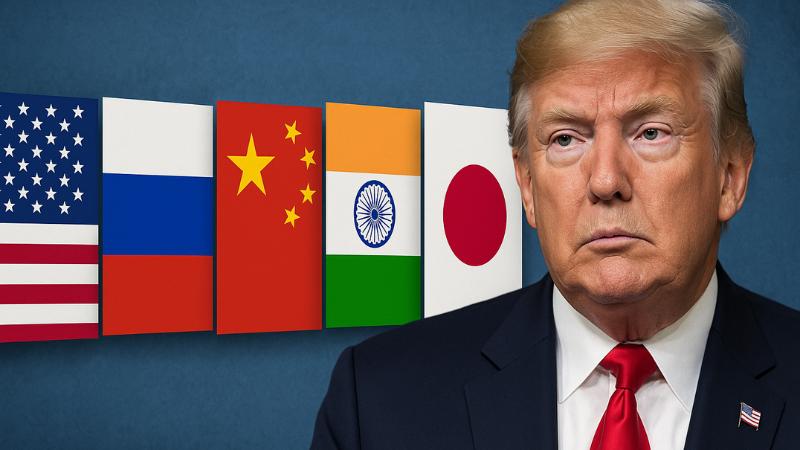
US President Donald Trump is reported to be considering the formation of a new geopolitical grouping known as the “Core-5,” a proposed alliance that would bring together the United States, Russia, China, India, and Japan. The initiative is being explored as a potential alternative to the Group of Seven, signaling a significant shift in Washington’s approach to global leadership and alliance-building. If pursued, the Core-5 could represent one of the most powerful strategic blocs ever as
US President Donald Trump is reported to be considering the formation of a new geopolitical grouping known as the “Core-5,” a proposed alliance that would bring together the United States, Russia, China, India, and Japan. The initiative is being explored as a potential alternative to the Group of Seven, signaling a significant shift in Washington’s approach to global leadership and alliance-building. If pursued, the Core-5 could represent one of the most powerful strategic blocs ever as
The United States has announced a fresh wave of sanctions targeting individuals and entities accused of supporting Iran’s ballistic missile and drone development programs. The move underscores Washington’s ongoing effort to curtail Tehran’s military capabilities and disrupt its network of global suppliers.
In a detailed statement released on Wednesday, the US Treasury Department confirmed that 32 individuals and companies operating across eight countries—including Iran, the
The United States has announced a fresh wave of sanctions targeting individuals and entities accused of supporting Iran’s ballistic missile and drone development programs. The move underscores Washington’s ongoing effort to curtail Tehran’s military capabilities and disrupt its network of global suppliers.
In a detailed statement released on Wednesday, the US Treasury Department confirmed that 32 individuals and companies operating across eight countries—including Iran, the
The emergency Arab-Islamic summit held in Doha on Monday has triggered renewed calls for a NATO-style military alliance of Muslim nations. The push, spearheaded by Egypt, comes in the wake of Israel’s strike in Doha that killed Hamas operatives and a Qatari officer. While leaders differed on concrete action against Israel, the summit may have set in motion the groundwork for an Arab-Islamic defense pact.
Egypt,
The emergency Arab-Islamic summit held in Doha on Monday has triggered renewed calls for a NATO-style military alliance of Muslim nations. The push, spearheaded by Egypt, comes in the wake of Israel’s strike in Doha that killed Hamas operatives and a Qatari officer. While leaders differed on concrete action against Israel, the summit may have set in motion the groundwork for an Arab-Islamic defense pact.
Egypt,