






Saudi Arabia Dammam Airport Attack Kills 1, Injures 8
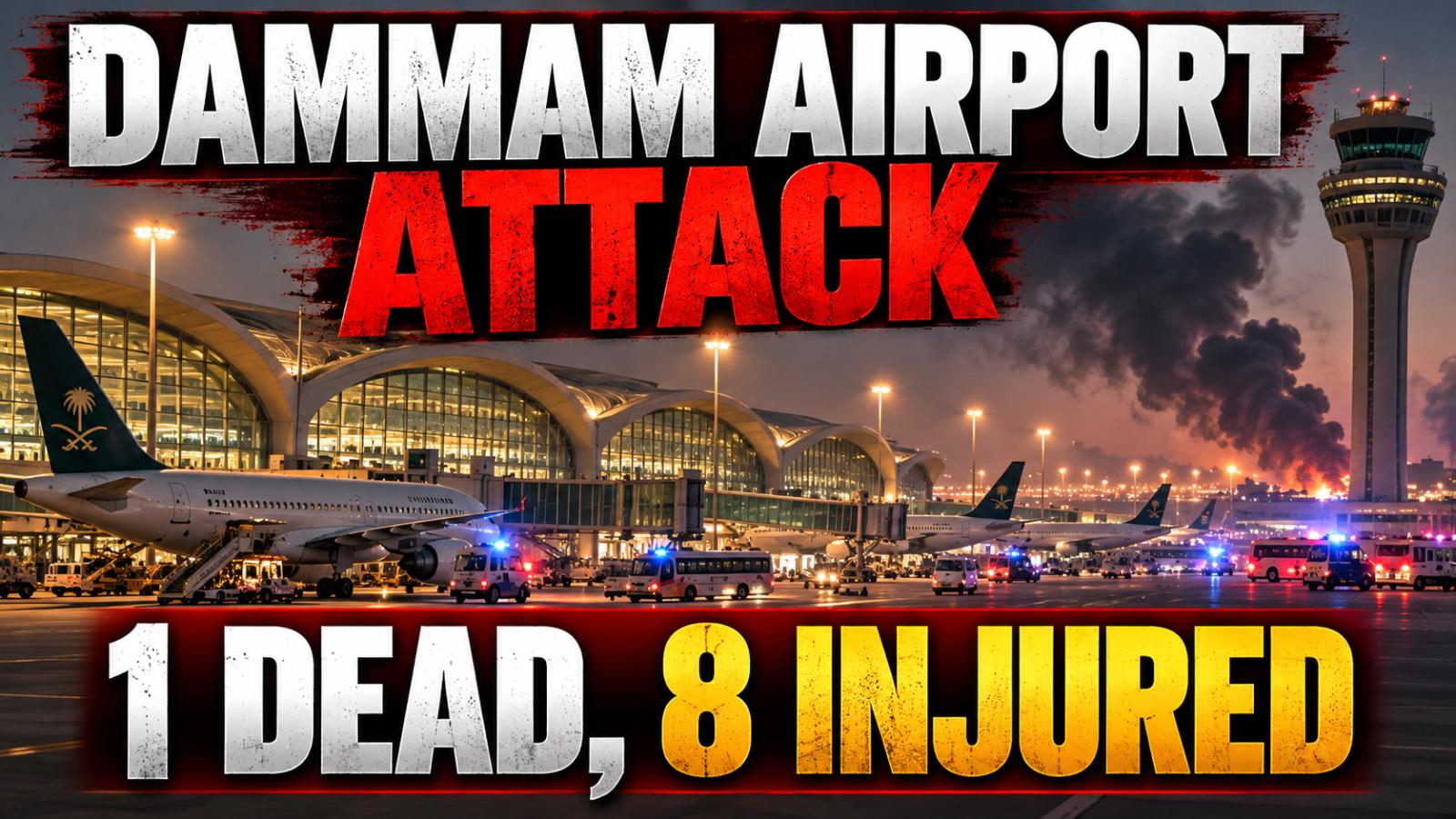
A King Fahd International Airport attack in Dammam, Saudi Arabia, killed one person and injured eight on October 21, 2026. The incident damaged airport facilities and diverted flights. Saudi authorities are assessing the damage, while responsibility for the attack remains unconfirmed. Saudi Arabia Dammam Airport Attack Kills 1, Injures 8 An attack on King Fahd International Airport in Dammam, eastern Saudi Arabia, killed one person an
Saudi Arabia Dammam Airport Attack Kills 1, Injures 8
A King Fahd International Airport attack in Dammam, Saudi Arabia, killed one person and injured eight on October 21, 2026. The incident damaged airport facilities and diverted flights. Saudi authorities are assessing the damage, while responsibility for the attack remains unconfirmed. Saudi Arabia Dammam Airport Attack Kills 1, Injures 8 An attack on King Fahd International Airport in Dammam, eastern Saudi Arabia, killed one person an
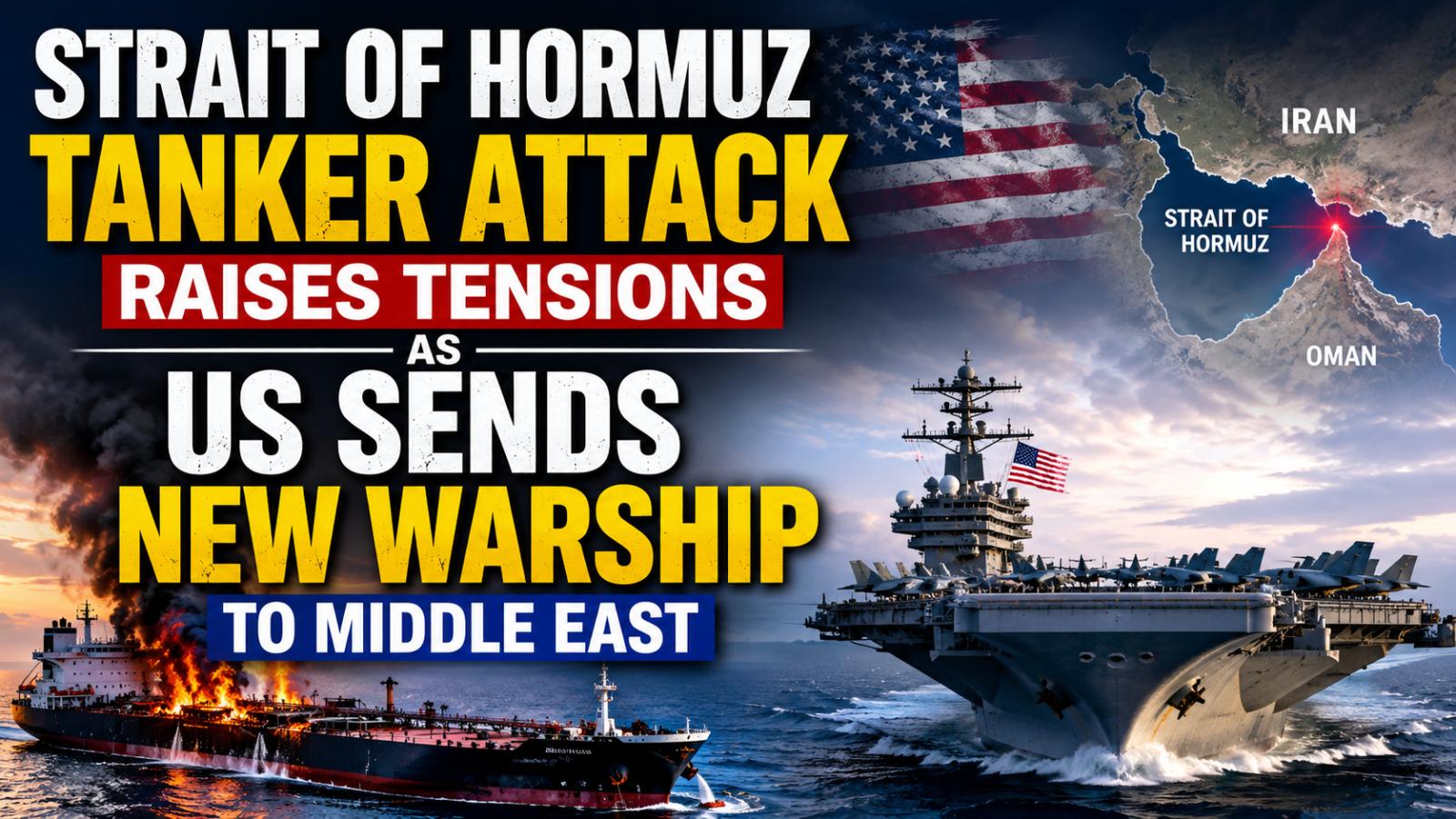
Strait of Hormuz Tanker Attack Raises Tensions as US Sends Carrier
Tensions in the Strait of Hormuz have intensified after another commercial tanker was struck while moving through the strategic waterway, as the United States prepares to deploy an additional aircraft carrier strike group to the Middle East. The latest incident has added to concerns over the safety of commercial shipping between Iran and Oman. The vessel reportedly caught fire after being hit, but the crew was said to be safe. Responsibility for the attack has not been independently
Strait of Hormuz Tanker Attack Raises Tensions as US Sends Carrier
Tensions in the Strait of Hormuz have intensified after another commercial tanker was struck while moving through the strategic waterway, as the United States prepares to deploy an additional aircraft carrier strike group to the Middle East. The latest incident has added to concerns over the safety of commercial shipping between Iran and Oman. The vessel reportedly caught fire after being hit, but the crew was said to be safe. Responsibility for the attack has not been independently
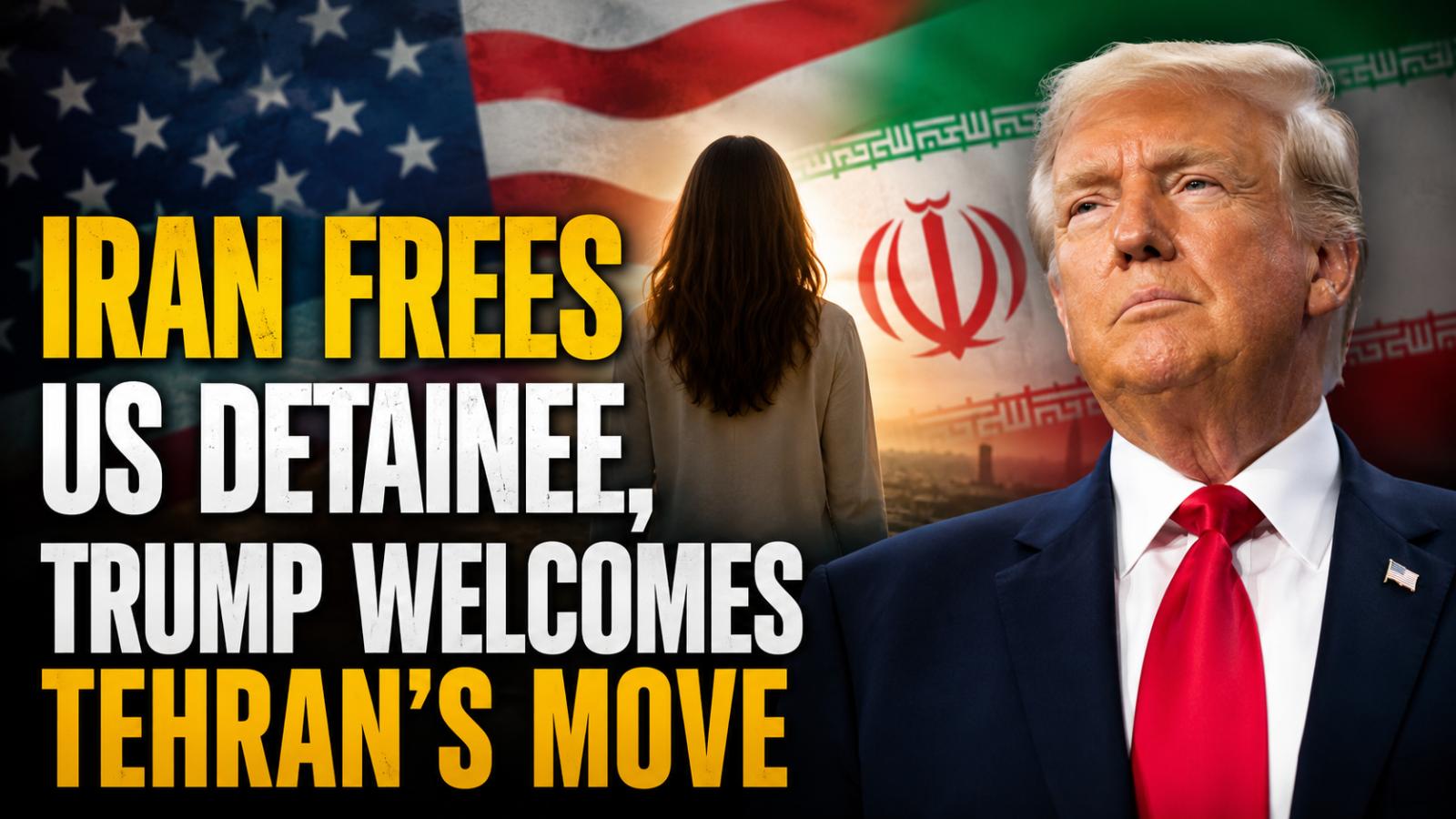
Iran Frees US Detainee in Reported Goodwill Gesture
US President Donald Trump said Iran has allowed an American woman detained since December 2024 to leave the country. He welcomed the development as a goodwill gesture by Tehran, although several important details about her case, release and current destination remain publicly unconfirmed. Trump claim on detained American Trump announced the woman’s departure from Iran in a Truth Social post on Wednesday, July
Iran Frees US Detainee in Reported Goodwill Gesture
US President Donald Trump said Iran has allowed an American woman detained since December 2024 to leave the country. He welcomed the development as a goodwill gesture by Tehran, although several important details about her case, release and current destination remain publicly unconfirmed. Trump claim on detained American Trump announced the woman’s departure from Iran in a Truth Social post on Wednesday, July

Ghalibaf gains spotlight in Iran peace talks
Mohammad Bagher Ghalibaf has become one of the most closely watched political figures in Iran as the country moves through a sensitive phase of diplomacy, conflict recovery and internal power balancing. The Iranian Parliament Speaker has gained attention for his role in Tehran’s political response during a difficult period marked by military pressure, sanctions concerns and renewed international negotiations. His growing visibility comes
Ghalibaf gains spotlight in Iran peace talks
Mohammad Bagher Ghalibaf has become one of the most closely watched political figures in Iran as the country moves through a sensitive phase of diplomacy, conflict recovery and internal power balancing. The Iranian Parliament Speaker has gained attention for his role in Tehran’s political response during a difficult period marked by military pressure, sanctions concerns and renewed international negotiations. His growing visibility comes
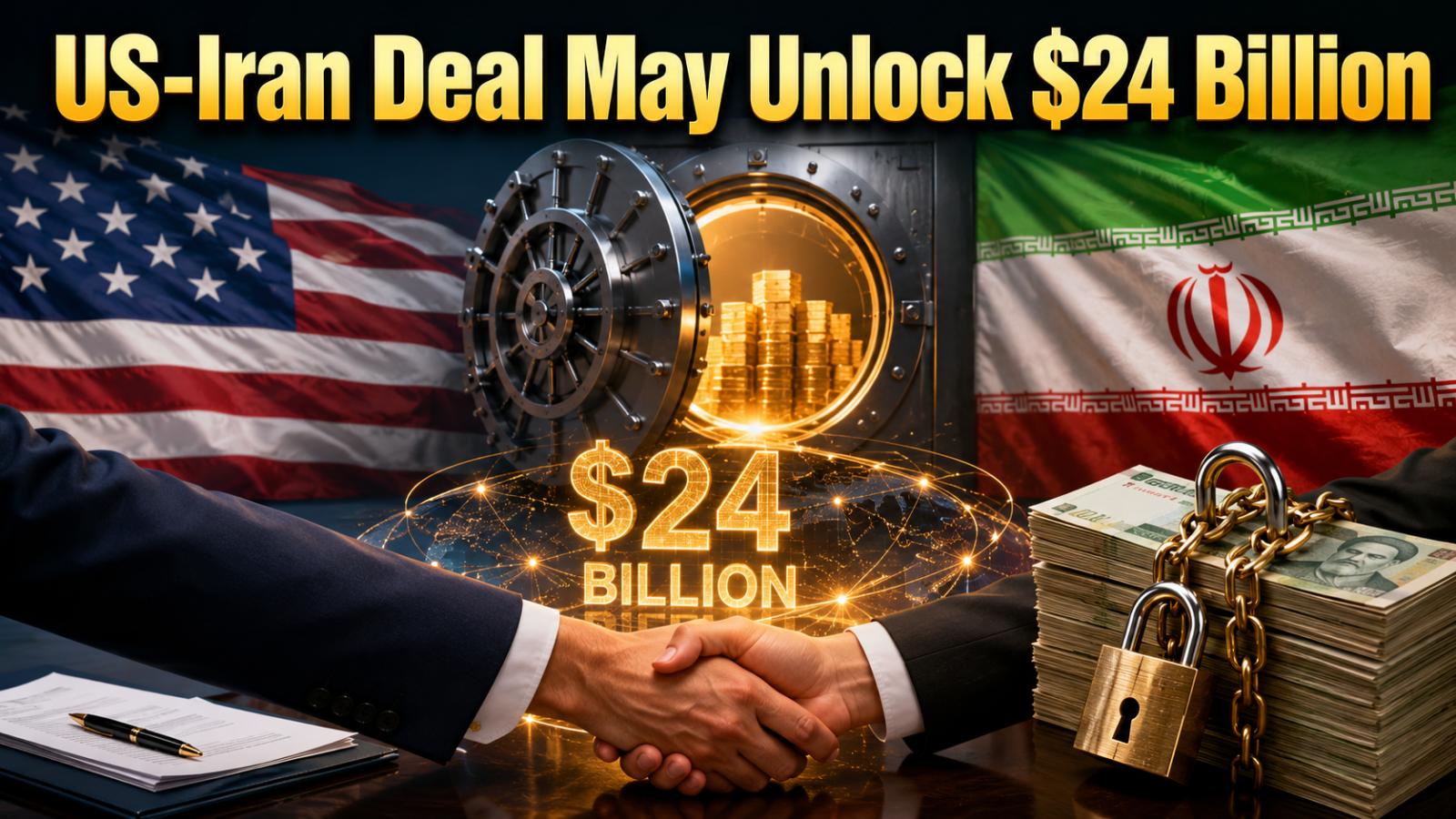
US-Iran deal may unlock $24 billion in frozen Iran assets
A reported US-Iran draft agreement has brought renewed attention to Iran’s frozen assets, with the proposal said to include the possible release of around $24 billion in blocked Iranian funds. The plan is being discussed as part of a wider diplomatic framework involving sanctions relief, nuclear restrictions and a fresh round of negotiations between Washington and Tehran. Under the reported proposal, part of the money could be made avail
US-Iran deal may unlock $24 billion in frozen Iran assets
A reported US-Iran draft agreement has brought renewed attention to Iran’s frozen assets, with the proposal said to include the possible release of around $24 billion in blocked Iranian funds. The plan is being discussed as part of a wider diplomatic framework involving sanctions relief, nuclear restrictions and a fresh round of negotiations between Washington and Tehran. Under the reported proposal, part of the money could be made avail
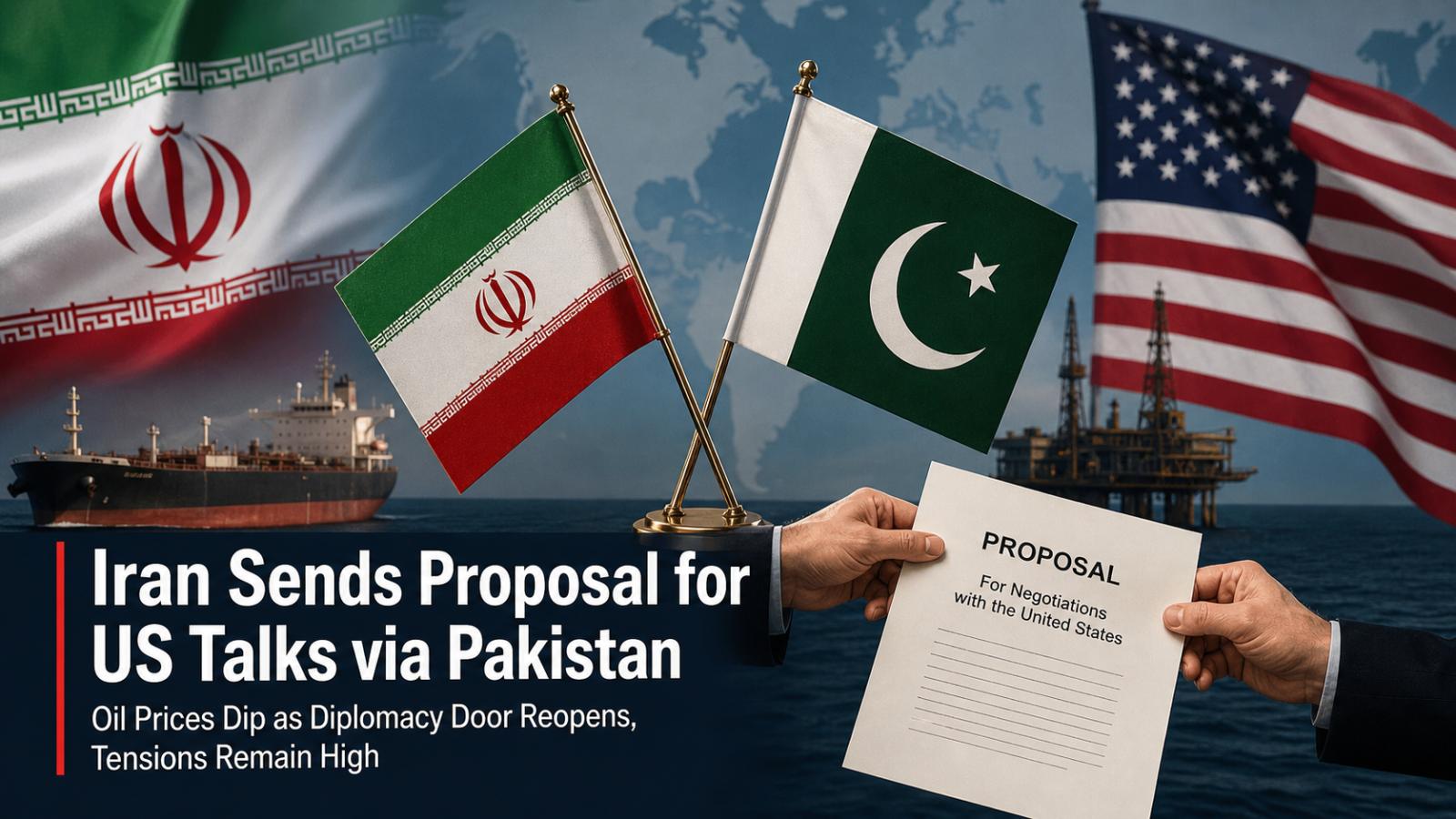
What did Iran propose to the U.S.? New talks plan sent via Pakistan signals diplomacy
Iran has delivered a new proposal for negotiations with the United States through Pakistan, signaling a potential diplomatic opening amid heightened regional tensions. According to IRNA, the proposal was formally
What did Iran propose to the U.S.? New talks plan sent via Pakistan signals diplomacy
Iran has delivered a new proposal for negotiations with the United States through Pakistan, signaling a potential diplomatic opening amid heightened regional tensions. According to IRNA, the proposal was formally
Israel says Hamas intelligence leader killed in Gaza strike
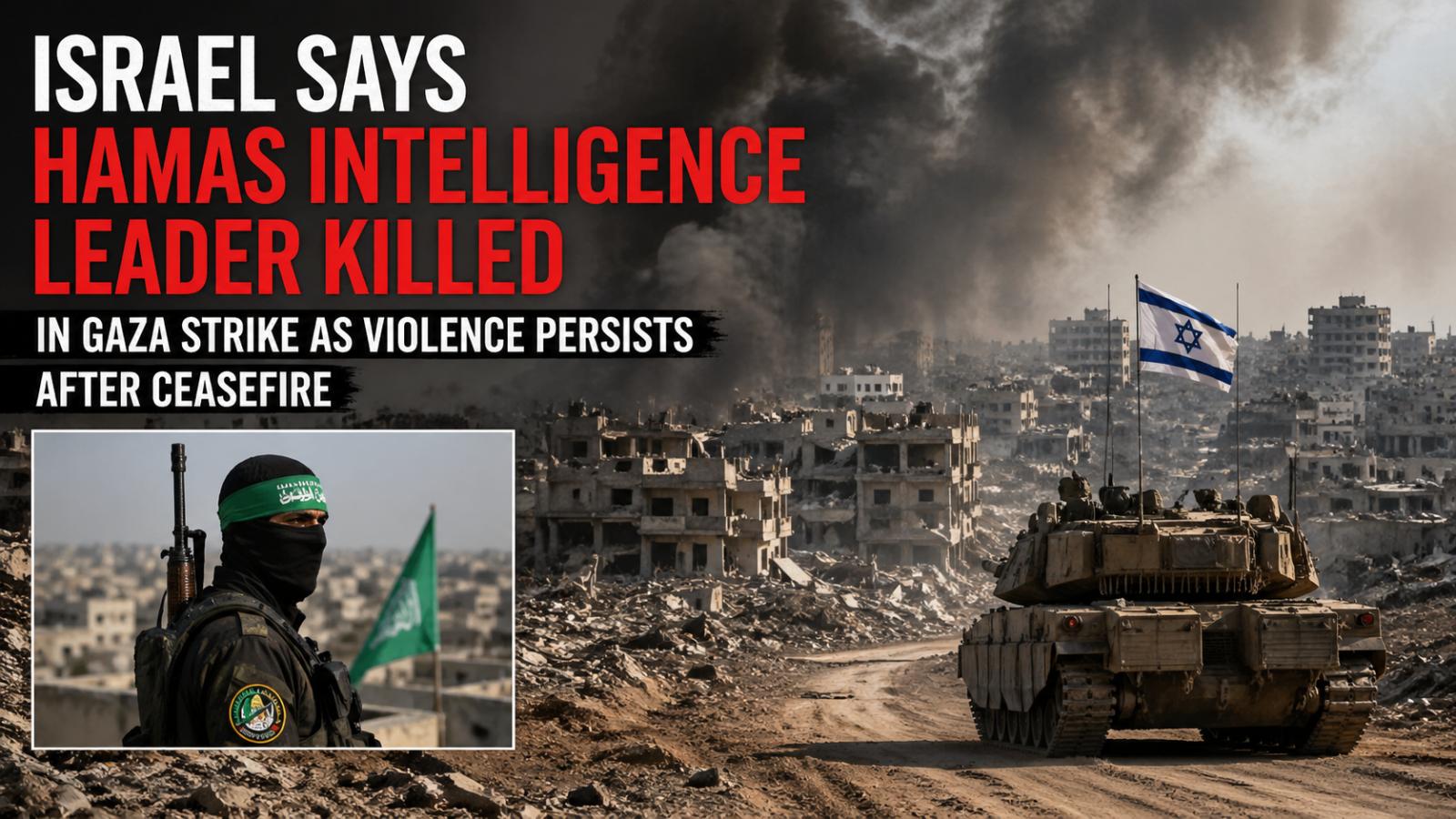
Israel says it killed a senior Hamas intelligence leader involved in planning the October 7 attack, as violence continues in Gaza despite a ceasefire, with reports of additional casualties from a separate drone strike. The Israel Defense Forces said on Wednesday, April 29, 2026, that Iyad Ahmed Abd al Rahman Shambari, a senior figure in Hamas’s military intelligence wing, was killed in the Gaza Strip. According to the IDF, Shambari led the operations department within Hamas military intelligence and played a key role in planning the October 7, 2023, attack on Israel that triggered the ongoing war. The IDF statement did not specify the exact time of the strike or provide additional operational details. The Israeli military has repeatedly targeted senior Hamas figures as part of its broader campaign in Gaza following the large-scale assault that prompted Israel’s ground offensive in the enclave. A ceasefire announced on Friday, October 10, 2025, has largely reduced large-scale combat, but violence has continued across Gaza. The Gaza health ministry, which operates under Hamas authority, reported that at least 818 Palestinians have been killed since the truce began. The United Nations has previously considered such figures broadly reliable, though independent verification remains limited. Separately, Gaza’s civil defense agency said four people were killed and six others injured in a drone strike targeting a vehicle in the western Al Rimal neighborhood of Gaza City. A Gaza security official identified two of the victims as Hamas commander Iyad al Shanbari and his son Salah. The identities of the other two individuals were not disclosed. There was no immediate independent confirmation of the identities of those killed in that strike. The IDF has not publicly commented on the specific incident described by local authorities. The developments underscore ongoing instability in Gaza despite the ceasefire, with sporadic strikes and casualties continuing to be reported.
Israel says Hamas intelligence leader killed in Gaza strike
Israel says it killed a senior Hamas intelligence leader involved in planning the October 7 attack, as violence continues in Gaza despite a ceasefire, with reports of additional casualties from a separate drone strike. The Israel Defense Forces said on Wednesday, April 29, 2026, that Iyad Ahmed Abd al Rahman Shambari, a senior figure in Hamas’s military intelligence wing, was killed in the Gaza Strip. According to the IDF, Shambari led the operations department within Hamas military intelligence and played a key role in planning the October 7, 2023, attack on Israel that triggered the ongoing war. The IDF statement did not specify the exact time of the strike or provide additional operational details. The Israeli military has repeatedly targeted senior Hamas figures as part of its broader campaign in Gaza following the large-scale assault that prompted Israel’s ground offensive in the enclave. A ceasefire announced on Friday, October 10, 2025, has largely reduced large-scale combat, but violence has continued across Gaza. The Gaza health ministry, which operates under Hamas authority, reported that at least 818 Palestinians have been killed since the truce began. The United Nations has previously considered such figures broadly reliable, though independent verification remains limited. Separately, Gaza’s civil defense agency said four people were killed and six others injured in a drone strike targeting a vehicle in the western Al Rimal neighborhood of Gaza City. A Gaza security official identified two of the victims as Hamas commander Iyad al Shanbari and his son Salah. The identities of the other two individuals were not disclosed. There was no immediate independent confirmation of the identities of those killed in that strike. The IDF has not publicly commented on the specific incident described by local authorities. The developments underscore ongoing instability in Gaza despite the ceasefire, with sporadic strikes and casualties continuing to be reported.
Netanyahu pardon process begins amid high-stakes legal tensions
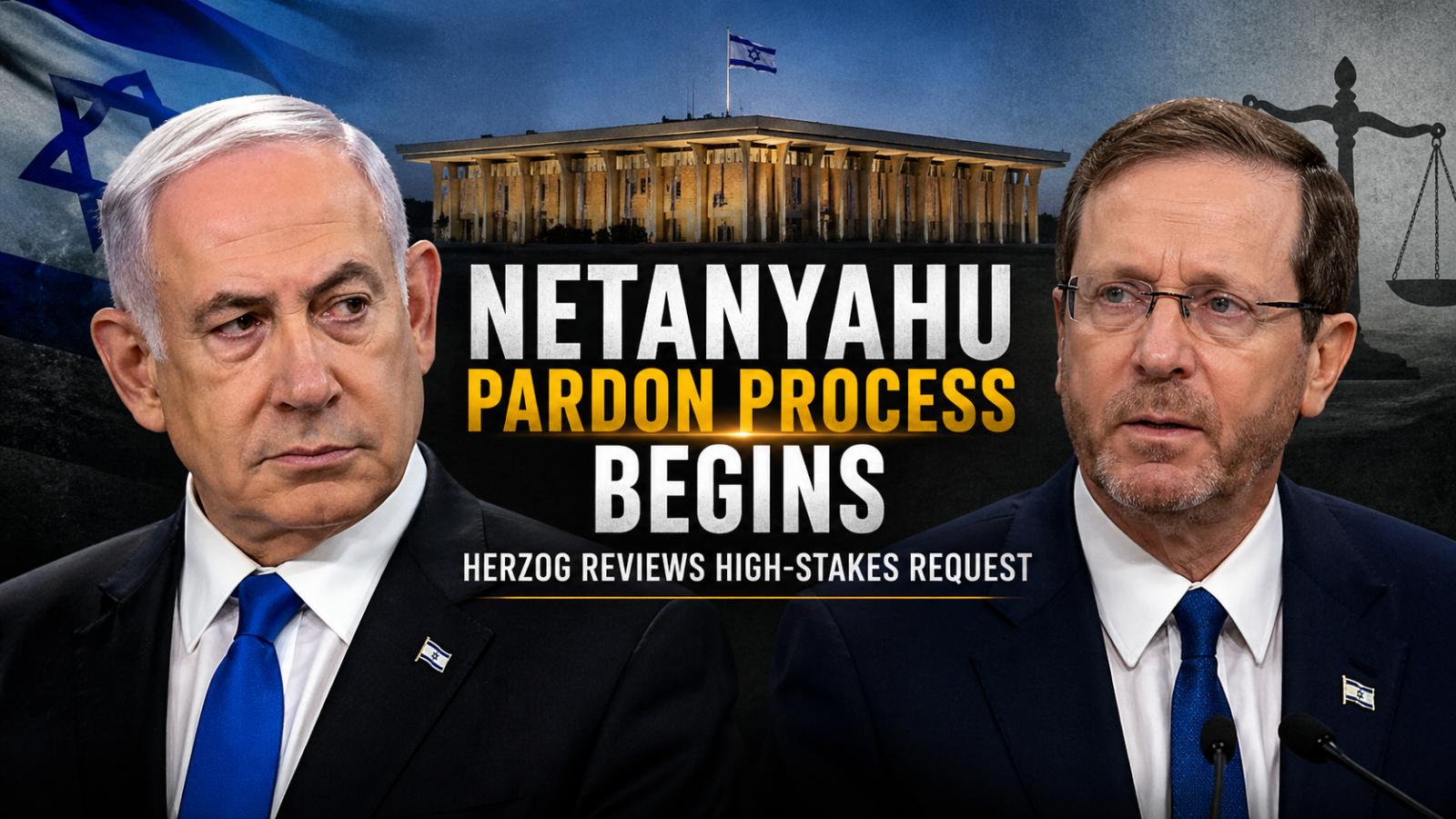
Israel’s president has begun a formal process to consider a potential pardon for Benjamin Netanyahu, holding initial talks with legal teams as the country watches a politically sensitive case unfold. Netanyahu pardon process begins amid high-stakes legal tensions as Isaac Herzog has formally launched discussions on whether to grant clemency to
Netanyahu pardon process begins amid high-stakes legal tensions
Israel’s president has begun a formal process to consider a potential pardon for Benjamin Netanyahu, holding initial talks with legal teams as the country watches a politically sensitive case unfold. Netanyahu pardon process begins amid high-stakes legal tensions as Isaac Herzog has formally launched discussions on whether to grant clemency to
What happened in the Minab school strike? Iran says 155 killed in attack
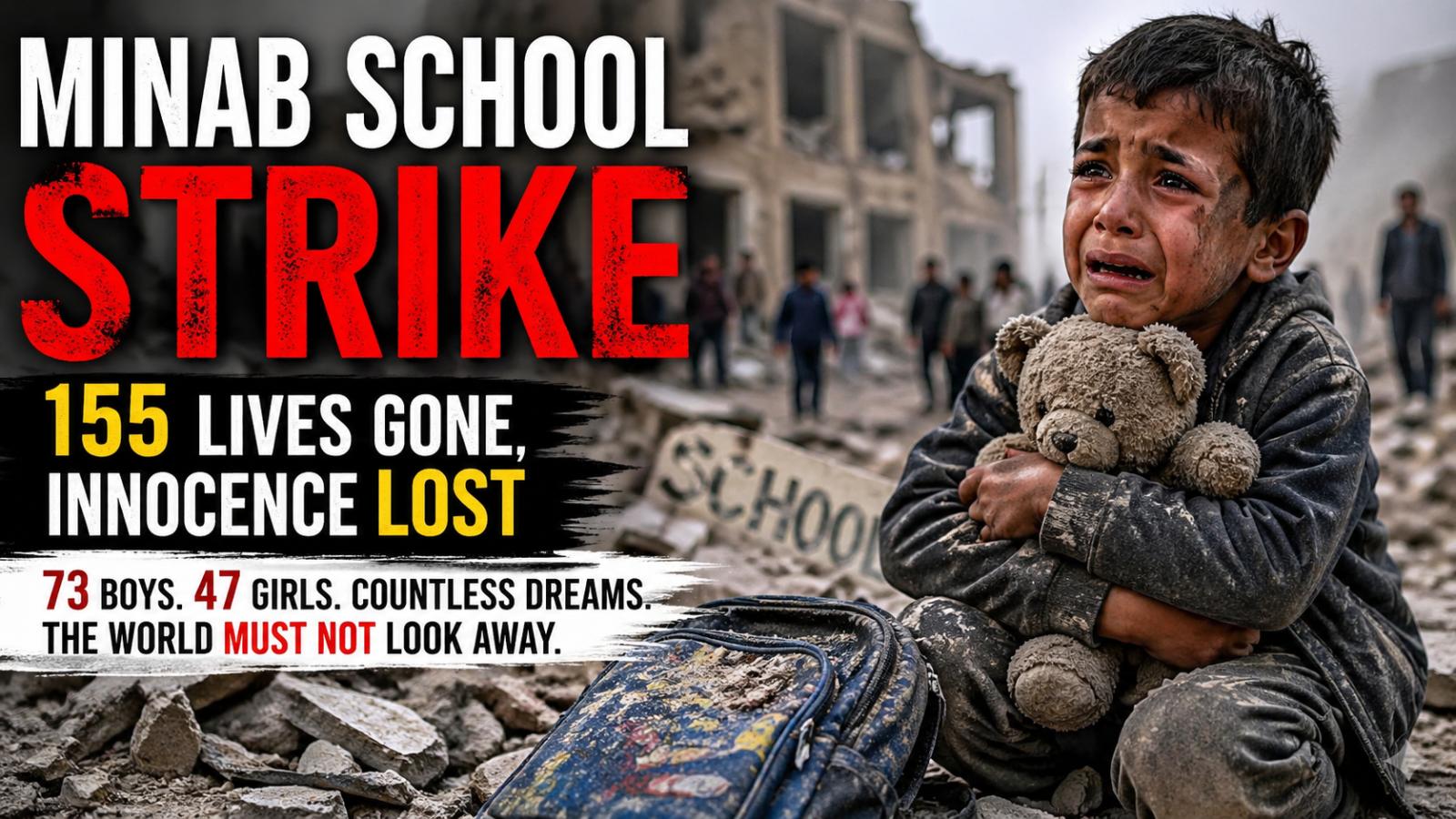
Iran says 155 killed in attack Iran has released a detailed account of casualties from a strike on an elementary school in Minab on Friday, February 28, 2026, marking the first day of the West Asia war. According to state broadcaster IRIB and local media reports, the attack killed 155 people, including 120 children, and has intensified scrutiny over civilian safety in the escalating conflict. Revised casualty figures highlight scale of civilian d
What happened in the Minab school strike? Iran says 155 killed in attack
Iran says 155 killed in attack Iran has released a detailed account of casualties from a strike on an elementary school in Minab on Friday, February 28, 2026, marking the first day of the West Asia war. According to state broadcaster IRIB and local media reports, the attack killed 155 people, including 120 children, and has intensified scrutiny over civilian safety in the escalating conflict. Revised casualty figures highlight scale of civilian d
Iran War Update: What Happened in the Minab School Strike and Why It Matters
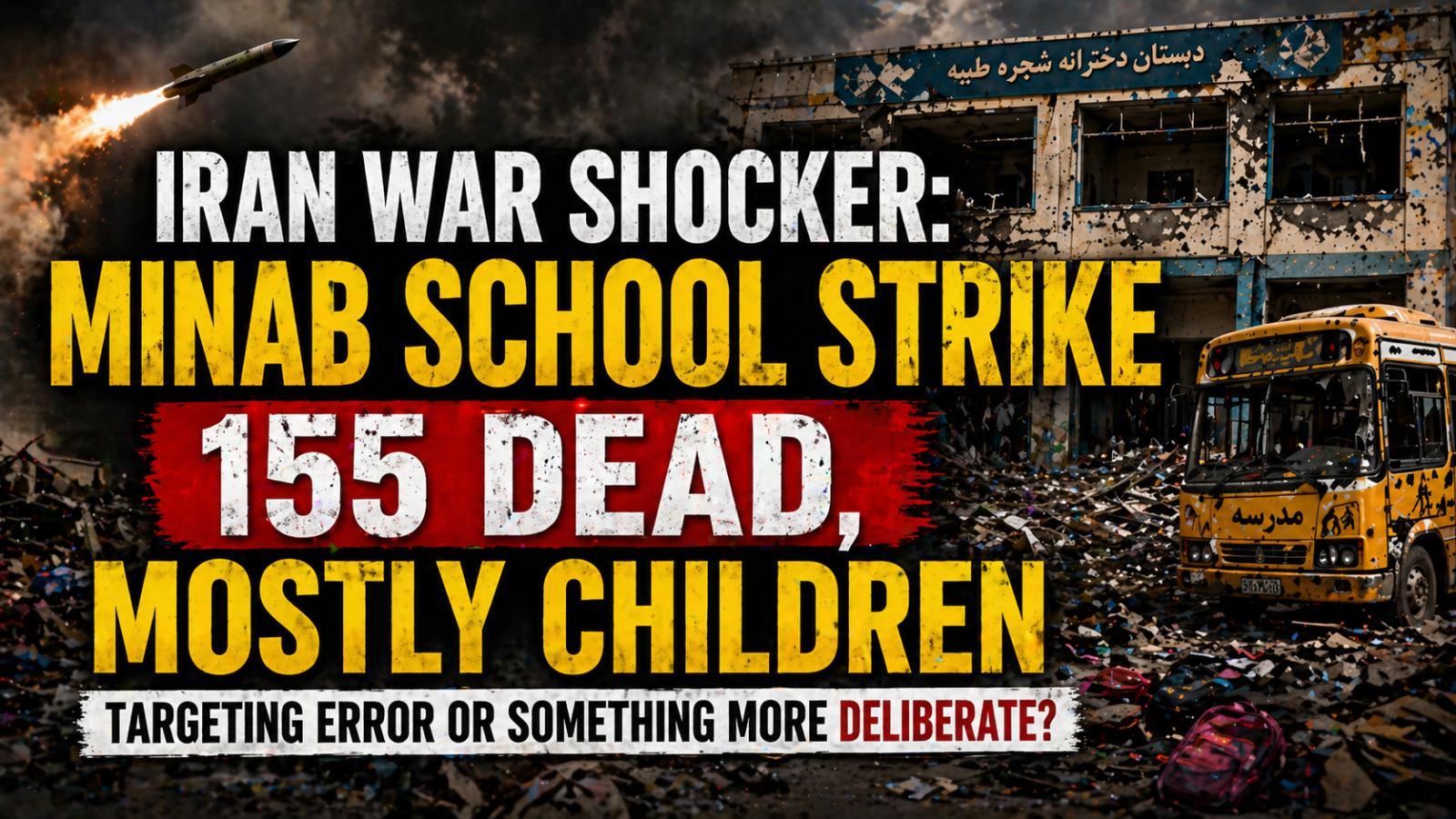
Iran has revised the death toll from the Minab school strike to 155, confirming it as the deadliest single incident in the ongoing conflict, now in its 59th day. Officials released a detailed breakdown indicating that most victims were children, alongside teachers and civilians connected to the school. The updated figure is lower than earlier estimates exceeding 175, though no formal explanation has been provided for the discrepancy. The strike occurred on February 28, the opening day of a coordinated military campaign. Two successive impacts hit the Shajareh Tayyebeh elementary school in Minab while classes were in session, a pattern described as a “double-tap” strike. Many of the children killed were between the ages of seven and twelve, amplifying global concern over the nature of the attack. Preliminary findings from a U.S. military review suggest the use of a Tomahawk cruise missile and indicate that the strike may have resulted from a targeting error. According to the investigation, outdated intelligence data misidentified the site as an active military location linked to a former Revolutionary Guards facility. Although the school had been separated from the base years earlier, the database used in targeting had not been updated accordingly. Analysts noted that automated systems processing this information may have contributed to the failure to recognize the location as a civilian site. Iranian officials have rejected the explanation, describing the incident as deliberate. The foreign minister characterized it as a calculated assault, citing the advanced precision capabilities attributed to modern military systems. The strike has since become a focal point in diplomatic discussions and ongoing ceasefire negotiations. The Pentagon has confirmed that a full investigation is still underway. As scrutiny continues, the Minab incident remains central to debates over accountability, intelligence reliability, and the risks associated with modern warfare technologies.
Iran War Update: What Happened in the Minab School Strike and Why It Matters
Iran has revised the death toll from the Minab school strike to 155, confirming it as the deadliest single incident in the ongoing conflict, now in its 59th day. Officials released a detailed breakdown indicating that most victims were children, alongside teachers and civilians connected to the school. The updated figure is lower than earlier estimates exceeding 175, though no formal explanation has been provided for the discrepancy. The strike occurred on February 28, the opening day of a coordinated military campaign. Two successive impacts hit the Shajareh Tayyebeh elementary school in Minab while classes were in session, a pattern described as a “double-tap” strike. Many of the children killed were between the ages of seven and twelve, amplifying global concern over the nature of the attack. Preliminary findings from a U.S. military review suggest the use of a Tomahawk cruise missile and indicate that the strike may have resulted from a targeting error. According to the investigation, outdated intelligence data misidentified the site as an active military location linked to a former Revolutionary Guards facility. Although the school had been separated from the base years earlier, the database used in targeting had not been updated accordingly. Analysts noted that automated systems processing this information may have contributed to the failure to recognize the location as a civilian site. Iranian officials have rejected the explanation, describing the incident as deliberate. The foreign minister characterized it as a calculated assault, citing the advanced precision capabilities attributed to modern military systems. The strike has since become a focal point in diplomatic discussions and ongoing ceasefire negotiations. The Pentagon has confirmed that a full investigation is still underway. As scrutiny continues, the Minab incident remains central to debates over accountability, intelligence reliability, and the risks associated with modern warfare technologies.
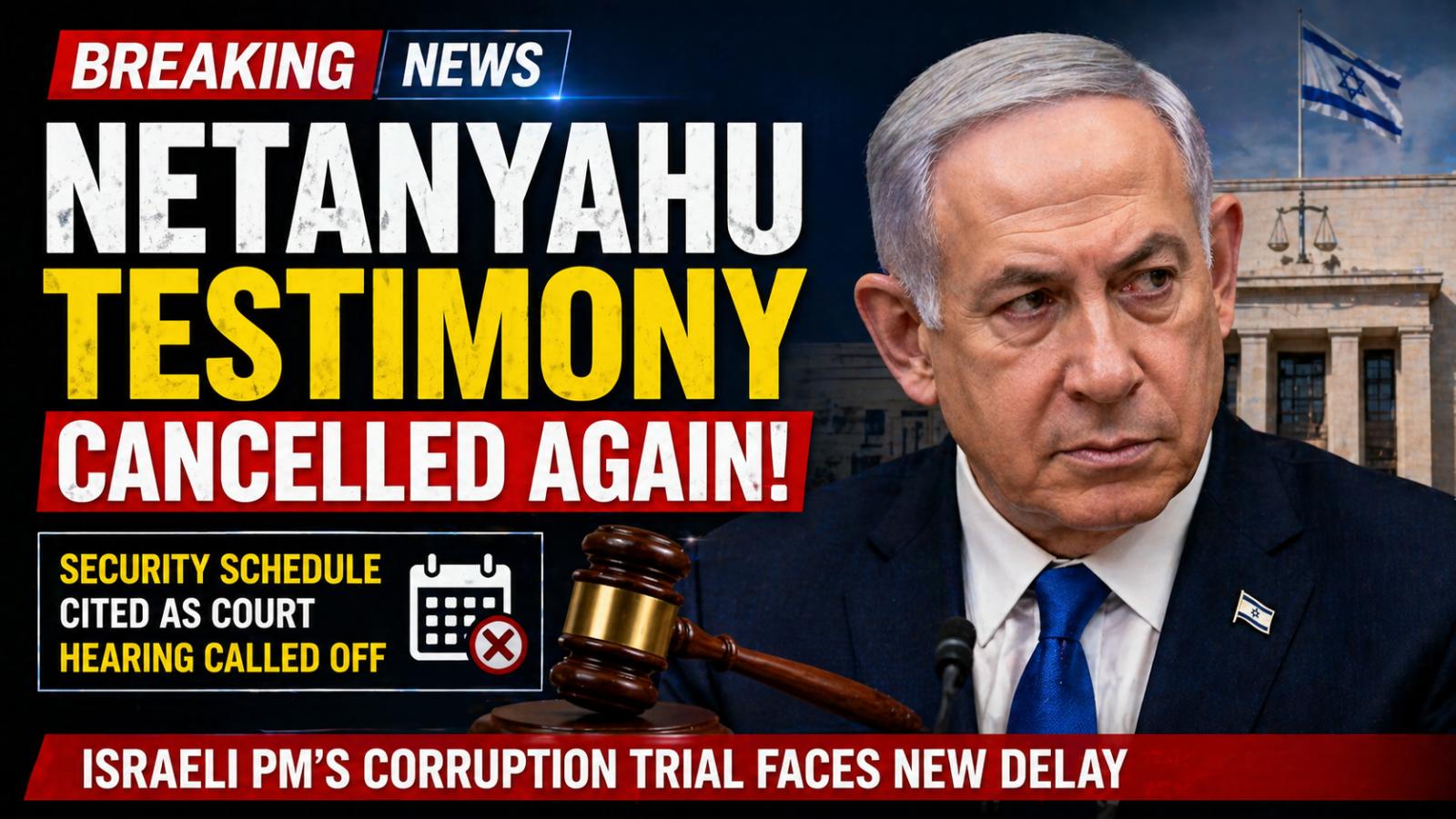
Israeli PM Netanyahu Trial Faces Fresh Delay Over Security Schedule
Benjamin Netanyahu faced another delay in his ongoing criminal trial after a scheduled court hearing was abruptly canceled less than two hours before proceedings were set to begin. The cancellation was requested by his attorney, Amit Hadad, who cited the prime minister’s “security schedule” as the reason. No further details were publicly disclosed, with the defense indicating that additional i
Israeli PM Netanyahu Trial Faces Fresh Delay Over Security Schedule
Benjamin Netanyahu faced another delay in his ongoing criminal trial after a scheduled court hearing was abruptly canceled less than two hours before proceedings were set to begin. The cancellation was requested by his attorney, Amit Hadad, who cited the prime minister’s “security schedule” as the reason. No further details were publicly disclosed, with the defense indicating that additional i
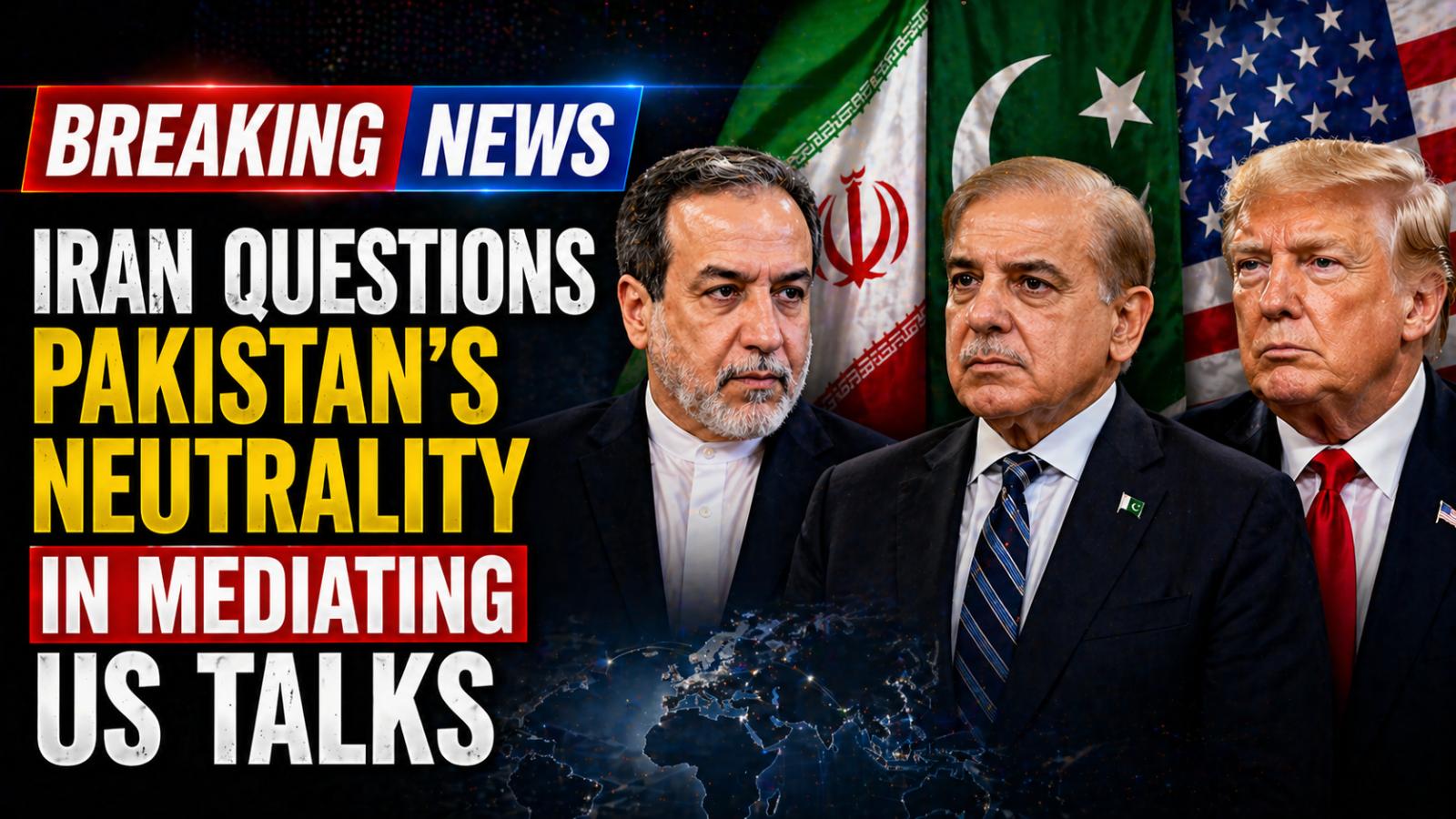
Tehran Raises Doubts Over Pakistan Role in US-Iran Negotiations
Iran has raised concerns about Pakistan’s role as a mediator in ongoing diplomatic efforts with the United States, with officials questioning Islamabad’s neutrality. Ebrahim Rezaei, spokesperson for Iran’s National Security and Foreign Policy Commission, said Pakistan lacks the credibility required to act as an impartial intermediary in sensitive negotiations. Rezaei argued that Paki
Tehran Raises Doubts Over Pakistan Role in US-Iran Negotiations
Iran has raised concerns about Pakistan’s role as a mediator in ongoing diplomatic efforts with the United States, with officials questioning Islamabad’s neutrality. Ebrahim Rezaei, spokesperson for Iran’s National Security and Foreign Policy Commission, said Pakistan lacks the credibility required to act as an impartial intermediary in sensitive negotiations. Rezaei argued that Paki
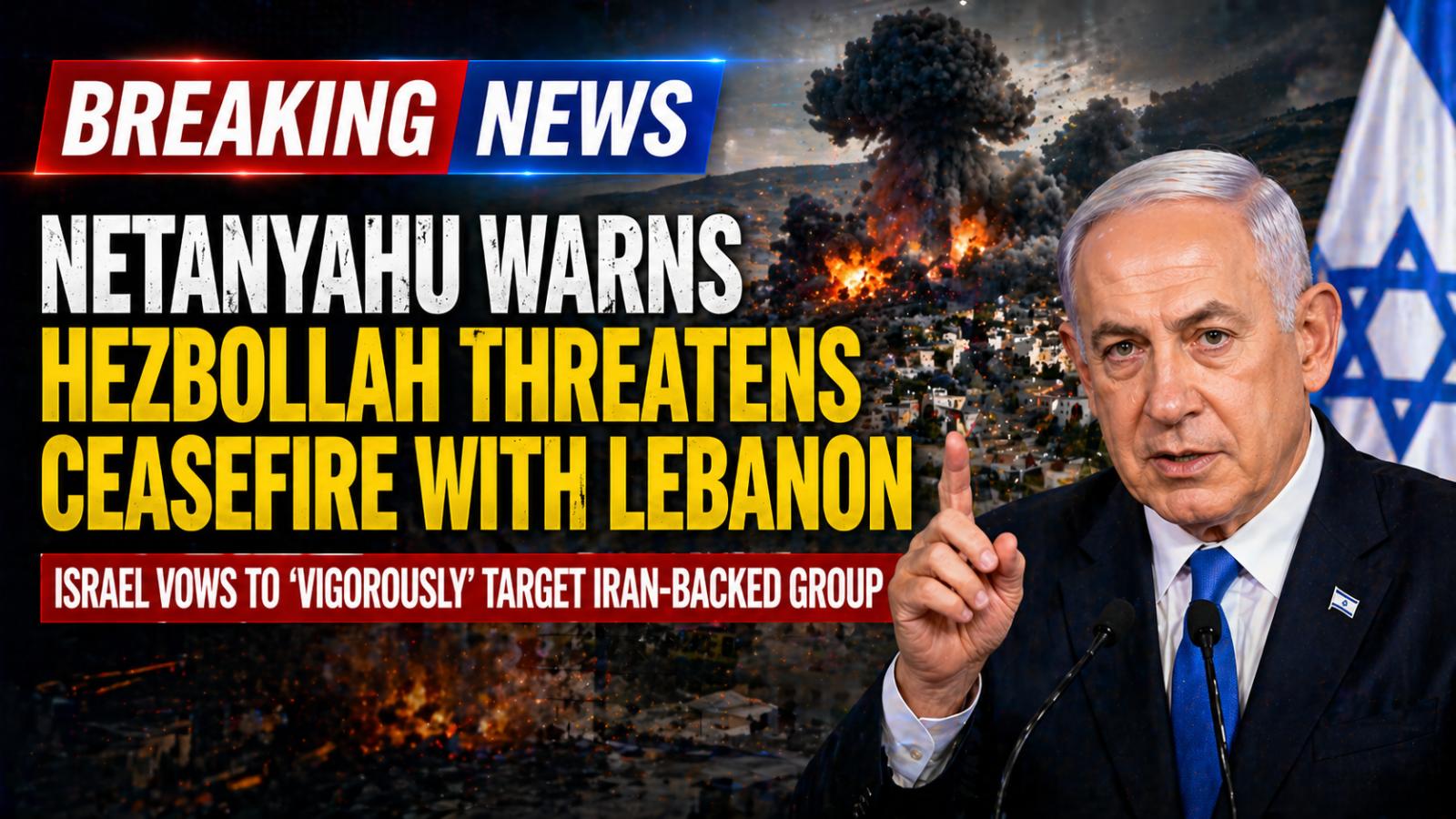
Israel Accuses Hezbollah of Violating Ceasefire Amid Rising Tensions
Israeli Prime Minister Benjamin Netanyahu has warned that ongoing actions by Hezbollah are placing the fragile ceasefire between Israel and Lebanon under increasing strain. Speaking during a weekly Cabinet meeting, Netanyahu stated that repeated violations by the Iran-backed group were effectively undermining the agreement intended to reduce hostilities along the border. In a separate statement, the Israeli military said recent activity attributed to Hezbollah represented a direct breach of ceasefire understandings. The Israel Defense Forces confirmed that it conducted overnight strikes on multiple structures in southern Lebanon, describing them as locations used by Hezbollah for operational purposes. These developments come amid heightened tensions despite ongoing diplomatic efforts to stabilize the region. The ceasefire arrangement, initially agreed upon for a limited period, was recently extended following discussions in Washington. During those talks, US President Donald Trump described the negotiations as productive, while acknowledging the complexities posed by Hezbollah’s involvement. The agreement aimed to provide additional time for de-escalation and further dialogue between the parties. Despite these efforts, reports of violations have continued to emerge from both sides since the truce came into effect. The situation remains fluid, with both Israel and Hezbollah accusing each other of actions that could destabilize the agreement. The initial ceasefire period, originally set to expire soon after its implementation, has faced mounting challenges as regional dynamics continue to shift. Observers note that the involvement of Iran-backed forces and the broader geopolitical context add complexity to maintaining the ceasefire. With both sides remaining on alert, the risk of escalation persists, even as diplomatic channels remain open.
Israel Accuses Hezbollah of Violating Ceasefire Amid Rising Tensions
Israeli Prime Minister Benjamin Netanyahu has warned that ongoing actions by Hezbollah are placing the fragile ceasefire between Israel and Lebanon under increasing strain. Speaking during a weekly Cabinet meeting, Netanyahu stated that repeated violations by the Iran-backed group were effectively undermining the agreement intended to reduce hostilities along the border. In a separate statement, the Israeli military said recent activity attributed to Hezbollah represented a direct breach of ceasefire understandings. The Israel Defense Forces confirmed that it conducted overnight strikes on multiple structures in southern Lebanon, describing them as locations used by Hezbollah for operational purposes. These developments come amid heightened tensions despite ongoing diplomatic efforts to stabilize the region. The ceasefire arrangement, initially agreed upon for a limited period, was recently extended following discussions in Washington. During those talks, US President Donald Trump described the negotiations as productive, while acknowledging the complexities posed by Hezbollah’s involvement. The agreement aimed to provide additional time for de-escalation and further dialogue between the parties. Despite these efforts, reports of violations have continued to emerge from both sides since the truce came into effect. The situation remains fluid, with both Israel and Hezbollah accusing each other of actions that could destabilize the agreement. The initial ceasefire period, originally set to expire soon after its implementation, has faced mounting challenges as regional dynamics continue to shift. Observers note that the involvement of Iran-backed forces and the broader geopolitical context add complexity to maintaining the ceasefire. With both sides remaining on alert, the risk of escalation persists, even as diplomatic channels remain open.
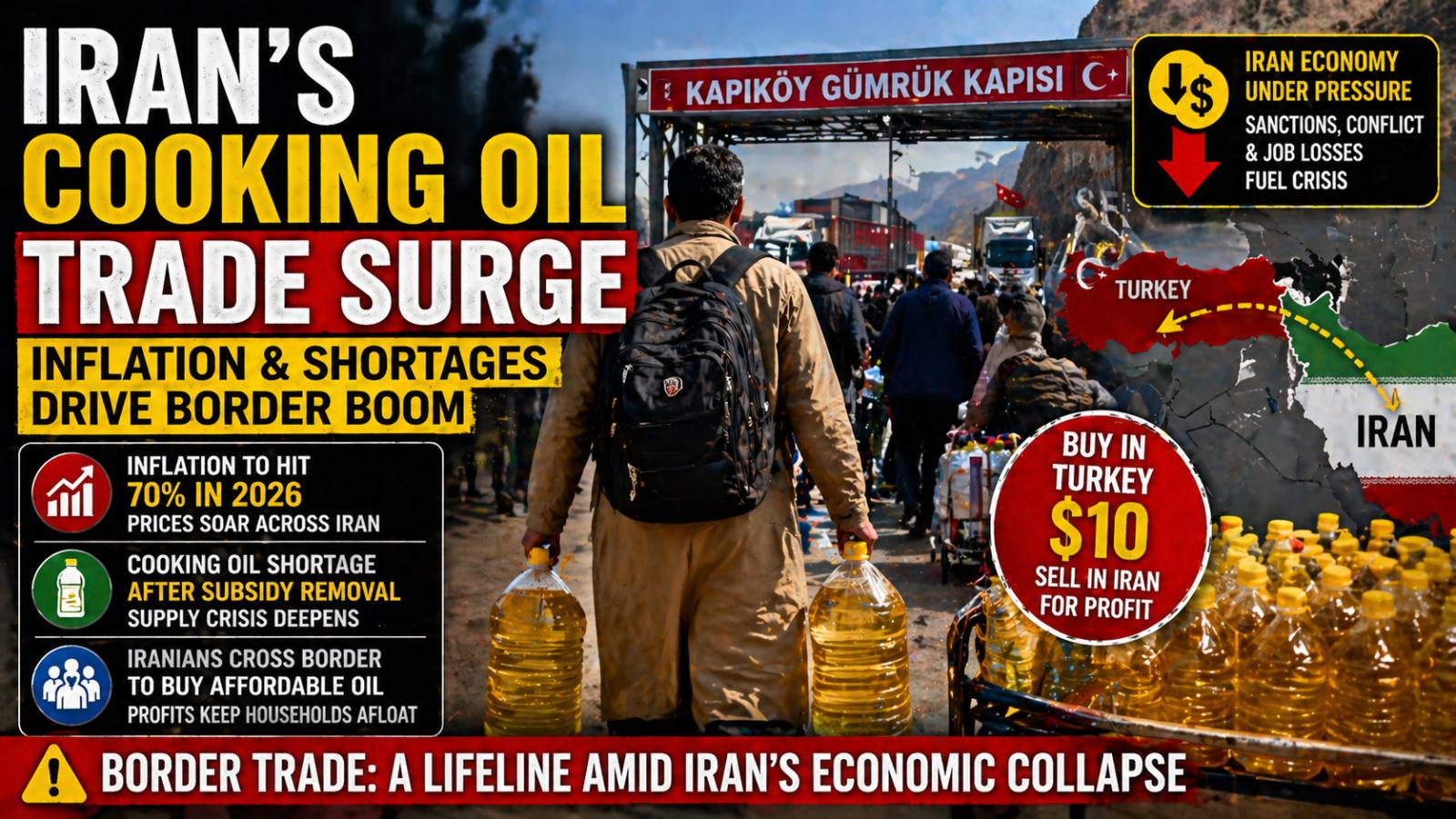
What is driving Iran’s cooking oil trade surge? Inflation and shortages at the border
On Turkey’s bustling border crossing with Iran, inflation and shortages are driving a surge in cooking oil trade as economic pressures deepen inside Iran. At the Kapikoy crossing near Van in eastern Turkey, merchants and travelers described a growing demand for basic goods, particularly cooking oil, as Iranian consumers grapple with soaring prices and limited supply. Shopkeepers at the crossing said demand has risen sharply in recent days, with dozens of individuals carrying multiple large bottles of oil back into Iran. The trade has become a small but vital source of income for both Turkish vendors and Iranian buyers seeking to resell or use the goods domestically. Rising food prices and subsidy reforms reshape consumer behavior Iran’s inflation crisis, projected by the International Monetary Fund to approach 70 percent in 2026, has significantly eroded purchasing power. Cooking oil prices surged after the government removed subsidies on certain essential imports in January, a move intended to reduce state spending amid ongoing sanctions. Iranian officials, including President Masoud Pezeshkian, have defended the policy, arguing that subsidies were being exploited without effectively lowering prices. However, many consumers report difficulty finding affordable cooking oil in local markets, forcing them to look beyond the country’s borders. Border trade becomes a lifeline for struggling households For some Iranians, cross-border trade offers a modest financial cushion. Individuals interviewed at the crossing described buying cooking oil in Turkey for just over $10 per five-liter bottle and reselling it in Iran at slightly lower prices than domestic shops, earning small profits. The Kapikoy crossing has remained one of the few consistent links between Iran and the outside world during recent disruptions, including airspace closures and an ongoing internet shutdown that has limited access to information within the country. Economic strain intensifies amid conflict and job losses Beyond inflation, Iran’s economy is facing additional strain from conflict-related disruptions and layoffs. The country’s minimum wage, roughly $108 per month, has failed to keep pace with rising living costs, leaving many households under severe financial pressure. Recent protests driven by economic discontent have been met with government crackdowns, adding to an atmosphere of uncertainty. While the government has introduced monthly cash payments equivalent to about $7 to offset rising costs, analysts say the measure is unlikely to significantly ease the burden on most families. Limited relief despite growing cross-border activity Although the increase in cross-border trade highlights the resilience of individuals adapting to economic hardship, the overall impact remains limited. The modest profits generated by transporting goods like cooking oil do little to offset the broader challenges posed by inflation, unemployment, and supply shortages. For many Iranians, the scenes at the Turkey-Iran border underscore a deeper economic crisis, where even basic necessities require creative—and often difficult—solutions to obtain.
What is driving Iran’s cooking oil trade surge? Inflation and shortages at the border
On Turkey’s bustling border crossing with Iran, inflation and shortages are driving a surge in cooking oil trade as economic pressures deepen inside Iran. At the Kapikoy crossing near Van in eastern Turkey, merchants and travelers described a growing demand for basic goods, particularly cooking oil, as Iranian consumers grapple with soaring prices and limited supply. Shopkeepers at the crossing said demand has risen sharply in recent days, with dozens of individuals carrying multiple large bottles of oil back into Iran. The trade has become a small but vital source of income for both Turkish vendors and Iranian buyers seeking to resell or use the goods domestically. Rising food prices and subsidy reforms reshape consumer behavior Iran’s inflation crisis, projected by the International Monetary Fund to approach 70 percent in 2026, has significantly eroded purchasing power. Cooking oil prices surged after the government removed subsidies on certain essential imports in January, a move intended to reduce state spending amid ongoing sanctions. Iranian officials, including President Masoud Pezeshkian, have defended the policy, arguing that subsidies were being exploited without effectively lowering prices. However, many consumers report difficulty finding affordable cooking oil in local markets, forcing them to look beyond the country’s borders. Border trade becomes a lifeline for struggling households For some Iranians, cross-border trade offers a modest financial cushion. Individuals interviewed at the crossing described buying cooking oil in Turkey for just over $10 per five-liter bottle and reselling it in Iran at slightly lower prices than domestic shops, earning small profits. The Kapikoy crossing has remained one of the few consistent links between Iran and the outside world during recent disruptions, including airspace closures and an ongoing internet shutdown that has limited access to information within the country. Economic strain intensifies amid conflict and job losses Beyond inflation, Iran’s economy is facing additional strain from conflict-related disruptions and layoffs. The country’s minimum wage, roughly $108 per month, has failed to keep pace with rising living costs, leaving many households under severe financial pressure. Recent protests driven by economic discontent have been met with government crackdowns, adding to an atmosphere of uncertainty. While the government has introduced monthly cash payments equivalent to about $7 to offset rising costs, analysts say the measure is unlikely to significantly ease the burden on most families. Limited relief despite growing cross-border activity Although the increase in cross-border trade highlights the resilience of individuals adapting to economic hardship, the overall impact remains limited. The modest profits generated by transporting goods like cooking oil do little to offset the broader challenges posed by inflation, unemployment, and supply shortages. For many Iranians, the scenes at the Turkey-Iran border underscore a deeper economic crisis, where even basic necessities require creative—and often difficult—solutions to obtain.
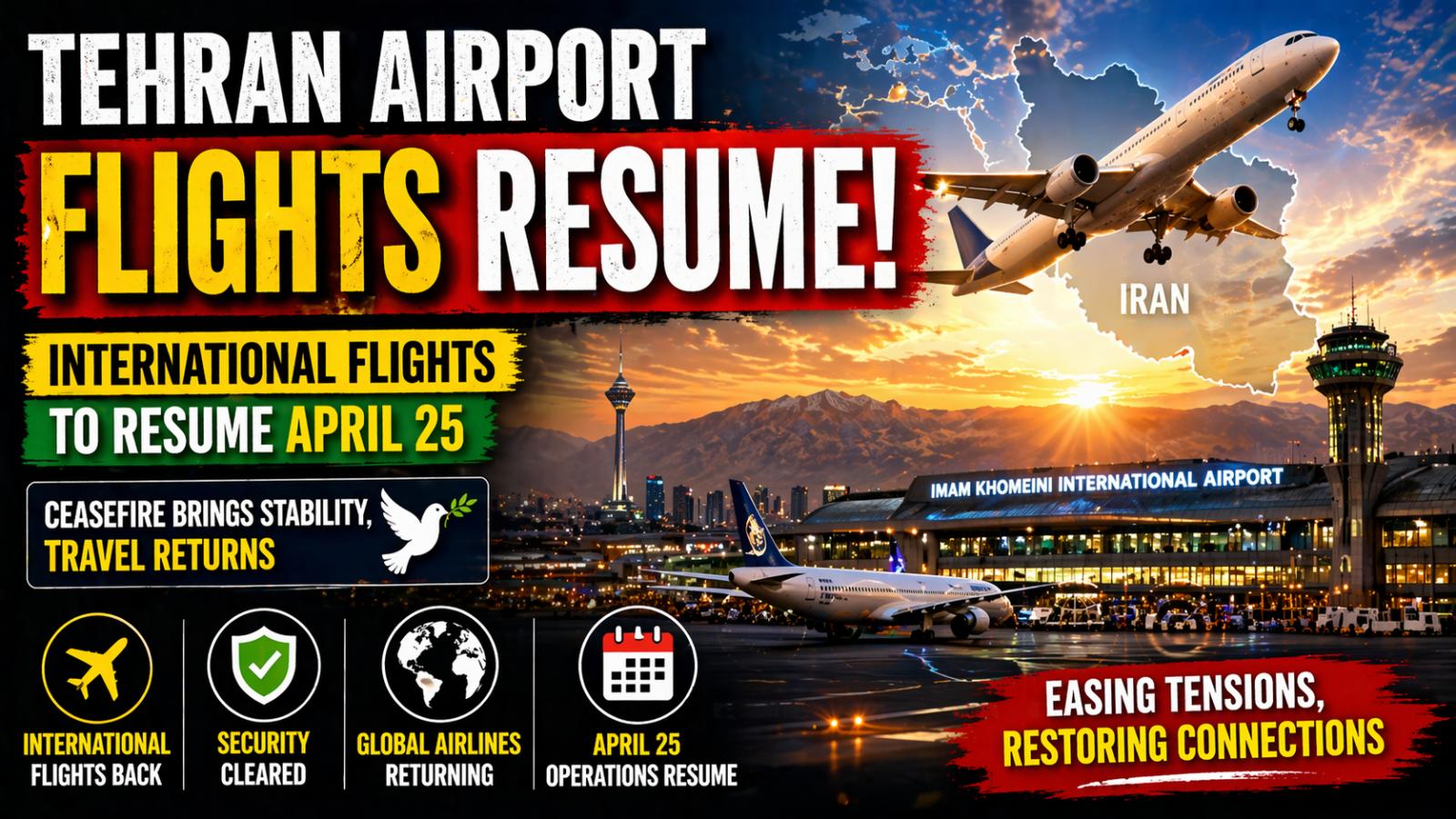
What does Tehran airport reopening signal? It marks easing regional tensions
What does Tehran airport reopening signal? It marks easing regional tensions, Tehran’s primary international gateway is preparing to resume global flight operations on Saturday, April 25, 2026, according to Iranian aviation authorities, marking a significant step toward restoring stability after a week-long suspension tied to heightened regional tensions. Airport reopening follows week-long aviation shutdown Imam Khomeini International
What does Tehran airport reopening signal? It marks easing regional tensions
What does Tehran airport reopening signal? It marks easing regional tensions, Tehran’s primary international gateway is preparing to resume global flight operations on Saturday, April 25, 2026, according to Iranian aviation authorities, marking a significant step toward restoring stability after a week-long suspension tied to heightened regional tensions. Airport reopening follows week-long aviation shutdown Imam Khomeini International
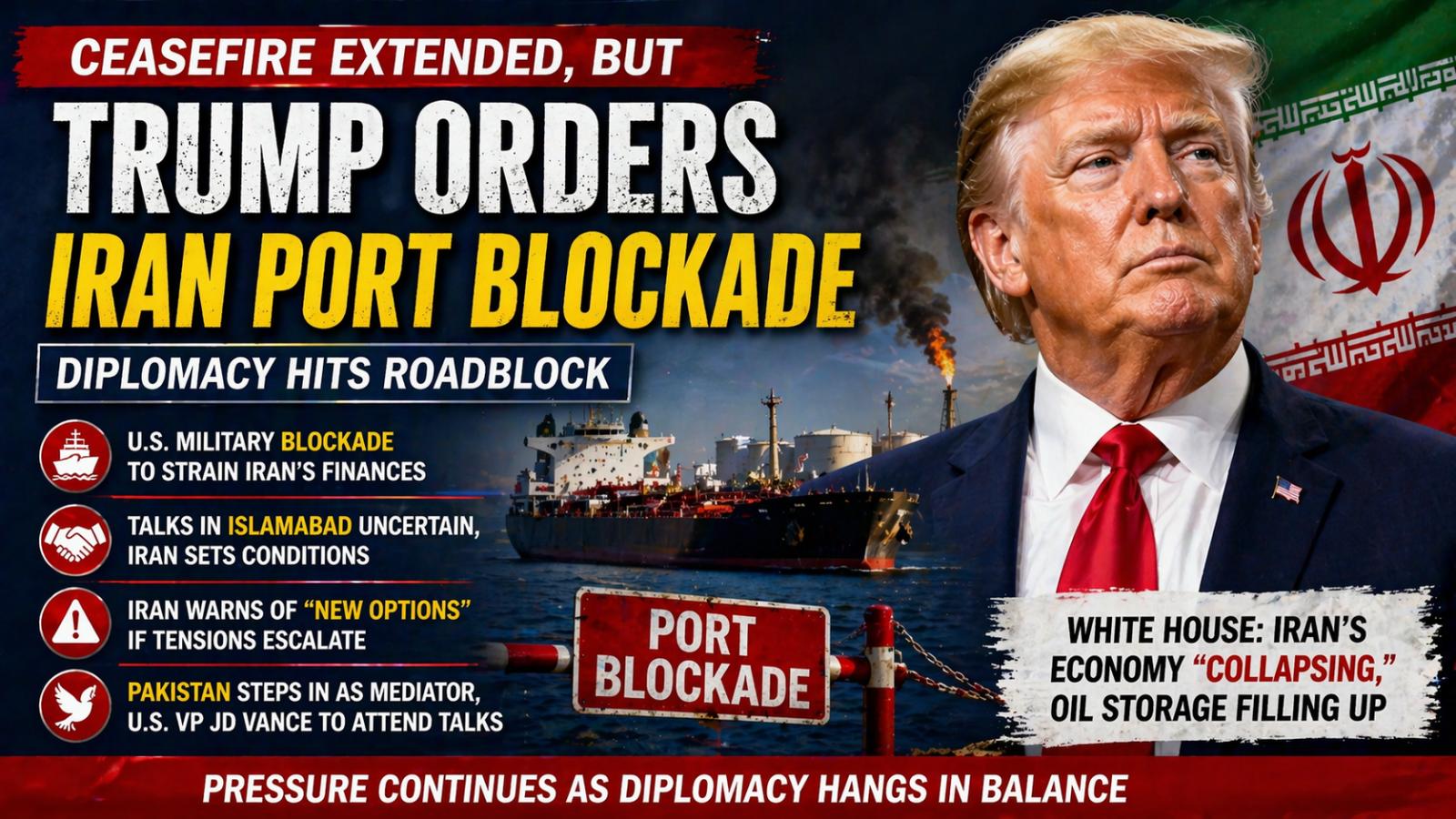
US Maintains Pressure on Iran as Talks Remain Uncertain Amid Ceasefire
The United States has maintained pressure on Iran despite a formal agreement to extend a ceasefire aimed at creating space for diplomacy. President Donald Trump has ordered the continuation of a military blockade targeting Iranian ports, a move designed to restrict Tehran’s financial resources. The administration has indicated that Iran’s economy is under significant strain, citing limited cash reserves and increasing pressure on oil storage facilities, particularly at Kharg Island. While the ceasefire extension was initially viewed as an opportunity to advance negotiations, diplomatic progress remains uncertain. Reports of a possible summit in Islamabad have been challenged by Iranian officials, who state that no delegation has departed for Pakistan. Iranian state authorities have dismissed claims of imminent talks, emphasizing that key preconditions have not been met. Tehran has maintained that any formal negotiations would require a complete halt to Israeli military actions in Lebanon. Without such assurances, Iranian leaders have expressed reluctance to engage in further discussions. Officials have also accused the United States of pursuing a strategy focused on coercion rather than constructive dialogue, raising concerns about the credibility of ongoing diplomatic efforts. Senior Iranian figures have issued strong warnings about the potential consequences of continued pressure. Parliamentary speaker Mohammad Baqer Ghalibaf suggested that Iran could explore alternative responses if tensions escalate further. Foreign Minister Abbas Araghchi criticized what he described as repeated violations of the ceasefire, while President Masoud Pezeshkian underscored the importance of trust and consistency in any negotiation process. Pakistan has emerged as a potential mediator, preparing to host talks in Islamabad in an effort to bridge differences between the two sides. The United States is expected to send Vice President JD Vance to participate in discussions, although Iran has yet to confirm its involvement. As both diplomatic and military dynamics continue to unfold, the path toward resolution remains uncertain.
US Maintains Pressure on Iran as Talks Remain Uncertain Amid Ceasefire
The United States has maintained pressure on Iran despite a formal agreement to extend a ceasefire aimed at creating space for diplomacy. President Donald Trump has ordered the continuation of a military blockade targeting Iranian ports, a move designed to restrict Tehran’s financial resources. The administration has indicated that Iran’s economy is under significant strain, citing limited cash reserves and increasing pressure on oil storage facilities, particularly at Kharg Island. While the ceasefire extension was initially viewed as an opportunity to advance negotiations, diplomatic progress remains uncertain. Reports of a possible summit in Islamabad have been challenged by Iranian officials, who state that no delegation has departed for Pakistan. Iranian state authorities have dismissed claims of imminent talks, emphasizing that key preconditions have not been met. Tehran has maintained that any formal negotiations would require a complete halt to Israeli military actions in Lebanon. Without such assurances, Iranian leaders have expressed reluctance to engage in further discussions. Officials have also accused the United States of pursuing a strategy focused on coercion rather than constructive dialogue, raising concerns about the credibility of ongoing diplomatic efforts. Senior Iranian figures have issued strong warnings about the potential consequences of continued pressure. Parliamentary speaker Mohammad Baqer Ghalibaf suggested that Iran could explore alternative responses if tensions escalate further. Foreign Minister Abbas Araghchi criticized what he described as repeated violations of the ceasefire, while President Masoud Pezeshkian underscored the importance of trust and consistency in any negotiation process. Pakistan has emerged as a potential mediator, preparing to host talks in Islamabad in an effort to bridge differences between the two sides. The United States is expected to send Vice President JD Vance to participate in discussions, although Iran has yet to confirm its involvement. As both diplomatic and military dynamics continue to unfold, the path toward resolution remains uncertain.
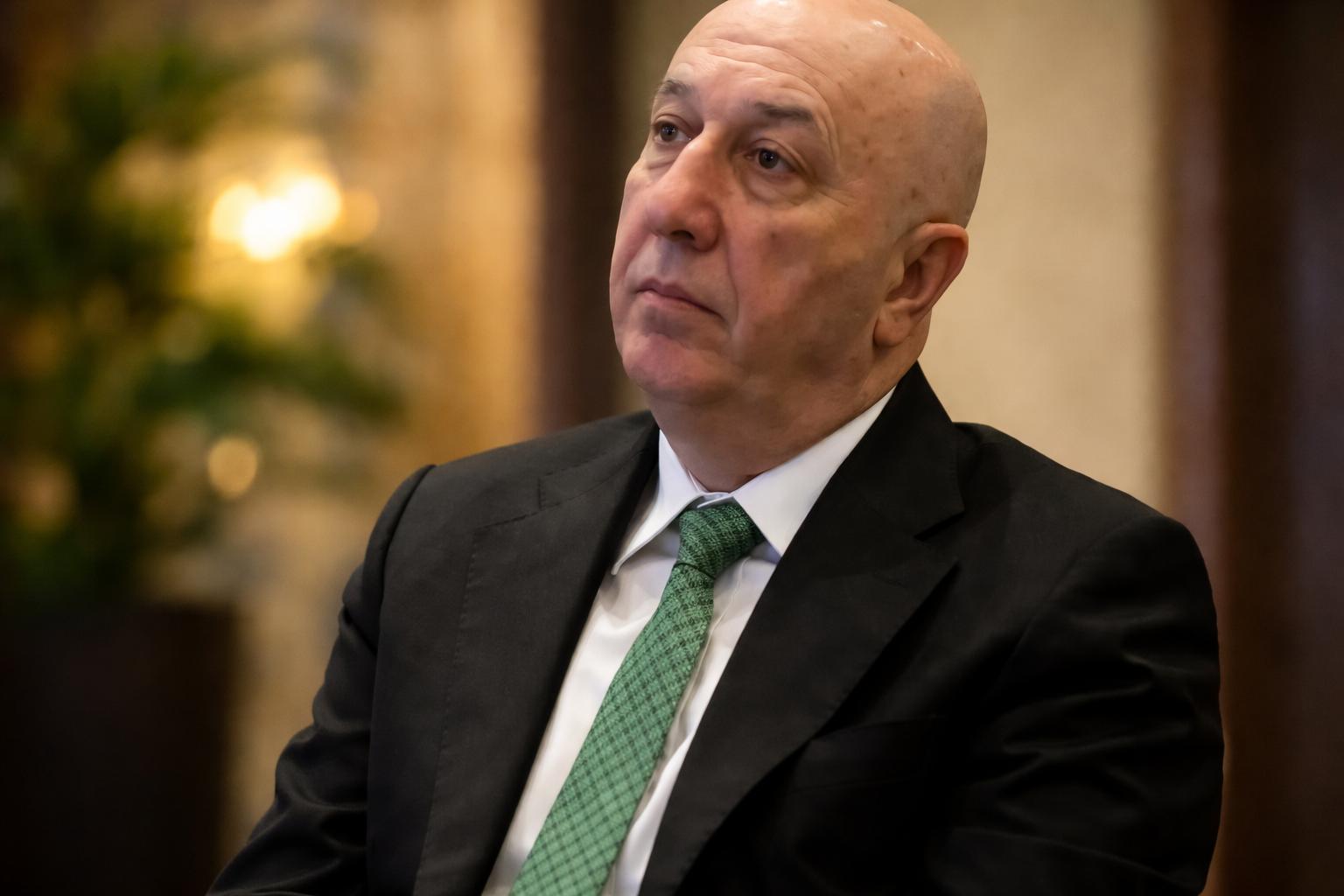
Nizar Amidi wins Iraq presidency after delayed parliamentary vote
Lawmakers in Iraq elected Nizar Mohammed Saeed Amidi as the country’s new president during a parliamentary session held on Saturday, April 11, 2026, according to official results announced by the Iraqi Parliament. The vote marked the conclusion of a delayed presidential election process that had extended be
Nizar Amidi wins Iraq presidency after delayed parliamentary vote
Lawmakers in Iraq elected Nizar Mohammed Saeed Amidi as the country’s new president during a parliamentary session held on Saturday, April 11, 2026, according to official results announced by the Iraqi Parliament. The vote marked the conclusion of a delayed presidential election process that had extended be

JD Vance departs for Iran talks, signals cautious optimism
US Vice President JD Vance said Friday he is aiming for a constructive outcome as he departed Washington, D.C., for upcoming peace negotiations with Iran, scheduled to take place in Pakistan. Speaking to reporters before boarding at Joint Base Andrews, Vance emphasized a willingness to engage diplomatically while maintaining a firm stance on accountability. He stated that the United States is prepared to pursue meaningful dialogue if Iranian representatives approach the talks in good faith. At the same time, he warned that attempts to undermine the process would be met with a less accommodating response from the US negotiating team. The visit comes amid heightened global attention on Middle East tensions, with policymakers closely watching whether diplomatic engagement can reduce friction and advance stability.
JD Vance departs for Iran talks, signals cautious optimism
US Vice President JD Vance said Friday he is aiming for a constructive outcome as he departed Washington, D.C., for upcoming peace negotiations with Iran, scheduled to take place in Pakistan. Speaking to reporters before boarding at Joint Base Andrews, Vance emphasized a willingness to engage diplomatically while maintaining a firm stance on accountability. He stated that the United States is prepared to pursue meaningful dialogue if Iranian representatives approach the talks in good faith. At the same time, he warned that attempts to undermine the process would be met with a less accommodating response from the US negotiating team. The visit comes amid heightened global attention on Middle East tensions, with policymakers closely watching whether diplomatic engagement can reduce friction and advance stability.
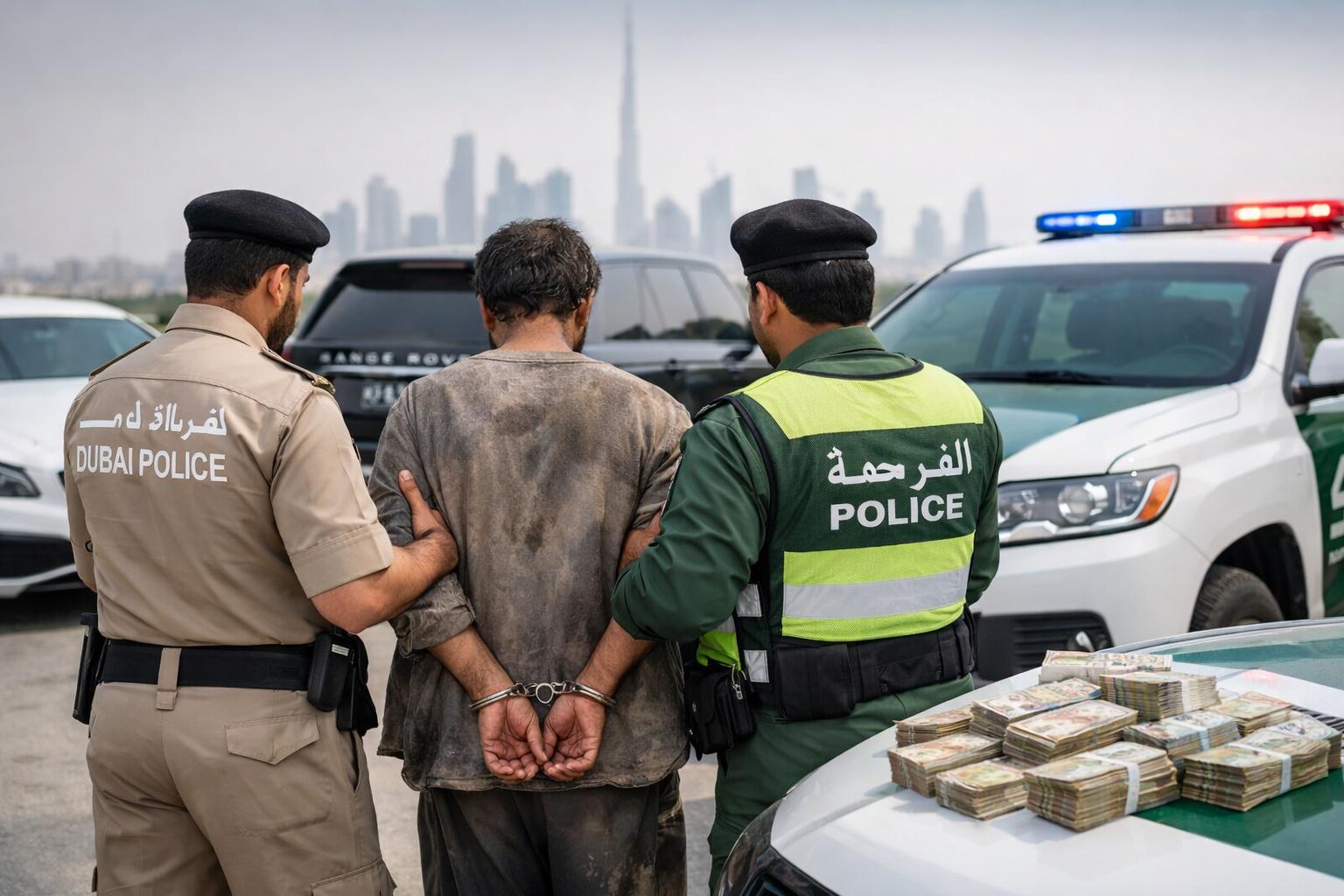
Dubai police arrest beggar with three luxury cars in Ramadan crackdown
Dubai Police have arrested a man accused of professional begging despite owning three luxury cars, as part of an intensified Ramadan crackdown targeting illegal fundraising and street solicitation across the emirate. Authorities said the suspect amassed thousands of dirhams by appealing to public sympathy while presenting himself as impoverished and in distress. According to Brigadier Ali Al Shamsi, director of the Suspects and Criminal Phenomena Department, the man would position himself in public areas during the day, appearing fatigued and destitute to solicit financial assistance from passersby. Investigators found that once his daily activity concluded, he would abandon the disguise and leave the area in a high-end vehicle. Police said the suspect had refined his approach, crafting detailed narratives of hardship and helplessness that made his appeals appear credible and convincing. Officers discovered large sums of money in his possession at the time of arrest, with amounts estimated in the thousands of dirhams. In a separate case highlighted during the campaign, one individual was found to have collected Dh25,000 yet continued to beg despite the sum being sufficient to support himself or finance travel back to his home country. Officials described such practices as deliberate exploitation of public generosity, particularly during the holy month of Ramadan, when charitable giving typically increases. The arrest forms part of the “Combat Begging” campaign launched by Dubai Police to curb street begging and organised begging networks. During the first week of Ramadan alone, 26 beggars of various nationalities were detained as part of coordinated inspection efforts across key locations in the city. Authorities said the anti-begging campaign aims not only to enforce the law but also to protect residents and visitors from fraud and deception. Under UAE Federal Law No. 9 of 2018, begging is punishable by up to three months’ imprisonment and a fine of Dh5,000. Harsher penalties apply to those who organise begging rings or recruit individuals from abroad for the purpose of solicitation, with sentences reaching six months in prison and fines of up to Dh100,000. Police stressed that enforcement measures are designed to deter repeat offenders and dismantle organised operations that seek unlawful financial gain. Ahead of Ramadan, Dubai Police also issued warnings about online scams and donation fraud circulating on websites and social media platforms. The Anti-Cybercrime Department at the General Department of Criminal Investigation reported that fraudsters frequently exploit the spirit of compassion associated with Ramadan to solicit money through deceptive digital campaigns. Residents have been urged to verify charitable appeals through official channels and to report suspicious activities. Authorities reaffirmed their commitment to maintaining public safety and ensuring that charitable contributions reach legitimate causes. They encouraged the public to channel donations through licensed charities and government-approved organisations, emphasizing that vigilance remains essential in preventing both street begging and online scams during the holy month.
Dubai police arrest beggar with three luxury cars in Ramadan crackdown
Dubai Police have arrested a man accused of professional begging despite owning three luxury cars, as part of an intensified Ramadan crackdown targeting illegal fundraising and street solicitation across the emirate. Authorities said the suspect amassed thousands of dirhams by appealing to public sympathy while presenting himself as impoverished and in distress. According to Brigadier Ali Al Shamsi, director of the Suspects and Criminal Phenomena Department, the man would position himself in public areas during the day, appearing fatigued and destitute to solicit financial assistance from passersby. Investigators found that once his daily activity concluded, he would abandon the disguise and leave the area in a high-end vehicle. Police said the suspect had refined his approach, crafting detailed narratives of hardship and helplessness that made his appeals appear credible and convincing. Officers discovered large sums of money in his possession at the time of arrest, with amounts estimated in the thousands of dirhams. In a separate case highlighted during the campaign, one individual was found to have collected Dh25,000 yet continued to beg despite the sum being sufficient to support himself or finance travel back to his home country. Officials described such practices as deliberate exploitation of public generosity, particularly during the holy month of Ramadan, when charitable giving typically increases. The arrest forms part of the “Combat Begging” campaign launched by Dubai Police to curb street begging and organised begging networks. During the first week of Ramadan alone, 26 beggars of various nationalities were detained as part of coordinated inspection efforts across key locations in the city. Authorities said the anti-begging campaign aims not only to enforce the law but also to protect residents and visitors from fraud and deception. Under UAE Federal Law No. 9 of 2018, begging is punishable by up to three months’ imprisonment and a fine of Dh5,000. Harsher penalties apply to those who organise begging rings or recruit individuals from abroad for the purpose of solicitation, with sentences reaching six months in prison and fines of up to Dh100,000. Police stressed that enforcement measures are designed to deter repeat offenders and dismantle organised operations that seek unlawful financial gain. Ahead of Ramadan, Dubai Police also issued warnings about online scams and donation fraud circulating on websites and social media platforms. The Anti-Cybercrime Department at the General Department of Criminal Investigation reported that fraudsters frequently exploit the spirit of compassion associated with Ramadan to solicit money through deceptive digital campaigns. Residents have been urged to verify charitable appeals through official channels and to report suspicious activities. Authorities reaffirmed their commitment to maintaining public safety and ensuring that charitable contributions reach legitimate causes. They encouraged the public to channel donations through licensed charities and government-approved organisations, emphasizing that vigilance remains essential in preventing both street begging and online scams during the holy month.
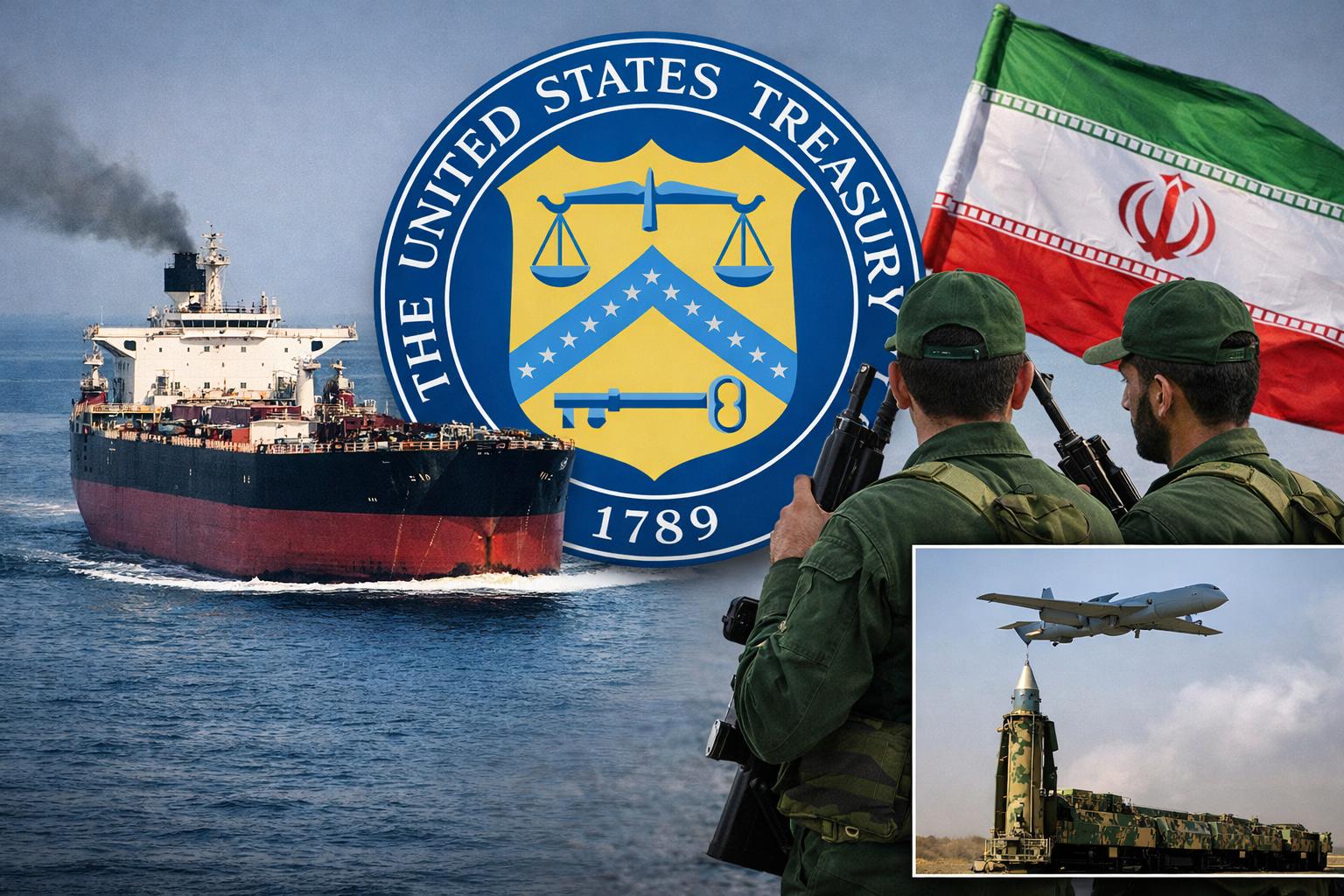
US Treasury sanctions over 30 linked to illicit Iranian oil network
The United States Treasury Department announced on Wednesday that it has imposed sanctions on more than 30 individuals, entities, and vessels accused of facilitating illicit Iran oil sales and supporting Tehran’s weapons programs. The action, carried out through the Office of Foreign Assets Control (OFAC), forms part of Washington’s continuing maximum pressure campaign aimed at curbing Iran’s military capabilities and financial networks. According to the Treasury, the measures
US Treasury sanctions over 30 linked to illicit Iranian oil network
The United States Treasury Department announced on Wednesday that it has imposed sanctions on more than 30 individuals, entities, and vessels accused of facilitating illicit Iran oil sales and supporting Tehran’s weapons programs. The action, carried out through the Office of Foreign Assets Control (OFAC), forms part of Washington’s continuing maximum pressure campaign aimed at curbing Iran’s military capabilities and financial networks. According to the Treasury, the measures