US Says Iranian Drones Were Intercepted Near Hormuz
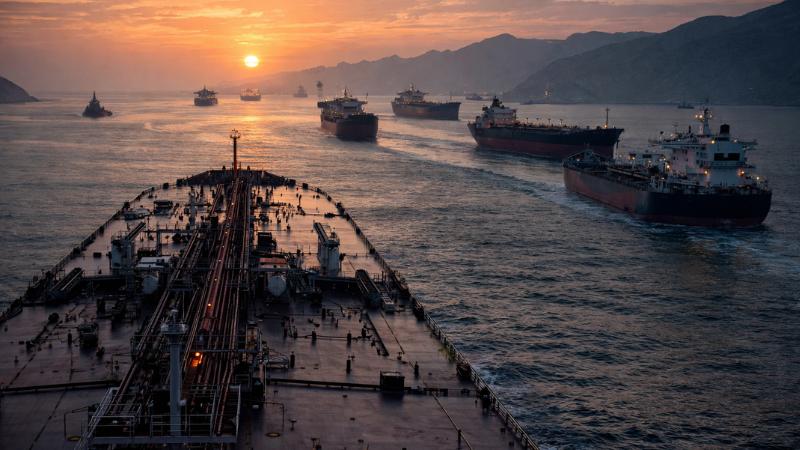
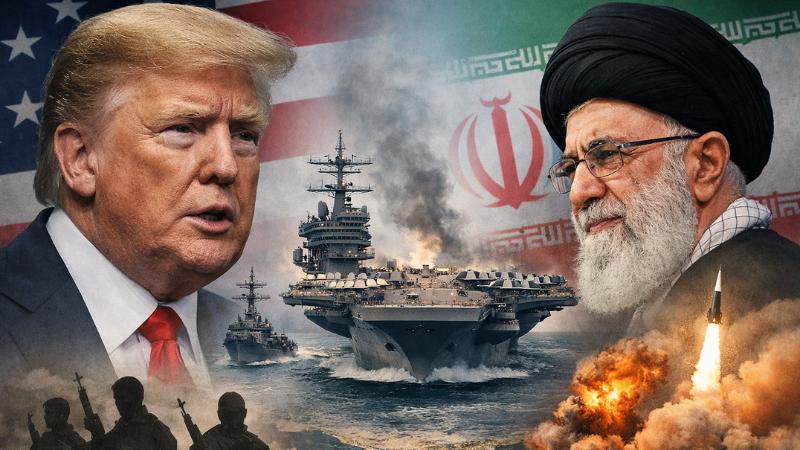
Tensions in West Asia escalated after the US military said it intercepted four Iranian one-way attack drones launched toward the Strait of Hormuz and later struck Iranian coastal surveillance radar sites. US Central Command said the drones posed an immediate threat to regional maritime traffic, a key concern because the Strait of Hormuz remains one of the world’s most important energy shipping routes. According to CENTCOM, the follow-up strikes targeted radar sites in Goruk and on Qeshm Island to prevent further attacks and protect US forces operating in the region.
CENTCOM Says Forces Remain Ready To Respond
CENTCOM said American forces remain vigilant and prepared to respond to what it described as unjustified Iranian aggression in self-defense. The incident comes during a fragile period in the broader US-Iran confrontation, with both military pressure and diplomatic negotiations continuing at the same time. Washington has framed the strikes as defensive action, while the wider conflict has raised concerns about maritime security, oil movement, and the risk of further escalation across the Gulf. The latest operation adds new pressure to talks between Washington and Tehran, which have struggled to produce a lasting agreement.
Trump Says Iran Still Has Missiles And Drones
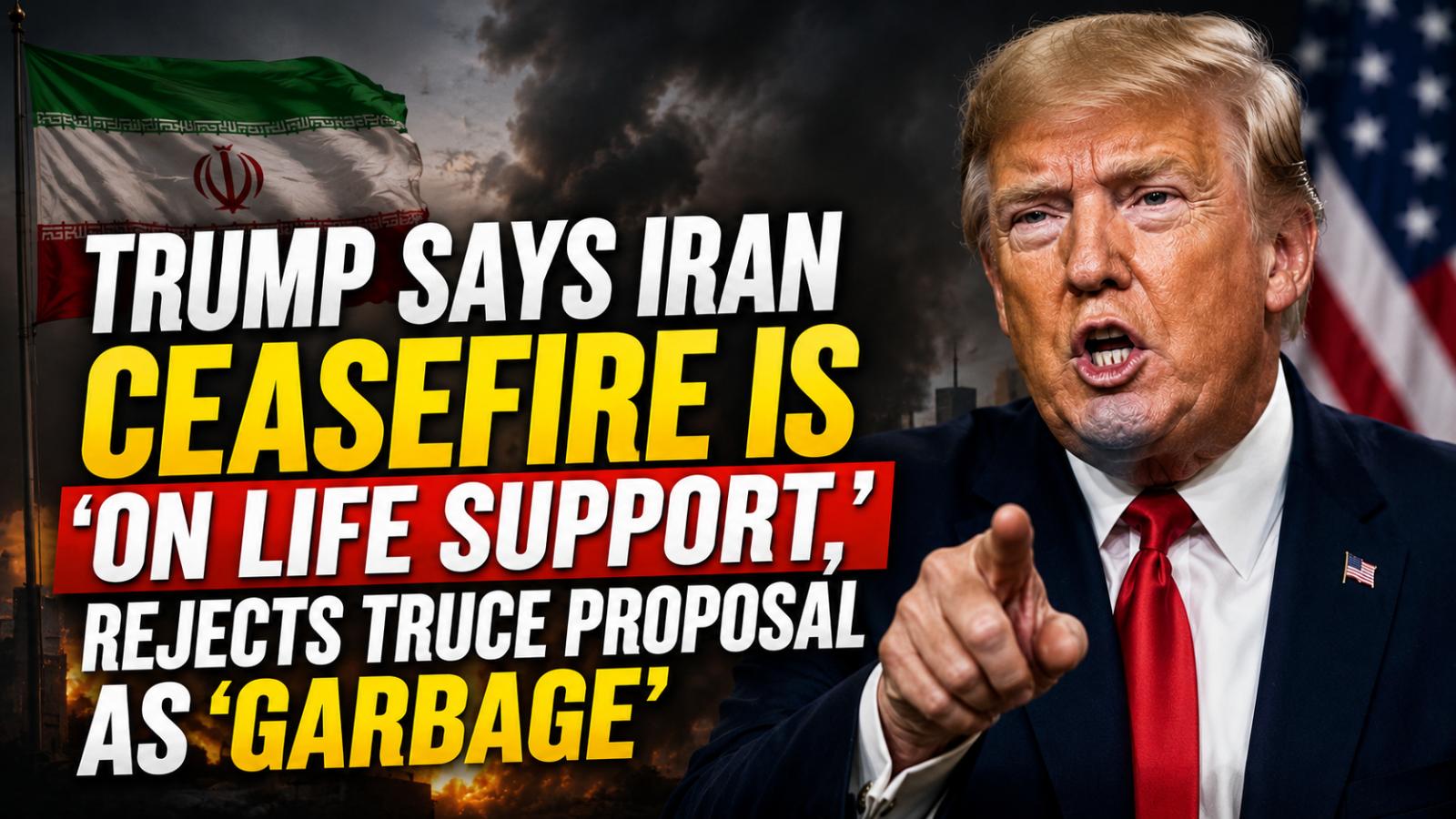
President Donald Trump said Iran still retains part of its military capacity despite previous US operations that targeted its defense infrastructure. Speaking in an interview, Trump estimated that Iran has about “21, 22 percent” of its missiles remaining and added that Tehran still possesses drones. His latest estimate is higher than the 18 percent figure he cited in May, creating renewed scrutiny over how much of Iran’s missile and drone inventory remains operational. The comments also appear to soften earlier claims that US military action had effectively crippled Iran’s ability to continue fighting.
Escalation Adds Pressure To US-Iran Negotiations
The renewed military activity comes as negotiations between the United States and Iran remain uncertain. While both sides have continued discussions, the drone incident and US strikes on radar sites show how quickly the situation can deteriorate even during diplomatic engagement. For US audiences, the key issue is whether Washington can contain Iranian military activity without triggering a wider regional conflict. Trump’s acknowledgment that Iran still has missiles and drones suggests the conflict may remain active despite claims of major damage to Tehran’s war-fighting capacity.