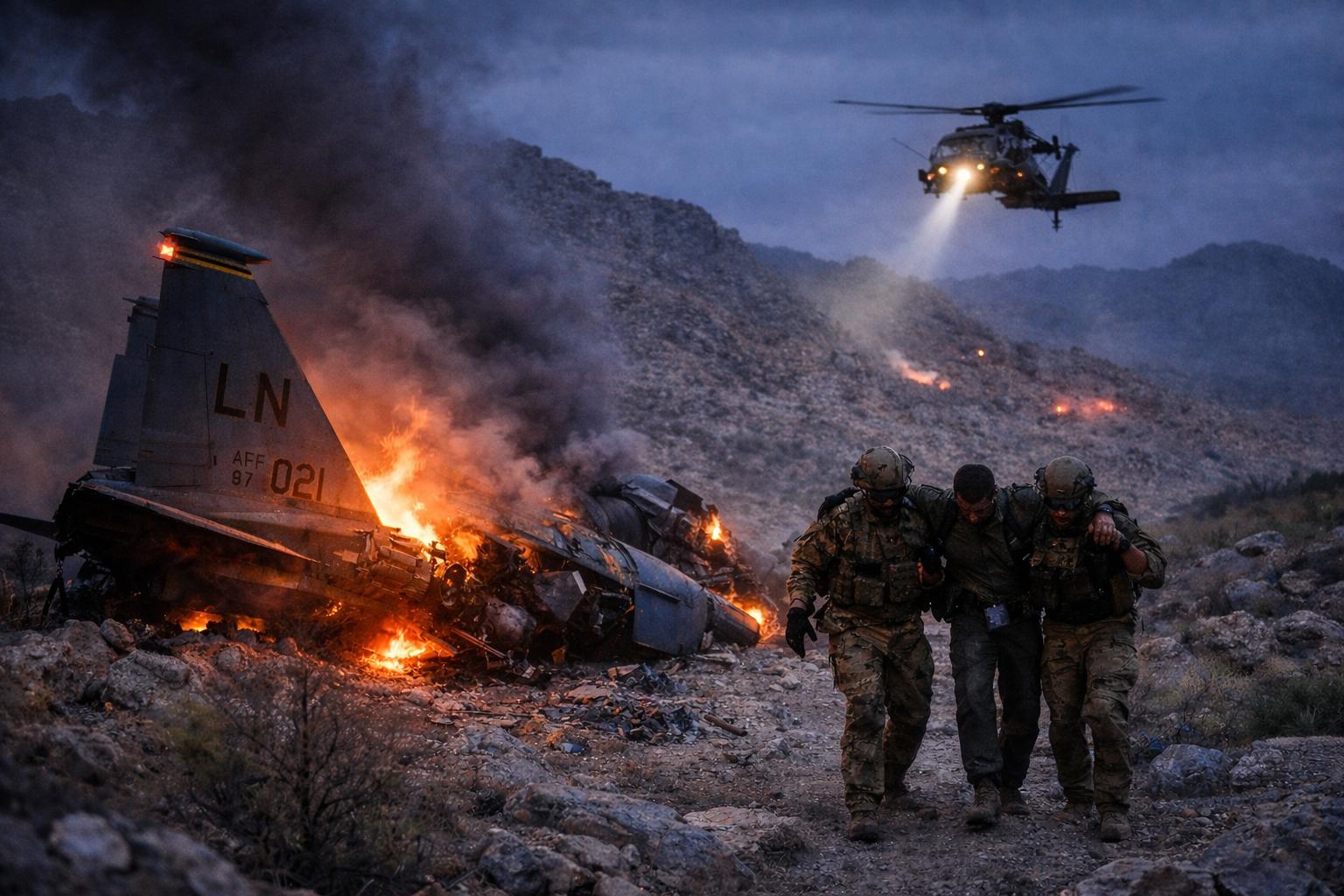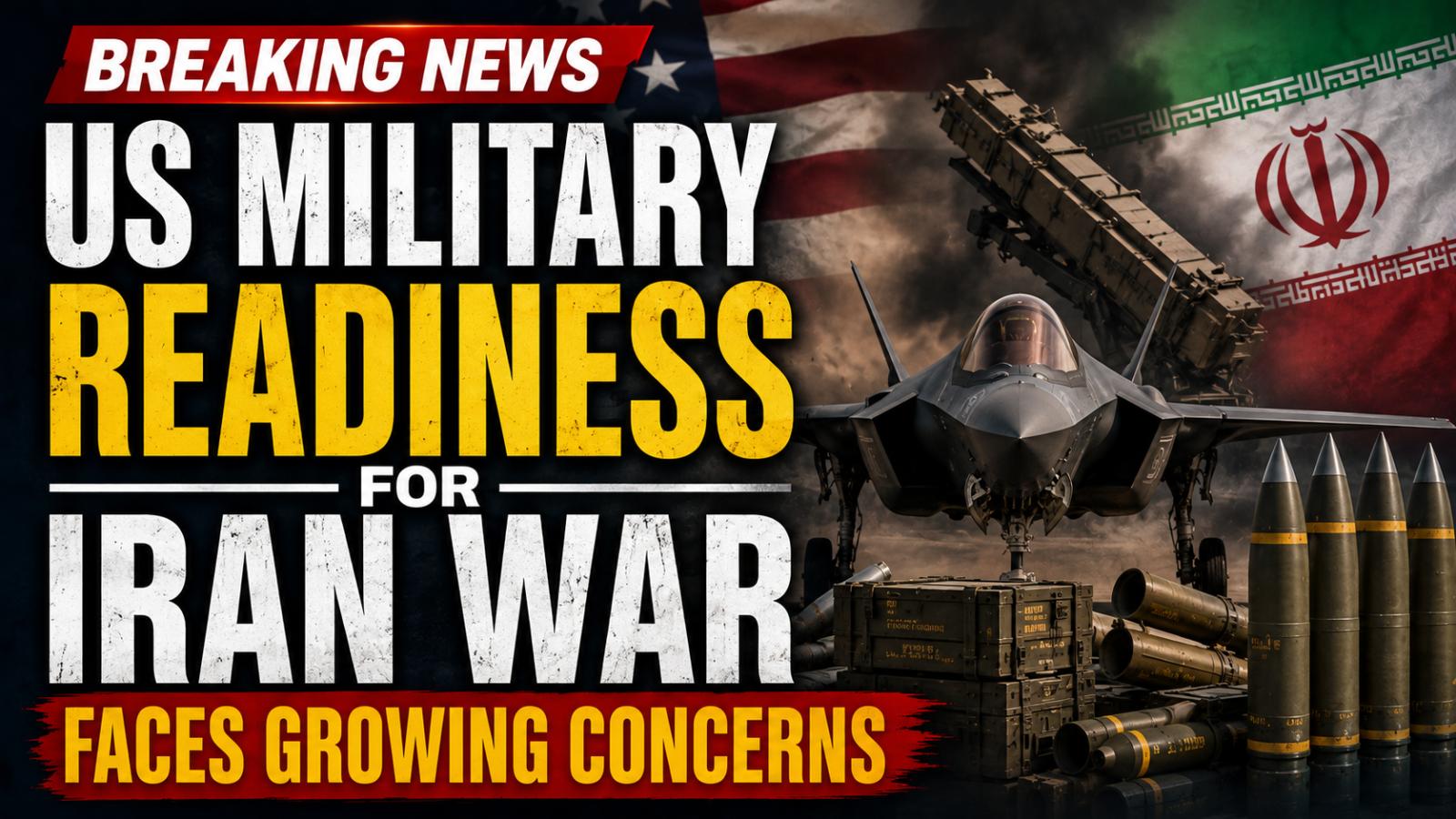
US military readiness for a possible wider Iran conflict is facing increased scrutiny as officials and defence experts warn about shrinking missile stockpiles, operational challenges and Pentagon concerns. The debate comes as President Donald Trump signals that US military objectives in Iran remain incomplete.
US Military Readiness for Iran War Faces Growing Concerns
Officials Warn of Shrinking Weapons Stockpiles
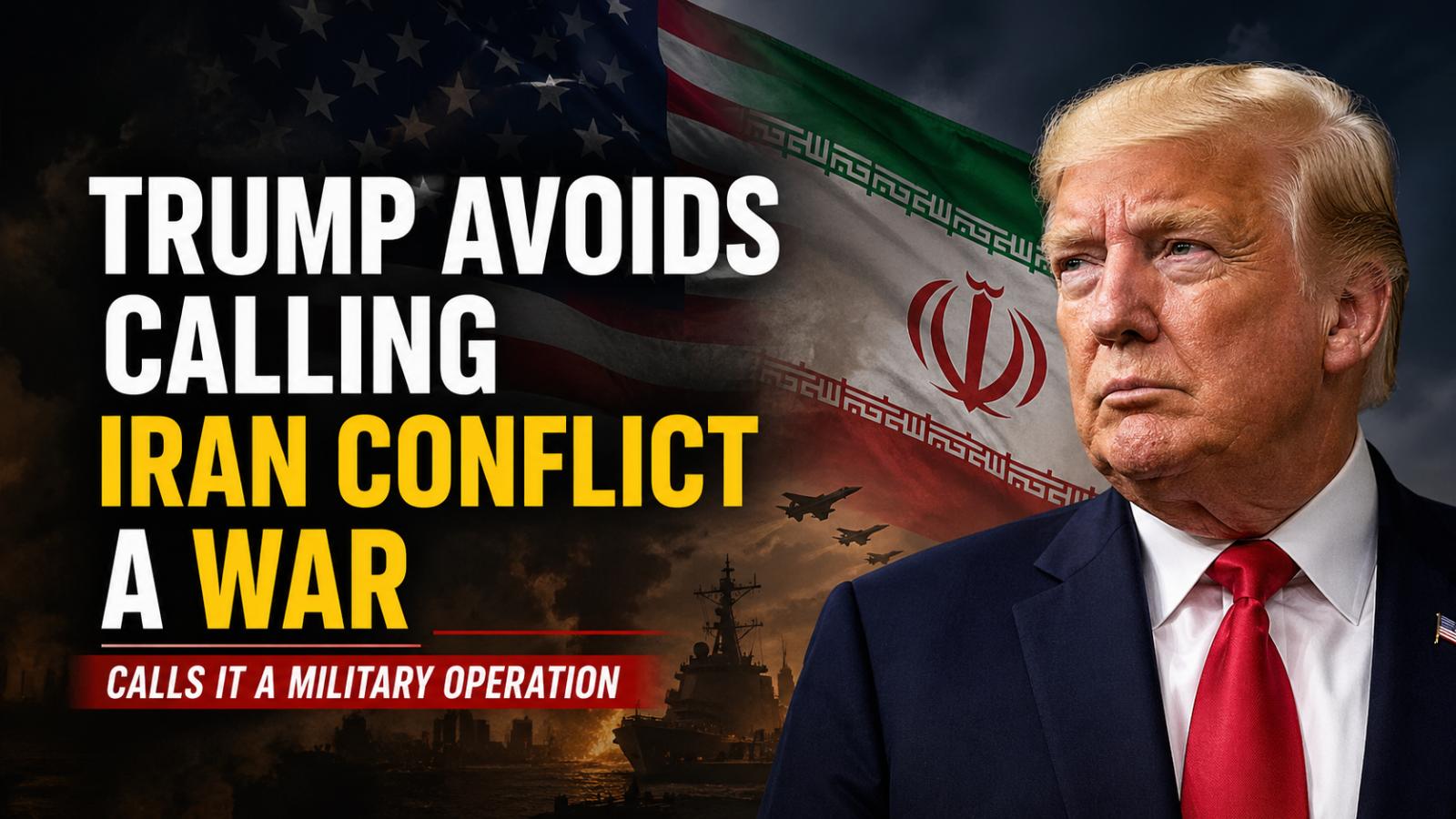
Questions are growing over whether the United States has the resources to sustain a prolonged military campaign against Iran as officials and defence analysts raise concerns about the country's military readiness. The issue gained renewed attention after President Donald Trump indicated that Washington's objectives in Iran remain unfinished during a White House meeting with Lebanese President Joseph Aoun.
According to officials familiar with the ongoing military campaign, the United States may face increasing pressure if current operations expand into a broader conflict. Concerns focus on the availability of critical weapons, air defence systems and the military's ability to maintain operational tempo over an extended period.
Reports citing officials involved in the conflict suggest that stockpiles of advanced air defence interceptors and long-range precision-guided munitions have declined as operations continue. Military planners are also reportedly assessing how quickly damaged equipment can be repaired and whether additional aircraft, personnel and logistical assets could be deployed if the conflict escalates.
Pentagon Faces Operational Challenges
Military officials are said to be evaluating the practical limits of sustaining a larger campaign. Concerns extend beyond missile inventories and include transportation capacity, force rotation, equipment maintenance and overall operational readiness.
The administration has continued to state publicly that military options remain available if necessary. However, defence officials acknowledge that maintaining extended operations requires a consistent supply of precision weapons, reliable logistics and sufficient reserve forces capable of supporting future missions.
Analysts note that modern military campaigns consume significant quantities of advanced munitions, making production capacity and supply chains increasingly important during prolonged conflicts. Any delays in replenishment could affect future operational planning.
Defense Experts Question Ground Force Deployment
Security experts have also urged caution regarding any expansion of the conflict. Seth Jones, who leads the defence and security programme at the Center for Strategic and International Studies (CSIS), has warned against deploying American ground forces into areas near Iran if tensions continue to rise.
According to Jones, introducing ground troops into strategically sensitive areas could significantly increase military risks while creating additional logistical challenges. His assessment reflects broader concerns among defence analysts who believe the United States should carefully evaluate both military objectives and available resources before expanding operations.
Military experts argue that air power and naval assets remain more flexible options than large-scale ground deployments, particularly in a region where geography and existing security conditions present complex operational challenges.
Questions Over Internal Pentagon Communication
Separate reports have suggested that some Defence Department officials are concerned about communication within the Pentagon itself. According to those reports, some officials fear negative operational assessments may not always move efficiently through senior leadership channels, raising questions about how strategic decisions are informed.
Neither the White House nor the Pentagon has publicly commented on those reports. Officials have also not addressed claims that concerns about weapons inventories or operational readiness are being understated within internal discussions.
As military operations continue, lawmakers and defence analysts are expected to closely monitor both the Pentagon's readiness and its ability to sustain future missions. The debate extends beyond current military exchanges and includes long-term questions about force structure, weapons production and defence planning.
The discussion also highlights the broader challenge facing modern militaries during prolonged conflicts. Maintaining technological superiority depends not only on advanced weapons but also on industrial capacity, logistics networks and the ability to rapidly replace equipment consumed during operations.
Information in this article is based on publicly reported statements from US officials, comments by defence experts, remarks made by President Donald Trump during his White House meeting with Lebanese President Joseph Aoun, and publicly available government information. The White House and the Pentagon had not issued official responses to the reported concerns at the time of publication.